In This Guide
- Where to Camp in England - Top Options
- Campground Types in England (National, Private, Wild)
- Featured RV Park or Campground in England
- Hookups & Amenities - What to Expect
- Booking Windows & Reservations in England
- Nearby Supermarkets & Resupply Points
- Best RV Class for Camping in England
- How to Save on Campgrounds in England
- Is wild camping legal in England
- Where can I park my RV in England overnight
- Can you park an RV anywhere in England
- What are the rules for camping in England
- Is it easy to drive an RV in England
- What is the smallest RV to rent in England
- What is the best month to RV in England
- How much does it cost to RV in the UK
Embarking on a motorhome adventure through England offers unparalleled freedom, allowing you to discover rolling hills, historic towns, and dramatic coastlines at your own pace. With a rented RV, you can follow your whims, linger in places that capture your heart, and truly immerse yourself in the local culture. For live availability and current prices, start with our RV Rental England - Complete Guide 2026 guide.
At Bandana RV, we specialize in making these dream trips a reality. We're true RV specialists, not just a travel agency side department. Our focus is exclusively on RV travel, offering unmatched personal experience and attention to the smallest details. We believe in full transparency: no hidden fees, no surprises, just honest and straightforward pricing. Whether you're a meticulous pre-planner or a spontaneous explorer, we're here to support you before, during, and after your booking, ensuring you have the easiest, safest, and most affordable way to rent an RV in England.
Where to Camp in England - Top Options
England offers diverse and captivating camping experiences, from the rugged coastlines of Cornwall to the serene lakes of the Lake District, providing a perfect backdrop for your rented motorhome adventure. Imagine waking up to the sound of waves or birdsong, with a fresh cup of coffee from your RV kitchen, ready for a new day of exploration. Popular regions for RV camping include iconic National Parks like the Lake District, Peak District, and New Forest, all offering scenic pitches and abundant outdoor activities. Coastal areas such as Dorset, Devon, and Cornwall provide sites with stunning sea views and immediate access to beautiful beaches, ideal for family trips or romantic getaways. For a taste of quintessential English charm, the Cotswolds and other rural areas offer quaint village stays and tranquil countryside retreats, making slow travel, at a maximum of 100-150 km per day on average, a truly rewarding experience.
Campground Types in England (National, Private, Wild)
In England, motorhome and campervan travelers can choose from organised national park campsites, diverse private commercial sites, or specific legal 'wild camping' spots, though true wild camping is highly restricted for RVs outside of designated areas. National Park sites often provide basic to moderate amenities, focusing on natural beauty and direct access to hiking trails, with pitches typically costing £20-£35 per night. Private campgrounds offer the widest range of amenities, including electric hookups, showers, laundry facilities, and sometimes on-site shops or restaurants, with prices varying from £30 to £50+ per night depending on facilities and location. True wild camping for rented RVs is generally illegal without explicit landowner permission; for example, Dartmoor National Park specifies rules mainly for tents, with RVs usually requiring formal sites. Legal alternatives for informal overnight stays include pub stopovers, often part of schemes like Brit Stops, farm stays, and exclusive Certified Locations (CLs) and Certified Sites (CSs) for Caravan and Motorhome Club members. These smaller, more intimate sites (typically 5 pitches or fewer) offer a unique and peaceful way to experience England's countryside.
Featured RV Park or Campground in England
While many exceptional RV parks and campsites exist across England, look for sites that perfectly blend scenic beauty with convenient amenities, such as those nestled near historic villages or along coastal paths. A fantastic example might be a park in the Lake District offering lake access and views, or a charming site in Dorset near the Jurassic Coast with pitches costing around £40 per night. When choosing a campground for your rented campervan or motorhome, consider factors like proximity to key attractions, the availability of hardstanding pitches versus grass, and the range of hookups (electric, water, waste) and on-site facilities like shower blocks, laundry, or even a local pub. The best campgrounds often feature excellent reviews, provide family-friendly activities, and offer easy access to walking or cycling routes, ensuring a comfortable and enjoyable base for exploring the local area.
🎬 Video coming soon
Hookups & Amenities - What to Expect
RV campgrounds in England generally provide essential hookups like electricity, fresh water, and waste disposal points, ensuring a comfortable stay for your rented motorhome. Electrical hookups typically offer 16 amp service at 230 volts, so ensure your RV is compatible or you have the correct blue CEEform adapter if traveling from outside the UK/EU. Fresh water taps are usually available at each pitch or at central points for easy refilling of your RV's 100-150 liter tank, while grey water drains and black water (cassette toilet) emptying points-often called 'Elsan points'-are standard facilities. Other common amenities include clean shared toilet and hot shower blocks, laundry facilities, and often Wi-Fi (which can be paid or have limited connectivity), and sometimes even on-site shops or cafes for your convenience. Planning your route with a resource like RV PLANET (rvplan.net) allows you to itemize and track every expense, including these ancillary trip costs, for easy budgeting. On the routes offered through RV PLANET routes, you can itemize and track every expense along the way for easy budgeting.
Booking Windows & Reservations in England
To secure your preferred RV pitch in England, particularly during peak seasons like summer holidays (July-August) and bank holiday weekends, booking several months in advance is highly recommended for popular sites. For example, booking 90+ days ahead can yield average savings of 25% on peak-season rates, a tip covered in our RV Rental Deals in England - Latest Offers 2026 pricing guide. For shoulder seasons (April-May, September-October), you typically have more flexibility, often being able to book 1-2 weeks ahead or even same-day, though popular spots may still fill up quickly. Many national park campgrounds and some popular independent sites only release a portion (e.g., 25%-30%) of their spots for advance reservations, leaving the rest for first-come-first-served arrivals. While spontaneous travel is certainly possible, especially in less popular areas or during off-peak times, it's always advisable to call ahead to confirm availability before driving to a campground, particularly if you have a larger RV or specific pitch requirements.
Nearby Supermarkets & Resupply Points
Replenishing your rented RV's supplies in England is incredibly convenient, with major supermarket chains widely available in towns and villages across the country. You'll easily find well-known chains such as Tesco, Sainsbury's, Asda, and Morrisons for a full range of groceries, fresh produce, and household items, making it easy to prepare meals in your RV's kitchen. For budget-friendly options, Lidl and Aldi supermarkets are widely present and offer competitive prices on essentials. Many larger supermarkets also offer online grocery delivery services, which can sometimes deliver directly to your campsite, adding extra convenience for longer week-long trips. Cooking your own meals in your campervan is a fantastic way to save money and enjoy the flexibility of RV travel; explore our RV-friendly recipes playlist for inspiration.
Best RV Class for Camping in England
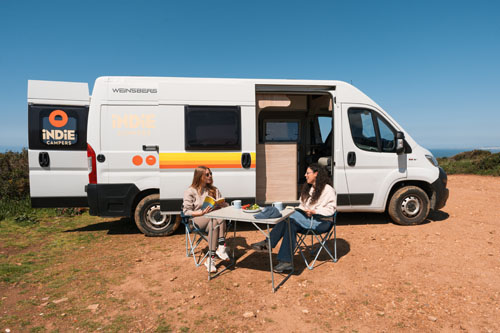
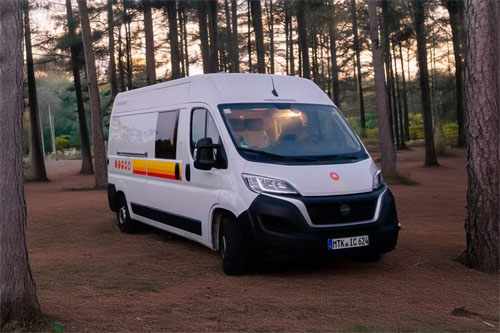
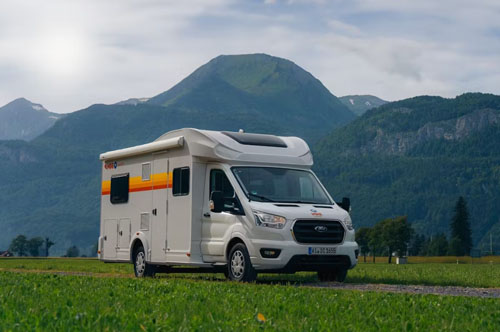
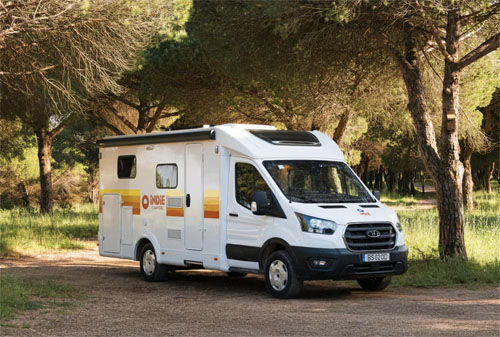
For navigating England's diverse landscapes, which include both wide motorways and very narrow country lanes, a compact RV such as a Class B Camper Van or a smaller Class SI Semi-integrated model is often ideal. Class B Camper Vans, averaging around 5.8 meters in length and typically sleeping 2-3 adults, offer excellent maneuverability, making them easier to navigate tight village streets, narrow country roads, and for parking in smaller spaces. For families or those desiring more comfort, Class SI Semi-integrated RVs, with an average length of 6.9 meters and sleeping 2-4 adults, provide more interior space and amenities than a campervan while generally remaining manageable for many English roads. Larger Class C Alcove (avg. 7.5m) or Class A Integrated (avg. 7.5m) models offer greater comfort, like the spacious rent rv example E3, but may present challenges on very narrow lanes, through ancient villages with width restrictions, or under low bridges, so consider your planned routes carefully. Drive slowly and carefully, and you can drive almost anywhere without issues. No need to stress - just use common sense and pay attention.
How to Save on Campgrounds in England
To significantly reduce campground costs for your RV rental in England, leverage discount cards like those offered by various touring clubs, which can provide savings at participating sites. Traveling during the shoulder seasons (spring and autumn) often results in lower pitch fees and fewer crowds compared to the peak summer months (July and August), when demand drives prices higher. Opt for municipal or regional council-run campgrounds, which are typically more affordable, often £20-£30 per night, than large, privately-owned holiday resorts with extensive facilities. Consider staying for longer durations, as many campsites offer discounted weekly rates (e.g., stay 7 nights for the price of 6), providing better value per night for your week-long trip. If traveling with another RV, inquire about sharing hookups or larger pitches, which can sometimes lead to group discounts or reduced individual costs. Exploring options via RV PLANET (rvplan.net) can help you find cost-effective routes and track expenses.
Is wild camping legal in England
True wild camping in England, meaning pitching a tent or parking a rented RV outside of a designated campsite without permission, is generally illegal, except for certain historically unique areas of Dartmoor National Park. Outside of specific areas in Dartmoor, all land in England is owned, and camping without the landowner's explicit consent is considered trespassing. For RVs, specific legal 'wild camping' spots are virtually non-existent; any overnight parking outside of an official site or private property with permission risks fines or being moved on by authorities. Responsible alternatives include seeking permission from landowners, using pub stopovers (like those in the Brit Stops scheme), or staying at Certified Locations (CLs) and Certified Sites (CSs) if you are a member of the Caravan and Motorhome Club, offering quiet spots typically for fewer than 5 RVs.
Where can I park my RV in England overnight
Overnight RV parking in England is primarily permitted at official campsites, designated motorhome stopovers, or private land with explicit landowner permission, such as specific pub car parks participating in schemes like Brit Stops. Official campsites, available from approximately £20 per night, offer the safest and most convenient option, providing amenities like hookups, showers, and waste disposal. Brit Stops and similar pub stopover schemes allow RVers to park overnight in pub car parks, often in exchange for patronizing the establishment by buying a meal or drinks, offering a unique local experience. Some towns are establishing official 'aires' or motorhome stopovers, which provide basic overnight parking facilities, though these are less common than in mainland Europe. Parking overnight in lay-bys, on public roadsides, or in most supermarket car parks is generally not permitted and can result in fines or being asked to move by authorities.
Can you park an RV anywhere in England
No, you cannot legally park a rented RV anywhere in England for an overnight stay; parking is typically restricted to official campsites or private land with express permission from the owner. Public roads, lay-bys, and most public car parks are not designated for overnight RV parking, and local councils or police can issue fines ranging from £50 to £2,500 or require vehicles to move. Local bylaws vary significantly across England, so what might be tolerated in one area could be strictly prohibited in another, reinforcing the need to always check local regulations. Unauthorised overnight parking can cause local nuisance, lead to a negative perception of RVers, and is best avoided by planning stays at official or permitted locations, such as a Caravan and Motorhome Club site offering pitches from £25 per night.
What are the rules for camping in England
Camping in England, particularly in a rented RV or motorhome, generally requires staying on a designated campsite, adhering to site-specific regulations, and respecting national guidelines on waste disposal, noise, and fire safety. The primary rule for RVs is to use official campsites or obtain express permission from private landowners for overnight stays, as wild camping is largely prohibited (except for specific areas in Dartmoor). Campsite rules typically cover check-in/out times (e.g., arrival after 2 PM, departure by 11 AM), pitch boundaries, pet policies (if allowed and often with a small surcharge of £2-£5), and restrictions on noise, especially during quiet hours (usually 10 PM to 7 AM). Campers are expected to practice 'leave no trace' principles, utilizing designated bins for rubbish and proper disposal points for grey and black water (Elsan points), and adhering to fire safety regulations, which often prohibit open fires outside of designated pits or BBQs.
Is it easy to drive an RV in England
Driving a rented RV in England can be straightforward on major motorways and A-roads, but requires caution and an appropriate vehicle size when navigating the country's notoriously narrow country lanes, historic village streets, and ancient bridges. Motorways (M roads) and primary A-roads are generally well-maintained and easy to traverse, with speed limits of 70 mph for cars and 60 mph for motorhomes over 3.05 tonnes. However, smaller B-roads and unclassified routes, especially in regions like the Cotswolds or rural Wales, can be very narrow, winding, and challenging for larger vehicles like a 7.5-meter Class C motorhome. It is crucial to remember that driving is on the left-hand side of the road, and speed limits, which vary by road type and vehicle size, are strictly enforced. RV drivers should be particularly aware of height and width restrictions in older towns, villages, and under railway bridges, with some bridges having clearances as low as 2.1 meters (7 feet). Using an RV-specific GPS can help avoid unsuitable routes.
What is the smallest RV to rent in England
The smallest RVs commonly available for rent in England are Class B Camper Vans, which in Bandana's global fleet average around 5.8 meters (19 feet) in length. These compact Class B Camper Vans are ideal for solo travelers, couples, or small families of 2-3 people, offering a balance of comfortable amenities-like a small kitchen and wet bath-and excellent maneuverability on England's diverse roads. For example, a luxury rv rentals example Carthago Malibu 600 or a V2L model typically offer a double bed around 140/190cm and a small refrigerator. Their smaller size makes them significantly easier to navigate through narrow country lanes, park in tighter village spots, and generally results in better fuel efficiency (around 8-10 Liters/100km) compared to larger motorhomes. While they offer less interior space, their agility provides greater freedom to access quaint villages and remote scenic spots often inaccessible to larger RVs. For a slightly larger, but still manageable option, consider a Class SI Semi-integrated model like the Active Compact Select which averages 6.5 meters and sleeps 2-4.
What is the best month to RV in England
The best months to RV in England are generally May, June, and September, offering a favorable balance of pleasant weather, extended daylight hours (up to 16 hours in June), and fewer crowds compared to the peak summer holiday season. May and June provide blossoming landscapes and increasingly warmer temperatures (average 15-18°C) before the main school holidays begin, making campsites less crowded and attractions more accessible. September boasts beautiful autumn colours, often stable and mild weather (average 14-17°C), and significantly fewer tourists, allowing for a more relaxed and budget-friendly trip with average campground prices 15-20% lower than in July-August. While July and August offer the warmest weather (average 18-21°C) and numerous festivals, they also bring the largest crowds, highest prices for rentals and campsites, and absolutely require advance booking months in advance.
How much does it cost to RV in the UK
The cost of an RV trip in the UK varies widely depending on the rental vehicle, season, and travel style, but a comfortable budget for two, excluding the RV rental itself, can range from £80-£150 per day for food, activities, and some campsite fees. For a two-week rental in England during shoulder season, a compact campervan like the Group B might cost around £80-£120 per day, while a larger family motorhome like the Group G (sleeping 7) could range from £150-£250 per day. Fuel is a significant expense; Bandana's fleet typically consumes 8-12 Liters/100km, so factor in current diesel prices (e.g., around £1.60-£1.70 per litre) for your mileage. Campsite fees generally range from £20-£35 per night for a basic pitch to £30-£50+ for a fully serviced pitch with hookups at private parks, with Certified Locations (CLs) and Certified Sites (CSs) often being cheaper, around £10-£20. Daily expenses for food and groceries can be estimated at £30-£50 for two if cooking most meals (check out our RV-friendly recipes playlist for ideas), while attraction entry fees can add £15-£30 per person per site. For precise budgeting and route planning that tracks all these expenses, consider utilizing RV PLANET routes.
For example, a 1-week trip for a couple in a Class B campervan might total £1000-£1500 (including rental, fuel, food, basic campsites). A 2-week family adventure in a Class C motorhome could range from £2500-£4000, and a month-long journey upwards of £5000-£8000 depending on luxury level and mileage. Last-minute deals on RV rentals in England are dynamic like flight tickets; prices change daily based on availability, seasonality, and supplier marketing decisions. While last-minute availability exists, particularly in off-peak times, the best deals often require booking in advance, as demonstrated in our Cheap RV Rental in England - Budget Guide 2026. For flexibility, consider traveling during flexible dates or off-peak seasons to find more affordable options, and always compare prices across suppliers using a dedicated platform like Bandana RV. Renting a motorhome in cities like Birmingham or Bristol, or from airports like Birmingham - Airport or Bristol - Airport, often provides competitive starting points.
What You Shouldn't Miss
- Explore the Lake District National Park: Drive a compact campervan through winding roads to picturesque villages like Grasmere, hike to stunning viewpoints over Windermere or Ullswater, and enjoy lake cruises. Campsites here, often offering basic facilities, are perfect for connecting with nature.
- Discover the Jurassic Coast (Dorset & East Devon): Take a week-long journey along this UNESCO World Heritage site, uncovering ancient fossils on beaches like Charmouth and exploring iconic landmarks such as Durdle Door and Lulworth Cove. Plenty of well-equipped private campgrounds offer pitches with sea views.
- Wander through the Cotswolds: Experience quintessential English countryside by meandering through honey-colored stone villages like Bourton-on-the-Water and Bibury in your nimble rented motorhome. Many small, private Certified Locations (CLs) and farm stays provide tranquil overnight spots.
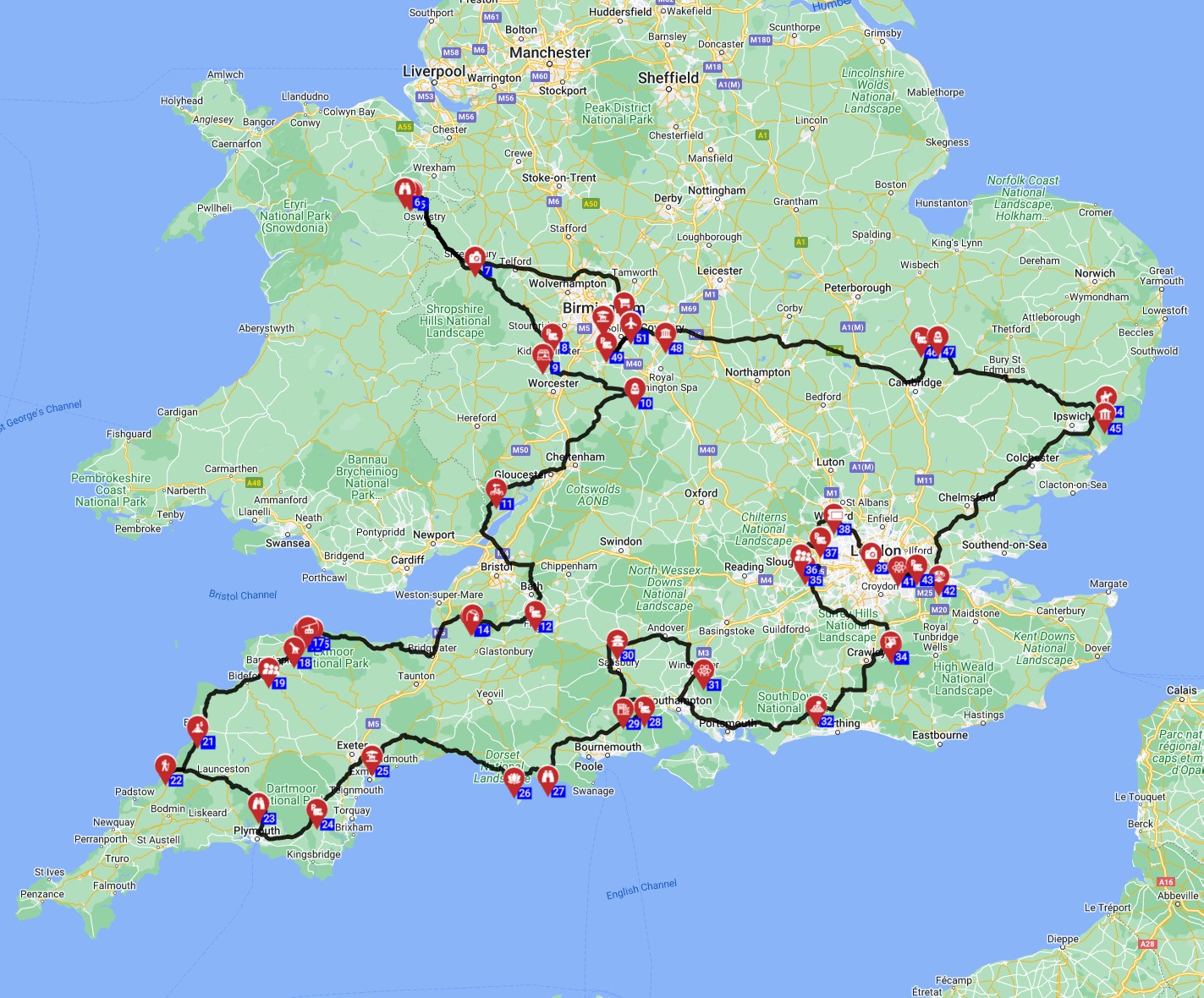
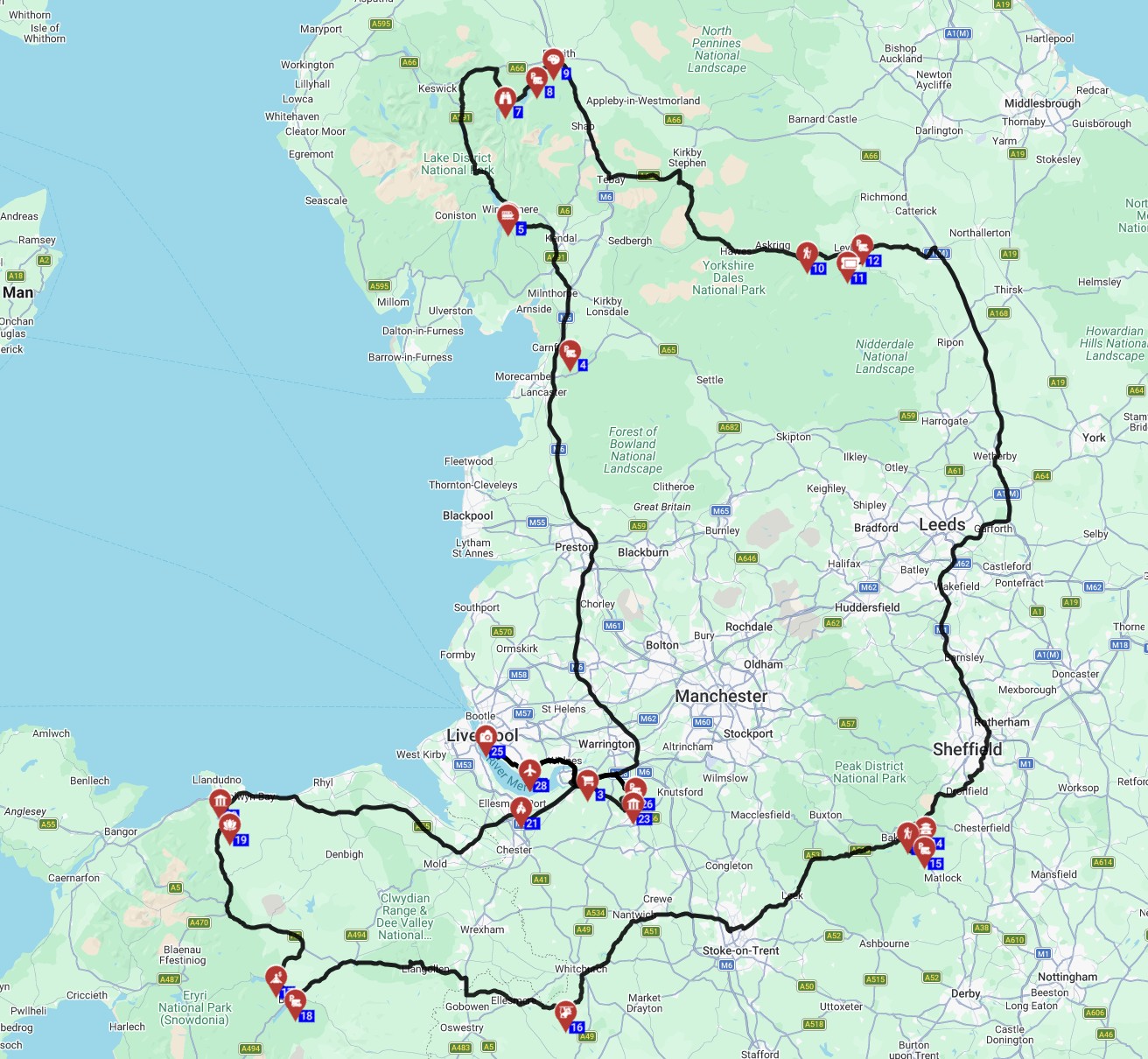
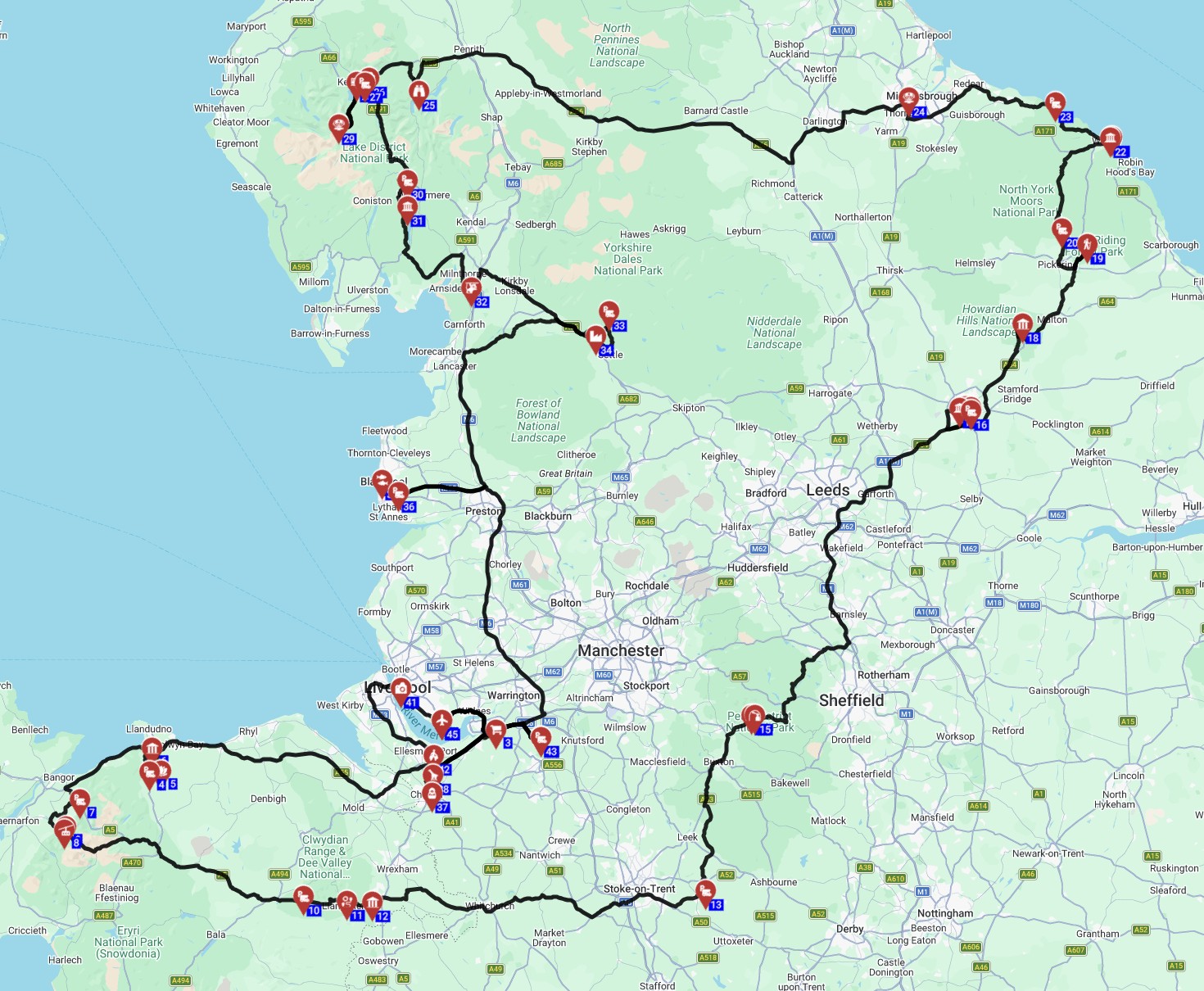
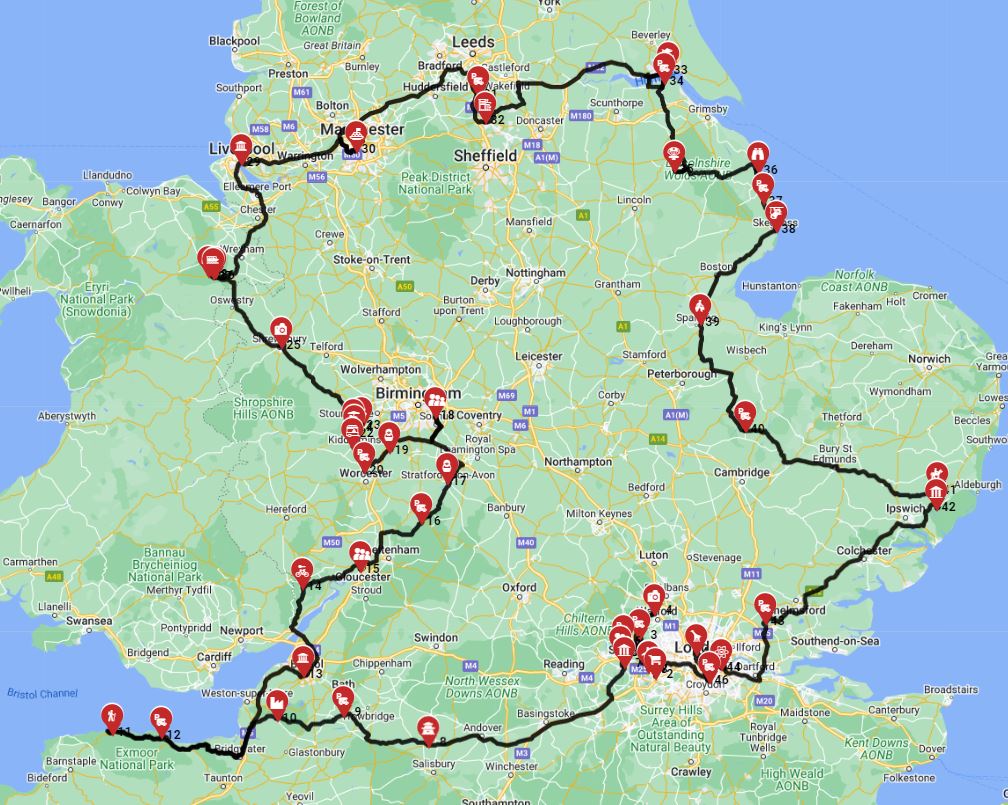
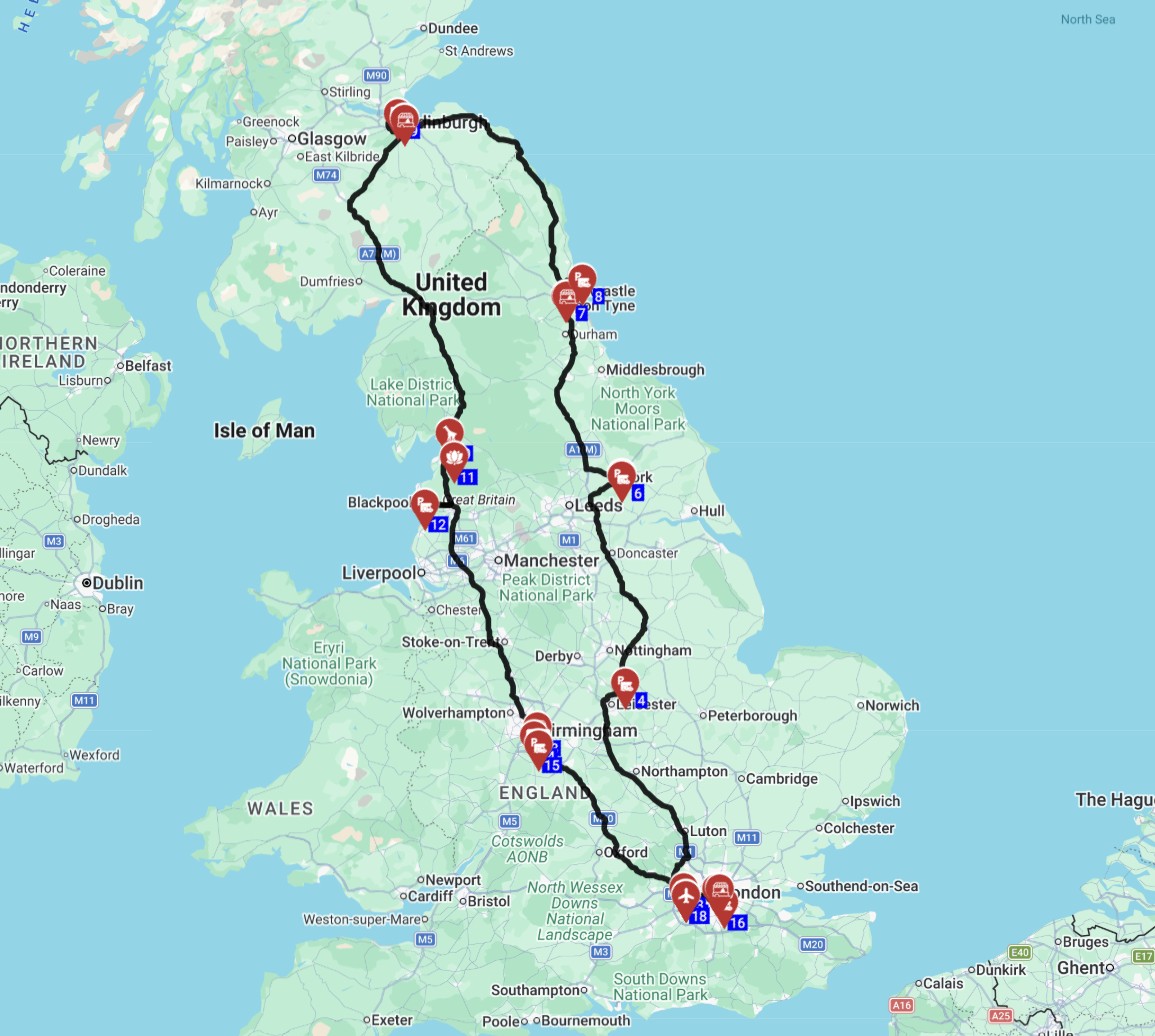
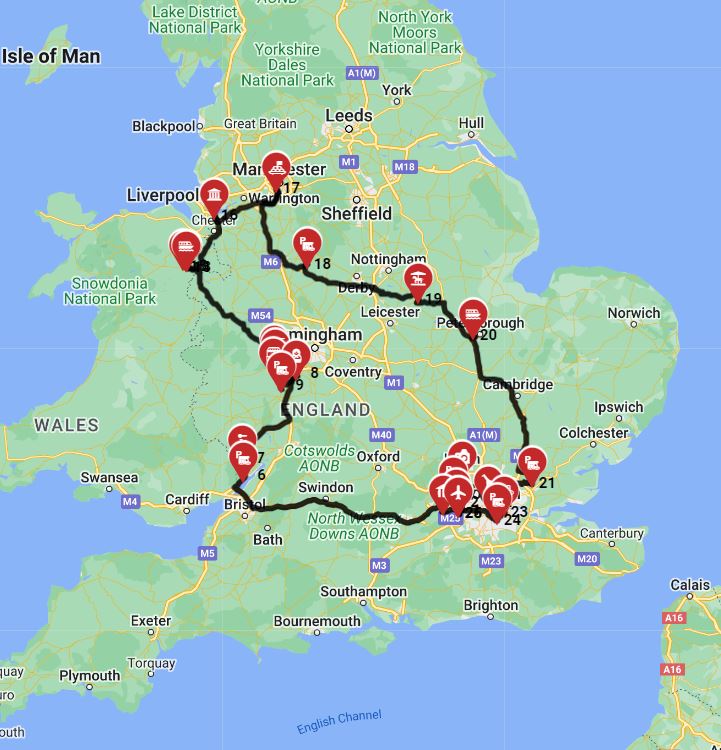
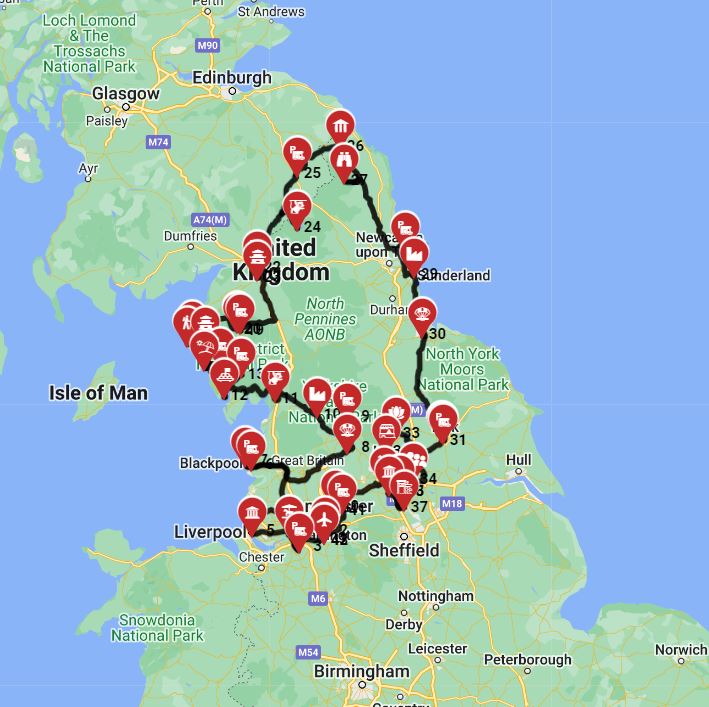
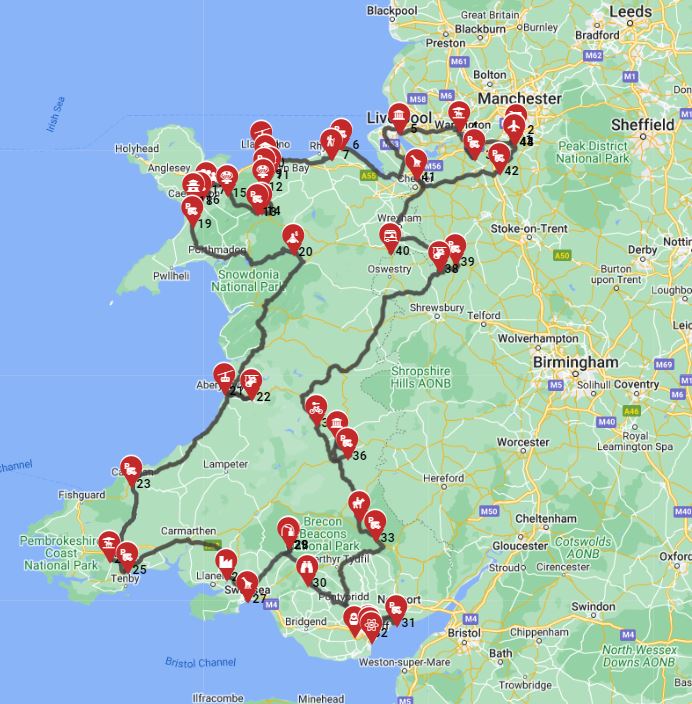
- Visit London's Royal Parks and Historic Sites: While you won't drive your RV into central London, park at an outer city campsite and use public transport to explore Buckingham Palace, the Tower of London, and the British Museum. Our
(22 days, 2573 km) and London Roundtrip - Central England (15 days, 1909.6999999999998 km) route plans offer comprehensive itineraries.
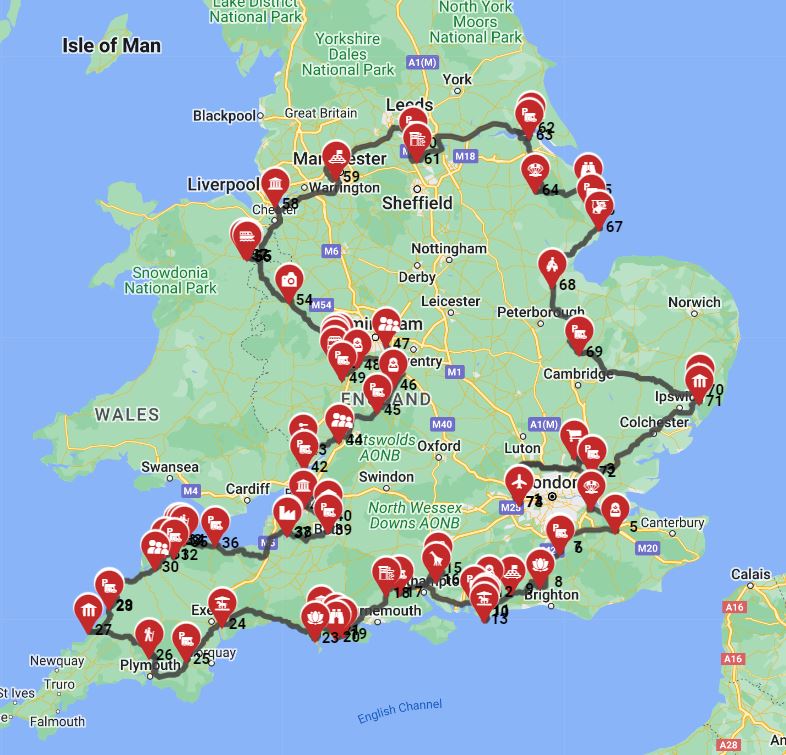 London Roundtrip - A circuit around England
Looking for expert insights from Avi Bandana? Top 5 Adventures - recommendations from Avi Bandana
Final Thoughts
An RV or campervan adventure through England offers a unique blend of historical discovery, natural beauty, and cultural immersion, all on your own terms. From the dramatic cliffs of the south coast to the serene national parks in the north, having your accommodation on wheels provides unparalleled flexibility. Remember that the journey is just as important as the destination; embrace slow travel, savor local flavors, and connect deeply with the places you visit.
Planning your trip to England is exciting, and with Bandana Caravan by your side, you'll find the perfect rental motorhome to suit your style and budget. Our commitment to full transparency, dedicated support, and extensive network of suppliers ensures a smooth and memorable experience from your initial search to your safe return. So, gather your loved ones, pack your bags, and get ready to discover the magic of England from the comfort of your own rented RV.
Discover top destinations, planning tips, all in one place! Find rv rental Rentals in England today.