In This Guide
- Where to Camp in East Europe — Top Options
- Campground Types in East Europe (National, Private, Wild)
- Featured RV Park or Campground in East Europe
- Hookups & Amenities — What to Expect
- Booking Windows & Reservations in East Europe
- Nearby Supermarkets & Resupply Points
- Best RV Class for Camping in East Europe
- How to Save on Campgrounds in East Europe
- Can you park a motorhome anywhere in Europe
- What is the 333 rule for campervan
- Is Europe RV friendly
- Is it cheaper to rent an RV or stay in hotels
- Which European country has the best campsites
- Is RVing a thing in Europe
- Which countries are RV friendly
- How much does it cost to rent an RV in Europe
Where to Camp in East Europe — Top Options
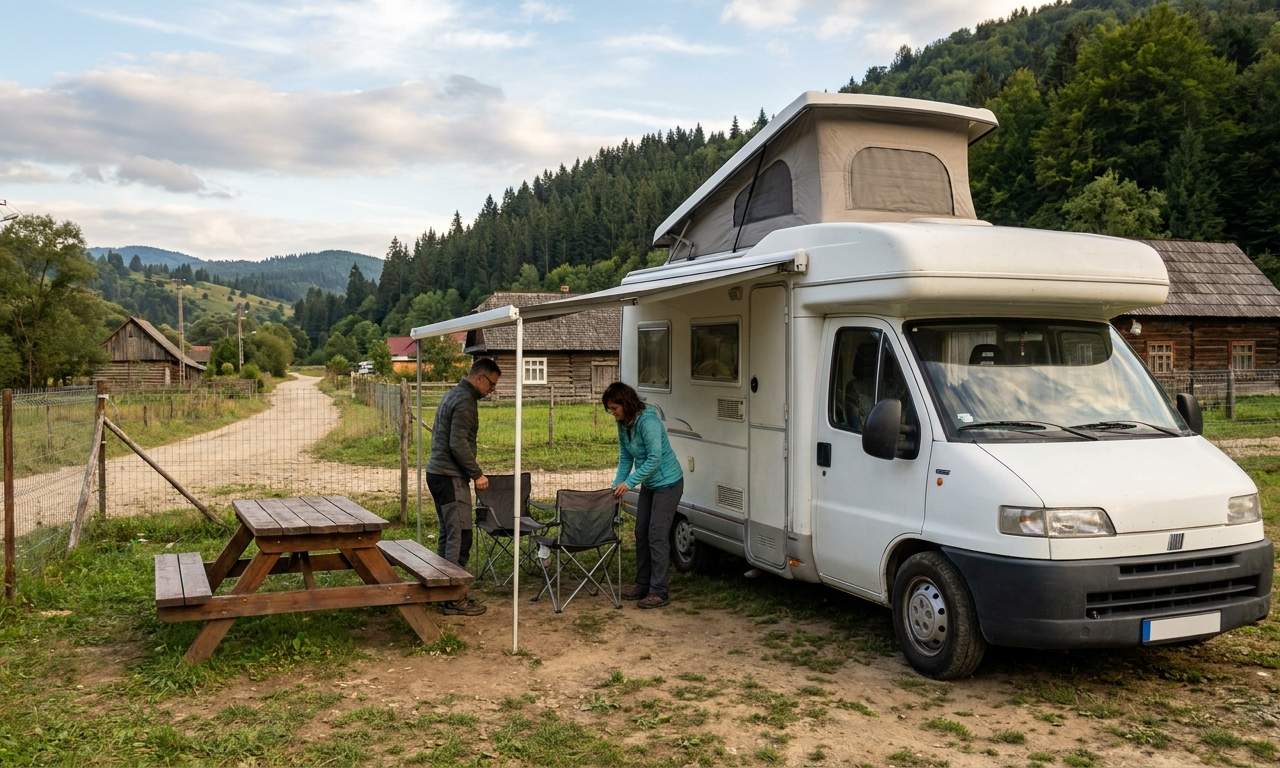
Eastern Europe offers a diverse range of camping experiences, from the sun-drenched coastal sites in Croatia to the serene mountain retreats in Romania and the picturesque lakefront spots in Poland. These diverse landscapes provide a perfect backdrop for any RV adventure. For instance, the Dalmatian Coast in Croatia is renowned for its modern facilities and stunning Adriatic Sea views, making it a popular choice for many travelers. Alternatively, the Carpathian Mountains, stretching across Romania and Slovakia, offer a more immersive nature experience, with numerous campgrounds nestled amidst breathtaking scenery. Poland's Masurian Lake District is another excellent option, particularly for those who enjoy watersports and tranquil lakeside settings. When planning your route, consider areas that are rich in natural beauty and close to major attractions. National parks such as Plitvice Lakes in Croatia or the Tatra Mountains straddling Poland and Slovakia often feature exceptionally well-equipped campgrounds that serve as ideal bases for exploration.
Campground Types in East Europe (National, Private, Wild)
In East Europe, travelers will encounter a variety of campground types, from basic national park sites that offer an immersive natural experience to amenity-rich private establishments that cater to a wide range of preferences. National park campgrounds typically provide essential facilities like designated pitches, restrooms, and sometimes electrical hookups, often requiring advance reservations, especially during the peak summer months. Private campgrounds, particularly in popular tourist destinations, are abundant and can range from budget-friendly options to luxurious resorts boasting extensive facilities like swimming pools, on-site restaurants, and comprehensive hookups. It's crucial to note that wild camping, also known as freedom camping or boondocking, is generally restricted or illegal in most Eastern European countries, especially within the European Union and protected natural areas. Strict adherence to local ordinances is advised, as violations can result in fines and unwanted attention. Always verify specific country regulations, as some remote areas might tolerate overnight parking if no specific prohibitions are posted and landowners’ permission is obtained, though this is never guaranteed.
Featured RV Park or Campground in East Europe
When selecting an ideal RV park in Eastern Europe, travelers should prioritize establishments that strike a balance between natural beauty, essential services, and convenient access to local attractions or major transport routes. An exemplary RV park in the region would feature well-maintained, spacious pitches, secure parking facilities, and reliable utility hookups. Essential amenities to look for include clean restrooms, hot showers, and possibly a small on-site shop or restaurant for added convenience. Many of the top-rated RV parks in Eastern Europe are strategically located along the scenic Adriatic coastline in Croatia, near historically significant cities such as Prague or Budapest, or adjacent to national parks, offering diverse and enriching experiences for every RV enthusiast.
Hookups & Amenities — What to Expect
In Eastern European campgrounds, travelers can generally expect a variety of hookups and amenities, though availability and quality can differ based on the campground's type and location. Most established private campgrounds and many national park sites offer essential services such as electric hookups, typically providing 220-240V power via a standard CEE blue plug. Access to fresh water and facilities for dumping grey and black water are also commonly available. Wi-Fi is becoming increasingly prevalent, particularly at private sites, though signal strength and reliability can vary, especially in more remote or mountainous areas. Standard amenities at most established sites include clean restrooms and hot showers, with larger resorts often boasting additional features like swimming pools, playgrounds, and on-site dining options. A realistic assessment of RV-specific infrastructure, such as LPG availability and repair shops, indicates that while major amenities are usually present in tourist hubs, more rural areas might require greater self-sufficiency and careful planning.
Booking Windows & Reservations in East Europe
For RV travel in Eastern Europe, understanding the booking windows and reservation systems is key to securing the best spots. Advance reservations are highly recommended, particularly for popular campgrounds located in national parks or prime coastal areas, as these can be fully booked several months in advance, especially during the peak summer months of July and August. Many national park campgrounds follow a practice of releasing only 25% to 30% of their spots for online reservations, reserving the remainder for first-come, first-served arrivals, which can be beneficial for spontaneous travelers. During the shoulder seasons, typically from late spring (May-June) to early autumn (September-October), spontaneous travelers often find same-day or next-day availability. However, it is always advisable to call ahead to confirm space before driving to a campground to avoid disappointment. Rest assured, you will almost certainly find a place to park your RV; if your first choice is full, a nearby alternative is usually available, making flexibility a valuable asset for a smooth journey.
Nearby Supermarkets & Resupply Points
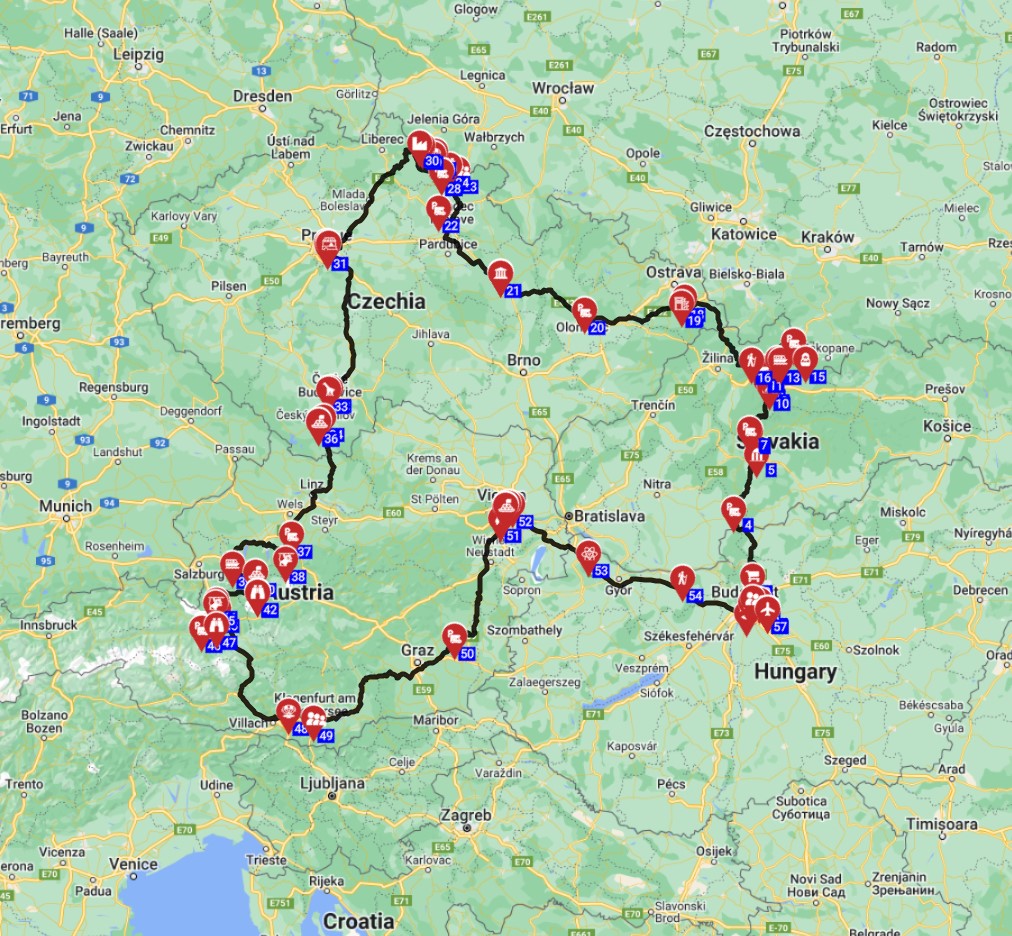
Resupplying your RV in Eastern Europe is generally a straightforward and convenient process, with major supermarket chains readily accessible in towns and cities throughout the region. Travelers will find popular international chains like Lidl, Kaufland, and Billa, which offer a wide selection of groceries at competitive prices, alongside numerous local supermarket chains and smaller neighborhood stores. These local markets and convenience stores are excellent for quick purchases of fresh produce and essential items. It is recommended to stock up on provisions in larger urban centers before venturing into more rural or remote areas, where grocery options might be more limited, ensuring you have all necessary supplies for your journey. On the routes offered through RV PLANET routes, you can itemize and track every expense along the way for easy budgeting.
Best RV Class for Camping in East Europe
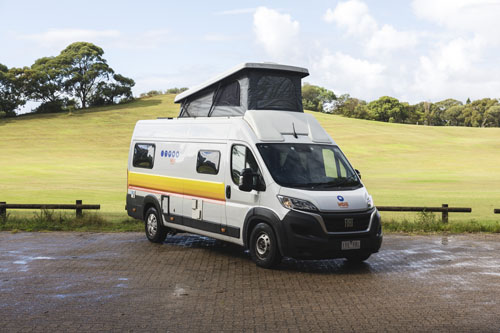
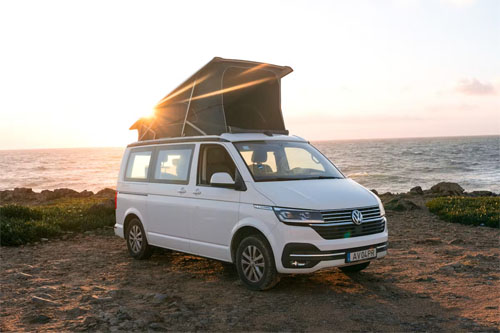
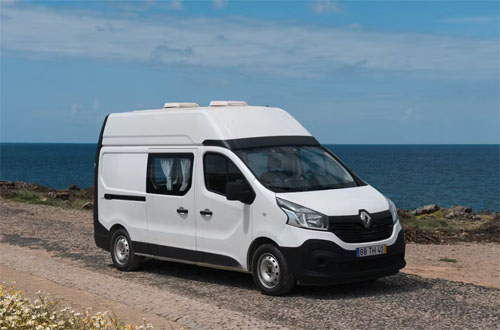
When navigating the roads and campsites of East Europe, opting for a 'Class B - Camper Van' or a 'Class SI - Semi-integrated' RV is often considered ideal. These vehicle classes offer a superior balance of maneuverability, comfort, and suitability for the varying road conditions encountered across the region. A Class B camper van, typically averaging 5.8 meters in length and accommodating up to 2-3 adults, provides excellent maneuverability for narrower European roads and easier access to smaller, more secluded campsites. Their compact size also contributes to better fuel efficiency, commonly around 10 Liters/100 Km, and simpler parking, making them perfect for exploring both bustling cities and remote natural areas. A Class SI semi-integrated model, averaging around 6.9 meters in length and accommodating 3-4 adults, offers a good compromise, providing more living space and storage than a campervan while remaining manageable for Eastern European infrastructure and scenic routes. These models typically consume 10-11 Liters/100 Km, striking a balance between comfort and practicality for extended road trips.
How to Save on Campgrounds in East Europe
To significantly save on campground costs during your East European RV adventure, consider leveraging discount cards, booking during the shoulder seasons, and prioritizing municipal or regional sites over private resorts. Utilizing camping discount cards, often available through RV rental partners or national camping associations, can provide substantial savings on daily rates at participating campgrounds across the region. Booking your RV trip and securing campsites during the shoulder seasons, typically late spring (May-June) and early autumn (September-October), often results in lower rates and fewer crowds compared to the peak summer months. Opting for municipal or regional campgrounds is also a smart strategy, as they generally offer more basic facilities at a fraction of the cost of larger, private resort-style establishments. If your itinerary allows for longer stays in one place, look for campgrounds that offer discounted weekly rates, as this can lead to considerable savings. Additionally, traveling in a group and sharing hookups or pitches can be another effective way to collectively reduce camping expenses.
Can you park a motorhome anywhere in Europe
In Europe, the ability to park a motorhome or campervan and sleep anywhere varies significantly by country. Most nations, particularly within the EU, have regulations against uncontrolled wild camping or overnight parking outside of designated areas. Generally, overnight parking and sleeping in an RV are restricted or illegal in many Western and Central European countries unless you are in an official campground, a designated motorhome parking area (such as an 'Aire' in France or 'Stellplatz' in Germany), or have explicit permission from landowners. In Eastern Europe, while explicit regulations exist, enforcement can sometimes be more relaxed in non-EU countries or very remote rural areas. However, this is never guaranteed, and it always requires careful verification of local laws and cultural norms. Always look for signs indicating parking restrictions, be respectful of private property, and utilize apps like Park4Night to find legal and tolerated overnight spots, ensuring a responsible travel approach.
What is the 333 rule for campervan
The '333 rule' for campervans is a popular, albeit unofficial, guideline for responsible wild camping or boondocking. It suggests that travelers should aim to 'move at least 3 miles/kilometers every 3 days, and don't stay in any one spot for more than 3 nights.' This guideline is intended to minimize environmental impact, prevent overstaying in one location, and avoid drawing unwanted attention from locals or authorities that could lead to stricter regulations. While not a legal requirement, adhering to the 333 rule promotes a positive image for RVers and is particularly beneficial in regions where wild camping might be tolerated rather than explicitly permitted. This practice is a cornerstone of responsible RV travel, ensuring access to natural beauty for future generations.
Is Europe RV friendly
Europe is generally considered RV friendly, offering an extensive network of campsites and motorhome service points. However, the degree of 'friendliness' can vary significantly between Western and Eastern regions, as well as by specific country. Eastern Europe, while some remote areas may have less developed infrastructure compared to its Western counterparts, is increasingly recognized as an accessible and popular destination for RV travelers due to its affordability, diverse landscapes, and rich cultural experiences. The road conditions in Eastern Europe are continually improving, but some rural roads can still present challenges, making smaller, more nimble RVs (like Class B camper vans or Class SI semi-integrated models) a preferred choice for optimal navigation and comfort. Incorporating knowledge of cultural nuances and learning basic language phrases can significantly enhance interactions with locals, contributing to an overall more welcoming and 'RV friendly' perception of the region.
Is it cheaper to rent an RV or stay in hotels
Renting an RV in Eastern Europe can often prove to be a more cost-effective option than staying in hotels, particularly for families or those embarking on longer trips. This is because an RV combines accommodation and transportation expenses into a single cost. The overall cost-effectiveness of an RV trip, however, heavily depends on various factors, including the RV rental price itself, fuel consumption (Bandana's fleet averages 10-12 Liters/100 km for many models), campground fees, and the frequency of preparing meals on board versus dining out. RV travel offers significant flexibility to prepare your own meals, leading to substantial savings on food costs that can often offset the rental price. In contrast, hotels typically require separate expenses for lodging, transportation, and all meals eaten out. During peak tourist seasons, hotel prices can escalate rapidly, making an RV a comparatively more budget-friendly alternative, especially when utilizing free or low-cost overnight parking options where legally permitted. For ideas you can prep on the road, watch our RV-friendly recipes playlist on YouTube.
Which European country has the best campsites
While the definition of 'best' is subjective and often depends on individual preferences, Croatia is widely recognized for boasting some of the finest campsites in Eastern Europe. These are particularly concentrated along its stunning Adriatic coastline, offering modern facilities and breathtaking sea views. Slovenia is another country that excels in providing excellent camping options, known for its pristine natural parks and serene alpine settings. Hungary offers numerous well-equipped campsites, especially around Lake Balaton and near its famous thermal spas, coupled with relatively easy navigation for RVs. Poland presents beautiful lakeside and forest campsites, notably in the Masurian Lake District and the Tatra Mountains, attracting many RV enthusiasts. For those seeking more rugged, adventurous experiences, Romania offers incredible camping opportunities in the Carpathian Mountains, though infrastructure can be more rustic outside major tourist hubs. Discovering lesser-known but equally exceptional campsites is achievable by following actionable, detailed itineraries that focus on 'hidden gems' and off-the-beaten-path experiences specific to Eastern Europe, with practical guidance on reaching them by RV.
Is RVing a thing in Europe
Yes, RVing is not only a thing in Europe, but it's also a highly established and growing travel trend. The continent boasts a vibrant culture of motorhome and campervan travel that attracts both European residents and international visitors alike. Millions of Europeans own RVs, and the continent is crisscrossed by an extensive network of campsites, motorhome parking areas (known as 'Aires de services' in France or 'Stellplätze' in Germany), and dedicated service points. Eastern Europe, in particular, is experiencing a significant surge in RV tourism, appealing to those who seek more affordable travel, less crowded destinations, and unique cultural experiences compared to more conventional Western European routes. This region offers incredible diversity, from ancient historical cities and vibrant cultures to untouched natural landscapes that are perfect for exploration by RV, solidifying RVing as a significant and increasingly popular way to travel.
Which countries are RV friendly
In Eastern Europe, several countries stand out as particularly RV friendly, offering a beneficial combination of good infrastructure, welcoming attitudes towards travelers, and diverse attractions for motorhome enthusiasts. Croatia is exceptionally RV friendly, featuring a multitude of modern campsites along its Adriatic coast and well-maintained roads leading to its national parks. Slovenia provides excellent infrastructure and stunning natural beauty, making it a fantastic and accessible destination for RVers. Hungary offers numerous campsites, especially around Lake Balaton and near its renowned thermal spas, with relatively easy navigation for RVs. Poland has a growing number of well-equipped campsites, particularly in its picturesque lake districts and mountainous regions, attracting many RV enthusiasts. Romania is gaining popularity among adventure RVers, offering breathtaking scenery in the Carpathian Mountains, although infrastructure can be more rustic and challenging outside major tourist hubs. Understanding the practical logistics for crossing borders between EU and non-EU Eastern European countries, such as specific insurance requirements, currency exchange, and vehicle documentation, are important considerations for seamless multi-country RV travel in this diverse region.
How much does it cost to rent an RV in Europe
The cost to rent an RV in Eastern Europe typically ranges from €50 to €150 per day for smaller models during the off-season, escalating to €200+ per day for larger, more luxurious RVs during the peak summer months. These prices are significantly influenced by the RV's class, the rental duration, and the season. For instance, a compact 'Class B - Camper Van' might fall at the lower end of this spectrum, while a spacious 'Class C - Alcove' motorhome (averaging 7.5 meters and accommodating 4-5 adults) or a 'Class A - Integrated' model would command higher rental rates. Additional mandatory costs often include comprehensive insurance, potential mileage fees, preparation fees, and optional extras such as bedding, kitchen kits, or GPS navigation systems. A holistic cost breakdown for RV travel in Eastern Europe should also encompass fuel expenses (remembering that Bandana's fleet averages 10-12 Liters/100 km for many models), tolls and vignettes (which are common and often mandatory in Eastern European countries), varied camping fees, daily groceries, and entrance fees for attractions. Booking well in advance, especially outside of the high season, and opting for longer rental periods can often result in more favorable daily rates, contributing to overall savings.
What You Shouldn't Miss
- Drive the Transfăgărășan Highway in Romania: Experience one of the most scenic and dramatic mountain roads in Europe, perfect for RV exploration during the summer months.
- Explore Plitvice Lakes National Park, Croatia: Camp nearby and spend a day mesmerized by the cascading waterfalls and emerald lakes of this UNESCO World Heritage site.
- Discover the Masurian Lake District, Poland: Enjoy serene lakeside camping and partake in watersports or scenic drives through this picturesque region.
- Visit the Carpathian Mountains: Whether in Romania or Slovakia, find a mountain retreat campground for incredible hiking and a chance to experience wilder nature.
- Experience the charm of historical cities: Park your RV at a convenient campsite near Krakow (Poland), Prague (Czech Republic), or Budapest (Hungary) and explore their rich history and culture.
- Indulge in Albania's coast: For those seeking wild camping opportunities, Albania's pristine coastline offers unparalleled freedom and stunning sea views.
Final Thoughts
Embarking on an RV adventure through East Europe promises an unforgettable journey filled with diverse landscapes, rich history, and vibrant cultures. From the stunning coastlines to the majestic mountains, the opportunities for exploration are endless. Remember to pack for varying weather, plan your routes, and embrace the freedom that a rented RV provides. With Bandana Caravan, you gain access to a world of possibilities, ensuring your trip is as seamless and enjoyable as possible.
By choosing to travel by RV, you immerse yourself in the destination, allowing for spontaneous detours and deeper connections with the local environment and communities. Utilize resources like RV PLANET (rvplan.net) to find the perfect campsites and campgrounds along your route, and don't hesitate to explore the lesser-known paths. Get inspired for your next trip and discover the unique charm of Eastern Europe at your own pace. Plan a trip itinerary in advance with minimal effort and maximum enjoyment, and let the adventure begin!