In This Guide
- Where to Camp in Chile - Top Options
- Campground Types in Chile (National, Private, Wild)
- Featured RV Park or Campground in Chile
- Hookups & Amenities - What to Expect
- Booking Windows & Reservations in Chile
- Nearby Supermarkets & Resupply Points
- Best RV Class for Camping in Chile
- How to Save on Campgrounds in Chile
- How much does it cost to rent an RV in Chile?
- What are the requirements for driving an RV in Chile as a foreigner?
- Can you wild camp in Chile?
- Is it easy to cross borders with an RV in Chile?
- What should I know about safety and security for RV travel in Chile?
- Is RV travel a good way to see Chile?
- Where can I find RV specific amenities in Chile?
- What are the best RV routes in Chile beyond Patagonia?
Imagine yourself traversing Chile's incredible landscapes, from the arid Atacama Desert to the dramatic fjords of Patagonia, all from the comfort of your own rented motorhome or campervan. RV camping in Chile offers an unparalleled sense of freedom, allowing you to discover remote natural wonders and vibrant local cultures at your own pace. At Bandana RV, we're true RV specialists, dedicated to helping you plan the perfect adventure with full transparency, ensuring no hidden fees or surprises.
For live availability and current prices, start with our RV Rental Chile - Complete Guide 2026 guide. We've helped tens of thousands of travelers explore the world by RV since our founding in 2001, partnering directly with over 50 leading RV suppliers worldwide, including trusted names like El Monte, Cruise America, Apollo, and Britz. Our expertise means you get honest, clear advice every step of the way, making your RV camping in Chile dream a reality.
Where to Camp in Chile - Top Options
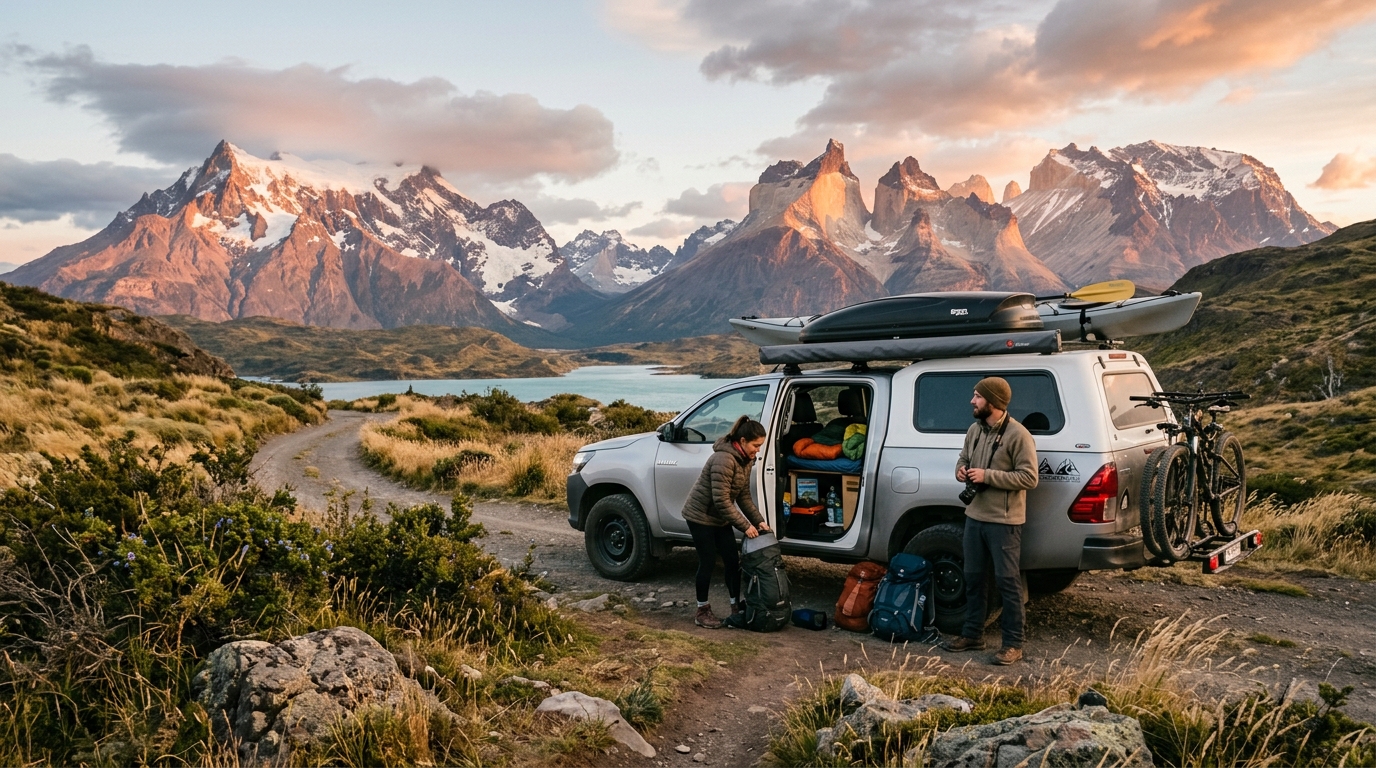
Chile offers diverse RV camping options from national parks to private campgrounds, catering to various preferences and budgets. Key regions for incredible camping experiences include the stunning Torres del Paine National Park in Patagonia, the scenic Lake District around Pucón, and various coastal areas near Valparaíso. While specific campground names will depend on your route, travelers can always expect designated sites within major tourist regions and along popular routes, providing essential amenities. You'll find a range of options, from rustic spots in national reserves to more developed private parks offering full services.Popular choices for RV camping in Chile include destinations like Arica in the far north, offering access to desert landscapes, or the Santiago area for central valley and Andean foothills exploration. For southern adventures, consider pickup points like Puerto Montt and Punta Arenas, which serve as gateways to the breathtaking Patagonia region. When exploring, remember our recommendation for slow travel: aim for a maximum of 100-150 km per day on average. This allows you to truly immerse yourself in the place, connect to the culture, the food, and the scenery, making the most of your rented motorhome adventure.
Campground Types in Chile (National, Private, Wild)
Chile provides three main types of camping for your rented motorhome or campervan: National Park campgrounds, private campgrounds, and wild camping (boondocking). National Park campgrounds, often managed by CONAF (Corporación Nacional Forestal), offer basic amenities, stunning natural settings, and usually require reservations, especially during peak season from December to March. Private campgrounds, found across the country, typically provide more extensive amenities like full hookups (220V electrical with Type C or L plugs), hot showers, and sometimes Wi-Fi or laundry facilities, varying significantly in price and comfort.Wild camping, or boondocking, is generally tolerated in remote, non-private areas where no 'No Camping' signs are present, but it's crucial to practice leave-no-trace principles and prioritize safety. While not explicitly illegal in many unmarked areas, always seek local advice from residents or tourism offices and be respectful of private property and indigenous lands. For travelers looking to find options and budget, remember that our RV PLANET routes allow you to itemize and track every expense along the way, including campground fees, for easy budgeting. On the routes offered through RV PLANET routes, you can itemize and track every expense along the way for easy budgeting.
Featured RV Park or Campground in Chile
When selecting an RV park in Chile, travelers should look for establishments that offer a good balance of amenities and a location specific to their travel plans. Ideal RV parks typically feature level pitches, reliable access to fresh water, and waste dump stations for both grey and black water. Many also offer additional comforts such as hot showers, shared kitchens (great for preparing some RV-friendly recipes playlist), BBQ areas, and sometimes Wi-Fi or laundry facilities.Prioritize parks with positive reviews, secure premises, and convenient access to local attractions or essential services for a comfortable and stress-free stay. For instance, in the Lake District, many campgrounds are nestled by beautiful lakes, providing scenic views and easy access to hiking. In more urban areas like Santiago, finding a secure campground on the outskirts can serve as a perfect base for day trips. Always call ahead before driving long distances to confirm availability, especially for smaller operations, ensuring you'll find a spot.
Hookups & Amenities - What to Expect
RV campgrounds in Chile typically offer a range of hookup options, though availability varies widely between national parks and private sites. Travelers can expect electrical hookups that are generally 220V with two-pin Type C or L plugs, so an adapter might be necessary for some international appliances. Fresh water access is common, often available at individual sites or central filling stations, while grey and black water dump stations are usually found at most private campgrounds and larger national park sites.Wi-Fi can be sporadic outside of major towns or upscale private parks, and while laundry facilities are less common, showers with hot water are usually available at private campgrounds and some national parks. Always confirm specific amenities when booking or upon arrival, especially for more remote locations. For instance, a rented Class C motorhome like the "cruise america rv rental example Explorer" typically comes with an 82 Liter fresh water tank and an 82 Liter waste water tank, allowing for several days of comfortable camping before needing to resupply, but it's always wise to check individual vehicle specifications.
Booking Windows & Reservations in Chile
For RV camping in Chile, proactive booking is highly recommended for popular national parks and private campgrounds, especially during the high season from December to March. Pre-planners should aim to reserve sites several months in advance to secure preferred locations, particularly in iconic areas like Torres del Paine or the Lake District. However, spontaneous travelers need not worry: many national park campgrounds release only 25%-30% of their spots for advance reservations, leaving the majority available on a first-come, first-served basis.If you prefer a more day-to-day approach, you can often find spots by arriving early in the day or calling ahead to smaller, less-known campgrounds, especially during the shoulder season (October-November, April-May). While a specific spot might not be available at your first choice, you'll almost certainly find a place-if not at the first campground, then often the next one down the road-making flexibility key. Always call ahead before driving long distances to confirm availability, particularly for smaller operations, to avoid any stress. Our 24/7 support means real people are behind you before, during, and after your booking, ready to help with any pre-trip questions.
Nearby Supermarkets & Resupply Points
Resupplying your rented RV with groceries and essentials across Chile is convenient, with major supermarket chains widely available in urban centers and larger towns. Look for prominent chains such as Jumbo, Lider (owned by Walmart), and Santa Isabel for a comprehensive selection of food, beverages, and household items. These larger stores also tend to have ample parking, making it easy to maneuver a Class C motorhome or a Class B campervan.Smaller towns will feature local markets ('ferias') and independent grocery stores offering fresh produce and regional specialties, though selection might be more limited. It's advisable to stock up on staples when passing through larger cities before heading into more remote or sparsely populated areas, especially in Patagonia or the Atacama Desert. For those who enjoy cooking in their RV, planning meals around locally sourced ingredients is a fantastic way to experience Chilean culture firsthand. Don't forget our RV-friendly recipes playlist for inspiration!
Best RV Class for Camping in Chile
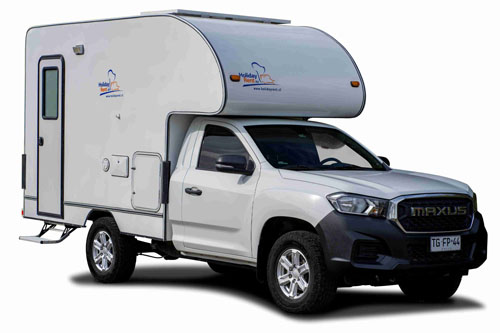
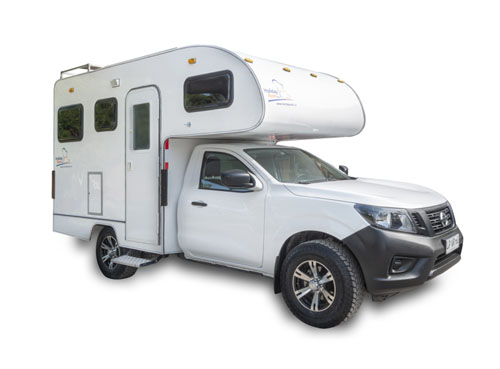
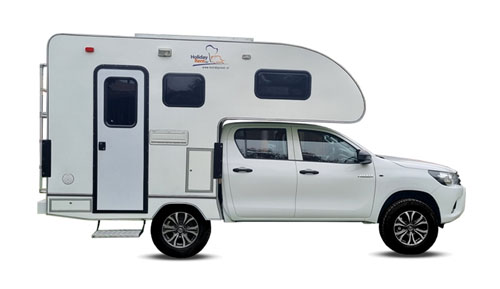
Choosing the best RV class for camping in Chile depends on your travel style, intended destinations, and preference for amenities versus maneuverability. For adventurers prioritizing agility and access to remote or wild camping spots, a Class B - Camper Van, such as the "rv rental denver example Category Van", is often ideal. These vehicles average 5.8 meters in length, typically sleep 2-3 people, and offer good fuel economy (around 10 Liters per 100 Km from Bandana's fleet). Their smaller size makes them perfect for navigating narrower roads and finding parking in towns.If comfort, more sleeping space, and reliable hookup camping are priorities, a Class C - Alcove (averaging 7.5 meters, sleeping 4-6 people, with fuel consumption around 10-12 Liters/100 km), or a Class SI - Semi-integrated (averaging 6.9 meters, sleeping 2-4 people, and 10-11 Liters/100 km) provides a good balance. These larger classes offer more internal living space and amenities suitable for families or longer trips, making them well-suited for established campgrounds with hookups. For those looking for extra ruggedness, a Class TC - Truck Camper like the "Patagonia Camper 4x4 double cab" can offer 4-wheel drive capability for more challenging terrains, averaging 5.5 meters in length and typically sleeping 2-3 people.
How to Save on Campgrounds in Chile
Saving money on campgrounds in Chile involves strategic planning and leveraging available discounts. Utilizing campground discount cards, if offered by your RV rental provider, can provide significant savings at participating parks. Booking your RV trip during the shoulder season (spring: October-November or autumn: April-May) often results in lower campsite fees and fewer crowds compared to peak summer months (December-March).Opting for municipal or regional campgrounds over private resorts, especially those in less touristy areas, can also lead to substantial savings, though amenities might be more basic. Many campgrounds offer weekly rates that are more economical than nightly stays, so consider extending your stay to three or more nights if your itinerary allows. If traveling with a group in a larger rented motorhome like a Class C, sharing hookup costs among multiple RVs at sites that permit it can also reduce individual expenses. Remember, full transparency on pricing means no hidden fees, helping you budget accurately from the start.
How much does it cost to rent an RV in Chile?
The cost of renting an RV in Chile varies significantly based on factors like RV class, rental duration, season, and inclusions, with a comprehensive trip budget extending beyond just the rental fee. Daily rental rates for a campervan (Class B) might start from $100-$180 USD, while larger Class C motorhomes can range from $150-$300 USD per day; these rates can increase by 20-50% during peak season (December-February) due to higher demand.Fuel is a major expense, with Bandana's fleet average consumption for popular classes like Semi-integrated (Class SI) at 10-11 Liters/100 km and Alcove (Class C) at 10-12 Liters/100 km; current fuel prices in Chile, generally higher than in North America, should be factored in. National park campgrounds typically cost $10-$30 USD per night, while private campgrounds with more amenities can range from $25-$60 USD per night. For food and supplies, budget around $30-$50 USD per person per day for groceries if cooking most meals in your rented motorhome, significantly less than eating out frequently.
National park entrance fees range from $10-$40 USD per person, and expect to pay highway tolls, particularly around major cities. Standard rental insurance is usually included, but it's important to confirm coverage details. You can also upgrade to a top-level deductible for extra peace of mind, often an extra $15-$30 USD per day. Always account for unforeseen expenses and activities. For easy budgeting and tracking all these ancillary costs, you can plan your trip using RV PLANET routes, which allow you to itemize every expense along the way.
What are the requirements for driving an RV in Chile as a foreigner?
Foreigners driving an RV in Chile typically require a valid driver's license from their home country and an International Driving Permit (IDP). A valid driver's license from your country of origin is mandatory, and an IDP is highly recommended and often legally required when driving in Chile, as it translates your license into multiple languages, facilitating interactions with local authorities.Most RV rental companies in Chile require drivers to be at least 21 years old. There are no young driver surcharges or vehicle class restrictions based on age through Bandana RV. It's crucial to confirm insurance coverage details with your rental agreement, including third-party liability and collision damage waiver (CDW). Always carry your rental agreement, vehicle registration, and proof of insurance within your rented motorhome. Familiarize yourself with Chilean traffic laws, including speed limits, right-of-way rules, and the requirement to drive with headlights on at all times on interurban roads. Drive slowly and carefully, and you can drive almost anywhere without issues. No need to stress - just use common sense and pay attention.
Can you wild camp in Chile?
Wild camping, or boondocking, is generally tolerated in Chile in remote, non-private areas where no specific prohibitions are posted, but it requires strict adherence to 'leave no trace' principles and careful consideration of safety. While there isn't a blanket law explicitly forbidding wild camping across all of Chile, it's generally not permitted on private property or within established national parks outside of designated campgrounds; areas without 'No Camping' signs are often considered acceptable for a respectful overnight stay.Ideal wild camping spots can be found along less-trafficked rural roads, near public beaches (where permitted), in undeveloped natural areas outside of official reserves, and sometimes along designated 'ruta escénica' (scenic routes). Always prioritize personal safety and the security of your rented RV; choose well-lit, visible spots, avoid isolated areas, and inform someone of your itinerary, especially when venturing into very remote regions. Practice extreme caution with fire, pack out all trash, dispose of grey and black water responsibly at designated dump stations, and minimize your environmental impact to preserve Chile's natural beauty. A Class B Camper Van (Bandana's fleet average 5.8m length, good maneuverability) or a Class SI Semi-integrated (Bandana's fleet average 6.9m length, balanced features) are often suitable for self-sufficiency in wild camping scenarios, with typical fresh water tank capacities around 100-120 Liters.
Is it easy to cross borders with an RV in Chile?
Crossing borders from Chile to neighboring countries with an RV, especially to Argentina, is feasible but requires careful preparation regarding documentation and logistical challenges. You will need your passport, your driver's license, your International Driving Permit (IDP), the RV's original registration documents (provided by the rental company), and a specific authorization letter from the RV rental company permitting international travel.Ensure your vehicle insurance policy extends to cover the destination country; often, rental companies will provide this or facilitate its purchase, but it's crucial to confirm in advance. Major border crossings like Paso Los Libertadores (between Santiago and Mendoza, Argentina) or various Patagonian passes are equipped for vehicle crossings, but procedures can be time-consuming. Expect standard immigration procedures for all passengers and a customs inspection for the vehicle and its contents; declare any restricted items or large quantities of goods. Be prepared for potentially long wait times at popular crossings, especially during peak seasons or holidays; some smaller passes might have limited hours or close due to weather conditions. Be aware of strict regulations on bringing fresh produce, meat, and dairy products across borders to prevent the spread of agricultural pests and diseases. Confirm all required documentation and specific procedures with your RV rental company and the consulates of the countries you plan to visit well in advance of your trip. Consider a "One-Way RV Rental in Chile - Price Guide 2026" if you plan to explore one region thoroughly and return from another, although these may incur additional fees.
What should I know about safety and security for RV travel in Chile?
RV travel in Chile is generally safe, but preparedness for various situations, particularly in remote areas and vigilance in urban environments, is key for a secure and enjoyable journey. Exercise common sense, keep valuables out of sight, and lock your rented RV whenever you leave it, especially in cities or tourist hotspots. Ensure your RV rental includes comprehensive roadside assistance coverage; in remote regions, cellular signal can be unreliable, so consider supplementary communication options like a satellite phone or a personal locator beacon (PLB) for emergencies.Plan your routes to ensure regular access to fuel stations and fresh water; carry extra fuel and water in designated containers, especially when venturing into the Atacama Desert or deep Patagonia, where services are sparse. Stock up on non-perishable food items and monitor your perishable supplies, utilizing major supermarkets in towns before heading to remote areas. Be aware of regional natural hazards, such as volcanic activity and earthquakes (more prevalent in the Central Valley and Lake District), extreme heat in the Atacama, and strong winds in Patagonia; monitor local weather and geological warnings. In urban areas, use secure campgrounds or designated parking; in rural and natural areas, wild camping can be peaceful, but always choose visible, non-isolated spots and trust your instincts. A local SIM card provides better coverage than international roaming. Perform daily checks of tires, fluid levels, and lights, and carry basic tools and spare parts as a proactive measure against breakdowns, ensuring a smooth adventure with your rented caravan.
Is RV travel a good way to see Chile?
RV travel is an excellent way to experience Chile, offering unparalleled freedom, flexibility, and the ability to immerse oneself in its diverse landscapes, distinct from other modes of transport. This mode of travel provides the ultimate flexibility to set your own itinerary, stop at scenic viewpoints spontaneously, and access remote natural areas often inaccessible by public transport. While initial rental costs exist, a rented RV can save money on accommodation and food by allowing self-catering and camping, especially for longer trips or larger groups.You carry your 'home' with you, offering private facilities, familiar comforts, and the ability to adapt plans based on weather or mood. RVs facilitate direct access to Chile's stunning national parks, pristine beaches, and Andean vistas, allowing for longer stays in nature. Compared to public transport, which is extensive and economical, RVs eliminate spontaneity restrictions and limitations to off-the-beaten-path locations. Compared to car rental plus hotels, RVs remove the daily hassle and cost of finding accommodation, often requiring booking in advance, particularly in peak season. Driving larger RVs (like a Class C motorhome averaging 7.5m in length) on narrow roads or in cities requires care, but with common sense, it's easily manageable. For those seeking adventure, self-sufficiency, and deep engagement with Chile's natural beauty, RV travel presents a compelling and rewarding option, outweighing minor inconveniences for many travelers. For insights into different price points, you might want to look into "Cheap RV Rental in Chile - Budget Guide 2026" or "Luxury RV Rental in Chile - Premium Prices 2026".
Where can I find RV specific amenities in Chile?
Finding RV-specific amenities in Chile, such as dump stations and fresh water, is primarily done through established campgrounds, designated service points, and occasionally through local businesses. The most reliable places to find grey and black water dump stations are at private RV campgrounds and some larger national park campgrounds across the country. Fresh water refill points are almost universally available at official campgrounds; outside of these, look for petrol stations, 'servicentros' (service centers), or ask at local fire stations (bomberos), though quality should be confirmed for drinking.Propane (LPG) can be refilled at many large gas stations in major towns; ensure your RV's propane connection is compatible with local standards or inquire about adapters from your rental company. Utilize online mapping tools and RV-specific apps (e.g., iOverlander) which often include user-generated data on amenity locations, including free or low-cost dump stations and water sources. For extended trips into remote regions like the Atacama Desert or Patagonia, planning your route around towns with reliable amenities is crucial, especially concerning waste disposal and water replenishment for a rented Class SI (average 72.2kg load capacity) or Class C (average 42.4kg load capacity) model. Don't hesitate to ask fellow RV travelers or locals, as they can often provide up-to-date information on hidden or less-known amenity points, making your trip in a rented mobile home smoother.
What are the best RV routes in Chile beyond Patagonia?
While Patagonia is famous, Chile offers incredible RV routes beyond its southern tip, encompassing diverse landscapes like the arid Atacama Desert, the lush Central Valley, and the stunning Lake District, each with unique challenges and attractions. The Atacama Desert in the North provides otherworldly landscapes, ancient geoglyphs, and astronomical observatories. Challenges include extreme heat, limited water and fuel, and high altitudes. RV-specific itineraries should focus on San Pedro de Atacama as a base, exploring Valle de la Luna, El Tatio Geysers, and the Salar de Atacama. Ensure your rented RV (such as a Class B Camper Van for agility) is well-maintained and carries extra water and fuel.The Central Valley, stretching from Santiago to Pucón, travels through Chile's agricultural heartland, renowned for vineyards, hot springs, and volcanic activity. It's less challenging logistically, with good roads and frequent resupply points. Itineraries can include exploring wine regions around Colchagua, visiting the cities of Talca and Chillán, and culminating in the adventure hub of Pucón in the Lake District. Further south, the Lake District (Pucón to Puerto Montt) is a stunning region of volcanoes, clear lakes, and dense forests, ideal for outdoor activities. The Carretera Austral begins just south of this region, offering more rugged adventure. Challenges here include narrow, winding roads and sometimes unpredictable weather. Itineraries should include national parks like Vicente Pérez Rosales and exploring the island of Chiloé. A less-traveled RV route is the Coastal Route from Valparaíso to La Serena, offering Pacific Ocean views, charming fishing villages, and historical sites, with generally good roads and frequent access to amenities.
What You Shouldn't Miss
- Drive the Carretera Austral: Tackle one of the world's most epic road trips, a 1,240 km scenic route through Chilean Patagonia, offering glaciers, fjords, and vast wilderness.
- Explore the Atacama Desert: Witness the alien landscapes of Valle de la Luna (Moon Valley) near San Pedro de Atacama and stargaze at one of the world's clearest skies.
- Hike in Torres del Paine National Park: Experience world-class trekking amidst granite peaks, turquoise lakes, and towering glaciers in this iconic Patagonian gem.
- Visit the Lake District's Volcanoes: Discover the active Villarrica Volcano near Pucón and the beautiful Osorno Volcano, perfect for hiking, skiing, or simply enjoying the views from your rented motorhome.
- Wander the Colorful Hills of Valparaíso: Park your campervan outside the city and use public transport to explore this UNESCO World Heritage site, famous for its vibrant street art and funiculars.
- Relax in Elqui Valley: Head north for clear skies, pisco distilleries, and tranquil energy, perfect for some slow travel and enjoying local flavors.
Looking for expert insights from Avi Bandana? Top 5 Adventures - recommendations from Avi Bandana
🎬 Video coming soon
Final Thoughts
An RV camping adventure in Chile is more than just a vacation; it's an opportunity to create lasting memories amidst some of the world's most spectacular and diverse landscapes. Whether you dream of navigating the winding roads of Patagonia, exploring the moon-like terrain of the Atacama, or relaxing by volcanic lakes, a rented motorhome offers the flexibility and comfort to make it happen. Remember to travel slowly, allowing yourself to truly soak in every moment and connect with the unique culture and natural beauty of this incredible country.At Bandana Caravan, we're here to support you in finding the perfect RV rental for your Chilean escapade. Our commitment to full transparency, 24/7 support, and expert knowledge ensures that your booking process is as smooth and enjoyable as the trip itself. Start dreaming, planning, and preparing for an unforgettable journey.
Ready to embark on your Chilean RV adventure? Compare Motorhome Prices for Chile and find the perfect rented vehicle for your trip today!