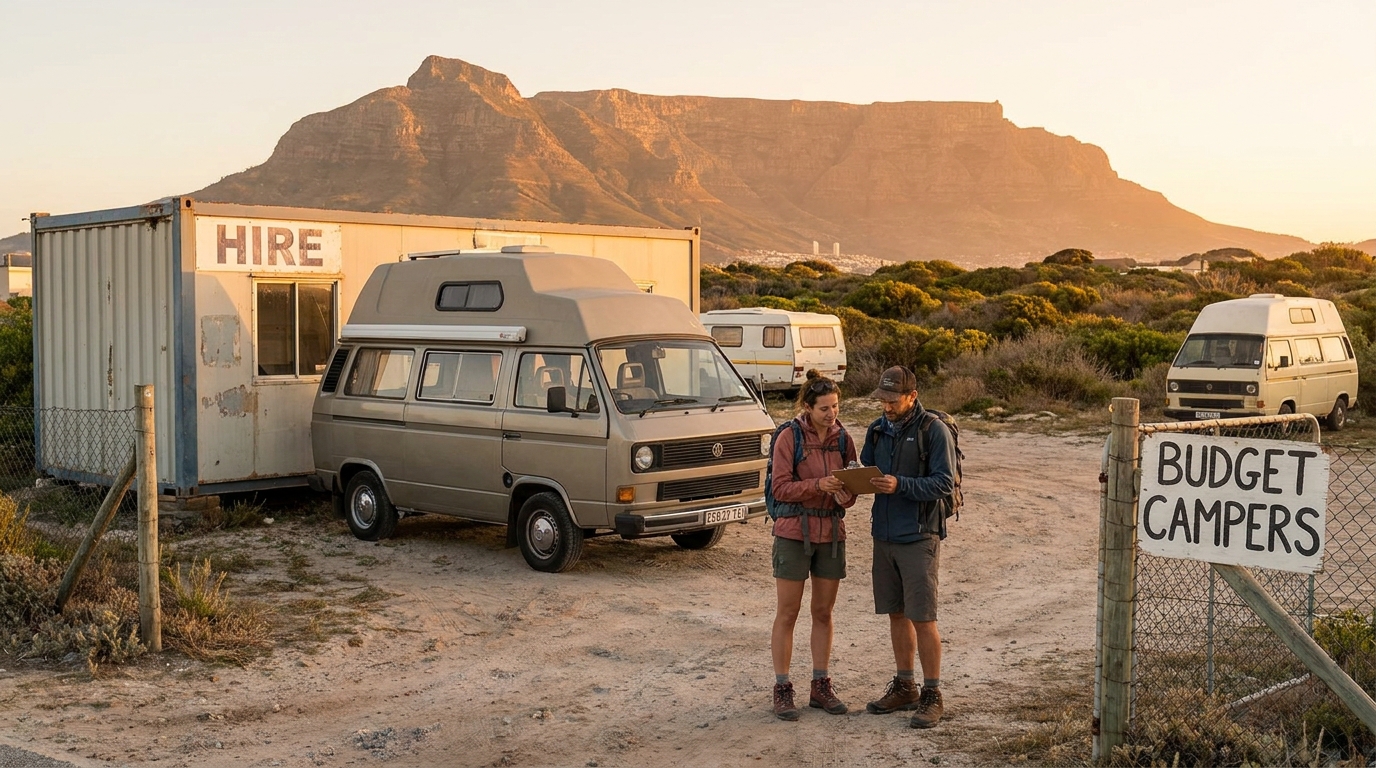
For live availability and current prices, start with our RV Rental Cape Town - Complete Guide 2026 guide.
In This Guide
- Where to Camp in Cape Town — Top Options
- Campground Types in Cape Town (National, Private, Wild)
- Featured RV Park or Campground in Cape Town
- Hookups & Amenities — What to Expect
- Booking Windows & Reservations in Cape Town
- Nearby Supermarkets & Resupply Points
- Best RV Class for Camping in Cape Town
- How to Save on Campgrounds in Cape Town
- How much does it cost to rent an RV in Cape Town?
- Class B - Camper Van
- Class SI - Semi-integrated
- Class C - Alcove
- Class TC - Truck Camper
- What are the best RV rental companies in Cape Town?
- What do I need to rent an RV in South Africa?
- Can you rent an RV in South Africa with an international driving permit?
- What are the payment options for RV rentals in Cape Town?
- Is it safe to RV in South Africa?
- What are the road conditions like in Cape Town for RVs?
- Where can I park my RV in Cape Town?
- What are the rules for driving an RV in South Africa?
- Are there toll roads in Cape Town for RVs?
- Can you wild camp in Cape Town?
- What is the best time of year to RV in Cape Town?
- Are RVs popular in South Africa?
- How much is fuel in South Africa for an RV?
Exploring Cape Town and its breathtaking surroundings in a rented RV offers unparalleled freedom and flexibility. Imagine yourself waking up to the sounds of the ocean, brewing coffee in your mobile home, and setting off on a new adventure each day. At Bandana RV, we believe in making this dream a reality with full transparency and unparalleled support. For live availability and current prices, start with our RV Rental Cape Town - Complete Guide 2024 guide, which provides comprehensive insights into planning your perfect journey. We've been helping tens of thousands of travelers explore the world by RV since 2001, forging direct partnerships with over 50 leading RV suppliers worldwide, including trusted names like Apollo and Britz, to ensure you get the best deals and the right motorhome for your adventure.
Where to Camp in Cape Town — Top Options
Cape Town and its surrounding areas offer diverse camping options that cater to every taste, from stunning coastal sites to tranquil national parks and well-equipped private resorts. Popular regions for RV camping include the iconic Cape Peninsula, where you can find various SANParks sites like Smitswinkelbaai and Olifantsbos Rest Camp, renowned for stunning ocean views, fynbos landscapes, and abundant wildlife within the Table Mountain National Park.
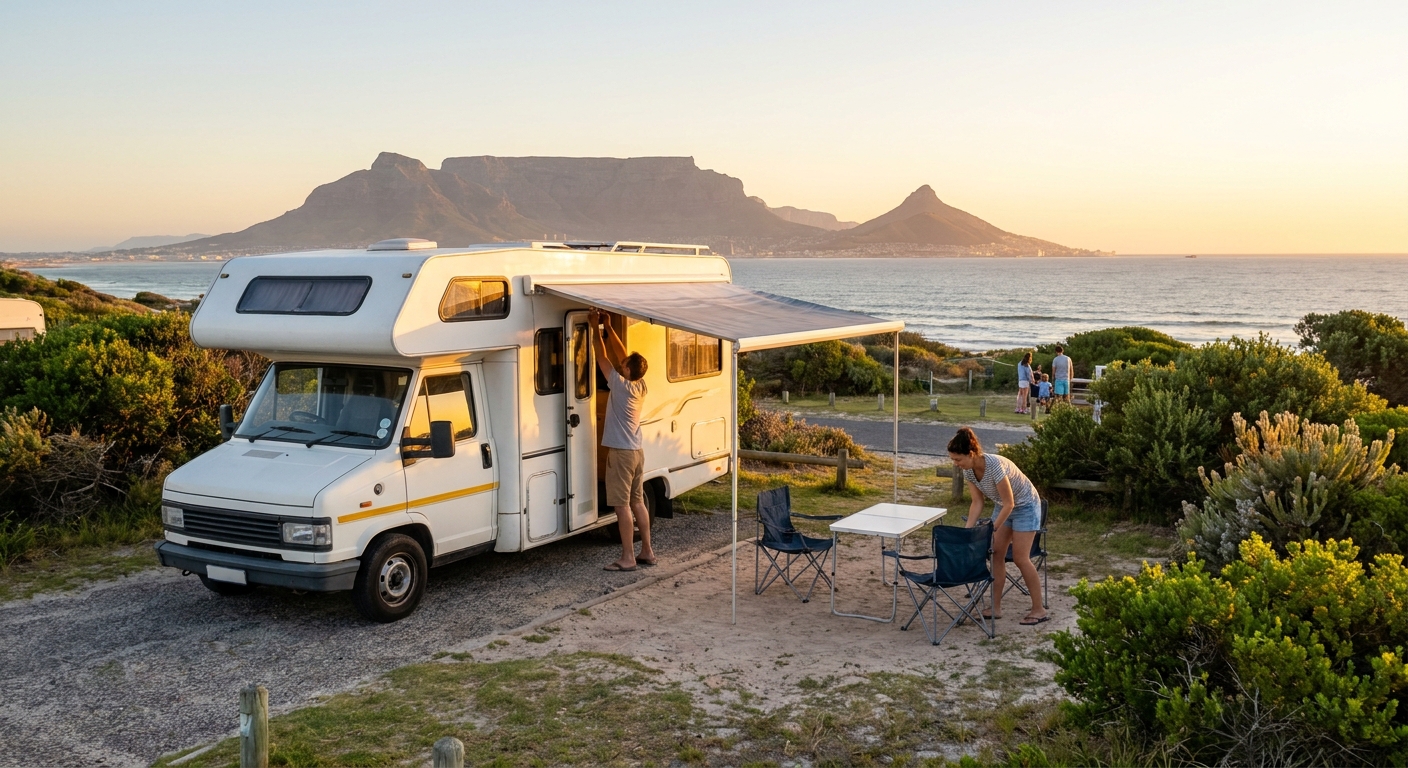
For a quieter, more scenic experience away from the immediate city bustle, the picturesque Winelands region offers numerous RV-friendly spots among vineyards and mountains. Areas closer to the city, such as the Atlantic Seaboard, also provide convenient camping options for easy day trips to attractions like the V&A Waterfront or Signal Hill. Additionally, considering regional municipal campgrounds can offer a more budget-friendly and authentic local experience. If you are planning a longer trip in the country, consult our RV Rental South Africa - Complete Guide 2024 for a broader overview of opportunities.
Campground Types in Cape Town (National, Private, Wild)
Cape Town provides RV travelers with a mix of campground types, each offering a distinct experience and set of amenities. National Park sites, primarily managed by SANParks within areas like Table Mountain National Park or West Coast National Park, immerse you in natural beauty with well-maintained facilities, often requiring advance booking and adherence to strict environmental rules to protect the unique fynbos biome.
Private campgrounds and RV parks, like those found around Strand or Gordon's Bay, generally offer more amenities such as swimming pools, shops, and sometimes restaurants, with varying price points to suit different budgets. Wild camping, also known as freedom camping or boondocking, is generally not legal or recommended in and around Cape Town due to safety concerns and local regulations; designated campgrounds are the only officially permitted option for overnight stays. Regardless of the campground type, responsible RVing is crucial, encompassing proper waste management and minimizing environmental impact, especially in South Africa's sensitive natural areas.
Featured RV Park or Campground in Cape Town
When selecting an RV park in Cape Town, look for facilities that specifically cater to larger vehicles and provide comprehensive amenities for a comfortable stay. Ideal features often include spacious pitches (at least 6x8 meters for a Class C motorhome), robust 24/7 security measures (like boom gates and CCTV), and convenient proximity to major attractions or essential resupply points.
Seek out parks with consistently positive reviews regarding cleanliness, staff helpfulness, and scenic surroundings to enhance your RV adventure. Many popular parks, such as Imhoff Farm Campground on the Cape Peninsula or those near the Kogelberg Nature Reserve, are situated along the coast or adjacent to national reserves, offering easy access to outdoor activities like hiking, surfing, or wildlife viewing. Always ensure the park can comfortably accommodate your rented RV's specific length and height, and that it offers the necessary hookups (like 220V electricity and water) you require before confirming your booking, providing complete peace of mind.
Hookups & Amenities — What to Expect
Most reputable RV campgrounds in Cape Town provide essential hookups to ensure a comfortable stay, typically including electricity, fresh water, and gray/black water dump stations. Electrical hookups usually offer 220-240V power with standard South African three-pin plugs (Type M or Type D), so international visitors should bring an appropriate adapter for their devices. Modern amenities commonly extend to clean ablution blocks with hot showers and toilets, communal laundry facilities, and sometimes even Wi-Fi access, though internet coverage and speed can vary, especially in more remote natural parks. On the routes offered through RV PLANET routes, you can itemize and track every expense along the way for easy budgeting.
Many campsites also feature dedicated braai (barbecue) facilities, perfect for enjoying a classic South African cookout, along with picnic areas and sometimes a small convenience shop for basic supplies like firewood or ice. When planning your daily meals, remember that cooking in your rented motorhome is a fantastic way to save on dining out and experience local flavors firsthand. You can find inspiration and practical tips for on-the-road cooking with our RV-friendly recipes playlist. Cellular service strength is generally reliable in and around Cape Town but can become spotty in more secluded national parks like those in the Cederberg, so planning for potential connectivity gaps is wise.
Booking Windows & Reservations in Cape Town
For RV camping in Cape Town, especially during the peak summer season from December to February, booking well in advance is highly recommended to secure your preferred spots. Pre-planners should aim to reserve their sites several months ahead, particularly for popular national park campgrounds and private resorts that can fill up quickly.
Spontaneous travelers, however, can often find available sites, particularly during the shoulder seasons (September-November and March-May) or off-peak periods, sometimes even securing same-day or next-day bookings. It's an interesting fact that many national park campgrounds only release a limited percentage (e.g., 25-30%) of spots for reservations, with the remainder available on a first-come, first-served basis. If you haven't pre-booked, always call ahead to confirm availability before driving to a campground to avoid disappointment. For deeper insights into managing your travel budget and finding deals, our "Cheap RV Rental in Cape Town - Budget Guide 2024" and "RV Rental in Cape Town - Prices and Best Deals 2024" offer valuable tips.
Nearby Supermarkets & Resupply Points
Cape Town boasts numerous well-stocked supermarkets and retail centers for convenient RV resupply, ensuring you can easily stock up on groceries and essentials throughout your journey. Major South African supermarket chains like Pick n Pay, Checkers, and Woolworths Food are widely available throughout the city, in suburbs like Claremont and Sea Point, and even in smaller towns along popular RV routes in the Western Cape.
For fresh, local produce and unique ingredients to enhance your RV cooking experiences, consider visiting local markets such as the Oranjezicht City Farm Market or smaller independent stores in areas like Woodstock. Many larger shopping malls, such as Canal Walk or the V&A Waterfront, also house supermarkets and offer ample parking, though specific RV parking may require some prior planning. Plan your resupply stops to coincide with your route, ensuring your rented RV's fridge and pantry are always full for your adventure. When budgeting for these ancillary trip costs like groceries, fuel, and campground fees, remember that RV PLANET routes allow travelers to itemize and track every expense along the way for easy budgeting.
Best RV Class for Camping in Cape Town
The best RV class for camping in Cape Town truly depends on your group size, desired comfort level, and preferred travel style, with Class B Camper Vans and Class C Alcoves offering versatile options for exploring the region. Class B Camper Vans, averaging 5.6 meters in length and comfortably sleeping up to 3 adults, are ideal for couples or small families due to their superior maneuverability in navigating narrower city streets, bustling areas like Camps Bay, and accessing more remote scenic spots.
For larger families or groups of up to 6, Class C Alcoves or Class SI Semi-integrated RVs (both averaging 6.7 meters in length and sleeping up to 6 or 4 adults respectively) provide significantly more living space and amenities for a truly comfortable, hookup-dependent camping experience. Meanwhile, Class TC Truck Campers, averaging 5.6 meters and typically sleeping 2 adults, offer enhanced ruggedness and off-the-beaten-path access, perfect for adventurous couples seeking secluded spots in the Cederberg mountains. For those seeking premium options, our "Luxury RV Rental in Cape Town - Premium Prices 2024" guide offers detailed information on high-end vehicles. Consider that Class B Camper Vans typically range from 6-11 lit/100km fuel consumption, while Class C Alcoves and Class SI Semi-integrated models generally consume around 12lt/100km.
How to Save on Campgrounds in Cape Town
To significantly save on RV campground fees in Cape Town, consider planning your trip during the shoulder seasons (September-November and March-May) when demand is lower and nightly rates are often more economical than during the peak summer months. Opting for municipal or regional campgrounds, such as those run by the City of Cape Town, typically provides a more budget-friendly camping experience compared to luxurious private resorts, without sacrificing essential amenities.
Many campgrounds also offer attractive weekly or monthly rates that are considerably more economical than booking single nights, so planning longer stays can result in substantial savings, sometimes up to 20-30% on a week-long trip. For groups, inquiring about sharing hookups or splitting costs on larger, multi-vehicle sites can further reduce individual expenses. Always compare final prices across suppliers to uncover any available deals or discounts. Our "Weekly RV Rental in Cape Town - Pricing 2024" guide provides additional strategies for extended trips.
How much does it cost to rent an RV in Cape Town?
The cost of renting an RV in Cape Town varies significantly based on the RV class, rental duration, season, and included amenities, typically ranging from R1,500 to R4,000+ (approximately $80-$220 USD) per day. For example, a compact Class B Camper Van, averaging 5.6m in length and ideal for 2-3 people, generally offers more budget-friendly daily rates compared to larger Class C Alcoves (averaging 6.7m), which provide more space and amenities for up to 6 adults.
Beyond the initial rental fee, a comprehensive budget should include estimated daily costs for fuel (e.g., 6-12 lit/100km depending on vehicle, at current 2024 fuel prices of R22-R25/liter for petrol), campsite fees (R200-R600+ per night), and groceries for RV cooking. Factor in potential additional costs such as an optional top-level deductible reimbursement for extra peace of mind, extra mileage fees if exceeding standard packages, and cleaning fees upon return. For a week-long trip, an estimated total budget for a mid-range RV, including all these ancillary expenses, could range from R15,000 to R35,000 (approximately $800-$1,900 USD) or more, depending on your choices and travel style. We offer full price transparency with no hidden fees, so what you see is what you pay.
Class B - Camper Van
Camper Vans (Class B), with an average length of 5.6 meters, are nimble vehicles perfect for couples or small families (averaging 3 sleeping places and 3 adults) exploring Cape Town's diverse landscapes. These units, like the "2 Berth Hi Top" or "Active Bunk Auto," offer superior maneuverability for navigating city streets, tight parking spaces in areas like the V&A Waterfront, and winding mountain passes, enhancing the RV experience beyond standard tourist routes.
With common fuel consumption ranging from 6-11 lit/100km, they are among the most fuel-efficient options in Bandana's Cape Town fleet, helping manage travel costs on a longer journey. Ideal for those who value flexibility and the ability to access more remote or off-the-beaten-path locations, they often include compact kitchens, a shower, and a toilet. Their smaller footprint also means easier access to certain campsites or quieter, more secluded spots, promoting unique local interactions.
Class SI - Semi-integrated
Class SI (Semi-integrated) RVs, averaging 6.7 meters in length, provide a comfortable balance of living space and drivability, typically accommodating an average of 4 sleeping places and 4 adults, making them a great choice for families in Cape Town. Models like the "2 Berth Rover" or "Active Standard Select" are well-suited for groups seeking more amenities and comfort than a camper van, while still being relatively easy to manage on South African roads.
Fuel consumption for these models in Bandana's Cape Town fleet is typically around 12lt/100km, requiring consideration in your overall travel budget, especially for longer routes like the Garden Route. Semi-integrated motorhomes often feature fixed beds, a larger kitchen area, and separate washroom facilities, enhancing the 'home-away-from-home' experience. They are an excellent choice for extended trips around Cape Town and the Western Cape, offering a comfortable and spacious base for exploring national parks and scenic routes.
Class C - Alcove
Class C (Alcove) RVs, averaging 6.7 meters in length, are excellent for larger families or groups, comfortably sleeping up to 6 adults with their distinctive over-cab sleeping area. Vehicles such as the "29′ Class C Motorhome" or "6 Berth Deluxe" offer generous interior space, making them suitable for longer journeys around Cape Town and providing ample room for cooking with local ingredients and communal activities.
With a typical fuel consumption of 12lt/100km for models in Bandana's Cape Town fleet, budgeting for fuel is an important planning consideration for these larger units. Alcove RVs usually come equipped with full kitchens, bathrooms, and dining areas, providing all the comforts needed for an extensive RV adventure. They are perfect for exploring Cape Town's diverse regions, offering a spacious and secure base from which to enjoy the scenery and culture. For more information on family-friendly options, consult our "Family RV Rental in Cape Town - Pricing Guide 2024."
Class TC - Truck Camper
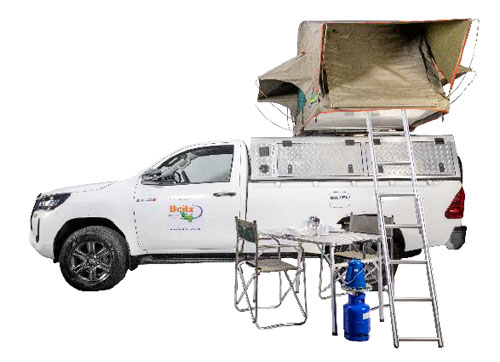
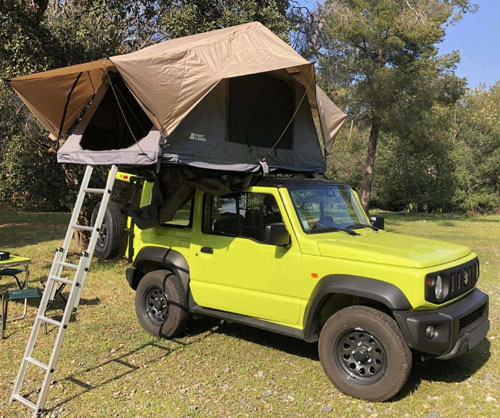
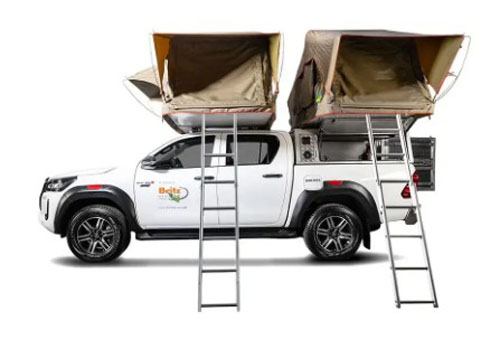
Truck Campers (Class TC), averaging 5.6 meters in length, are compact and versatile RVs ideal for adventurous couples (averaging 2 sleeping places and 2 adults) seeking mobility and off-road capability in and around Cape Town. These units, like the "Patagonia Camper 4x4 double cab" or "4x4 Scout Adventure Truck Camper Gold," are mounted onto a pickup truck chassis, offering ruggedness and the ability to reach more secluded or off-the-beaten-path destinations in areas like the Cederberg Mountains.
With common fuel consumption around 11lt/100km, they offer a good balance of power and efficiency for their size and capability. Truck Campers are perfect for those who enjoy a more rustic camping experience while still having essential amenities like a compact kitchen and sleeping area, providing a unique blend of adventure and comfort. Their compact design allows for easier parking and navigation, making them a great choice for exploring diverse terrains and finding unique spots for local immersion.
What are the best RV rental companies in Cape Town?
When selecting an RV rental company in Cape Town, prioritize those with strong reputations for vehicle maintenance, transparent pricing, comprehensive insurance options, and excellent customer service. Look for companies that offer a diverse fleet to match your travel needs, from compact campervans to larger family-friendly motorhomes, ensuring the rented RV perfectly enhances your specific trip.
Reliable breakdown services and clear emergency protocols are critical, especially for international travelers exploring areas like the Cape Winelands, so choose a provider with robust 24/7 support. Checking reviews and testimonials can provide valuable insights into previous customer experiences regarding vehicle condition, booking process, and post-rental coordination. Good companies, many of whom are Bandana partners like Apollo and Britz, will also provide thorough handover briefings, including all RV-specific logistics like water/electrical hookups and dump station usage. We compare final prices across 50+ suppliers so you don't have to, ensuring full transparency with no hidden fees.
What do I need to rent an RV in South Africa?
To rent an RV in South Africa, you generally need a valid driver's license, often held for a minimum period (e.g., 3-5 years), a credit card for the security deposit, and sometimes an International Driving Permit (IDP). For foreign visitors, an IDP is highly recommended and frequently legally required if your domestic license is not issued in English or does not feature a photograph, especially for rental pickups at Cape Town International Airport.
Ensure you have appropriate travel insurance that covers RV rentals and personal liability, as standard rental insurance may have limitations. A comprehensive pre-trip planning checklist should include verifying age requirements (the minimum rental age is 21 with no young driver surcharges), understanding mileage limits, and confirming fuel types for your chosen rented RV. Your packing list should feature practical items like adapter plugs for South African outlets (Type M and D), comfortable walking shoes for exploring places like Table Mountain, and layers of clothing for Cape Town's varied weather.
Can you rent an RV in South Africa with an international driving permit?
Yes, you can absolutely rent an RV in South Africa with an International Driving Permit (IDP), which is often a mandatory requirement for foreign visitors whose domestic license is not issued in English. The IDP must always be presented in conjunction with your original, valid national driver's license and is a crucial document for legal driving in the country, including around Cape Town and the Western Cape.
It serves as an official translation of your license, facilitating smoother interactions with rental companies and local authorities. Ensure your IDP is valid for the entire duration of your rental period and that it's issued by an authorized body in your home country before you travel. It's always a good practice to confirm specific IDP requirements with your chosen RV rental company in Cape Town prior to your arrival, as policies, while generally consistent, can sometimes have minor variations.
What are the payment options for RV rentals in Cape Town?
Most RV rental companies in Cape Town primarily accept major credit cards, such as Visa, MasterCard, and American Express, for both the rental fees and the security deposit. This provides a secure and convenient way to handle transactions, especially for international travelers. Some companies may also offer bank transfer options for the main rental cost, particularly for bookings made well in advance, though a credit card is almost always required to hold the security deposit.
Cash payments for the entire rental total are rarely accepted by major suppliers, but small amounts for extras or minor fees might be possible on a case-by-case basis. It is crucial to confirm the accepted payment methods and the local currency (South African Rand - ZAR) with your chosen rental provider before finalizing your booking. Be aware of any potential transaction fees for international credit cards or currency conversion rates that might apply to your payment. At Bandana RV, we offer bookings in over 30 currencies with full price transparency, ensuring no hidden fees or conversion commissions.
Is it safe to RV in South Africa?
RVing in South Africa can be a safe and incredibly rewarding experience, offering an intimate way to explore the country's stunning landscapes, provided travelers exercise caution, plan their routes carefully, and adhere to local safety guidelines. The most crucial safety advice for RVers involves theft prevention, which includes securing all valuables out of sight, locking doors, and parking only in well-lit, designated secure areas or reputable campgrounds, especially in and around Cape Town.
Avoid traveling at night, particularly in rural or unfamiliar areas, and always remain aware of your surroundings, especially in major urban centers. Familiarize yourself with emergency protocols, including contact numbers for police (10111), medical assistance, and reliable breakdown services, which your rental company should provide as part of their 24/7 support for pre-booking and post-booking coordination. For foreigners, considering a local SIM card for robust cellular roaming is advisable for connectivity in remote areas, and consulting with locals or tour operators for up-to-date safety information can be beneficial. For more detailed tips, check out our RV Travel Guide to Cape Town - Tips and Top Spots 2024.
What are the road conditions like in Cape Town for RVs?
Road conditions in and around Cape Town are generally good, with well-maintained national highways and major routes perfectly suitable for RVs, including the N1 and N2 which connect to key areas. However, specific driving advice for larger vehicles includes being particularly mindful of narrower city streets in older parts of Cape Town, like Bo-Kaap, and scenic mountain passes, such as Chapman's Peak Drive, which require careful navigation due to winding turns and occasional height/weight restrictions.
Road signage is typically clear and in English, but it's always advisable to use a GPS system updated with current road information. Be prepared for potential strong Cape winds, especially during the summer months, which can reach over 100 km/h ('Cape Doctor') and significantly affect the handling of larger RVs; driving slowly and carefully is key. Some smaller, unpaved roads leading to national parks or remote campsites may also be challenging for larger motorhomes; always check local road conditions before venturing off major routes. Drive slowly and carefully, and you can drive almost anywhere without issues. No need to stress - just use common sense and pay attention.
Where can I park my RV in Cape Town?
For safe and secure overnight parking in Cape Town, designated RV campgrounds and secure private resorts are the primary and most highly recommended options. These facilities often provide 24-hour security, electrical hookups, and waste disposal services, offering peace of mind for travelers.
Parking challenges at popular attractions in the city center or places like Camps Bay can arise due to size restrictions; look for designated bus or truck parking areas, or large shopping centers on the outskirts of the city, such as Canal Walk, which often have more ample space. While day parking might be available in certain public parking lots or street parking, secure overnight parking beyond established campgrounds is generally not advised due to security concerns. Always confirm parking availability and regulations for specific attractions or overnight stays in advance, especially in popular tourist areas. Remember that driving slowly and carefully allows you to navigate most areas, so just use common sense and pay attention to signage.
What are the rules for driving an RV in South Africa?
The rules for driving an RV in South Africa largely follow standard traffic laws, including driving on the left side of the road and adhering to posted speed limits. Speed limits are typically 120 km/h (75 mph) on highways, 100 km/h (62 mph) on main roads, and 60 km/h (37 mph) in urban areas like Cape Town. RV-specific regulations primarily involve limits on overall vehicle length, height, and weight, which your rental company will clarify upon pickup.
All occupants must wear seatbelts at all times, and it is strictly illegal to use a handheld mobile phone while driving. Be vigilant for pedestrians, cyclists, and unexpected wildlife (especially baboons on the Cape Peninsula or smaller antelope in national parks), particularly in rural and national park areas. Always carry your valid driver's license (and IDP if applicable), vehicle registration documents, and rental agreement with you. Drive slowly and carefully, and you can drive almost anywhere without issues. No need to stress - just use common sense and pay attention.
Are there toll roads in Cape Town for RVs?
While major toll roads exist in other parts of South Africa, there are currently no significant toll roads directly within Cape Town city limits that would typically impact an RV traveler. However, some private routes or scenic drives might have small access fees, such as the famous Chapman's Peak Drive, which has a toll plaza near Noordhoek and charges varying rates based on vehicle class.
If your RV adventure extends beyond the immediate Cape Town area, particularly towards the Garden Route (N2 freeway) or up to Johannesburg (N1 freeway), you will encounter toll gates. Toll fees for RVs are typically higher than for standard passenger vehicles, as they are often classified based on the number of axles. It's advisable to carry sufficient cash (South African Rand) as not all toll plazas accept credit cards, though many are transitioning to electronic payment systems. Our "One-Way RV Rental in Cape Town - Price Guide 2024" can help you estimate costs for longer journeys.
Can you wild camp in Cape Town?
Wild camping, also known as freedom camping or boondocking, is generally not legal or recommended within Cape Town and its immediate surrounding areas due to local regulations and legitimate safety concerns. The City of Cape Town and surrounding municipalities strictly regulate overnight parking, with enforcement often leading to fines or other penalties.
Designated campgrounds, RV parks, and national park sites (like those within Table Mountain National Park) are the only officially permitted and truly safe places to park and stay overnight in a rented RV. Attempting to wild camp can not only lead to legal repercussions but also expose travelers to unwanted attention and potential security risks, which is why we always prioritize your safety and peace of mind. Respect for local laws and environmental conservation is paramount in South Africa, meaning all waste must be properly managed and natural sites left undisturbed. For a legal, secure, and enjoyable experience, always opt for established camping facilities that offer necessary amenities and a supportive environment.
What is the best time of year to RV in Cape Town?
The best time of year to RV in Cape Town is typically during the shoulder seasons (September to November and March to May) or the dry summer months (December to February) for optimal weather and diverse experiences. Summer offers warm, dry weather ideal for beaches and outdoor activities like hiking Table Mountain, though it can also bring strong Cape winds, locally known as the 'Cape Doctor,' and higher campsite demand, necessitating earlier bookings.
Autumn (March-May) provides pleasantly mild temperatures, less wind, and fewer crowds, making it an excellent time for exploring the Winelands and scenic routes. Spring (September-November) is known for its vibrant wildflowers, particularly along the West Coast, mild weather, and the start of the whale-watching season in areas like Hermanus, creating unique wildlife viewing opportunities. Winter (June-August) brings cooler, wetter conditions, which can impact road conditions and campsite availability in some areas, but offers a different, often greener, perspective of the landscape with fewer tourists. We always recommend slow travel, averaging max 100-150 km per day, to truly immerse yourself in the culture and scenery, regardless of the season.
Are RVs popular in South Africa?
RVs and motorhomes are increasingly popular in South Africa, particularly among both local and international tourists seeking flexible and immersive travel experiences. The country's vast and diverse landscapes, including iconic national parks like Kruger, stunning coastal routes such as the Garden Route, and renowned wine regions like Stellenbosch, lend themselves perfectly to self-sufficient RV adventures from Cape Town.
A well-developed network of campgrounds and caravanning parks supports this popularity, offering various amenities across different regions of South Africa. The freedom a rented RV provides to explore off-the-beaten-path spots and engage in unique local interactions, such as visiting small towns or cooking with fresh local ingredients, contributes significantly to its growing appeal. The rise in domestic tourism, coupled with a global desire for more independent and self-sufficient travel options, has further boosted the popularity of RVs in South Africa in recent years, making it an exciting destination for motorhome enthusiasts.
How much is fuel in South Africa for an RV?
Fuel prices in South Africa are regulated by the government and are subject to monthly adjustments, typically hovering around R22-R25 per liter for petrol and R20-R23 per liter for diesel as of 2024. For an RV or motorhome, fuel costs will be a significant part of your overall trip budget due to larger tank capacities and varying fuel efficiencies. For example, a Class B Camper Van might consume 6-11 lit/100km, while a larger Class C Alcove or Class SI Semi-integrated RV typically uses around 12lt/100km.
Fuel availability is generally good along major routes and in urban centers like Cape Town, with numerous filling stations. However, it can be scarcer in very remote areas, so always plan your refueling stops strategically, especially when venturing into national parks or less populated regions. Most fuel stations accept major credit cards, but it's always wise to carry some cash (South African Rand), particularly in more rural locations where card machines might be unreliable. Factor in potential daily fuel expenses ranging from R500 to R1,500 (approx. $25-$80 USD) or more, depending on your daily mileage and the rented RV's specific fuel efficiency.
What You Shouldn't Miss
- **Drive Chapman's Peak Drive:** Experience one of the world's most spectacular coastal roads, offering panoramic views of the Atlantic Ocean and Hout Bay. Remember to check vehicle restrictions and tolls for larger RVs.
- **Explore Table Mountain National Park:** Hike or take the cable car up Table Mountain for iconic views, then discover hidden gems like Boulders Beach Penguin Colony or the Cape Point lighthouse within the park's sprawling expanse.
- **Savor Local Flavors at the V&A Waterfront:** Park your RV in a suitable nearby spot and enjoy fresh seafood, vibrant markets, and world-class dining, immersing yourself in Cape Town's culinary scene.
- **Discover the Cape Winelands:** Take a leisurely drive through Stellenbosch or Franschhoek, stopping at vineyards for tastings and enjoying the stunning mountainous scenery. Many offer RV-friendly parking or nearby campgrounds.
- **Relax on the Atlantic Seaboard Beaches:** Spend a day at Clifton or Camps Bay beaches, known for their white sands and clear waters. Find local supermarkets nearby to stock up for an evening braai back at your campsite.
Final Thoughts
Embarking on an RV adventure in Cape Town is an unforgettable way to experience the stunning Western Cape, offering a unique blend of urban charm and breathtaking natural beauty. From choosing the perfect motorhome to navigating local roads and finding the ideal campsite, the journey is filled with discovery and flexibility. We are here to support you before, during, and after your booking, ensuring every step of your planning is seamless and stress-free.
With transparent pricing, reliable vehicles from top suppliers, and expert advice, Bandana RV makes it easy to compare and book the ideal campervan or motorhome for your South African escape. Take your time, explore slowly, and let the magic of Cape Town unfold at your own pace. Discover top destinations, planning tips, all in one place and let us help you plan a trip itinerary in advance with minimal effort and maximum enjoyment.
Find Motorhome Rentals in Cape Town