For live availability and current prices, start with our RV Rental Botswana - Complete Guide 2026 guide.
In This Guide
- Where to Camp in Botswana — Top Options
- Campground Types in Botswana (National, Private, Wild)
- Featured RV Park or Campground in Botswana
- Hookups & Amenities — What to Expect
- Booking Windows & Reservations in Botswana
- Nearby Supermarkets & Resupply Points
- Best RV Class for Camping in Botswana
- How to Save on Campgrounds in Botswana
Where to Camp in Botswana — Top Options
Botswana offers exceptional RV camping experiences within its renowned national parks and game reserves. The Okavango Delta, particularly the Moremi Game Reserve, provides unique water-based safaris and diverse wildlife viewing opportunities from designated, often unfenced, campsites. Chobe National Park is famous for its massive elephant herds and offers riverside camping at locations like Ihaha and Savuti, allowing for incredible game viewing right from your rented RV. For a more remote and challenging adventure, the Central Kalahari Game Reserve presents a vast, authentic wilderness camping experience. Other significant areas worth considering include the Makgadikgadi Pans, known for their stark beauty, and the Kgalagadi Transfrontier Park, offering varied landscapes and excellent desert-adapted wildlife viewing.
When planning your Botswana RV adventure, understanding these diverse park offerings is key to selecting the best campsites. Each location provides a unique perspective on Botswana's rich natural heritage, from the water-rich Okavango to the arid Kalahari, ensuring an unforgettable journey.
Campground Types in Botswana (National, Private, Wild)
RV campers in Botswana will encounter a few primary types of camping: government-run national park sites, private lodges offering camping areas, and very limited, regulated opportunities for wild camping. National Park campsites, such as those found in Moremi or Chobe, are government-managed and typically offer more basic facilities like long-drop toilets and cold showers. These sites are often unfenced, providing an authentic wilderness experience that requires a high degree of self-sufficiency and vigilance, especially with wildlife movement. Advance booking for these sought-after spots is essential. Private campgrounds, often found near major hubs like Maun or Kasane and associated with safari lodges, generally provide more amenities, including hot water, flush toilets, and sometimes even swimming pools, though they come at a higher cost. Wild camping (freedom camping) is strictly restricted within national parks and protected areas. Outside these zones, it is generally not recommended due to land ownership complexities, wildlife, and safety concerns, making permits crucial for any remote, self-contained camping.
Featured RV Park or Campground in Botswana
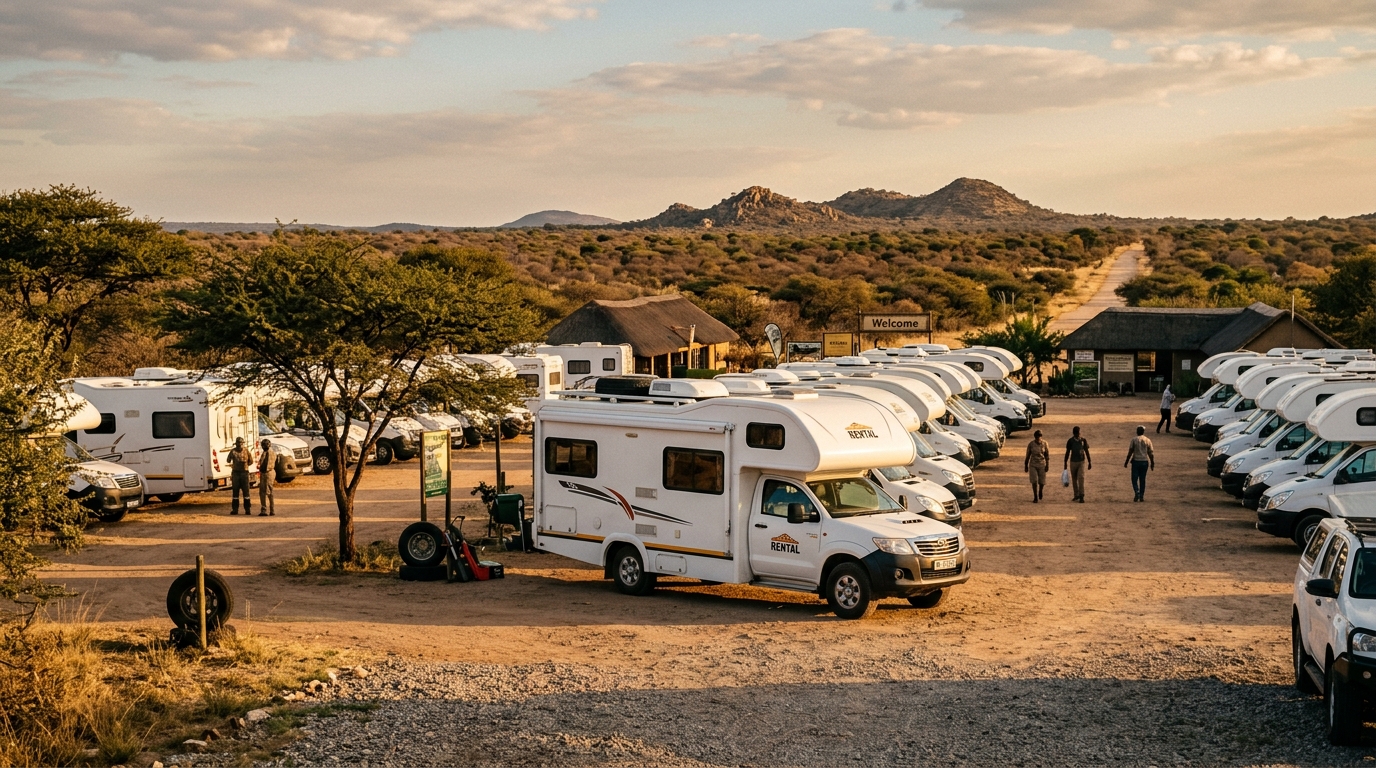
While specific RV parks are less common in the traditional sense, a prime example of an ideal camping spot in Botswana would be one offering essential amenities within a secure environment, ideally situated close to prime wildlife viewing areas. When searching for the best campsites for your RV, look for shaded sites, accessible water points, clean ablution blocks (toilets and showers), designated fire pits, and adequate security measures where applicable, such as ranger patrols in national parks. For instance, well-equipped private camps near Maun or Kasane effectively balance proximity to wilderness areas with essential services. Alternatively, more remote national park sites like those in Savuti offer a pure wilderness experience with minimal facilities, demanding greater self-reliance from RV travelers.
To secure your spot in these desirable locations, especially during peak seasons, booking well in advance is paramount due to limited site availability. Always prioritize confirming campsite availability and any necessary park permits as a fundamental first step in planning your Botswana RV trip.
Hookups & Amenities — What to Expect
RV camping in Botswana, particularly in national parks, often means embracing a high degree of self-sufficiency, as hookups for electricity, water, and dump stations are typically limited or non-existent. Electrical hookups, usually 230V with South African plug types, are rare in remote areas but more common in private camps near towns; therefore, ensuring your RV is equipped with robust solar power or dual battery systems is highly advisable. Potable water sources are scarce outside major settlements, so carrying a substantial water supply (at least 5-7 days' worth per person) and considering water purification methods is crucial. Dump stations for grey and black water are virtually non-existent in remote regions, necessitating careful waste management planning. Connectivity is also a challenge, with cell service and Wi-Fi being extremely limited in remote areas, making satellite phones, two-way radios, or reliable offline navigation apps essential for communication and safety. Ablution facilities in national parks often consist of cold showers and basic pit latrines, while private camps may offer hot showers and laundry services. On the routes offered through RV PLANET routes, you can itemize and track every expense along the way for easy budgeting.
Booking Windows & Reservations in Botswana
For an RV camping trip in Botswana, securing reservations for national park campsites and popular private sites well in advance is highly recommended, often necessitating bookings 6-12 months ahead, especially for travel during the peak season. National park campgrounds have limited availability due to high demand. While some national park campgrounds might reserve a small percentage (around 25%-30%) for walk-ins, it is crucial for RVers to secure permits and campsites in protected areas through pre-booking to guarantee their desired locations. Private campsites are generally easier to book, but reservations are still advisable during peak season (June to October) to ensure availability. Spontaneous travelers may find camping spots by being flexible with their itinerary and calling ahead to nearby campgrounds, but securing specific, highly sought-after sites without prior booking is unlikely.
To make 'RV rental deals in Botswana' viable, confirming campsite availability and necessary permits is a non-negotiable first step in your planning process.
Nearby Supermarkets & Resupply Points
RV travelers in Botswana will find essential supermarkets and resupply points primarily located in major towns such as Maun, Kasane, and Gaborone. These towns serve as crucial hubs for stocking up on groceries, fuel, and other provisions before venturing into the more remote national parks and game reserves. You'll find well-known supermarket chains like Spar, Shoprite, and Choppies in these urban centers, offering a comprehensive range of fresh produce, pantry staples, and bottled water. Maun, the gateway to the Okavango Delta, and Kasane, the gateway to Chobe National Park, are strategically vital resupply points for travelers heading north. Fuel is generally available in these larger towns, but it is wise for RVers to carry extra jerry cans for stretches where distances between filling stations can be significant. While exploring local markets can offer fresh produce and cultural interaction, always verify the quality and storage requirements for items intended for longer journeys into the bush. It is best to plan for generous stocking, as resupply options diminish rapidly once you depart from urban areas.
Best RV Class for Camping in Botswana
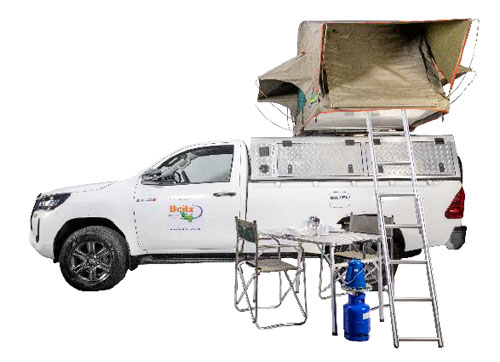
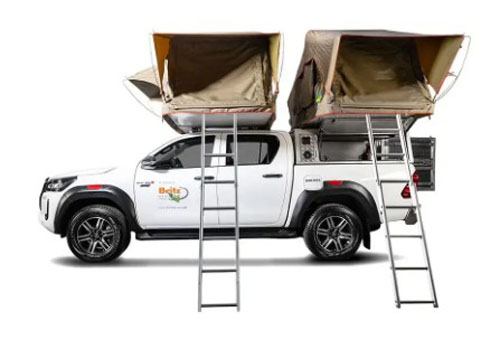
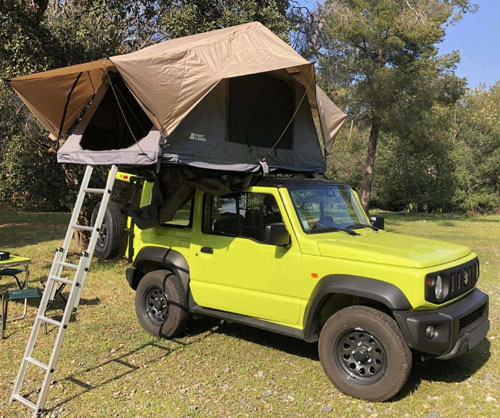
For RV camping in Botswana, **Class TC - Truck Campers** and **Class B - Camper Vans** are generally the most suitable RV classes. Their maneuverability, potential for 4x4 capabilities, and robust design make them ideal for Botswana's often challenging and off-road terrains. Class TC - Truck Campers, often mounted on 4x4 chassis, offer excellent off-road capability and compact living. Our global fleet averages 5.5 meters in length, sleeps 2-4 people, and consumes 12-17 liters per 100 km, making them perfect for rough tracks and sandy conditions common in Botswana. Class B - Camper Vans are highly maneuverable and more fuel-efficient (averaging 5.8 meters in length, sleeping 2-4 people, and consuming 8-10 liters per 100 km), suitable for accessing diverse areas, although 4x4 versions are strongly recommended for deep sand or muddy terrain. Larger RVs like Class A (Integrated), Class C (Alcove), and Class SI (Semi-integrated), which average between 6.9 and 7.5 meters in length, are generally less suitable for Botswana's national park roads, which can be deeply rutted, sandy, or muddy and often require high clearance and 4x4 capabilities. These larger classes also tend to have higher fuel consumption, a significant factor given Botswana's long distances and fuel availability challenges. Therefore, prioritize RVs with high ground clearance, robust suspension, and strong off-road capabilities when selecting a vehicle for Botswana's demanding landscapes.
How to Save on Campgrounds in Botswana
To maximize 'RV rental deals in Botswana' and save on camping expenses, consider several strategies. Leveraging potential discount cards offered by RV rental providers or affiliated programs can sometimes yield savings on Southern African campsites. Traveling during the shoulder seasons, such as May or November, typically offers lower campground rates and fewer crowds compared to the peak dry season (June to October). National park campsites are generally more budget-friendly than private lodge campsites, though they offer fewer amenities. Booking directly with the Department of Wildlife and National Parks (DWNP) can sometimes be cheaper than using third-party agents. Furthermore, some private campgrounds may offer reduced per-night rates for longer stays (three or more nights), so it's worth inquiring about weekly or monthly discounts. Remember, RV travel inherently saves on food costs by enabling self-catering, which can significantly reduce overall trip expenses compared to dining at lodges or restaurants.
What You Shouldn't Miss
- Embark on a mokoro (dugout canoe) safari in the Okavango Delta for a unique perspective on the delta's ecosystem and wildlife.
- Witness the staggering herds of elephants along the Chobe Riverfront, especially during the dry season, from your RV or a guided game drive vehicle.
- Experience the vast, star-filled skies and profound silence of the Central Kalahari Game Reserve, a true wilderness immersion.
- Explore the ancient rock art sites at Tsodilo Hills, a UNESCO World Heritage Site, accessible by 4x4 and offering a glimpse into prehistoric Botswana.
- Visit a traditional village, such as one in the Okavango region, to respectfully engage with local culture, perhaps witnessing basket weaving or traditional dance.
- Drive across the Makgadikgadi Salt Pans during the dry season for an otherworldly, vast landscape experience, but only if your RV is suitably equipped and the conditions are confirmed safe.
Final Thoughts
Renting an RV for your Botswana adventure offers an unparalleled way to experience the country's breathtaking wildlife and vast landscapes up close. While it requires careful planning, especially regarding vehicle suitability and self-sufficiency in remote areas, the rewards are immense. Imagine waking up to the sounds of the African bush, enjoying sundowners with elephants grazing nearby, and having the freedom to explore at your own pace.
From the iconic Okavango Delta to the stark beauty of the Kalahari, Botswana's national parks provide a truly wild and unforgettable RVing experience. By choosing the right vehicle and preparing thoroughly, you'll be well-equipped to navigate the challenges and fully immerse yourself in the magic of this incredible destination. Get inspired for your next trip, and discover top destinations and planning tips all in one place!
Plan your RV trip itinerary in advance with minimal effort and maximum enjoyment. Bandana Caravan is here to help you find the perfect RV for your Botswana safari, ensuring a comfortable and memorable journey.