In This Guide
- Top 5 Tips for RV Rental for Couples in South America
- Before You Book - Class, Dates, Insurance
- Pre-Trip Prep - Packing Checklist for South America
- On the Road - Driving, Fueling, Navigation
- At the Campground - Setup, Hookups & Etiquette
- RV Rental for Couples-Specific Tips for South America
- Common Mistakes to Avoid in South America
- What is the 3-3-3 rule for RV travel?
- What is the 4-4-4 rule for RV?
- How much to rent an RV for a couple months?
- Is it cheaper to rent an RV or stay in a hotel?
- How much is a 1 week RV rental?
- What are some important tips for traveling around South America?
- What to consider when renting an RV?
Top 5 Tips for RV Rental for Couples in South America
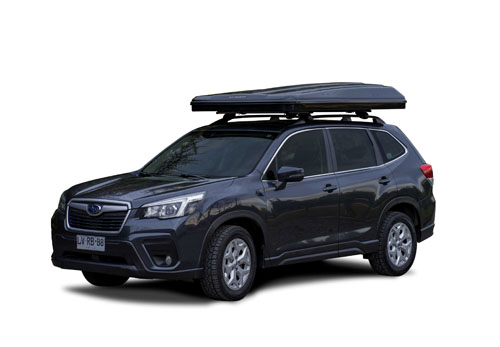
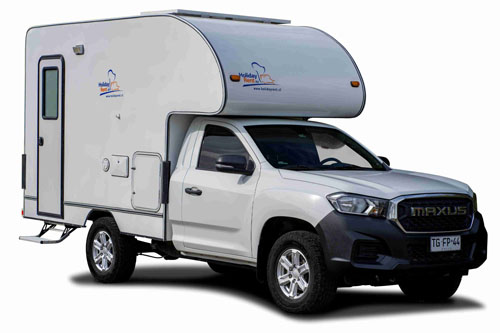
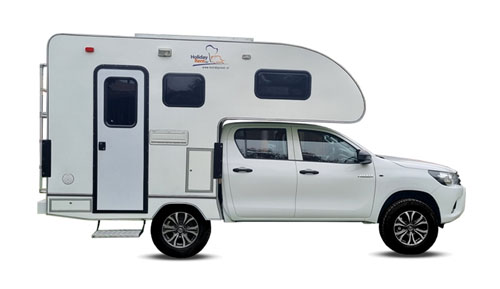
Planning an RV adventure for two in South America requires unique considerations to ensure a smooth and romantic journey. Opt for a smaller, 4x4 capable RV, like a "Patagonia Camper 4x4 double cab", for better maneuverability and access on diverse South American roads, especially when exploring more remote regions. Securing comprehensive international insurance that explicitly covers South American travel and potential roadside assistance is vital for peace of mind. Remember, Bandana ensures full transparency with no hidden fees, making sure you know exactly what your coverage entails. Factor in slower travel times and unexpected delays, adapting standard RV rules like 3-3-3 to the local pace; instead of 300 miles, aim for 100-150 km per day on average to truly immerse yourselves in the culture and scenery. Prioritize learning basic Spanish or Portuguese phrases to aid in navigation, local interactions, and emergency situations, as English is not widely spoken outside major tourist hubs. Finally, budget generously for fuel, tolls, and potential border crossing fees, as costs can fluctuate and add up quickly. For live availability and current prices, start with our RV Rental South America - Complete Guide 2026 guide.Before You Book - Class, Dates, Insurance
For couples embarking on a South American RV journey, a compact Class B campervan or a smaller Class C RV (often a 4x4) is generally ideal for navigating the continent's diverse terrain and city streets, offering a perfect balance of comfort and agility. Vehicles such as the "rv rental denver example Category Van" or a "rent rv example A1" are often "Ideal for a couple", offering amenities like a shower and toilet while remaining easy to handle. Booking 3-6 months in advance, especially for peak seasons like December-February and June-August, ensures better availability of these popular models and potentially lower rates. While it's reassuring that you'll always find a spot, calling ahead to national parks (many of which reserve only 25-30% of spots, leaving the rest for first-come-first-serve) is a smart move. Basic insurance is always included with your Bandana booking. To see prices including the most comprehensive coverage, which is crucial for understanding full protection in South America, select that option during your search on our platform. We make sure there are no hidden fees or surprises. Carefully review the rental agreement for mileage limits, one-way rental options, and specific coverage details for international travel. You can also upgrade to a top-level deductible for extra peace of mind, an optional enhancement for your journey.Pre-Trip Prep - Packing Checklist for South America
Packing for a couples' RV adventure in South America requires careful planning to cover varied climates and unexpected situations. Essential items include adaptable clothing layers, a well-stocked kitchen with basic pantry staples, vital safety gear such as a first-aid kit and emergency communication device, and all necessary documents like passports, visas, and International Driving Permits (recommended, though not mandatory in most cases for a standard car driver's license). For cooking delicious meals on the road, check out our RV-friendly recipes playlist. Consider including spare parts for your rented motorhome, such as an extra tire and basic repair tools, as local availability can be limited in remote areas. A portable water filter and water purification tablets are also wise additions. Don't forget personal comfort items like travel-sized toiletries, comfortable walking shoes for exploring, and a good camera to capture your romantic moments. Being true RV specialists, we understand these small details make a big difference in your travel experience.On the Road - Driving, Fueling, Navigation
Driving a rented RV in South America often involves navigating unpaved roads, managing diverse traffic laws, and being prepared for varying road conditions. Drive slowly and carefully, and you can drive almost anywhere without issues. No need to stress - just use common sense and pay attention. Fueling up frequently is advisable, especially before entering remote areas, as gas stations can be sparse, and diesel is widely available. Remember to factor fuel costs into your overall budget; on RV PLANET routes, travelers can itemize and track every expense along the way for easy budgeting. For navigation, a combination of offline GPS (like Maps.me or Gaia GPS), physical maps, and a local SIM card for real-time updates and emergencies is highly recommended, as internet access can be unreliable in many regions. Always be vigilant for road hazards like potholes, unmarked speed bumps (known as *lomos de toro* or *rompevelocidades*), and wandering livestock, especially outside major cities. In case of a breakdown, seek assistance from local mechanics or emergency services, which may involve utilizing your basic Spanish or Portuguese and understanding local procedures. Bandana provides robust pre-booking support, but on-the-road assistance will depend on your chosen supplier and insurance coverage.At the Campground - Setup, Hookups & Etiquette
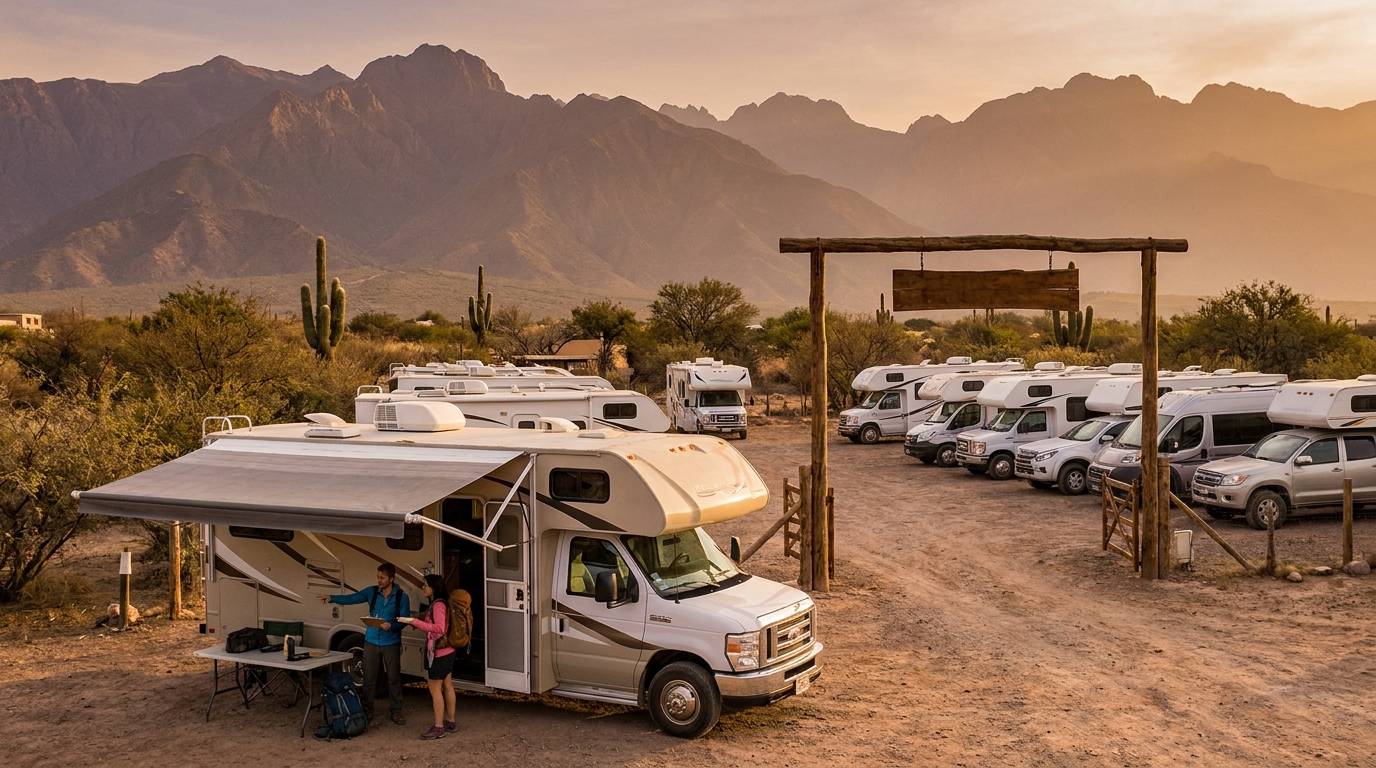
Upon arrival at a South American campground, correctly setting up your rented motorhome involves leveling the vehicle, connecting to shore power (if available), hooking up water, and managing wastewater tanks in that specific order. Familiarize yourselves with campground amenities and local etiquette, which often includes quiet hours from 10 PM to 7 AM, respecting communal spaces, and proper waste disposal. Always confirm hookup compatibility (e.g., electrical adapters) as standards can vary across South American countries. While many national and state parks reserve only 25-30% of spots in advance, the rest are first-come-first-serve. You'll find a spot; if not at the first campground, then the next one. Just call ahead before driving. Many remote areas or smaller towns may also offer informal or wild camping spots, requiring couples to be self-sufficient for power and water, which adds to the adventure. Embrace these opportunities for unique stargazing experiences. For finding campsites and campgrounds during your trip, we recommend using RV PLANET (rvplan.net) - a great resource for locating available spots along your route.RV Rental for Couples-Specific Tips for South America
For a truly romantic RV journey through South America, couples should discuss expectations for shared responsibilities, route planning, and daily activities beforehand to ensure a harmonious trip. Prioritize a rented RV, such as a "hire campervan example Paradise S/T" or an "rv rental example A2," with comfortable sleeping arrangements like a double bed (e.g., 158/195cm) and adequate storage to minimize clutter in shared spaces. This thoughtful planning helps create a serene mobile home. Seek out opportunities for romantic experiences like stargazing in Chile's Atacama Desert, exploring breathtaking Patagonian landscapes hand-in-hand, or enjoying local cuisine together in charming small towns. Plan for "me time" and activities that cater to individual interests to maintain personal space and well-being during extended travel. Above all, embrace flexibility and spontaneity; unforeseen circumstances like road closures or local festivals can often lead to some of the most memorable couple experiences. Traveling slowly, perhaps max 100-150 km per day on average, allows you to take time to feel the place, connect to the culture, the food, and the scenery.Common Mistakes to Avoid in South America
Instead of underestimating border crossing complexities in South America, thoroughly research required documents, visas, and potential fees for each country in advance, allowing ample time for bureaucracy and unexpected "facilitation payments." Rather than solely relying on credit cards, carry sufficient local currency in small denominations for tolls, small vendors, and emergencies, as ATMs can be scarce in rural areas. It's advisable to carry at least $100-200 USD in local currency. Instead of rigid itineraries, embrace a flexible travel schedule to account for slower travel speeds and unexpected road conditions. Our Rent&Plan service can help you create professional route plans, and by using rvplan.net, you can benefit from a 25% planning discount. Rather than neglecting vehicle preparedness, ensure your rented motorhome is well-serviced, equipped with spare tires and basic tools, and a reliable communication device for remote areas. Lastly, instead of assuming universal insurance coverage, verify that your rental insurance explicitly covers international travel in South America, including potential third-party liability and breakdown assistance. This is where our full transparency and true RV specialists help you understand every detail.What is the 3-3-3 rule for RV travel?
The 3-3-3 rule for RV travel suggests driving no more than 300 miles, stopping by 3 PM, and staying for at least 3 days in each location to promote a relaxed travel pace. For South America, this rule should be adapted; consider reducing the daily mileage to 150-200 km (approximately 90-125 miles) due to varying road quality and potential delays. Prioritizing arrival at campsites before dusk, generally by 5 PM, is highly recommended for safety in unfamiliar areas. Staying 3 days still offers significant benefits for immersive cultural experiences and relaxation, but flexibility in your schedule is always key.What is the 4-4-4 rule for RV?
The 4-4-4 rule for RV travel is a variation suggesting driving no more than 400 miles, stopping by 4 PM, and staying for at least 4 nights at each location, offering an even more leisurely pace. When traveling in South America, adhering to the 'stopping by 4 PM' component is highly advisable for safety reasons, avoiding driving in unfamiliar areas after dark. The mileage (400 miles) is often too ambitious for South American roads, and should be significantly reduced, perhaps to 150-200 km per day, based on specific country and road conditions. Staying for 4 nights can be ideal for truly exploring regions like Patagonia, the Bolivian Altiplano, or the Amazon basin, allowing for deeper engagement with local culture and nature.How much to rent an RV for a couple months?
Renting an RV for a couple of months in South America can range from approximately $3,000 to $8,000 USD per month, depending on the RV class, rental company, season, and the specific country (e.g., Argentina and Chile generally have higher rental costs). This long-term rental cost often benefits from discounted daily rates compared to shorter week-long rentals. Costs beyond the rental fee include an average of $0.80-$1.50 per liter for fuel, variable tolls (potentially $5-$50 USD per country for major routes), daily campsite fees ($10-$50 USD), and potential visa or permit expenses that can vary widely by nationality and duration of stay. Always budget for unexpected expenses like minor repairs or specific border crossing fees. For detailed pricing considerations, consult our Long-Term RV Rental in South America - Monthly Rates 2026 guide.Is it cheaper to rent an RV or stay in a hotel?
For couples on an extended South American trip, renting a motorhome can often be cheaper than staying in hotels, especially when factoring in the combined costs of accommodation, transportation, and cooking your own meals. RV travel typically incurs costs for rental fees (ranging from $100-$250/day), fuel, tolls, and campsite fees ($10-$50/night for basic hookups). In contrast, hotel stays include lodging (often $50-$200/night or more), daily transportation (taxis, public transport, or car rental), and dining out, which can quickly accumulate. For budget-conscious travelers, a rented RV allows for self-catering, significantly reducing food expenses compared to dining out every meal. The "cheaper" option ultimately depends on trip duration, travel style, and how frequently one chooses paid campsites versus free overnight spots. Our Cheap RV Rental in South America - Budget Guide 2026 provides more specific cost comparisons.How much is a 1 week RV rental?
A 1-week RV rental for couples in South America typically ranges from $700 to $2,000 USD, or approximately $100-$285 per day, depending on the RV model, the country of rental (e.g., Chile and Argentina can be pricier), and the season. This estimate usually includes the base rental cost and basic insurance, but excludes fuel, one-way fees (if applicable), comprehensive insurance upgrades, and campsite charges. For example, a compact "rv rental denver example Category Van" might be on the lower end, while a "hire campervan example Paradise S/T" could be mid-range. Prices can surge by 20-30% during peak travel seasons like Christmas, Easter, and major local holidays, making off-peak travel more budget-friendly. Always request a detailed quote from our platform that breaks down all potential charges to ensure full transparency and avoid surprises.What are some important tips for traveling around South America?
Important tips for traveling around South America in a rented RV include prioritizing personal safety by being aware of surroundings, learning basic local language phrases, and understanding cultural norms. Be prepared for varying levels of infrastructure, from well-maintained highways to challenging unpaved roads, and plan travel times accordingly; travel slowly, maximum 100-150 km per day on average, to fully experience the region. Always keep copies of important documents (passport, driver's license, RV rental agreement, insurance) separate from the originals and carry digital backups. Research and plan border crossings carefully, as processes and required documentation can differ significantly between countries. Utilize offline maps and consider a satellite communication device for remote areas where cellular service is non-existent. Our true RV specialists provide pre-booking support, ensuring you have the information you need. Stay flexible with your itinerary, allowing for unexpected delays, local recommendations, and spontaneous adventures. For details on last-minute availability and flexible booking, check our Last-Minute RV Rental in South America - What to Expect 2026 guide.What to consider when renting an RV?
When renting an RV for a couples' trip, critical considerations include the vehicle class best suited for your journey, such as a smaller 4x4 campervan or a compact Class C for South America, and the duration of your rental. Evaluate the rental company's reputation, customer service, and the clarity of their rental agreement, especially regarding mileage limits, one-way options, and breakdown support. Bandana partners with 50+ leading RV suppliers worldwide, including El Monte and Apollo, providing extensive options. Thoroughly review all insurance options, ensuring comprehensive coverage for international travel, including collision damage waiver and third-party liability. You can upgrade to a top-level deductible for extra peace of mind, an optional enhancement. Consider the pick-up and drop-off locations, as one-way rentals can incur significant fees but offer greater travel flexibility. Always conduct a detailed walk-through inspection of the RV before departure, noting any existing damage and testing all appliances and systems. This comprehensive approach ensures you "sell the way you'd like to buy - with honesty," as Avi Bandana, our founder, always says.🎬 Video coming soon
What You Shouldn't Miss
- **Patagonia's Glaciers:** Explore Perito Moreno Glacier in Argentina or trek in Torres del Paine National Park in Chile with your RV as a cozy base.
- **Atacama Desert Stargazing, Chile:** Set up camp under one of the clearest night skies on Earth for an unforgettable romantic experience.
- **The Inca Trail Alternative:** Hike lesser-known routes to Machu Picchu, using your RV to access remote starting points, or explore the Sacred Valley at your own pace.
- **Wine Regions of Argentina & Chile:** Drive through Mendoza or Colchagua Valley, enjoying tastings and vineyard stays in your mobile home.
- **Coastal Drives of Brazil:** Discover hidden beaches and charming fishing villages along the Green Coast or the idyllic roads of Santa Catarina.
- **Salt Flats of Uyuni, Bolivia:** Embark on a truly unique 4x4 RV adventure across the surreal Salar de Uyuni, ensuring your vehicle is capable of off-road conditions.
Looking for expert insights from Avi Bandana? Top 5 Adventures - recommendations from Avi Bandana are available via our personalized route plans on rvplan.net, designed by professionals to maximize your adventure.
Final Thoughts
An RV rental for couples in South America offers an unparalleled opportunity for intimacy, adventure, and discovery. Imagine waking up to a new breathtaking view each morning, sharing home-cooked meals under the stars, and navigating diverse landscapes together. It's an experience that fosters connection and creates lasting memories, allowing you to explore at your own pace and truly savor every moment. While planning is essential, the beauty of RV travel lies in its flexibility and the freedom it offers. From the vibrant cultures to the stunning natural wonders, South America invites you to explore its depths on a romantic journey built for two. We're here to support you before and after your booking, ensuring your path to adventure is clear and exciting. Ready to start your unforgettable romantic adventure? Compare RV Rental for Couples Prices in South America now and begin crafting the journey of your dreams!On the routes offered through RV PLANET routes, you can itemize and track every expense along the way for easy budgeting.