In This Guide
- Top 5 Tips for rv rental for couples RV Rental in South Africa
- Before You Book - Class, Dates, Insurance
- Pre-Trip Prep - Packing Checklist for South Africa
- On the Road - Driving, Fueling, Navigation
- At the Campground - Setup, Hookups & Etiquette
- rv rental for couples-Specific Tips for South Africa
- Common Mistakes to Avoid in South Africa
- How to create a detailed budget for an RV trip in South Africa?
- What specific gear and safety equipment are essential for RV travel in South Africa?
- How to prepare for emergencies and troubleshooting in remote South African RV trips?
- What are essential etiquette tips for cultural immersion during an RV trip in South Africa?
- How can couples travel sustainably and ethically by RV in South Africa?
- What are unique and off-the-beaten-path RV routes for couples in South Africa?
- What considerations are there for extended RV stays in South Africa?
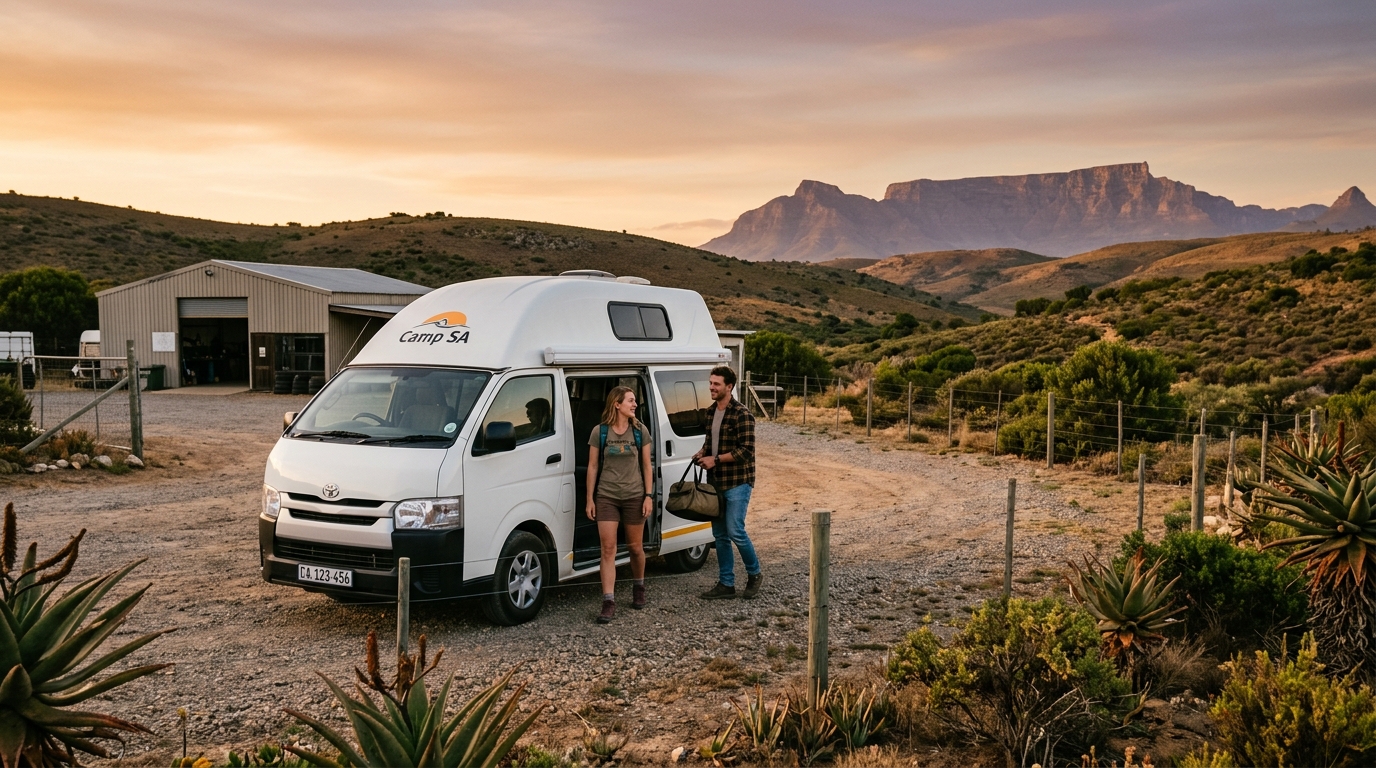
Imagine yourselves waking up to the sounds of nature, brewing coffee in your private mobile home, and stepping out to a breathtaking South African sunrise. An rv rental for couples in South Africa offers an unparalleled blend of freedom, intimacy, and adventure, perfectly suited for two explorers seeking to discover this diverse country at their own pace. From the vibrant cityscapes of Cape Town and Johannesburg to the serene wildlands of Kruger National Park, a rented motorhome transforms your journey into an unforgettable shared experience. For live availability and current prices, start with our RV Rental South Africa - Complete Guide 2026 guide.
Top 5 Tips for rv rental for couples RV Rental in South Africa
Securing your ideal rv rental for couples in South Africa requires thoughtful planning, especially to maximize comfort and minimize stress. First, booking your RV well in advance, particularly for peak seasons like December–February, ensures better rates and availability of popular models like the "rv rental denver example Category Van" which is ideal for a couple, or the "Patagonia Camper 4x4 double cab" if you plan to go off the beaten track. Second, selecting an RV class that balances comfort for two with ease of driving on South African roads, such as a compact campervan or a smaller Class C motorhome like the "rent rv example A1" which includes a shower and toilet, is crucial for maneuverability. Third, planning a flexible itinerary that includes a mix of popular attractions and lesser-known gems allows for spontaneous stops, embracing the spirit of slow travel with a maximum of 100-150 km per day on average. Fourth, understanding the different insurance options available and choosing comprehensive coverage for peace of mind, potentially upgrading to a top-level deductible for extra security, is a smart decision for any trip. Finally, budgeting for all potential costs, including fuel, park fees, and unique activity costs, beyond just the initial rental fee, ensures full transparency and no surprises during your adventure. On the routes offered through RV PLANET routes, you can itemize and track every expense along the way for easy budgeting.
Before You Book - Class, Dates, Insurance
Choosing the right motorhome and understanding your options beforehand can significantly enhance your couples' RV adventure in South Africa. When selecting an RV for two, a compact campervan or a smaller motorhome, such as the "hire campervan example Paradise S/T" (ideal for a couple and featuring automatic transmission, shower, and toilet) or the "rent rv example MiniVan" (also ideal for a couple with shower and toilet), offers an ideal balance of comfort, maneuverability, and fuel efficiency. These smaller vehicles, often under 6 meters in length, are easier to navigate on diverse South African roads and into tighter campground spots. Locking in your travel dates as early as possible is always advisable, particularly if your trip falls during South African school holidays (mid-December to mid-January, Easter, June/July, and September/October) or major festivals, to secure your preferred vehicle and potentially better rental rates. Regarding insurance, basic coverage is always included, providing fundamental protection for your rental; however, considering additional options is often advisable for complete peace of mind, and you can upgrade to a top-level deductible for extra security. To see prices including the most comprehensive coverage, simply select that option during your search, and all relevant insurance options will be displayed with full transparency.
Pre-Trip Prep - Packing Checklist for South Africa
Efficient packing for an RV trip in South Africa significantly enhances comfort and preparedness for diverse conditions. When planning your gear, remember that rental motorhomes usually come equipped with basic kitchenware and linens, but personal items and specialty gear are up to you. A well-curated packing list ensures you have everything needed for a seamless journey, whether you're exploring the bustling markets of Durban or the quiet landscapes of the Karoo. If you're looking forward to preparing delicious meals on the go, check out our RV-friendly recipes playlist for inspiration.
Clothing & Personal Items:
- Lightweight, quick-drying clothing suitable for layering.
- Warm jacket or fleece for evenings and cooler regions (e.g., Drakensberg).
- Comfortable walking shoes and sandals.
- Swimwear.
- Wide-brimmed hat and sunglasses.
Kitchen & Food Essentials:
- Reusable water bottles and a water purification method (e.g., filter, tablets).
- Basic cooking spices, oil, and non-perishable staples.
- Collapsible cooler bag for day trips.
- Dish soap and sponges (check if provided by rental).
Safety & Emergency Gear:
- Comprehensive first-aid kit, including antiseptic, pain relievers, and any personal medications.
- Insect repellent and anti-itch cream.
- Sunscreen (high SPF).
- Headlamp or flashlight with spare batteries.
- Basic tool kit (e.g., multi-tool, duct tape, tire gauge).
- High-visibility vest and warning triangle for roadside emergencies.
Documents & Navigation:
- Valid driver's license (an International Driving Permit is often recommended for visitors from non-English speaking countries, but not mandatory).
- Passport and visa (if required).
- Copies of all important documents (stored separately, digitally and physically).
- RV rental agreement and insurance details.
- Emergency contact numbers.
On the Road - Driving, Fueling, Navigation
Navigating an rv rental for couples through South Africa is an adventure in itself, requiring attention to local driving customs and practical considerations. Drivers in South Africa drive on the left side of the road, a key point for those accustomed to right-hand driving. Drive slowly and carefully, and you can drive almost anywhere without issues. No need to stress - just use common sense and pay attention. Speed limits are generally 120 km/h on national roads, 100 km/h on regional roads, and 60 km/h in urban areas. Fueling up regularly is important, especially when traveling through rural or remote areas, as service stations can be scarce in some regions; confirm your rented motorhome's fuel type (petrol or diesel) and consider carrying a jerry can for extended journeys. For navigation, using reliable offline maps (like Google Maps or Maps.me) alongside a physical map can be highly effective, as mobile data coverage may be intermittent outside major towns. Toll roads exist in South Africa, particularly on major national routes; factor these costs into your budget. For comprehensive route planning and to itemize ancillary trip costs like fuel and tolls, explore RV PLANET routes, a great resource for detailed itineraries.
At the Campground - Setup, Hookups & Etiquette
Setting up your rented RV at a South African campground is a straightforward process, but following proper procedures ensures safety and a pleasant stay. Begin by parking your motorhome on a level spot, using leveling blocks if necessary to ensure comfort and proper appliance function. The recommended utility hookup order is: first, connect the electrical cable to the campground pedestal, then attach the fresh water hose (using a pressure regulator if available), and finally, connect the sewer hose. Reverse this order when packing up to prevent spills and maintain hygiene. Observing campground etiquette is crucial for a harmonious experience with fellow campers. This includes adhering to quiet hours, typically from 10 PM to 6 AM, keeping your site tidy, and respecting others' privacy. Many campgrounds offer braai facilities, perfect for enjoying a classic South African barbecue under the stars, just remember to extinguish fires completely.
rv rental for couples-Specific Tips for South Africa
Embarking on an rv rental for couples adventure in South Africa is an incredible way to foster connection and create lasting memories. For couples, choosing a compact RV for your South African adventure can enhance intimacy and ease of travel, allowing for more spontaneous stops and simpler navigation. Consider models like the "2 Berth Hi Top" or "Campervan for 2 - Automatic", which are specifically designed for two people and often include a shower and toilet. Sharing driving responsibilities and campsite setup tasks can foster a cooperative and enjoyable travel dynamic, turning practical necessities into bonding moments. Seek out romantic viewpoints and secluded picnic spots along your route, taking advantage of the RV's flexibility to create private experiences, perhaps along a "Unique and off-the-beaten-path RV routes for couples in South Africa". Prioritize campgrounds that offer amenities like private ablution facilities or scenic pitches, which can add a touch of luxury and privacy to your trip. Consider packing a portable braai (barbecue) for intimate outdoor cooking experiences under the stars, a classic South African pastime, or even bringing ingredients for your favorite RV-friendly recipes playlist.
Common Mistakes to Avoid in South Africa
First-time rv rental for renters in South Africa can easily avoid common pitfalls with a little foresight, ensuring a smoother and more enjoyable trip. Instead of underestimating travel distances and times, factor in extra time for scenic stops, wildlife viewing, and unexpected delays on South African roads, aiming for slow travel of no more than 100-150 km per day. Rather than solely relying on mobile data for navigation, download offline maps and consider a physical map as a backup, especially in rural areas with spotty network coverage. Instead of overlooking local driving customs, familiarize yourself with road rules, such as yielding to pedestrians and understanding common hand signals used by other drivers. Rather than neglecting to secure bookings in advance, reserve campsites, particularly within national parks and popular routes like the Garden Route, especially during peak season. Remember that many national and state parks reserve only 25-30% of spots for advance booking, with the rest being first-come-first-serve; always call ahead before driving to a new campground. Additionally, ensure you understand all rental terms and conditions regarding mileage, fuel policies, and included amenities to avoid any hidden fees, as Bandana prides itself on full transparency.
How to create a detailed budget for an RV trip in South Africa?
Creating a detailed budget for an RV trip in South Africa involves considering rental costs, fuel, tolls, park entry fees, unique activity costs, food, and a contingency for unexpected repairs. RV rental costs vary significantly by vehicle type (e.g., a compact "Juliette 2-3" campervan for two vs. a larger Class C motorhome), season, and duration, so compare quotes from different providers and inquire about long-term discounts for extended trips. Fuel is a significant expense; estimate consumption based on your planned mileage and current fuel prices, remembering that diesel is generally cheaper than petrol but both fluctuate, typically consuming 10-15 liters per 100 km depending on RV size. Account for national park entry fees (e.g., SANParks conservation fees, which can be around ZAR 100-400 per person per day for international visitors), and any specific permits required for activities like hiking or specialized game viewing. Allocate funds for unique experiences such as guided safaris, shark cage diving, or cultural village tours, which can be a highlight of your trip but add to overall costs. Finally, include a budget for groceries, dining out occasionally, and incidentals like laundry or campsite upgrades, always setting aside a contingency fund (e.g., 10-15% of your total budget) for unforeseen expenses, and remember that on RV PLANET routes, travelers can itemize and track every expense along the way for easy budgeting.
What specific gear and safety equipment are essential for RV travel in South Africa?
Essential gear and safety equipment for RV travel in South Africa include advanced navigation tools, communication devices for remote areas, basic vehicle repair kits, and comprehensive medical supplies. For navigation beyond standard GPS, consider a local SIM card with a reliable data plan, especially when traveling through remote regions where cellular coverage can be sparse; a portable Wi-Fi device might also be beneficial for continuous connectivity. A robust vehicle repair kit should contain items specific to your rented RV type, such as a tire repair kit, jumper cables, a basic tool set, and ensure your rental includes a spare tire with the necessary changing equipment. Water purification tablets or a portable water filter are highly recommended for ensuring access to potable water in areas where tap water quality may be uncertain or unavailable. Essential safety equipment includes a comprehensive first-aid kit stocked with antiseptic wipes, pain relievers, and any personal medications, a fire extinguisher, a high-visibility vest, warning triangles, and copies of important documents stored securely and digitally, ready for any situation on the road.
How to prepare for emergencies and troubleshooting in remote South African RV trips?
Preparing for emergencies and troubleshooting in remote South African RV trips involves having a communication plan, a well-stocked emergency kit, and knowledge of basic vehicle maintenance. Carry a fully charged satellite phone or a powerful two-way radio for communication in areas without cellular service, and ensure you have a list of emergency contacts, including local breakdown services and medical assistance, often provided by your rental company. A detailed emergency kit should include a comprehensive first-aid kit, any necessary prescription medications, enough water (at least 5-10 liters per person) and non-perishable food for at least 72 hours, and a high-visibility vest and warning triangles for roadside visibility. Familiarize yourself with your rented motorhome's basic mechanics, such as how to change a tire, check fluid levels, and troubleshoot common electrical issues, before departing, perhaps even watching a few online tutorials. Inform a reliable contact of your itinerary and expected return, and consider carrying physical maps in addition to GPS for navigation backup, as electronic devices can fail in remote conditions.
What are essential etiquette tips for cultural immersion during an RV trip in South Africa?
Essential etiquette tips for cultural immersion during an RV trip in South Africa include showing respect for local customs, dressing modestly in certain areas, and engaging respectfully with communities. Learning a few basic phrases in local languages like isiZulu or Afrikaans can significantly enhance interactions and demonstrate respect for the diverse cultures you encounter. When visiting rural villages or specific cultural sites, inquire about local customs regarding photography and always ask for permission before taking pictures of individuals, as privacy and cultural sensitivity are highly valued. Support local economies by purchasing goods and services from community-owned businesses, such as craft markets or small eateries, rather than only relying on large chains, helping to ensure your tourist spending directly benefits local people. Maintain appropriate dress, especially in traditional communities or religious sites, where modesty is often valued, and always approach interactions with an open mind and willingness to learn about the rich tapestry of South African traditions.
How can couples travel sustainably and ethically by RV in South Africa?
Couples can travel sustainably and ethically by RV in South Africa by minimizing environmental impact, supporting local communities, and respecting wildlife and natural resources. Practice responsible waste management by carrying out all trash, recycling when possible at designated points, and using approved waste disposal sites at campgrounds to protect the pristine natural environment. Conserve water and electricity, especially in regions prone to droughts such as the Western Cape, by taking shorter showers and turning off lights and appliances when not in use in your rented campervan. Support local businesses and communities by purchasing local products, crafts, and food directly from producers, and engaging with tour operators committed to ethical tourism practices that benefit the local economy. Respect wildlife by maintaining a safe distance (minimum 25 meters from large animals), never feeding animals, and adhering to national park regulations regarding speed limits and designated viewing areas to protect South Africa's unique ecosystems and ensure your safety.
What are unique and off-the-beaten-path RV routes for couples in South Africa?
Unique and off-the-beaten-path RV routes for couples in South Africa extend beyond the popular Garden Route and safari circuits, offering distinct natural wonders and cultural experiences. The Wild Coast in the Eastern Cape provides rugged, untamed beauty with traditional Xhosa villages, dramatic cliffs, and pristine beaches, offering a truly immersive cultural and natural experience away from the crowds, perfect for a couple in a 4x4 campervan like the "2 Person 4WD Camper". Exploring the Cederberg Mountains offers stunning rock formations, ancient San rock art, and remote hiking trails, ideal for couples seeking adventure and tranquility away from crowds, with plenty of remote campsites. The Karoo region, a vast semi-desert, offers stark beauty, clear night skies for stargazing, and charming small towns like Prince Albert or Matjiesfontein, providing a serene and unique landscape for a truly romantic escape. For couples interested in diverse landscapes, the Drakensberg foothills present opportunities for hiking, birdwatching, and exploring historical battlefields, with picturesque campsites nestled in the mountains. For pre-planned routes and itineraries, including some off-the-beaten-path suggestions, check out Rent&Plan by RV PLANET (rvplan.net); using this service also rewards you with a 25% planning discount on your route itinerary.
What considerations are there for extended RV stays in South Africa?
For extended rv rental stays in South Africa, couples should consider visa requirements, long-term campsite availability, vehicle maintenance, and how to manage mail and finances. Investigate South Africa's visa regulations thoroughly for long-term stays, as tourist visas typically have limitations (often 90 days); consulting with the South African Department of Home Affairs or an immigration specialist is advisable well in advance. Research campgrounds that offer monthly rates or discounts for extended periods, as many national parks and private resorts cater to long-term visitors with better pricing and amenities, particularly outside peak season. Plan for regular rented RV maintenance and servicing, as extended travel will necessitate check-ups; identify reputable service centers along your planned route or communicate with your rental supplier for assistance. Establish a system for managing mail and finances, such as using a virtual mailbox service or arranging for family/friends to handle correspondence, and ensure continuous access to banking services and emergency funds for your extended adventure.
🎬 Video coming soon
What You Shouldn't Miss
- Cape Winelands: Drive the scenic Route 62 and explore Stellenbosch and Franschhoek for world-class wine tastings and gourmet dining, making sure to reserve your spots in advance during peak season.
- Kruger National Park Safari: Experience an unforgettable self-drive safari in your rented motorhome, spotting the Big Five and staying at well-equipped campsites within the park.
- Garden Route Adventure: Travel slowly along the iconic Garden Route, allowing ample time to explore charming towns like Knysna and Plettenberg Bay, hike in indigenous forests, and relax on stunning beaches.
- Drakensberg Mountains: Discover the majestic "Dragon's Back" mountains with breathtaking hikes, ancient San rock art sites, and picturesque valleys perfect for serene overnight stays.
- Boulders Beach Penguin Colony: Visit the adorable African Penguins near Cape Town, where boardwalks allow for close-up views of these unique marine birds in their natural habitat.
Looking for expert insights from Avi Bandana? Top 5 Adventures - recommendations from Avi Bandana.
Final Thoughts
A romantic rv rental for couples in South Africa is more than just a vacation; it's an invitation to connect, explore, and create a tapestry of shared memories against a backdrop of unparalleled natural beauty. From the vibrant coastal drives to the serene bushveld and majestic mountains, your rented motorhome offers the ultimate freedom to follow your hearts and discover hidden gems together.
We're here to support you every step of the way, ensuring your South African couples' adventure is seamless and truly unforgettable. Whether you're planning a week-long trip along the "Wild Coast in the Eastern Cape" or an extended road trip through the "Karoo region", embrace the spirit of discovery and enjoy the journey.
Get inspired for your next trip and discover top destinations, planning tips, all in one place. Plan a trip itinerary in advance with minimal effort and maximum enjoyment!
Compare Campervan Prices for South Africa Now