For live availability and current prices, start with our RV Rental North Europe - Complete Guide 2026 guide.
In This Guide
- Top 5 Tips for RV Rental for Couples RV Rental in North Europe
- Before You Book — Class, Dates, Insurance
- On the Road — Driving, Fueling, Navigation
- At the Campground — Setup, Hookups & Etiquette
- RV Rental for Couples-Specific Tips for North Europe
- Common Mistakes to Avoid in North Europe
- How much does it cost to rent an RV in Europe?
- What is the best motorhome layout for couples?
- Is Europe RV friendly?
- How much to rent an RV for a couple months?
- What is the 333 rule for campervan?
- Is it cheaper to rent an RV or stay in a hotel?
- How easy is it to travel around Europe in a motorhome?
- What are the drawbacks of renting an RV?
- What is the 3-3-3 rule for RV travel?
- What is the 444 rule for RV?
Top 5 Tips for RV Rental for Couples RV Rental in North Europe
Embarking on an RV adventure through North Europe as a couple offers unparalleled freedom and intimacy, allowing you to craft a journey tailored to your shared desires. To make the most of this experience, consider these essential tips:
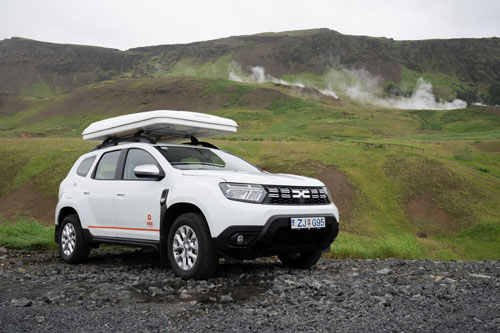
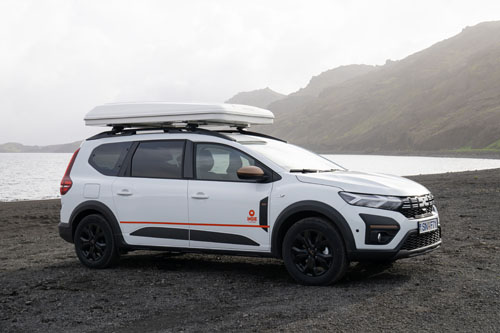
Choose a well-insulated, compact RV for North European roads and climate. Opting for a smaller, well-insulated motorhome or campervan, typically under 7 meters in length, is crucial. These vehicles are better suited for navigating the often narrow and winding roads common in the fjords of Norway or rural Sweden, and their superior insulation will provide much-needed warmth during cooler evenings or unpredictable weather, which can occur even in summer. Many rental companies offer models like the V3, which is ideal for two, or the versatile Cruise America example EX-Group A.
Book ferries for specific routes (e.g., Norwegian fjords) well in advance. North Europe's stunning geography, particularly Norway's dramatic fjords, often necessitates the use of ferries as essential segments of the road network. For popular routes, especially those with limited capacity for larger vehicles like RVs, booking your ferry crossings ahead of time is highly recommended to secure your spot and avoid disappointment, particularly during peak travel seasons. This is a key consideration for planning routes effectively.
Familiarize yourself with varied wild camping laws across North European countries. While countries like Sweden and Norway offer the widely known 'Allemansrätten' (right to roam), which permits a degree of wild camping under strict guidelines, it's crucial to understand that these laws differ significantly. In Denmark, Finland, and Iceland, wild camping with an RV is generally prohibited outside of designated areas. Always research the specific regulations for each country you plan to visit to ensure compliance.
Pack versatile layers for unpredictable weather, even in summer. North European weather can be notoriously changeable. Even during the summer months, expect cool evenings, potential rain, and wind. Packing clothing in versatile layers is essential, including a waterproof and windproof outer shell, thermal base layers, and sturdy, waterproof footwear. This preparedness ensures comfort regardless of the day's forecast.
Integrate unique North European experiences like Northern Lights viewing into your itinerary. Beyond the scenic drives, consider incorporating activities that are specific to the region and can be enhanced by your RV. Depending on the season and location, this could range from chasing the Northern Lights from the comfort of your mobile base to enjoying the midnight sun in the Arctic Circle. These unique experiences will make your romantic RV trip truly unforgettable.
Before You Book — Class, Dates, Insurance
Choosing the right RV and understanding the booking nuances are critical first steps for a successful romantic getaway in North Europe. Bandana Caravan is here to help you navigate these decisions with transparency.
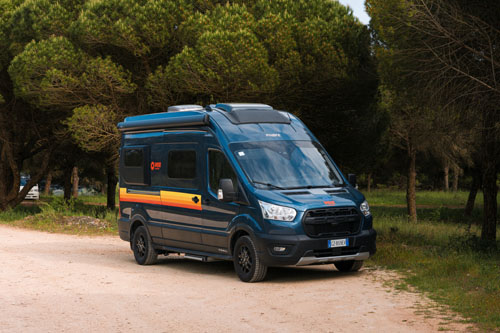
RV Class Selection: For couples, compact campervans or smaller semi-integrated motorhomes (typically under 7 meters) are ideal for navigating North Europe's often narrow roads and accessing city centers with ease, while providing sufficient comfort. Look for models that prioritize a comfortable fixed bed to avoid nightly setup and takedown, and features like good insulation and an efficient heating system, essential for cooler climates. Models such as the Active Bunk Auto or the versatile Happy 4x4 offer great options for couples seeking both comfort and capability.
Optimal Booking Dates: To secure the best rates and availability, especially for popular routes or peak summer travel (June-August), it is advisable to book your RV rental 6-12 months in advance. Traveling during the shoulder seasons (spring or autumn) can also offer lower prices and fewer crowds, providing a more intimate experience. For finding available routes and comparing prices, our sister site, RV PLANET, is an excellent resource.
Insurance Options: Basic insurance is always included. To see prices including the most comprehensive coverage, select that option during search — then all relevant insurance options will be shown. We believe in full transparency; there are no hidden fees or surprises. You can also explore options for top-level deductible reimbursement for added peace of mind during your travels.
On the Road — Driving, Fueling, Navigation
Navigating North Europe in a rented RV offers incredible freedom, but it's important to be prepared for the unique driving conditions, fueling requirements, and connectivity challenges of the region.
Driving Conditions: Be prepared for varying road conditions in North Europe, including narrow, winding roads in fjord country and mountainous regions; always adhere to local speed limits and stay vigilant for wildlife crossings, particularly moose and reindeer. Driving slowly and carefully is key, and with common sense, you can navigate almost anywhere without issues. Remember that while cities can be navigated, rural and scenic routes often present the most rewarding RV experiences.
Fueling: Diesel is the most common fuel type for RVs; be aware that fuel prices in North Europe, especially in countries like Norway and Iceland, are generally higher than in other parts of Europe. Plan your fuel stops accordingly, as stations can be spaced further apart in remote areas. Keeping an eye on your fuel gauge and refueling when you see a station is always a wise practice.
Navigation & Connectivity: Utilize reliable navigation apps with robust offline map capabilities (e.g., Google Maps with downloaded regions, Sygic, CamperContact for finding campsites) as mobile network coverage can be intermittent in remote areas of Scandinavia or Iceland. Consider an eSIM or local SIM for better data access. Having a reliable navigation system is crucial for efficient travel, especially when exploring less populated areas where signage might be different or less frequent.
At the Campground — Setup, Hookups & Etiquette
Setting up your rented RV at a campground and adhering to local etiquette ensures a pleasant experience for everyone. Here's a straightforward guide:
Campsite Setup: Upon arrival at your pitch, first park and level your RV safely, then connect electrical hookups, followed by freshwater, and finally utilize designated grey and black waste disposal points. Always check your specific RV manual for detailed instructions on hookups and waste management, as procedures can vary slightly between models. Proper setup is key for comfort and safety.
Hookup Order: To ensure safety and proper function, always connect power first, then water. When departing, disconnect water first, then power, and ensure waste tanks are properly emptied at designated facilities. Following this order helps prevent potential issues and ensures you leave your campsite clean. Proper disposal of waste is a fundamental aspect of responsible RV travel.
Etiquette: Respect campground quiet hours (typically 10 PM - 7 AM), maintain cleanliness in shared facilities, and be mindful of your neighbors by keeping noise levels down and ensuring your site is tidy. Campground etiquette is about creating a harmonious environment for all guests. A little consideration goes a long way in making your stay, and everyone else's, enjoyable.
RV Rental for Couples-Specific Tips for North Europe
To enhance the romantic and practical aspects of your North European RV adventure as a couple, consider these tailored tips:
Intimate Spaces: Choose an RV with a comfortable fixed bed and a functional yet cozy interior to maximize comfort and provide private space for couples. A fixed bed eliminates the need for nightly conversion, adding convenience. Look for RVs that offer a well-designed living area, like the MH4-5 HEL, which balances comfort and space for two.
Shared Responsibilities: Divide tasks like driving, navigating, cooking, and campsite setup to ensure a harmonious and stress-free trip, fostering teamwork. Collaborating on the journey's logistics can make the experience more enjoyable and less burdensome for either partner, strengthening your partnership through shared adventure.
Romantic Experiences: Plan specific activities unique to North Europe that cater to couples, such as a Northern Lights hunt from your RV, scenic sunset views over a fjord, or a secluded hike for two. North Europe offers many opportunities for romantic moments, from cozy evenings in your RV watching the aurora borealis to breathtaking views from remote Vistas.
Insulation and Warmth: Opt for a well-insulated RV with efficient heating, which is crucial for comfort during cooler evenings or shoulder-season travel in North Europe. Even in summer, nights can be cool, making a reliable heating system a welcome amenity for a cozy atmosphere.
Flexibility and Spontaneity: While planning is beneficial, allow room for spontaneous detours or extended stays at places you both unexpectedly fall in love with, enhancing the adventure. The beauty of RV travel is its flexibility. Embrace opportunities to discover hidden gems or linger longer in captivating locations, making your trip truly your own.
Common Mistakes to Avoid in North Europe
To ensure your North European RV adventure is seamless and enjoyable, be aware of common pitfalls and how to sidestep them.
Ignoring Ferry Bookings: Instead, pre-book essential ferry crossings, especially for popular routes in Norway's fjords or to islands, as RV spots can fill quickly. Ferries are often critical links in North European routes, and last-minute availability can be scarce, particularly for larger vehicles.
Underestimating Costs: Instead, create a comprehensive budget that includes higher North European fuel prices, pervasive tolls (e.g., Norway), and campsite fees. While RV travel can be economical, factoring in regional cost differences is crucial for accurate budgeting. Utilizing RV PLANET routes can help itemize and track these expenses. On the routes offered through RV PLANET routes, you can itemize and track every expense along the way for easy budgeting.
Disregarding Wild Camping Laws: Instead, thoroughly research country-specific regulations; while permitted under 'Allemansrätten' in Sweden/Norway, it's generally restricted elsewhere. Understanding and respecting these laws is paramount for responsible travel and avoiding fines.
Not Packing for Diverse Weather: Instead, bring versatile layers and waterproof gear suitable for rapidly changing conditions, even during summer months. North European weather is unpredictable, so being prepared for various conditions is essential for comfort.
Over-scheduling: Instead, build flexibility into your itinerary to allow for unexpected discoveries, rest days, or longer stays in particularly captivating locations. Embrace a slower travel pace to truly immerse yourselves in the experience, rather than rushing from one point to the next.
Overlooking Local Driving Regulations: Instead, familiarize yourself with specific low-emission zones (LEZs) in cities, mandatory winter tire requirements (seasonal), and payment systems for tolls. These regulations vary by country and city, so prior research is vital to avoid unexpected fees or penalties.
How much does it cost to rent an RV in Europe?
Renting an RV in North Europe involves several cost factors beyond the daily rental fee, which vary significantly by country and season. A realistic budget is essential for a stress-free trip. Bandana Caravan offers full price transparency, ensuring no hidden costs.
Rental Fees: RV rental costs in North Europe typically range from €80 to €250 per day, with prices varying based on vehicle size, rental season (peak summer is most expensive), duration, and specific country taxes. For example, renting a compact campervan for two might be at the lower end of this spectrum, while a larger, more amenity-rich motorhome will be at the higher end.
Fuel Costs: Expect higher fuel prices in North European countries, particularly Norway and Iceland. Budget an estimated €0.80-€1.20 per kilometer, depending on the RV's fuel efficiency and driving style. Fuel efficiency can vary greatly between models; consider this when selecting your vehicle, especially for longer distances. For example, a Active Compact Select might offer better fuel economy than a larger Class A motorhome.
Ferry & Tolls: A significant expense for North Europe, especially in Norway where numerous ferries and electronic tolls (via AutoPASS) are common. Shorter fjord ferries can cost €20-€60, while longer inter-country routes might be €100-€300+. Factor these into your route planning; some routes can be optimized to reduce ferry usage, while others are unavoidable scenic necessities.
Campsite Fees: Campsite pitches with electrical hookups generally cost between €25-€50 per night. Utilizing wild camping (where permitted, e.g., parts of Sweden and Norway) can help reduce accommodation costs. Booking campsites in advance is often recommended, especially in popular areas during peak season.
Food & Activities: North Europe has a higher cost of living. Self-catering in your RV offers substantial savings compared to dining out, which is particularly expensive in this region. Budget for unique local activities like Northern Lights tours or specific hiking permits. Cooking meals together in your RV can be a romantic and budget-friendly aspect of your trip.
What is the best motorhome layout for couples?
When choosing an RV for a couple's trip in North Europe, prioritizing comfort, practicality, and suitability for the terrain are key. Here’s a breakdown of ideal layouts:
For couples traveling in North Europe, the best motorhome layout is typically a compact campervan or a smaller integrated/semi-integrated motorhome, prioritizing maneuverability and efficient use of space with a comfortable fixed bed. These choices are generally easier to drive on narrow roads and simpler to park in towns.
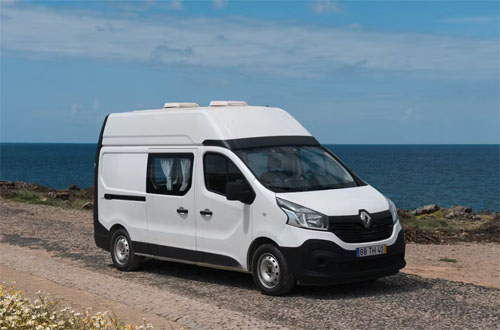
Compact Campervans (e.g., Van conversions): These are excellent for navigating North Europe's often narrow fjord roads and city streets due to their smaller size, offering easy parking and good fuel efficiency. They are a popular choice for couples who value agility. Models like the Happy 1 EX offer compact yet functional living for two.
Smaller Semi-Integrated Motorhomes (under 7 meters): These provide more internal living space than a campervan, better insulation for colder climates, and a dedicated washroom, striking a balance between comfort and drivability for couples. These offer a bit more living space and amenities, making longer stays more comfortable. Consider options similar to the B 2 - Classic for a good balance.
Fixed Bed Layouts: A permanent bed eliminates the need to convert dining areas nightly, offering greater convenience and comfort for a couple's restful sleep. This feature significantly enhances the ease of use, especially on longer trips or in smaller RVs.
Insulation and Heating: Given North Europe's variable climate, especially outside peak summer, prioritize models with robust heating systems (like Truma) and good insulation for a cozy interior. This ensures comfort during cooler evenings and makes your RV a warm haven even in shoulder seasons.
4WD Options: While not always essential, a 4WD campervan can be a significant advantage for exploring remote or challenging terrains in Iceland or mountainous parts of Norway, particularly in shoulder seasons. If your itinerary includes extensive travel on unpaved roads or in potentially snowy conditions, a 4WD vehicle could be a worthwhile consideration.
Is Europe RV Friendly?
North Europe, in particular, is a rewarding destination for RV travel, offering stunning natural beauty and a welcoming infrastructure, though it comes with its own set of considerations.
North Europe is largely RV friendly, offering stunning scenic routes and well-equipped campsites, but travelers should be aware of specific regional challenges such as variable wild camping laws, narrow roads, and unique ferry systems. The vast landscapes and outdoor culture are perfectly suited for RV exploration, providing a sense of freedom and connection with nature.
Opportunities: North Europe boasts unparalleled natural beauty, including dramatic fjords, vast forests, and Arctic landscapes, with a strong outdoor culture and generally safe environments that are well-suited for RV exploration. The infrastructure for RVs, including campsites and designated overnight parking, is generally well-developed, especially in Scandinavia.
Regional Challenges: Be prepared for narrow, winding roads in mountainous and coastal areas (e.g., Norwegian fjords), and unique ferry systems that often require advance booking for RVs. Always check your route and be mindful of vehicle dimensions when navigating. Booking ferries ahead, especially for popular routes, is often advised.
Regulatory Nuances: Wild camping laws vary significantly by country; while permitted in much of Sweden and Norway under 'Allemansrätten' (right to roam) with strict rules, it's generally restricted or prohibited outside designated areas in Denmark, Finland, and Iceland. Understanding these differences is crucial for compliant and stress-free travel. Resources like RV PLANET can help identify suitable locations.
Road Tolls & Low Emission Zones (LEZs): Electronic tolls are extensive in Norway, and many North European cities (e.g., Oslo, Stockholm, Copenhagen) have LEZs that RVs must comply with to avoid fines. Specific vehicle requirements for winter (e.g., mandatory winter tires) are also common seasonally. Researching these specific requirements for your chosen destinations is essential before you travel.
How much to rent an RV for a couple months?
Renting an RV for an extended period, like a couple of months, in North Europe can offer a more immersive experience and often comes with cost advantages compared to shorter rentals, but requires careful planning for cumulative expenses.
Renting an RV for a couple of months in North Europe typically offers a lower daily rate compared to shorter rentals, with monthly costs ranging from €2,000 to €6,000 depending on the season, RV class, and specific rental provider. The longer you rent, the more cost-effective the daily rate tends to become, making it an attractive option for extended exploration.
Long-Term Discounts: Many rental companies offer significant daily rate reductions (often 15-30% or more) for rentals extending beyond 30 or 60 days, making extended trips more economical. Always check for long-term rental discounts when comparing prices; Bandana Caravan's transparent platform makes this easy.
Total Monthly Cost: The base rental fee for a 1-3 month period in North Europe can range from approximately €2,000 to €6,000 per month. This does not include fuel, tolls, ferries, or campsite fees. It's important to budget for these additional costs, which can be substantial in North Europe.
Comprehensive Budgeting: For extended trips, it's crucial to factor in the cumulative costs of fuel (which is higher in North Europe), numerous ferry crossings, recurring campsite fees, and potential long-term insurance options. Thorough budgeting is key to enjoying your extended journey without financial surprises.
Availability: Booking several months, or even a year, in advance is highly recommended for long-term rentals, especially if you require a specific RV type or plan to travel during peak seasons. Availability can be limited for longer rental durations, so securing your vehicle early is advisable.
What is the 333 rule for campervan?
The '3-3-3 rule' is a popular guideline for RV travel, advocating for a more relaxed pace that allows for deeper immersion in the destination. For couples exploring North Europe, this approach can significantly enhance the enjoyment of the journey.
The '3-3-3 rule' for campervan or RV travel is a popular guideline suggesting travelers drive no more than 300 miles (approximately 500 km) in a day, arrive at their destination by 3 PM, and stay at least 3 nights in one spot to ensure a relaxed and enjoyable pace. This principle helps prevent driver fatigue and allows ample time for scenic stops and experiencing local culture.
Drive No More Than 300 Miles (or 500 km): This helps prevent driver fatigue and allows ample time for scenic stops, photos, and truly experiencing the North European journey rather than rushing. Enjoying the drive, not just the destination, is a core part of the RV experience.
Arrive by 3 PM: Provides sufficient daylight for finding a campsite, comfortably setting up your RV, and exploring the immediate surroundings before sunset, which can be early in North Europe during shoulder seasons. This timing ensures you have ample daylight for setup and a brief exploration before settling in for the evening.
Stay at Least 3 Nights: Encourages deeper exploration of a region, reduces the constant cycle of packing and unpacking, and offers opportunities for relaxation and local immersion, which is ideal for a couple's adventure. Staying longer in one place allows you to uncover local secrets and truly connect with the environment.
Is it cheaper to rent an RV or stay in a hotel?
For couples planning an extended trip in North Europe, RV rental often proves to be a more economical choice than traditional hotel stays when considering the combined costs of accommodation and transportation, as well as the savings from self-catering.
Hotel Costs: Hotels in North Europe, particularly in major cities and popular tourist areas, can be very expensive, frequently costing €100-€300+ per night for even mid-range options. This cost escalates quickly over a multi-week or multi-month trip.
RV Costs: The overall cost of an RV trip includes the daily rental rate (€80-€250), campsite fees (€25-€50/night), fuel (higher in North Europe), and tolls/ferries. This combined cost should be compared against total hotel and dining expenses. While the initial rental fee may seem high, remember it covers both your accommodation and transport.
Self-Catering Savings: A significant advantage of RV travel is the ability to cook your own meals, drastically reducing food expenses compared to dining out, which is a major saving in high-cost North European countries. Planning and preparing meals together in your RV can also be a romantic and enjoyable part of the travel experience. Check out our RV-friendly recipes playlist for inspiration.
Total Savings: While the initial RV rental cost might seem high, the cumulative savings on accommodation and food, especially over multiple weeks, often make RV travel a more economical choice for couples exploring North Europe. The flexibility to stay in more affordable locations or utilize free overnight parking (where permitted) can further enhance these savings.
How easy is it to travel around Europe in a motorhome?
Traveling North Europe by motorhome is not only feasible but incredibly rewarding, offering access to stunning landscapes and a level of freedom unmatched by other forms of travel. However, preparation is key.
Traveling around North Europe in a motorhome is generally easy and highly rewarding, offering unparalleled flexibility and access to remote natural beauty, though it requires careful planning for routes, regulations, and connectivity in some areas. The road networks are generally well-maintained, and the camping culture is supportive of RV travelers.
Infrastructure: North Europe generally offers good road infrastructure, though some rural roads, particularly in fjord or mountain regions, can be narrow or unpaved. Campsites are abundant, well-maintained, and often beautifully located. Many campsites offer essential services like electricity hookups, waste disposal, and laundry facilities, making life on the road comfortable.
Navigation & Technology: Reliable navigation apps with offline map capabilities (e.g., Google Maps with downloaded regions, Sygic, CamperContact for finding campsites) are crucial, alongside robust data plans (check EU roaming regulations) for real-time updates, as cellular coverage can be spotty in remote areas. Ensuring your devices are prepared for offline use is a wise precaution when venturing into less populated regions.
Unique Experiences: RV travel unlocks access to unique North European experiences that are harder to reach otherwise, such as driving the scenic Atlantic Ocean Road, chasing the Northern Lights from your cozy motorhome, or easily reaching remote hiking trails in national parks. Your RV becomes a mobile basecamp for unforgettable adventures.
Safety Considerations: North Europe is generally a very safe region for RV travel; however, drivers should be mindful of animal crossings (moose, reindeer) especially at dawn/dusk, and be prepared for potentially extreme weather driving conditions (rain, fog, snow) depending on the season. Staying informed about local conditions and driving defensively are always good practices.
What are the drawbacks of renting an RV?
While RV travel offers immense freedom, it's important to be aware of potential drawbacks to manage expectations and plan accordingly.
While offering immense freedom, renting an RV for a North European adventure comes with potential drawbacks such as higher upfront costs, limited maneuverability in urban areas, and the responsibilities of vehicle maintenance and waste management. Understanding these aspects helps in making an informed decision about whether RV travel is the right fit for your trip.
Cost: The combined initial rental fees, higher North European fuel costs, and additional expenses like tolls, ferries, and campsite fees can accumulate quickly, potentially exceeding a strict budget. Careful budgeting and comparing rental prices on platforms like Bandana Caravan can help mitigate these costs.
Maneuverability: Larger RVs can be challenging to drive and park on the narrow, winding roads common in North European fjord regions and difficult to navigate in congested city centers, possibly restricting access to some attractions. Choosing a smaller, more agile RV class can significantly alleviate these concerns, making city visits and scenic drives much easier. For example, a Category Van offers excellent maneuverability.
Operational Responsibilities: Renters are responsible for daily tasks such as setting up at campsites, managing water tanks, and emptying grey/black waste, which can be less convenient than simply staying in a hotel. These tasks become routine quickly and are a fundamental part of the RV lifestyle, offering a sense of self-sufficiency.
Slower Travel Pace: RVs are generally slower than cars, which can impact travel times and limit how much ground you can cover daily, potentially requiring a more relaxed itinerary. Embrace this slower pace; it's an opportunity to truly savor the journey and the landscapes. Consider the '3-3-3 rule' or '4-4-4 rule' for a more relaxed experience.
Regulatory Complexity: Navigating varied wild camping laws, specific parking restrictions, and low emission zones across different North European countries can be a logistical challenge for some travelers. Prior research into local regulations for each region you plan to visit is essential.
What is the 3-3-3 rule for RV travel?
The '3-3-3 rule' is a travel philosophy that emphasizes a relaxed pace, encouraging deeper engagement with destinations. For couples on an RV trip in North Europe, this rule promotes a more fulfilling and less hurried experience.
The '3-3-3 rule' for RV travel is identical to the campervan rule, advocating for a relaxed pace by suggesting driving no more than 300 miles (approximately 500 km) in a day, arriving at your destination by 3 PM, and staying at least 3 nights in one location. This guideline ensures that travel days are not overly taxing and allows for exploration beyond the surface level.
This rule is particularly beneficial for couples exploring North Europe, as it encourages mindfulness, reduces travel fatigue by limiting daily driving, and allows for deeper connection with the stunning natural environment without feeling rushed. Embracing this philosophy allows for spontaneity and a more authentic experience of the destinations.
What is the 444 rule for RV?
Similar to the '3-3-3 rule,' the '4-4-4 rule' is another popular guideline designed to promote a more leisurely and immersive RV travel experience, allowing couples to discover North Europe at a comfortable pace.
The '4-4-4 rule' for RV travel is another popular guideline suggesting travelers drive no more than 400 miles a day, arrive at their destination by 4 PM, and stay at least 4 nights in one spot to promote a slower, more enjoyable travel experience. This approach offers a slightly more ground-covering option while still prioritizing relaxation and exploration.
Drive No More Than 400 Miles (approx. 640 km): This guideline allows for covering slightly more ground than the 333 rule while still promoting a manageable driving distance each day, suitable for couples who wish to explore vast North European landscapes over a longer period. It strikes a balance between covering distance and enjoying the journey.
Arrive by 4 PM: Provides a comfortable buffer for finding a suitable campsite, setting up your RV, and relaxing before dinner, which is especially helpful in seasons with shorter daylight hours common in North Europe. This timing ensures you have ample daylight for settling in and perhaps a brief local exploration before dusk.
Stay at Least 4 Nights: Encourages an even more relaxed pace, fostering deeper exploration of specific regions, national parks, or cities, and allowing for spontaneous activities or dedicated rest days for couples. This extended stay in one location allows for a more profound connection with the place and its surroundings.
What You Shouldn't Miss
- Discover the dramatic fjords of Norway by RV, utilizing scenic routes and the integral ferry system.
- Experience the ethereal beauty of the Northern Lights in winter from the warmth of your motorhome in northern Scandinavia.
- Explore Iceland's dramatic landscapes along the Ring Road, being mindful of single-lane bridges and unique driving conditions.
- Embrace the Swedish 'Allemansrätten' where permitted for RVs, finding picturesque spots for overnight stays (always check local guidelines).
- Hike through Sweden's vast forests or Norway's mountains, using your RV as a convenient basecamp for adventure.
- Experience the culture of a Finnish campground by utilizing their communal saunas, often located by serene lakes.
Final Thoughts
Embarking on an RV journey through North Europe as a couple is a magical experience. From the dramatic fjords of Norway to the serene Swedish forests and Iceland's otherworldly landscapes, your rented RV provides the ultimate freedom and comfort to explore at your own pace.
By choosing the right vehicle, planning diligently for the unique conditions of North Europe, and embracing the slower travel style that RVing offers, you and your partner can create an intimate and unforgettable adventure. Let Bandana Caravan help you find the perfect RV for your dream North European road trip. Get inspired for your next adventure with our curated routes and expert tips!