In This Guide
- Top 5 Tips for RV Rental for Couples in Namibia
- Before You Book - Class, Dates, Insurance
- Pre-Trip Prep - Packing Checklist for Namibia
- On the Road - Driving, Fueling, Navigation
- At the Campground - Setup, Hookups & Etiquette
- RV Rental for Couples-Specific Tips for Namibia
- Common Mistakes to Avoid in Namibia
- What You Shouldn't Miss
- Why Book with Bandana Caravan
- Final Thoughts
- Frequently Asked Questions
Top 5 Tips for RV Rental for Couples in Namibia
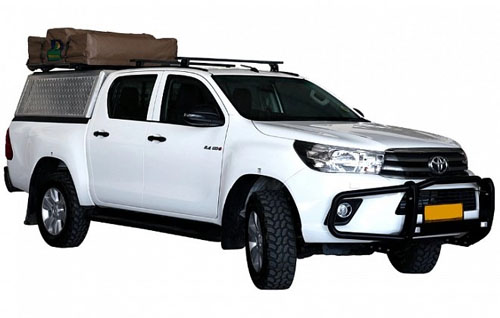
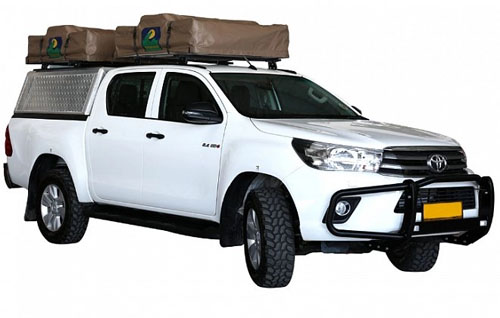
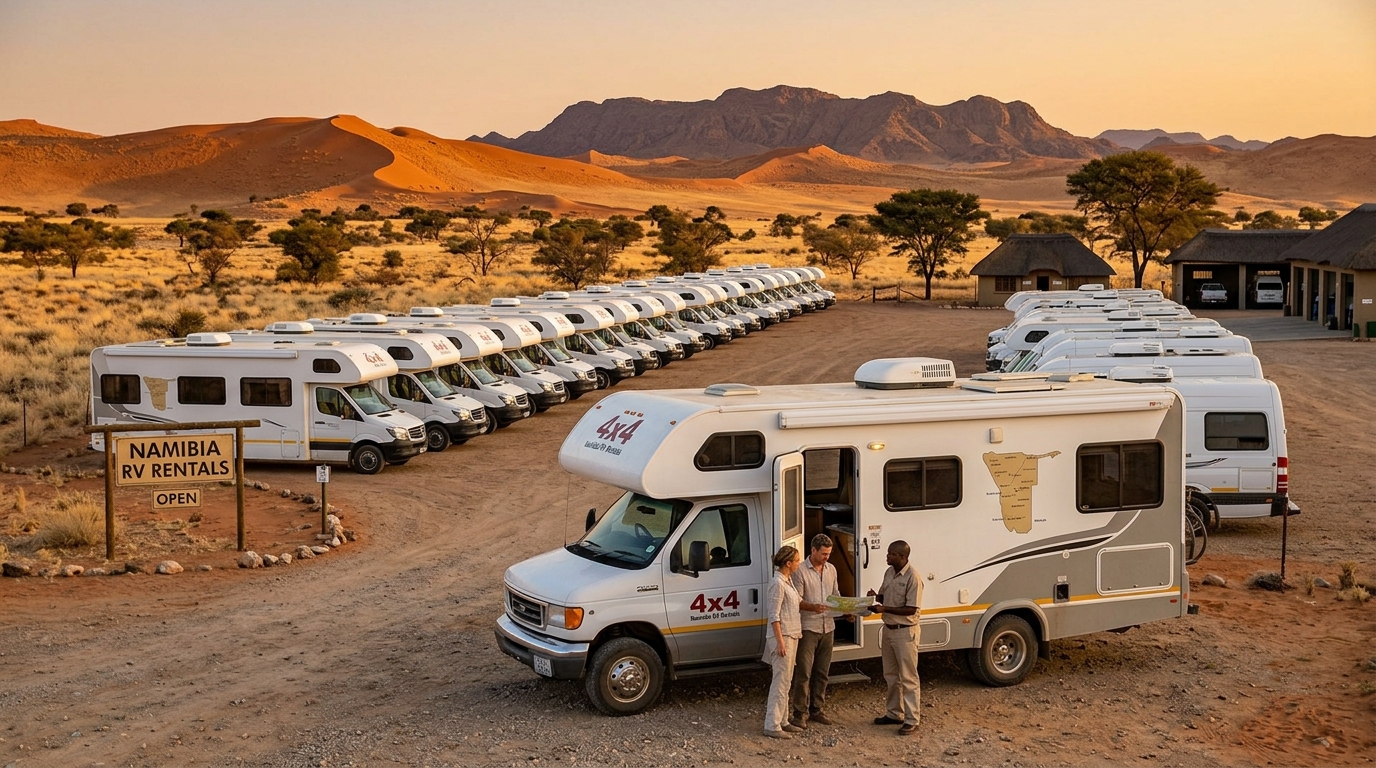
 For a smooth and romantic RV rental experience in Namibia, selecting the right vehicle and planning ahead are paramount. Firstly, choose a 4x4 camper or motorhome, such as a "Patagonia Camper 4x4 double cab" or "2 Person 4WD Camper," for navigating Namibia's varied terrain effectively, especially the approximately 37,000 km of gravel roads. Secondly, plan your itinerary with realistic driving times, considering that speeds on gravel roads are typically limited to 80 km/h, which impacts daily distances and allows for more stops to truly feel the place. Thirdly, secure your preferred RV and popular campsites well in advance, especially for peak seasons from May to October, when demand is high and choice decreases. Fourth, pack versatile clothing suitable for hot days and cool nights, along with essential safety gear like a comprehensive first-aid kit and spare tires, ensuring you are prepared for diverse conditions. Lastly, familiarize yourselves with local driving regulations and road etiquette, such as giving way to wildlife and understanding right-hand drive rules, before departing to ensure a safe and respectful journey through this incredible landscape.
Before You Book - Class, Dates, Insurance
For couples planning an RV adventure in Namibia, a compact 4x4 campervan or motorhome is often ideal, offering both maneuverability on diverse road conditions and essential amenities for two. Vehicles like the "Camper Category Van" or "rent rv example A1" are excellent choices, providing a comfortable fixed bed (typically 130-150 cm wide) and a compact kitchen. Secure your booking 6-12 months ahead for peak travel times (May-October) to ensure availability and potentially better rates, as prices can fluctuate by 15-20% based on demand. Basic insurance is always included in your rental, but to see prices including the most comprehensive coverage, simply select that option during your search on our platform; all relevant insurance options, including top-level deductible reimbursement, will be clearly shown. Opting for comprehensive coverage is highly recommended for peace of mind in remote areas of Namibia, where unexpected events can occur. When budgeting, include estimated fuel costs, which can average $1.00-$1.50 USD per liter for a 4x4 vehicle consuming 12-16 liters per 100 km, national park entry fees (e.g., Etosha National Park requires N$150 per person per day plus N$50 per vehicle), specific camping costs (ranging from $20-$50 USD per night for powered sites), a grocery budget, and a realistic contingency fund of at least 15-20% for unexpected repairs or emergencies. Remember, prices are dynamic, similar to flight tickets, changing daily based on availability, seasonality, and supplier decisions, so the final price is set at the actual booking time. For more pricing details, check out "RV Rental in Namibia - Prices and Best Deals 2026".Pre-Trip Prep - Packing Checklist for Namibia
A well-thought-out packing list ensures comfort and safety for your RV rental for couples trip in Namibia's diverse environment. For clothing, pack lightweight, breathable fabrics (like linen or cotton) with long sleeves for sun protection and insect deterrence, along with warm layers for cool evenings and mornings that can drop to 5-10°C in desert areas. Sturdy closed-toe shoes are essential for hiking and exploring, complemented by comfortable sandals for relaxed campground evenings. Don't forget swimsuits for lodge pools or coastal dips. For personal items, reusable water bottles (aim for 5-10 liters of water per person per day) and a large water container for refills are crucial in the arid climate, along with a small cooler bag for day trips. Basic cooking spices, coffee/tea, and non-perishable snacks will enhance your onboard meals, which you can prepare using your RV's kitchenette. If you’re looking for culinary inspiration, check out our RV-friendly recipes playlist. For safety and navigation, a comprehensive first-aid kit is a must, including anti-malarials if visiting northern regions during the wet season (December-April), strong sunscreen (SPF 50+), and insect repellent. Headlamps or flashlights with spare batteries are invaluable for dark campsites, and an emergency communication device, such as a satellite phone or Garmin InReach, is highly recommended for remote areas with no cell signal. High-quality physical maps, like the Tracks4Africa series, should supplement offline GPS apps, covering the country's over 80,000 km of roads. Binoculars are essential for unparalleled wildlife viewing. Lastly, ensure you have your valid national driver's license (a standard car license is sufficient for all motorhome classes), an International Driving Permit (recommended for non-English speakers but not mandatory), passport, required visas, and printed copies of your RV rental agreement and insurance documents.On the Road - Driving, Fueling, Navigation
Driving in Namibia demands careful attention and preparedness, especially given its extensive network of gravel roads. Always adhere to recommended speed limits: typically 80 km/h on corrugated gravel roads and up to 120 km/h on tarred national roads. Driving slowly and carefully allows you to drive almost anywhere without issues, minimizing dust and tire damage. Pay particular attention to sharp turns and unexpected wildlife, especially at dawn and dusk. Namibia drives on the left-hand side of the road, so visitors from right-hand drive countries should adjust accordingly. Plan your fuel stops meticulously as petrol stations can be hundreds of kilometers apart in remote areas; always refuel when opportunities arise and consider carrying an extra jerry can (typically 20 liters) if venturing deep into desert regions like Kaokoveld or Damaraland, where distances between pumps can exceed 400 km. While toll roads are generally absent, some national parks may have entry gates with fees payable in cash or by card, so have N$ ready. For navigation, reliable offline GPS apps, such as Tracks4Africa, are crucial alongside physical maps, as mobile signal is intermittent or non-existent outside major towns and along many routes. Be highly vigilant for wildlife on the roads, particularly springboks, kudus, and warthogs, and adhere to specific protocols like reducing speed and maintaining distance if you encounter animals. Research specific permits required for accessing certain protected areas or diamond zones, like sections of the Skeleton Coast Park, which are often restricted to tour operators. For planning comprehensive route plans, consider visiting rvplan.net, where you can find detailed itineraries and itemize all potential expenses, including fuel, park entry fees, and activity costs, for easy budgeting.At the Campground - Setup, Hookups & Etiquette
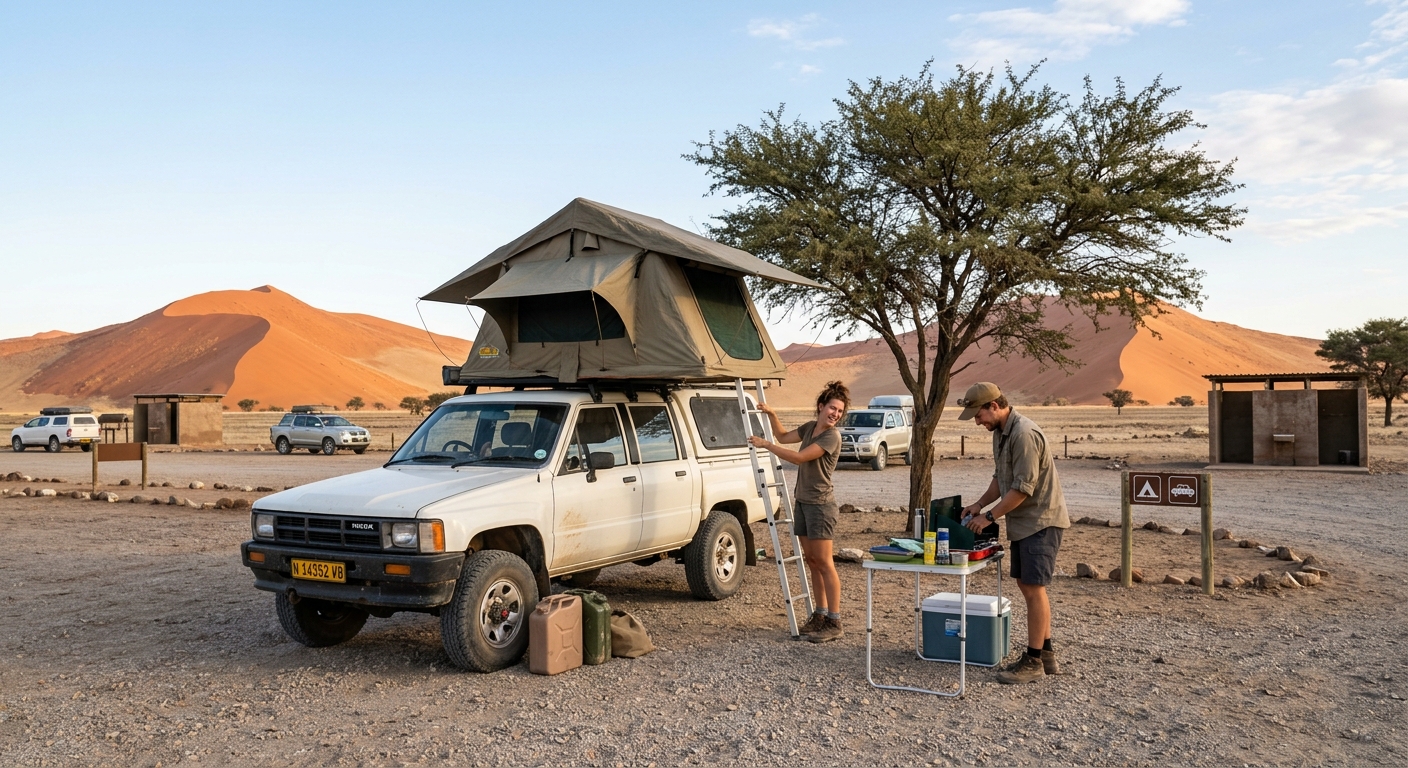
Upon arrival at a campsite in Namibia, park your rented RV or campervan on a level surface, which is crucial for the optimal functioning of the refrigerator and a comfortable night's sleep. Once level, secure your vehicle with the parking brake, and then proceed with setting up your outdoor living space, such as deploying the awning for shade and arranging camping chairs to enjoy the breathtaking scenery. Connect hookups in a specific order: typically electricity first (if available, usually a 15-amp or 30-amp connection), then water, and finally manage your waste disposal at designated points only. Many campsites, particularly in national parks, offer basic amenities, and some more developed private lodges may provide full hookups. Always ensure proper grey and black water emptying at dedicated dump stations, never in undesignated areas, to protect Namibia's fragile environment. Observe quiet hours, usually between 10 PM and 7 AM, to respect fellow campers and the surrounding wildlife. Minimize light and noise pollution, especially in unfenced campsites where animals might wander through. Practice responsible waste disposal by utilizing designated bins, minimizing waste generation, and never leaving any refuse behind. Manage your water and power carefully, especially in remote campsites, as resources can be limited; monitor your fresh water tank (typically 80-120 liters for a couple's RV) and battery charge to avoid unexpected shortages. For finding campsites and campgrounds during your trip, we recommend using RV PLANET (rvplan.net), a great resource for locating available spots along your route, whether you prefer pre-booking or finding a first-come, first-serve spot.RV Rental for Couples-Specific Tips for Namibia
A rented RV in Namibia offers an unparalleled opportunity for couples to deepen their connection amidst stunning landscapes and shared adventures. Collaborate on a flexible itinerary that balances exciting adventures, like a dawn hot air balloon ride over Sossusvlei, with opportunities for relaxation and quality time together, perhaps enjoying a sundowner from your private campervan porch. Choosing an RV model that provides comfortable living and sleeping spaces for two, such as one with a fixed double bed (like in a "V3" or "cruise america example EX-Group A" campervan) is key to enhancing your shared experience, ensuring a restful retreat after long days of exploration. Embrace the opportunity to cook meals together in your RV's kitchenette, potentially incorporating local ingredients like Karoo lamb or fresh produce from roadside stalls, which can be a fun and bonding experience. Ensure both partners are familiar with the RV's operation, including how to connect utilities, manage waste, and handle basic roadside checks, as well as the use of any emergency communication devices for safety in remote regions. Actively seek out opportunities for ethical cultural immersion, like visiting local craft markets in cities such as Windhoek or Swakopmund, or engaging with community projects, and always practice responsible wildlife viewing that respects animals and their natural habitats. Remember to travel slowly, max 100-150 km per day on average, allowing ample time to feel the place, connect to the culture, the food, and the scenery. This rhythm fosters connection and allows for spontaneous discoveries.Common Mistakes to Avoid in Namibia
When embarking on an RV rental for couples adventure in Namibia, avoiding common pitfalls will ensure a smoother and more enjoyable journey. Firstly, instead of underestimating travel times, always add generous buffer periods (at least 20-30% extra) to daily drives, particularly on gravel roads, to account for wildlife crossings, photo stops, and unexpected delays such as corrugations or sandy patches. Secondly, insufficient fuel planning is a critical mistake: always refuel at every opportunity, especially in towns like Solitaire or Sesriem, and consider carrying an extra jerry can, as fuel stations are sparse in Namibia's vast, remote regions, with distances between them sometimes exceeding 500 km. Thirdly, neglecting emergency preparedness can be dangerous; equip yourselves with a satellite phone or tracking device, a comprehensive first-aid kit, ample water (at least 20 liters extra), and spare tires (two are recommended for 4x4 vehicles), ensuring someone knows your detailed itinerary. Fourth, disregarding local regulations is another pitfall; research specific permits required for certain protected areas (e.g., beyond public access points in Skeleton Coast Park or certain diamond zones) and adhere strictly to rules regarding wild camping, which is generally prohibited outside designated campsites. Finally, under-budgeting can lead to stress; create a detailed cost breakdown that includes not just rental fees (e.g., a "Category Van" might average $100-150 USD/day) but also significant fuel costs, national park entry fees (e.g., N$150 per person, N$50 per vehicle per day for Etosha), activity prices (e.g., Sossusvlei permits at N$150 per person), and a substantial contingency fund of at least 20% for unexpected repairs or emergencies. Remember, full transparency with Bandana means no hidden fees or surprises in your booking, but ancillary costs should be planned for. For tracking every expense, consider utilizing RV PLANET routes for easy budgeting.What You Shouldn't Miss
Namibia offers a wealth of incredible experiences for RV couples, promising memories to last a lifetime.- **Sossusvlei and Deadvlei:** Witness the iconic towering red dunes of the Namib Desert, particularly Dune 45, at sunrise or sunset for breathtaking photography. A 4x4 vehicle is necessary to reach Deadvlei's ancient camel thorn trees, offering stunning contrast against the white pan.
- **Etosha National Park:** Spend several days in a rented motorhome or campervan within Etosha, renowned for its incredible wildlife viewing around waterholes. You can spot elephants, rhinos, lions, and countless antelope species from the comfort of your vehicle or at floodlit camps like Okaukuejo.
- **Swakopmund & Walvis Bay:** Explore the coastal towns of Swakopmund and Walvis Bay, offering a refreshing break from the desert heat. Enjoy adrenaline activities like quad biking or sandboarding, or take a scenic cruise in Walvis Bay to see seals, dolphins, and flamingos.
- **Fish River Canyon:** Visit the second-largest canyon in the world, the Fish River Canyon. Hike along its rim, enjoy panoramic views, and appreciate the sheer scale of this natural wonder. RV camping nearby provides convenient access.
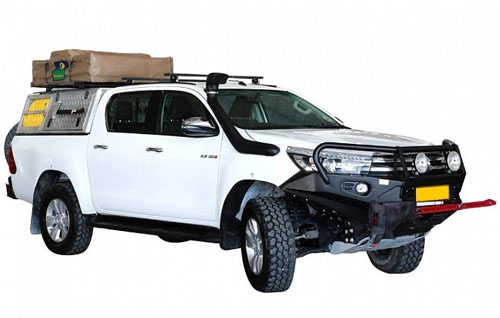
- **Damaraland & Twyfelfontein:** Discover the rugged beauty of Damaraland, home to desert-adapted elephants and the UNESCO World Heritage site of Twyfelfontein, featuring ancient San rock engravings. A 4x4 campervan like the "Patagonia Camper 4x4 double cab" is ideal for navigating this remote region.
🎬 Video coming soon
Final Thoughts
Embarking on a romantic RV adventure through Namibia is a journey unlike any other, offering unparalleled freedom and breathtaking intimacy with nature. We hope these tips and insights empower you and your partner to plan a trip that perfectly blends adventure, comfort, and unforgettable moments. From navigating the wild roads to cozy evenings under the vast African sky, a rented motorhome or campervan provides the ideal mobile haven for your exploration. Remember, the key to a truly special trip lies in embracing the journey, allowing for spontaneity, and savoring every shared experience. Whether you're a meticulous planner or prefer to see where the road takes you, Namibia's stunning landscapes are ready to welcome you. Don't hesitate to dive into planning, discover top destinations, and craft your ideal itinerary with minimal effort and maximum enjoyment. Your Namibian love story on wheels awaits!Ready to discover the magic of Namibia with your partner? Compare Campervan Prices for Namibia now!
On the routes offered through RV PLANET routes, you can itemize and track every expense along the way for easy budgeting.