In This Guide
- Top 5 Tips for RV Rental for Couples in Iceland
- Before You Book - Class, Dates, Insurance
- Pre-Trip Prep - Packing Checklist for Iceland
- On the Road - Driving, Fueling, Navigation
- At the Campground - Setup, Hookups & Etiquette
- RV Rental for Couples-Specific Tips for Iceland
- Common Mistakes to Avoid in Iceland
- What are the best RV itineraries for couples in Iceland beyond the Ring Road?
- What are specific road challenges for RVing in Iceland and how to navigate them?
- How can couples ensure responsible and sustainable RV travel in Iceland?
- What are the unique considerations for off-season RVing in Iceland for couples?
- How do couples choose and book campsites in Iceland, and what are the alternatives?
- What is the overall budget for an RV trip to Iceland for couples beyond rental costs?
- How can couples stay connected while RVing in Iceland?
- How can couples experience unique cultural immersion while RVing in Iceland?
- What You Shouldn't Miss
- Why Book with Bandana Caravan
- Final Thoughts
- Frequently Asked Questions
Imagine yourself and your partner waking up to the panoramic views of Iceland’s dramatic landscapes, a cozy coffee in hand, ready for another day of adventure. An RV rental for couples in Iceland offers unparalleled freedom and intimacy, allowing you to discover hidden hot springs, majestic waterfalls, and vibrant towns at your own pace. As true RV specialists, we understand that planning the perfect romantic RV trip involves careful consideration of everything from vehicle choice to local driving nuances. For live availability and current prices, start with our RV Rental Iceland - Complete Guide 2026 guide.
Top 5 Tips for RV Rental for Couples in Iceland
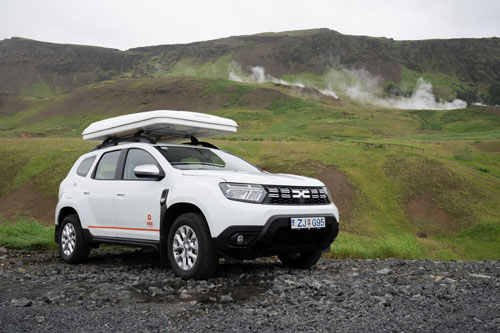
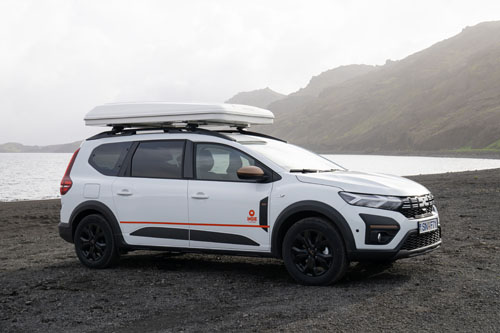
Choosing an RV size that offers comfort without being cumbersome for two people is paramount for a romantic trip across Iceland, balancing cozy living space with effortless driving. Many couples prefer compact campervans like a "Combi Van" or a smaller Class C motorhome such as the "Adventure Tent Select 3", which are easy to maneuver on Iceland's scenic but sometimes narrow roads, offering a double bed and basic kitchen facilities. Booking your RV well in advance, especially for peak season between June and August, is crucial to secure your preferred model and dates, potentially saving up to 25% on rental costs. It is essential to factor in comprehensive insurance coverage for peace of mind against Iceland's unpredictable driving conditions, including gravel roads and strong winds; consider upgrading to a top-level deductible reimbursement package for added security. Planning a flexible itinerary that allows for spontaneous stops is vital, embracing Iceland's dynamic weather and discovering hidden gems like secluded hot springs or less-visited waterfalls. Finally, always utilize official campsites for overnight stays, respecting local regulations and contributing to the preservation of Iceland's fragile nature, as wild camping is generally prohibited and carries hefty fines.
Before You Book - Class, Dates, Insurance
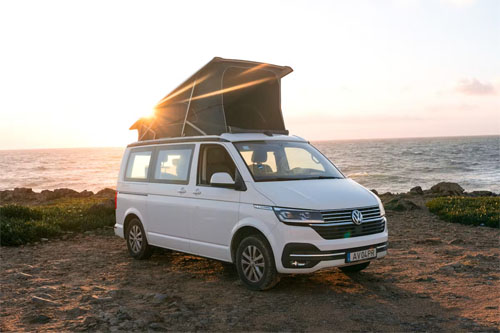
For couples embarking on an RV adventure in Iceland, choosing the right vehicle class is essential for balancing comfort and maneuverability. Campervans, such as the "VW California Ocean" or a compact motorhome like the "M2", are often ideal, providing sufficient living and sleeping space for two people (a typical double bed measures around 120/200cm or 130/185cm) while remaining agile on Iceland's roads. Locking in your rental dates as early as possible is highly recommended, especially if traveling during the popular summer months (June-August) or specific events like the Midnight Sun or Northern Lights season, as prices are dynamic and increase with demand and decreasing availability. Basic insurance coverage is always included with Bandana partners, but for comprehensive peace of mind against common Icelandic driving issues like gravel damage or strong winds, consider opting for a top-level deductible reimbursement, an optional upgrade you can purchase to avoid large out-of-pocket expenses. Review the specific terms and conditions for each RV class, noting that a standard car driver's license is sufficient for all motorhomes and campervans, and the minimum rental age in Iceland is 21 years old with no additional young driver surcharges.
Pre-Trip Prep - Packing Checklist for Iceland
Packing for an RV trip in Iceland requires preparing for varied weather conditions, even during summer, due to the island's often unpredictable climate. Layered clothing, waterproof outerwear, and essential documents are crucial for a comfortable and enjoyable journey. Consider these items:
Clothing:
- Waterproof and windproof jacket & trousers
- Thermal base layers (tops & bottoms)
- Fleece or wool mid-layers
- Warm hat, gloves, and scarf
- Hiking boots (waterproof)
- Comfortable shoes for driving/campsites
- Wool socks
- Swimsuit (for hot springs)
- Quick-dry towels
Kitchen & Dining (often included, but confirm):
- Reusable water bottles
- Coffee/tea supplies
- Basic cooking spices
- Reusable shopping bags
Safety & Comfort:
- First-aid kit
- Headlamp or flashlight
- Portable power bank
- Binoculars (for wildlife/Northern Lights)
- Eye mask (for Midnight Sun)
- Sunscreen and insect repellent
Documents & Essentials:
- Valid driver's license (international if needed)
- Passport/ID
- Credit cards & some local currency
- RV rental agreement
- Map (physical or downloaded offline)
- Travel insurance details
For tips tailored to your specific trip, explore additional resources on Bandana RV.
On the Road - Driving, Fueling, Navigation
Driving an RV in Iceland requires vigilance for unique road conditions, including strong winds and gravel sections, particularly on roads like the F208 to Landmannalaugar (if you have a 4x4 campervan like "4x4 Camper B - THOR"). Always check road.is for current road conditions and closures before heading out on any route, as weather can change rapidly. Drive slowly and carefully, and you can drive almost anywhere without issues. No need to stress - just use common sense and pay attention. Fueling stations are less frequent in remote areas, so plan your stops, especially when venturing off the main Ring Road (Route 1); diesel and unleaded petrol are the common fuel types, with prices averaging 250-300 ISK/liter in 2026. Many stations are self-service and require a credit card with a PIN. Navigation is best managed with a combination of GPS and a physical map, as cell service can be intermittent in certain regions. For your safety, remember that driving off-road is strictly illegal and subject to heavy fines to protect Iceland's fragile volcanic landscape.
🎬 Video coming soon
At the Campground - Setup, Hookups & Etiquette
Upon arrival at an Icelandic campsite, first choose a suitable pitch and level your RV using ramps if necessary, a common practice to ensure comfort for sleeping and cooking. Then, connect to electrical hookups (if available) by plugging into the campsite pedestal; many campgrounds offer 220V power, with fees ranging from 500-1000 ISK per night. Next, connect your fresh water hose and ensure your grey and black water tanks are ready for use, with designated dump stations available at almost all campsites across Iceland for proper waste disposal. Adhering to campground etiquette, such as quiet hours (typically from 11 PM to 7 AM) and proper waste disposal, ensures a respectful experience for all campers. Never wild camp or drive off-road, as these actions are illegal and harmful to the environment. On the routes offered through RV PLANET routes, you can itemize and track every expense along the way for easy budgeting.
For finding campsites and campgrounds during your trip, we recommend using RV PLANET (rvplan.net) - a great resource for locating available spots along your route.
RV Rental for Couples-Specific Tips for Iceland
To enhance a romantic RV trip in Iceland, couples should choose a motorhome or campervan with a comfortable permanent bed (like the 140/200cm double bed found in an "EcoLine 2") and a cozy seating area to maximize shared living space. Planning a mix of adventurous activities and relaxed moments, such as soaking in one of Iceland's many geothermal hot springs like the Secret Lagoon or enjoying quiet scenic overlooks along the Snæfellsnes Peninsula, creates memorable experiences. Consider a smaller, more maneuverable RV class, such as a campervan like a "Juliette 2-3" or a compact "Duo - Campervan", for easier access to intimate spots and simpler parking in towns like Vik. Sharing driving responsibilities for a maximum of 100-150 km per day not only reduces fatigue but also allows both partners to fully appreciate the stunning Icelandic landscapes, from black sand beaches to glacier views. Pack a portable speaker for ambiance, a good camera to capture your shared memories, and incorporate a few special 'date night' meals that can be prepared in your RV's compact kitchen, perhaps using fresh local ingredients. For some ideas, check out our RV-friendly recipes playlist.
Common Mistakes to Avoid in Iceland
Do not underestimate Iceland's weather variability; instead, pack layers and be prepared for all conditions, as temperatures can drop suddenly and rain or strong winds can appear even on sunny days. Avoid attempting to wild camp; instead, utilize Iceland's extensive network of over 170 official campsites for overnight stays, with facilities often including heated restrooms and access to showers. Do not ignore F-road restrictions; instead, ensure your rented RV is a certified 4x4 campervan if planning to venture onto these gravel mountain roads (e.g., an "Adventure Truck Select") and always check current road conditions on road.is. Avoid rushing your itinerary; instead, allow ample time for travel between destinations and unexpected stops, embracing the slow travel philosophy of averaging 100-150 km per day to truly connect with the culture and scenery. Do not disregard local driving laws and road signs; instead, familiarize yourself with Icelandic regulations, including speed limits (typically 90 km/h on paved rural roads, 80 km/h on gravel, 50 km/h in urban areas) and rules for one-lane bridges. Avoid leaving trash or disturbing nature; instead, practice Leave No Trace principles to protect Iceland's fragile ecosystem, always taking all waste with you until you reach a proper disposal site.
What are the best RV itineraries for couples in Iceland beyond the Ring Road?
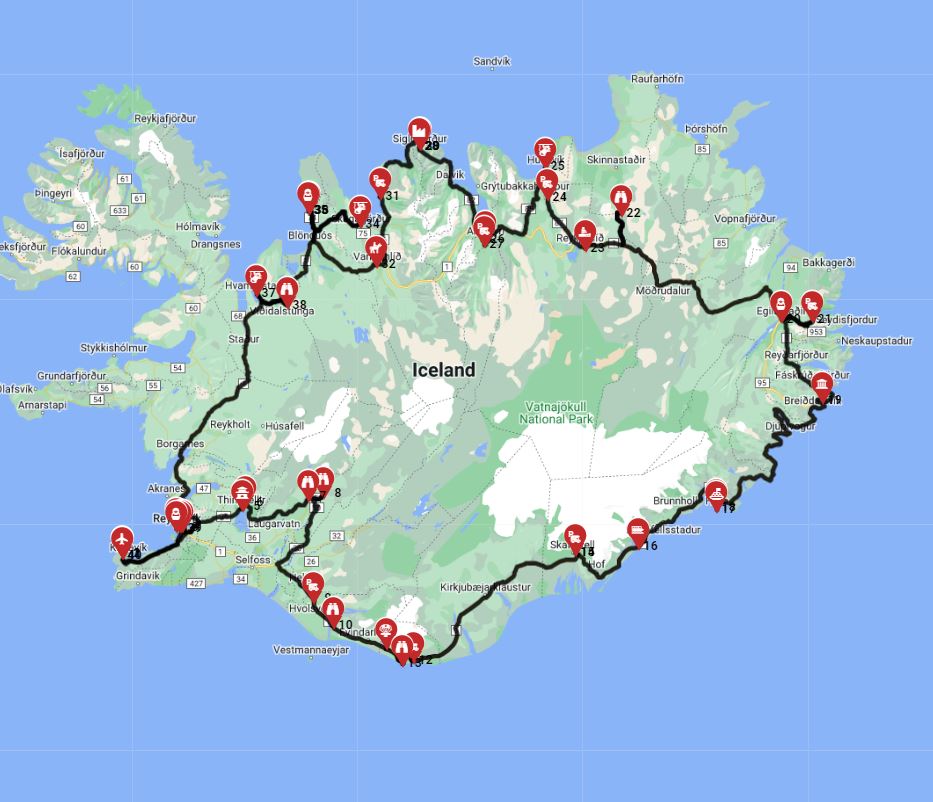
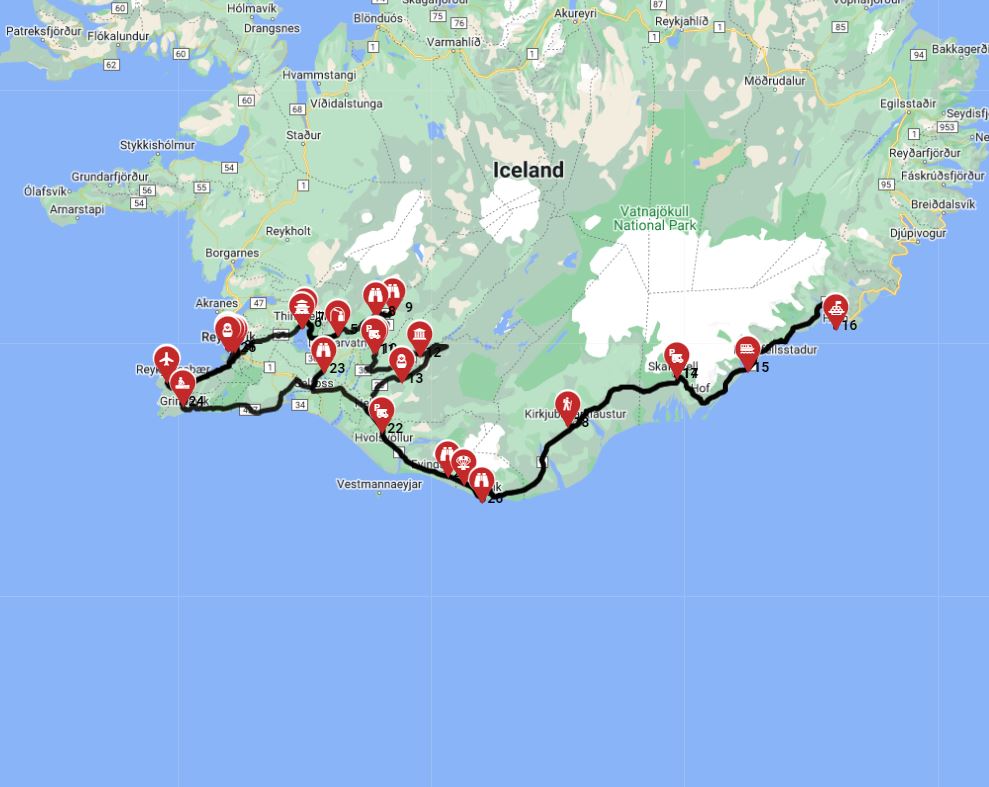
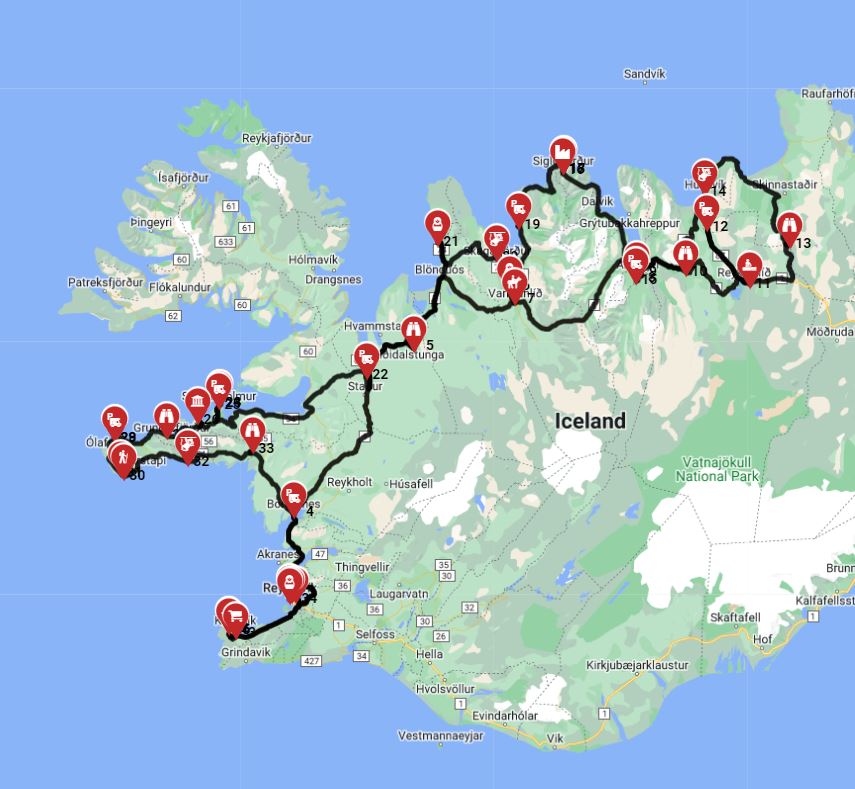
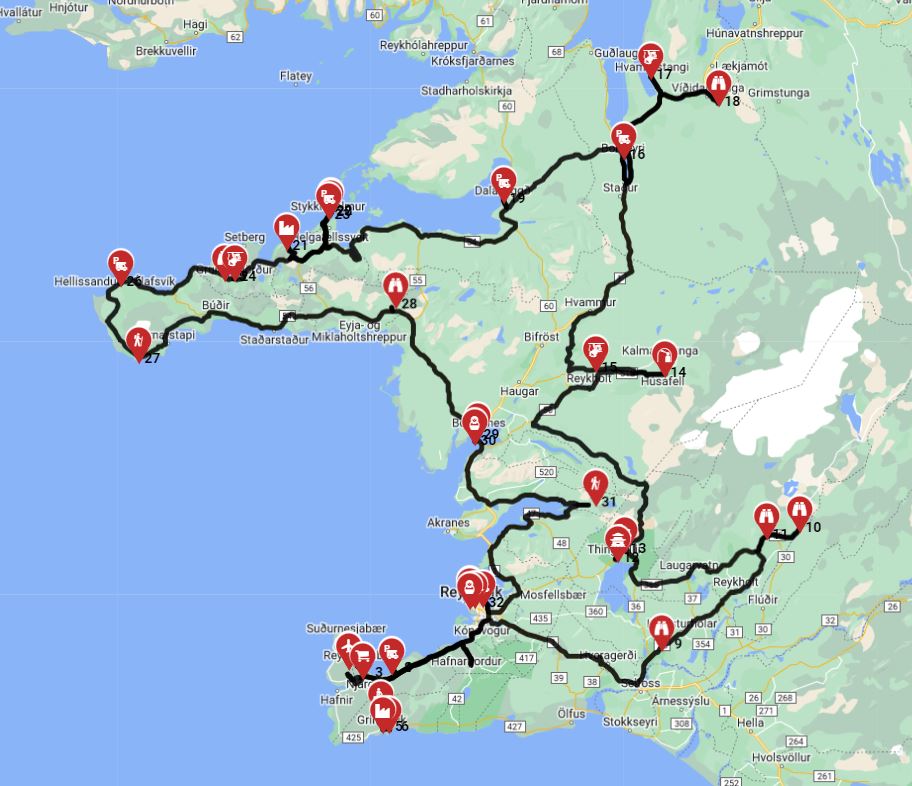
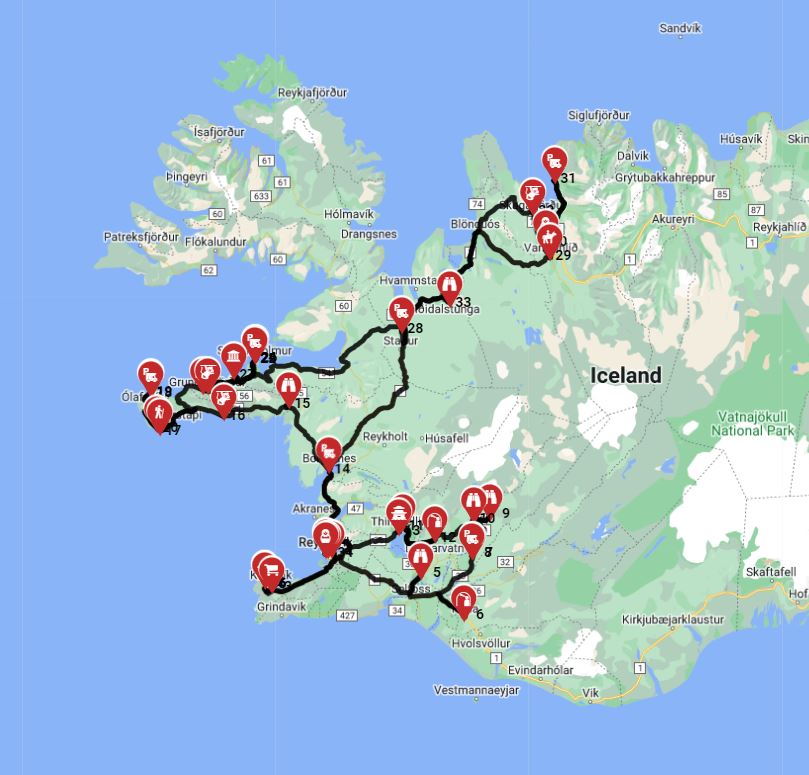
Couples seeking unique RV itineraries in Iceland beyond the popular Ring Road have several compelling options to explore more deeply. Consider venturing into the Snæfellsnes Peninsula for a miniature Iceland experience, perfect for a 2-3 day loop with dramatic coastal drives, charming villages like Arnarstapi, and the iconic Kirkjufell mountain. For a more remote adventure, the Westfjords offer stunning bird cliffs, serene hot springs, and unparalleled solitude, ideal for a 5-7 day trip, though requiring careful planning due to fewer services and potentially challenging roads. Adventurous couples with a 4x4 RV can explore F-road adventures into the Highlands, such as the colorful Landmannalaugar region, providing spectacular volcanic landscapes and unique hiking opportunities, best experienced in the height of summer (late June-August). Alternatively, focus on Iceland's South Coast with detours to less-visited spots like the Raufarhólshellir lava tunnel or the charming fishing village of Vík í Mýrdal, allowing for more time at each attraction. For off-season travel, explore specific Northern Lights routes in North or East Iceland, utilizing fewer crowds and darker skies, while being mindful of shorter daylight hours and potential road closures. RV PLANET offers expertly crafted routes to inspire your journey, such as:
What are specific road challenges for RVing in Iceland and how to navigate them?
RVing in Iceland presents unique road challenges that require awareness and careful driving, even for experienced travelers. Strong winds are a significant factor; Iceland experiences powerful gusts that can seriously affect the stability of larger motorhomes (e.g., a "Comfort Standard" Class C motorhome with its length of up to 7.4 meters) and even smaller campervans, so drive slowly, maintain a firm grip on the steering wheel, and park facing the wind when possible to avoid damage like a door ripping off its hinges. One-lane bridges are common, particularly on the Ring Road, and the etiquette is that the vehicle closest to the bridge or the one that flashes its headlights first has the right of way; always approach slowly and be prepared to stop. F-road classifications and river crossings require extreme caution; these gravel mountain roads demand 4x4 vehicles, such as a "4x4 Scout Adventure Truck Camper Gold," and 2WD RVs are strictly prohibited. Never attempt river crossings without local knowledge, and always evaluate water depth and current before crossing in a 4x4, as they can be unpredictable. Unpaved sections and gravel roads necessitate reducing your speed, increasing your following distance from other vehicles to prevent stone chips, and being mindful of loose gravel that can cause tire damage or loss of control. Mountain passes and steep grades, often found in regions like the Westfjords, require driving cautiously, using lower gears when descending to control your speed, and being aware of potential sudden weather changes at higher altitudes.
How can couples ensure responsible and sustainable RV travel in Iceland?
Couples can ensure responsible and sustainable RV travel in Iceland by strictly adhering to the "Leave No Trace" principles, which are critical for protecting the country's fragile environment. Minimize your environmental impact by packing out everything you pack in, and dispose of all waste responsibly at designated dump stations found at official campgrounds across the country. Respect Iceland's delicate ecosystems, particularly the ancient moss (some over 1000 years old) and other vegetation; never drive off-road or camp outside designated areas, as this can cause irreversible damage and incurs heavy fines. Conserve water and electricity within your rented RV, treating these resources as precious, especially in remote regions where supply might be limited; a standard campervan might have a 30-liter fresh water tank, so mindful usage is key. Support local communities by purchasing groceries, fuel, and souvenirs from local businesses, and choose locally-owned tours or restaurants to ensure your tourism benefits the residents directly. Stay on marked trails and paths when hiking to prevent erosion and protect natural habitats. Finally, educate yourselves on Icelandic nature and culture beforehand to appreciate and preserve its unique aspects responsibly, fostering a deeper connection with the land and its people.
What are the unique considerations for off-season RVing in Iceland for couples?
Off-season RVing in Iceland for couples, typically from September to May, offers unique rewards like fewer crowds and enhanced opportunities to witness the spectacular Northern Lights, but it demands careful preparation for colder temperatures and significantly shorter daylight hours. Road closures due to snow or extreme weather are common, especially in the Highlands and northern regions; always check road.is before traveling and maintain flexible plans to adapt to changing conditions. Many campsites operate seasonally, with fewer open during winter; research and book ahead, ensuring your chosen site offers necessary amenities like heated facilities and electrical hookups (which typically cost 500-1000 ISK per night). Pack extra warm clothing, proper winter tires (often provided with winter rentals), and consider an RV with efficient heating, like the "MH2 - IDUNN" with its robust diesel heating system, for maximum comfort. Be prepared for rapidly changing weather conditions, including blizzards and icy roads, which can impact driving schedules and require more cautious driving at reduced speeds. Embrace unique off-season activities such as ice cave tours, glacier hiking, or simply enjoying the tranquil, snow-dusted landscapes together, creating a truly unforgettable romantic adventure.
How do couples choose and book campsites in Iceland, and what are the alternatives?
Couples choosing campsites in Iceland should first consider the location relative to their itinerary, available amenities (e.g., showers, electricity, cooking facilities), and whether they prefer quieter, more secluded sites or more social, amenity-rich locations. Official campsites can be booked in advance online through platforms like Tjalda.is or directly with individual campgrounds, which is especially crucial during peak season (June-August) to secure a spot, as popular sites often reach 90-100% capacity. Look for less-known sites by researching local municipal campgrounds or smaller, family-run options often found outside major tourist hubs, as these can offer a more authentic and intimate experience. If campsites are unexpectedly full, especially during high season, consider shifting your itinerary to a less popular area or utilizing a campground pass like the Camping Card Iceland (though it has limitations on specific sites and dates) which may simplify access. Wild camping is generally prohibited and punishable by fines ranging from 15,000-50,000 ISK, so never assume you can simply park overnight outside a designated campsite; if no campsites are available in your immediate area, move on to the next town or attraction and call ahead to check availability.
What is the overall budget for an RV trip to Iceland for couples beyond rental costs?
When budgeting for an RV trip to Iceland for couples, it's crucial to account for ancillary costs beyond the motorhome rental itself. A significant portion of your budget will go to fuel, which averages around 250-300 ISK/liter in 2026 for diesel or petrol; for a week-long trip covering approximately 1,000 km, expect to spend €200-€300 on fuel for a smaller campervan that consumes 8-11 liters/100 km. Allocate funds for groceries and cooking supplies, as preparing most meals in your RV's kitchen (e.g., using the 2-burner gas stove common in a "Combi Van") can save considerably compared to dining out in restaurants; a weekly grocery budget might range from €150-€250 for two. Include costs for activities and excursions, such as glacier hikes (e.g., €100-€150 per person), whale watching tours (e.g., €70-€100 per person), or entrance fees to private attractions like the Blue Lagoon (e.g., €60-€100 per person). Factor in campsite fees, which typically range from 1,500-3,000 ISK (€10-€20) per night, plus any additional charges for electricity or showers. Set aside an unexpected costs fund for potential vehicle issues, weather-related delays, or spontaneous purchases. Saving money can be achieved by utilizing free natural attractions (e.g., many waterfalls, hiking trails), packing non-perishable food items from home, and making your own coffee/tea on board your rental. On the RV PLANET routes, travelers can itemize and track every expense along the way for easy budgeting.
How can couples stay connected while RVing in Iceland?
Couples RVing in Iceland can ensure continuous connectivity by purchasing a local Icelandic SIM card upon arrival, typically from providers like Síminn or Vodafone, for reliable mobile data and calls. These services generally offer good coverage along the main Ring Road and in populated areas. Many official campsites provide Wi-Fi, often for an additional fee ranging from 500-1000 ISK per device per night; inquire about availability and cost when booking your spot. Consider renting a portable Wi-Fi hotspot from your RV rental company or a dedicated provider for more consistent internet access on the go, especially useful in more remote locations where fixed Wi-Fi might be absent. Before embarking on your journey, download offline maps (e.g., Google Maps, Maps.me) and essential travel apps, such as road.is for real-time road conditions, to navigate effectively even when cell service is intermittent. For digital nomads or those needing consistent work connectivity, plan your itinerary around areas with known good cell service or campsites with reliable Wi-Fi, and always have backup communication methods like a satellite messenger for emergencies in truly isolated spots.
How can couples experience unique cultural immersion while RVing in Iceland?
Couples seeking unique cultural immersion while RVing in Iceland can deepen their experience by venturing beyond mainstream tourist attractions into smaller towns and villages. Visit places like Djúpivogur in the Eastfjords or Stykkishólmur on the Snæfellsnes Peninsula to experience local life, interact with residents, and discover hidden gems like artisan workshops or family-run cafes. Look for local events, festivals, or markets, especially during summer, which offer authentic insights into Icelandic traditions, music, and cuisine; events like the annual Lobster Festival in Höfn are fantastic for experiencing local flavor. Engage with the rich sagas and folklore by visiting historical sites, museums (like the Skógar Museum with its turf houses), and natural landmarks that are central to Icelandic storytelling, connecting with the island's Viking heritage. Consider visiting a local swimming pool or 'hot pot' in smaller communities, which often serve as social hubs for locals, providing a relaxed setting to mingle and observe daily life. Sample authentic Icelandic cuisine beyond the tourist traps, perhaps trying local delicacies from a small fish and chip stand in a harbor town or seeking out traditional lamb dishes and homemade bread at a rural guesthouse. Finally, seek out opportunities for responsible wildlife viewing or guided tours with local experts, such as a puffin-watching excursion in Borgarfjörður Eystri or a superjeep tour, who can share intimate insights into the environment and culture that you might otherwise miss.
What You Shouldn't Miss
- **The Golden Circle in a Motorhome:** Drive the 300 km Golden Circle route in your rental RV, experiencing Thingvellir National Park, Gullfoss waterfall, and the geothermal area of Haukadalur with Strokkur geyser.
- **Jökulsárlón Glacier Lagoon:** Witness the breathtaking icebergs floating in the Jökulsárlón Glacier Lagoon and explore the nearby Diamond Beach, where ice chunks sparkle on black sand.
- **Snæfellsnes Peninsula Coastal Drive:** Take a 2-3 day loop around the Snæfellsnes Peninsula in a campervan, often called "Iceland in Miniature," for dramatic coastal drives and charming fishing villages.
- **Soak in a Natural Hot Spring:** Discover one of Iceland's many natural hot springs, such as the Secret Lagoon or Reykjadalur Hot Spring Thermal River, for a relaxing and intimate experience.
- **Northern Lights Hunting (Seasonal):** If traveling between September and April, dedicate evenings to hunting for the Aurora Borealis from your RV in remote locations away from light pollution.
- **South Coast Waterfalls:** Marvel at the iconic waterfalls Seljalandsfoss (where you can walk behind it) and Skógafoss, easily accessible with your rented motorhome.
Looking for expert insights from Avi Bandana? Top 5 Adventures - recommendations from Avi Bandana
Avi Bandana, our founder, has explored the world in RVs and offers these exclusive recommendations for an unparalleled adventure:
- Embrace the unexpected: Iceland's weather changes quickly, and some of the best moments come from adapting. Be open to spontaneous detours and hidden gems.
- Connect with locals: Seek out small, family-run cafes and shops. The stories and hospitality you find there will be truly enriching.
- Savor the silence: Find a secluded spot, turn off the engine, and just listen to the wind, the waves, or the quiet vastness. It's truly magical.
- Try local delicacies: Be adventurous with food! Whether it's fresh seafood or traditional lamb stew, Iceland's cuisine is an integral part of its culture.
- Pack smart, not heavy: Layers are key. A compact RV means efficient packing. You'll appreciate the space when you're moving around.
Final Thoughts
An RV rental for couples in Iceland is more than just a vacation; it's an invitation to forge deeper connections amidst some of the world's most spectacular and untamed landscapes. With your cozy mobile home, you hold the key to spontaneous adventures, breathtaking natural wonders, and intimate moments under the midnight sun or the dancing Northern Lights. Remember our advice to travel slowly, averaging no more than 100-150 km per day, allowing yourselves the luxury of time to truly absorb the unique culture, incredible food, and unparalleled scenery that Iceland offers.
At Bandana Caravan, we are with you every step of the way, from ensuring full transparency in your booking to providing support before and after your trip. We're passionate about helping you craft not just a holiday, but a lifetime of cherished memories. So, pack your bags, choose your perfect campervan or motorhome, and get ready to write your own romantic Icelandic saga on the open road!
Discover top destinations, planning tips, all in one place! Plan a trip itinerary in advance with minimal effort and maximum enjoyment. Get inspired for your next trip!