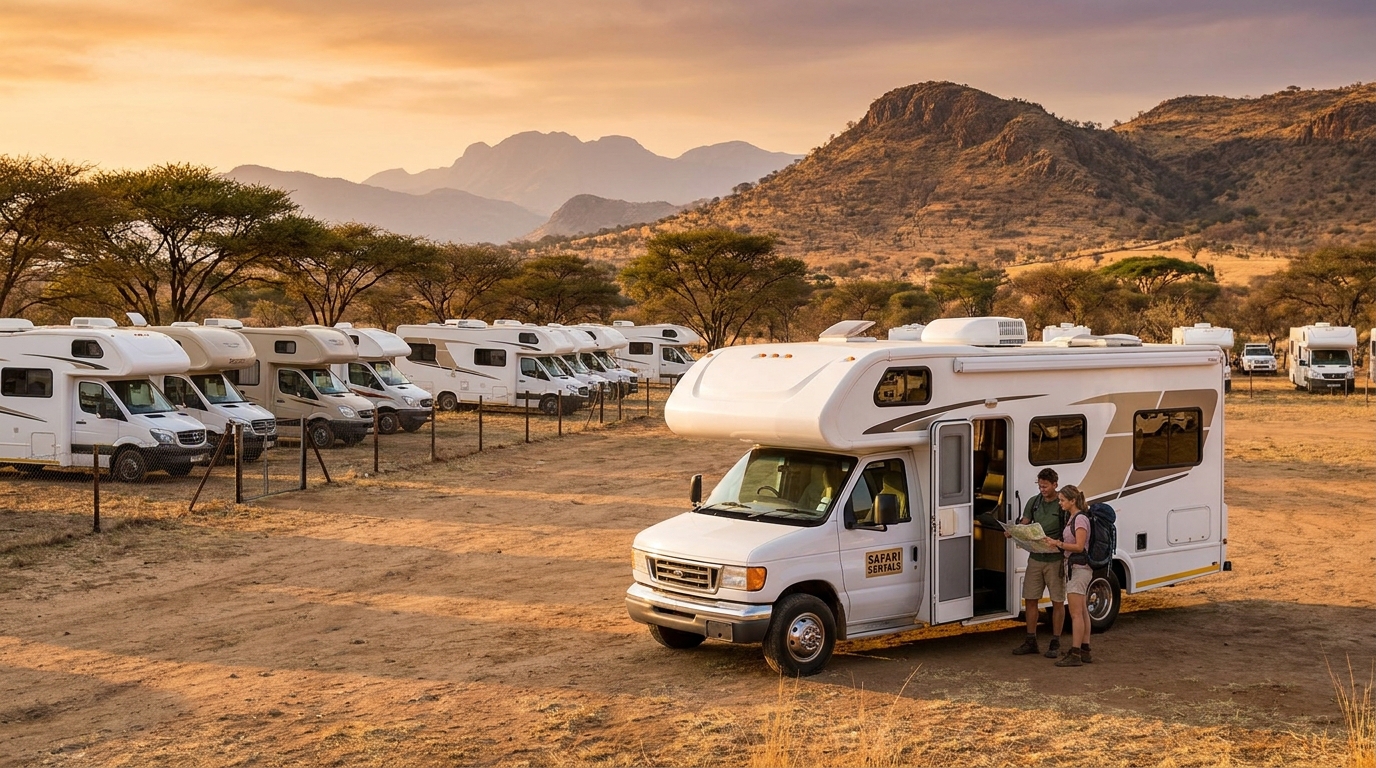
For live availability and current prices, start with our RV Rental Africa - Complete Guide 2026 guide.
In This Guide
- Top 5 Tips for RV Rental for Couples in Africa
- Before You Book - Class, Dates, Insurance
- Pre-Trip Prep - Packing Checklist for Africa
- On the Road - Driving, Fueling, Navigation
- At the Campground - Setup, Hookups & Etiquette
- RV Rental for Couples-Specific Tips for Africa
- Common Mistakes to Avoid in Africa
- What is the 3-3-3 rule for RV travel
- What is the 4-4-4 rule for RV travel
- How much to rent an RV for a couple months
- What are the drawbacks of renting an RV
- What is the 3-3-3 rule for RV living
- How much is a 1 week RV rental
- Is it cheaper to rent an RV or stay in a hotel
- What is the 2 2 2 rule for RV
- What to know before traveling to Africa
Imagine yourself and your partner waking up to the sounds of Africa, perhaps with a giraffe strolling past your window or the distant roar of a lion. An RV rental for couples in Africa offers an unparalleled level of intimacy, flexibility, and adventure, allowing you to explore this incredible continent at your own pace. With Bandana Caravan, we specialize in helping you discover the perfect motorhome or campervan for your romantic journey, providing full transparency and expert support every step of the way. For live availability and current prices, start with our RV Rental Africa - Complete Guide 2024 guide.
Top 5 Tips for RV Rental for Couples in Africa
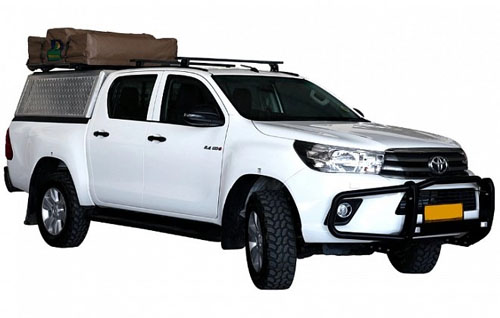
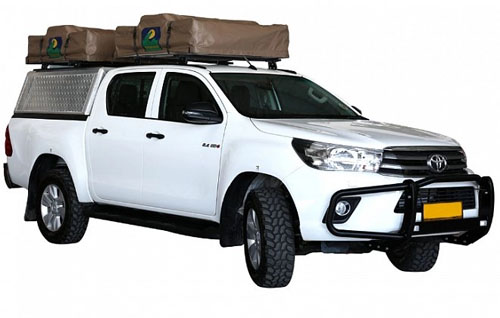
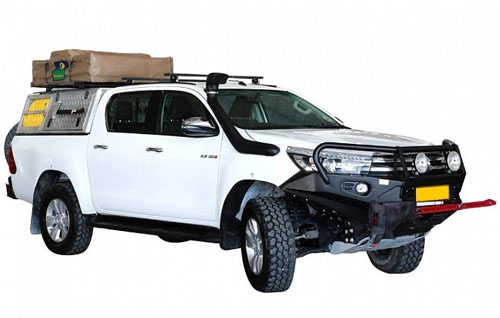
Navigating Africa by a rented RV as a couple requires specific considerations to ensure a smooth and memorable trip. To start, opt for a reliable 4x4 RV or campervan suitable for diverse African terrain, as road conditions can vary significantly from paved highways to unpaved tracks, especially in remote areas.
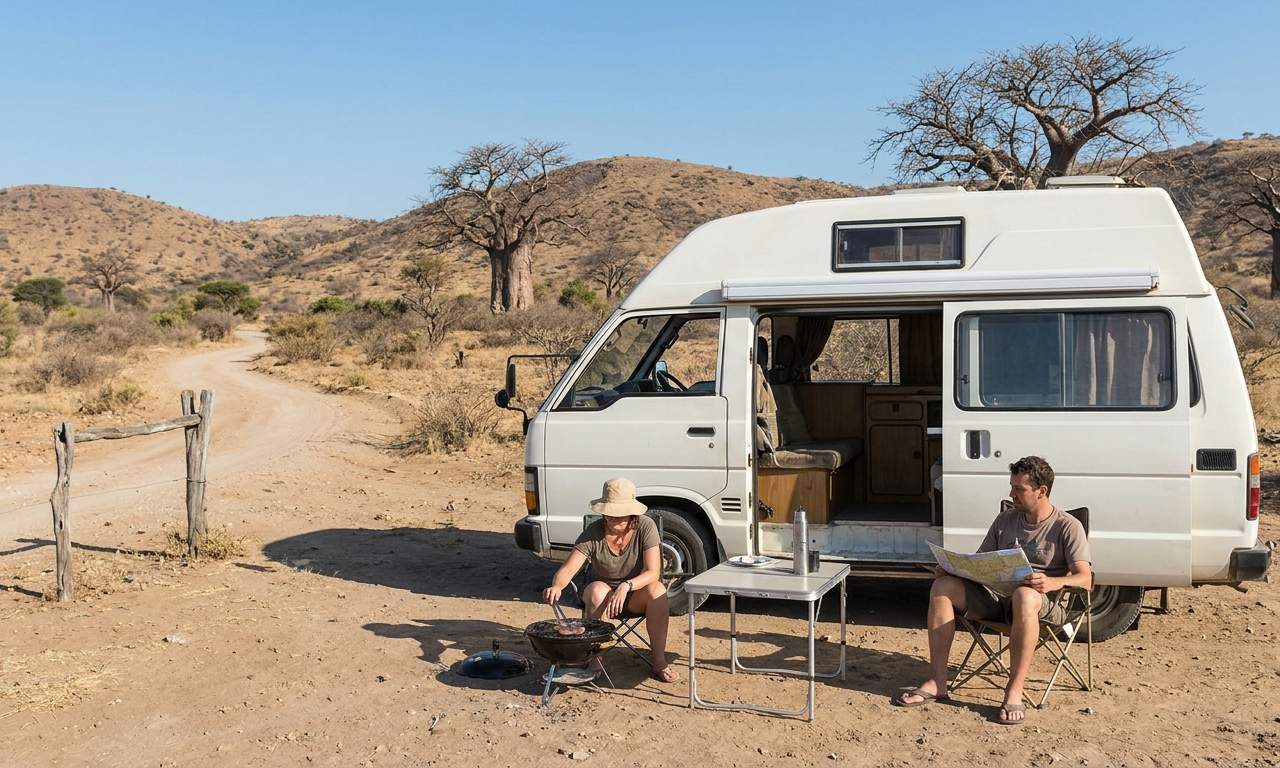
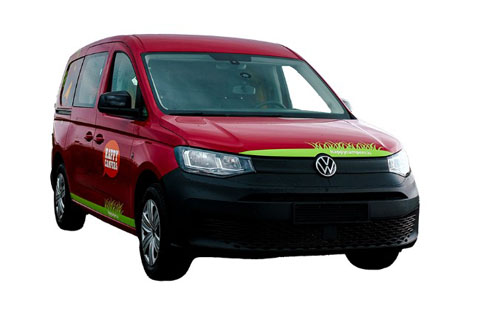
Secondly, booking well in advance, especially for peak season (June-October for safaris, December-January for coastal regions), will secure your preferred vehicle type, such as a compact Class B campervan like the V3 (which typically offers twin single beds and can be ideal for a couple) or a slightly larger Class C motorhome like the Active Standard Select, ensuring you get the best rates. Thirdly, prioritize comprehensive insurance that covers remote areas and potential wildlife incidents, providing invaluable peace of mind. Fourthly, plan your route with realistic daily distances, aiming for a maximum of 100-150 km per day on average, to allow for unexpected stops, border crossings, and appreciating the local scenery and culture. Finally, familiarize yourself with local safety protocols and communication methods before departure; this includes knowing emergency numbers, having local SIM cards, or even a satellite phone for truly remote regions.
Before You Book - Class, Dates, Insurance
Choosing the right RV class for couples traveling in Africa involves balancing comfort with maneuverability and fuel efficiency. For two travelers, compact to mid-size RVs like a 4x4 camper or a smaller motorhome (e.g., a 2 Berth Sandpiper, often featuring a 140/190cm double bed, shower, and toilet) are generally ideal, offering easier navigation on narrower or unpaved African roads and better fuel economy than larger Class A models. Secure your rental dates as early as possible to guarantee availability, with many travelers booking 3-6 months out for popular periods; this proactive planning can also lead to more favorable rates. Basic rental insurance is always included, but to fully cover your adventure, consider upgrading to a top-level deductible for extra peace of mind, especially given the diverse driving conditions and potential for unexpected events in Africa.
Pre-Trip Prep - Packing Checklist for Africa
A well-prepared packing list is essential for any RV rental adventure in Africa, ensuring you have everything you need for comfort and safety. For clothing, prioritize lightweight, breathable layers suitable for varying climates; long sleeves and pants are crucial for sun protection and mosquito prevention, alongside swimwear, sturdy walking shoes, a wide-brimmed hat, sunglasses, and a reliable rain jacket. For your RV kitchen, bring basic cooking utensils, non-perishable food items, reusable water bottles, and coffee/tea supplies. For safety, a comprehensive first-aid kit (including anti-malarials if advised by a doctor), high-strength insect repellent, and headlamps are vital, while a local SIM card or satellite phone ensures communication in remote areas. Don't forget essential documents like passports (with at least 6 months validity beyond your return date), visas for each country, an International Driving Permit (IDP) - which is recommended for visitors from non-English speaking countries, and vaccination certificates, especially your Yellow Fever card if required.
🎬 Video coming soon
When it comes to cooking on the go, having your favorite ingredients and a good set of kitchen tools can make all the difference. Check out our RV-friendly recipes playlist for some fantastic meal ideas that are perfect for your mobile kitchen. Many smaller campervans like a V3 (with a compact galley) or a 2 Berth Sandpiper (with a more extensive kitchen) come equipped with a stove and refrigerator, allowing you to prepare fresh meals daily.
- Lightweight, breathable clothing (long sleeves & pants)
- Sturdy walking shoes/hiking boots
- Swimwear
- Wide-brimmed hat & sunglasses
- Rain jacket/poncho
- Basic cooking utensils & compact kitchenware
- Non-perishable food items & snacks
- Reusable water bottles & water purification tablets/filter
- Comprehensive first-aid kit (including anti-malarials if advised)
- High-strength insect repellent
- Satellite phone or local SIM card for communication
- Headlamp or flashlight with extra batteries
- Multi-tool/knife
- Vehicle recovery equipment (jumper cables, tow rope, shovel)
- Passports (with minimum 6 months validity)
- Required visas for each country
- International Driving Permit (IDP)
- RV rental agreement & contact details
- Travel insurance documents
- Yellow Fever vaccination certificate (if required)
- Copies of all important documents (physical & digital)
- Chargers for electronics & power bank
- Binoculars (for wildlife viewing)
- Guidebooks/maps (physical backups for navigation)
On the Road - Driving, Fueling, Navigation
African road conditions can vary dramatically, from well-maintained highways to challenging unpaved tracks, making a 4x4 RV or campervan often recommended for remote areas; however, larger Class C motorhomes like the Active Standard Select can still be managed with care. Drive slowly and carefully, and you can drive almost anywhere without issues. No need to stress - just use common sense and pay attention. Monitor fuel levels diligently, as petrol stations can be sparse in rural regions of Africa, and always carry extra fuel if venturing off main routes. For navigation, utilize offline maps (like Maps.me or Gaia GPS) alongside traditional paper maps, because cellular coverage is not always reliable, especially when you're exploring the more wild areas of the continent. Understanding and preparing for potential border crossing procedures, including vehicle permits (carnets), temporary import permits, and local customs, is crucial for multi-country itineraries. Always be aware of local driving etiquette, speed limits, and potential wildlife hazards, which are particularly common at dawn and dusk, requiring extra vigilance.
At the Campground - Setup, Hookups & Etiquette
Upon arrival at your chosen African campsite, select a level spot for your rented motorhome or campervan, then stabilize it using leveling blocks and wheel chocks before extending any slide-outs or awnings to create your comfortable outdoor living space. Connect hookups in the proper sequence: sewer first (if available), then water, and finally electrical, ensuring all connections are secure and leak-free. Observing campground quiet hours, typically from 10 PM to 7 AM, demonstrates respect for other campers and local wildlife, so be mindful of noise levels at all times. Practice responsible camping by ensuring proper waste disposal and leaving no trace, particularly when wild camping or staying in national parks, to protect Africa's pristine environments. Familiarize yourself with local park rules, especially regarding wildlife interactions and fire restrictions, which can vary significantly across different African regions; for example, some parks may have specific rules about food storage to prevent animal encounters. For finding campsites and campgrounds during your trip, we recommend using RV PLANET - a great resource for locating available spots along your route.
RV Rental for Couples-Specific Tips for Africa
For a romantic RV rental for couples in Africa, choosing the right vehicle is key, so opt for a campervan or a smaller motorhome like the V3 or a 2 Berth Sandpiper, which offer a comfortable double bed and ample living space for two, enhancing relaxation after long days of exploration. Plan a balanced itinerary that mixes adventurous activities, such as game drives or hiking, with relaxed downtime, perhaps enjoying sundowners from your motorhome under a canopy of stars. Pack a cooler or small fridge for drinks and snacks to enjoy spontaneous roadside picnics or romantic moments. Consider pre-booking specific campsites or lodges that offer unique couple-centric experiences, like private outdoor showers or guided romantic safaris, to elevate your adventure. Establish clear communication regarding daily driving, navigation, and camping duties to ensure a smooth and enjoyable trip together, remembering that teamwork makes the dream work on the road. Finally, prioritize safety by researching secure camping options, especially for wild camping, and always inform someone of your itinerary, perhaps through a trusted family member or the rental company.
Common Mistakes to Avoid in Africa
A common mistake when planning an RV rental trip in Africa is underestimating travel times; instead, factor in slower speeds due to varying road conditions, frequent stops for incredible photo opportunities, and potential delays at border crossings. Another pitfall is neglecting thorough vehicle preparation; always ensure your rented motorhome is equipped with spare tires, necessary recovery gear, and sufficient water and fuel capacity before heading into remote areas. Ignoring local customs and safety advice can lead to avoidable issues; instead, research cultural etiquette, follow local safety guidelines, and respect community practices to ensure a harmonious journey. Overpacking is another frequent error, as it adds unnecessary weight and clutter; instead, pack versatile, essential items and plan to utilize laundry facilities or handwash items to minimize luggage. Failing to plan for communication in remote areas is critical; instead, arrange for local SIM cards or a satellite phone, as mobile coverage can be sporadic. Finally, not accounting for unexpected expenses beyond the initial RV rental cost can impact your budget; generously factor in fuel, park entrance fees, campsite costs, visas, and potential minor repairs or 'car guard' fees.
To help budget accurately for all ancillary costs, including fuel, park fees, and potential tolls, remember that RV PLANET routes allow travelers to itemize and track every expense along the way, making budgeting easy and transparent. On the routes offered through RV PLANET routes, you can itemize and track every expense along the way for easy budgeting.
What is the 3-3-3 rule for RV travel
The 3-3-3 rule for RV travel suggests driving no more than 300 miles (approximately 480 km) a day, arriving at your campsite or destination by 3 PM, and staying for a minimum of 3 nights, promoting a relaxed pace and deeper exploration. This guideline helps to reduce driver fatigue and provides ample time for setting up camp, exploring local attractions, and enjoying the natural surroundings. In Africa, this rule may need adaptation due to varying road conditions, wildlife viewing opportunities that might require shorter driving days, or specific logistical requirements like border crossings that can extend travel times. Adopting a slower pace, like the 100-150 km per day average recommended by Bandana Caravan, is generally more suitable for African adventures, allowing you to truly immerse yourselves in the culture, food, and scenery.
What is the 4-4-4 rule for RV travel
The 4-4-4 rule for RV travel is a variation of pacing guidelines, suggesting drivers limit their daily mileage to 400 miles (approximately 640 km), arrive at their destination by 4 PM, and remain for at least 4 nights. This rule provides a slightly faster pace than the 3-3-3 rule but still emphasizes extended stays, which can be more suitable for covering larger distances while avoiding daily campsite setups. For African travel, consider whether longer driving distances are feasible given road quality, potential wildlife encounters, and the time needed for border crossings or other stops; adhering to a slower pace of travel generally enhances the experience. Regardless of the rule you choose, always prioritize safety and flexibility, especially when navigating unfamiliar terrain in a rented motorhome or campervan.
How much to rent an RV for a couple months
Renting an RV for a couple of months in Africa can range significantly, typically from $3,000 to over $8,000 per month, depending on the RV class, season, country, and specific rental company, with additional costs for fuel, park fees, and border logistics. Prices are dynamic and can change daily based on availability, seasonality, and supplier marketing decisions, so the final price is set at the actual booking time. Longer rental periods often qualify for discounted monthly rates compared to shorter weekly rentals, making extended adventures more cost-effective. Beyond the rental fees, couples should budget generously for ancillary costs such as fuel (which can be a significant expense across long African routes), national park entrance fees, campground site costs, required visas, and unexpected expenses like road tolls or local 'car guards'. For instance, a compact campervan like the V3 might be on the lower end, while a larger, well-equipped Class C motorhome like the Active Standard Select would command a higher monthly rate. Using RV PLANET routes can help itemize and track every expense for better budgeting over several months.
What are the drawbacks of renting an RV
Drawbacks of renting an RV for a trip, especially in Africa, include potential higher upfront costs compared to some budget hotel stays, the learning curve for driving a larger vehicle, the need for careful logistical planning including route conditions and border crossings, and awareness of specific safety protocols. While RV travel offers immense freedom, it does require more active planning for fuel stops, water and waste management, and securing appropriate parking or campsites, particularly in remote areas where amenities might be sparse. Although reputable rental companies provide roadside assistance, unexpected mechanical issues can still occur, potentially leading to delays. Unlike traditional tours, RVing demands a degree of self-reliance and problem-solving, which might be a drawback for those preferring a fully guided or hands-off travel experience. However, for adventurous couples seeking unparalleled flexibility and immersion in Africa's natural beauty, these challenges are often viewed as part of the unique and rewarding experience.
What is the 3-3-3 rule for RV living
The 3-3-3 rule for RV living, often interchangeably used with RV travel, generally refers to driving no more than 300 miles (approximately 480 km) a day, arriving at your destination by 3 PM, and staying for at least 3 nights to foster a relaxed pace and deeper exploration of local areas. While Bandana Caravan focuses exclusively on RV rentals for vacation travel, this guideline is highly applicable for appreciating Africa's diverse landscapes and cultures during your trip, encouraging travelers to spend quality time in each location rather than rushing through. For couples, it means more time to connect with the environment, discover local markets, and enjoy romantic evenings under the stars without the pressure of constant movement. It’s a philosophy that aligns perfectly with our recommendation to travel slowly, averaging a maximum of 100-150 km per day.
How much is a 1 week RV rental
A 1-week RV rental in Africa typically costs between $700 to $2,500, varying based on the RV size, destination country, time of year, and included amenities, excluding additional expenses like fuel and park entrance fees. For instance, a compact 2-berth campervan like the V3 might be at the lower end of this range, while a Class C motorhome such as the 2 Berth Sandpiper would likely be a bit higher. Prices are dynamic, similar to flight tickets, changing daily based on availability and seasonality. Peak seasons, like the dry season for safaris in Southern Africa or holiday periods, will generally incur higher costs. The rental cost usually includes basic insurance, but it's essential to budget for ancillary expenses like fuel, campground fees (which can range from $15 to $50 per night), propane, and any optional add-ons, ensuring full transparency in your trip planning.
Is it cheaper to rent an RV or stay in a hotel
Whether renting an RV or staying in a hotel is cheaper often depends on trip duration, travel style, number of travelers, and destination, but RVing can offer savings on accommodation and dining for longer trips, especially for couples, by consolidating expenses. For an extended road trip for two across Africa, a rented motorhome like an Active Standard Select or a V3 provides both transportation and accommodation in one, and the ability to cook your own meals significantly reduces restaurant costs. While initial RV rental fees, fuel, and campsite costs can add up, the overall value for a week-long or longer adventure often surpasses traditional hotel and car rental combinations, particularly when exploring multiple destinations. Hotels can be cheaper for very short stays or if you plan to remain in one city with many budget-friendly options, but for the freedom and immersion of exploring Africa's vast landscapes, an RV offers a unique and often more economical experience over time.
What is the 2 2 2 rule for RV
The '2-2-2 rule' for RV travel, a simplified and more relaxed version of other pacing guidelines, suggests driving no more than 200 miles (approximately 320 km) a day, arriving by 2 PM, and staying for at least 2 nights at each location. This rule is ideal for couples who prefer maximum relaxation and minimal driving, allowing for extensive exploration of specific regions, such as national parks or wildlife reserves in Africa. It offers more time for unplanned stops, local interactions, and fully enjoying campsite amenities, fostering a deeper connection with your surroundings. While the mileage might be adjusted for varied African road conditions, the spirit of slow travel and extended stays is perfectly suited for an immersive experience with your rented motorhome.
What to know before traveling to Africa
Before traveling to Africa with a rented RV, it is crucial to research visa requirements for all countries you plan to visit, as they often require applications in advance, potentially taking several weeks. Obtain recommended vaccinations, such as Yellow Fever, Hepatitis, and Tetanus, and consult a travel doctor for advice on anti-malarial prophylaxis specific to your itinerary and season. Familiarize yourself with comprehensive safety and security protocols tailored to African travel, including best practices for wildlife encounters, precautions in remote areas, and urban safety awareness. Detailed logistical planning is essential for border crossings, including any vehicle carnets or temporary import permits required for your motorhome, as well as understanding fuel availability and types, and researching road conditions to determine if a 4x4 camper like a Patagonia Camper 4x4 double cab is necessary for your chosen route. Arrange for reliable communication through local SIM cards or a satellite phone, especially for remote areas where cellular coverage is sparse, and prepare for potential medical emergencies with a well-stocked first-aid kit, emergency contacts, and knowledge of local clinics. Learning about local cultural etiquette and responsible tourism practices will help you interact respectfully with communities and minimize your environmental impact, ensuring your journey is both enriching and sustainable. Remember, prices for RV rentals are dynamic, like flight tickets, so the final price is always set at the actual booking time.
What You Shouldn't Miss
- Safari through the Serengeti or Maasai Mara: Experience the Great Migration in a 4x4 campervan, witnessing millions of wildebeest and zebras move across the plains.
- Driving the Garden Route in South Africa: Explore lush forests, pristine beaches, and charming towns from your comfortable motorhome, with ample opportunities for hikes and whale watching.
- Exploring Namibia's Sossusvlei Desert: Camp within Sesriem National Park in your RV, allowing for early access to climb Dune 45 at sunrise and visit the surreal Deadvlei.
- Victoria Falls Adventure: Park your campervan nearby and spend days enjoying thrilling activities like white-water rafting, bungee jumping, or a tranquil sunset cruise on the Zambezi River.
- Cultural Immersion in Morocco's Atlas Mountains: Drive your rented mobile home through Berber villages, stopping at local markets and enjoying traditional tagine cooked right in your RV's kitchen.
- Camping on Botswana's Okavango Delta Fringe: Discover unique wildlife viewing opportunities from your campsite, perhaps taking a mokoro (traditional dugout canoe) trip for a closer look at the delta's aquatic life.
Looking for expert insights from Avi Bandana? Top 5 Adventures - recommendations from Avi Bandana
Final Thoughts
Embarking on a romantic RV rental adventure in Africa as a couple is an experience filled with unparalleled freedom, discovery, and connection. From the majestic wildlife of the national parks to the breathtaking landscapes of its diverse regions, a motorhome provides your very own private window to this incredible continent. By choosing a smaller, agile RV or campervan perfect for two, and following essential preparation and on-the-road tips, you're setting the stage for a truly unforgettable journey together.
Remember to embrace the philosophy of slow travel; taking your time to feel the place, connect to the culture, the food, and the scenery will enrich your experience far beyond any rushed itinerary. With the support of Bandana Caravan's transparent pricing and specialist advice, your African RV adventure is not just a trip, but a collection of cherished moments waiting to unfold.
Ready to ignite your romantic adventure? Check RV Rental for Couples in Africa Prices Now.