In This Guide
- The RV Family Compared for Tokyo
- Guidance on appropriate RV vehicle sizes for navigating Tokyo's infrastructure, contrasting compact vans with larger RVs
- Class C (Alcove) - Best For
- Specific Tokyo urban RVing challenges (narrow streets, traffic, parking scarcity)
- Practicality assessment: Is it better to drive an RV into Tokyo or use a 'park-and-ride' strategy from outside the city
- Price Comparison by RV Class in Tokyo
- Detailed cost breakdowns for RV travel in Tokyo (tolls, parking fees, fuel, specific RV park costs)
- In-depth guide to Michi-no-Eki (roadside stations) in the Tokyo vicinity, including amenities, etiquette, and public transport connections to the city
- Cultural and etiquette nuances for RV travel in Japan, especially within the metropolitan area (e.g., michi-no-eki rules, waste disposal, noise)
- RV-friendly attractions or day trips near Tokyo that are enhanced by or easily accessible via RV, rather than generic city attractions
- Side-by-Side Comparison Table
- Our Recommendation for RV Rental for Couples Travelers in Tokyo
The RV Family Compared for Tokyo
RV choice for couples in Tokyo is critical due to unique urban and regional travel demands, requiring a balance of comfort and maneuverability. When considering a rented motorhome for your romantic getaway in Japan, thinking about both interior space and exterior footprint is key for a truly enjoyable and practical trip. For live availability and current prices, start with our RV Rental Tokyo - Complete Guide 2026 guide. We understand that finding the right vehicle is paramount, and as true RV specialists, we're here to help you compare final prices across suppliers, ensuring what you see is what you pay, with no surprise fees at pickup. Imagine waking up to the gentle hum of your motorhome, a freshly brewed coffee in hand, ready for another day of exploration with your loved one.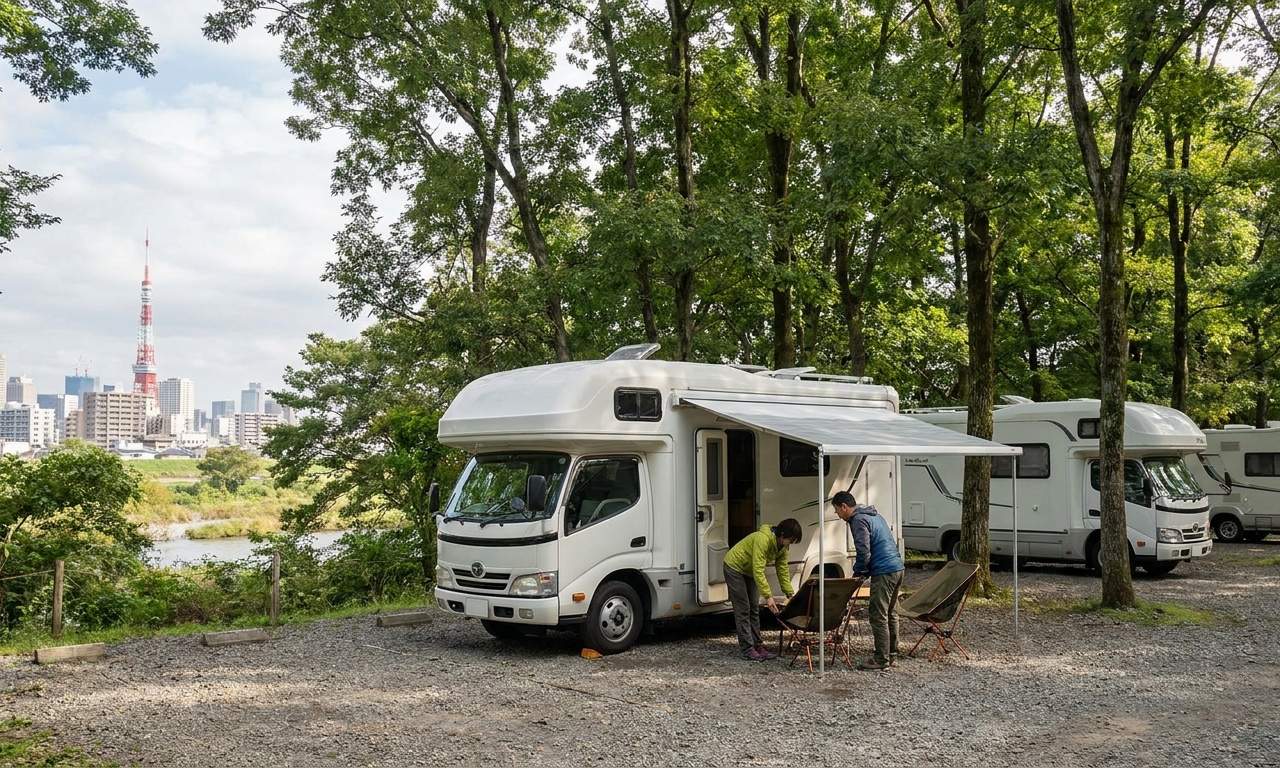 Bandana Caravan, founded in 2001, has over 23 years helping tens of thousands of travelers explore the world by RV, and we apply that deep expertise to every destination, including Japan.
🎬 Video coming soon
Guidance on appropriate RV vehicle sizes for navigating Tokyo's infrastructure, contrasting compact vans with larger RVs
For navigating Tokyo's dense urban environment and the regions beyond, a compact RV or campervan is generally more practical, although any size can be driven carefully. While Tokyo's streets can be narrow and parking spaces often designed for smaller Japanese vehicles, you can drive almost anywhere without issues by exercising common sense and paying attention. For instance, a Class C alcove motorhome, typically around 5 meters in length, offers more comfort for couples than a standard campervan without being overly cumbersome. These larger units might require more strategic parking outside central Tokyo areas, where public transport links are readily available. In contrast, smaller Class B campervans offer superior maneuverability and ease of parking, ideal if you prioritize urban navigation over extensive living space. Remember, even with larger vehicles, slow and careful driving allows you to enjoy the journey without stress.Class C (Alcove) - Best For
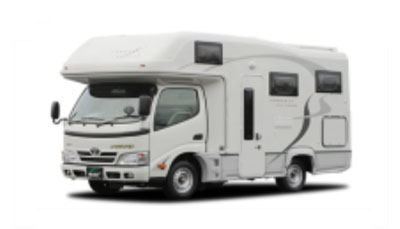
Class C alcove motorhomes, which typically average 5 meters in length and can sleep up to 6 people, are a practical choice for couples seeking extra space and comfort for an RV adventure in Tokyo. These vehicles offer a good balance of amenities such as a compact kitchen, a private bathroom, and a dining area, making them a comfortable "home base" without being excessively large for Japan's well-maintained roads. For two travelers, the additional alcove space above the cab can serve as extra storage for luggage or even a quiet reading nook, enhancing comfort on longer trips or during inclement weather. While these rented motorhomes offer more room than a campervan, their 5-meter length still necessitates careful driving in Tokyo's denser districts and thoughtful planning for parking, often favoring spots outside the immediate city center.Specific Tokyo urban RVing challenges (narrow streets, traffic, parking scarcity)
Tokyo presents unique driving challenges for those with a rented RV, primarily due to its extremely narrow streets, heavy traffic congestion, and severe scarcity of parking. Many central Tokyo roads are indeed too narrow for even mid-sized motorhomes, and multi-story parking garages frequently have height and length restrictions that exclude most recreational vehicles. Driving an RV directly into popular tourist areas like Shinjuku or Shibuya is generally not the most efficient or enjoyable approach. RV parking within the city is often limited to dedicated RV parks or large shopping center lots, usually located on the outskirts, which typically come with considerable fees. Remember, with careful driving and common sense, you can navigate these challenges, but strategic planning is essential.Practicality assessment: Is it better to drive an RV into Tokyo or use a 'park-and-ride' strategy from outside the city
A 'park-and-ride' strategy from outside the city is overwhelmingly recommended and often the most practical approach for RV travel to Tokyo. Parking your rented motorhome at a designated RV park, such as an Auto Camping Ground, or a Michi-no-Eki (roadside station) on the outskirts of Tokyo allows for stress-free access to public transportation into the city center. This strategy mitigates the stress and expense of navigating city traffic and finding suitable parking, letting couples enjoy Tokyo's attractions via its efficient train and subway networks. Using your RV primarily for travel to and from Tokyo, and for exploring scenic areas or smaller towns outside the metropolis, offers the most practical and enjoyable experience, allowing you to maximize both urban sightseeing and rural adventures.Price Comparison by RV Class in Tokyo
Understanding the cost of an RV rental for couples in Tokyo requires considering various factors, as pricing is dynamic, much like flight tickets. The cost is dependent on demand, season, and duration. Because pricing is dynamic, the table below provides realistic example prices for a 7-day rental of popular motorhome types, based on typical availability for Bandana's Tokyo fleet, which includes Class C Alcove RVs and campervans. These prices are estimates for specific dates and are subject to change daily. For the most accurate and up-to-date figures for your specific travel dates, we encourage you to use the search box at the top of the page.🎬 Video coming soon
Example Daily Rental Prices for Couples in Tokyo (7-day rental average, per day)
| RV Class (Ideal for 2 people) | Low Season (e.g., Nov-Mar, excl. holidays) | Mid Season (e.g., Apr, Jun, Sep-Oct) | High Season (e.g., May, Jul-Aug) |
|---|---|---|---|
| Class B Campervan (e.g., Active Standard Auto - seats 4, sleeps 2) | ¥12,000 - ¥18,000 (~$80-$120 USD) | ¥18,000 - ¥25,000 (~$120-$170 USD) | ¥25,000 - ¥35,000 (~$170-$240 USD) |
| Class C Alcove (e.g., 24 Class C Motorhome - sleeps 5, but comfortable for 2) | ¥15,000 - ¥22,000 (~$100-$150 USD) | ¥22,000 - ¥30,000 (~$150-$200 USD) | ¥30,000 - ¥45,000 (~$200-$300 USD) |
| Smaller Class C (e.g., C-Small - sleeps 3, compact for 2) | ¥14,000 - ¥20,000 (~$95-$135 USD) | ¥20,000 - ¥28,000 (~$135-$190 USD) | ¥28,000 - ¥40,000 (~$190-$270 USD) |
Please note that these prices are illustrative and can vary significantly based on exact booking dates, rental duration, supplier, and current demand. To get the best deal, compare motorhome prices for Tokyo on our platform.
Detailed cost breakdowns for RV travel in Tokyo (tolls, parking fees, fuel, specific RV park costs)
RV travel in Tokyo involves several significant costs beyond the rental fee, requiring careful budgeting for couples. Highway tolls on expressways around Tokyo and connecting major cities can add up quickly, often costing several thousand yen for even short distances; for example, a return trip on the Tokyo Bay Aqua-Line can easily exceed ¥6,000 (around $40 USD). Dedicated RV parking, whether at municipal campsites or larger facilities on the city's periphery, can range from ¥2,000 to ¥5,000+ per night. Fuel costs in Japan are comparable to other developed nations, with most RVs requiring regular or premium gasoline, which can be a substantial expense given typical fuel consumption rates of 10-15 liters per 100 km for a Class C motorhome. Additionally, budget for daily groceries, potentially using a cooking setup (don't forget our RV-friendly recipes playlist!), and occasional dump fees at service points. When planning your route, remember that RV PLANET routes allow you to itemize and track every expense for easy budgeting throughout your journey.In-depth guide to Michi-no-Eki (roadside stations) in the Tokyo vicinity, including amenities, etiquette, and public transport connections to the city
Michi-no-Eki (roadside stations) serve as excellent rest stops and cultural hubs, offering a vital resource for RV travelers near Tokyo. These stations, like those along the Chuo Expressway such as Lake Sagami Michi-no-Eki or outside Narita like Katori Michi-no-Eki, typically provide clean restrooms, local product shops, restaurants, and often free Wi-Fi, making them ideal for short breaks and stocking up on regional delicacies. While extremely useful, it's crucial to understand Michi-no-Eki etiquette: they are not official campgrounds, and overnight parking is generally tolerated for rest, not extended camping, with strict quiet hours from 9 PM to 7 AM to be respected. Many Michi-no-Eki located within a reasonable distance from Tokyo, such as those in Saitama or Chiba prefectures, offer convenient public transport connections (bus or train) into the city, facilitating a 'park-and-ride' approach for couples exploring the capital.Cultural and etiquette nuances for RV travel in Japan, especially within the metropolitan area (e.g., michi-no-eki rules, waste disposal, noise)
RV travelers in Japan should adhere to specific cultural and etiquette norms, particularly within and around metropolitan Tokyo, to ensure a respectful and smooth trip. Japanese culture values cleanliness and quiet above all; proper waste disposal in designated bins is paramount, and you should always avoid leaving trash bags outside your rented RV. Noise levels must be kept minimal, especially during quiet hours (typically 9 PM to 7 AM) at Michi-no-Eki or designated campsites, avoiding loud music or running generators. Be mindful of space, as areas can be compact; refrain from extensive outdoor setups (tables, chairs) that encroach on public areas, especially at roadside stations like those near Narita Airport. Always follow local signs and rules, particularly regarding parking, no-camping zones, and the use of facilities. An International Driving Permit (IDP) is highly recommended for visitors from non-English-speaking countries to ensure smooth interactions with local authorities and rental suppliers.RV-friendly attractions or day trips near Tokyo that are enhanced by or easily accessible via RV, rather than generic city attractions
For couples, the true appeal of a rented RV near Tokyo lies in exploring the surrounding prefectures that offer scenic beauty and outdoor activities, areas where a motorhome truly enhances the experience. Destinations like the Fuji Five Lakes region (Kawaguchiko, Yamanakako) provide stunning views of Mount Fuji and numerous campsites suitable for RVs, such as Koan Campground on Lake Motosuko. Hakone, known for its hot springs and natural beauty, is another excellent choice for an RV day trip or overnight stay, offering picturesque drives along the Hakone Turnpike. The Izu Peninsula to the south of Tokyo boasts beautiful coastlines, onsen towns like Atami, and historical sites, all easily accessible with a rented RV and well-served by Michi-no-Eki and campsites. These locations offer activities like hiking, cycling, and relaxing in hot springs, making them perfect for couples seeking a blend of nature and comfort with their RV. Traveling slowly, aiming for a maximum of 100-150 km per day, allows you to truly feel the place, connect to the culture, the food, and the scenery.Side-by-Side Comparison Table
This table provides a concise overview of typical Class C Alcove RVs and Campervans available for rental in Tokyo through Bandana's direct partnerships with over 50 leading RV suppliers worldwide, highlighting key specifications relevant for couples planning their trip. Prices are dynamic and vary by supplier and season. For a more detailed comparison of specific vehicles, you can check Cheap RV Rental in Tokyo - Budget Guide 2026 or RV Rental Deals in Tokyo - Latest Offers 2026.Tokyo RV Rental Comparison for Couples
| Feature | Class B Campervan (e.g., like a "V2L" or "Active Standard Auto") | Class C Alcove (e.g., like a "C-Small" or "24 Class C Motorhome") |
|---|---|---|
| Ideal For | 1-2 people, urban agility, minimalist comfort | 2-4 people, enhanced comfort & amenities, short to medium trips |
| Average Length | 5-6 meters | 5-7.5 meters |
| Maneuverability in Tokyo | High (fits most parking spots) | Medium (requires careful driving, larger parking) |
| Sleeping Capacity | 2 (typically a double bed 140/190cm) | 2-6 (typically a fixed double bed 140/200cm, plus convertible dinette) |
| Kitchenette | Basic (2-burner stove, small fridge) | Fuller (3-burner stove, larger fridge 80-140L, microwave in some) |
| Bathroom Facilities | Often external shower/porta-potti or compact wet bath | Enclosed wet bath with shower and toilet |
| Storage Space | Limited, overhead compartments | Ample, overhead, under-bed, sometimes small garage |
| Fuel Economy (Diesel) | ~8-11 Liters/100 km | ~10-15 Liters/100 km |
| Typical Low Season Daily Rate | ¥12,000 - ¥18,000 | ¥15,000 - ¥22,000 |
| Driver's License Requirement | Standard car driver's license | Standard car driver's license |
For more options and to find the perfect rented mobile home for your romantic Japanese adventure, explore our detailed listings and filter by features like automatic transmission or winter readiness.
Our Recommendation for RV Rental for Couples Travelers in Tokyo
For couples planning an RV rental in Tokyo, we primarily recommend a Class C (Alcove) motorhome for the best blend of comfort and practicality. While smaller campervans are nimble, a Class C, typically around 5 meters in length, provides ample living space and amenities for two without feeling cramped. You'll find a comfortable double bed, a functional kitchen, and a private bathroom, making your adventures outside central Tokyo far more enjoyable. This vehicle class offers a comfortable base for your adventures, blending home-like comforts with the flexibility of road travel. We strongly advise a 'park-and-ride' strategy for city exploration, utilizing the rented RV for excursions to scenic areas like the Fuji Five Lakes or Hakone, while relying on Tokyo's excellent public transport for urban sightseeing. This way, you get the best of both worlds: urban excitement and serene natural beauty. You can find rv rental for rentals in Tokyo that fit these recommendations easily on our platform.What You Shouldn't Miss
- Romantic Stroll in Shinjuku Gyoen National Garden: Escape the bustling city for a tranquil afternoon. This expansive garden offers French, English, and traditional Japanese landscape styles, providing a beautiful backdrop for couples.
- Mt. Fuji & Lake Kawaguchiko: Drive your rented motorhome to the Fuji Five Lakes region. Capture iconic views of Mount Fuji reflecting on Lake Kawaguchiko, and enjoy lakeside campsites or a relaxing boat ride.
- Hakone Onsen Experience: Take a scenic drive to Hakone with your RV. Park outside the main tourist areas and immerse yourselves in a traditional Japanese onsen (hot spring) for a rejuvenating experience.
- Coastal Views of the Izu Peninsula: Head south with your mobile home to the Izu Peninsula. Explore charming seaside towns, discover hidden beaches, and enjoy fresh seafood. The coastal roads offer stunning ocean vistas.
- Cooking Together with Local Ingredients from Michi-no-Eki: Stop at a Michi-no-Eki outside Tokyo to gather fresh, local produce and unique regional snacks. Enjoy preparing a romantic meal in your RV's kitchen, tasting the authentic flavors of Japan.
- Looking for expert insights from Avi Bandana? Top 5 Adventures - recommendations from Avi Bandana.
Final Thoughts
Embarking on a romantic RV rental adventure in Tokyo offers an unparalleled way to explore both the vibrant city and Japan's stunning natural landscapes as a couple. While urban driving presents unique challenges, a smart 'park-and-ride' strategy combined with a comfortable Class C motorhome ensures you enjoy the best of both worlds. With Bandana Caravan, you’re not just renting a vehicle; you’re gaining a partner dedicated to transparency, support, and helping you craft unforgettable memories. From navigating bustling streets to discovering serene Michi-no-Eki and picturesque day trips near the city, your journey will be filled with discovery and connection. Remember to travel slowly, savor each moment, and let the beauty of Japan unfold around you. Get inspired for your next trip! Find Motorhome Rentals in TokyoOn the routes offered through RV PLANET routes, you can itemize and track every expense along the way for easy budgeting.