
In This Guide
- The 4 RV Families Compared for Mozambique
- Class A (Integrated) - Best For
- Price Comparison by RV Class in Mozambique
- Class SI (Semi-Integrated) - Best For
- Class C (Alcove) - Best For
- Class B (Campervan) - Best For
- Side-by-Side Comparison Table
- Our Recommendation for rv rental for couples Travelers in Mozambique
- What are the detailed safety and emergency protocols for RV travel in Mozambique?
- What vehicle specifics and off-road readiness are needed for RVing in Mozambique?
- What is a granular budget breakdown for RV rental in Mozambique?
- What are the step-by-step border crossing guides for RVs into Mozambique?
- What is the legality, safety, and etiquette of wild camping in Mozambique?
- What RV-specific infrastructure and amenities are available in Mozambique?
- How can couples achieve cultural immersion and responsible travel in Mozambique?
- What connectivity and self-sufficiency solutions are available for RVs in Mozambique?
- Top Cities for RV Rental in Mozambique
- What You Shouldn't Miss
- Why Book with Bandana Caravan
- Final Thoughts
- Frequently Asked Questions
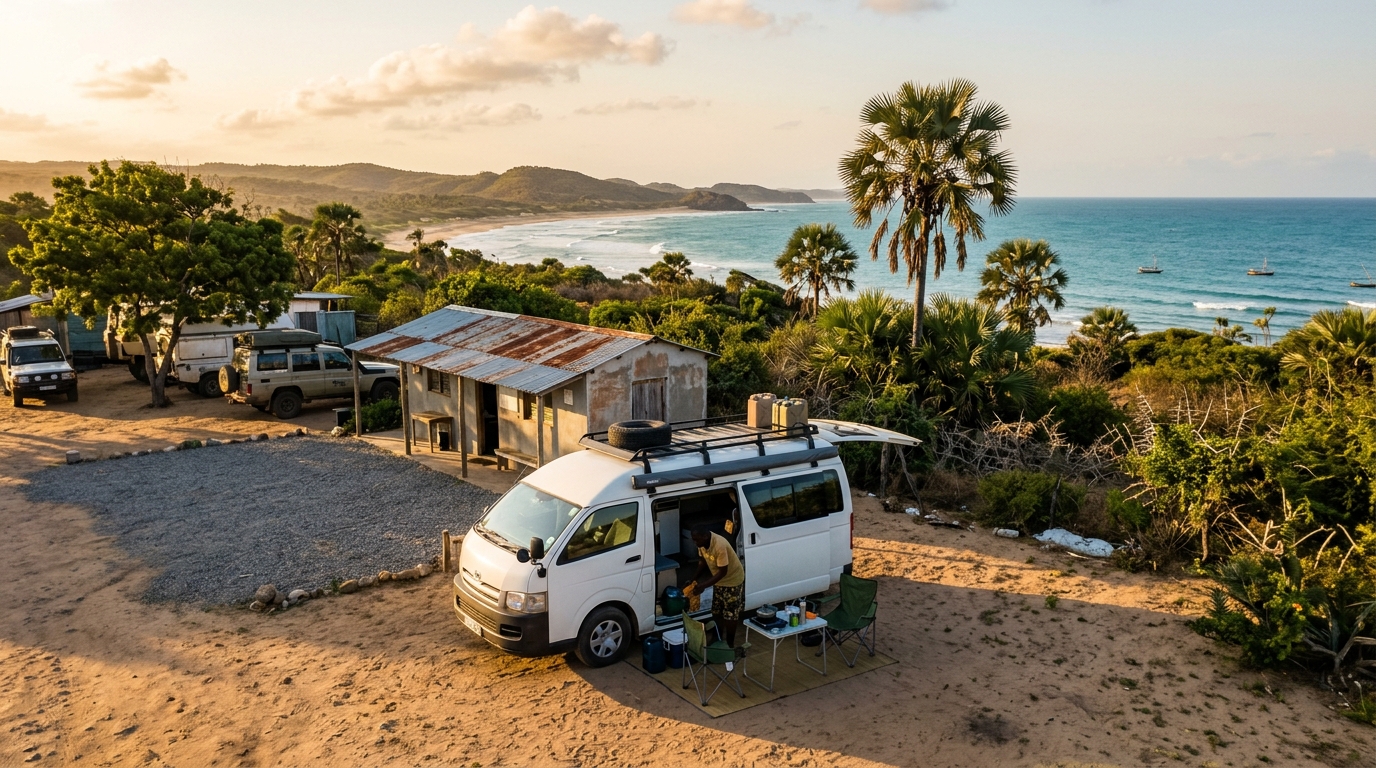
Imagine yourself and your partner driving along the stunning Mozambican coastline, the Indian Ocean sparkling beside you, a gentle breeze drifting through your rented motorhome. Mozambique offers couples an unparalleled adventure, a blend of pristine beaches, vibrant culture, and wildlife encounters, all at your own pace. With a motorhome, you have the ultimate flexibility to chase sunsets, discover hidden gems, and create memories that will last a lifetime. For live availability and current prices, start with our RV Rental Mozambique - Complete Guide 2026 guide.
🎬 Video coming soon
The 4 RV Families Compared for Mozambique
Choosing the right RV rental for your Mozambican adventure as a couple is crucial for comfort and accessibility, influenced by the varied terrain and your desired level of luxury. Mozambique's roads can range from well-maintained highways to sandy tracks, necessitating careful consideration of vehicle size and capabilities. Your specific needs, such as space for cooking, privacy, and how adventurous you plan to be, should heavily guide your RV choice. Factors like climate, which can be quite warm and humid along the coast, and your trip length also influence onboard amenities like air conditioning and fuel consumption, ensuring a comfortable and accessible journey. We at Bandana have been helping tens of thousands of travelers since 2001, so we genuinely know RV travel.
Class A (Integrated) - Best For
Class A integrated motorhomes, typically averaging 7.5 meters in length and designed to sleep around 4-6 people, are best suited for couples prioritizing luxury, spacious living, and extended comfort on well-maintained main roads in Mozambique. These larger vehicles offer maximum interior space, high-end kitchens, and expansive lounge areas, ideal for a premium, comfort-focused travel experience. While offering a "home-away-from-home" feel, their size makes them less suitable for navigating challenging off-road conditions or very narrow village streets. On average, Bandana's global fleet of similar motorhomes typically consumes 11-12 liters of diesel per 100 km, which should be factored into your travel budget.
Price Comparison by RV Class in Mozambique
RV rental costs in Mozambique are dynamic, meaning they change daily based on availability, rental duration, season, and specific inclusions, making it essential to consult live pricing on Bandana's platform for an accurate estimate. For couples, prices for a week-long rental can vary significantly. During peak season (May to October), prices can be 15-25% higher than in the off-peak months. The table below provides real example prices from Bandana's live search, reflecting these dynamic rates.
Please note: Prices are dynamic and serve as examples only. Actual prices may vary based on availability, booking duration, and seasonality.
| RV Class | Average Daily Rate (Low Season) | Average Daily Rate (Peak Season) | Typical Vehicle Example |
|---|---|---|---|
| Class B (Campervan) | $80 - $120 USD | $120 - $180 USD | Bandana Van, 2 Berth Hi Top |
| Class SI (Semi-Integrated) | $110 - $160 USD | $160 - $220 USD | 2 Berth Rover, Active Compact Select |
| Class C (Alcove) | $130 - $200 USD | $200 - $280 USD | 24' Class C Motorhome, Adak Argonaut 21 |
| Class A (Integrated) | $200 - $350 USD | $350 - $500 USD | Active First, El Monte RV Class A |
These prices are estimates that update daily based on availability and demand; checking the search box at the top of the page will provide the most current live numbers for your specific travel dates. Booking your motorhome or campervan rental at least 90 days in advance often secures better rates, especially for popular seasons and one-way RV rental in Mozambique trips. Your overall budget should factor in the rental cost, the vehicle's fuel efficiency, and additional expenses like insurance, campground fees, and potential border crossing fees. For detailed budgeting and expense tracking, you'll find RV PLANET routes to be an excellent resource for itemizing every expense along the way. On the routes offered through RV PLANET routes, you can itemize and track every expense along the way for easy budgeting.
Class SI (Semi-Integrated) - Best For
Class SI semi-integrated motorhomes, typically averaging 6.9 meters in length and sleeping around 2-4 people, offer an excellent balance of comfort, maneuverability, and fuel efficiency for couples seeking a versatile RV experience in Mozambique. These vehicles provide more interior space and amenities than a standard campervan, often featuring a fixed bed, a small dining area, and a compact kitchen, while remaining generally more compact and easier to handle than a full Class A motorhome. They are ideal for couples desiring comfortable living and access to a broader range of campsites, including those with slightly tighter access. Bandana's global fleet of these models averages 10-11 liters per 100 km, offering a good balance of space and economy for longer trips.
Class C (Alcove) - Best For
Class C alcove motorhomes, averaging 7.5 meters in length and typically sleeping around 4-6 people, are best for couples who prioritize additional sleeping capacity (for occasional guests or extra storage) and a robust, familiar driving experience in Mozambique. Their distinctive over-cab sleeping area provides flexibility, making them suitable for couples who might need extra space for gear, dive equipment, or even unexpected travel companions. These RVs are generally built on a truck or van chassis, offering a more familiar driving feel for those accustomed to larger vehicles, which can be reassuring for varied Mozambican road conditions. Bandana's global fleet of Class C models typically consumes 10-12 liters per 100 km, balancing space with fuel use.
Class B (Campervan) - Best For
Class B campervans, typically averaging 5.8 meters in length and comfortably sleeping 2-3 people, are the top choice for adventurous couples exploring Mozambique due to their superior maneuverability, fuel efficiency, and ability to navigate diverse road conditions, including some unpaved tracks and city streets. These compact motorhomes offer excellent fuel economy, with Bandana's global fleet averaging around 10 liters per 100 km, and are as easy to drive as a large SUV, providing immense flexibility and accessibility to various attractions. They are ideal for couples prioritizing flexibility, access to remote areas, and a more intimate travel experience. Their compact size allows for easier parking and navigating narrower roads or busy areas in cities like Maputo, without the stress often associated with larger vehicles. Drive slowly and carefully, and you can drive almost anywhere without issues. No need to stress - just use common sense and pay attention.
Side-by-Side Comparison Table
A comparative overview of RV classes highlights their distinct advantages and trade-offs, aiding couples in selecting the best vehicle for their Mozambique adventure based on factors such as length, sleeping capacity, fuel consumption, and ideal use case. Carefully considering these details will help you match your expectations with the right motorhome or campervan for your journey. We are true RV specialists, dedicated to helping you make the perfect choice.
| Family | Avg Length (m) | Sleeps (Global Avg) | Avg Fuel Use (L/100km) | Best Use Case in Mozambique for Couples |
|---|---|---|---|---|
| Class A (Integrated) | 7.5 | 4-6 | 11-12 | Luxury & spacious living on main routes |
| Class SI (Semi-integrated) | 6.9 | 2-4 | 10-11 | Balanced comfort & maneuverability |
| Class C (Alcove) | 7.5 | 4-6 | 10-12 | Extra space & familiar driving on varied roads |
| Class B (Campervan) | 5.8 | 2-3 | 10 | Maneuverability & fuel efficiency for diverse exploration |
Campervans, like the `Category Van` or `2 Berth Hi Top`, offer superior maneuverability and fuel economy for agile travel, perfect for exploring coastal roads and smaller towns. Class A motorhomes, such as the `Active First`, provide the most luxury and space, ideal for comfort-focused road trips on better infrastructure. For couples needing a bit more space but still good agility, a Class SI like the `2 Berth Rover` or `Active Compact Select` is an excellent middle ground.
Our Recommendation for rv rental for couples Travelers in Mozambique
For most couples embarking on an RV rental adventure in Mozambique, the Class B Campervan is our primary recommendation due to its optimal balance of maneuverability, fuel efficiency, and sufficient living space for two, making it ideal for navigating diverse routes. These compact vehicles, like the `Active Classic` or `Juliette 2-3`, are easy to park and handle, allowing you to access remote beaches and charming villages with ease. A week-long trip or two-week adventure is perfectly suited for a campervan, allowing you to travel slowly, averaging 100-150 km per day, and truly immerse yourselves in the Mozambican experience.
The Class SI (Semi-integrated) is a strong runner-up, offering enhanced comfort and amenities with slightly more space, without significantly sacrificing agility for varied road conditions. Vehicles such as the `2 Berth Tamar` provide a comfortable upgrade with more indoor living room and separate sleeping areas, making them suitable for slightly longer trips or those preferring a bit more luxury while still being manageable on less-developed roads. Ultimately, the best choice depends on your personal preferences for space, budget, and adventure level.
What are the detailed safety and emergency protocols for RV travel in Mozambique?
Comprehensive safety and emergency protocols for RV travel in Mozambique include diligent pre-trip vehicle checks, understanding local road hazards, securing personal belongings, and having a clear plan for roadside assistance, medical emergencies, and communication in remote areas. Before departing, conduct thorough pre-departure checks on your rented motorhome's tires, brakes, lights, and ensure essential emergency gear, such as a first-aid kit, fire extinguisher, and reflective triangles, are accessible and in good condition. Be aware of potential petty crime, especially in urban areas and popular tourist spots; always ensure secure parking and keep valuables out of sight, preferably locked away.
For emergencies, carry local emergency contacts, including the rental provider's 24/7 support number (if applicable for on-road issues, though Bandana provides pre-booking and post-booking support), and consider a satellite communication device for remote zones where mobile network coverage is unreliable. Familiarize yourselves with basic medical procedures and carry a well-stocked first-aid kit. It is strongly advised to avoid night driving due to poor road conditions, potential livestock on roads, and wildlife hazards, particularly outside main urban centers. Always lock your vehicle when leaving it unattended, even for short stops, and exercise common sense in unfamiliar environments. Bandana ensures full transparency in all terms, so you'll know exactly what support is available.
What vehicle specifics and off-road readiness are needed for RVing in Mozambique?
For RVing in Mozambique, vehicle specifics often require good ground clearance and robust suspension, especially when venturing beyond main tarred roads into national parks or coastal areas with sandy tracks. While a dedicated 4x4 campervan is ideal for truly challenging terrains like deep sand or very rough tracks, many smaller Class B campervans or Class SI motorhomes can handle moderate dirt roads if driven carefully. Essential recovery gear should include a high-lift jack, shovel, traction mats (sand ladders), basic tools, a tire repair kit, and an air compressor, as punctures are not uncommon on unpaved surfaces. Always carry spare fuel if heading into very remote areas.
Perform regular vehicle maintenance checks on your rented RV, focusing on tire pressure, fluid levels, and air filters, as dusty conditions are common and can quickly clog filters. For a `rent rv example A1` or similar compact model, consider its turning radius and length for navigating tight spots and narrower tracks. Remember, a standard car driver's license is sufficient for all motorhome classes in Mozambique, so you won't need special permits for vehicle handling. Consult your rental supplier for specific advice on the capabilities of your chosen campervan or motorhome for your planned route.
What is a granular budget breakdown for RV rental in Mozambique?
A granular budget for RV rental in Mozambique for couples should encompass not only the dynamic rental fee but also average daily expenses for fuel, specific border crossing fees, diverse campsite fees, food, and a contingency for unexpected costs. Fuel costs are a significant variable; budget based on your chosen RV's average consumption, which ranges from 10-12 L/100km for campervans/semi-integrated models to 11-17 L/100km for larger Class A motorhomes, and your planned mileage. Mozambique currently uses primarily diesel and petrol, widely available in towns but less so in remote regions, so plan fuel stops carefully.
Factor in specific border crossing fees, such as temporary import permits and a carbon tax, which are typically paid in cash (USD or South African Rand preferred) and can range from $20-$100 USD. Campsite fees vary widely, ranging from basic municipal campgrounds at $10-20 USD/night to more equipped lodge campsites with amenities like swimming pools and restaurants, costing $30-70+ USD/night. Food costs can be managed by cooking in your RV kitchen; a typical week of groceries might be $70-100 USD for two. Remember to allocate a contingency fund of 15-20% for unexpected expenses, including small roadside repairs, 'helpful' unofficial guides at borders or markets, or minor medical needs. Our RV PLANET routes allow you to itemize and track every expense along the way for easy budgeting.
What are the step-by-step border crossing guides for RVs into Mozambique?
Crossing borders into Mozambique with an RV rental, particularly at key posts like Ressano Garcia/Komatipoort (from South Africa) or Giriyondo (for Limpopo National Park access), involves a step-by-step process of presenting all required documents and being prepared for varying procedures and potential delays. Firstly, ensure you have valid passports for both travelers, your international driver's license (an International Driving Permit is recommended), and the original vehicle registration documents for your rented motorhome. If the RV is not owned by you, a letter of authorization from the rental company (like El Monte, Apollo, or Britz, our partners) is mandatory, granting you permission to take the vehicle across the border.
Upon arrival at the border post, you'll typically first clear immigration (passport stamps), then proceed to customs for your vehicle. Here, you'll need to obtain a Temporary Import Permit (TIP) for the RV and pay a carbon tax. These fees can range from $20 to $100 USD and are often payable in local currency (Metical), USD, or ZAR cash. Be patient and polite with officials, and always confirm all stamps and paperwork are correctly issued before proceeding. Avoid engaging with unofficial facilitators or touts who may offer to "help" for a fee, as they can complicate the process or overcharge. Specific requirements can change, so verify current regulations with the Mozambican embassy or your rental provider before your trip.
What is the legality, safety, and etiquette of wild camping in Mozambique?
Wild camping in Mozambique is generally tolerated in very remote areas, especially outside protected zones and private property, but it is neither explicitly legal nor widely encouraged, demanding a strong emphasis on safety best practices, minimal environmental impact, and respectful cultural considerations. It is crucial to avoid wild camping in populated areas, near private land, or within national parks/reserves where it's typically prohibited and official campsites are mandatory. Always seek permission from local authorities or landowners if you are unsure about a potential spot, particularly in less remote regions.
Prioritize safety by choosing secluded, inconspicuous spots, arriving before dark, and keeping a low profile. Being self-sufficient with water and supplies, as discussed in "What connectivity and self-sufficiency solutions are available for RVs in Mozambique?", is essential. Practice 'leave no trace' principles rigorously: carry out all waste, minimize noise, avoid open fires unless specifically permitted, and do not disturb wildlife or natural habitats. Official campsites or designated areas, like those found via rvplan.net, offer greater safety, amenities (such as a shower or toilet, even basic ones), and often contribute to local conservation efforts, making them a more reliable option for a relaxed RV rental for couples trip. An aside: you can prepare many delicious meals in your RV kitchen, especially with fresh local produce. Don't forget to check out our RV-friendly recipes playlist for inspiration!
What RV-specific infrastructure and amenities are available in Mozambique?
RV-specific infrastructure in Mozambique is developing but primarily consists of basic to moderately equipped campsites, with amenities often including power hookups, water access, basic ablution blocks, and sometimes waste disposal points. Campsites vary significantly throughout the country; research and book in advance, especially for popular coastal areas like Vilankulo or national parks like Gorongosa, using resources like rvplan.net. Power hookups may be available but their reliability can fluctuate, so having a self-sufficient power setup for your camper or motorhome is always a good idea.
Confirm water availability and waste disposal (dumping stations for grey and black water) at planned stops, as many smaller or more remote sites may only offer rudimentary facilities. Internet connectivity is generally via mobile data, which means purchasing a local SIM card (from providers like Vodacom or Movitel) upon arrival is highly recommended. Wi-Fi is usually only available at larger lodges or hotels, and rarely at basic campsites. Prepare for self-sufficiency with sufficient water, power, and waste storage, as amenities may be intermittent or rudimentary in remote areas. Having a working shower and toilet in your rented RV is a significant advantage.
How can couples achieve cultural immersion and responsible travel in Mozambique?
Couples can achieve cultural immersion and responsible travel in Mozambique by actively engaging with local communities, learning basic Portuguese phrases, respecting local customs, purchasing local goods, and supporting ethical tourism initiatives that directly benefit the local economy. Learning essential greetings and a few common phrases in Portuguese, such as 'Olá' (hello), 'Obrigado/a' (thank you), and 'Por favor' (please), can significantly enhance your interactions and show respect. Dress modestly, especially when visiting villages, markets, or religious sites, to show respect for local traditions and avoid unintended offense.
Support local businesses by purchasing crafts, fresh produce, and services directly from vendors, ensuring your money directly benefits the community. Be mindful of photography, always asking for permission before taking pictures of people, especially children. Engaging in conversations with locals, even if through gestures, can provide invaluable insights into their way of life and foster genuine connections. Opt for tour operators and accommodations that demonstrate a commitment to sustainable tourism and community development. Traveling slowly, max 100-150 km per day on average, allows you to take time to feel the place, connect to the culture, the food, and the scenery, fostering true cultural immersion.
What connectivity and self-sufficiency solutions are available for RVs in Mozambique?
For RVs in Mozambique, connectivity largely relies on local mobile data, obtained by purchasing SIM cards from major providers like Vodacom or Movitel upon arrival, while self-sufficiency solutions for extended off-grid stays involve portable power, water purification systems, and robust water storage. Mobile data offers the most consistent internet access in populated areas and along main routes, with various data packages available for purchase. For emergency communication in truly remote or off-grid locations, especially if exploring national parks or very isolated coastal stretches, considering a satellite communication device (e.g., Garmin inReach, satellite phone) is a wise safety measure.
To ensure self-sufficiency, invest in portable power solutions such as solar panels, extra leisure batteries, and inverters to maintain an independent power supply for charging devices and running appliances in your rented motorhome. Carry ample water storage in your RV's fresh water tank (a `Van - Economy` might have 102 liters, while a larger `MHLUX` boasts 260 liters) and consider bringing water purification tablets or filters, as potable water sources can be scarce or unreliable in remote areas. Practicing water conservation, especially when using your RV's shower and toilet, is essential to extend your off-grid capabilities. These preparations allow couples to explore Mozambique's wild beauty with confidence.
Top Cities for RV Rental in Mozambique
Mozambique offers several excellent starting points for your RV rental adventure, each providing a unique gateway to the country's diverse landscapes and cultures. These cities boast the primary pick-up locations and offer convenient access to major attractions.
- Maputo: As the bustling capital, Maputo is often the primary entry point for international travelers. It offers a vibrant urban experience with colonial architecture, lively markets, and excellent seafood. Picking up your campervan or motorhome here provides a great base to explore the southern beaches and then head north. For options, explore Maputo RV Rental.
- Maputo - Airport: For ultimate convenience, many travelers choose to pick up their rented RV directly at Maputo - Airport. This allows for a seamless transition from your flight to your road trip, minimizing logistical hassle.
- Vilankulo: This charming coastal town is the main gateway to the Bazaruto Archipelago, famous for its pristine islands, coral reefs, and vibrant marine life. Renting a motorhome in Vilankulo allows couples to easily access boat trips and explore the stunning coastline. For details, see Vilankulo - Vilankulos RV Rental.
- Vilankulo - Airport: Similar to Maputo, picking up your RV at Vilankulo - Airport provides direct access to this beautiful region, perfect for couples eager to start their beach and island adventures immediately.
- Inhambane: A historic city north of Maputo, Inhambane is known for its beautiful bay, rich history, and proximity to popular diving and snorkeling spots like Tofo Beach. A campervan rental here offers a relaxed pace to discover charming towns and underwater wonders.
- Tofo: While smaller, Tofo is a world-renowned diving destination, famous for whale sharks and manta rays. Couples who prioritize marine activities might consider Tofo as a destination in their route plan for a few days, combining beach relaxation with exciting ocean encounters.
- Ponta do Ouro: Located at the southernmost tip of Mozambique, close to the South African border, Ponta do Ouro is a popular spot for diving, surfing, and enjoying a lively beach town atmosphere. It's an ideal entry or exit point for cross-border RV trips.
Whether you begin your journey in a bustling city or a tranquil coastal town, Mozambique offers an unforgettable backdrop for your RV rental for couples adventure.
What You Shouldn't Miss
- Explore Bazaruto Archipelago: Take a dhow trip from Vilankulo to sail among the pristine islands, snorkel in vibrant coral reefs, and relax on untouched white sand beaches.
- Safari in Gorongosa National Park: Experience an inspiring wildlife safari in one of Africa's most remarkable conservation success stories, camping among recovering populations of diverse animals.
- Dive or Snorkel in Tofo: Discover the underwater wonders of Tofo, renowned for its incredible marine biodiversity, including frequent sightings of whale sharks and manta rays.
- Wander through Ilha de Moçambique: Step back in time on this UNESCO World Heritage site, exploring its ancient fortresses, mosques, and colonial architecture.
- Taste Fresh Seafood from Local Markets: Indulge in the freshest seafood by visiting local markets in coastal towns, perhaps even buying directly from fishermen arriving back on their dhows. This is perfect for cooking a romantic dinner in your RV's kitchen.
- Relax on the Beaches of Bilene: Enjoy the tranquil lagoon and endless coastline of Bilene, ideal for swimming, kayaking, and simply unwinding in a serene setting.
Final Thoughts
Embarking on an RV rental for couples adventure in Mozambique promises a journey filled with romance, discovery, and unforgettable moments. From navigating vibrant coastal towns to relaxing on secluded beaches, having your own mobile home gives you the freedom to explore this incredible country at your own pace, soaking in every sunrise and sunset. We at Bandana are here to make your planning as smooth as your drive, offering transparent pricing and expert advice every step of the way.
Whether you choose the nimble Class B campervan for ultimate flexibility or a more spacious Class SI motorhome for added comfort, Mozambique is waiting to be explored. Remember to embrace slow travel, allowing yourselves to truly connect with the stunning scenery, rich culture, and warm hospitality. There's nothing quite like sharing a meal cooked in your RV's kitchen under a starry African sky.
So, why wait? Your romantic RV rental for couples adventure in Mozambique is calling. Start planning today and get ready to create incredible memories together!
