In This Guide
- Best Namibia RV Itinerary for RV Rental for Couples - Overview
- 7-Day Classic Route in Namibia
- 14-Day Extended Journey in Namibia
- Recommended RVPlan Trip for Namibia
- Must-See Stops Along the Way (Avi Bandana Picks)
- Daily Driving Distances & Drive Times in Namibia
- Best RV Class for This Itinerary - Couple & Family Picks
- How much does it cost to rent an RV in Namibia?
- Is Namibia RV friendly?
- What is the best time of year to RV in Namibia?
- What do you need to know before driving in Namibia?
- Do you need a 4x4 for Namibia?
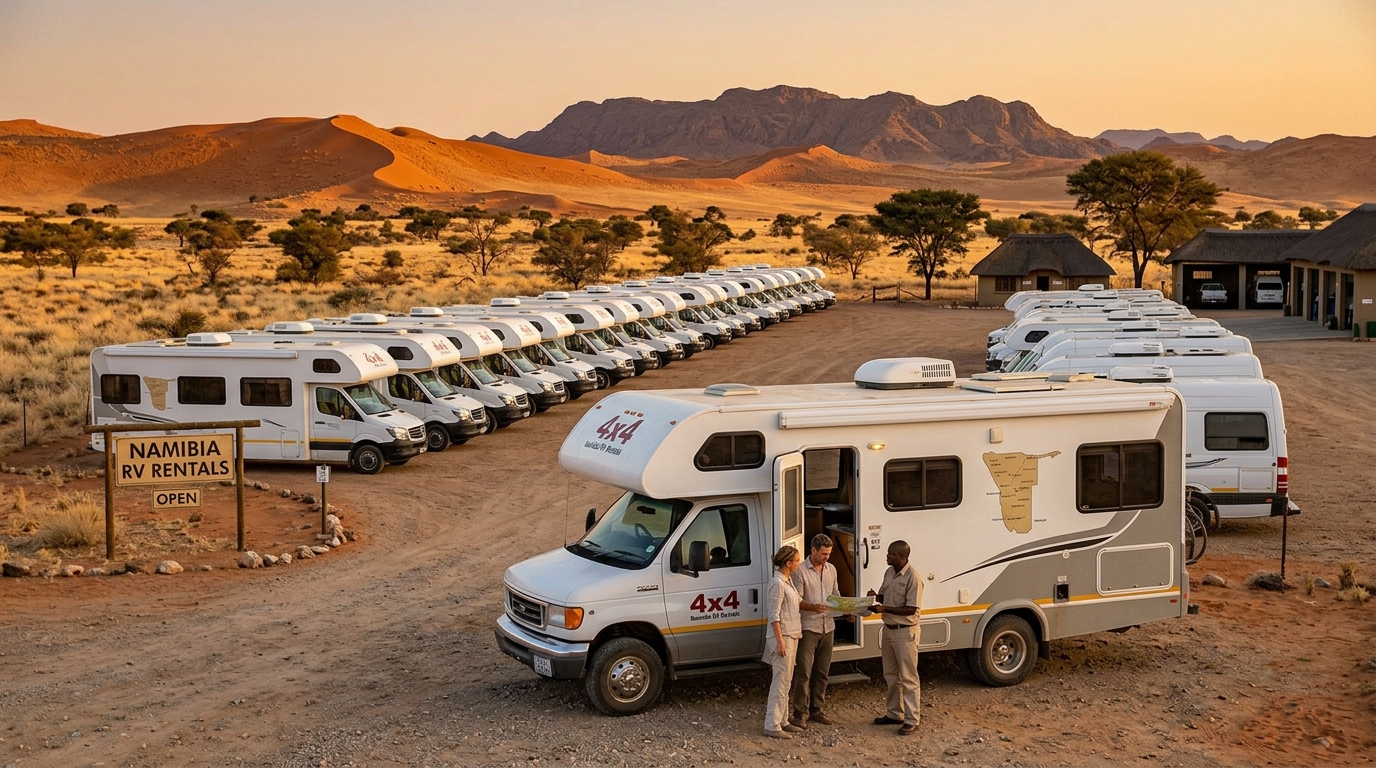
Imagine yourself and your partner driving through endless, awe-inspiring landscapes, where the vastness of nature creates a backdrop for unforgettable moments. An RV rental for couples in Namibia offers exactly this romantic adventure - a blend of freedom, intimacy, and raw natural beauty. For live availability and current prices, start with our RV Rental Namibia - Complete Guide 2026 guide. We are true RV specialists, dedicated to making your journey seamless, from comparing options across 50+ leading RV suppliers like Apollo and Britz to ensuring full transparency with no hidden fees.
Best Namibia RV Itinerary for RV Rental for Couples - Overview
A self-drive RV adventure in Namibia for couples typically covers iconic landscapes like Sossusvlei, Swakopmund, and Etosha National Park, requiring a minimum of 7 days, though 14 days is ideal for a more relaxed pace. The total distance can range from 1,500 km to over 3,000 km, depending on the itinerary's depth and desire for exploration. The dry season, from May to October, is widely considered the best time for wildlife viewing and favorable road conditions in Namibia. This itinerary focuses on a harmonious blend of iconic natural wonders, charming coastal towns, and thrilling wildlife experiences, perfect for couples seeking both adventure and self-sufficiency in their rented motorhome.
7-Day Classic Route in Namibia
For couples embarking on a week-long RV journey in Namibia, this classic route provides an immersive introduction to the country's diverse beauty.
- Day 1: Windhoek → Sesriem (300 km) - Begin your adventure by heading south from the capital to Sesriem, the gateway to Sossusvlei's towering dunes. This scenic drive showcases Namibia's changing landscapes, offering your first taste of the desert. Sleep comfortably at Sesriem Campsite.
- Day 2: Sesriem & Sossusvlei area (day trip < 100 km) - Rise early to explore the iconic red dunes of Dune 45, Big Daddy, and the stark, ancient beauty of Deadvlei. Witnessing a sunrise over these magnificent dunes is a highlight that couples often cherish. Return to Sesriem Campsite.
- Day 3: Sesriem → Swakopmund (350 km) - Drive west across the vast Namib Desert to the Atlantic coast, experiencing the dramatic transition from desert to ocean. Swakopmund, a charming coastal town, awaits. Set up your rented camper at Swakopmund Caravan Park.
- Day 4: Swakopmund (rest day / activities < 50 km) - Enjoy a leisurely day in Swakopmund, exploring its unique German colonial architecture. You can opt for thrilling activities like quad biking in the dunes, a romantic dolphin cruise in Walvis Bay, or simply relaxing by the ocean. Spend another night at Swakopmund Caravan Park.
- Day 5: Swakopmund → Spitzkoppe (150 km) - Head inland to the 'Matterhorn of Namibia,' Spitzkoppe, a stunning granite inselberg. This area is known for its ancient rock art and unique rock formations, perfect for hiking and photography. Spend the night at Spitzkoppe Campsite.
- Day 6: Spitzkoppe → Omaruru/Otjiwarongo (150-200 km) - Transition towards Namibia's wildlife heartland. Enjoy the rural Namibian landscapes on your drive. Find a local guesthouse or designated campsite for the night.
- Day 7: Omaruru/Otjiwarongo → Windhoek (250-300 km) - Conclude your memorable journey back in the capital, Windhoek, ready to drop off your RV rental. Reflect on the incredible adventures and shared memories of your Namibian experience.
14-Day Extended Journey in Namibia
For couples desiring a more in-depth exploration, this two-week RV itinerary in Namibia offers a comprehensive experience of its diverse landscapes and rich culture.
- Days 1-2: Windhoek → Sesriem (600 km) - Travel to Sossusvlei over two days, allowing for a relaxed pace and a stop in Mariental or Maltahöhe. This offers your first taste of Namibia's expansive desert vastness. Settle into Sesriem Campsite.
- Day 3: Sossusvlei Exploration (<100 km) - Dedicate a full day to exploring Dune 45, Deadvlei, and Sesriem Canyon. These are truly unforgettable desert photography opportunities. Spend another night at Sesriem Campsite.
- Days 4-5: Sesriem → Aus → Luderitz (approx. 500 km) - Journey south to Aus, famous for its wild horses, before continuing to the coastal town of Luderitz and the haunting ghost town of Kolmanskop. Discover diamond mining history and stark coastal scenery. Camp in Aus or Luderitz.
- Day 6: Luderitz & Kolmanskop (<50 km) - Immerse yourselves in Luderitz's unique German colonial architecture and the atmospheric beauty of Kolmanskop. This ghost town experience is a captivating step back in time. Overnight in Luderitz.
- Day 7: Luderitz → Fish River Canyon (approx. 400 km) - Drive to the Fish River Canyon, the second-largest canyon in the world. The grand vistas of the canyon are truly spectacular. Stay at Ai-Ais Hot Springs or Hobas Campsite.
- Day 8: Fish River Canyon → Swakopmund (approx. 700 km, long drive with potential stopover) - This is a longer travel day, traversing from canyon to coast. Consider breaking it up with a stop in Keetmanshoop to see the Quiver Tree Forest. Arrive at Swakopmund Caravan Park.
- Days 9-10: Swakopmund & Walvis Bay (day trips <100 km) - Enjoy two days exploring these vibrant coastal towns. Take a marine cruise in Walvis Bay for dolphin and seal sightings, or indulge in desert activities. These ocean adventures provide a refreshing contrast. Stay at Swakopmund Caravan Park.
- Days 11-12: Swakopmund → Damaraland (Twyfelfontein) → Etosha National Park (Anderson Gate) (approx. 500 km) - Drive north, pausing at Twyfelfontein, a UNESCO World Heritage site, for ancient rock art before reaching the entrance of Etosha National Park. This section offers prehistoric art and your first game drive. Overnight in Etosha (Okaukuejo Rest Camp or similar).
- Day 13: Etosha National Park (game drives <150 km) - Dedicate a full day to exceptional wildlife viewing around Etosha's numerous waterholes. Spot diverse African wildlife in their natural habitat. Stay at another Etosha camp like Halali or Namutoni Rest Camp.
- Day 14: Etosha → Windhoek (approx. 400 km) - Return to Windhoek, concluding your comprehensive Namibian RV adventure. This journey will leave you with a lifetime of cherished memories.
Recommended RVPlan Trip for Namibia
While specific RVPlan trip data for Namibia wasn't provided, we highly recommend exploring the extensive range of meticulously crafted itineraries available on RV PLANET (rvplan.net). These pre-planned routes are designed by travel experts to maximize your adventure, handle complex booking logistics, and provide full access to comprehensive trip-planning software. By utilizing RV PLANET routes, you can itemize and track every expense along the way, making budgeting for your Namibian RV holiday incredibly easy. Planning your journey through RV PLANET also rewards you with a 25% planning discount, a fantastic incentive for preparing your adventure in advance. On the routes offered through RV PLANET routes, you can itemize and track every expense along the way for easy budgeting.
Must-See Stops Along the Way (Avi Bandana Picks)
As a seasoned RV traveler, I've had the privilege of exploring Namibia extensively. Here are my top 5 adventures - recommendations from Avi Bandana - for couples to truly experience the magic of this country with a rented motorhome:
- Sossusvlei & Deadvlei: A quintessential visit. These iconic red dunes and ancient white clay pans offer breathtaking photographic opportunities, especially at sunrise and sunset. The silence and vastness here are truly humbling.
- Swakopmund: This charming coastal town, a traditional stop, beautifully blends German colonial architecture with modern amenities. It's the perfect place to enjoy traditional dining experiences featuring fresh Atlantic seafood after a long drive.
- Spitzkoppe: Known as the 'Matterhorn of Namibia,' this stunning granite inselberg is a unique traditional visit for nature lovers. It's ideal for wild camping (where permitted), hiking, and discovering ancient San rock art, especially mesmerizing under the world's darkest skies.
- Etosha National Park Waterholes: These are essential traditional visits for unparalleled wildlife viewing. During the dry season, animals like elephants, rhinos, and big cats congregate around these natural and artificial water sources, offering incredible photographic moments directly from your rented RV.
- Twyfelfontein: A UNESCO World Heritage site, Twyfelfontein is a key traditional visit for cultural immersion, showcasing one of Africa's largest concentrations of ancient rock engravings and art. It's a profound connection to Namibia's past.
Daily Driving Distances & Drive Times in Namibia
When RVing in Namibia, Avi Bandana recommends a maximum of 100 miles or 150 km per day on average. This hard rule ensures a relaxed journey, allowing ample time for exploration, spontaneous stops, and truly absorbing the vast, ever-changing landscapes without feeling rushed. It's about embracing the slow travel ethos and enjoying the journey as much as the destination itself, rather than rushing through. For instance, the drive from Windhoek to Sesriem, approximately 300 km, typically takes 4-5 hours of actual driving. A shorter leg, like Swakopmund to Spitzkoppe (approx. 150 km), is a more manageable 2-3 hour drive, leaving plenty of time for exploration. Even within Etosha National Park, driving from Anderson Gate to Okaukuejo Rest Camp (approx. 17 km) can take 30 minutes to an hour due to the slow speeds necessary for game viewing. Remember, it's a marathon, not a sprint, especially with a rented motorhome.
Best RV Class for This Itinerary - Couple & Family Picks
Choosing the right RV for your romantic Namibian adventure is crucial, and Bandana Caravan offers specialized insight. For couples, a Class B - Camper Van is an ideal choice for two adventurers in Namibia. Its agility and compact size, with Bandana's global fleet average length at 5.8 meters, make it easy to maneuver on diverse roads, from gravel tracks to coastal routes. These campervans still provide comfortable sleeping for an average of 2.7 adults. With common fuel consumption averaging 8-10 liters/100 km, it's an economical option for covering long distances across the Namibian landscape.
Alternatively, for small families or couples desiring a bit more space, a Class SI - Semi-integrated RV offers a great balance of comfort and maneuverability. Bandana's global fleet average for Class SI vehicles indicates they accommodate 3.4 adults and are about 6.9 meters long, providing more living space, a larger kitchen, and ample storage without being overly cumbersome for Namibia's roads. These typically consume 10-11 liters/100 km. To simplify your entire adventure, Bandana also offers its 'Rent&Plan' service, combining your RV rental with a ready-made itinerary crafted by travel experts, providing full access to trip-planning software and removing planning headaches. We handle the details, you live the journey.
How much does it cost to rent an RV in Namibia?
The cost to rent an RV in Namibia typically ranges from €100 to €300 per day, depending on the RV class, rental duration, season, and specific inclusions like a 4x4 drive capability. Rental vehicle costs fluctuate significantly; smaller 2WD camper vans like a "Category Van" or "Duo" are usually at the lower end, while larger, more robust 4x4 truck campers such as a "4x4 Truck Camper Gold" can be at the higher end. Fuel consumption is a significant factor in total trip cost; Bandana's global fleet averages indicate RVs consume between 10-17 liters/100 km, and fuel prices in Namibia can be higher in remote areas. Designated RV campsites in national parks or private reserves typically cost €20-€50 per night, often with additional fees for electricity or water hookups. National park entry fees should also be budgeted, for example, Etosha National Park fees are approximately N$80 per person per day and N$10 per vehicle per day for SADC residents, with higher rates for international visitors. Comprehensive insurance with an appropriate excess is crucial and adds to the overall cost, typically offered in tiers of coverage, and you can upgrade to a top-level deductible for extra peace of mind. Remember to factor in additional costs for water resupply, waste dump services (if applicable), specific recovery gear rental (e.g., satellite phone, air compressor), and any optional add-ons like extra gas cylinders or camping equipment. Prices are dynamic and change daily based on availability, seasonality, and supplier marketing decisions, with the final price set at the actual booking time. For managing these ancillary costs, remember that RV PLANET routes allow travelers to itemize and track every expense along the way for easy budgeting.
Is Namibia RV friendly?
Namibia is generally RV-friendly, offering vast open spaces and numerous designated campsites, but it absolutely requires specific preparation for its unique road conditions, remote areas, and the necessity for self-sufficient travel. The country's road network, while extensive, features many well-maintained gravel roads, such as the popular C14 and C19 routes. However, travelers should be prepared for corrugated, sandy, or less-maintained secondary roads, where greater ground clearance might be advantageous for broader exploration. Infrastructure for RVs is widespread, particularly within national parks and private reserves, offering essential facilities like water points, ablution blocks, and sometimes electricity, though services can be basic in very remote regions. Due to limited mobile network coverage outside major towns, reliable offline navigation solutions such as Maps.Me or Tracks4Africa are indispensable for planning and staying on course. When it comes to vehicle suitability, RVs specifically modified for robust conditions, featuring puncture-resistant tires, extended fuel and water tanks, and adequate ground clearance, are highly recommended for optimal travel and true peace of mind on Namibia's diverse terrain. Drive slowly and carefully, and you can drive almost anywhere without issues. No need to stress - just use common sense and pay attention.
What is the best time of year to RV in Namibia?
The best time of year to RV in Namibia for couples is during the dry season, from May to October, which offers comfortable temperatures, minimal rainfall, and exceptional wildlife viewing opportunities as animals congregate around dwindling water sources. This period is characterized by clear, sunny skies and moderate daytime temperatures, creating ideal conditions for exploring Sossusvlei's dunes and Etosha National Park. Roads are generally in better condition during the dry season, making RV navigation easier, and there's a lower risk of malaria. Shoulder seasons, including April and November, also offer pleasant weather with potentially fewer tourists than the peak dry season, and you might find slightly lower prices for RV rentals and campsites, though there might be some isolated rainfall. The wet season, from December to March, is marked by higher temperatures and occasional heavy thunderstorms that transform the landscape into lush green. While beautiful for birdwatching and photography, some roads can become impassable, and wildlife is more dispersed, making viewing more challenging for a rented motorhome.
What do you need to know before driving in Namibia?
Before driving an RV in Namibia, it is crucial to understand the country's unique road conditions, prioritize comprehensive vehicle preparation, carry essential emergency and communication gear, manage remote camping logistics, and observe cultural and wildlife safety protocols to ensure a safe and enjoyable journey. Firstly, detailed RV-specific vehicle preparation and maintenance are paramount; ensure your rented RV has robust, puncture-resistant tires (and at least two spares), essential recovery gear (e.g., shovel, air compressor, tow strap), and extended fuel/water tanks for long distances between towns. A solar power setup is highly beneficial for off-grid camping. Always perform thorough pre-trip inspections including fluid levels, brakes, and tire pressure.
Navigating Namibia's unique road network from an RV perspective means expecting well-maintained gravel roads on main routes, but also corrugated and sandy tracks. Drive cautiously, respecting speed limits which are often lower for gravel roads (typically 80 km/h for RVs). Utilize reliable offline navigation tools like Tracks4Africa, as GPS and mobile signals are intermittent, especially in remote regions. Remote RV camping logistics and rules demand strict adherence to designated campsites within national parks and reserves, as 'freedom camping' is generally prohibited. Book popular sites like those in Etosha and Sossusvlei well in advance to avoid disappointment. Plan water resupply strategies and responsibly manage waste by packing out everything you pack in. For cooking on the go, check out our RV-friendly recipes playlist for delicious and easy meal ideas.
Emergency preparedness and communication for RVers are vital; carry essential communication tools such as a satellite phone or emergency beacon for areas without cell service. A comprehensive first-aid kit tailored for extended, self-sufficient travel is indispensable. Consider specialized medical evacuation insurance, as breakdowns in remote areas can be challenging and costly. Cultural sensitivity and wildlife encounters for RV campers involve showing respect when interacting with local communities; always ask permission before taking photographs. Secure all food and waste in your RV to avoid attracting wildlife (e.g., hyenas). Maintain a safe distance from wild animals, stay inside your vehicle in national parks, and avoid feeding any animals. Finally, specific health and wellness for extended RV trips means hydration is paramount in Namibia's arid climate; carry ample water. Use high SPF sunscreen, hats, and sunglasses for sun protection. Apply insect repellent, particularly in marshier areas or during evenings, and ensure a well-stocked medical kit includes personal medications and any recommended vaccinations or prophylactics (e.g., anti-malarials for certain regions).
🎬 Video coming soon
Do you need a 4x4 for Namibia?
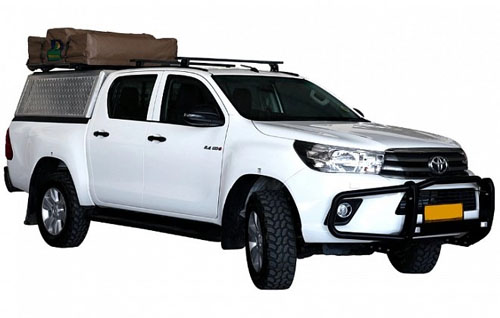
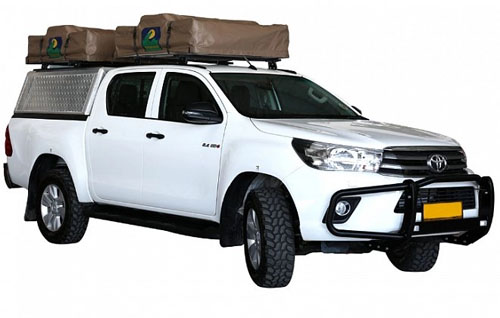
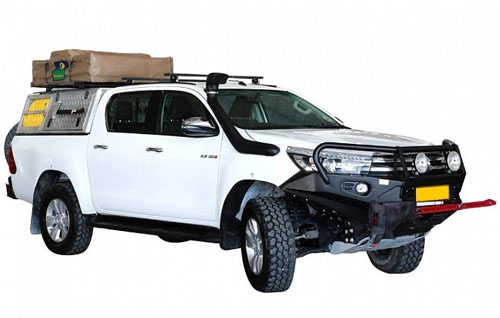
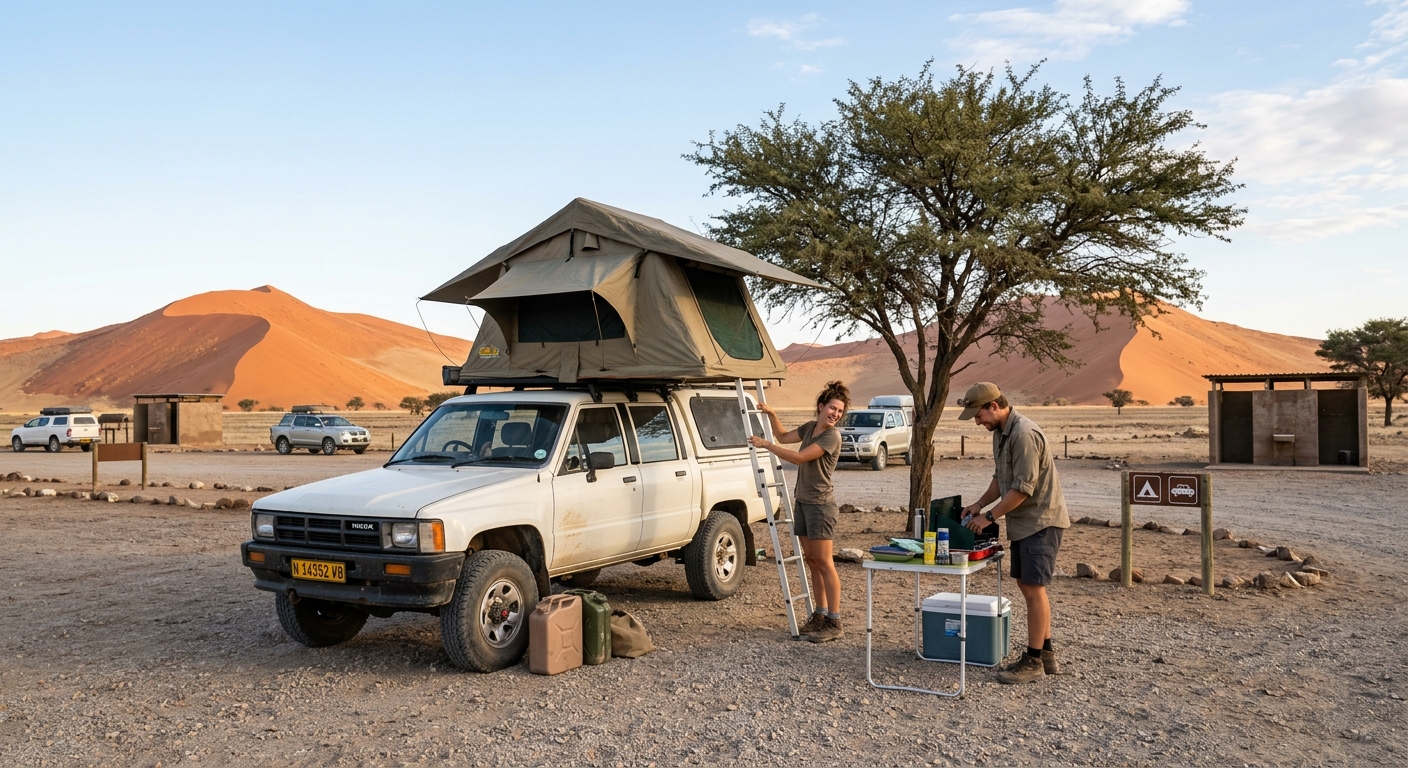
While a 4x4 vehicle is not strictly necessary for all main tourist routes in Namibia, it is highly recommended for RV renters seeking to explore more remote areas, traverse challenging gravel and sand tracks, and enhance overall safety and comfort. Popular destinations such as Sossusvlei (up to the 2x4 parking area), Swakopmund, and the main roads within Etosha National Park can often be accessed by 2WD vehicles on relatively well-maintained gravel roads. However, a 4x4 RV, such as a 4x4 truck camper ("Patagonia Camper 4x4 double cab" or "2 Person 4WD Camper"), provides the necessary capability to navigate rougher terrain, deep sand tracks (e.g., the final stretch into Deadvlei), and less-traveled routes in regions like Damaraland or the Kaokoveld. A 4x4 offers superior ground clearance, improved traction on slippery or loose surfaces, and increased durability, significantly reducing the risk of getting stuck or causing damage to the vehicle on corrugated or poorly maintained roads. Some RV rental companies in Namibia specialize in offering 4x4 campers or truck campers, which combine the convenience of a rented RV with the robust off-road capabilities essential for a truly adventurous Namibian experience.
What You Shouldn't Miss
- Sunrise over Dune 45: Wake up early and hike up the iconic Dune 45 in Sossusvlei for an unforgettable panoramic view as the desert awakens in hues of red and orange.
- Wildlife Safari in Etosha National Park: Spend days driving your rented motorhome between waterholes in Etosha, observing diverse wildlife including elephants, lions, rhinos, and giraffes in their natural habitat.
- Coastal Charms of Swakopmund: Explore the unique German colonial architecture, enjoy fresh seafood, and try adventure activities like quad biking or sandboarding in the dunes outside Swakopmund.
- Stargazing at Spitzkoppe: Experience some of the world's darkest night skies from a campsite at Spitzkoppe, where the massive granite inselberg creates a dramatic silhouette against the Milky Way.
- Ancient Rock Engravings at Twyfelfontein: Discover the UNESCO World Heritage site of Twyfelfontein, home to thousands of ancient rock engravings, offering a fascinating glimpse into San bushman culture.
Looking for expert insights from Avi Bandana? Top 5 Adventures - recommendations from Avi Bandana
Final Thoughts
Embarking on a romantic RV trip through Namibia is more than just a holiday; it's an intimate journey of discovery, connecting with both nature and each other. The freedom of a rented motorhome allows you to wake up to a new, breathtaking vista every morning, share meals under starry desert skies, and create memories that will last a lifetime. Whether you choose a nimble campervan or a more spacious Class C motorhome, Bandana Caravan is here to ensure your planning is straightforward and your adventure limitless.
We're passionate about RV travel, and our goal is to empower you to explore Namibia confidently. From transparent pricing to dedicated support, we're with you every step of the way, helping you unlock the magic of this incredible destination. So, pack your bags, set your compass, and get ready for the ultimate romantic road trip.
Discover top destinations, planning tips, all in one place! Plan a trip itinerary in advance with minimal effort and maximum enjoyment. Find your perfect RV rental for couples in Namibia today!