In This Guide
- Best Iceland RV Itinerary for rv rental for couples — Overview
- 7-Day Classic Route in Iceland
- 14-Day Extended Journey in Iceland
- Recommended RVPlan Trip for Iceland
- Must-See Stops Along the Way (Avi Bandana Picks)
- Daily Driving Distances & Drive Times in Iceland
- Best RV Class for This Itinerary — Couple & Family Picks
- How much does an RV rental for 7 days in Iceland cost
- How much does it cost to rent an RV in Iceland
- Is it cheaper to rent a car or RV in Iceland
- What is the best time to rent an RV in Iceland
- Do you need a 4x4 camper in Iceland
- Can you take a campervan on F-roads in Iceland
- How many days do you need for an RV in Iceland
- Is it worth renting a campervan in Iceland
- Where can you park an RV in Iceland
- Can you wild camp in Iceland in an RV
- What are the rules for camping in Iceland
- Can you sleep in your car in Iceland
- Is it easy to drive an RV in Iceland
- Do you need a special license to drive an RV in Iceland
- Is it safe to RV in Iceland
Best Iceland RV Itinerary for rv rental for couples — Overview
An RV rental for couples in Iceland typically involves exploring the Ring Road, with recommended durations starting from a minimum of 7 days up to 14 days or more to fully experience its diverse landscapes. A comprehensive 14-day Ring Road itinerary covers approximately 2000-2500 km, averaging 150 km per day for a relaxed pace, allowing ample time for spontaneous stops and soaking in the breathtaking scenery. For live availability and current prices, start with our RV Rental Iceland - Complete Guide 2026 guide. The best season for couples RVing is generally summer (June-August) for optimal weather and full road accessibility, while shoulder seasons (May, September, October) offer fewer crowds and opportunities for aurora viewing.
This article provides detailed itineraries, cost insights, and essential tips for a memorable couples' RV adventure in Iceland, ensuring a romantic and unforgettable journey.
7-Day Classic Route in Iceland
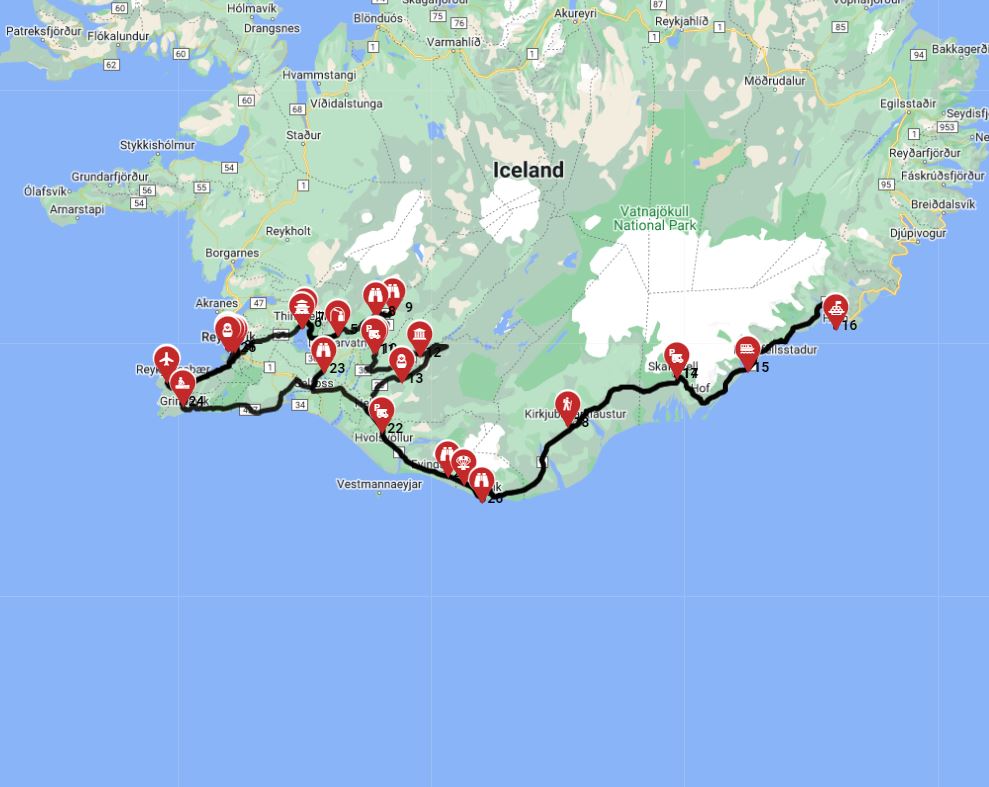
A 7-day RV itinerary for couples in Iceland typically focuses on the popular South Coast and Golden Circle, allowing a balanced pace with daily driving distances kept around 100-150 km to maximize sightseeing and relaxation. This route offers a concentrated taste of Iceland's iconic natural wonders.
- Day 1: Arrive Keflavik (KEF), pick up your rented RV, visit the Blue Lagoon for a relaxing start, and then explore Reykjavik. Sleep: Reykjavik Campsite. (approx. 50 km)
- Day 2: Explore the Golden Circle's wonders: Thingvellir National Park (a UNESCO World Heritage site), the Geysir geothermal area, and the magnificent Gullfoss waterfall. Sleep: Camping Hella. (approx. 150 km)
- Day 3: Journey along the South Coast, marveling at Seljalandsfoss (walk behind the waterfall!) and Skogafoss waterfalls, the dramatic Reynisfjara black sand beach, and the coastal views from Dyrhólaey arch. Sleep: Vik Campsite. (approx. 100 km)
- Day 4: Traverse the Eldhraun lava field, a vast expanse of moss-covered lava, visit the stunning Fjaðrárgljúfur Canyon, and begin your drive towards Skaftafell National Park. Sleep: Skaftafell Camping. (approx. 150 km)
- Day 5: Be mesmerized by the Jökulsárlón Glacier Lagoon, where icebergs calve from a glacier and drift out to sea, and visit the adjacent Diamond Beach. Afterward, begin your scenic drive back west. Sleep: Kirkjubæjarklaustur Campsite. (approx. 100 km)
- Day 6: Enjoy a leisurely drive back towards Reykjavik, with opportunities to explore the Reykjanes Peninsula's unique geothermal landscapes, including the Bridge Between Continents and the Seltún geothermal area. Sleep: Grindavik Campsite or Reykjavik. (approx. 150 km)
- Day 7: Return your rented RV to Keflavik Airport, filled with memories of Iceland's magic. (approx. 50 km)
14-Day Extended Journey in Iceland
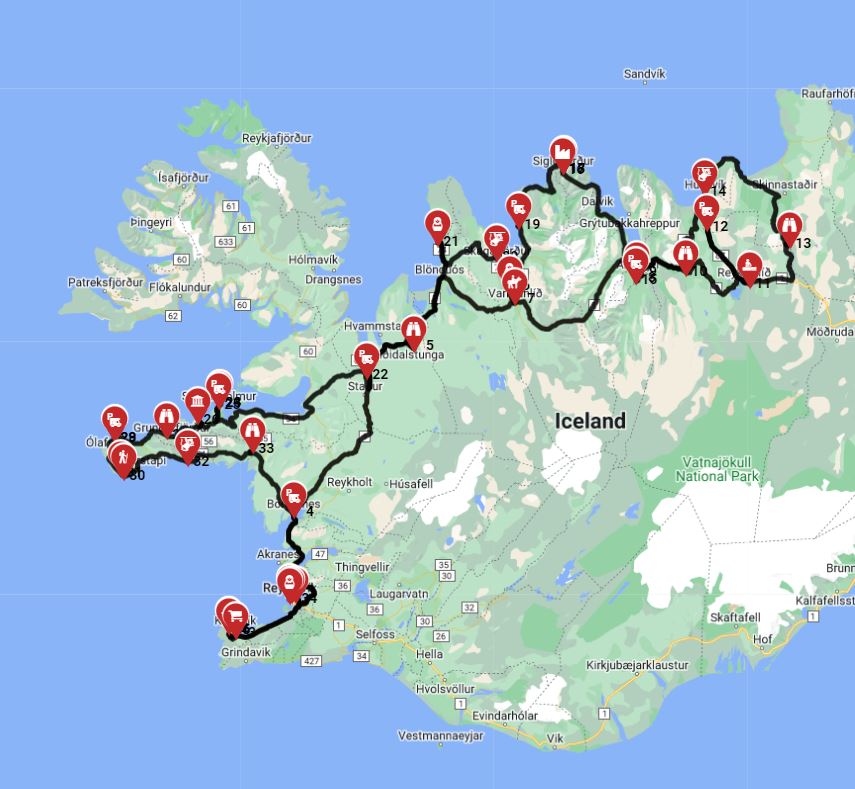
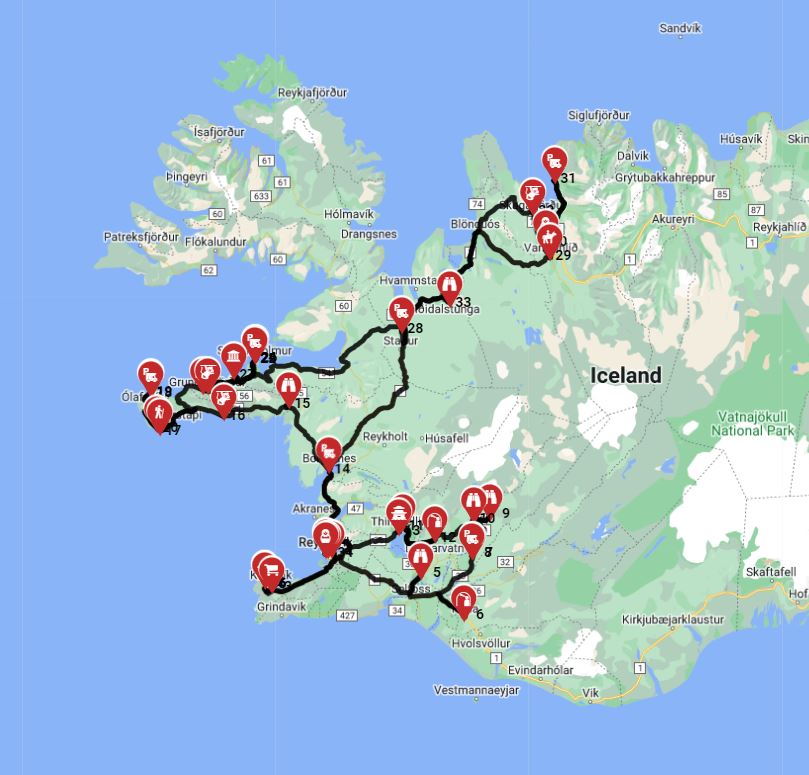
An extended 14-day RV journey for couples in Iceland allows for a comprehensive exploration of the entire Ring Road, including detours into the dramatic East Fjords, the captivating North Iceland, and the picturesque Snaefellsnes Peninsula, maintaining an average daily drive of around 150 km for a truly immersive experience.
- Days 1-5: Follow the 7-day route, reaching Jökulsárlón and Skaftafell, with an overnight stay in Kirkjubæjarklaustur, savoring the highlights of South Iceland.
- Days 6-7 (East Fjords): Drive through the dramatic East Fjords, stopping at charming fishing villages like Djúpivogur and Seyðisfjörður, known for its artistic community and stunning fjord setting. Sleep: Egilsstaðir or local campsites. (approx. 300 km over two days)
- Days 8-9 (North Iceland - Lake Mývatn): Explore the geothermal wonders of the Lake Mývatn area, including the unique lava formations of Dimmuborgir, the bubbling mud pools of Hverir, and the relaxing Mývatn Nature Baths. Don't miss the powerful Dettifoss waterfall, Europe's most powerful. Sleep: Mývatn Campsite. (approx. 200 km over two days)
- Days 10-11 (North Iceland - Akureyri & Tröllaskagi): Visit Akureyri, often called 'The Capital of the North,' and explore the scenic Tröllaskagi Peninsula, with its charming fishing towns and dramatic coastal drives. Sleep: Akureyri Campsite. (approx. 200 km over two days)
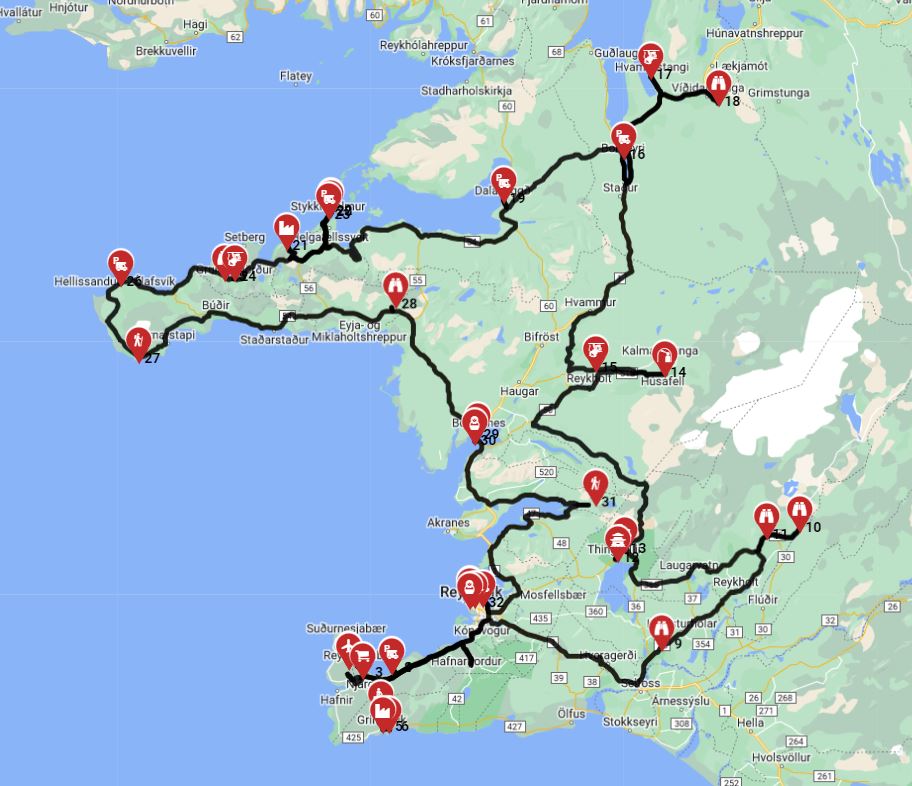
- Days 12-13 (West Iceland - Snaefellsnes Peninsula): Discover the 'Miniature Iceland' of the Snaefellsnes Peninsula, often called Iceland in a nutshell, featuring the iconic Kirkjufell mountain, dramatic black sand beaches, charming villages, and the majestic Snaefellsjökull glacier. Sleep: Hellnar or Stykkishólmur Campsite. (approx. 300 km over two days)
- Day 14: Return to Reykjavik, exploring any missed spots or enjoying the vibrant city's charm and culinary scene. Sleep: Reykjavik Campsite. (approx. 150 km)
- Day 15: Return your RV to Keflavik Airport, reflecting on an incredible Icelandic adventure. (approx. 50 km)
Recommended RVPlan Trip for Iceland
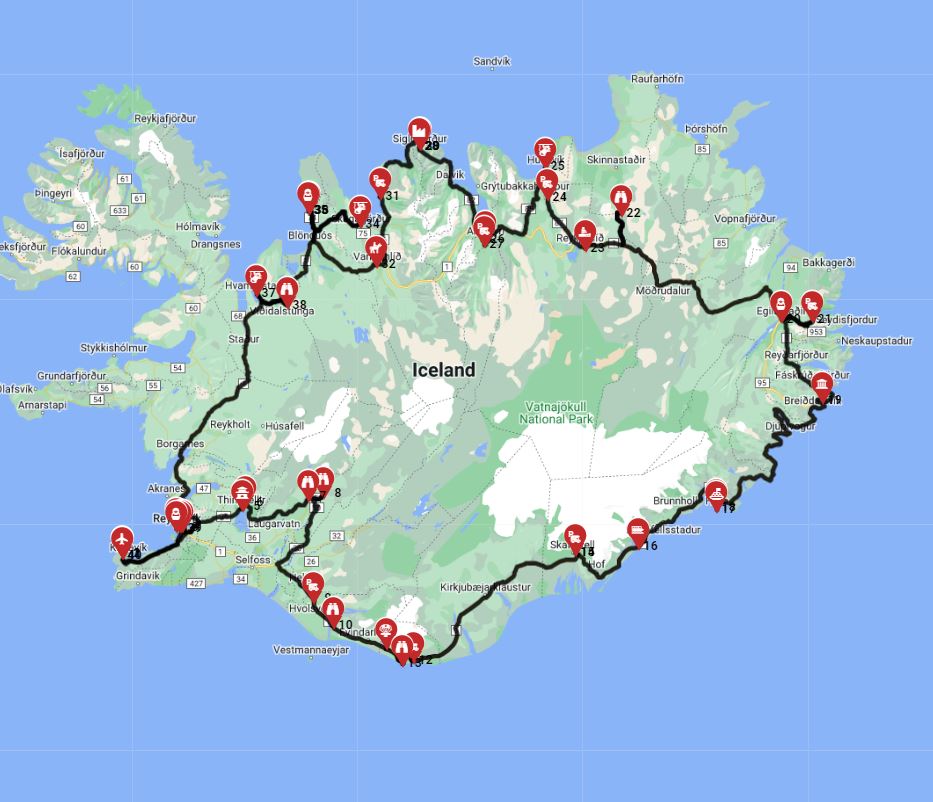
For couples seeking a pre-planned and expertly designed itinerary that removes the planning headache, Bandana recommends the '
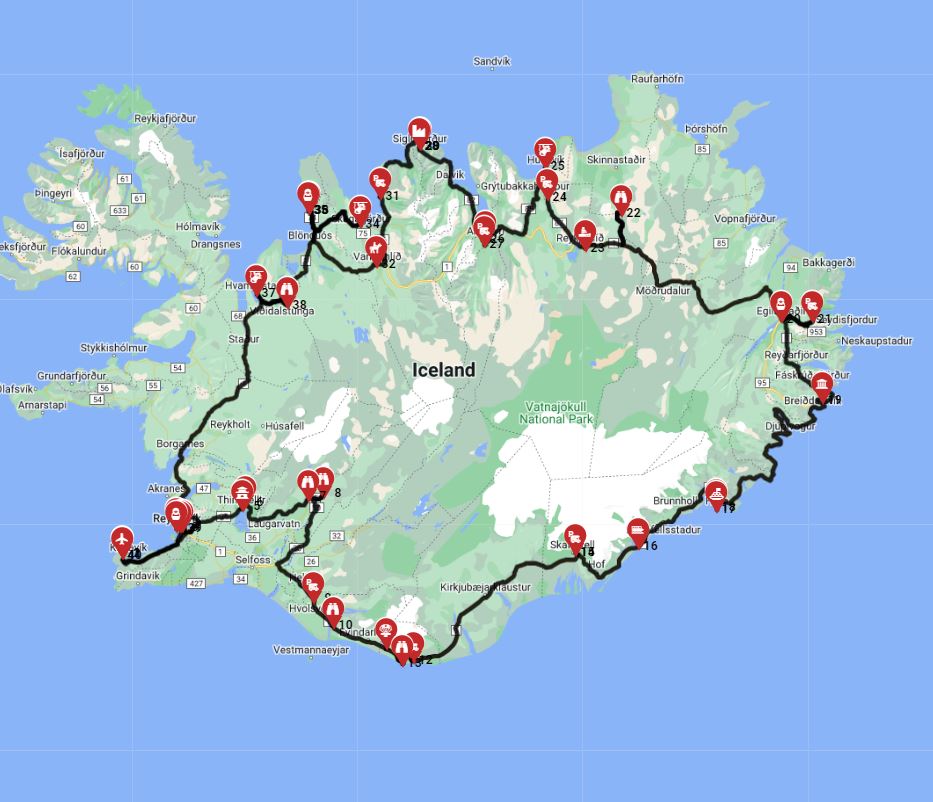
This meticulously crafted itinerary is complemented by visual guidance, showcasing the beauty and diversity of Iceland. You can explore this pre-built itinerary and more at: rent-motorhome.com/Motorhome-trip-in-Iceland---Full-ring-road-route.
Must-See Stops Along the Way (Avi Bandana Picks)
Avi Bandana's personal picks for couples exploring Iceland include unique cultural and local experiences to enrich your RV journey, moving beyond just popular landmarks and focusing on authentic engagement. These recommendations add a personal touch and deeper connection to the Icelandic way of life.
- Explore Historic Thingvellir National Park: As a key Traditional Visit, Thingvellir offers deep historical and geological significance, allowing couples to walk between tectonic plates and discover the site of Iceland's ancient parliament, the Alþingi.
- Experience Local Industry: Seek out opportunities to visit a Local Industry, such as a local fishing village like Djúpivogur in the East Fjords, or a traditional woolen mill, to understand Iceland's heritage and craftsmanship firsthand.
- Savor Traditional Icelandic Cuisine: Indulge in a Traditional Restaurant / Fine Dining experience, perhaps trying local lamb, fresh seafood, or unique dishes like plokkfiskur (fish stew), offering a taste of the island's culinary traditions beyond self-cooked meals.
Daily Driving Distances & Drive Times in Iceland
Avi Bandana recommends a maximum of 100 miles or 150 km per day on average when RVing in Iceland to allow ample time for exploration and relaxation, rather than rushing between destinations. This slow travel approach ensures you can truly connect with the stunning Icelandic scenery.
Traveling slowly ensures you can enjoy unexpected stops, hikes, and the incredible Icelandic landscapes without feeling rushed. It transforms the journey into an experience, not just a transit.
Example drive-time estimates (excluding stops):
- Reykjavik to Vík: Approximately 180 km, typically 2.5 hours of pure driving, but plan for a full day with stops at waterfalls and beaches.
- Vík to Jökulsárlón Glacier Lagoon: Approximately 190 km, about 2.5-3 hours driving, requiring a full day for sightseeing and glacier lagoon activities.
- Akureyri to Lake Mývatn: Approximately 90 km, around 1.5 hours driving, allowing a half to full day to explore the Mývatn area's geothermal sites.
Best RV Class for This Itinerary — Couple & Family Picks
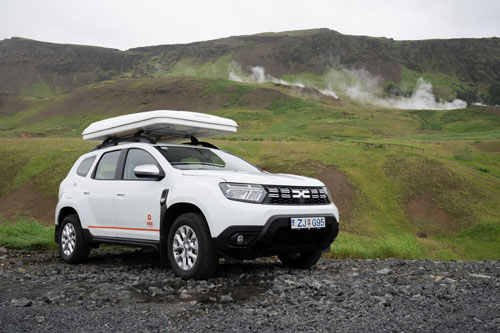
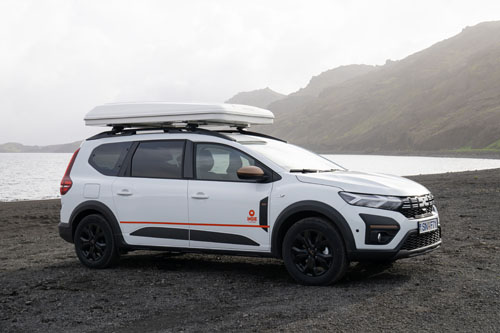
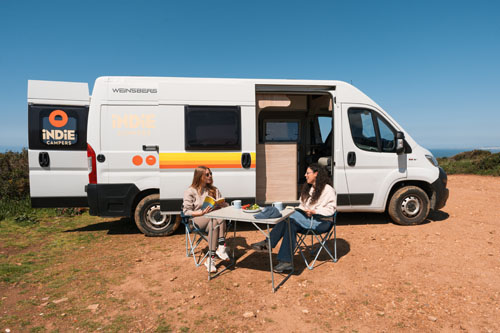
For couples seeking an RV rental in Iceland, the **Class B - Camper Van** is often the ideal choice. These vehicles offer agility and ease of driving on Iceland's sometimes narrow roads, along with comfortable amenities perfectly sized for two. Bandana's global fleet average for Class B Camper Van units shows them to be approximately 5.8 meters long, with an average of 3.2 sleeping places and accommodating 2.7 adults, making them perfectly sized for a couple. These vehicles typically have a load capacity of 37 kg and fuel consumption around 8-10 Liters/100 km, balancing comfort with practicality for nimble travel across Iceland's diverse terrain.
For couples traveling with family, the **Class SI - Semi-integrated** RV provides more space and amenities without being overly large, comfortably accommodating small families while maintaining a manageable driving experience. Bandana's global fleet average for Class SI - Semi-integrated units indicates they are approximately 6.9 meters long, offering an average of 3.8 sleeping places and accommodating 3.4 adults. These units provide a greater load capacity of 72.2 kg, suitable for extra gear, and maintain reasonable fuel consumption of 10-11 Liters/100 km.
To simplify your trip planning, Bandana's sister company, RV PLANET, offers a unique service combining your RV rental with a ready-made itinerary. This Rent & Plan service provides full access to expert-designed routes and trip-planning software, removing the stress of organizing every detail and allowing you to focus on enjoying your adventure.
How much does an RV rental for 7 days in Iceland cost
The cost of an RV rental for 7 days in Iceland typically ranges from $1,000 to $2,500 USD, varying significantly based on the season, RV class, rental company, and included amenities like insurance or mileage packages. Peak summer months (July-August) command the highest prices, while shoulder seasons (May, June, September) offer more budget-friendly options. Choosing a smaller Class B Camper Van, like those with Bandana's global fleet average length of 5.8m, will generally be more economical than larger models.
To save costs on your Iceland RV adventure, couples can utilize their RV's kitchen facilities to cook their own meals. Sourcing ingredients from local supermarkets like Bónus or Krónan is significantly cheaper than dining out in Iceland's often expensive restaurants. This not only saves money but also adds to the authentic RV travel experience. For ideas you can prep on the road, watch our RV-friendly recipes playlist on YouTube.
How much does it cost to rent an RV in Iceland
Renting an RV in Iceland can cost anywhere from $150 to $400+ per day, influenced by the time of year (peak summer being the most expensive), vehicle size, and the duration of your rental, with longer rentals often having a lower daily rate. Expect higher prices for 4x4 campervans, which are often required for F-roads or the more rugged highland regions, or for larger Class C Alcove models designed for families, which average 7.5m in length and can accommodate 4.4 adults.
Prices typically include basic insurance, but often exclude additional mileage packages, premium insurance, or extra equipment like chairs, tables, or Wi-Fi devices, which can add to the total cost. Booking several months in advance, especially for popular summer dates, can often secure better rates, so planning ahead is key to managing your budget effectively. On the routes offered through RV PLANET routes, you can itemize and track every expense along the way for easy budgeting.
Is it cheaper to rent a car or RV in Iceland
Renting an RV in Iceland can often be comparable to, or even cheaper than, renting a car plus paying for separate accommodation each night, especially for couples who value flexibility and the ability to cook their own meals. While an RV rental might have a higher upfront daily cost than a basic car, it combines vehicle and accommodation expenses into one, potentially offering significant savings over the course of a trip.
The ability to prepare your own food in an RV, rather than eating out in Iceland's expensive restaurants, dramatically reduces overall trip costs. Consider the total package: car rental + hotels + restaurants versus RV rental + campsites + groceries to determine the most cost-effective option for your travel style and preferences. Using RV PLANET routes can also help itemize and track these ancillary costs, aiding your budget planning.
What is the best time to rent an RV in Iceland
The best time to rent an RV in Iceland for couples largely depends on your travel priorities. Summer (June-August) offers the warmest weather and the longest daylight hours for maximum exploration, ideal for hiking and enjoying the vibrant green landscapes. However, this is also the peak season, meaning higher costs and more tourists.
Shoulder seasons (May, September, October) provide a balance with fewer crowds and potentially lower rental prices. May offers increasing daylight and blooming landscapes, while September and October bring stunning autumn colors and the first chances to see the mesmerizing aurora borealis. Be prepared for unpredictable weather during these months, and note that some F-roads may start closing.
Winter (November-April) is best for aurora viewing and experiencing dramatic, snow-covered landscapes. However, many roads are closed, driving conditions can be challenging due to ice, snow, and high winds, and daylight hours are significantly shorter. If you choose winter RV travel, advanced preparations, a flexible itinerary, and a robust 4x4 RV are crucial.
Do you need a 4x4 camper in Iceland
You typically only need a 4x4 camper in Iceland if you plan to drive on the designated F-roads into the highland regions. These F-roads are otherwise inaccessible to 2WD vehicles and require specific permits and careful navigation due to their challenging nature.
Most popular routes, including the entire Ring Road (Route 1) and major attractions like the Golden Circle and the South Coast, are perfectly accessible with a standard 2WD campervan, such as Bandana's Class B or SI models. These are generally more fuel-efficient and cost-effective for standard travel.
Can you take a campervan on F-roads in Iceland
Only specially equipped 4x4 campervans or motorhomes are permitted on Iceland's F-roads, which are challenging gravel mountain roads often requiring river crossings. Attempting these routes with a standard 2WD campervan is illegal, unsafe, and will void most rental insurance policies, making it imperative to choose your vehicle wisely if highland exploration is on your agenda.
It is crucial to verify with your rental company if your specific campervan model is authorized and insured for F-road travel before you even consider venturing onto these rugged paths. F-roads are subject to seasonal closures and can be perilous even with a 4x4 due to rapidly changing weather and river conditions, necessitating thorough preparation and adherence to safety protocols.
How many days do you need for an RV in Iceland
For an RV trip in Iceland, a minimum of 7 days is recommended to comfortably explore the South Coast and Golden Circle. This timeframe allows for a good introduction to Iceland's natural wonders without feeling overly rushed. If you aim for a more comprehensive experience, 10 to 14 days is ideal for tackling the entire Ring Road, enabling a more leisurely pace and deeper exploration of the diverse landscapes.
A 7-day trip is perfect for couples focusing on the iconic highlights of the southwestern region, offering sufficient time without feeling rushed. With 10 days, couples can complete the Ring Road while incorporating a few key detours, though it might require more consistent driving days. The optimal duration for a full Ring Road experience, providing ample time for hiking, exploring less-visited areas, and adapting to unpredictable weather, is generally considered to be 14-15 days, fostering a truly immersive travel experience.
Is it worth renting a campervan in Iceland
Renting a campervan in Iceland is highly worth it for couples seeking flexibility, adventure, and a close connection to nature. It offers the freedom to wake up to breathtaking landscapes, prepare your own meals, and change your itinerary spontaneously based on weather or newly discovered interests, all while potentially saving on accommodation costs.
The ability to adapt your travel plans on the fly is a significant advantage of campervan travel in a country with such dynamic weather. It fosters a unique, intimate travel experience, allowing couples to bond over shared adventures and incredible scenery. Furthermore, by utilizing designated campsites and adhering to 'leave no trace' principles, campervan travel can be a sustainable way to experience Iceland's fragile ecosystem, minimizing your environmental impact.
Where can you park an RV in Iceland
In Iceland, RVs and campervans must be parked overnight in designated campsites. Wild camping outside of registered campsites is largely illegal and strictly enforced to protect the country's fragile ecosystem and prevent overcrowding.
Iceland has a wide network of well-maintained campsites across the country, many offering essential amenities like electricity hook-ups, fresh water, waste disposal facilities, showers, and toilets. Apps like Park4Night or Tjalda.is can be invaluable tools for couples to locate nearby campsites, check their facilities, and confirm seasonal operating hours. Always choose an official campsite for overnight stays to comply with local regulations and support sustainable tourism practices.
Can you wild camp in Iceland in an RV
No, wild camping in an RV or campervan in Iceland is generally illegal, particularly outside of specially designated areas or private land with explicit owner permission. This strict regulation is in place to preserve the natural environment and prevent damage, littering, and overuse of Iceland's delicate landscapes.
A law passed in 2015 significantly restricted wild camping, especially for motorized vehicles, making it mandatory to use registered campsites for all overnight stays. Non-compliance can result in hefty fines. For a responsible and enjoyable trip, couples should plan their daily routes around designated campsites for all overnight parking, ensuring a smooth and legal Icelandic adventure.
What are the rules for camping in Iceland
The primary rule for camping in Iceland is to always use designated campsites, which are abundant and well-equipped, to comply with regulations aimed at protecting the natural landscape and ensuring responsible tourism. These campsites offer essential amenities and are crucial for a legal and sustainable RV journey.
Other essential rules include never littering (pack out everything you pack in), respecting private property, adhering to fire restrictions, and utilizing campsite facilities for waste disposal and ablutions. Be mindful of local etiquette by keeping noise levels down, especially in the evenings, and respecting the peaceful natural surroundings. Always stay on marked trails when hiking and avoid driving off-road to prevent damage to fragile vegetation, ensuring the pristine beauty of Iceland is preserved.
Can you sleep in your car in Iceland
Sleeping in your car in Iceland, if it is not an equipped campervan, falls under similar restrictions as wild camping. This means it is generally prohibited outside of designated campsites or without explicit landowner permission, to preserve the natural environment.
The legal distinction often lies in whether the vehicle is officially registered and equipped as a campervan (e.g., with sleeping and cooking facilities) or simply a passenger car. Even in a regular car, you cannot legally stop overnight and sleep by the roadside or in undesignated areas; proper campsites must be used for all overnight stays. For true freedom and legal overnight stays, an RV or purpose-built campervan is the only appropriate choice for exploring Iceland.
Is it easy to drive an RV in Iceland
Driving an RV in Iceland is generally manageable on the main Ring Road (Route 1), which is well-maintained. However, drivers should be prepared for varying weather conditions, potential gravel sections on secondary roads, and the impact of strong winds, which are common and can be powerful.
The Ring Road is mostly paved and in good condition, but secondary roads can be gravel, requiring slower speeds and careful driving. Strong winds are a significant factor, particularly in open areas, necessitating vigilance and a firm grip on the steering wheel, especially with taller RVs like Bandana's Class SI models (average 6.9m length). Always be aware of livestock (sheep) on roads, single-lane bridges (yield to traffic already on the bridge or the larger vehicle), and adhere to posted speed limits, which are generally lower than in many other countries.
Do you need a special license to drive an RV in Iceland
Most RVs and campervans available for rent in Iceland can be driven with a standard B-category driver's license (the common car license) from your home country, provided it is valid and you are at least 20 or 23 years old, depending on the rental company and vehicle size. For rentals from Bandana and most Icelandic companies, a valid driver's license held for at least one year is typically sufficient for vehicles up to 3,500 kg.
An International Driving Permit (IDP) is highly recommended, especially if your national license is not in English or does not include a photo, as it provides a translation and is often required by local authorities and rental agencies. Always check the specific requirements of your chosen rental company and vehicle class before booking to ensure full compliance and a hassle-free rental experience.
Is it safe to RV in Iceland
RVing in Iceland is generally safe, provided travelers are well-prepared for rapidly changing weather conditions, adhere to road and camping regulations, and exercise caution, especially when venturing into remote or highland areas. The country is well-equipped for tourism, but its unique environment requires respect and preparation.
- Advanced Safety: Always check road conditions at road.is and weather forecasts at vedur.is daily. Be aware that mobile phone signal can be sparse in remote regions; consider carrying a satellite phone or emergency beacon if exploring off-grid for added peace of mind.
- Emergency Preparedness: Carry extra food, water, and warm, waterproof clothing, especially outside of summer. Know Iceland's emergency number (112) and familiarize yourself with your RV's emergency equipment and procedures.
- Health & Wellness: Access pharmacies in larger towns for any health needs. Utilize natural hot springs safely, always checking water temperatures before entering. Stay hydrated and well-rested during extended travel to mitigate fatigue, ensuring you're alert on the roads.
- Packing List: A comprehensive packing list should include layered, waterproof, and windproof clothing, sturdy hiking boots, a first-aid kit, power banks for electronics, and specific gear for geothermal areas (e.g., swimwear, quick-dry towels).
What You Shouldn't Miss
- Witness the ethereal dance of the Northern Lights (Aurora Borealis) during the darker months (September to April).
- Experience the powerful cascades of Seljalandsfoss and Skógafoss waterfalls on the South Coast, and for the adventurous, walk behind Seljalandsfoss!
- Marvel at the otherworldly beauty of Jökulsárlón Glacier Lagoon and the adjacent Diamond Beach, where icebergs glitter on black sand.
- Explore the geological wonders of the Golden Circle, including Þingvellir National Park, the Geysir geothermal area, and Gullfoss waterfall.
- Walk between continents at Thingvellir National Park, a UNESCO World Heritage site of immense historical and geological importance.
- Discover the dramatic landscapes of the Snaefellsnes Peninsula, often called 'Iceland in Miniature', with its stunning coastline, volcanic formations, and the majestic Snæfellsjökull glacier.
Final Thoughts
Embarking on an RV adventure in Iceland as a couple is a magical experience, offering unparalleled freedom and intimacy amidst some of the world's most stunning natural beauty. From the dramatic coastlines to the ethereal Northern Lights, your rented RV becomes your cozy haven and mobile basecamp for exploration.
Remember to embrace the slow travel philosophy, savoring each moment and allowing the breathtaking landscapes to unfold at their own pace. With a little planning and the support of services like RV PLANET for route ideas and campsite discovery, your romantic Icelandic RV journey will undoubtedly be an unforgettable chapter in your shared story.
Get inspired for your next trip! Discover top destinations, planning tips, and create lasting memories.