7-Day Classic Route in Albania
This 7-day itinerary for couples in Albania focuses on a balanced mix of coastal beauty, historical sites, and cultural experiences, ensuring relaxed driving days. Traveling slowly, with a maximum of 100-150 km per day, allows you to truly savor Albania's charm.
Day 1: Tirana → Berat (Approx. 120 km / 75 miles) : Start in Albania's vibrant capital, pick up your RV, and head to Berat, the 'City of a Thousand Windows.' Explore its UNESCO-listed Ottoman architecture and Berat Castle. *Overnight: Designated camping near Berat.*
Day 2: Berat → Gjirokastër (Approx. 150 km / 93 miles) : Drive south to Gjirokastër, another UNESCO World Heritage site known for its unique stone architecture and imposing castle. Wander the cobbled streets and visit the Gjirokastër Museum. *Overnight: Local campsite or designated RV parking.*
Day 3: Gjirokastër → Blue Eye → Sarandë (Approx. 70 km / 43 miles) : A shorter drive to the coastal city of Sarandë, with a stop at the enchanting Blue Eye spring (Syri i Kaltër). Enjoy the Ionian Sea views in Sarandë. *Overnight: Beachfront campsite in Sarandë.*
Day 4: Sarandë → Butrint → Himarë (Approx. 60 km / 37 miles) : Explore the ancient city of Butrint, a UNESCO site, then take the scenic coastal road north towards Himarë, stopping at secluded beaches. *Overnight: Campsite in Himarë or near Dhërmi.*
Day 5: Himarë → Vlorë (Approx. 80 km / 50 miles) : Continue along the Albanian Riviera, enjoying panoramic views from Llogara Pass, before descending to Vlorë, a historic port city. *Overnight: Campsite near Vlorë or Orikum.*
Day 6: Vlorë → Apollonia → Durrës (Approx. 100 km / 62 miles) : Visit the ancient ruins of Apollonia, an impressive archaeological park, then head to Durrës, Albania's main port, with its Roman amphitheater and beaches. *Overnight: Campsite near Durrës.*
Day 7: Durrës → Tirana (Approx. 35 km / 22 miles) : A short drive back to Tirana for your RV return, allowing time for last-minute souvenir shopping or exploring any missed spots in the capital.
🎯 Fun Facts About Albania
The Land of Bunkers: Albania is dotted with over 750,000 concrete bunkers, built during the communist era. These unique, mushroom-shaped structures are ubiquitous, appearing on beaches, in mountains, and by roadsides, offering incredibly quirky photo opportunities and a constant reminder of Albania's unique history.A 'Blue Eye' for the Road Tripper: Syri i Kaltër, or 'The Blue Eye,' is a stunning natural spring near Sarandë where vibrant blue water bubbles up from a karst hole over 50 meters deep. It's an easily accessible roadside attraction, perfect for a refreshing dip or simply admiring its surreal beauty during an RV journey.Wild Camping is Culturally Accepted (with Respect): Unlike many European countries, wild camping in Albania is largely tolerated, especially in rural and mountainous regions, provided you are respectful, leave no trace, and avoid private land without permission. This cultural acceptance offers RVers unparalleled freedom to discover untouched landscapes.Roads of Enduring Mercedes-Benzes: Albania has a fascinating road culture where older Mercedes-Benz vehicles from the 80s and 90s are incredibly common and cherished for their durability, often driven with impressive skill on varied terrains. This can make finding a mechanic familiar with older vehicle models surprisingly easy if you're traveling in a vintage RV.The Canyons of Osumi – An RV-Accessible Grandeur: While often overlooked, Albania boasts spectacular natural wonders like the Osumi Canyons, often dubbed the 'Grand Canyon of Albania.' These dramatic canyons offer incredible hiking and rafting opportunities, and parts are accessible by RV, providing breathtaking views and unique camping spots along the canyon rim.
Must-See Stops Along the Way (Avi Bandana Picks)
Avi Bandana's personal picks for couples RVing through Albania focus on authentic experiences, from historical marvels to vibrant local markets and culinary delights. Travel slowly, max 100-150 km per day, to truly connect with the culture, food, and scenery.
Berat Castle (Traditional Visit): More than just a fortress, this inhabited castle offers a living history experience. Wander through its ancient streets, discover hidden churches, and enjoy panoramic views over the Osumi River.Gjirokastër Bazaar (Traditional Market): Immerse yourselves in the bustling atmosphere of Gjirokastër's Old Bazaar. This is the perfect place to find unique handcrafted souvenirs, local produce, and practice your bartering skills with friendly vendors.Traditional Albanian Farmhouse Meals (Traditional Restaurant): Seek out agritourism guesthouses or family-run restaurants in rural areas like around Berat or near the Riviera. Look for signage like 'Ferme Agroturistike' for authentic, farm-to-table Albanian dishes, often served with homemade wine or raki.Butrint National Park (Traditional Visit): A UNESCO World Heritage site, Butrint offers a captivating journey through various civilizations, from Greek and Roman to Byzantine and Venetian. Spend hours exploring its well-preserved ruins amidst a stunning natural lagoon setting.Llogara Pass (Scenic Drive & Photo Stop): While not a 'stop' in the traditional sense, the Llogara Pass offers breathtaking vistas of the Albanian Riviera. Pull over at designated viewpoints to capture stunning photos and breathe in the fresh mountain air, a truly memorable driving experience.Local Fishermen's Villages (Local Industry): Along the Ionian coast, particularly in places like Himarë or Qeparo, observe local fishermen bringing in their daily catch. Many small tavernas will serve this fresh seafood directly, offering an authentic taste of local life and industry.
Daily Driving Distances & Drive Times in Albania
Avi Bandana strongly recommends a maximum of 100 miles (150 km) per day on average for RV travel in Albania to ensure a relaxed journey, allowing ample time for exploration and unexpected discoveries. While direct distances might seem short, mountainous terrain, winding roads, and the desire to stop at scenic viewpoints mean drive times can be longer than anticipated, reinforcing the benefit of a slower pace.
Road conditions in Albania vary significantly; main arterial routes are generally paved and well-maintained, but secondary roads, especially those leading to more remote areas or beaches, can be narrower, unpaved, or winding, making average speeds lower for RVs. For instance, driving from Tirana to Berat (approx. 120 km) typically takes around 2.5 to 3 hours, depending on traffic and road works.
The scenic coastal route from Vlorë to Sarandë via Llogara Pass (approx. 125 km) can easily take 3.5 to 4.5 hours or more, due to the winding mountain roads and numerous photo opportunities. Even shorter distances, like Gjirokastër to the Blue Eye (approx. 30 km), can take 45 minutes to an hour due to road conditions and the nature of the terrain, so always factor in extra time.
Best RV Class for This Itinerary — Couple & Family Picks
Choosing the right RV class significantly enhances your Albanian road trip experience, with Avi Bandana recommending specific models tailored for couples and families, considering Albania's diverse road network. When you rent with Bandana, you can also opt for our 'Rent & Plan' service, which combines your RV rental with a ready-made itinerary crafted by travel experts, providing full access to our trip-planning software and removing the headache of planning. For example, the 'Paradise S/T' campervan is ideal for couples, offering nimble maneuverability.
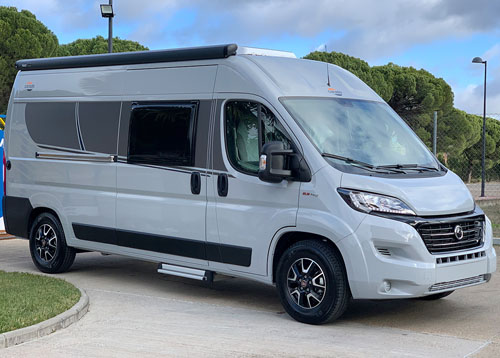
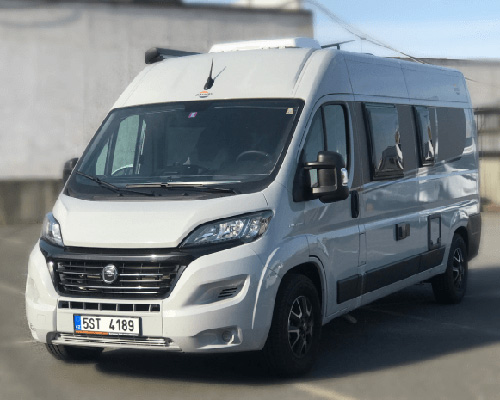
For Couples: Class B - Camper Van is the ideal choice for exploring Albania's mix of well-paved and occasionally challenging roads. Bandana's global fleet average for Class B camper vans shows they are typically around 5.8 meters long, offering comfortable sleeping for 3.2 people (perfect for two) and an average fuel consumption of 8-10 liters/100 km. Its compact size makes it nimble for navigating narrow village streets, winding mountain passes, and easier parking in towns and remote camping spots, providing excellent maneuverability without sacrificing essential amenities for a couple.
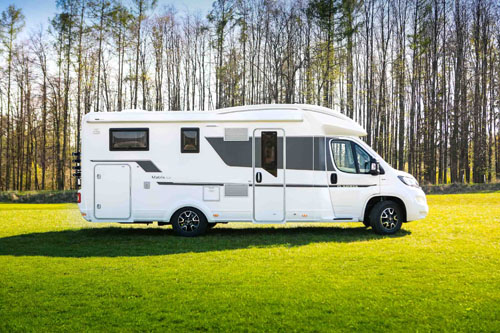
For Families: Class C - Alcove is highly recommended for families traveling with children, providing ample space and sleeping arrangements. Bandana's global fleet average for Class C alcove motorhomes indicates an average length of 7.5 meters, accommodating 5.8 sleeping places and 4.4 adults, with a common fuel consumption of 10-12 liters/100 km. The dedicated sleeping areas, often including an over-cab alcove bed, and more spacious living areas offer comfort for longer journeys and inclement weather, making it a great choice for family dynamics, especially when balancing comfort with a manageable driving experience.
How much does it cost to rent an RV in Albania?
The cost of renting an RV in Albania varies significantly based on the RV class, rental duration, season, and specific rental provider, but generally, expect daily rates for a couple-friendly camper van (like a Class B) to range from €70 to €150 in the shoulder season to €120-€200+ in peak summer months. For trip cost estimation by duration, a 7-day RV rental for couples in Albania can be broken down as follows:
RV Rental: (e.g., €100/day x 7 days = €700 - €1400, depending on season and RV class like a Class B Camper Van).
Fuel: With common fuel consumption around 8-12 liters/100 km and an estimated 700-1400 km total distance, budget €150-€350 for fuel. (Diesel prices in Albania are generally competitive with European averages, but always check current local rates.)
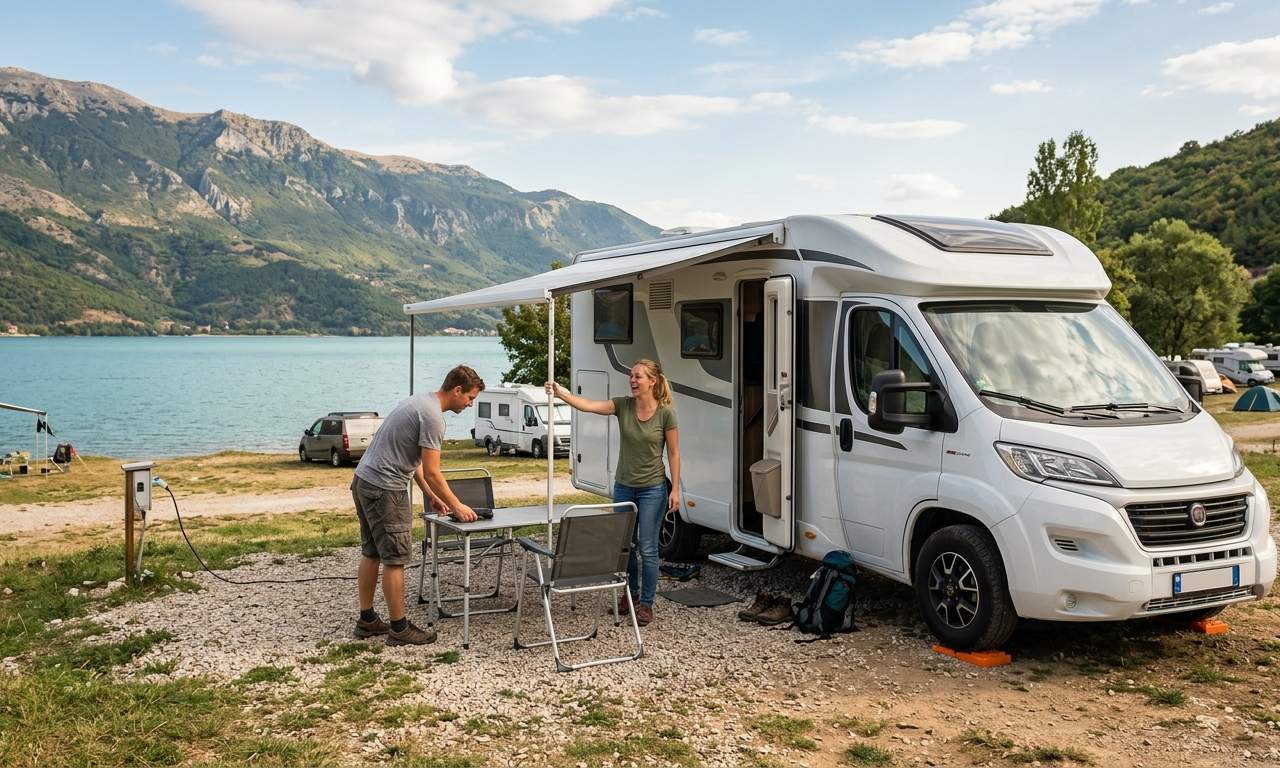
Camping Fees: While wild camping is popular, designated campsites or RV parks cost €10-€25 per night. Budget €50-€150 for 3-6 nights at official sites, balancing with wild camping.
Food & Drink: Sourcing local produce from markets and cooking in your RV can save money. Budget €30-€50 per day for groceries and occasional restaurant meals, totaling €210-€350. For ideas you can prep on the road, watch our RV-friendly recipes playlist on YouTube. On the routes offered through RV PLANET routes , you can itemize and track every expense along the way for easy budgeting.
Activities & Entry Fees: Entry to historical sites like Butrint or Berat Castle typically costs €3-€10 per person. Budget €50-€100 for various activities.
Contingency Fund: Always allocate an additional 10-15% of your total budget for unexpected expenses like minor repairs, tolls (rare in Albania), or emergencies, roughly €100-€200.
Therefore, a realistic budget for a 7-day RV trip for couples in Albania could range from approximately €1260 to €2500, excluding flights, for a comfortable experience. For finding campsites and campgrounds during your trip, we recommend using RV PLANET (rvplan.net) — a great resource for locating available spots along your route.
Is it safe to wild camp in Albania?
Wild camping in Albania is generally considered safe and is legally tolerated in many areas, offering unparalleled access to stunning natural landscapes, but it requires adherence to ethical practices, local etiquette, and common-sense safety precautions to ensure a responsible and enjoyable experience. Always 'leave no trace.' Pack out all trash, including organic waste, and avoid disturbing wildlife or local ecosystems. Utilize eco-friendly soaps and dispose of grey water responsibly away from natural water sources.
Excellent regions for wild camping include the Albanian Alps (e.g., Valbona Valley, Theth, requiring careful road assessment for larger RVs), the less developed parts of the Albanian Riviera (especially south of Vlorë), and around natural parks like Divjakë-Karavasta Lagoon or Prespa Lake. Look for secluded, flat spots away from private property, agricultural land, or busy roads. When seeking a wild camping spot, particularly in rural areas, it is highly recommended to ask local residents if you can park your RV on their land or nearby. A simple 'Faleminderit' (thank you) and a smile go a long way; locals are often hospitable. Avoid camping directly in front of homes or businesses.
Plan for black and grey water disposal. While official dump stations are scarce, some larger campsites or petrol stations might offer facilities (always ask). Otherwise, minimize use of your tanks and be prepared to hold waste until you reach a proper facility in a larger town. Always secure your RV by locking doors and windows, especially at night. Park in well-lit areas if possible, or near other RVs if available. Avoid leaving valuables visible. Consider investing in an RV alarm system or additional locks. In case of emergency or petty crime, dial 112 (general emergency), 129 (police), or 127 (ambulance).
What do I need to know before driving an RV in Albania?
Before driving an RV in Albania, it is crucial to understand local regulations, road conditions, and cultural nuances to ensure a smooth and safe journey, particularly regarding documentation, vehicle preparedness, and security. For most nationalities (EU, US, Canada, UK, Australia, New Zealand), you only need a valid passport to enter Albania. Your vehicle requires its original registration documents, your valid driving license (an International Driving Permit is highly recommended alongside your national license), and proof of insurance.
You *must* have a Green Card (international motor insurance certificate) that specifically includes Albania (AL) on the list of covered countries. If your existing insurance doesn't cover Albania, you will need to purchase short-term border insurance upon entry, which is usually available at customs points and costs approximately €40-€50 for 15 days. Border crossings are generally straightforward but can sometimes involve queues, especially during peak season or holidays. Be prepared for vehicle checks; keep all documents readily accessible.
Keep your vehicle locked, windows closed, and valuables out of sight, especially when parked overnight. Utilize secure campsites when available. Petty crime, though not widespread against tourists, can occur. In an emergency, dial 112 for general emergencies, 129 for police. Ensure your RV is in excellent mechanical condition. Carry a spare tire, basic tools, a first-aid kit, and an emergency triangle/vest. Roadside assistance services are developing; a local SIM card is essential for communication. Many Albanian mechanics are skilled, but language barriers can exist. Learning a few basic Albanian phrases can be invaluable. For breakdowns, call your rental provider's emergency number or local assistance services if you have coverage.
Where can I find RV services in Albania?
Finding dedicated RV services like black/grey water dump stations, reliable LPG refill points, and potable water sources in Albania can be challenging as the infrastructure is still developing, requiring proactive planning and flexibility. The best approach for dump stations is to utilize official campsites, such as Camping Gjirokastër, Camping Kranea near Himarë, or Lake Shkodra Resort. Some larger petrol stations might have basic facilities, but always ask permission.
LPG (Liquefied Petroleum Gas), often referred to as 'Gaz' for vehicles, is widely available at many larger petrol stations across Albania. However, finding stations that can refill international-standard refillable RV gas bottles can be hit or miss. It's advisable to have adapters for different nozzle types. Look for stations with a 'GPL' or 'Gaz' sign. Always check connections and ensure a safe refill. Consider starting your trip with full tanks.
Potable water can generally be refilled at most campsites. Many larger petrol stations also have a water tap, which can often be used for a small fee or simply by asking. In rural areas, natural springs are common, but always purify the water if you're unsure of its potability. Carrying a water filter or purification tablets is a smart precaution. Supermarkets are widely available for bottled water.
What is the best time of year to RV in Albania?
The best time of year to RV in Albania is during the shoulder seasons of spring (April-June) and autumn (September-October) , as these months offer pleasant weather, fewer tourist crowds, and vibrant natural beauty, ideal for exploring both the coast and mountains.
Spring (April-June): Temperatures are mild and comfortable (15-25°C), the countryside is lush and green, and wildflowers are in bloom. The sea is warming up, making it suitable for swimming towards late May/June. Roads are less congested, and popular sites are easier to visit. However, mountain passes might still have snow early in spring.
Summer (July-August): While popular for beach holidays, summer is Albania's peak tourist season. Temperatures can soar (28-35°C+), especially on the coast and in the south. Campsites and attractions will be crowded, and prices may be higher. RV travel can be less comfortable due to heat and traffic, though the northern mountains offer a cooler escape.
Autumn (September-October): The weather remains pleasant, with temperatures between 18-28°C. The sea is still warm for swimming, and the autumn colors in the mountains are spectacular. Crowds thin out significantly after August, making for a more relaxed experience. This is an excellent time for hiking and cultural exploration.
Winter (November-March): Winter sees colder temperatures, especially in the mountains where heavy snowfall can occur, making some roads inaccessible. Coastal areas are milder but many tourist services and campsites close. RV travel is generally not recommended for leisure during these months unless specifically targeting winter sports in certain areas.
Are there any specific cultural etiquette tips for RVers in Albania?
RVers in Albania will find locals generally welcoming and hospitable, but observing specific cultural etiquette will enhance interactions and show respect, particularly in rural areas and when integrating into local communities. Always greet locals with 'Përshëndetje' (hello) or 'Mirëmëngjes' (good morning), 'Mirëdita' (good day), 'Mirëmbrëma' (good evening). A handshake is common. 'Faleminderit' (thank you) is essential.
Albanians are known for their hospitality. If offered a coffee or a drink, it's polite to accept, even if only for a sip. Engaging in brief conversation, even with a language barrier, is appreciated. When visiting religious sites (mosques, churches, monasteries), dress modestly, covering shoulders and knees. While less strict on the coast, respectful attire in rural villages is always advisable.
When wild camping or parking your RV in a less obvious spot, especially near private land or villages, always try to seek permission from a local resident. Be mindful of noise levels, especially in quiet villages or natural camping spots. Avoid loud music or conversations late at night or early in the morning, respecting local peace. At local markets, light bargaining over prices is often acceptable and part of the experience, especially for crafts or souvenirs. For groceries, prices are usually fixed. While Albanian drivers can appear assertive, patience and defensive driving are key. Acknowledge fellow drivers with a wave, especially on rural roads or when yielding.
How do I manage waste and find water on an RV trip in Albania?
Effectively managing waste and reliably sourcing potable water are key considerations for an RV trip in Albania, requiring a proactive approach due to the developing infrastructure for RV-specific services. Minimize water consumption for showering and dishes to extend your tank capacity. The most reliable places for black and grey water disposal are official campgrounds or RV parks. Plan your route to include stays at these sites every few days to empty tanks.
Some larger, modern petrol stations might have facilities, or at least a drain for grey water. Always ask permission ('A mund të zbraz ujin e ndotur këtu?' - Can I empty dirty water here?). For black water, chemical toilets offer more flexibility, allowing for disposal at specific waste points if a full dump station isn't available. Ensure you use environmentally friendly toilet chemicals.
If absolutely necessary and in remote natural areas, grey water (from sinks/showers) can be dispersed, but ensure it is biodegradable and discharged well away from any water sources (rivers, lakes, sea) and populated areas to avoid pollution. Refill fresh water tanks at campsites, larger petrol stations, or reliable natural springs (if clearly marked as potable). Always carry a portable water filter (e.g., Lifestraw, Sawyer) or purification tablets as a backup for questionable sources. Bottled water is readily available and inexpensive at supermarkets and small shops throughout the country, a good option for drinking if local sources are uncertain.
Albania boasts vibrant local markets (often called 'Pazari') in most towns. These are excellent for sourcing fresh, seasonal produce, local cheeses, olives, honey, and baked goods directly from farmers. Shopping here not only supports local communities but provides fresher, often organic, ingredients for your RV kitchen. Larger towns will have modern supermarkets for staples and international brands. Utilize your RV's refrigerator or cooler efficiently. Plan meals around quickly perishable items first. Consider investing in breathable produce bags to extend freshness.
What are the road conditions like for RVs in Albania?
Road conditions for RVs in Albania are diverse, ranging from well-maintained main highways to challenging, narrow, or unpaved secondary routes, requiring drivers to be adaptable and mindful of their vehicle's size and capabilities. Key routes connecting major cities (e.g., Tirana-Durrës, Tirana-Vlorë, Fier-Sarandë) are generally paved, in good condition, and suitable for all RV sizes, though they may have occasional potholes or construction.
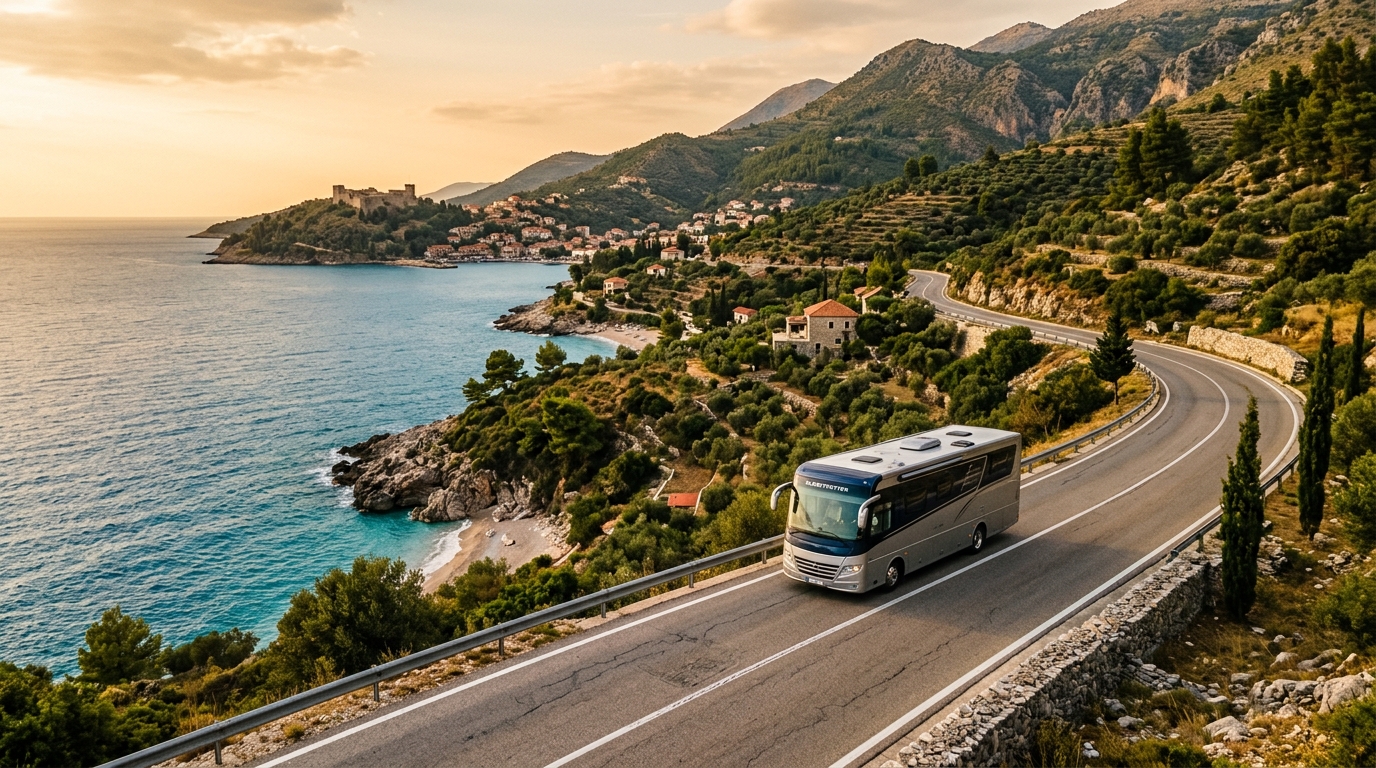
Routes like the Llogara Pass (between Vlorë and Himarë) are incredibly scenic but feature numerous hairpin turns and steep ascents/descents. While passable for RVs, they require careful driving and a vehicle with good engine power. Larger RVs should take these slowly. The Albanian Riviera coastal road offers stunning views but can be winding and narrow in sections. Some smaller roads leading to secluded beaches may be unpaved or have very tight turns, making them less suitable for larger RVs.
When venturing into smaller villages or seeking wild camping spots, roads can quickly degrade to narrow, unpaved, or gravel tracks. These are often better suited for smaller camper vans (Class B) or experienced drivers in larger RVs. Specific routes like the road to Theth in the Albanian Alps are notoriously challenging, often unpaved, rocky, and steep, sometimes requiring 4x4 vehicles. While improvements are ongoing, larger RVs should exercise extreme caution or consider alternatives (like leaving the RV in Shkodër and taking local transport/tour for a day trip).
Rely on up-to-date GPS maps (e.g., Google Maps, Maps.me for offline use) but always cross-reference with road signs. Be prepared for unexpected detours due to road works or local events. Always drive defensively, as local driving habits can be more assertive. For families traveling with children, the 'Adak Argonaut 23 - Gold' Class C motorhome offers comfortable sleeping arrangements and ample space.
Do I need a special license to drive an RV in Albania?
For most standard RVs (up to 3,500 kg Maximum Authorized Mass, or MAM), a regular B category driving license from your home country is sufficient to drive in Albania, consistent with requirements in most European countries. If your RV or motorhome has a MAM exceeding 3,500 kg, you would typically need a C1 or C category license, depending on the exact weight, as per European Union driving license classifications. Always check your specific RV's weight and your license category.
While your national driving license is generally accepted for short-term tourist stays, carrying an International Driving Permit (IDP) alongside your national license is highly recommended. The IDP translates your license into multiple languages, which can be invaluable for police checks, rental agencies, or in case of an accident, making administrative processes much smoother. For example, a Class B camper van like the 'Campervan hire new zealand example Aquila' is generally drivable with a standard license.
How do I stay connected with cell service and internet in Albania?
Staying connected with cell service and internet in Albania is generally straightforward and affordable for RVers, with good network coverage in most populated areas and along main routes, primarily through local SIM cards. The main mobile network operators in Albania are Vodafone Albania , Telekom Albania , and One Albania . Vodafone and One Albania typically offer the best coverage and competitive data packages.
All three providers offer tourist SIM cards or prepaid packages that include significant amounts of data (e.g., 10GB, 20GB, or unlimited for a set period), local calls, and sometimes international calls, valid for 10-30 days. Expect to pay between €10 to €25 for a tourist SIM card with a generous data allowance, which is very cost-effective for an RV trip. SIM cards can be purchased at the international airport (Tirana International Airport Nënë Tereza), official provider stores in any major city, or even at some kiosks and larger supermarkets. You will need your passport for registration.
Excellent 4G/LTE coverage is available in all major cities, towns, and along the main highways and coastal areas. Coverage can become spottier or drop to 3G in very remote mountainous regions (e.g., deep in the Albanian Alps valleys like Theth or Valbona). For these areas, downloading offline maps and content is highly advisable. Consider using your phone as a mobile hotspot for other devices in your RV. For optimal reception, some RVers use signal boosters, though for most tourist routes in Albania, a local SIM card provides sufficient connectivity.
What You Shouldn't Miss
Explore the UNESCO World Heritage city of Berat, known as the 'City of a Thousand Windows,' with its well-preserved Ottoman architecture and ancient castle.
Wander through the stone-paved streets of Gjirokastër, another UNESCO gem, marveling at its unique fortress-like houses and historic castle.
Visit the ancient ruins of Butrint National Park, a UNESCO World Heritage site showcasing a rich history of civilizations, set amidst a beautiful natural lagoon.
Experience the mesmerizing natural beauty of the Blue Eye spring (Syri i Kaltër), an easily accessible roadside attraction perfect for a refreshing stop.
Drive over the breathtaking Llogara Pass for stunning panoramic views of the Albanian Riviera, stopping at viewpoints for unforgettable photos.
Relax on the pristine beaches along the Ionian coast, perhaps near Himarë or Dhërmi, enjoying the crystal-clear waters and scenic beauty.
Why Book with Bandana Caravan
Unmatched RV Expertise
We are true RV specialists, focusing exclusively on motorhome rentals for an unparalleled travel experience.
Full Transparency
No hidden fees, no surprises. We believe in honest pricing so you can budget with confidence.
24/7 Support for Peace of Mind
Our dedicated support team is available around the clock to assist you, ensuring you're never alone on the road.
Since 2001, Bandana Caravan has been helping tens of thousands of travelers explore the world by RV. With direct partnerships with over 50 leading RV suppliers worldwide, including El Monte and Cruise America, and over 1,300 pre-planned routes available via our sister company RV PLANET (rvplan.net), we offer bookings in over 30 currencies with complete price transparency. Our coverage spans more than 50 countries, backed by local expertise and support, ensuring your journey is seamless and enjoyable.
"We sell the way we'd like to buy – with honesty. No hidden fees, no surprises, no tricks or gimmicks. What you see is what you get."
— Avi Bandana, Founder of Bandana Caravan
"Life is now!"
About the Author
Avi Bandana is the founder and CEO of Bandana Caravan , one of the world's leading RV rental comparison platforms. With over 25 years of hands-on experience in the motorhome travel industry, Avi has personally visited hundreds of destinations and tested countless RV models across 5 continents. His mission: make RV travel accessible, transparent, and joyful for everyone.
Final Thoughts
Renting an RV for your Albanian adventure offers unparalleled freedom and intimacy with the stunning landscapes. From the historic cities to the breathtaking coastline, an RV allows you to explore at your own pace, creating memories that will last a lifetime.
We hope this guide helps you plan an incredible journey through Albania. Remember to travel slowly, embrace the local culture, and savor every moment. Get inspired for your next trip and discover top destinations and planning tips all in one place!
Ready to start planning your romantic RV escape? Compare motorhome prices for Albania and find the perfect vehicle for your adventure. Discover top destinations, planning tips, and more!
Compare Motorhome Prices for Albania
All the information is based on public information on the web.
All imagery sourced under Creative Commons licenses with attribution provided.
Always check trail conditions and opening hours before travel.