In This Guide
- Can You Drive an RV in West Europe? License & Age Rules
- Road Conditions & Terrain in West Europe
- RV Size Limits, Bridges & Restricted Zones
- Fuel: Diesel vs. Petrol & Cost per 100 km
- Tolls, Vignettes & Border Rules
- Driving Tips for RV Rental for Couples Travelers
- Recommended RV Class for West Europe Roads
- Should I Choose a Compact Van Instead of a Large RV in West Europe?
- Can I Park Anywhere? Free & Wild Camping Rules in West Europe
- Can I Drive an RV Into the City Center? Heights, Tunnels & Local Signage
- What is the best month to RV in Europe?
- Where is the easiest place to RV in Europe?
- Safety & Security Tips for Couples RVing in West Europe
- Sustainable RV Travel: Leave No Trace in West Europe
- Staying Connected: RV Technology & Navigation in West Europe
- Is it worth it to rent an RV in Europe?
- What documents do I need to rent an RV in Europe?
- How much does it cost to rent an RV in Europe for a month?
- How much does it cost to stay in an RV park in Europe?
Can You Drive an RV in West Europe? License & Age Rules
Driving a rented RV in West Europe is generally straightforward for most international visitors. Most RVs available for rent, particularly those under 3,500 kg Gross Vehicle Weight (GVW), can be operated with a standard B-category car license that is valid in Europe. For larger RVs exceeding 3,500 kg GVW, a C1 (up to 7,500 kg) or C (over 7,500 kg) license might be required, depending on the specific vehicle and country. The minimum driver age for RV rentals across West Europe is typically 21, with most rental companies also stipulating at least 1-3 years of driving experience. Some larger or more powerful RVs may have a higher age requirement, sometimes 25. Non-EU drivers are strongly advised to obtain an International Driving Permit (IDP) to accompany their national license, as this can smooth interactions with local authorities and rental companies.
Road Conditions & Terrain in West Europe
West Europe boasts generally excellent road conditions, featuring well-maintained highways, picturesque scenic routes, and charming, albeit sometimes narrower, roads in rural and mountainous regions. Couples can anticipate a diverse driving experience, from the flat, easily navigable coastal roads of the Netherlands to the exhilarating, potentially challenging alpine passes found in Switzerland and Austria. Even historic village streets, which may feature cobblestones or tighter turns, are generally manageable with careful driving. Renting an RV for a European adventure inherently encourages a slower, more immersive travel pace, allowing couples to fully appreciate the varied and beautiful scenery. While major motorways are typically wide and accommodating, it's always wise to be mindful of potentially narrower dimensions in historic town centers or on mountain routes.
RV Size Limits, Bridges & Restricted Zones
RV travelers in West Europe must remain aware of various restrictions, particularly concerning height, weight, and width. These limitations are crucial when navigating tunnels, passing under bridges (especially older railway underpasses that can be significantly lower than standard road clearances), or entering historic city centers. Most countries adhere to standard height limits around 3.5 to 4 meters, but always look out for specific signage indicating lower clearances. Many European cities also implement environmental zones or limited traffic zones (ZTL), which may require specific vehicle classifications or prior registration to avoid fines. For couples planning ferry travel, especially to islands or between countries, understanding your RV's exact dimensions – length, height, and weight – is vital for accurate booking and cost assessment.
Fuel: Diesel vs. Petrol & Cost per 100 km
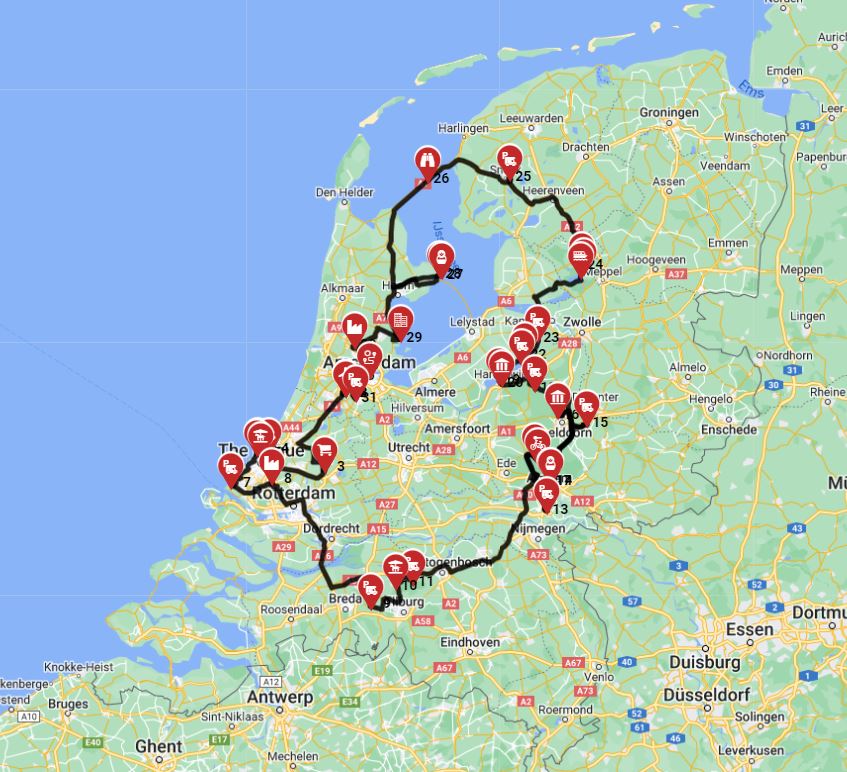
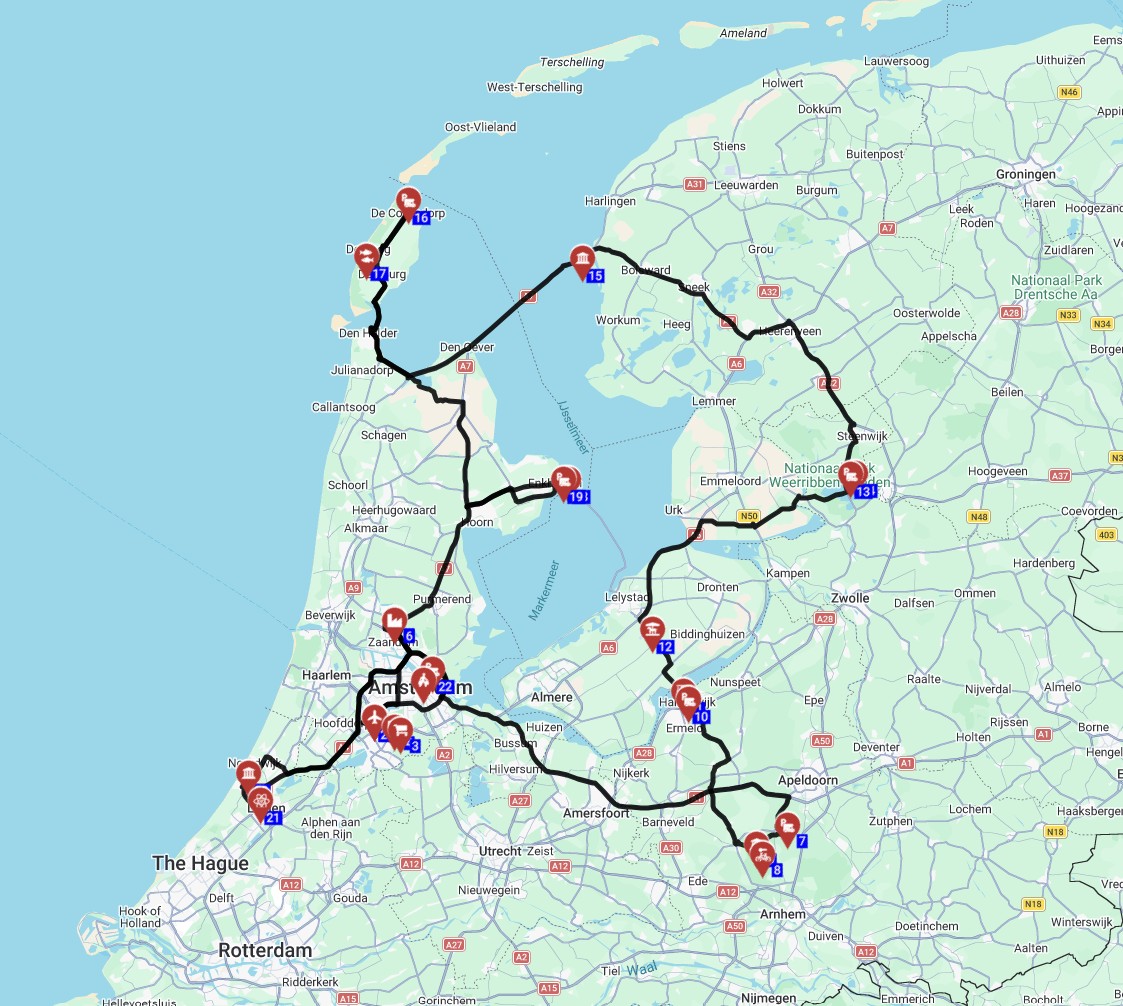
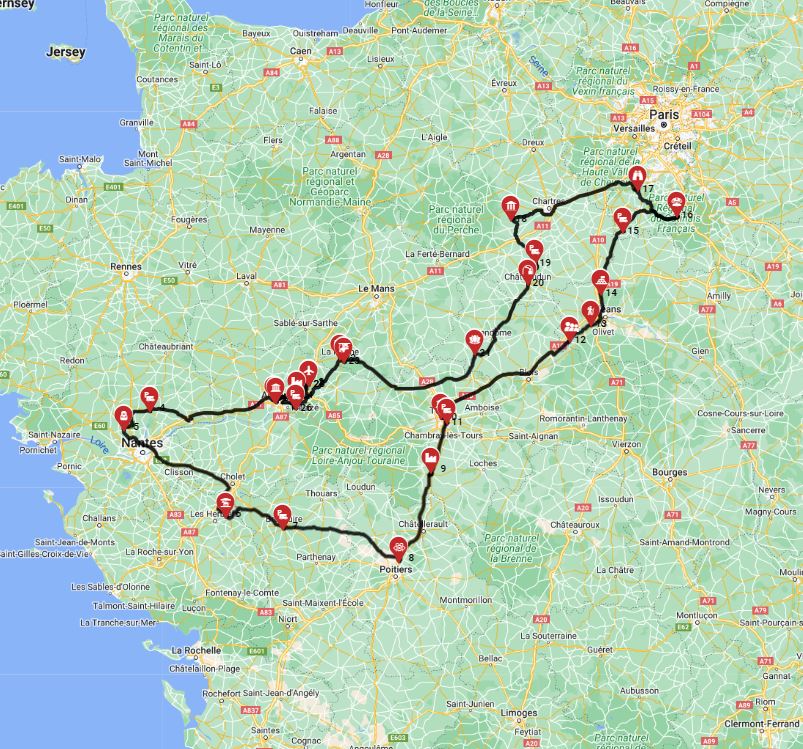
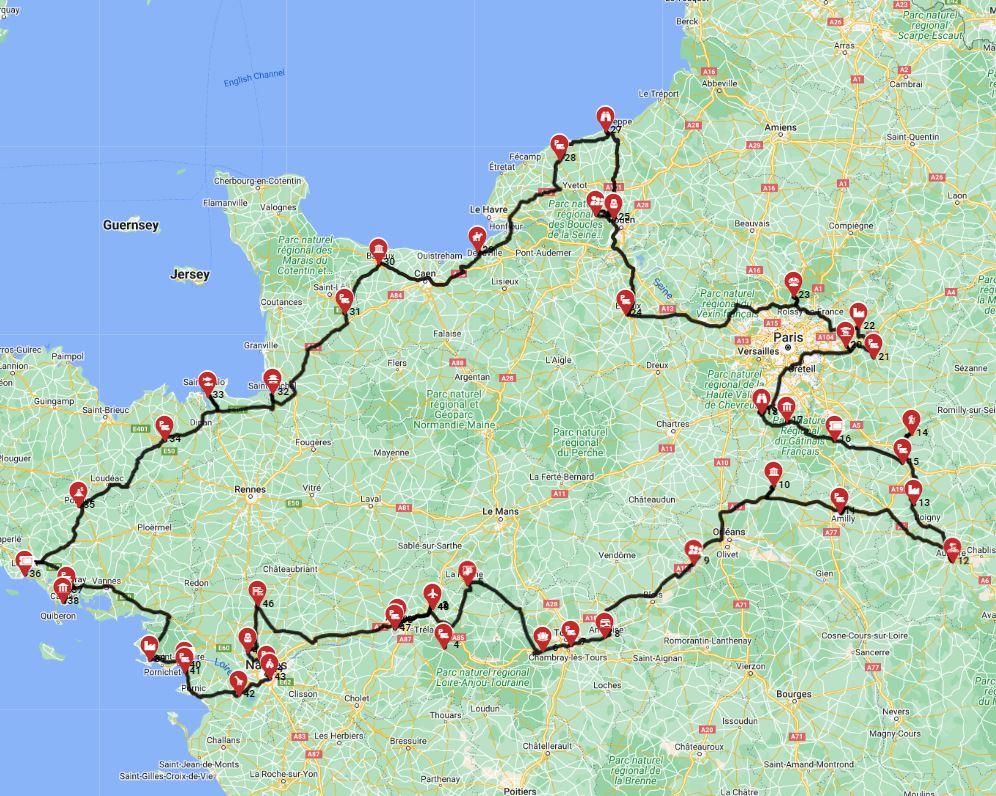
The vast majority of rental RVs available in West Europe are equipped with diesel engines, and diesel fuel is readily and widely available at service stations throughout the region. Based on Bandana's fleet averages, couples can anticipate a typical Semi-integrated RV (often classified as Class SI) to consume around 10-11 liters per 100 km. For more compact Camper Vans (Class B), the average consumption is slightly lower, typically ranging from 8-10 liters per 100 km. Factoring in an approximate diesel cost of €1.90 per liter, couples should budget roughly €19-€21 for every 100 kilometers traveled. Some rental companies may offer fuel discount cards or participate in loyalty programs, which can be a helpful way to mitigate fuel costs over the course of a longer trip. On the routes offered through RV PLANET routes, you can itemize and track every expense along the way for easy budgeting.
Tolls, Vignettes & Border Rules
RV travel in West Europe often involves various road charging systems. Many countries, including France, Italy, Spain, and Portugal, utilize tolls on their motorways, which can be paid at toll booths or via electronic passes. Other nations, such as Austria and Switzerland, require mandatory vignettes – stickers purchased for specific periods that allow you to use their motorways. Countries like Germany, Belgium, and the Netherlands largely offer free motorways, though occasional charges might apply for specific bridges or tunnels. To ensure a smooth journey, couples should research country-specific requirements before crossing borders to avoid fines. Some rental companies may offer the convenience of pre-purchasing electronic toll passes or vignettes. Border checks within the Schengen Area are generally minimal, but it's essential to always carry passports and all relevant vehicle documentation.
Driving Tips for Couples RVing Travelers
For couples embarking on an RV adventure in West Europe, embracing the journey means prioritizing scenic routes over speed, allowing for spontaneous stops at charming villages or breathtaking viewpoints. Sharing navigation duties can significantly enhance the experience, with one partner focusing on driving while the other manages the GPS, road signs, and points of interest. Building flexibility into your itinerary is key, as RV travel is all about freedom; avoid over-scheduling to allow ample time for unexpected discoveries or simply relaxing together at a particularly beautiful spot. Always allocate extra time for parking, especially in towns, and for navigating unfamiliar roundabouts or narrow streets that might differ from your home country's driving customs. Being mindful of local driving etiquette and strictly enforced speed limits is also crucial for a safe and enjoyable trip.
Recommended RV Class for West Europe Roads
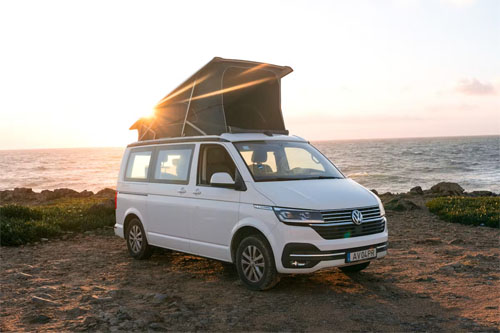
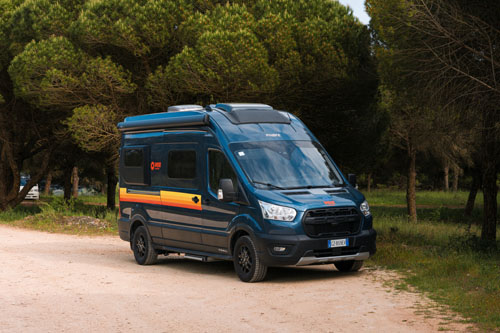
For couples exploring the diverse landscapes of West Europe, Class B (Camper Vans) or Class SI (Semi-integrated) RVs are highly recommended. These vehicle classes strike an excellent balance between maneuverability and comfort, making them ideal for navigating varied European terrains. Class B Camper Vans, typically averaging around 5.8 meters in length, offer excellent agility for tight towns and winding roads, usually accommodating around 2-3 adults comfortably. Class SI Semi-integrated RVs, generally around 6.9 meters long, provide a bit more living space and essential amenities, proving comfortable for extended journeys without being overly cumbersome for European roads. Both classes generally offer good fuel efficiency for their size and are designed to fit within typical European parking spaces and city access regulations, ensuring a more relaxed travel experience.
Should I Choose a Compact Van Instead of a Large RV in West Europe?
While compact vans excel in maneuverability, the decision between a compact van and a larger RV in West Europe often hinges on your priorities. Generally, there isn't a significant issue driving most standard RV sizes, making onboard comfort and interior space frequently more critical for couples. A compact van is genuinely beneficial if your itinerary heavily features frequent navigation of extremely tight historic city centers, very narrow mountain passes, or if easy street parking in bustling towns is paramount. However, opting for a slightly larger RV, like a Semi-integrated model, often provides a better trade-off for couples desiring more living space, a dedicated bathroom, separate dining areas, and extra storage for longer, more comfortable journeys. Ultimately, the choice depends on your planned routes: prioritize urban exploration and extreme agility with a compact van, or prioritize onboard comfort and amenities for a truly relaxed road trip with a larger RV.
Can I Park Anywhere? Free & Wild Camping Rules in West Europe
Wild camping, or sleeping anywhere in a campervan, is generally restricted or illegal in most of West Europe. Countries like Germany, France, the Netherlands, and Belgium, among others, have strict prohibitions. Regulations are highly country-specific and can even vary by region or municipality. For instance, while Germany prohibits wild camping, it often tolerates a 'duldung' (tolerated overnight stay) for a single night to allow drivers to rest in designated spots. Scandinavia generally offers more liberal 'right to roam' laws, but for West Europe, couples should primarily rely on designated campsites, official 'stellplatze' or 'aires' (motorhome parking areas), or private land with explicit permission. Apps like Park4Night and Campercontact are invaluable resources for finding legal and practical overnight parking options, including free spots and service areas. Always check local regulations before parking overnight to respect private property and practice 'leave no trace' principles.
Can I Drive an RV Into the City Center? Heights, Tunnels & Local Signage
Yes, it's almost always possible to drive an RV into European city centers, but it requires careful attention to local signage and regulations. Many European cities implement Low Emission Zones (LEZ) or Limited Traffic Zones (ZTL), which can restrict access for certain vehicles, often impacting older or larger models. Always check these requirements beforehand, as permits may be necessary. Be particularly vigilant for height and width restrictions on tunnels, underpasses, and multi-story parking garages, as RVs are typically too tall for the latter. Paying close attention to local road signs is paramount, as they clearly indicate restrictions for vehicles exceeding certain weights or dimensions. A practical approach is often to park on the outskirts of cities and utilize public transport for central exploration.
What is the Best Month to RV in Europe?
The prime months for couples to enjoy RV travel in West Europe are typically the shoulder seasons: late spring (May to June) and early autumn (September to October). These periods offer a sweet spot of pleasant weather, significantly fewer crowds than peak summer, and often more favorable rental prices. During these times, attractions are generally open, and roads and campsites are less congested, contributing to a more intimate and relaxed travel experience. While summer (July-August) provides warm weather and vibrant activity, it also comes with higher prices, a greater need for advance booking, and busier tourist destinations. Winter RVing (November-April) presents unique charm, with opportunities to explore Christmas markets and snowy landscapes, but it demands a well-insulated RV, careful route planning for potential road closures, and an awareness that many campsites and attractions may be closed.
Where is the Easiest Place to RV in Europe?
For couples new to RVing in West Europe, regions like Southern Germany, parts of France (such as Alsace or the Loire Valley), and the Netherlands are particularly recommended. These areas boast excellent infrastructure, clear signage, and a well-developed network of organized camping options, making them exceptionally beginner-friendly. You'll typically find well-maintained roads, accessible 'stellplatze' or 'aires' (designated motorhome parking areas), and a higher likelihood of finding English-speaking services. While Spain and Portugal are also popular choices with growing RV cultures and warm climates, some mountain roads can be challenging, and wild camping rules are becoming increasingly strict. Prioritizing regions with clear navigation, easy access to supplies, and a supportive RV community will ensure a smoother and more enjoyable introduction to RV travel.
Safety & Security Tips for Couples RVing in West Europe
To enhance safety and security during your RV trip, always lock your rented RV, particularly when leaving it unattended or overnight, and consider using additional locks or alarms to deter opportunistic petty crime, which can be more prevalent in popular tourist areas. Familiarizing yourselves with the specific emergency breakdown procedures for your RV model and knowing how to contact local roadside assistance or your rental company for support are crucial. Comprehensive travel insurance that specifically covers motorhome travel in Europe is vital; ensure it covers not only medical emergencies and trip cancellations but also vehicle damage and theft. Being discreet with valuables, avoiding the display of expensive items, and utilizing secure campsites or designated overnight parking areas whenever possible will significantly contribute to peace of mind throughout your journey.
Sustainable RV Travel: Leave No Trace in West Europe
Practicing 'leave no trace' principles is essential for preserving the beauty of West Europe for future travelers. This means properly disposing of all waste in designated bins and carrying out everything you carry in, minimizing your environmental footprint. Conserve water by taking shorter showers and being mindful of your usage, especially in areas where water resources might be limited. Respect local communities by being considerate of noise levels, parking respectfully, and supporting local businesses and markets to contribute positively to the regional economy. Opting for eco-friendly campsites that prioritize sustainability and responsibly utilizing designated grey and black water disposal points are key practices for protecting local ecosystems.
Staying Connected: RV Technology & Navigation in West Europe
To ensure smooth navigation, utilize RV-specific GPS applications like Sygic RV Navigation or CoPilot RV, which factor in vehicle dimensions (height, weight, length) to suggest suitable routes and avoid restrictions. Reliable internet connectivity is crucial for this, so consider acquiring a local European SIM card for data or a portable Wi-Fi hotspot, as public Wi-Fi can be unreliable or scarce in rural areas. Managing power for your devices is also important; understand your RV's battery system, utilize available USB charging ports, and consider a portable power bank for off-grid convenience. Essential apps like Park4Night or Campercontact are invaluable for locating campsites, service points, and attractions, often providing user reviews and offline capabilities, which are particularly useful in areas with limited mobile service.
Is it Worth it to Rent an RV in Europe?
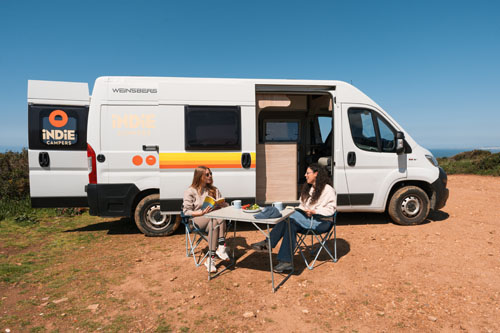
Renting an RV in West Europe for couples is absolutely worth it for the unparalleled freedom and flexibility it offers, allowing for spontaneous exploration and unique experiences beyond typical tourist routes. An RV trip enables couples to discover authentic local culture by visiting smaller towns, regional markets, and local festivals that are often inaccessible with traditional accommodations. It provides the comfort of a home-away-from-home, enabling couples to cook their own meals, save on dining out, and enjoy more intimate moments in scenic locations. The ability to wake up to a different view each day, immerse yourselves in diverse landscapes, and tailor your itinerary on the fly makes an RV trip a profoundly rewarding and memorable adventure. For ideas you can prep on the road, watch our RV-friendly recipes playlist on YouTube.
What Documents Do I Need to Rent an RV in Europe?
To rent an RV in West Europe, couples will primarily need a valid driver's license for each driver, passports for identification, and a major credit card for the security deposit. For non-EU citizens, an International Driving Permit (IDP) is often required in conjunction with your national driver's license to ensure legal compliance in many European countries. Ensure your driver's license is valid for the entire rental period and that you meet the minimum age and driving experience requirements of the rental company, typically 21-25 years old with 1-3 years of experience. It is also wise to carry copies of your rental agreement, insurance policy, and vehicle registration documents throughout your trip for easy access.
How Much Does it Cost to Rent an RV in Europe for a Month?
The cost to rent an RV in West Europe for a month can vary significantly, typically ranging from €2,000 to €5,000+ for a compact campervan or semi-integrated model during the shoulder season, excluding fuel and campsite fees. Factors influencing the base rental price include the RV class, rental season (peak summer being the most expensive), rental duration, pick-up/drop-off locations, and any added amenities. Additional costs to budget for include comprehensive insurance, a security deposit, fuel (estimated at ~€19-€21 per 100 km), campsite fees (€15-€50+ per night), and potential one-way rental fees. Booking well in advance and opting for shoulder season travel can lead to substantial savings on monthly rental rates, making a longer trip more affordable for couples.
How Much Does it Cost to Stay in an RV Park in Europe?
The cost to stay in an RV park or campsite in West Europe typically ranges from €15 to €50+ per night, depending on the country, location, season, and the amenities offered. Basic 'stellplatze' or 'aires' (motorhome parking areas) can cost as little as €5-€15 per night, often providing just parking and essential services like water and waste disposal. Full-service campsites, which include amenities such as electricity, hot showers, laundry facilities, and sometimes pools or restaurants, will generally range from €25-€50+ per night, with premium spots in highly popular tourist areas costing more. Couples can often save money by utilizing permitted free overnight parking spots or choosing smaller, independent campsites located away from major attractions.
What You Shouldn't Miss
- Trace the romantic canals of Amsterdam by renting a compact campervan for easy city navigation and parking.
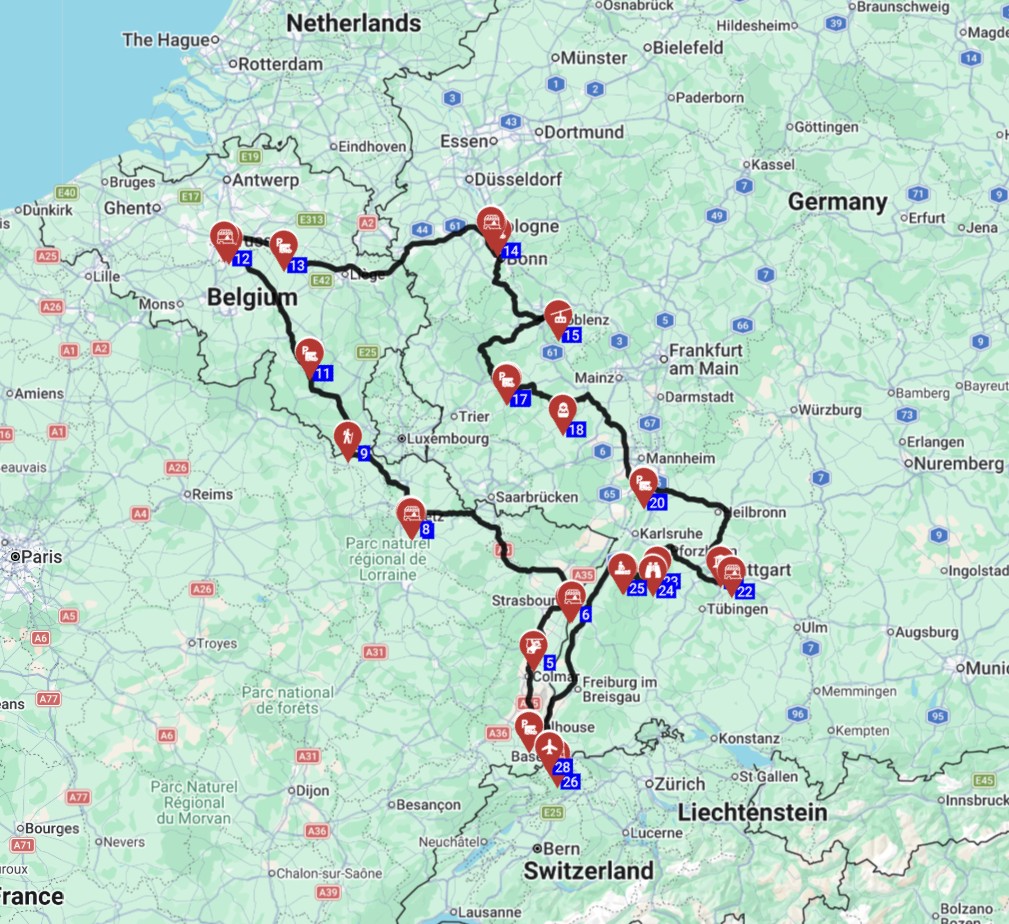
- Explore the fairy-tale castles of the Rhine Valley, accessing charming riverside towns and vineyards inaccessible by larger vehicles.
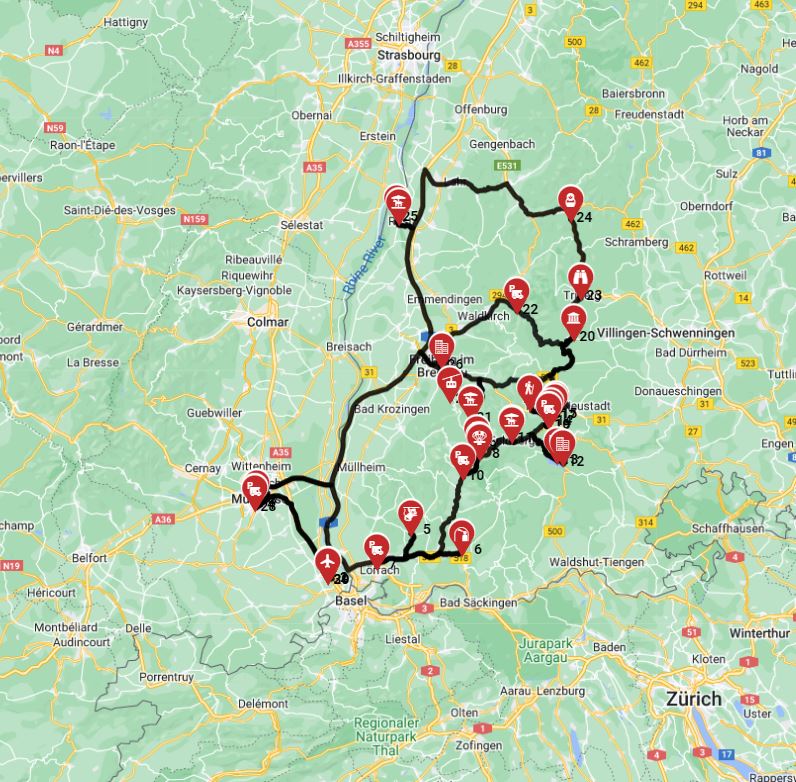
- Drive the scenic Black Forest High Road in Germany, stopping at panoramic viewpoints and enjoying the crisp mountain air.
- Discover the picturesque vineyards and medieval villages of the Loire Valley in France, enjoying wine tastings and leisurely drives.
- Experience the unique landscapes of the Netherlands, from vibrant tulip fields in spring to the charming coastal villages.
Final Thoughts
Embarking on an RV journey through West Europe as a couple offers an intimate and unparalleled way to connect with each other and the diverse landscapes and cultures of the continent. The freedom to explore at your own pace, discover hidden gems, and create lasting memories makes RV travel a truly magical experience.
With careful planning and the right vehicle choice, your West European RV adventure can be incredibly rewarding. Remember to embrace the journey, stay flexible, and most importantly, enjoy the incredible freedom and romance that only a motorhome trip can provide.
Ready to plan your romantic escape on wheels? Compare RV rental prices and find the perfect motorhome for your West European adventure today!