In This Guide
- Can You Drive an RV in Tokyo? License & Age Rules
- Road Conditions & Terrain in Tokyo
- RV Size Limits, Bridges & Restricted Zones
- Fuel: Petrol vs. Diesel & Cost per 100 km in Tokyo
- Tolls, ETC Cards & Domestic Driving in Tokyo
- Driving Tips for RV Rental for Couples in Tokyo
- Recommended RV Class for Tokyo Roads
- Should I Choose a Compact Campervan Instead of a Large RV in Tokyo?
- Can I Park Anywhere? Free & Wild Camping Rules in Tokyo
- Can I Drive an RV Into the City Center? Heights, Tunnels & Local Signage in Tokyo
- Is Driving Easy in Tokyo?
- Is a Car Necessary in Tokyo?
- Can You Camp Anywhere in Japan?
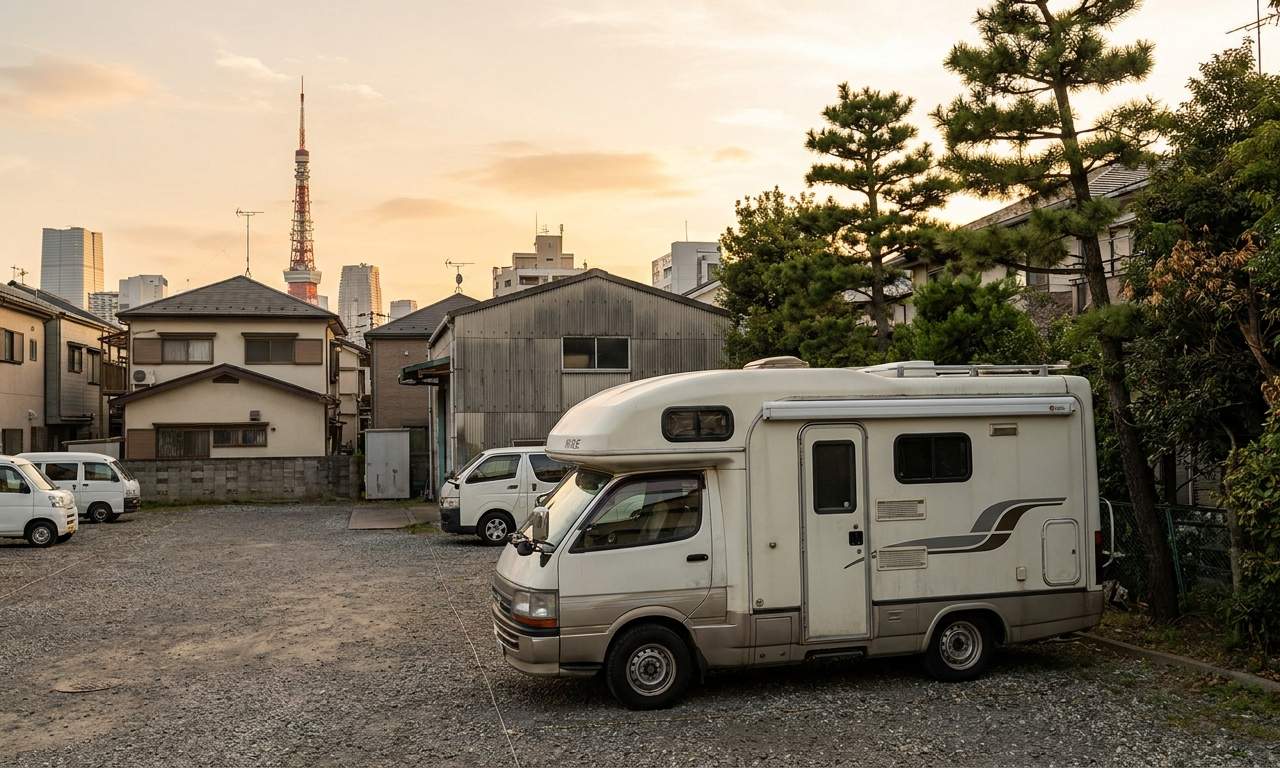
- Are There RV Parks in Tokyo?
- What is the Best Way to Travel Around Tokyo?
- How Much Does It Cost to Rent an RV in Japan?
- What is the Cheapest Way to Travel Around Tokyo?
- Can I Drive an RV From Tokyo to Mount Fuji?
- Can Tourists Drive in Japan?
Imagine yourself and your loved one waking up to the gentle hum of a rented motorhome, ready to explore the serene landscapes surrounding Tokyo, or perhaps venturing into the city with the flexibility your private mobile home offers. RV rental for couples in Tokyo, Japan, opens up a world of romantic routes and unforgettable experiences. For live availability and current prices, start with our RV Rental Tokyo - Complete Guide 2026 guide. We're here to help you navigate everything from driving regulations to the best scenic spots, ensuring your romantic RV adventure is nothing short of perfect.
Can You Drive an RV in Tokyo? License & Age Rules
Foreigners can legally drive a rented RV in Tokyo provided they hold an International Driving Permit (IDP) based on the 1949 Geneva Convention, which must be obtained in their home country *before* arriving in Japan. This IDP, presented alongside your original, valid driver's license, is sufficient for most standard motorhomes up to 3,500 kg, including Bandana's fleet of Class C and campervan rentals. The minimum driver age for most RV rental companies in Japan is typically 21 years old, allowing young couples to embark on their adventure without additional surcharges or vehicle class restrictions based on age, a transparent policy we stand by.
Road Conditions & Terrain in Tokyo
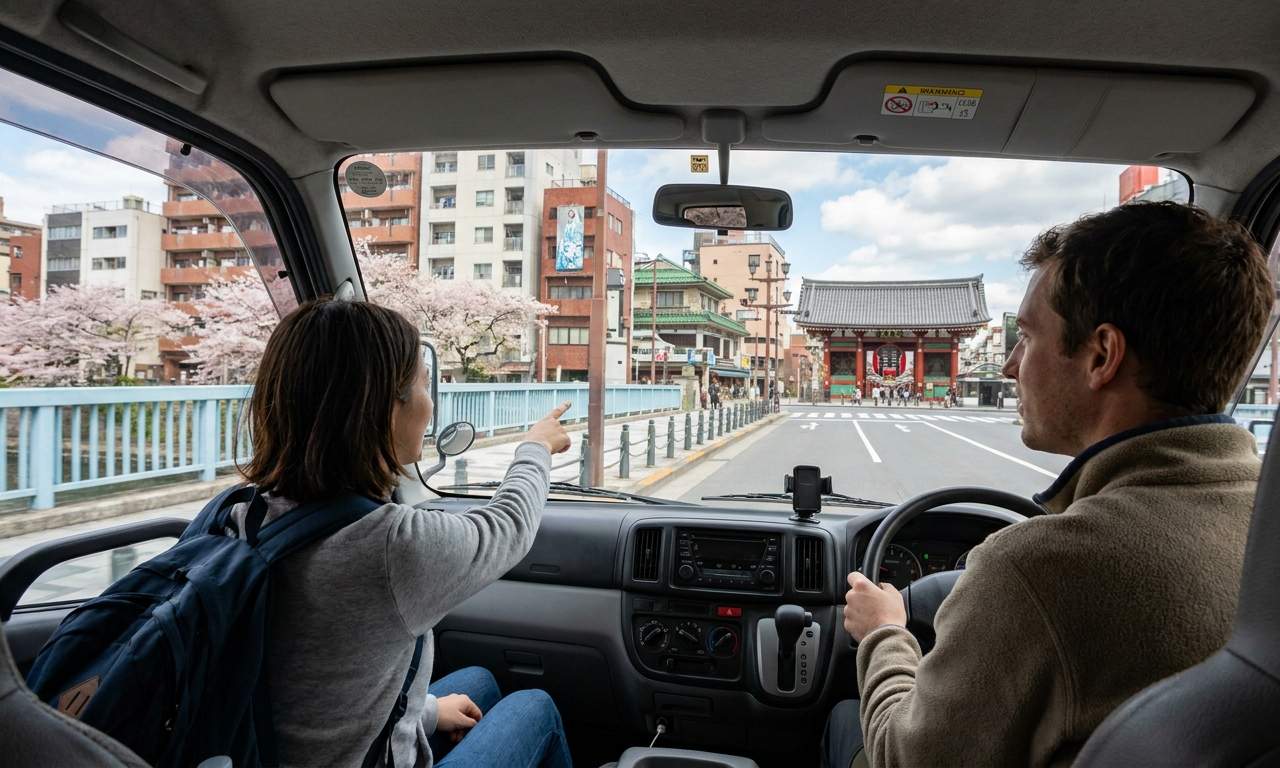
Tokyo's main roads and highways are exceptionally well-maintained, ensuring a smooth ride for your rented motorhome, though central urban areas feature dense traffic and numerous intersections. The terrain within central Tokyo is largely flat, but it transitions to more mountainous and winding roads in surrounding prefectures like Yamanashi and Kanagawa, offering beautiful scenic drives for couples. For an RV rental for couples, navigating outside the immediate city core allows for a more relaxed pace and convenient access to Japan's stunning natural landscapes. Travel slowly, max 100-150 km per day on average, to truly take time to feel the place, connect to the culture, the food, and the scenery.
RV Size Limits, Bridges & Restricted Zones
Tokyo's infrastructure generally accommodates most standard motorhome sizes, however, drivers must be vigilant for low bridges, tunnel height restrictions, and narrow alleyways, especially in older districts. Bandana's Class C Alcove, with an average length of 5 meters and a typical width of 2.2 meters, is a relatively compact option well-suited for Japanese roads, balancing interior comfort with maneuverability. Drive slowly and carefully, and you can drive almost anywhere without issues. No need to stress — just use common sense and pay attention. While specific environmental zones are less common for general RVs, always watch for local signage indicating vehicle restrictions or resident-only access in certain areas like historic temples or residential streets.
Fuel: Petrol vs. Diesel & Cost per 100 km in Tokyo
Petrol (gasoline) is the most common fuel type readily available across Japan, including Tokyo, with diesel stations being less frequent outside major transport hubs. While specific fuel consumption data for every Bandana Class C Alcove motorhome in Tokyo is dynamic and depends on the model and driving conditions, RVs generally have higher fuel consumption than standard cars. Fuel prices in Japan can be higher than in many Western countries, averaging around ¥175 per liter for regular unleaded petrol (approx. $1.15 USD per liter or $4.35 USD per gallon). Couples should budget accordingly for fuel costs, which could be around ¥2,000-¥3,500 ($13-$23 USD) per 100 km, depending on the RV model and driving style. On RV PLANET routes, travelers can itemize and track every expense along the way for easy budgeting, giving you full transparency on your total trip cost. On the routes offered through RV PLANET routes, you can itemize and track every expense along the way for easy budgeting.
Tolls, ETC Cards & Domestic Driving in Tokyo
Japan's expressways, particularly those around and leading into Tokyo, operate on a toll-based system that can be quite expensive, and vignettes are not used. Utilizing an Electronic Toll Collection (ETC) card is highly recommended for RV travel in Tokyo and across Japan to ensure smooth passage and sometimes offer discounts, which can save a couple time and money. Many Bandana RVs come equipped with pre-installed ETC cards for convenience. For instance, a drive from Tokyo to Hakone could incur ¥1,000-¥2,000 in tolls one-way. Border rules are not applicable for RV rentals originating and returning within Japan, so the focus remains on domestic driving regulations and understanding the toll systems for an enjoyable two-week adventure. You can find more detailed pricing information in our "RV Rental in Tokyo - Prices and Best Deals 2026" guide.
Driving Tips for RV Rental for Couples in Tokyo
Driving on the left side of the road is mandatory in Japan, a crucial point for couples accustomed to right-hand driving, and be aware of intricate lane markings, especially in Tokyo's multi-lane expressways. Investing in a reliable GPS with English options or using navigation apps like Google Maps is essential, as Japanese signage can be challenging without prior knowledge. For couples, planning routes that incorporate scenic stops at *michi-no-eki* (roadside stations) can greatly enhance the journey and offer convenient breaks with local amenities. Be mindful of parking; research and book RV-friendly parking or campgrounds in advance, particularly when visiting popular attractions or staying overnight in an extended road trip. Respect local driving etiquette, which prioritizes politeness and strict adherence to speed limits and traffic laws, making for a stress-free travel experience. Our "RV Travel Guide to Tokyo - Tips and Top Spots 2026" offers more specific local insights.
Recommended RV Class for Tokyo Roads
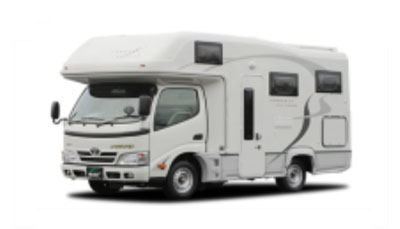
For RV rental for couples in Tokyo, Bandana's Class C - Alcove motorhome, with an average length of 5 meters (16-17 feet), is a highly recommended choice, such as a compact 'rent rv example A1' or 'Luxury Small'. This compact size offers an excellent balance, providing ample living and sleeping space for two people (typically a double bed of 1.3-1.5m width and a small dining area) while remaining agile enough to navigate most urban outskirts and country roads in and around Tokyo. Its manageable dimensions simplify parking and make it less intimidating for drivers less familiar with larger vehicles on Japanese roads, compared to much longer RVs. These vehicles often feature essential amenities like a small kitchen (with a 2-burner gas stove and 80-100 liter refrigerator) and a private bathroom (shower and toilet), ensuring comfort on your week-long trip.
Should I Choose a Compact Campervan Instead of a Large RV in Tokyo?
For couples traveling in Tokyo, while a compact campervan (like a Mercedes-Benz Marco Polo, typically under 5 meters) offers slightly more maneuverability in extremely tight Tokyo alleyways and potentially easier street parking, a Class C Alcove RV (like Bandana's 5-meter unit) generally provides a superior and more comfortable experience without significant driving challenges. A compact van might be genuinely advantageous for navigating ultra-narrow historic centers, though these are often found more outside central Tokyo, such as in Kyoto. Opting for a motorhome provides couples with more dedicated living space, a private bathroom, and comprehensive kitchen facilities for preparing meals, which often outweighs the marginal gains in maneuverability a smaller van might offer. This is especially true when planning extended road trips or exploring scenic regions beyond the immediate city center, where you'll appreciate the extra space and amenities, for example preparing a tasty breakfast with our RV-friendly recipes playlist.
Can I Park Anywhere? Free & Wild Camping Rules in Tokyo
No, wild camping or boondocking is generally illegal and culturally unacceptable across Japan, including within Tokyo and its surrounding areas; proper waste disposal and noise regulations are strictly enforced. Overnight parking is often permitted at *michi-no-eki* (roadside stations) for a single night, primarily for drivers to rest, but extended camping activities are typically prohibited. These stations are excellent for a quick overnight stop, offering clean restrooms and sometimes vending machines, but they are not full campgrounds. Couples should plan to stay at designated RV parks, official campgrounds (which offer amenities like electricity and dump stations), or paid parking facilities, particularly when exploring popular areas or requiring utility hookups. Rules can vary by region within Japan, so always check local regulations and follow local law before parking overnight.
Can I Drive an RV Into the City Center? Heights, Tunnels & Local Signage in Tokyo
Yes, you can generally drive an RV into Tokyo's city center, as major roads and expressways are designed for various vehicle types, including commercial trucks. However, central Tokyo driving involves significant challenges: heavy traffic, narrow side streets in older districts like Ginza or Shinjuku, and extremely limited and expensive parking options, often costing ¥500-¥1,000 per hour for a large vehicle. Drivers must pay close attention to local signage for height restrictions, especially when entering tunnels, underground parking garages (many are under 2.1 meters, making them inaccessible for most RVs), or underpasses. For couples, it's often more practical and less stressful to park a rented RV on the outskirts of Tokyo at a designated RV park (like those near Shin-Kiba Station) and utilize the city's excellent public transportation system (trains and subways) for central exploration. This approach is elaborated in our "Cheap RV Rental in Tokyo - Budget Guide 2026."
Is Driving Easy in Tokyo?
Driving in central Tokyo can be challenging due to dense traffic, complex multi-lane road networks (like the Shuto Expressway), and limited, expensive parking, often making public transport a more convenient option for inner-city travel. Roads leading to and from Tokyo, and routes in less populated surrounding areas such as the Tama region or Chiba Prefecture, are generally well-maintained and much easier to navigate for RVs. For couples, enjoying an RV rental primarily involves exploring scenic regions outside the immediate city core, like a two-week adventure to Hakone or Nikko, where driving conditions are much more relaxed and enjoyable. Remember, Bandana ensures full transparency with no hidden fees, so you know what you're paying for before you even pick up your RV.
Is a Car Necessary in Tokyo?
For exploring central Tokyo, a car or RV is generally *not* necessary and often impractical; the public transport system is highly efficient, extensive (covering 2,800 km of rail lines), and often faster and cheaper than driving. An RV becomes necessary and highly beneficial for couples wanting to explore regions *outside* Tokyo, such as Mount Fuji (Kawaguchiko area), Hakone, or coastal areas like Izu Peninsula, allowing for unparalleled flexibility and direct access to nature and unique cultural experiences. If your primary goal is to experience the urban core, parking a rented RV on the outskirts (e.g., at a campground in Chiba) and using trains or subways for inner-city travel is a viable and often preferred strategy, saving you money on tolls and parking. Explore our "RV Rental Deals in Tokyo - Latest Offers 2026" for options.
Can You Camp Anywhere in Japan?
No, wild camping (also known as boondocking or free camping) is generally illegal and culturally frowned upon throughout Japan; it is not permitted on public or private land without explicit permission. Overnight parking for fatigued drivers is often allowed at *michi-no-eki* (roadside stations), which offer amenities like restrooms and sometimes shops, but these are for resting, not extended camping, and typically allow stays of one night. Couples planning an RV trip should plan to stay in designated RV parks, official campgrounds (which offer amenities like electricity and fresh water hookups), or other authorized parking areas, always respecting local laws and cultural norms regarding noise and waste disposal. We partner with over 50 leading RV suppliers worldwide, including major names like El Monte and Apollo, to offer you numerous options for your journey.
Are There RV Parks in Tokyo?
Dedicated RV parks directly within Tokyo's immediate core are very limited due to the intense urban density and high land values, with most land costing upwards of ¥1 million per square meter. However, several well-equipped campgrounds, caravan parks, and RV-friendly parking facilities can be found on the outskirts of Tokyo or within a short driving distance, offering amenities like power hookups, dump stations, and restrooms. Examples include Tokyo Port Wildbird Park Campground (though very limited RV spots) or various options in neighboring Saitama or Chiba prefectures within 1-2 hours drive. Couples planning an RV trip to Tokyo should research and book these peripheral RV parks in advance, using them as a comfortable base to explore the city via public transport. For finding campsites and campgrounds during your trip, we recommend using RV PLANET (rvplan.net) - a great resource for locating available spots along your route.
What is the Best Way to Travel Around Tokyo?
For navigating central Tokyo itself, the extensive, punctual, and highly efficient public transportation system, specifically trains and subways (like the JR Yamanote Line or Tokyo Metro), is overwhelmingly the best and most convenient method. While a rented motorhome offers freedom for exploring regions outside Tokyo, driving an RV *within* the city center is generally slow, challenging, and complicated by parking scarcity and cost. A single week-long trip inside the city with an RV could incur ¥10,000+ in parking alone. Couples can optimize their trip by parking their RV at an out-of-city campground or RV park and utilizing JR passes or Suica/Pasmo cards for seamless inner-city exploration. Remember, we handle the details, you live the journey – personal service from day one until your booking is confirmed.
🎬 Video coming soon
How Much Does It Cost to Rent an RV in Japan?
The cost to rent an RV in Japan varies widely based on factors such as vehicle size, rental duration, season, and additional amenities or insurance packages. For a compact RV suitable for couples, such as Bandana's Class B Campervan like an 'Active Classic' or 'Duo - Campervan', daily rental prices generally range from ¥15,000 to ¥35,000 (approximately $100-$230 USD), with peak season rates typically higher during cherry blossom season (late March to early April) or national holidays. A two-week adventure could cost between ¥210,000-¥490,000 ($1,400-$3,200 USD) for the rental alone. Beyond the rental fee, couples should budget for additional expenses including tolls (e.g., ¥5,000 for a Tokyo-Kyoto one-way), fuel (around ¥2,500 per 100km), campsite fees (¥2,000-¥5,000 per night), and potentially an ETC card or pocket Wi-Fi rental. Prices are dynamic like flight tickets — they change daily based on availability, seasonality, and supplier marketing decisions. The final price is set at actual booking time. For broader context on Japanese RV travel, refer to our "RV Rental Japan - Complete Guide 2026".
What is the Cheapest Way to Travel Around Tokyo?
The cheapest way to travel around Tokyo is by utilizing its comprehensive public transportation system, particularly with day passes or IC cards like Suica or Pasmo, combined with walking; a 24-hour Tokyo Metro Pass costs around ¥600 ($4 USD). For couples, purchasing a Tokyo Metro or JR day pass can offer unlimited travel on specific lines for a set period, significantly reducing per-trip costs compared to driving. While a rented RV provides immense value for exploring broader Japan's stunning landscapes over an extended road trip, its operational costs (including tolls that average ¥1,000-¥3,000 for city excursions, parking fees of ¥500-¥1,500 per hour, and higher fuel consumption) generally make it a more expensive option for solely navigating the dense Tokyo urban area. To find the cheapest RV rental for Tokyo, consider flexible travel dates during off-peak seasons (e.g., late May or early September) and use our comparison tools to compare final prices across suppliers – what you see is what you pay, with no surprise fees at pickup.
Can I Drive an RV From Tokyo to Mount Fuji?
Yes, driving a rented RV from Tokyo to Mount Fuji is a popular, highly recommended, and entirely feasible itinerary for couples seeking scenic beauty and outdoor adventure. The journey, typically 1.5-2.5 hours covering 100-150 km depending on traffic and the chosen route, offers well-maintained expressways. The route allows direct access to the Fuji Five Lakes region (Kawaguchiko, Yamanakako, etc.), which has numerous RV-friendly campgrounds like Pica Fujiyama and *michi-no-eki* facilities, perfect for a romantic week-long trip. This journey highlights the primary advantage of an RV rental for couples in Japan: the flexibility to explore stunning natural landscapes and charming towns beyond the city, at your own pace, creating lasting memories. One-way RV rental in Tokyo to other parts of Japan is also an option, though a drop-off fee may apply, typically ranging from ¥15,000-¥50,000 ($100-$330 USD).
Can Tourists Drive in Japan?
Yes, tourists can legally drive in Japan, provided they possess a valid International Driving Permit (IDP) issued in their home country, which must be based on the 1949 Geneva Convention. It is crucial to obtain the IDP *before* arriving in Japan, as it cannot be acquired locally. This permit must be presented alongside your original driver's license at all times. For couples planning an RV trip, ensuring both drivers have a valid IDP and understanding basic Japanese road rules (e.g., driving on the left, stopping at railroad crossings, yielding to pedestrians) is essential for a smooth and safe journey. Remember, Bandana Caravan, founded in 2001, has over 20 years helping tens of thousands of travelers explore the world by RV, offering direct partnerships with 50+ leading RV suppliers worldwide for your peace of mind.
What You Shouldn't Miss
- **Mount Fuji & Fuji Five Lakes:** Drive your rented motorhome to the iconic Mount Fuji region. Explore Lake Kawaguchiko by boat, visit the Chureito Pagoda for classic views, and camp at Pica Fujiyama, a top-rated RV park.
- **Hakone Open-Air Museum & Lake Ashi:** A picturesque mountain town known for its hot springs and stunning views of Fuji. Park your RV and take a scenic boat cruise on Lake Ashi, ride the Hakone Ropeway, and soak in an *onsen*.
- **Nikko National Park:** Head north from Tokyo in your mobile home to discover UNESCO World Heritage shrines and temples, majestic waterfalls like Kegon Falls (97 meters high), and beautiful autumn foliage routes.
- **Izu Peninsula Coastal Drive:** Enjoy a week-long trip along the beautiful coastline of the Izu Peninsula, offering stunning ocean views, fresh seafood (sushi, sashimi), and relaxing hot springs in towns like Atami.
- **Japanese Roadside Stations (Michi-no-Eki) Exploration:** Make a game out of discovering Japan's unique *michi-no-eki*. Many offer local delicacies, crafts, clean facilities, and often free overnight parking for a restful night.
- Looking for expert insights from Avi Bandana? Top 5 Adventures – recommendations from Avi Bandana
Final Thoughts
Embarking on a romantic RV adventure in Tokyo offers couples an unparalleled blend of urban exploration and scenic escapism. While navigating the heart of Tokyo requires mindful planning, the surrounding areas open up a treasure trove of picturesque routes perfect for a week-long trip or an extended road trip. Choosing a compact motorhome or campervan ensures you maintain comfort and flexibility, letting you immerse yourselves in Japan's unique culture and breathtaking nature.
At Bandana Caravan, we are dedicated to making your RV rental experience seamless and enjoyable, from transparent pricing to helping you plan your perfect route. Imagine the freedom of cooking a delicious meal together in your rented motorhome with a stunning view of Mount Fuji, or simply enjoying the journey at your own pace. Discover top destinations, planning tips, all in one place!
So, why wait? Plan a trip itinerary in advance with minimal effort and maximum enjoyment, knowing you have a trusted partner every step of the way. Your unforgettable romantic RV driving in Tokyo awaits!
Find Motorhome Rentals in Tokyo