In This Guide
- Can You Drive an RV in Switzerland? License & Age Rules
- Road Conditions & Terrain in Switzerland
- RV Size Limits, Bridges & Restricted Zones
- Fuel: Diesel vs. Petrol & Cost per 100 km
- Tolls, Vignettes & Border Rules
- Driving Tips for rv rental for couples Travelers
- Recommended RV Class for Switzerland Roads
- Should I Choose a Compact Van Instead of a Large RV in Switzerland?
- Can I Park Anywhere? Free & Wild Camping Rules in Switzerland
- Can I Drive an RV Into the City Center? Heights, Tunnels & Local Signage
- How much does it cost to rent an RV in Switzerland for a week?
- What is the best month to RV in Switzerland?
- Is RVing in Switzerland expensive?
- What are the requirements to rent an RV in Switzerland?
Can You Drive an RV in Switzerland? License & Age Rules
Yes, you can drive an RV in Switzerland with a standard car driver's license for vehicles up to 3,500 kg Gross Vehicle Weight (GVW). If the RV you choose exceeds this weight limit, a Category C1 or C license will be necessary. The minimum age for renting an RV is generally 21, though some suppliers may have a higher minimum age of 25 for larger or more powerful motorhome classes. For travelers from outside the EU/EFTA, an International Driving Permit (IDP) is recommended to accompany your national license, ensuring you meet all documentation requirements for the entire rental period.
Road Conditions & Terrain in Switzerland
Switzerland boasts exceptionally well-maintained roads, often offering a smoother driving experience than in many other European countries. However, the terrain is predominantly mountainous, featuring steep ascents, descents, and numerous hairpin turns that demand careful and attentive driving. You'll encounter an extensive network of tunnels, some of which are quite long. While urban areas can be dense, and streets narrow, the main routes are generally RV-friendly. Gravel roads are infrequent on primary routes but can be found on more remote or secondary paths. Embrace the scenic pace; speed limits are lower and strictly enforced, allowing you to fully enjoy the breathtaking views along the way.
RV Size Limits, Bridges & Restricted Zones
Pay close attention to road signs in Switzerland, as height limits are crucial, with a standard limit of 4 meters (13 feet 1 inch). Many tunnels or underpasses may have lower clearances. Weight limits are also critical, particularly for bridges and smaller mountain roads; most standard RV rentals comfortably fall under the 3.5-tonne limit for a standard driver's license. While Switzerland doesn't have widespread environmental zones like some neighboring countries, always check for any temporary restrictions or specific permit requirements in certain urban areas. Be vigilant for signs indicating restrictions for specific vehicle types or dimensions, such as maximum length, width, or weight. RVs are generally accommodated on lake ferry services, but pricing may vary based on length and weight.
Fuel: Diesel vs. Petrol & Cost per 100 km
The vast majority of rental RVs in Switzerland are diesel-powered, offering better fuel efficiency and torque, which is advantageous for mountain driving. Both diesel (Diesel/Gasoil) and petrol (Bleifrei/Super) are readily available at service stations throughout the country. Based on typical fleet averages, a semi-integrated RV (Class SI) consumes approximately 10-11 liters per 100 km, while a camper van (Class B) averages 8-10 liters per 100 km. With current average diesel prices in Switzerland, you can expect the cost to be around 18-22 CHF per 100 km for a semi-integrated RV. Some rental providers might offer fuel discount cards, which can help optimize your travel expenses.
Tolls, Vignettes & Border Rules
For RVs under 3.5 tonnes traveling on Swiss national motorways, an annual vignette is mandatory, costing CHF 40 for the current year and valid for 14 months. RVs exceeding 3.5 tonnes are subject to the Heavy Vehicle Charge (HVC), which is mileage-based and replaces the vignette requirement. Certain tunnels, like the Great St. Bernard or Munt la Schera, have additional tolls payable on-site. When crossing borders, note that France and Italy primarily use distance-based tolls, while Germany generally has no tolls for RVs under 3.5 tonnes. Austria requires a vignette and separate tolls for specific routes. Some rental companies conveniently offer pre-installed vignettes or toll passes to streamline your journey and avoid potential fines. On the routes offered through RV PLANET routes, you can itemize and track every expense along the way for easy budgeting.
Driving Tips for rv rental for couples Travelers
Embrace a scenic pace; don't rush your journey, and utilize turnouts for photo opportunities or to let faster traffic pass. Master mountain driving by using engine braking on descents and manually selecting gears for better control. Always check weather forecasts for mountain passes, especially outside peak summer. Pre-booking campsites is highly recommended during peak season, as popular spots fill quickly, ensuring a stress-free experience. Pack smart and light to maximize internal space, focusing on essentials. Utilize your RV's flexibility to discover local gems like regional festivals, markets, or unique farm stays for a deeper cultural immersion. Always maintain emergency preparedness: keep emergency numbers (112, 144) handy and carry a basic breakdown kit, especially in remote alpine areas.
Recommended RV Class for Switzerland Roads
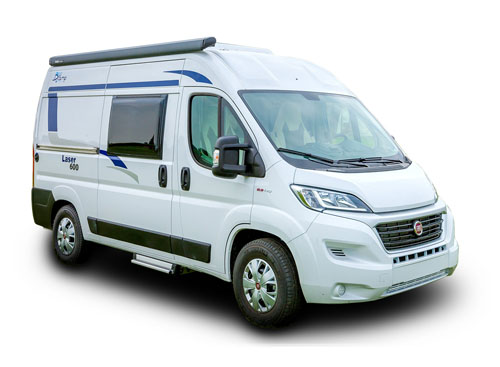
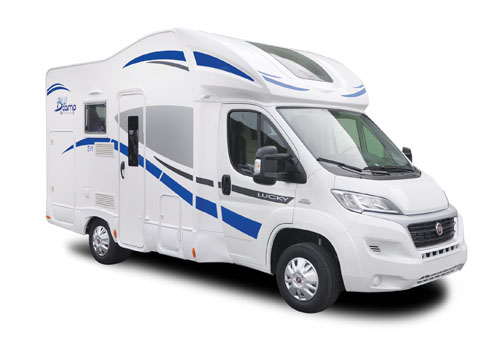
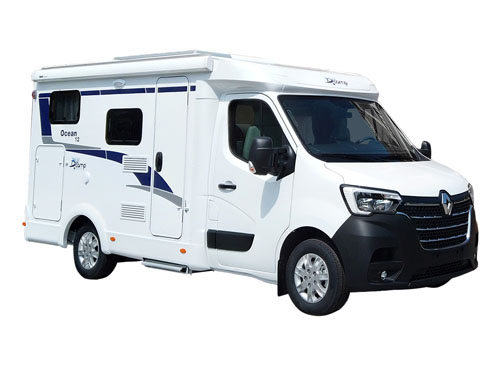
For navigating Switzerland's diverse roads, a Class B Camper Van is ideal for maximum maneuverability and accessing smaller roads or picturesque villages. Bandana's global fleet averages these camper vans at approximately 5.8 meters in length, consuming 8-10 Liters/100 Km, making them perfect for couples. If you desire more living space and amenities, a Class SI Semi-integrated motorhome offers a good balance. With an average length of 6.9 meters and fuel consumption of 10-11 Liters/100 km, these provide a comfortable yet relatively agile option. Both classes typically remain under the 3,500 kg weight limit, suitable for a standard B driving license, and their moderate lengths ease negotiation of winding mountain passes and access to a wider range of campsites.
Should I Choose a Compact Van Instead of a Large RV in Switzerland?
Opting for a compact van (Bandana's Class B average 8-10L/100km) offers superior maneuverability, easier parking, and better fuel economy, which can be beneficial on very narrow roads or when entering historic town centers. However, a larger RV, like a semi-integrated (SI) model (Bandana's Class SI averages 6.9m length), provides significantly more comfort, a spacious living area, enhanced kitchen facilities, and a dedicated bathroom, greatly improving the experience for couples on longer trips. While most major Swiss roads and many mountain passes accommodate vehicles up to 7-7.5 meters, the trade-off for a compact van might be sacrificing indoor comfort, especially during adverse weather or extended stays. For couples seeking a blend of capability and comfort, a Class SI Semi-integrated often presents the ideal solution. For ideas you can prep on the road, watch our RV-friendly recipes playlist on YouTube.
Can I Park Anywhere? Free & Wild Camping Rules in Switzerland
Wild camping, or camping outside designated sites, is largely prohibited across Switzerland, particularly in nature reserves, agricultural areas, and below the tree line. Rules vary significantly by canton and municipality; while some remote, high-altitude areas might implicitly tolerate single-night stays, this is uncommon. It is strongly recommended to use official campsites or designated motorhome parking areas (Stellplätzen) to avoid fines and ensure access to necessary facilities. Stopping for rest is generally tolerated, but setting up camp or overnighting outside designated areas often constitutes illegal wild camping. Always adhere strictly to Leave No Trace principles – pack out all trash and properly dispose of grey and black water – to help preserve Switzerland's pristine environment.
Can I Drive an RV Into the City Center? Heights, Tunnels & Local Signage
Most Swiss cities do not impose blanket bans on RVs entering their centers. However, it's crucial to observe signs for maximum height limitations, as underground parking garages are typically too low for RVs. Pay attention to width and weight limits, especially in historic districts. Finding suitable parking for an RV within city centers can be challenging and costly; consider parking on the outskirts and utilizing public transport. Specific cities have nuances: Bern's Old Town is best explored by parking outside, Lucerne's historic core may have restrictions with ample parking near the train station, and Zurich's deepest old town areas are largely pedestrian-priority.
How much does it cost to rent an RV in Switzerland for a week?
Renting an RV in Switzerland for a week typically ranges from CHF 800-1500 for compact campervans (Class B) to CHF 1200-2000 for semi-integrated (Class SI) models. Peak summer months (July-August) and holidays will be the most expensive, while shoulder seasons (April-June, September-October) offer better value. Longer rental durations often result in a lower daily rate. Remember to check what's included in the rental, such as mileage and insurance, as extras can significantly increase the cost. Beyond the rental, budget for fuel (estimated at 18-22 CHF/100km for an SI RV), the mandatory CHF 40 motorway vignette, specific tunnel tolls, campsite fees (CHF 30-70/night), and groceries to optimize your overall trip expenses.
What is the best month to RV in Switzerland?
For a pleasant RV trip in Switzerland, consider the shoulder seasons: May-June (Spring/Early Summer) offers mild temperatures, blooming wildflowers, and fewer tourists, although some high mountain passes might remain closed until late May or early June. July-August (Peak Summer) provides the warmest weather and all mountain passes open, but expect considerable crowds, higher prices, and strong competition for campsites. September-October (Autumn) boasts crisp air, stunning foliage, and comfortable temperatures for hiking, with crowds thinning after the summer rush; however, some high-altitude sites may close by late October. Winter RVing (November-April) offers a unique experience focused on snow activities but requires a well-equipped, winterized RV, specific tires or chains, and awareness of many road and campsite closures.
Is RVing in Switzerland expensive?
Switzerland has a high cost of living, which translates to higher prices for fuel, groceries, and services compared to many other European destinations. Expect campsite fees to range from CHF 30-70 per night for a well-equipped site. Additional costs include the mandatory annual vignette (CHF 40) and potential tolls for specific tunnels, which add to the overall travel budget. Fuel costs are generally above the European average, impacting the total expense, with an estimated 18-22 CHF/100km for a Class SI RV. To manage expenses, consider cooking most meals, shopping at larger supermarkets like Migros or Coop, utilizing more affordable Stellplätzen, and traveling during shoulder seasons to benefit from lower prices and fewer crowds.
What are the requirements to rent an RV in Switzerland?
To rent an RV in Switzerland, the primary driver must typically be between 21 and 25 years old, with some companies requiring 25 years for larger RV classes. A valid Category B license is generally sufficient for RVs up to 3,500 kg GVW, while heavier vehicles require a Category C1 or C license. Most companies require a minimum of 2-3 years of driving experience. For non-EU/EFTA citizens, an International Driving Permit (IDP) is usually mandatory if their national license is not in English, German, French, or Italian. You will also need a valid passport or national ID card, and a credit card for the security deposit and booking payment. Ensure you understand the insurance coverage and deductibles, and consider additional coverage for extra peace of mind. If traveling with pets, confirm that the rental company allows them and be aware of any specific border crossing requirements, such as pet passports and vaccinations, as well as local pet-friendly policies.
What You Shouldn't Miss
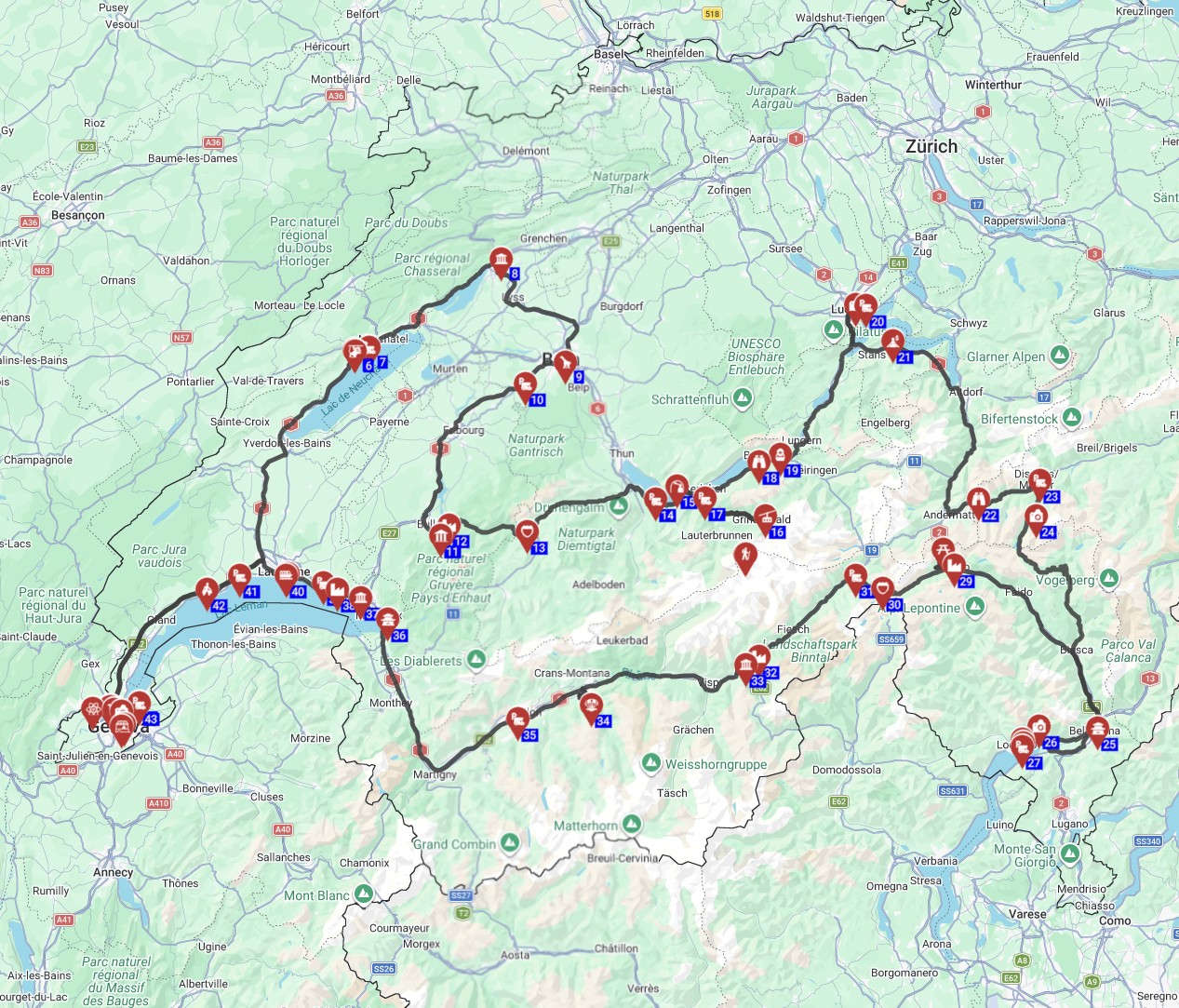
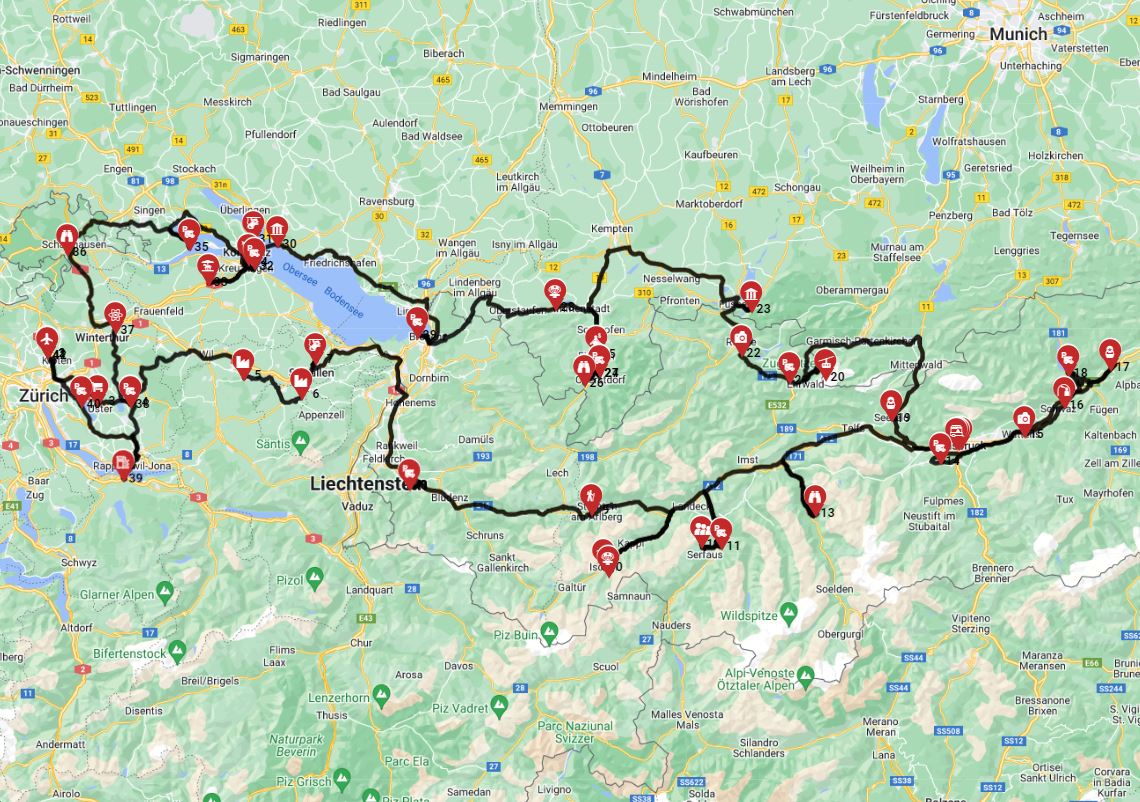
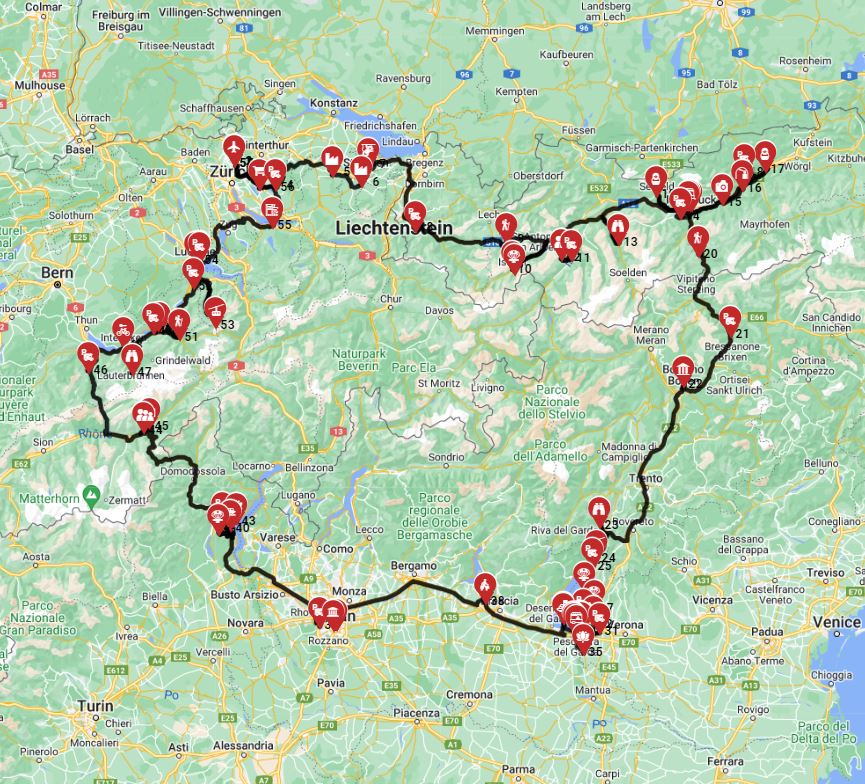
- Drive the scenic routes of the Swiss Alps, perhaps following a portion of the Nice Roundtrip - French Riviera toward North Italy, Switzerland, and the French Alps itinerary which covers 1742 km and includes attractions like amusement parks and wildlife encounters.
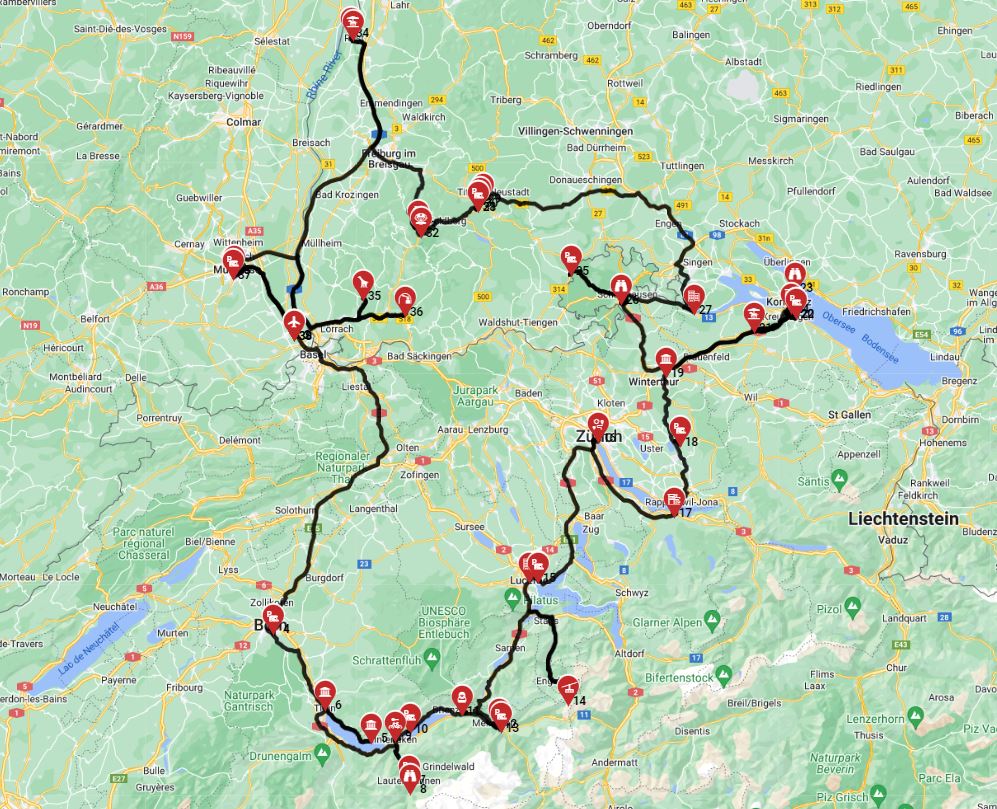
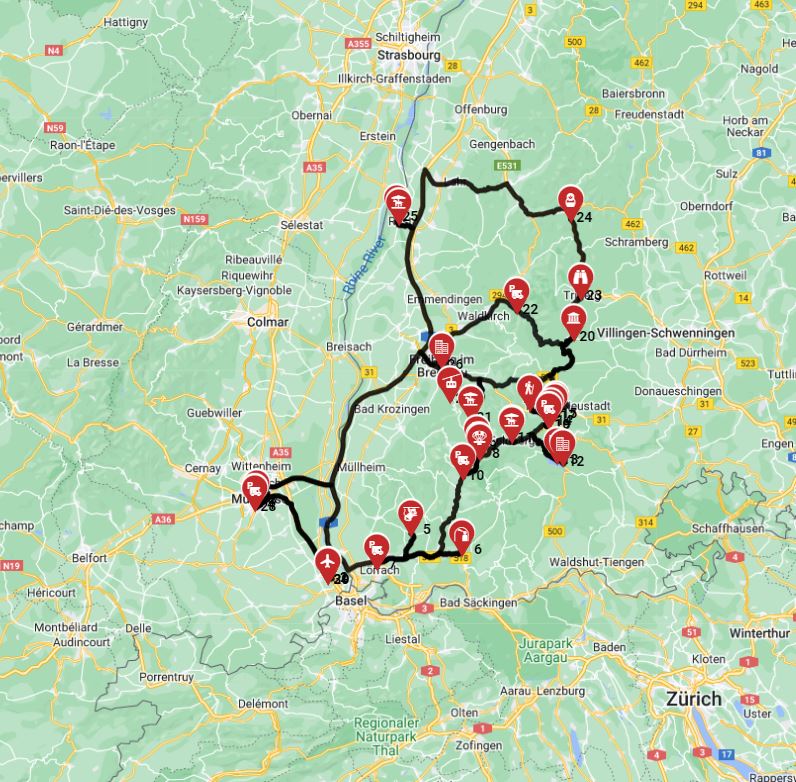
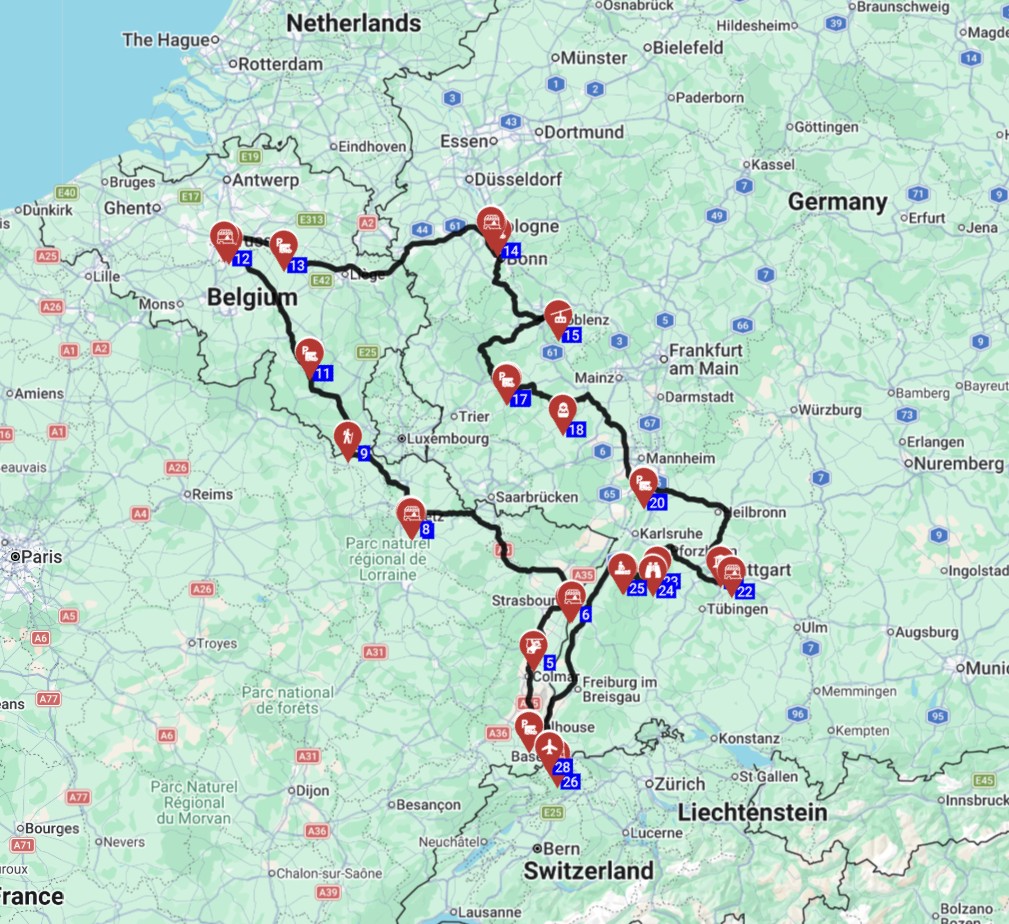
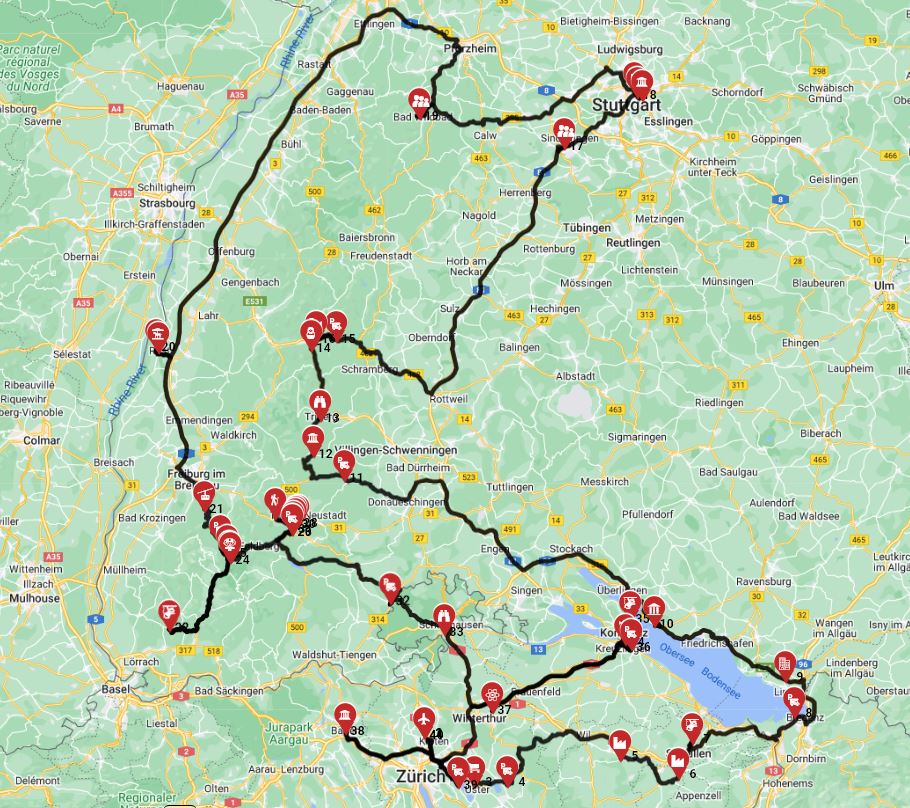
- Explore charming towns and breathtaking natural landscapes on the Basel - Switzerland & Black Forest route, a 16-day, 1233 km journey featuring numerous museums and natural wonders.
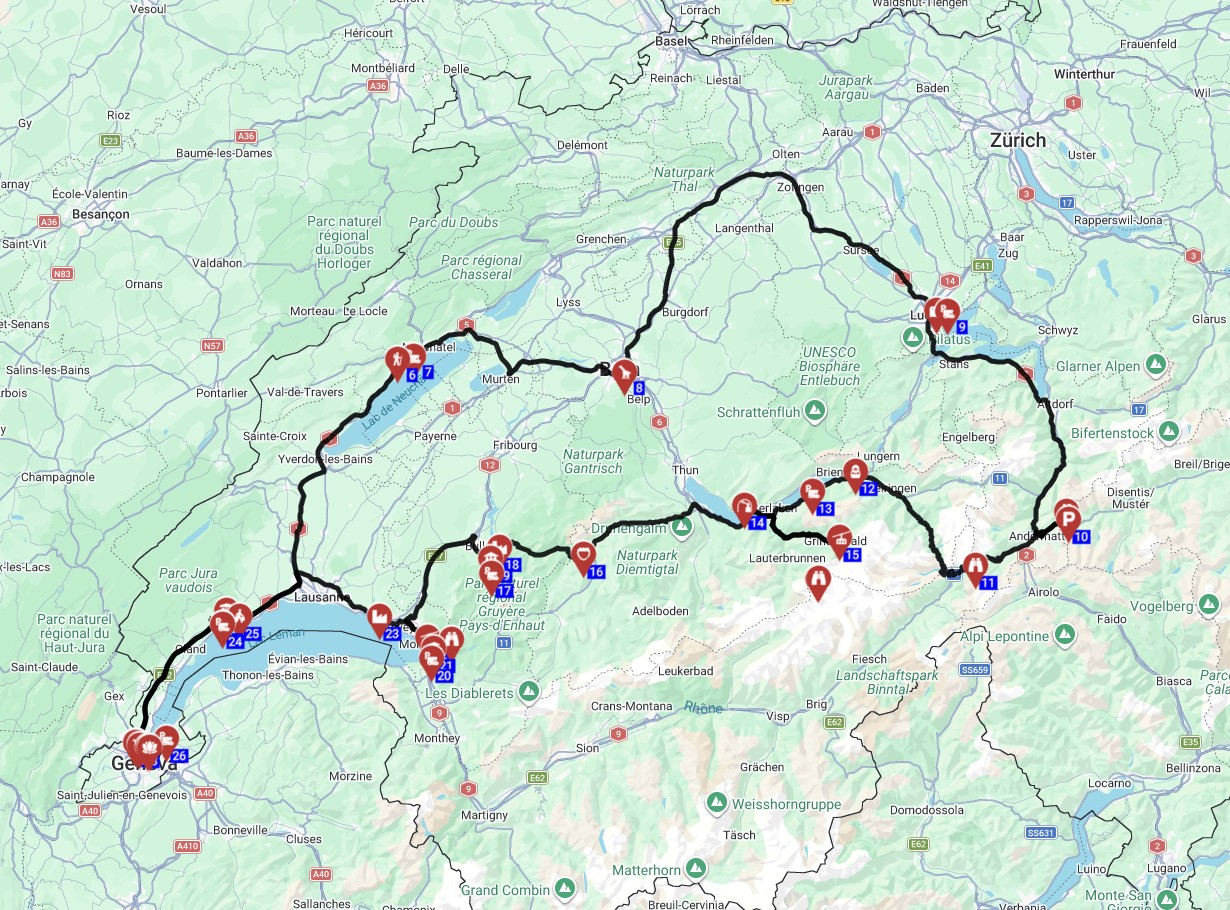
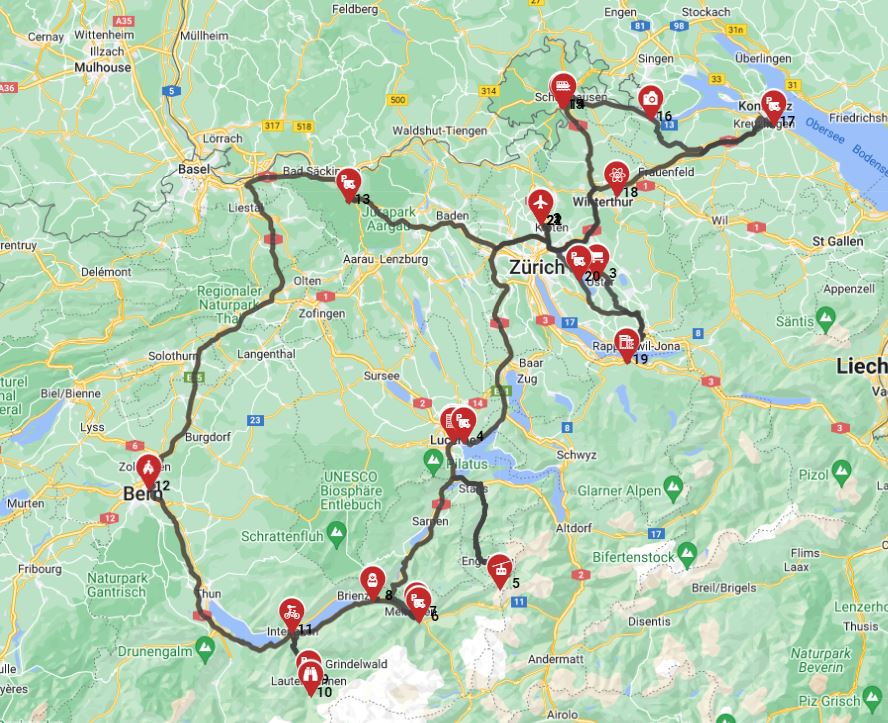
- Experience a shorter, yet equally stunning, journey with the Zurich Roundtrip - Switzerland Short route, covering 766.8 km in 8 days and offering highlights like cable car rides and hiking areas.
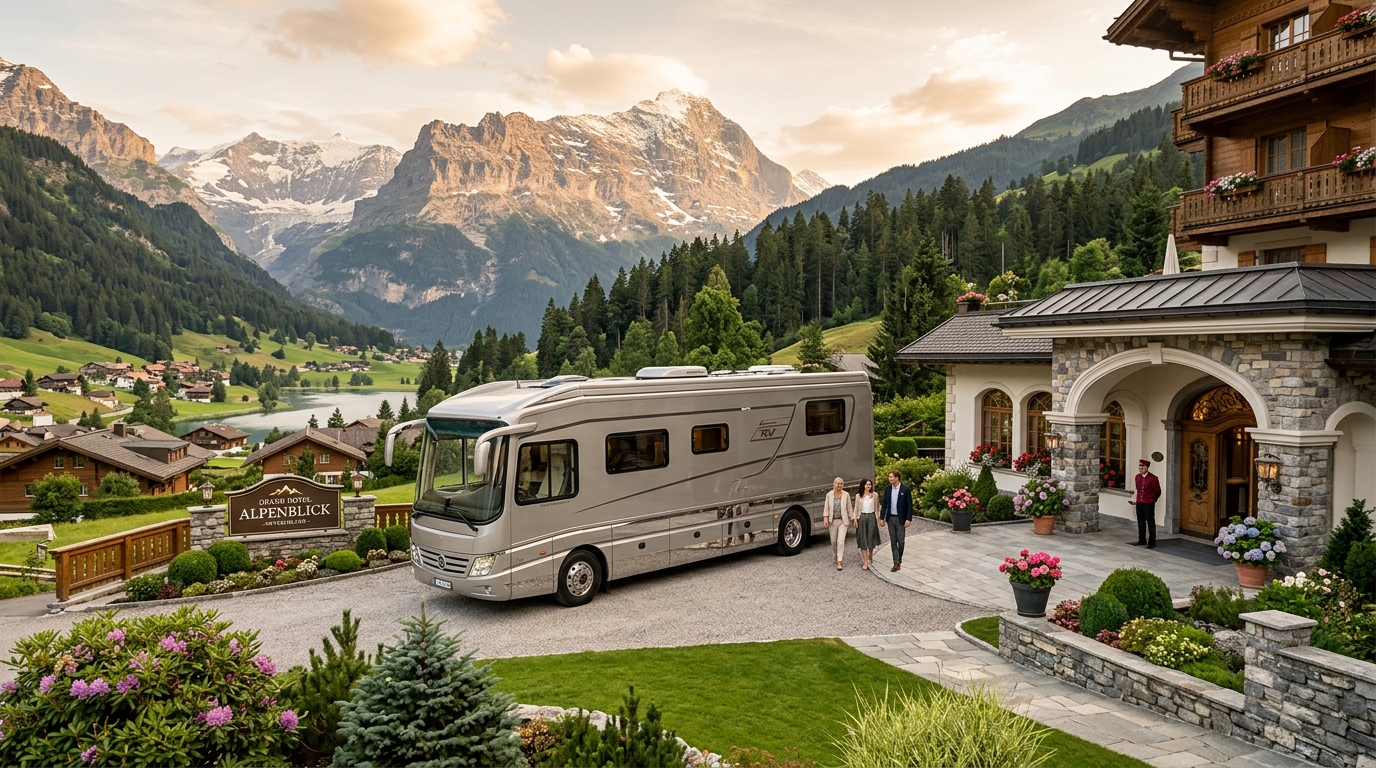
- Discover the picturesque beauty of the Swiss landscape, a perfect backdrop for couples seeking adventure and relaxation in their rented motorhome.
- Take advantage of the RV's flexibility to visit local markets and experience Swiss culture firsthand, perhaps incorporating a stop in a traditional village like those featured in pre-planned itineraries.
Final Thoughts
Embarking on an RV adventure in Switzerland as a couple offers an unparalleled way to experience the country's breathtaking landscapes and charming culture. The freedom to explore at your own pace, coupled with the comfort of your own mobile accommodation, creates a truly romantic and memorable journey.
By choosing the right RV, understanding local driving conditions, and planning your route, you're set for an incredible experience. We're here to support you every step of the way, ensuring your Swiss RV adventure is as seamless and delightful as possible.