For live availability and current prices, start with our RV Rental North Europe - Complete Guide 2026 guide.
In This Guide
- Can You Drive an RV in North Europe? License & Age Rules
- Road Conditions & Terrain in North Europe
- RV Size Limits, Bridges & Restricted Zones
- Fuel: Diesel vs. Petrol & Cost per 100 km
- Tolls, Vignettes & Border Rules
- Driving Tips for rv rental for couples Travelers
- Recommended RV Class for North Europe Roads
- Should I Choose a Compact Van Instead of a Large RV in North Europe?
- Can I Park Anywhere? Free & Wild Camping Rules in North Europe
- Can I Drive an RV Into the City Center? Heights, Tunnels & Local Signage
- What is the 3-3-3 rule for RV travel?
- Can you rent a campervan to drive around Europe?
- Can I rent an RV to drive across country?
- Can I rent a car in Europe with an American driver's license?
- How much does it cost to rent an RV in Europe?
- Can you rent an RV with a normal license?
- What is the largest campervan you can drive on a car licence?
- Will my car insurance cover an RV rental?
- Is it cheaper to rent an RV or stay in hotels?
Can You Drive an RV in North Europe? License & Age Rules
A standard B-license is sufficient for most campervans and semi-integrated RVs up to 3,500 kg MAM in North Europe. Larger RVs exceeding this weight limit may require a C1 or C license. The minimum rental age is typically between 21 and 23, though some rental companies might have age restrictions or surcharges for drivers under 25. For non-EU drivers, such as those from the US or Canada, carrying an International Driving Permit (IDP) alongside your national license is highly recommended, as some Nordic countries may legally require it, or rental companies may insist on it for specific vehicle classes. It's always best to confirm the precise license and age requirements with your chosen rental company, especially when planning to drive in Norway, Sweden, Finland, Denmark, and Iceland, as policies can vary.
Road Conditions & Terrain in North Europe
North European roads are generally in excellent condition, with well-maintained surfaces, particularly on major highways connecting cities and regions. However, the terrain can be incredibly diverse. You'll encounter breathtaking fjords and challenging mountain passes in Norway, expansive forests and countless lakes in Sweden and Finland, picturesque flat coastal routes in Denmark, and unique volcanic landscapes in Iceland. Be aware that many Icelandic highland routes, known as F-roads, are unpaved and often require a 4x4 vehicle, which most standard RV rentals prohibit. Always be prepared for variable weather, including rain, fog, and strong winds, even during the summer months; winter conditions necessitate specially equipped, winterized RVs with appropriate tires. We encourage you to embrace a slow, scenic driving pace to truly savor the unique and dramatic landscapes North Europe has to offer.
RV Size Limits, Bridges & Restricted Zones
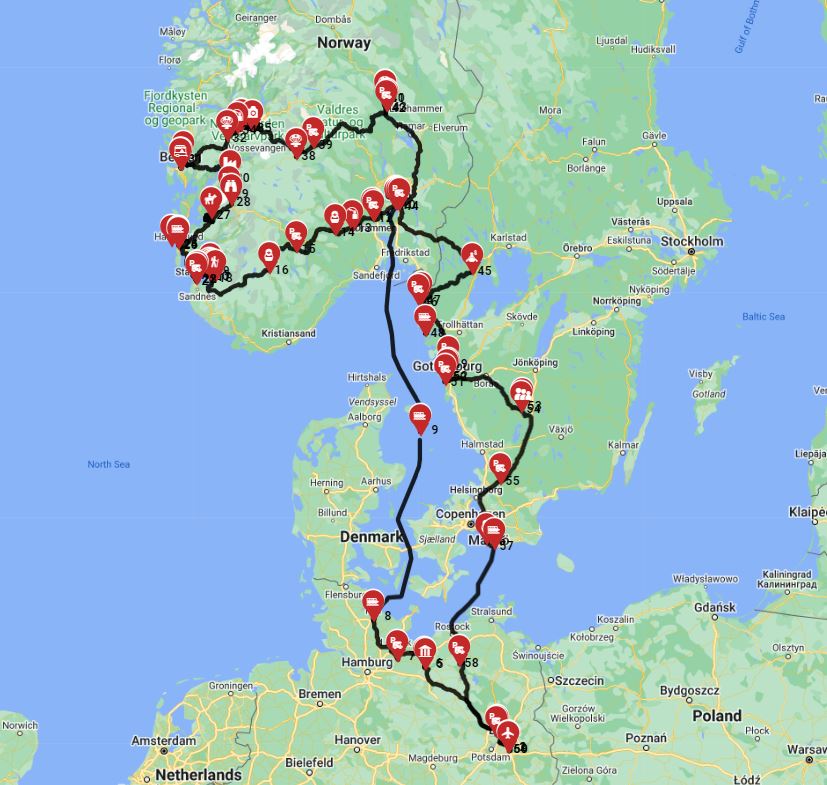
When planning your North European RV adventure, it's crucial to be aware of potential height and weight restrictions that can affect ferries, older city centers, tunnels, and certain bridges. Ferries are a common and scenic way to navigate Norway, Sweden, and Iceland, often impacting RV length and height, which in turn affects cost; booking these in advance is advisable. Norway, in particular, has numerous tunnels, some with specific height limitations, so always pay close attention to road signage. Major Nordic cities like Oslo, Stockholm, Copenhagen, and Reykjavik may have environmental or low-emission zones, and you should check if your rental RV meets the required standards or needs special registration. Historic city centers in places like Bergen or Stockholm can also present challenges with very narrow streets or pedestrian-only areas, making larger RVs impractical; parking on the outskirts and using public transport is often the most sensible approach for urban exploration.
Fuel: Diesel vs. Petrol & Cost per 100 km
Most rental RVs in North Europe, including popular options like Class B Camper Vans and Class SI Semi-integrated RVs available through Bandana, run on diesel. Diesel fuel is widely available across the region. However, be prepared for fuel costs in Nordic countries, which are consistently among the highest in Europe, so it’s wise to budget accordingly. For a typical Class SI Semi-integrated RV, expect fuel consumption to be around 10-11 liters per 100 km. At an estimated diesel price of €2.00 per liter, this translates to approximately €20-€22 per 100 km. Camper Vans (Class B) are generally more fuel-efficient, averaging 8-10 liters per 100 km, costing around €16-€20 per 100 km. It's important to plan your fuel stops, especially in more remote areas of Norway, Sweden, and Finland. Some rental companies, like Bandana, may offer options like fuel discount cards or pre-paid fuel plans to help manage these costs. On the routes offered through RV PLANET routes, you can itemize and track every expense along the way for easy budgeting.
Tolls, Vignettes & Border Rules
North Europe predominantly utilizes electronic toll systems, most notably Norway's AutoPASS system and the major bridges connecting Denmark and Sweden, such as the Øresund and Storebælt Bridges. Traditional 'vignettes,' which are time-based road tax stickers, are generally not a feature of the road charging systems in the Nordic countries. Many rental RVs come equipped with electronic toll tags for convenience, with charges typically settled post-trip via the rental company. Finland and Iceland, for example, generally do not have toll roads. Border crossings within the Schengen Area, which encompasses all of North European countries, are usually seamless with minimal formal checks, but it's essential to always carry your identification documents, passport, and all relevant RV rental and registration paperwork. Some Bandana RVs may come with pre-purchased toll passes, which can help avoid potential fines and streamline your travel experience.
Driving Tips for rv rental for couples Travelers
When embarking on an RV journey for two across North Europe, prioritizing a relaxed pace and embracing flexibility will significantly enhance your experience. Avoid over-scheduling to allow for spontaneous stops at breathtaking viewpoints and charming villages. Utilizing navigation apps that offer offline maps, such as Google Maps or Maps.me, and securing a local SIM card for reliable connectivity is essential for finding campgrounds, services, and points of interest. Embrace North Europe's unique seasonal considerations; plan your route to coincide with the Midnight Sun in summer for extended exploration or the Northern Lights in winter, adjusting your packing and driving strategies accordingly. Packing layers, waterproof clothing, and sturdy footwear is advisable to handle the often-variable Nordic weather. Familiarize yourselves with local road rules and signage, paying particular attention to speed limits and parking regulations, to ensure a smooth and enjoyable adventure.
Recommended RV Class for North Europe Roads
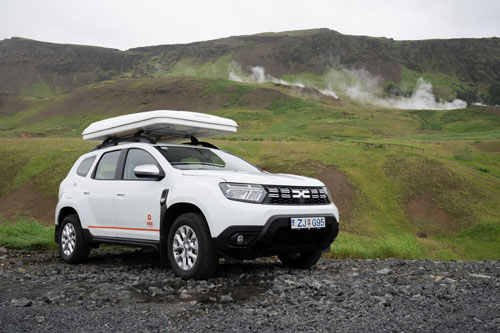
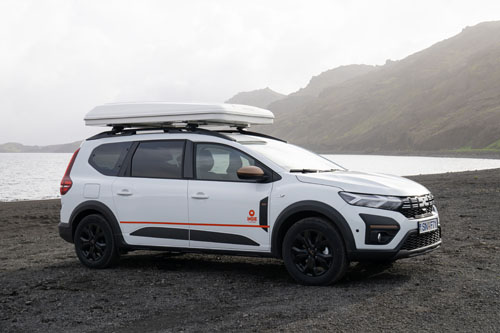
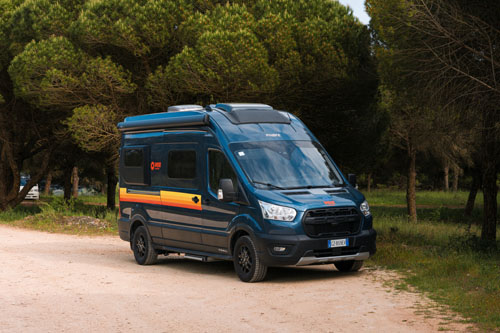
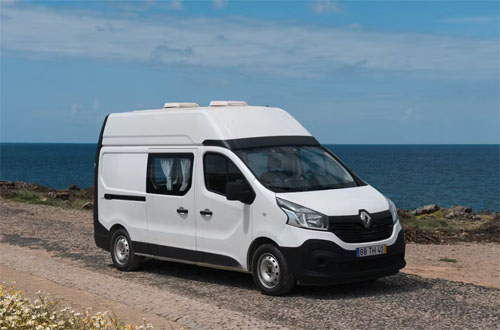
For couples exploring North Europe, a Class B - Camper Van or a Class SI - Semi-integrated RV is highly recommended. These options strike an excellent balance between maneuverability on varied terrain and comfortable living space. A Class B Camper Van, typically around 5.8 meters in length, offers superior agility on narrow roads and makes parking in smaller towns or city centers much easier, making it ideal for active couples. These vehicles provide sufficient sleeping and living space for two. For those seeking more indoor comfort, a Class SI Semi-integrated RV, averaging 6.9 meters, offers a dedicated dining area and more spacious sleeping arrangements, perfect for extended trips. While larger RVs like Class C or Class A models provide maximum space, they can be less agile on winding fjord roads or in historic villages. However, they are perfectly manageable on main routes and suitable for couples who prioritize living space above all else.
Should I Choose a Compact Van Instead of a Large RV in North Europe?
While compact campervans, such as a VW California Ocean, excel in maneuverability for tight city centers and narrow rural roads, most standard RV sizes, up to a Class SI Semi-integrated model, can be driven throughout North Europe without significant issues. For couples planning extended trips or anticipating inclement weather, the added comfort, indoor living space, and amenities of a slightly larger RV, like a Patagonia Camper 4x4, often create a more enjoyable and relaxed travel experience. A compact van genuinely helps navigate dense historic centers or extremely narrow mountain passes and can potentially reduce ferry costs due to its smaller size. However, the trade-off for opting for a larger RV is the enhanced living space, more comfortable sleeping arrangements, and superior cooking facilities, which can be a significant advantage for couples seeking a more immersive and leisurely journey through North Europe's stunning, often remote, locations. For ideas you can prep on the road, watch our RV-friendly recipes playlist on YouTube.
Can I Park Anywhere? Free & Wild Camping Rules in North Europe
While countries like Sweden, Norway, and Finland uphold the 'Right to Roam' (Allemansrätten), allowing public access to nature, its application for motorhomes and RVs is generally more restricted than for tent camping. Typically, overnight RV parking is permitted for one night in uncultivated areas away from houses and 'no overnight parking' signs in these countries. However, designated campsites are always preferred and often mandatory in popular tourist areas. Denmark and Iceland have stricter regulations, with wild camping largely prohibited outside designated primitive campsites or private land with explicit permission, particularly in Iceland due to its fragile ecosystem. Always respect 'Leave No Trace' principles by packing out all waste and using designated facilities for grey and black water disposal. Utilizing apps like Park4Night or Campercontact can help you find approved overnight spots, formal campsites, and service areas. Remember that rules can vary by region, so always check local regulations and comply with local laws before parking overnight.
Can I Drive an RV Into the City Center? Heights, Tunnels & Local Signage
Yes, RVs can generally be driven into North European city centers via major access roads, but drivers must pay very close attention to local signage. Key considerations include height limits for tunnels and parking garages, as most RVs will be too tall for underground parking. Be aware of environmental zones in major cities like Oslo, Stockholm, or Copenhagen, which may restrict certain vehicle types, and look out for 'residents-only' street access signs. Historic city centers, such as those in Bergen or Stockholm, can feature very narrow streets where larger RVs are impractical or prohibited. It is often advisable for couples traveling in an RV to park on the periphery of city centers in designated RV-friendly lots and then explore the urban areas using public transport or by walking.
What is the 3-3-3 rule for RV travel?
The 3-3-3 rule is a widely recommended pacing guideline for RV trips, suggesting you drive no more than 300 miles (approximately 500 km) in a day, arrive at your campsite by 3 PM, and stay for at least 3 nights. This rule is designed to ensure a relaxed travel experience, preventing driver fatigue and allowing ample time for couples to truly enjoy their destinations without feeling rushed. Driving limited distances enables more spontaneous stops for scenic views and cultural immersion, which is particularly valuable in North Europe's diverse and often dramatic landscapes. Arriving at your campsite by 3 PM provides time to set up, explore the immediate area, and unwind, which is especially beneficial during shoulder seasons with shorter daylight hours. Staying multiple nights encourages deeper exploration, reduces the stress associated with constant setup and takedown, and fosters a more immersive travel experience, making it a perfect strategy for a couples' North Europe adventure.
Can you rent a campervan to drive around Europe?
Renting a campervan to drive around Europe, including the varied countries of North Europe, is a very popular and entirely feasible option. Numerous rental companies, including Bandana, offer a wide range of campervans (Class B vehicles) suitable for cross-border travel within the Schengen Area. Campervans are particularly well-suited for North European adventures due to their maneuverability on scenic, winding roads, ease of parking in smaller towns, and suitability for ferry travel. It's always crucial to confirm with your rental provider the specific countries you plan to visit to ensure that your insurance and roadside assistance coverage are valid throughout your North Europe journey.
Can I rent an RV to drive across country?
Yes, you can typically rent an RV to drive across multiple countries in North Europe and the wider European continent, as most rental agreements permit cross-border travel within the Schengen Zone. North European countries like Norway, Sweden, Finland, Denmark, and Iceland are all part of, or associated with, the Schengen Area, which significantly simplifies border crossings with minimal formal checks. It is absolutely critical to explicitly inform your RV rental company, such as Bandana, of your intended itinerary, including all countries you plan to visit. This ensures that your rental contract, insurance, and roadside assistance coverage are valid for your entire trip. Always carry your passport/ID, driver's license (with an IDP if applicable), and all RV rental and registration documents when traveling between countries.
Can I rent a car in Europe with an American driver's license?
Americans can indeed rent vehicles, including most RVs, in Europe with a valid US driver's license. However, an International Driving Permit (IDP) is strongly recommended and often required for seamless travel and rentals in North European countries. The IDP acts as an official translation of your US driver's license and is recognized by law enforcement and rental agencies across more than 150 countries, including many in North Europe. While some Nordic countries might accept a US license for short visits, having an IDP can eliminate potential language barriers and ensure compliance with various local regulations or rental company policies. Remember that the minimum driver age for rentals typically ranges from 21 to 23, with potential surcharges for drivers under 25.
How much does it cost to rent an RV in Europe?
The cost of renting an RV for couples in North Europe varies widely based on vehicle class, season, and rental duration. Generally, expect daily rates to range from €80-€150 for a campervan during the shoulder season to €150-€250+ per day for a semi-integrated RV during the peak summer months. Rental fees constitute a significant portion of the budget. Fuel costs in North Europe are also notably high; budget around €20-€25 per 100 km for diesel, considering a Class SI RV consumes about 10-11 liters per 100 km. Tolls and ferry costs, particularly in Norway and for major bridges in Denmark and Sweden, can add €15-€50+ daily depending on your route and vehicle size. Campsite fees typically range from €25-€50 per night for a serviced pitch, though utilizing free or permitted wild camping can significantly reduce this expense. Insurance is mandatory, with basic liability included, but a high deductible (excess) is common; purchasing additional excess reduction insurance is highly recommended. Finally, while groceries in the Nordics are expensive, cooking meals in your RV is substantially cheaper than dining out, so budgeting €40-€60 per day for groceries for two can lead to considerable savings.
Can you rent an RV with a normal license?
Yes, in North Europe and across most of Europe, you can rent and drive many popular RV types, including campervans and semi-integrated models, with a standard B-category driver's license. This license permits the driving of vehicles with a Maximum Authorized Mass (MAM) of up to 3,500 kg. Most Class B - Camper Vans (averaging 5.8m in length) and a significant portion of Class SI - Semi-integrated RVs (averaging 6.9m in length) fall within this 3,500 kg MAM limit, making them readily accessible to holders of standard car licenses. Larger RVs that exceed the 3,500 kg MAM threshold, such as some Class C - Alcove or Class A - Integrated models, will necessitate a C1 or C category license. It's always important to confirm the specific license requirements for your chosen RV directly with the rental company to ensure compliance.
What is the largest campervan you can drive on a car licence?
On a standard B-category car license in North Europe, you can legally drive any campervan or RV with a Maximum Authorized Mass (MAM) of up to 3,500 kg, regardless of its physical length or height. This 3,500 kg MAM is the legal threshold that defines vehicles drivable with a standard car license. This category typically encompasses most Class B - Camper Vans (averaging 5.8m in length) and a substantial number of Class SI - Semi-integrated RVs (averaging 6.9m in length). While the physical dimensions like length and height are critical for maneuverability, parking, and ferry costs, the MAM is the definitive factor for determining license requirements. For couples, a semi-integrated RV often represents the largest practical option on a standard car license, providing a comfortable balance of living space and regulatory compliance.
Will my car insurance cover an RV rental?
It is highly unlikely that your personal car insurance policy will cover an RV rental in North Europe, as most personal policies explicitly exclude commercial rental vehicles and international driving. All legitimate RV rental companies in Europe, including Bandana, provide mandatory third-party liability insurance as part of the rental agreement, which covers damage to others or their property. Rental agreements typically include a Collision Damage Waiver (CDW), but this usually comes with a significant deductible, or 'excess,' which can range from €1,000 to €3,000, and you are financially responsible for this amount if the RV is damaged. Therefore, it is strongly recommended to purchase additional excess reduction insurance, either directly from the rental company or a third-party provider, to minimize your financial risk. Additionally, confirm with your credit card company if they offer any rental vehicle coverage, but be aware that most premium credit card benefits for rentals rarely extend to RVs or motorhomes.
Is it cheaper to rent an RV or stay in hotels?
For couples traveling in North Europe, renting an RV is generally more cost-effective than staying in hotels, especially for trips longer than a few days. This is primarily due to significant savings on accommodation and food expenses. RV campground fees, typically ranging from €25-€50 per night for a serviced pitch, are substantially lower than hotel rates in North Europe, which can easily be €100-€200+ per night for a couple. The ability to utilize free or permitted wild camping further reduces accommodation costs. Furthermore, cooking your own meals in the RV's kitchen drastically cuts down expenses compared to dining out, which is particularly costly in Nordic countries. Budgeting €40-€60 per day for groceries for two allows for delicious meals, a stark contrast to the €80-€150+ required for two restaurant meals. While RV rental fees, higher fuel prices, tolls, and ferries add to the overall cost, the savings on accommodation and self-catering typically make the total RV trip cost competitive with, or even cheaper than, a hotel-based vacation, especially when factoring in the unparalleled flexibility and freedom an RV provides.
What You Shouldn't Miss
- Drive the Atlantic Road in Norway: A stunning stretch of highway that weaves over islands and skerries via impressive bridges and causeways, offering dramatic coastal views.
- Explore the Norwegian Fjords by RV: Navigate scenic routes through dramatic fjord landscapes, stopping at charming villages like Geiranger or Flåm.
- Witness the Northern Lights (Aurora Borealis): During winter months, travel to northern Norway, Sweden, or Finland for a chance to see this breathtaking natural phenomenon.
- Experience the Midnight Sun: In the far north during summer, enjoy 24 hours of daylight for extended exploration and photography opportunities.
- Discover Iceland's Geothermal Wonders and Glaciers: Drive the Ring Road and explore unique volcanic landscapes, waterfalls, and ice caves, but always respect F-road restrictions for RVs.
- Visit Copenhagen's Tivoli Gardens and Nyhavn: Explore Denmark's capital, enjoying its vibrant canals, historic architecture, and world-famous amusement park.
Final Thoughts
Embarking on an RV adventure for two through North Europe offers an unparalleled blend of freedom, intimacy, and breathtaking scenery. From the dramatic Norwegian fjords to the serene Swedish forests and the unique landscapes of Iceland, your rented RV becomes your cozy home base and trusted transport. Remember to plan, but also to embrace spontaneity – the best discoveries often happen when you venture off the beaten path. With the right preparation and a spirit of adventure, your romantic RV journey through North Europe promises to be an unforgettable experience.
Ready to explore the magic of North Europe by RV? Compare options, check availability, and start planning your dream trip today! Discover top destinations, planning tips, all in one place, and make your next adventure truly extraordinary.