In This Guide
- Can You Drive an RV in Iceland? License & Age Rules
- Road Conditions & Terrain in Iceland
- RV Size Limits, Bridges & Restricted Zones
- Fuel: Diesel vs. Petrol & Cost per 100 km
- Tolls, Vignettes & Border Rules
- Driving Tips for RV Rental for Couples Travelers
- Recommended RV Class for Iceland Roads
- Should I Choose a Compact Van Instead of a Large RV in Iceland?
- Can I Park Anywhere? Free & Wild Camping Rules in Iceland
- Can I Drive an RV Into the City Center? Heights, Tunnels & Local Signage
- When Should I Book an RV for Iceland and How Far in Advance?
- Can All RVs Drive on Iceland's F-Roads? (4x4 Requirements)
- What are the Specific Challenges of Driving a Larger RV in Iceland?
- Where Can I Find RV-Specific Services Like Water, Propane, and Waste Disposal in Iceland?
- How Can I Practice Sustainable and Responsible RVing in Iceland?
- What are the Considerations for Off-Season or Winter RVing in Iceland?
Can You Drive an RV in Iceland? License & Age Rules
Most standard RVs in Iceland, particularly campervans and Class SI semi-integrated models weighing under 3,500 kg, can be driven with a standard B driving license, just like a car. Drivers must typically be at least 21 years old, and some rental companies may require drivers to be 23, with a valid driving license held for at least one year. For non-EU/EEA drivers, an International Driving Permit (IDP) is recommended in addition to your national license, though not always mandatory, to ensure smooth interactions with local authorities. This straightforward licensing ensures that a romantic RV driving adventure for couples in Iceland is accessible. For live availability and current prices, start with our RV Rental Iceland - Complete Guide 2026 guide.🎬 Video coming soon
Road Conditions & Terrain in Iceland
Iceland's main roads, such as the famous Ring Road (Route 1), are generally paved and well-maintained, providing a smooth journey for your rented motorhome. However, many secondary roads are gravel, necessitating slower speeds and increased caution. The terrain across Iceland varies dramatically, from flat coastal areas perfect for scenic drives to mountainous regions with winding roads and unpaved F-roads, which are exclusively for 4x4 vehicles. RV rental for couples travelers should embrace slow, scenic driving to fully appreciate Iceland's dramatic landscapes and account for unpredictable weather changes, including strong winds that can impact vehicle handling.RV Size Limits, Bridges & Restricted Zones
While there are generally no explicit height or weight restrictions on Iceland's main roads that typically affect most standard rented RVs, drivers must be especially mindful of strong winds, which can be particularly challenging for larger vehicles. Narrow bridges, often single-lane and common on the Ring Road, require careful navigation and yielding to oncoming traffic. Environmental zones are not a common concern for RVs in Iceland; however, F-roads are strictly restricted to 4x4 vehicles only, and any RV not specified as 4x4 by the rental company cannot legally access them, with rental agreements often penalizing such breaches. Always double-check your rental terms for F-road access.Fuel: Diesel vs. Petrol & Cost per 100 km
Diesel is the most common fuel type for rented RVs in Iceland and is widely available at service stations across the country, alongside petrol. Based on Bandana's global fleet averages, fuel consumption for RVs typically ranges from 8-10 Liters/100 km for Class B Camper Vans, perfect for couples, to 10-12 Liters/100 km for larger Class C Alcove models. Fuel costs can be relatively high in Iceland, so budgeting for this is essential. Many rental companies or fuel station chains offer fuel discount cards or loyalty programs, which can help mitigate expenses for your Iceland adventure. Our RV PLANET routes also allow you to itemize and track every expense, including fuel, for easy budgeting.Tolls, Vignettes & Border Rules
Iceland has very few tolls; the primary one is the Vaðlaheiðargöng tunnel near Akureyri, which can be paid conveniently online at vegagjald.is or at designated payment points within 3 hours of passing through. Unlike mainland Europe, Iceland does not use vignettes for road access, nor are there any border rules to consider as it is an island nation, simplifying travel logistics for your rented motorhome. Some rental providers may offer options for pre-paying tunnel tolls or automatic payment systems to avoid any potential fines for couples on their road trip. Planning your route with these small details in mind is part of the fun!Driving Tips for RV Rental for Couples Travelers
For couples enjoying an RV rental in Iceland, embracing a slower pace is key: Iceland's immense beauty is truly experienced by taking your time, so plan for frequent stops and don't rush between destinations. Prioritize safety by always checking current road and weather conditions via safetravel.is before departing, especially for longer drives, and be aware that strong, sudden winds can make driving challenging. Stay flexible with your itinerary; while having a plan is good, be prepared to adjust it due to weather or unexpected road closures. Share driving duties to enhance the travel experience, allowing both partners to enjoy the breathtaking views and reduce fatigue. Finally, pack smart: utilize your RV's storage efficiently, bringing essentials for cooking, comfort, and varying weather conditions to maximize your independent travel. Remember to travel slowly, max 100-150 km per day on average, to truly connect to the culture, the food, and the scenery.Recommended RV Class for Iceland Roads
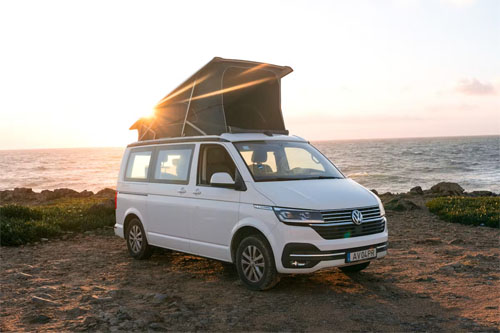
For couples exploring Iceland, a Class B Camper Van or a Class SI Semi-integrated RV generally offers the best balance of maneuverability, comfort, and fuel efficiency on the country's varied roads. Class B Camper Vans, averaging 5.8m in length with sleeping for 2 adults, are easy to drive and park, consuming around 8-10 Liters/100 km, ideal for navigating smaller roads and towns. Consider models like the "Category Van" or "2 Berth Hi Top" for a comfortable journey. Class SI Semi-integrated models, averaging 6.9m in length with sleeping for 2-3 adults, provide more living space and amenities for added comfort on longer trips, while still offering reasonable maneuverability and consuming about 10-11 Liters/100 km. Vehicles like the "V2L" or "Luxury Small" can offer a great balance.Should I Choose a Compact Van Instead of a Large RV in Iceland?
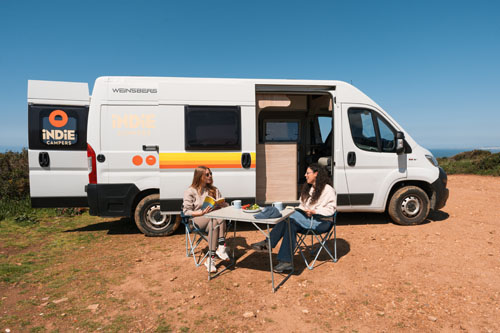
While a compact campervan (Class B) offers superior maneuverability, especially on narrower roads or in tight parking spaces, larger RVs (Class SI or C) are generally manageable in Iceland, and the added comfort and indoor space often outweigh minor maneuverability concerns for couples. A compact van genuinely helps in situations like navigating strong winds, which can significantly affect larger vehicles, or on less-traveled gravel roads where a smaller footprint is an advantage. However, for couples desiring more amenities like a permanent bathroom, larger kitchen, or spacious dining area, a Semi-integrated RV, such as the "Duo" or "V2L", provides a comfortable home-on-wheels without being excessively large for most Icelandic routes, with the main Ring Road being entirely accessible. Drive slowly and carefully, and you can drive almost anywhere without issues. No need to stress - just use common sense and pay attention.Can I Park Anywhere? Free & Wild Camping Rules in Iceland
Wild camping in Iceland is generally restricted; overnight parking for RVs and campervans is permitted only at designated campsites or with explicit, written permission from the landowner. It is illegal to camp outside designated campsites or on private land without prior consent, and this rule is strictly enforced to protect Iceland's fragile natural environment from damage. Rules vary by region, so couples planning an RV rental in Iceland should always check local regulations before parking overnight, ensuring they respect nature and private property by using official facilities for waste disposal and staying on marked roads and paths.Can I Drive an RV Into the City Center? Heights, Tunnels & Local Signage
Yes, most RVs can generally be driven into city centers in Iceland, including Reykjavik, as there are typically no widespread height or weight restrictions preventing access. Drivers should always pay close attention to local signage, which may indicate specific height limits for tunnels or multi-story parking garages, low bridges, environmental zones, or residents-only streets. While parking might be more challenging for larger RVs in central areas, dedicated parking facilities or areas on the outskirts are usually available, often within walking distance or a short bus ride to the main attractions. Driving a rented motorhome slowly and carefully allows you to navigate almost anywhere without issues.When Should I Book an RV for Iceland and How Far in Advance?
Booking an RV for Iceland should be done as far in advance as possible, ideally 6-12 months prior to your trip, especially if you plan to travel during the peak season (June-August). Due to Iceland's increasing popularity and limited RV supply, particularly for popular models suitable for couples like campervans or smaller motorhomes, waiting too long can result in higher prices or complete unavailability. Early booking not only secures your preferred vehicle but also allows you to reserve popular campsites, which also fill up quickly during the high season, ensuring a smoother and more planned itinerary. For those who prefer spontaneity, it's worth noting that many national and state parks reserve only 25-30% of their spots in advance, leaving the rest for first-come, first-served arrivals; you'll find a spot, and if not at the first campground, then the next one – just call ahead before driving.Can All RVs Drive on Iceland's F-Roads? (4x4 Requirements)
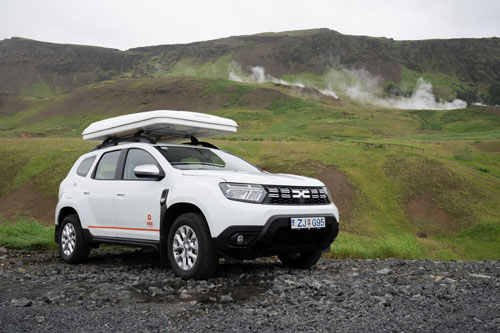
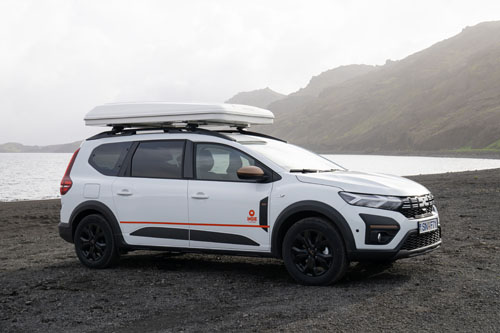
No, not all RVs can drive on Iceland's F-roads; these challenging mountain roads are strictly restricted to 4x4 vehicles only, which typically excludes standard 2WD RVs and campervans. F-roads are unpaved, often rough, and can involve river crossings, steep gradients, and sharp turns, making them unsuitable and illegal for non-4x4 vehicles. For couples traveling in a 2WD RV, alternatives include exploring the well-maintained Ring Road and its numerous paved and gravel detours, or booking guided 4x4 tours to access remote F-road areas while leaving your RV at a designated campsite. Always check your rental agreement for specific F-road restrictions and remember that a "2 Person 4WD Camper" or "4x4 Camper B - THOR" might be options if F-roads are a priority.What are the Specific Challenges of Driving a Larger RV in Iceland?
Driving a larger rented RV in Iceland presents specific challenges such as increased susceptibility to strong winds, which can make control difficult for vehicles over 6 meters in length, and limited maneuverability on narrow roads, single-lane bridges, and in smaller towns. Larger vehicles, like a Class C motorhome, may also face difficulties with parking in popular tourist spots and city centers, where spaces are typically designed for smaller cars or campervans. While a larger RV offers more comfort and amenities for couples on an extended road trip, careful planning and cautious driving are essential to navigate Iceland's varied road conditions and avoid potential issues, especially outside the main Ring Road. Rest assured, with common sense and attentiveness, you can drive almost anywhere without issues.Where Can I Find RV-Specific Services Like Water, Propane, and Waste Disposal in Iceland?
RV-specific services such as fresh water refill stations, grey and black water disposal points, and propane (LPG) availability are primarily found at official campsites and some larger service stations across Iceland. Many campsites, which can number over 170 around the Ring Road, offer comprehensive facilities for RVers, including electricity hookups, potable water, and dedicated areas for emptying grey and black water tanks. It's advisable for couples to plan their route with these service points in mind, especially for water and waste, as availability can be less frequent in remote areas. Always ensure responsible disposal practices to preserve Iceland's pristine environment. When planning your meals and utilizing your RV's kitchen facilities, remember to check our RV-friendly recipes playlist for inspiration.How Can I Practice Sustainable and Responsible RVing in Iceland?
Practicing sustainable and responsible RVing in Iceland involves respecting the fragile environment, minimizing waste, and adhering to local regulations and cultural norms. Key practices include always staying on marked roads and never driving off-road, disposing of all waste-including grey and black water-at designated facilities, and using public toilets or your RV's facilities instead of 'going in nature.' Additionally, minimize your environmental footprint by conserving water and electricity, supporting local businesses, and leaving no trace behind, ensuring Iceland's natural beauty is preserved for future generations of travelers. We truly believe in slow travel: max 100-150 km per day on average, so you can take time to feel the place, connect to the culture, the food, and the scenery.What are the Considerations for Off-Season or Winter RVing in Iceland?
Off-season or winter RVing in Iceland, typically from October to April, offers unique rewards like fewer crowds and incredible opportunities to see the Northern Lights, but also presents significant challenges requiring careful planning. Considerations for couples include shorter daylight hours (only 4-5 hours in mid-winter), more unpredictable and severe weather (snow, ice, strong winds), potential road closures (especially mountain roads and F-roads), and limited availability of campsites and services. For a winter week-long trip, essential preparations involve renting an RV equipped for cold weather (with good heating and insulated pipes like a "2 Berth Hi Top" or "Active Classic"), carrying emergency supplies, closely monitoring road and weather forecasts (safetravel.is), and understanding specific safety protocols for winter driving.What You Shouldn't Miss
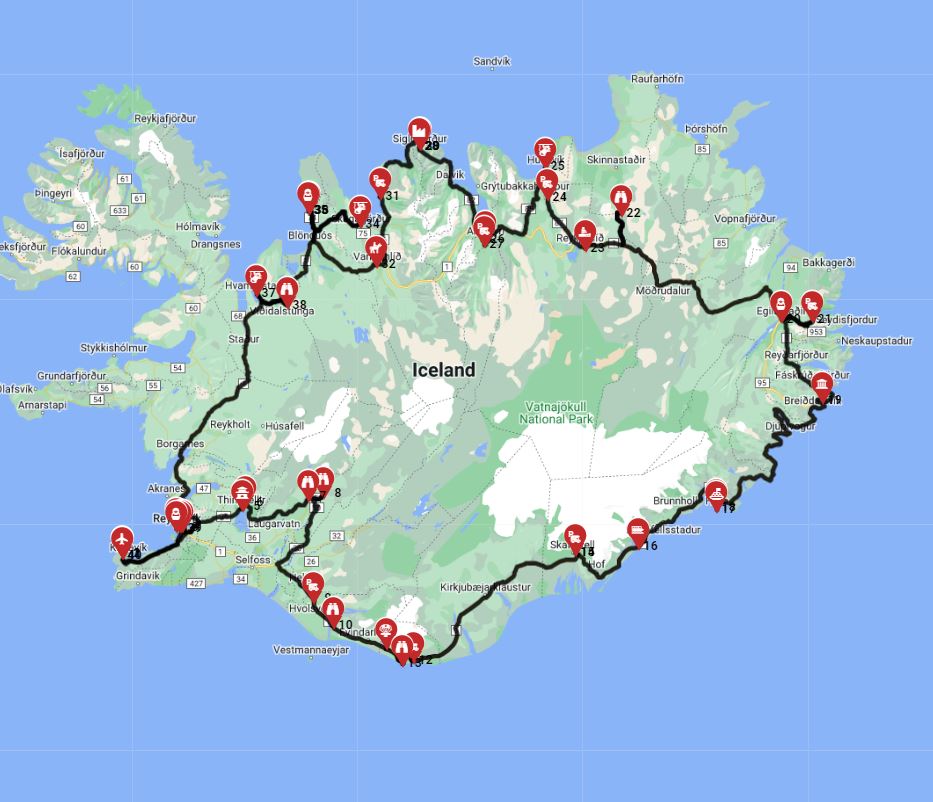
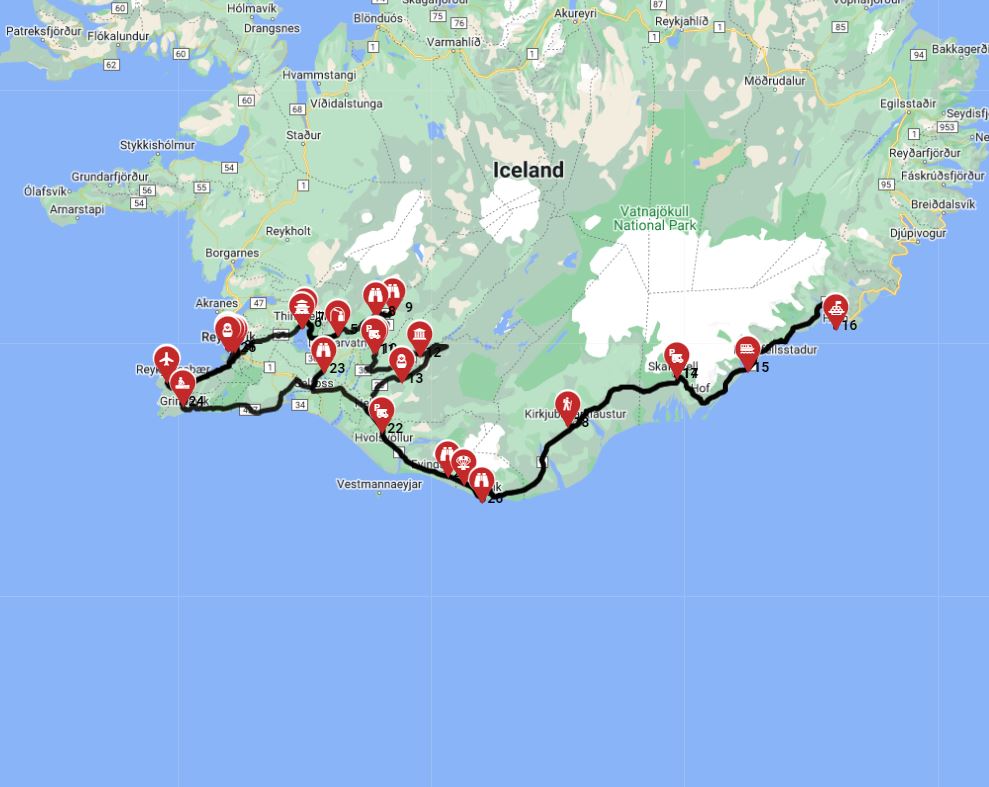
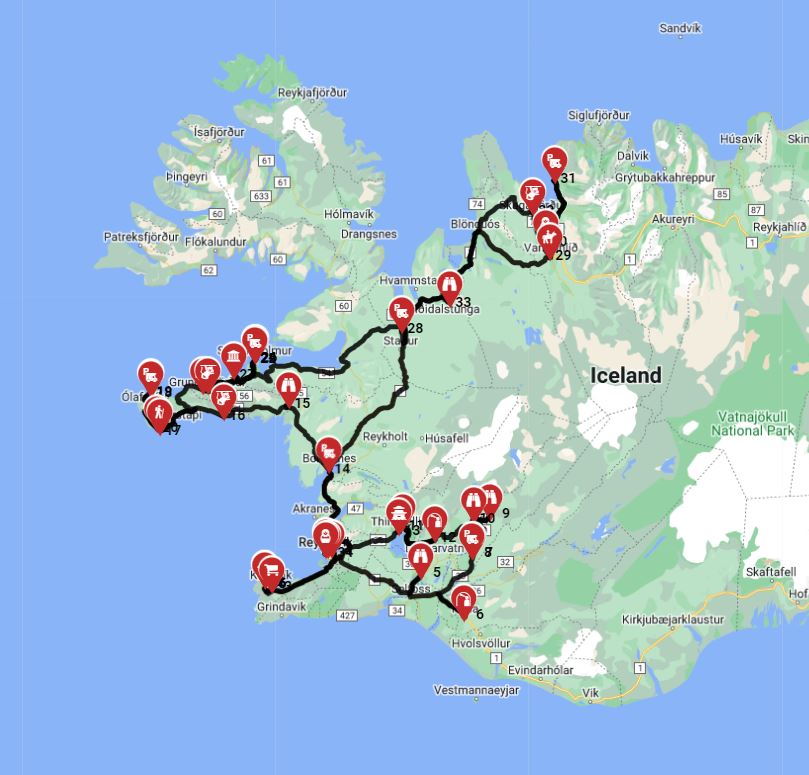
Looking for expert insights from Avi Bandana? Top 5 Adventures - recommendations from Avi Bandana- Golden Circle Wonders: Discover the iconic trio of Þingvellir National Park (a UNESCO World Heritage site), the Geysir geothermal area with its erupting hot springs, and the majestic Gullfoss waterfall. This route is perfect for first-time visitors in a rented RV.
- South Coast Spectacles: Drive the scenic south coast to witness the black sand beaches of Reynisfjara, the towering basalt columns, the glacial lagoon of Jökulsárlón, and the stunning Diamond Beach.
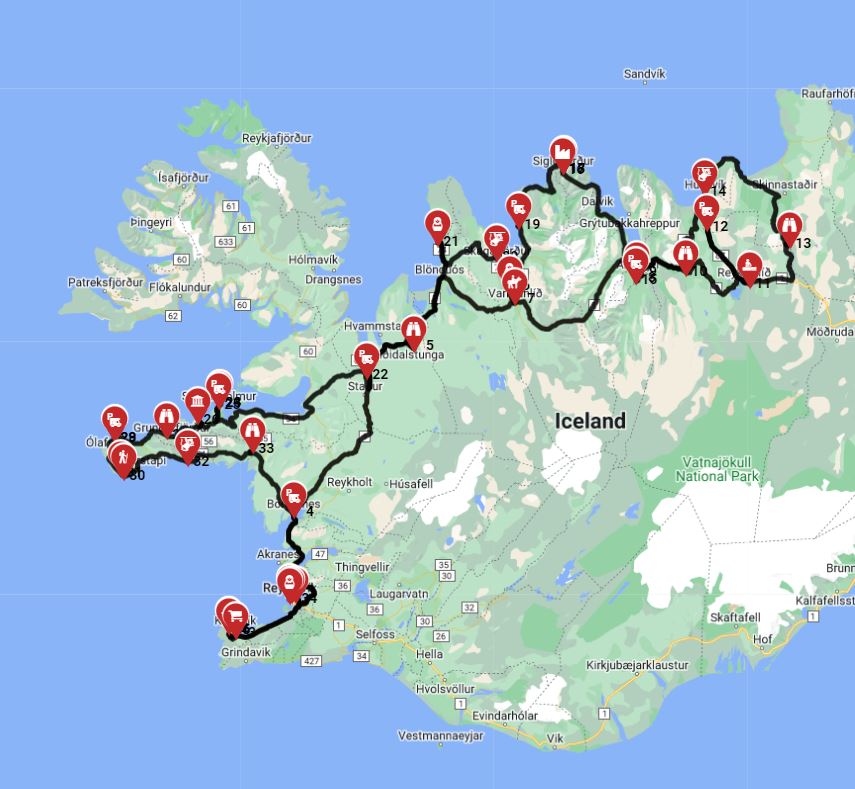
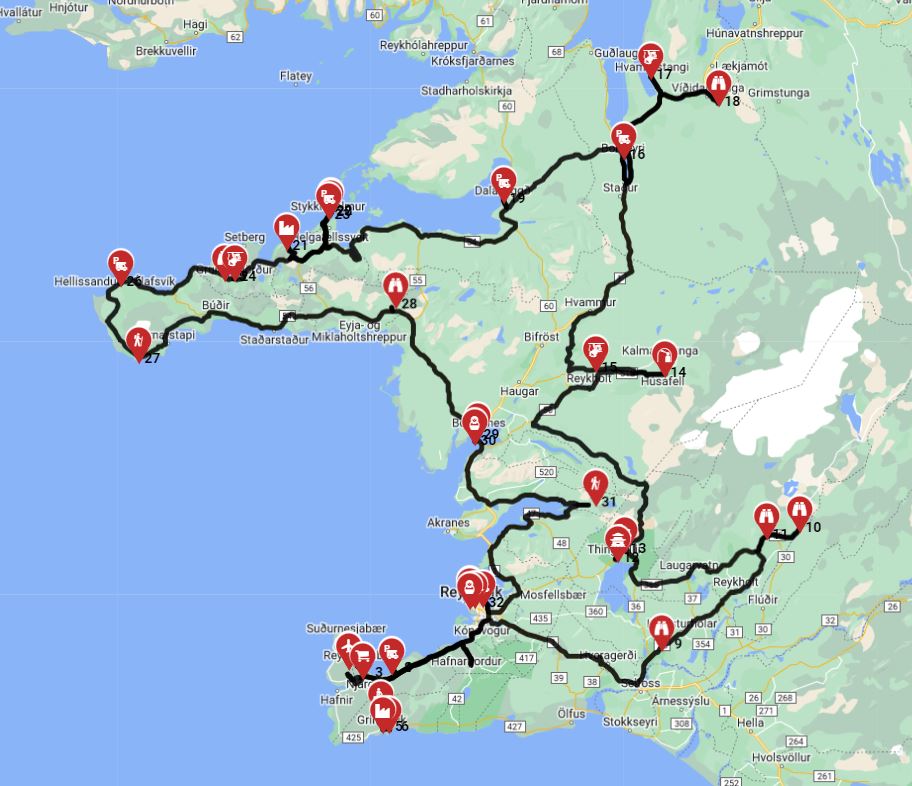
- Snæfellsnes Peninsula Loop: Explore this "mini-Iceland" with its diverse landscapes, including Kirkjufell mountain, the black church of Búðir, and the dramatic coastline of Arnarstapi and Hellnar.
- Northern Iceland's Charms: Venture to Akureyri, the "Capital of the North," and explore the Goðafoss waterfall, Lake Mývatn's unique geothermal features, and the whale-watching hub of Húsavík.
- Highlands by 4x4 (with caution): For the adventurous couples in an appropriate 4x4 campervan (check your rental agreement!), a carefully planned trip to Landmannalaugar offers vibrant rhyolite mountains and natural hot springs, but always verify road conditions beforehand.
Final Thoughts
An RV adventure for couples in Iceland offers an unparalleled opportunity to experience the island's dramatic landscapes and unique culture at your own pace. Imagine waking up to a new, breathtaking view each morning, with your loved one by your side, ready to explore volcanoes, glaciers, and waterfalls. With the right preparation, a suitable rental vehicle, and a commitment to responsible travel, your romantic RV journey through Iceland will undoubtedly create memories to last a lifetime. At Bandana Caravan, we are here to support your dream trip. We handle the details, so you can truly live the journey, exploring every corner of this magnificent country. Get inspired for your next trip and discover top destinations, planning tips, all in one place!Compare Motorhome Prices for Iceland for Couples Now!
On the routes offered through RV PLANET routes, you can itemize and track every expense along the way for easy budgeting.