For live availability and current prices, start with our RV Rental Croatia - Complete Guide 2026 guide.
In This Guide
- Can You Drive an RV in Croatia? License & Age Rules
- Road Conditions & Terrain in Croatia
- RV Size Limits, Bridges & Restricted Zones
- Fuel: Diesel vs. Petrol & Cost per 100 km
- Tolls, Vignettes & Border Rules
- Driving Tips for rv rental for couples Travelers
- Recommended RV Class for Croatia Roads
- Should I Choose a Compact Van Instead of a Large RV in Croatia?
- Can I Park Anywhere? Free & Wild Camping Rules in Croatia
- Can I Drive an RV Into the City Center? Heights, Tunnels & Local Signage
- What is the best month to RV in Croatia?
- What documents do I need to rent an RV in Croatia?
- How much does it cost to rent an RV in Croatia for a week?
- Is Croatia RV friendly?
- How long do you need to RV in Croatia?
- What are the best RV routes in Croatia for couples?
- Where can I park an RV overnight in Croatia?
- Is it safe to RV in Croatia?
Can You Drive an RV in Croatia? License & Age Rules
A standard Category B driving license is sufficient for driving most RVs up to 3,500 kg MAM in Croatia. For larger vehicles exceeding this weight, a Category C1 or C license is necessary. Most rental providers in Croatia require drivers to be at least 21 years old, often with a preference for drivers aged 25 and above, and typically mandate at least two years of driving experience. For travelers holding a license not issued by an EU country, an International Driving Permit (IDP) is generally required alongside your national license to ensure legal driving compliance throughout Croatia.
Road Conditions & Terrain in Croatia
Croatia presents a varied driving landscape, from well-maintained highways (A-roads) connecting major cities to more challenging, scenic coastal routes (D-roads). These coastal roads are often winding and narrow, requiring careful and slower driving, especially during the bustling peak season. Inland areas and mountain passes leading to national parks can feature steeper inclines and sharper turns, sometimes on less-maintained surfaces. For couples exploring Croatia by RV, these diverse conditions encourage a relaxed pace, allowing ample opportunity to truly appreciate the country's beautiful and varied scenery.
RV Size Limits, Bridges & Restricted Zones
Most Croatian roads are accommodating to standard RV sizes, but drivers should be mindful of potential height restrictions, typically ranging from 3.5m to 4.2m, particularly in older town centers, tunnels, and on certain bridges. When planning excursions to islands, remember that ferry services impose strict length, height, and weight limitations, which can affect booking availability and cost for your rented RV. While dedicated environmental zones are less common than in some other European countries, it's prudent to check for specific city center restrictions before arrival. Always confirm your RV's precise dimensions with the rental provider to avoid unexpected issues on your journey.
Fuel: Diesel vs. Petrol & Cost per 100 km
Diesel (Eurodiesel) is the predominant fuel type for RVs in Croatia and is widely available at most service stations. Petrol (Eurosuper 95/98) is also offered. Bandana's fleet data indicates that Class B Camper Vans typically consume 8-10 Liters per 100 km, while Class SI Semi-integrated RVs average 10-11 Liters per 100 km. Larger Class C Alcove models generally consume 10-12 Liters per 100 km, Class A Integrated RVs 8-12 Liters per 100 km, and Class TC Truck Campers can range from 12-17 Liters per 100 km. Fuel prices in Croatia are generally in line with other EU nations; some rental agreements may offer fuel discount cards that can help manage costs over an extended trip.
Tolls, Vignettes & Border Rules
Croatia primarily utilizes a barrier toll system on its highways (A-roads), meaning you pay at toll gates rather than needing a vignette, which is common in some neighboring countries. Payments at toll booths are accepted via cash (Kuna or Euro, with change given in Kuna), credit/debit cards, or through an electronic toll collection (ENC) device. For border crossings, EU/Schengen citizens will experience minimal checks, while non-EU travelers will need valid passports, visas if applicable, and necessary vehicle documentation, including registration and the green card for insurance. Many rental companies, including Bandana, facilitate the pre-purchase of toll passes or provide ENC transponders, simplifying travel and helping to avoid potential fines for non-payment. On the routes offered through RV PLANET routes, you can itemize and track every expense along the way for easy budgeting.
Driving Tips for rv rental for couples Travelers
To make the most of your Croatian RV adventure, embrace the scenic routes by prioritizing the winding coastal and regional roads over the highways for a more immersive experience. Patience is key, especially on narrow, hilly coastal roads and in busy city centers; maintain a relaxed pace and be prepared for sudden stops. Pre-planning parking is essential, as historic centers often have restricted access or limited RV parking, so research options on the outskirts beforehand. Staying connected is crucial; consider a local Croatian SIM card for reliable navigation, campsite availability checks, and emergency services. For couples, sharing driving duties can reduce fatigue and allow both partners to enjoy the breathtaking scenery.
Recommended RV Class for Croatia Roads
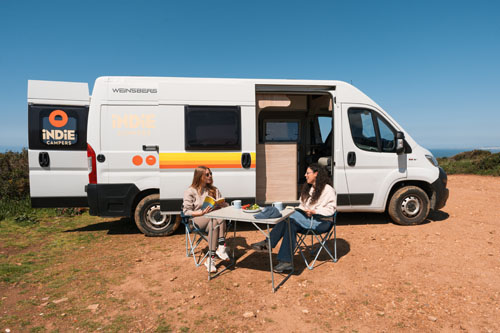
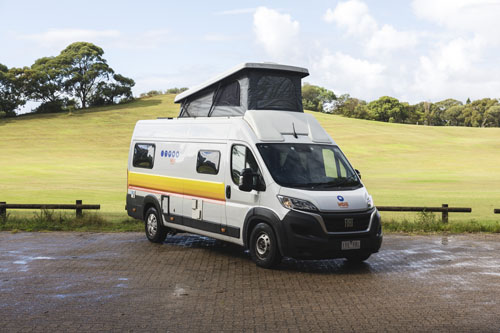
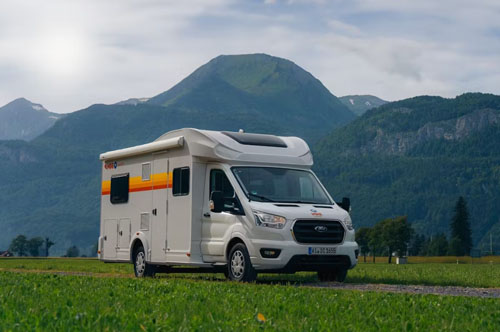
For couples exploring Croatia by RV, Class B Camper Vans or Class SI Semi-integrated RVs are highly recommended. These classes strike an excellent balance between maneuverability on Croatia's diverse road types and providing comfortable living amenities. Class B Camper Vans, typically around 5.8 meters long, are particularly agile, making them ideal for navigating narrower coastal roads and fitting into more intimate campsites, all while offering essential amenities. Class SI Semi-integrated RVs, averaging 6.9 meters, provide more spacious interiors and dedicated sleeping areas for enhanced comfort without significantly compromising maneuverability for most routes. These options are well-suited for two people, offering a cozy and functional base for discovering Croatia's varied landscapes.
Should I Choose a Compact Van Instead of a Large RV in Croatia?
While a compact van offers superior maneuverability in very tight spots, a larger RV generally provides more overall comfort and living space, which often outweighs marginal maneuverability gains for many Croatian routes. Compact vans, such as Class B Camper Vans (average 5.8m length), excel in urban environments, narrow village roads, and finding parking due to their car-like handling and smaller footprint. Larger RVs, like a Class SI Semi-integrated (average 6.9m length) or Class C Alcove (average 7.5m length), offer significantly more living space, a dedicated bathroom, a larger kitchen, and more storage, greatly enhancing the overall comfort for a couple on an extended trip. Most main Croatian roads and attractions are accessible to standard RV sizes, meaning extreme compactness is not always a decisive factor outside of very specific historic city centers. For ideas you can prep on the road, watch our RV-friendly recipes playlist on YouTube.
Can I Park Anywhere? Free & Wild Camping Rules in Croatia
Wild camping and free overnight parking outside of designated areas are generally illegal in Croatia and can lead to substantial fines. The law strictly mandates that RVs, motorhomes, and caravans must park overnight only in official campsites, designated RV parks (autocamps), or on private property with explicit permission. Regulations are particularly stringent along the Adriatic coast, within national parks, and near major tourist attractions, aimed at preserving natural beauty and managing tourism. It's always best to prioritize legal camping options, as rules can vary by region, so always check local regulations before planning overnight parking.
Can I Drive an RV Into the City Center? Heights, Tunnels & Local Signage
Generally, driving an RV into Croatian city centers is possible, but drivers must pay close attention to local signage, including height limits, one-way systems, and pedestrian-only zones. Many historic city centers, especially along the coast like Dubrovnik or Split, feature extremely narrow streets and pedestrian zones, often with height and width restrictions that can make RV access difficult or impossible. It's advisable to look for clearly marked RV-specific parking facilities on the outskirts of towns or cities, which typically offer easy access to public transport for exploring the central areas. Tunnels and bridges on main routes are usually constructed to accommodate standard vehicle dimensions, but any specific restrictions will be clearly displayed on local signage.
What is the best month to RV in Croatia?
The prime months for couples to RV in Croatia are typically May, June, September, and early October. These periods offer pleasant weather and significantly fewer crowds than the peak summer months of July and August. The shoulder seasons provide ideal temperatures for exploring, hiking, and enjoying the sea without the intense heat and congestion. In May and June, the landscapes are lush, and the sea is warming, perfect for outdoor activities. September and early October still offer warm sea temperatures, a more relaxed atmosphere, and fewer tourists, making it excellent for exploring coastal towns and national parks.
What documents do I need to rent an RV in Croatia?
To rent an RV in Croatia, you'll typically need a valid national driver's license (Category B for RVs up to 3,500 kg MAM) that meets the rental company's age and experience requirements. An International Driving Permit (IDP) is usually required if your national license is not from an EU country, as it aids in legal driving and license interpretation. A valid passport or EU national ID card is essential for identification throughout the rental process and your trip. Be prepared with a major credit card (Visa or MasterCard) in the main driver's name to cover the rental payment and the security deposit, which can be substantial. It's also advisable to carry all vehicle registration documents provided by the rental company, along with international insurance (green card), for border crossings or in case of any incidents.
How much does it cost to rent an RV in Croatia for a week?
The cost to rent an RV in Croatia for a week for couples typically ranges from €700 to €1500+, depending significantly on the RV class, the time of year, and the included amenities. More affordable compact camper vans (Class B) are generally available, while larger, more luxurious Semi-integrated (Class SI) or Integrated (Class A) models will be at the higher end of the price spectrum. Rental prices peak during July and August and are considerably lower during the shoulder seasons (May, June, September, October) and off-peak months. Beyond the base rental fee, couples should budget for additional expenses including fuel (expect 8-12 Liters/100 km), highway tolls, campsite fees (which can range from €20-€60+ per night), insurance, potential ferry costs for RVs to islands, and daily food and activity expenses. Consider optional extras like kitchen kits, bedding, unlimited mileage packages, and one-way rental fees, which can affect the total cost.
Is Croatia RV friendly?
Croatia is generally considered very RV friendly, offering a well-developed network of scenic routes, modern highways, and a comprehensive range of designated campsites. The country's stunning natural beauty, including its long coastline and numerous national parks, makes it an ideal destination for road trips and outdoor exploration by RV. While infrastructure is good, drivers should be aware that some older towns and coastal areas feature narrow, winding roads that demand cautious driving, especially for larger vehicles. Crucially, wild camping is strictly prohibited, so couples must plan to stay at official campsites or designated RV parks for overnight stays. Overall, with diligent planning, Croatia provides an excellent and rewarding experience for RV travelers.
How long do you need to RV in Croatia?
To adequately experience a major region of Croatia by RV, a minimum of 7 to 10 days is recommended for couples, allowing for a good balance of travel and exploration. For a more comprehensive journey covering multiple regions like Istria, the Plitvice Lakes, and the Dalmatian Coast, a 2-week trip is ideal, offering a more relaxed pace. Couples aiming for in-depth exploration, including island hopping and discovering less-traveled areas, should plan for 3 weeks or more. Shorter trips (under 7 days) are feasible for concentrating on one specific area, such as the Istrian Peninsula or a segment of the Dalmatian Coast, but may feel quite rushed.
What are the best RV routes in Croatia for couples?
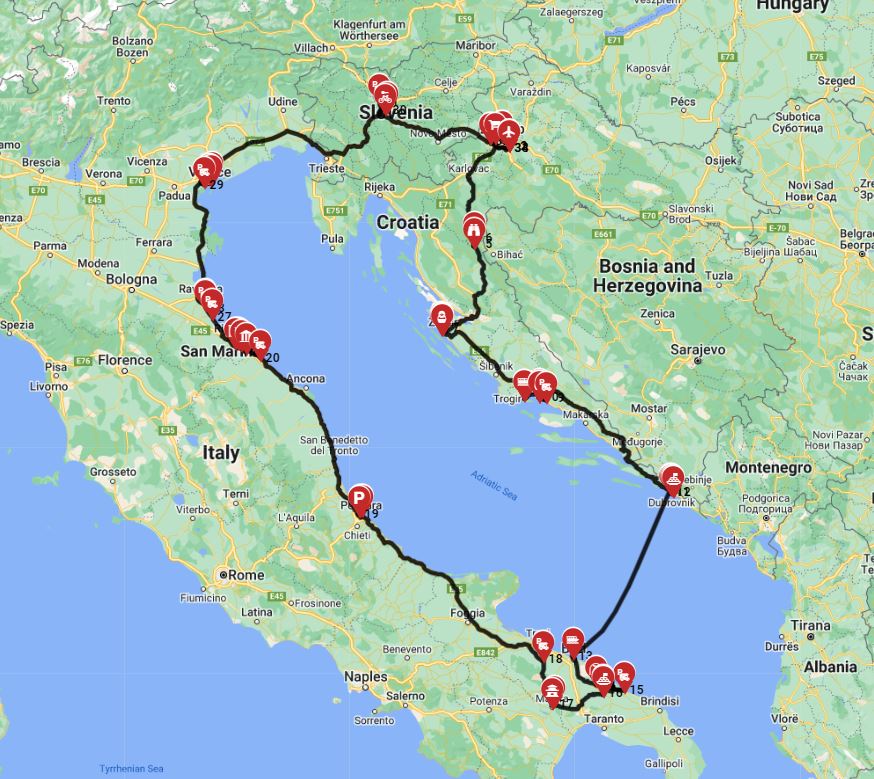
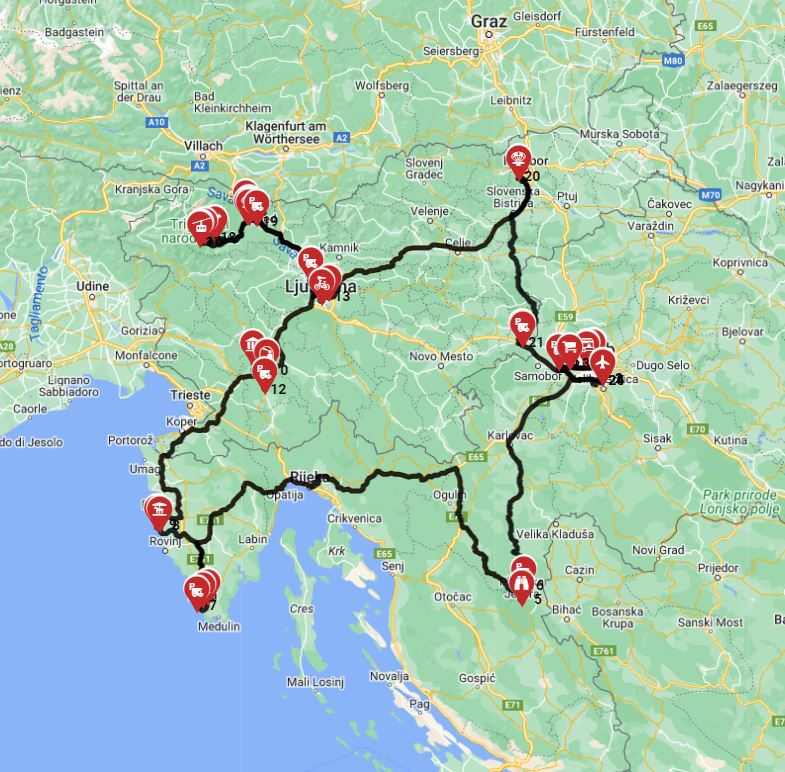
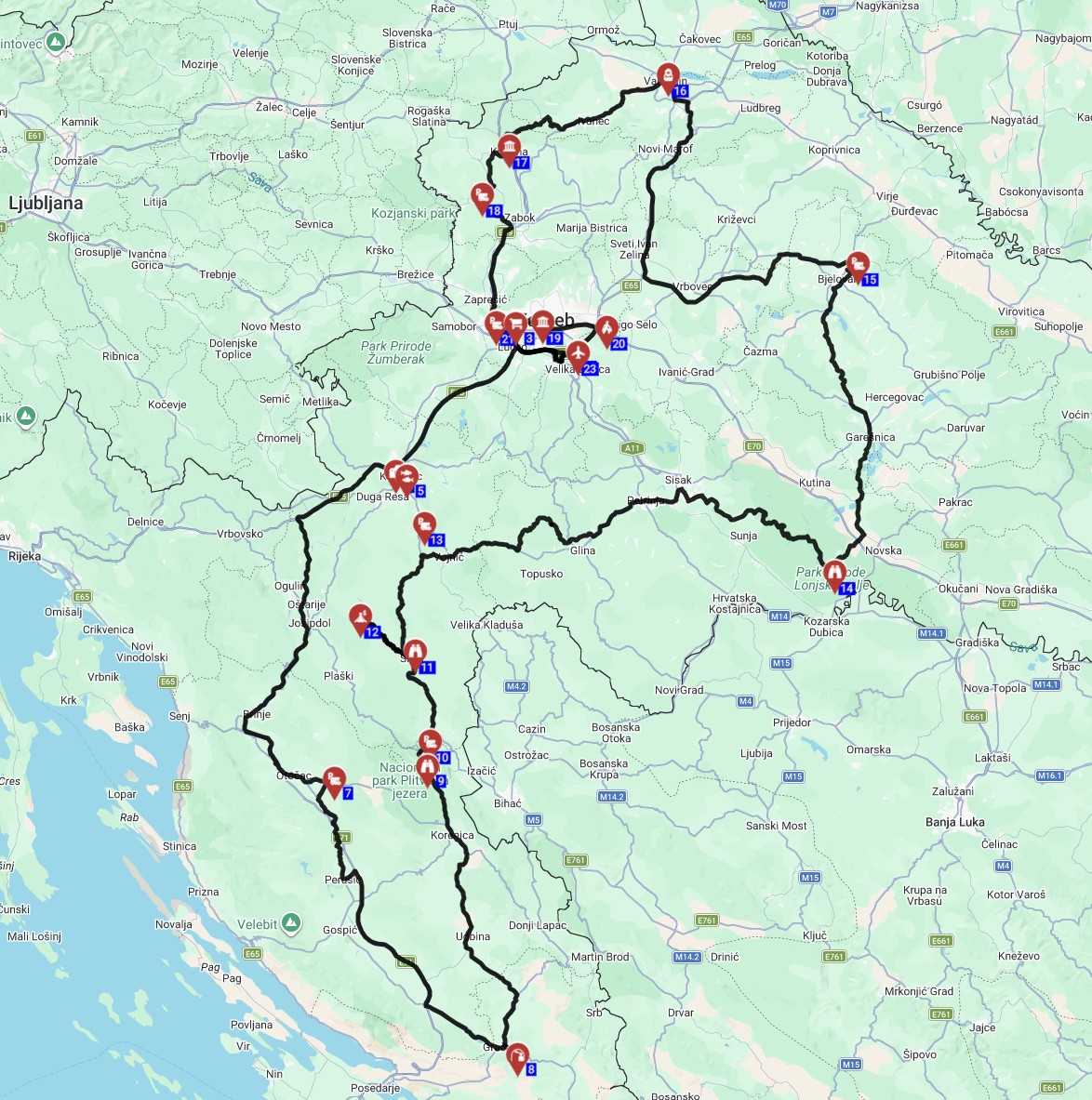
The most rewarding RV routes in Croatia for couples often combine the stunning Dalmatian Coast, the historical charm of Istria, and the natural beauty of national parks like Plitvice Lakes, offering a perfect blend of adventure and romance. Consider a "Dalmatian Coast Adventure" driving from Split south to Dubrovnik, visiting Trogir, Omis, and the Makarska Riviera, and utilizing ferries for romantic island getaways to Brač or Hvar. Alternatively, explore the "Istrian Peninsula Loop," visiting picturesque towns like Pula, Rovinj, and Poreč, alongside the tranquil inland hilltop villages of Motovun and Grožnjan. For a focus on nature, the "Nature & Lakes Discovery" route combines the majestic Plitvice Lakes National Park with Krka National Park, followed by a serene journey through the Lika-Senj region for a more peaceful, less-traveled experience. For those seeking 'hidden gems', a route through Slavonia offers a taste of inland Croatia with its rich cultural heritage, vineyards, and traditional cuisine, far from the coastal crowds.
Where can I park an RV overnight in Croatia?
Overnight RV parking in Croatia is legally restricted to designated campgrounds, private RV parks (autocamps), or specific parking areas that explicitly permit overnight stays. Wild camping and informal overnight parking are prohibited throughout the country, with enforcement being particularly strict along the Adriatic coast and within national parks. Utilizing dedicated RV apps like Park4Night or Campercontact is highly recommended for locating official campsites and RV-friendly spots that provide essential amenities such as water, electricity, and waste disposal facilities. Additionally, some local businesses, such as restaurants, vineyards, or agritourism farms, may permit overnight parking for patrons, but always seek explicit permission first. Remember to always adhere to local signage and regulations, as 'No Camping' signs typically apply to RVs for overnight stays, even if parking is otherwise permitted during the day.
Is it safe to RV in Croatia?
Croatia is generally considered a very safe country for RV travel, boasting low crime rates and a welcoming atmosphere for tourists, making it an excellent choice for couples. Standard precautions against petty theft are advisable; always ensure your RV is locked and avoid leaving valuables visible or unattended, especially in crowded tourist areas. Driving safety is generally good, but caution is paramount on winding coastal and mountain roads, which can be narrow; always adhere to local speed limits and be mindful of other drivers. Familiarize yourself with basic emergency protocols, including how to contact local emergency services (dial 112 for all emergencies) and procedures for vehicle breakdowns. By sticking to designated campsites and respecting local laws, couples can enjoy a secure and worry-free RV adventure across Croatia.
Final Thoughts
Embarking on an RV adventure in Croatia as a couple offers an unparalleled opportunity for shared discovery and romantic escapes. From navigating the stunning coastal roads to exploring ancient towns and natural wonders, the flexibility of an RV allows you to craft a truly personalized journey.
Remember that thorough planning, especially regarding routes, campsites, and the practicalities of RV travel in a foreign country, will greatly enhance your experience. By choosing the right vehicle and embracing the local culture and landscapes, your Croatian RV road trip is set to be an unforgettable chapter in your shared travel story.