In This Guide
- Can You Drive an RV in Austria? License & Age Rules
- Road Conditions & Terrain in Austria
- RV Size Limits, Bridges & Restricted Zones
- Fuel: Diesel vs. Petrol & Cost per 100 km
- Tolls, Vignettes & Border Rules
- Driving Tips for rv rental for couples Travelers
- Recommended RV Class for Austria Roads
- Should I Choose a Compact Van Instead of a Large RV in Austria?
- Can I Park Anywhere? Free & Wild Camping Rules in Austria
- Can I Drive an RV Into the City Center? Heights, Tunnels & Local Signage
- How Much Does an RV Trip to Austria Cost for Couples?
- What are the Specific RV Regulations and Speed Limits in Austria?
- What are the Best Routes and Driving Tips for Austria's Mountain Roads and Villages with an RV?
- What is the Best Time to Visit Austria by RV, and What Should I Pack Seasonally?
- Where Can Couples Find Off-the-Beaten-Path RV Experiences and Local Gems in Austria?
- How Should I Prepare for Emergencies and Stay Safe While RVing in Austria?
- What are the Best Apps and Technology for RV Travel in Austria?
- Where Can RVers Find Local Food and Unique Culinary Experiences in Austria?
Can You Drive an RV in Austria? License & Age Rules
A standard Category B license allows driving RVs with a Gross Vehicle Weight Rating (GVWR) up to 3,500 kg, which covers most camper vans and smaller semi-integrated models. This means most couples can comfortably drive a rented RV in Austria with a regular car license. For RVs exceeding 3,500 kg, a Category C1 or higher license is typically required, often with specific age and experience criteria depending on the rental provider. Foreign drivers from outside the EU/EEA should carry an International Driving Permit (IDP) alongside their valid national driving license when driving in Austria to ensure smooth interactions with local authorities.
Road Conditions & Terrain in Austria
Austria's major roads, including its Autobahnen and Bundesstraßen, are excellently maintained, providing smooth travel for your rented RV. However, the country's diverse terrain includes challenging Alpine mountain passes and often narrow village roads. Couples should anticipate slower driving speeds in mountainous regions, which feature winding routes with steep inclines and sharp descents – these are perfect for taking in the breathtaking scenic views. Planning routes that account for this varied terrain, including potential gravel paths on less-traveled roads, ensures a more comfortable and enjoyable RV journey.
RV Size Limits, Bridges & Restricted Zones
While most RVs can navigate Austria's roads, drivers must always be vigilant for posted height and weight restrictions, particularly for tunnels, bridges (clearances are commonly around 3.5m or 4.0m), and older village entrances. Environmental zones ('Umweltzonen') exist in specific Austrian cities, though they are less widespread than in Germany; always check signage to avoid potential fines. Be aware of local signage for specific road sections, especially in mountain areas, where temporary restrictions or closures may apply for larger vehicles, ensuring a stress-free drive.
Fuel: Diesel vs. Petrol & Cost per 100 km
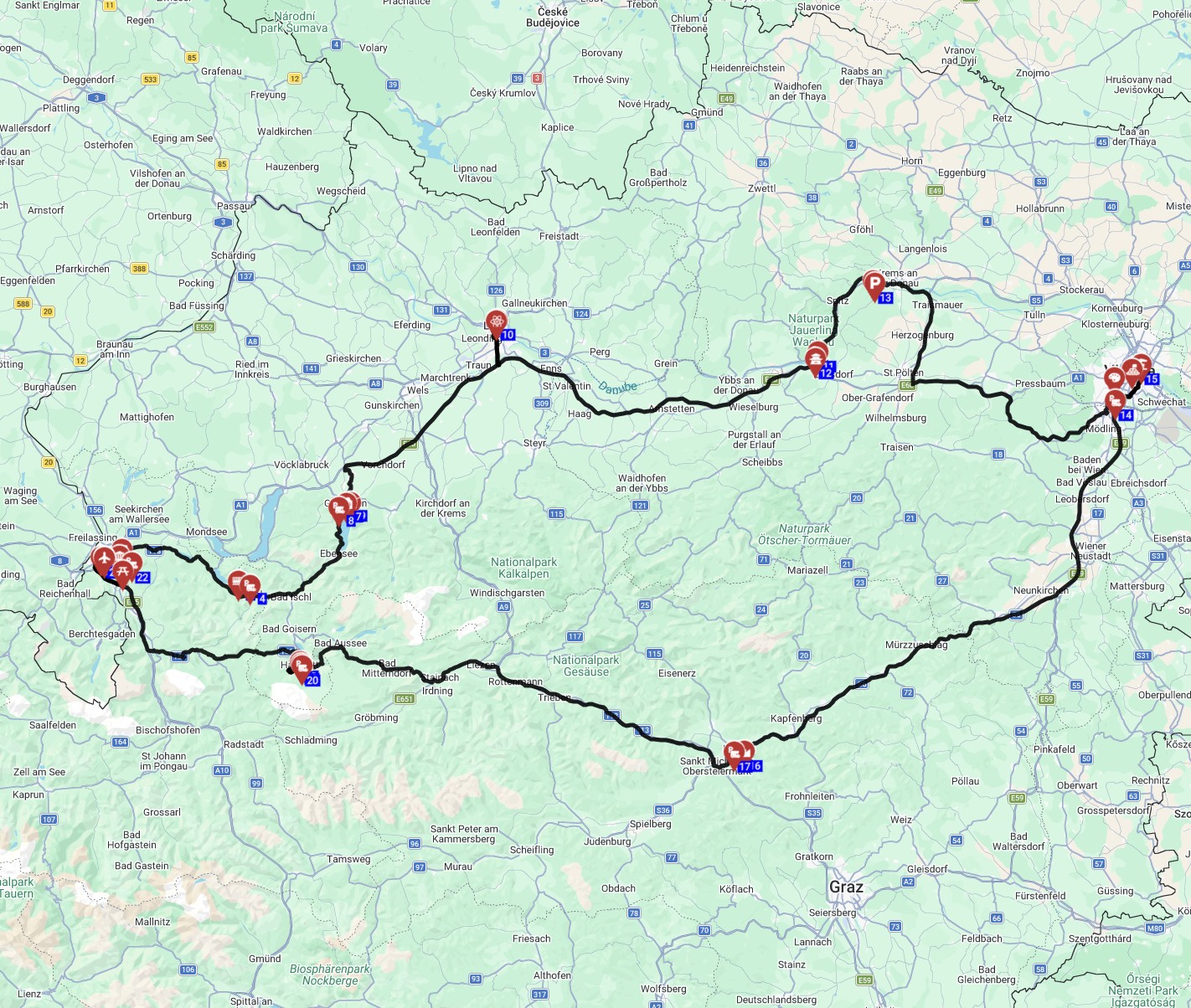
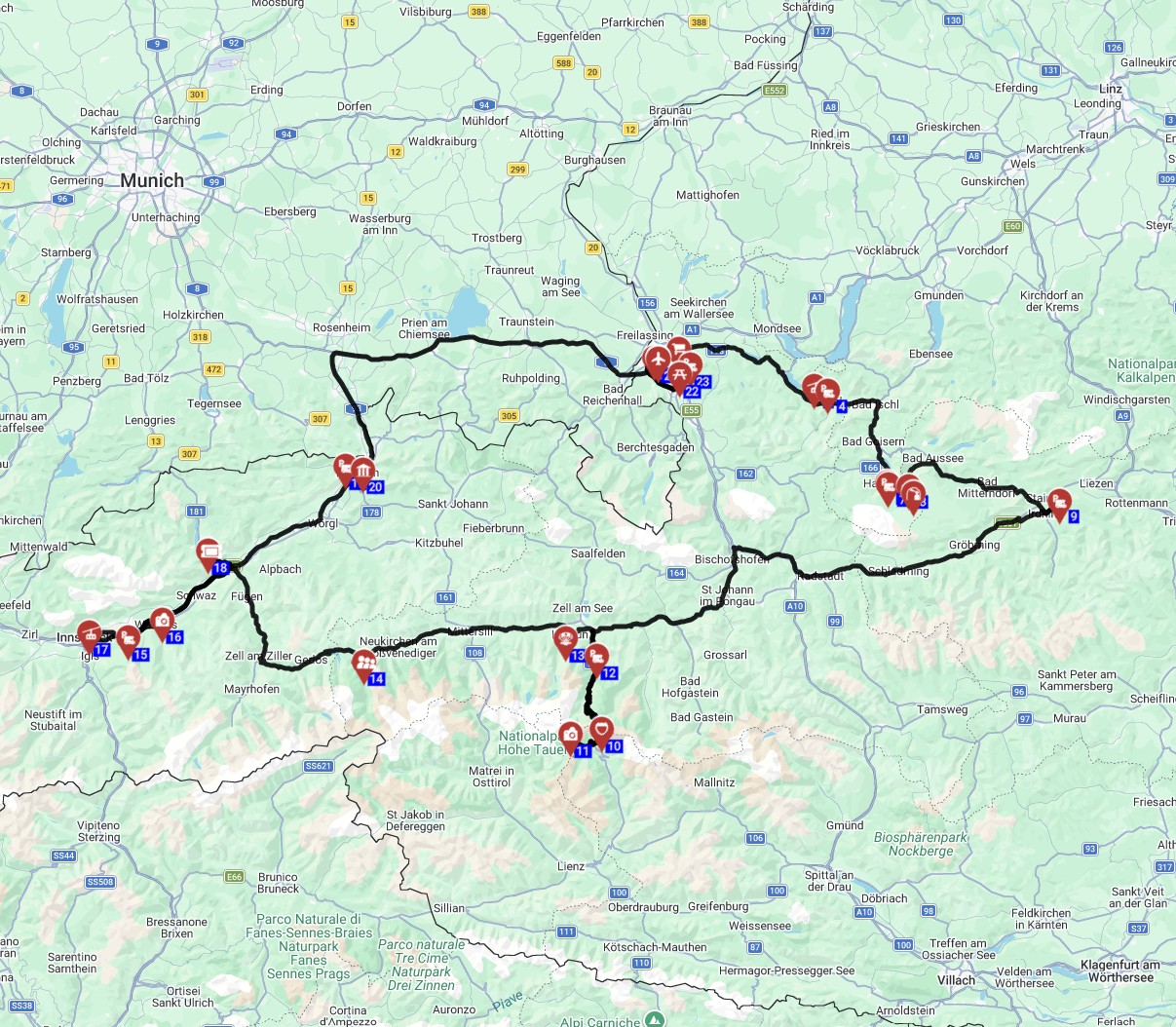
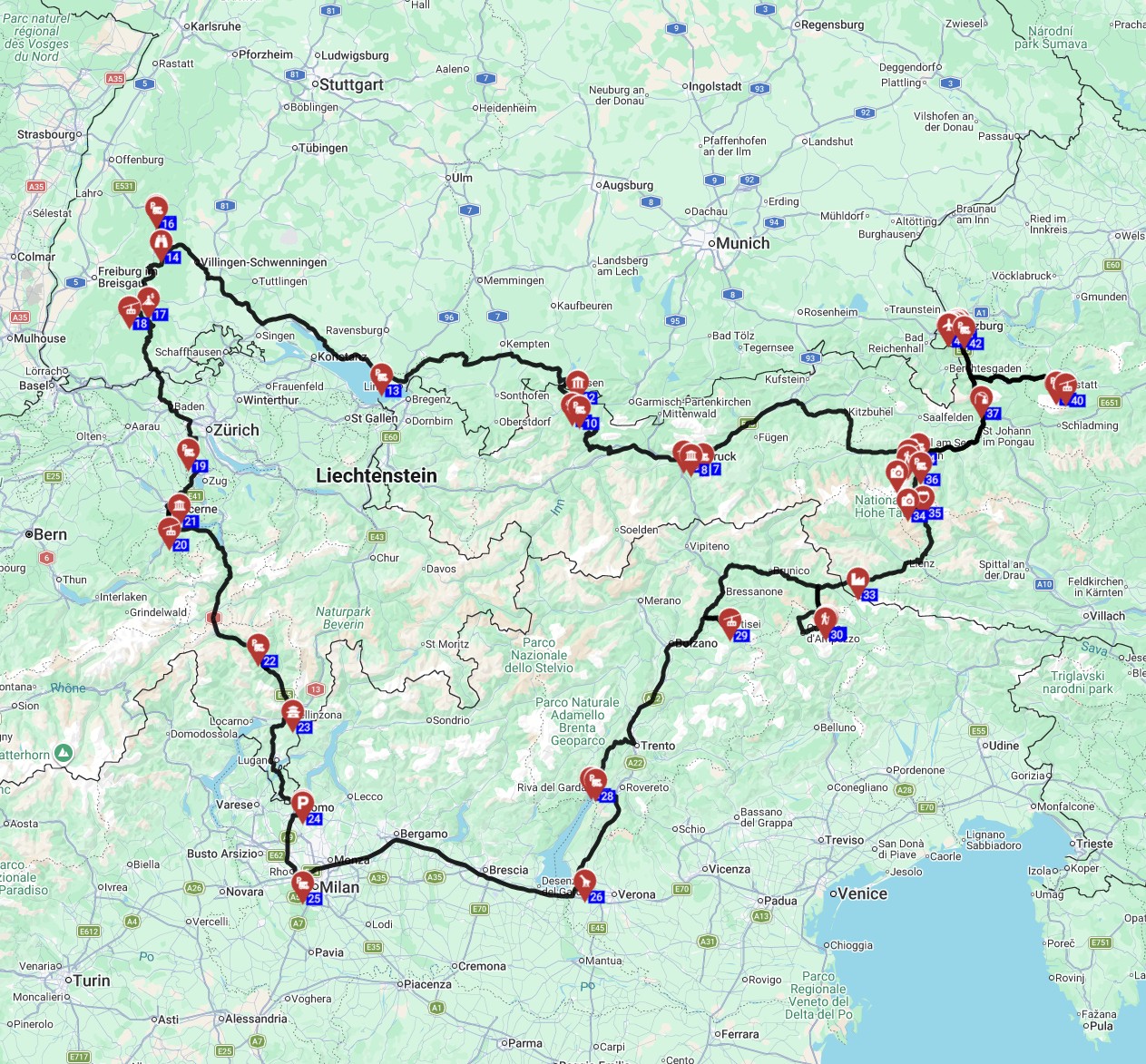
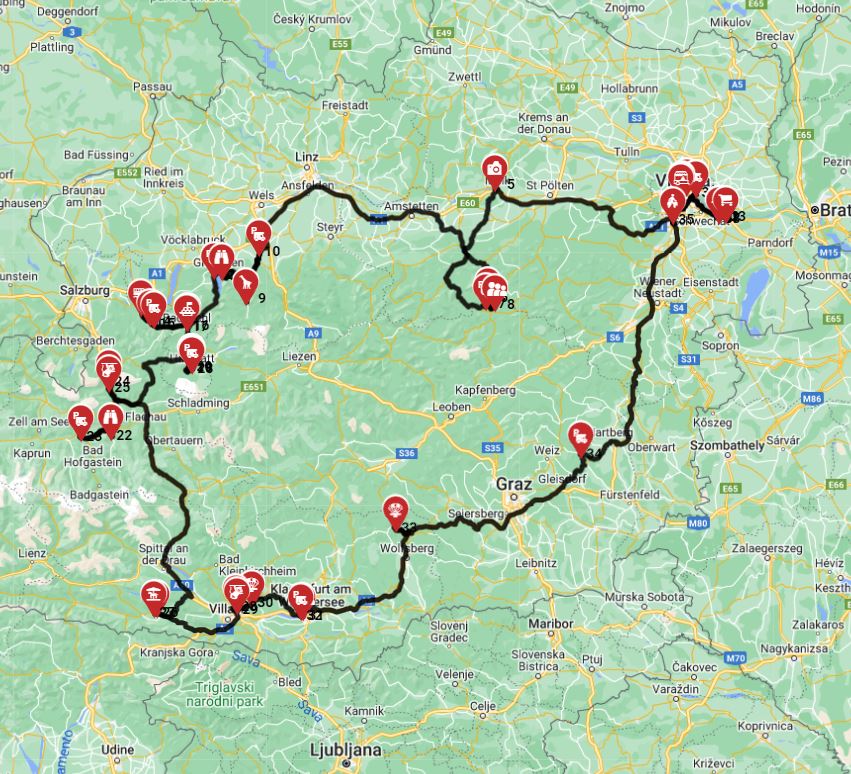
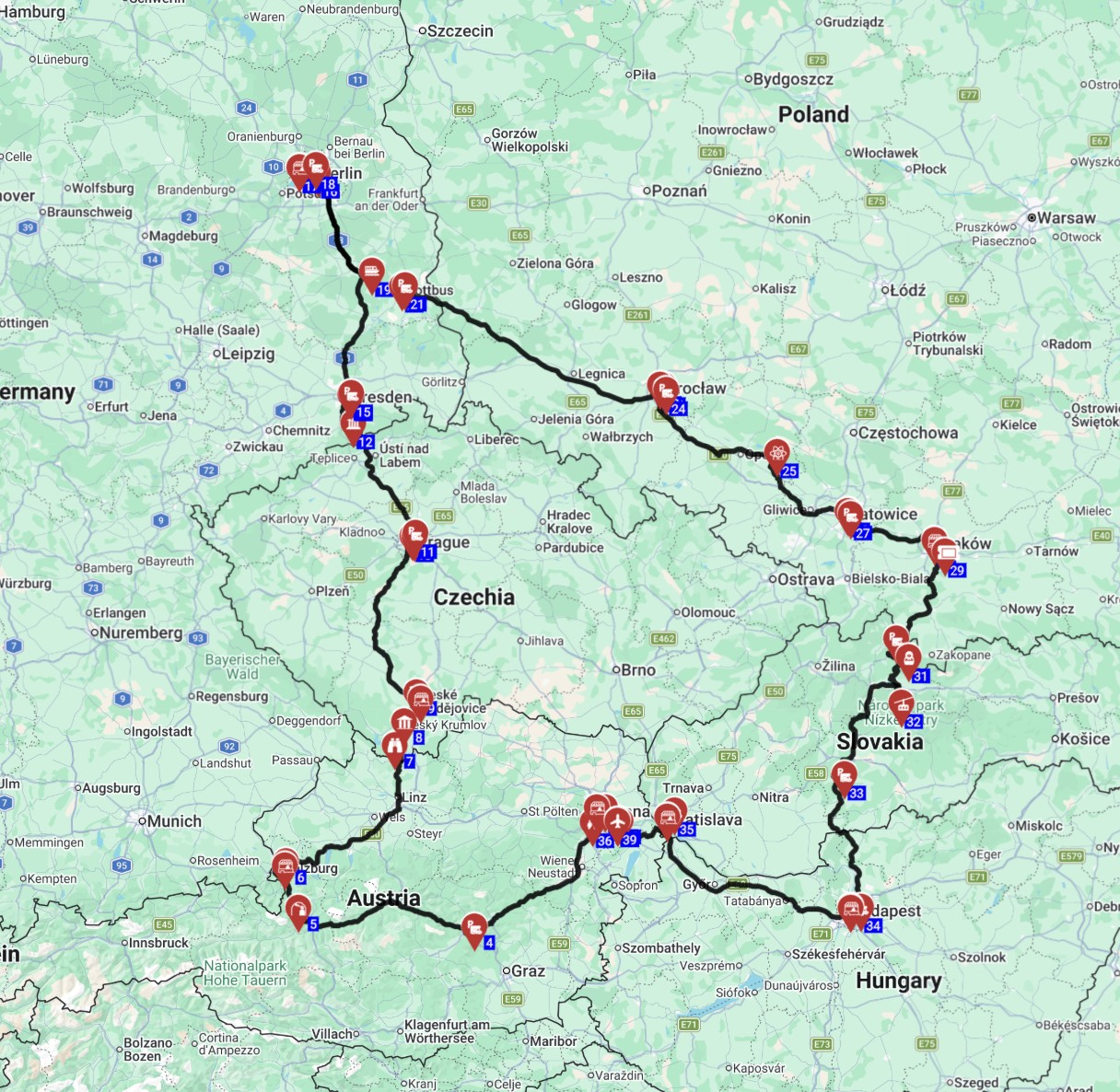
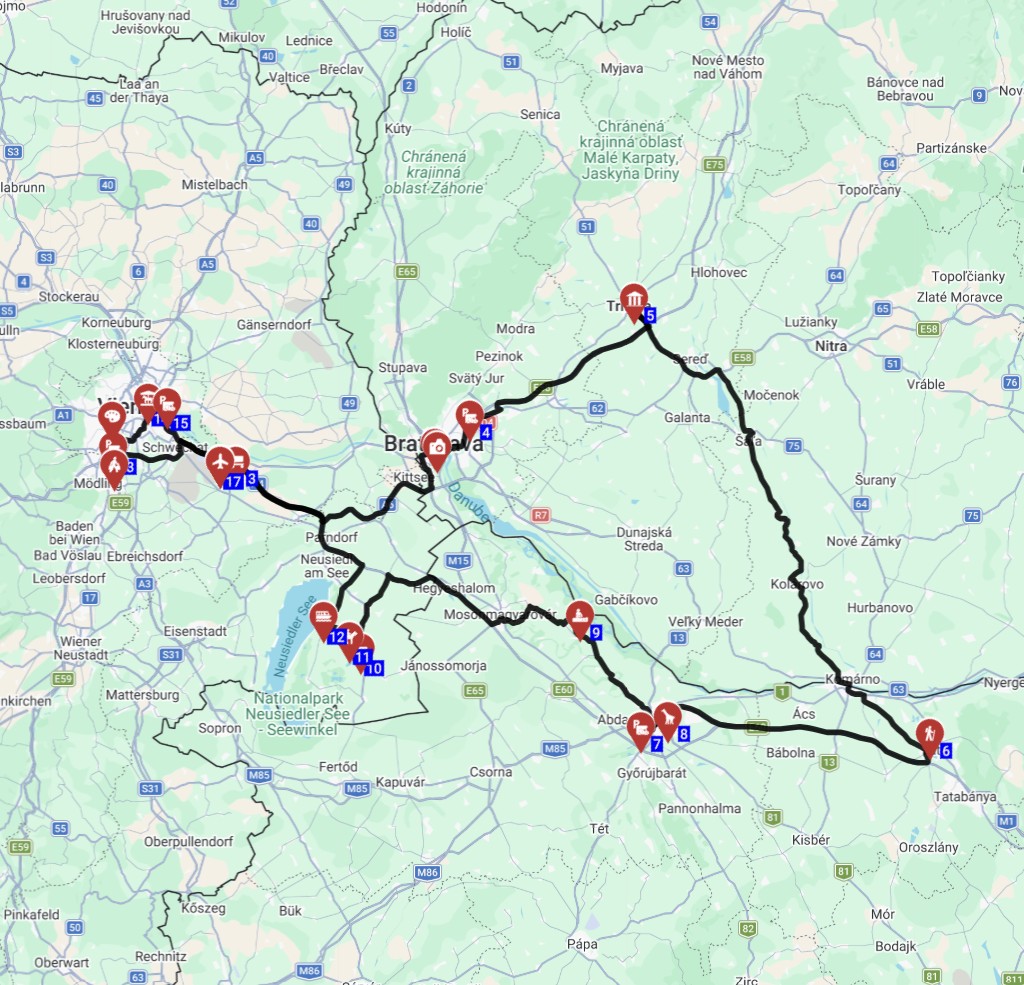
The majority of RVs, including those in Bandana's rental fleet, run on diesel fuel (labeled 'Diesel' or 'Gasöl'), which is universally available at Austrian petrol stations, alongside petrol ('Benzin' or 'Super'). Our Class B Camper Vans typically consume 8-10 Liters/100 km, while our Class SI Semi-integrated RVs average 10-11 Liters/100 km, offering good fuel efficiency for couples on the road. Budgeting for fuel, a typical RV trip in Austria could cost approximately €17-€22 per 100 km for diesel, based on current average prices of €1.70-€2.00 per liter. On the routes offered through RV PLANET routes, you can itemize and track every expense along the way for easy budgeting.
Tolls, Vignettes & Border Rules
Vehicles up to 3.5t GVWR in Austria require a digital or physical 'Vignette' for the use of its motorways and expressways, which can be purchased online or at border crossings. RVs over 3.5t must use the 'GO-Box' distance-based toll system, which is an electronic toll collection device. Specific mountain passes and tunnels, such as the Brenner Pass or Tauern Tunnel, incur additional, separate tolls that are not covered by the Vignette. When planning cross-border trips, remember that neighboring countries have their own distinct toll requirements; for example, Switzerland requires its own vignette, and Italy utilizes a distance-based toll system.
Driving Tips for rv rental for couples Travelers
Embrace Austria's philosophy of slower travel by opting for scenic routes over main highways to discover charming villages and hidden gems, allowing for spontaneous stops and fantastic photography opportunities. Sharing driving and navigation duties can significantly reduce fatigue and enhance the travel experience, ensuring both partners can fully enjoy the stunning Austrian landscapes. Utilize navigation apps that allow for RV dimensions to be input, especially when traversing mountain passes or narrow village roads, to avoid unsuitable routes. Always check weather forecasts, particularly for mountain regions, as conditions can change rapidly, and be prepared for potential road closures or adverse driving conditions.
Recommended RV Class for Austria Roads
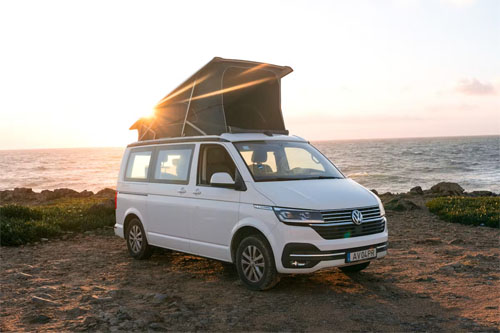
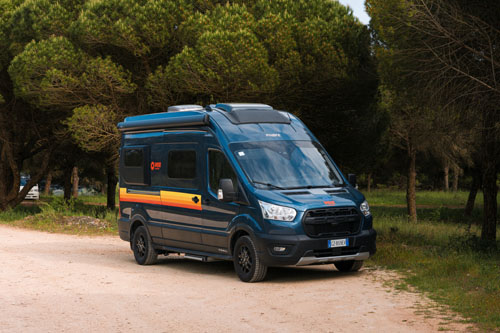
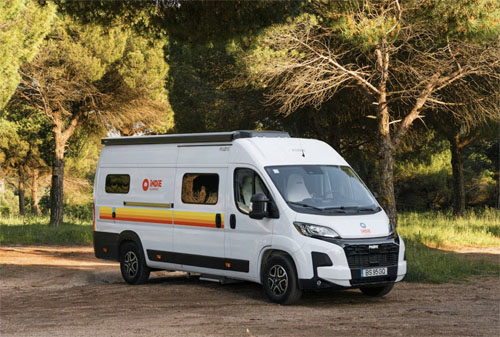
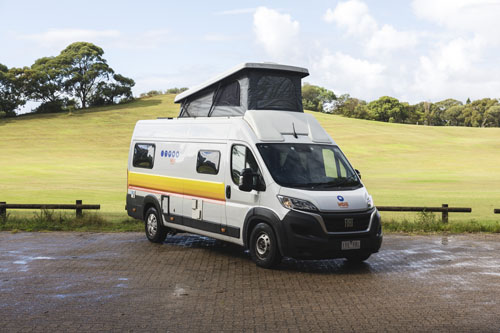
For couples exploring Austria, a Class B Camper Van (averaging 5.8m in length) offers excellent maneuverability, making it ideal for navigating Austria's varied terrain, including narrow village streets and mountain passes, while consuming a modest 8-10 Liters/100 km. Alternatively, a Class SI Semi-integrated RV (averaging 6.9m in length) provides more spacious living and sleeping areas, remaining manageable on most Austrian roads and consuming 10-11 Liters/100 km. Both classes are generally suitable for standard B driving licenses (up to 3.5t GVWR) and offer a comfortable balance between size and amenities for two travelers.
Should I Choose a Compact Van Instead of a Large RV in Austria?
A compact van, like a Class B Camper Van, excels in maneuverability, making it ideal for navigating very tight historic city centers, extremely narrow mountain roads, and finding easier parking spots. Larger RVs, such as a Class SI Semi-integrated model, provide significantly more internal space, a more comprehensive kitchen, and often a fixed bed, enhancing comfort for extended trips, and are generally well-managed on most primary Austrian roads. For couples, the decision often comes down to prioritizing either ultimate agility for urban exploration or greater comfort and amenities for extended stays, as most Austrian routes accommodate mid-sized RVs without major issues. For ideas you can prep on the road, watch our RV-friendly recipes playlist on YouTube.
Can I Park Anywhere? Free & Wild Camping Rules in Austria
Free camping and wild camping are generally prohibited or heavily restricted across most Austrian federal states ('Länder'), particularly in national parks and protected natural areas. Overnight parking for mere rest is sometimes tolerated if not explicitly forbidden, but setting up camp, deploying awnings, or staying for extended periods outside designated campsites or Stellplätze is illegal. Always opt for official campsites or motorhome parking areas ('Stellplätze'), which are widely available, provide essential amenities, and ensure compliance with local regulations. Rules vary by region – always check local regulations and follow local law before parking overnight.
Can I Drive an RV Into the City Center? Heights, Tunnels & Local Signage
Yes, RVs can typically be driven into many Austrian city centers, but drivers must pay close attention to local signage, especially for height restrictions, environmental zones, and resident-only access. Historic city cores often feature narrow streets, pedestrian zones, and potentially low bridges or tunnels, necessitating careful navigation and often making larger RVs less practical. It's often recommended to use designated RV parking facilities on the outskirts of cities or utilize Park & Ride options and then explore the inner city via public transport, avoiding parking challenges and traffic.
How Much Does an RV Trip to Austria Cost for Couples?
Beyond the RV rental itself, couples should budget for fuel costs (approximately €17-€22 per 100 km), tolls (the Vignette for 10 days is around €10-€30, plus specific tunnel/pass tolls like the Brenner Pass, which costs approximately €11 one-way), and campsite fees. Campsite pitches for two people with an RV typically range from €25-€50 per night, varying by location and amenities provided, while Stellplätze may offer a more budget-friendly option. Daily expenses for food (self-catering is estimated at €30-€50, with restaurant meals being higher) and activities (highly variable, e.g., €10-€50+ per person per day for attractions or lift tickets) should also be factored into your overall budget.
What are the Specific RV Regulations and Speed Limits in Austria?
For RVs under 3.5t GVWR, the standard Austrian speed limits apply: 50 km/h in urban areas, 100 km/h on federal roads, and 130 km/h on motorways. RVs exceeding 3.5t GVWR are subject to stricter speed limits: 50 km/h in urban areas, 80 km/h on federal roads, and 100 km/h on motorways. Mandatory vehicle equipment includes a warning triangle, a first-aid kit, and reflective safety vests; from November 1 to April 15, winter tires are compulsory, and snow chains may be required on marked mountain roads, ensuring safety in all conditions.
What are the Best Routes and Driving Tips for Austria's Mountain Roads and Villages with an RV?
Consider iconic scenic routes like the Grossglockner High Alpine Road (a toll road, typically open May-October) or the Nockalm Road for breathtaking views; always check road opening times and conditions before you travel. When driving in the mountains, utilize lower gears for both ascending and descending to maintain control and reduce brake wear; drive slowly and be prepared for sharp turns and narrow sections. For navigating villages, reduce speed significantly, watch for pedestrians and cyclists, and be mindful of extremely tight turns or historical centers that may be unsuitable for larger RVs.
What is the Best Time to Visit Austria by RV, and What Should I Pack Seasonally?
Late spring (May-June) and early autumn (September-October) are generally ideal for couples planning an RV trip, offering pleasant weather, fewer crowds, and vibrant landscapes perfect for hiking and sightseeing. For spring and autumn travel, pack versatile layers, waterproof jackets, and sturdy walking shoes; for summer (July-August), bring lighter clothing, sun protection, and swimwear for enjoying Austria's beautiful lakes. Winter travel (November-April) requires heavy winter clothing, hats, gloves, and mandatory winter tires; snow chains are often needed for mountain passes, as many higher alpine roads close during this season.
Where Can Couples Find Off-the-Beaten-Path RV Experiences and Local Gems in Austria?
Venture beyond major cities to explore regions like Styria (known for its wine routes and thermal spas), Carinthia (famous for its lakes and southern Alps), or the Waldviertel for unique landscapes and fewer tourists. Seek out local Bauernmärkte (farmers' markets) in smaller towns to purchase fresh, regional produce directly from producers, supporting local communities. Visit traditional Heuriger or Buschenschanken in the wine regions, which are local wine taverns serving their own wines and simple, homemade food; many offer dedicated RV parking, providing a unique cultural experience.
How Should I Prepare for Emergencies and Stay Safe While RVing in Austria?
Memorize Austria's essential emergency numbers: 112 for the general European emergency number, 133 for the police, 144 for an ambulance, and 122 for the fire department. Ensure your rented RV is equipped with a warning triangle, a first-aid kit, reflective vests, and a basic toolkit; consider subscribing to a roadside assistance service for added peace of mind. Always check weather forecasts, especially when traveling in mountainous areas, and be prepared for sudden changes, including heavy rain, fog, or early snow in higher altitudes, to ensure a safe journey.
What are the Best Apps and Technology for RV Travel in Austria?
Utilize navigation apps that allow for vehicle dimension input, such as Sygic RV or CoPilot GPS, to ensure routes are suitable for your RV's size and prevent unexpected challenges. Download dedicated campsite and Stellplatz finder apps like Campercontact, Park4Night, or ADAC Camping/Stellplatzführer to easily locate legal overnight parking and essential amenities. Stay updated on road conditions and weather with official Austrian services like ASFINAG (for motorways) or local weather apps such as ZAMG Wetter, which are especially crucial for mountain passes.
Where Can RVers Find Local Food and Unique Culinary Experiences in Austria?
Stock up on fresh, seasonal ingredients at local Bauernmärkte (farmers' markets), which can be found in most towns and villages and offer regional specialties from artisanal cheeses to cured meats. Stop at Jausenstationen or Almen (alpine huts/snack stations) found along scenic routes for hearty, traditional Austrian dishes like Kaiserschmarrn or Brettljausn, which often have convenient RV parking available. In wine-growing areas, look for a Heuriger or Buschenschank (wine taverns) for truly unique culinary experiences, where you can enjoy homemade cold platters and local wines, usually identified by a traditional green bush outside.
What You Shouldn't Miss
- Drive the scenic Grossglockner High Alpine Road for unparalleled mountain vistas and charming villages.
- Explore the historic city centers of Salzburg or Vienna using your RV for transit and then public transport for inner-city exploration.
- Visit a traditional Heuriger in the Wachau Valley for wine tasting and local cuisine, often with RV parking available.
- Discover the crystal-clear lakes of Carinthia, such as the Wörthersee, for a refreshing natural escape.
- Experience the charm of smaller Austrian villages and take advantage of the many well-equipped Stellplätze for an authentic overnight stay.
Final Thoughts
Embarking on an RV adventure in Austria as a couple offers an unparalleled blend of freedom, scenic beauty, and cultural immersion. By choosing the right vehicle and planning your route, you can create an unforgettable journey through this picturesque European country. Remember to embrace the slower pace of travel, savor the local experiences, and let the stunning Austrian landscapes be your guide.
With Bandana Caravan, finding the perfect RV for your romantic getaway is straightforward and transparent. Compare options, secure your ideal vehicle, and start planning the Austrian road trip of your dreams. Remember to utilize resources like RV PLANET (rvplan.net) to discover curated itineraries and ensure a seamless adventure.
We're here to support you every step of the way, from initial booking to the final mile. Let us help you discover the magic of Austria by RV – where every turn reveals a new postcard-perfect view and every stop offers a unique memory.