In This Guide
- Where to Camp in South America — Top Options
- Campground Types in South America (National, Private, Wild)
- Featured RV Park or Campground in South America
- Hookups & Amenities — What to Expect
- Booking Windows & Reservations in South America
- Nearby Supermarkets & Resupply Points
- Best RV Class for Camping in South America
- How to Save on Campgrounds in South America
- Can you RV in South America?
- Can you rent an RV in Chile?
- Where is the cheapest country to rent a campervan?
- Can I rent an RV to drive across country?
- What is the 3-3-3 rule for RV travel?
- What countries are best for RV travel?
- What is the 4-4-4 rule for RV?
- Is it cheaper to rent an RV or stay in a hotel?
- Which country is best for a campervan?
- What is the 200 rule for camping?
Where to Camp in South America — Top Options
Patagonia (Chile & Argentina) offers unparalleled RV experiences, with opportunities to explore iconic national parks like Torres del Paine and Los Glaciares. Expect breathtaking mountain and glacier views, perfect for a romantic escape.
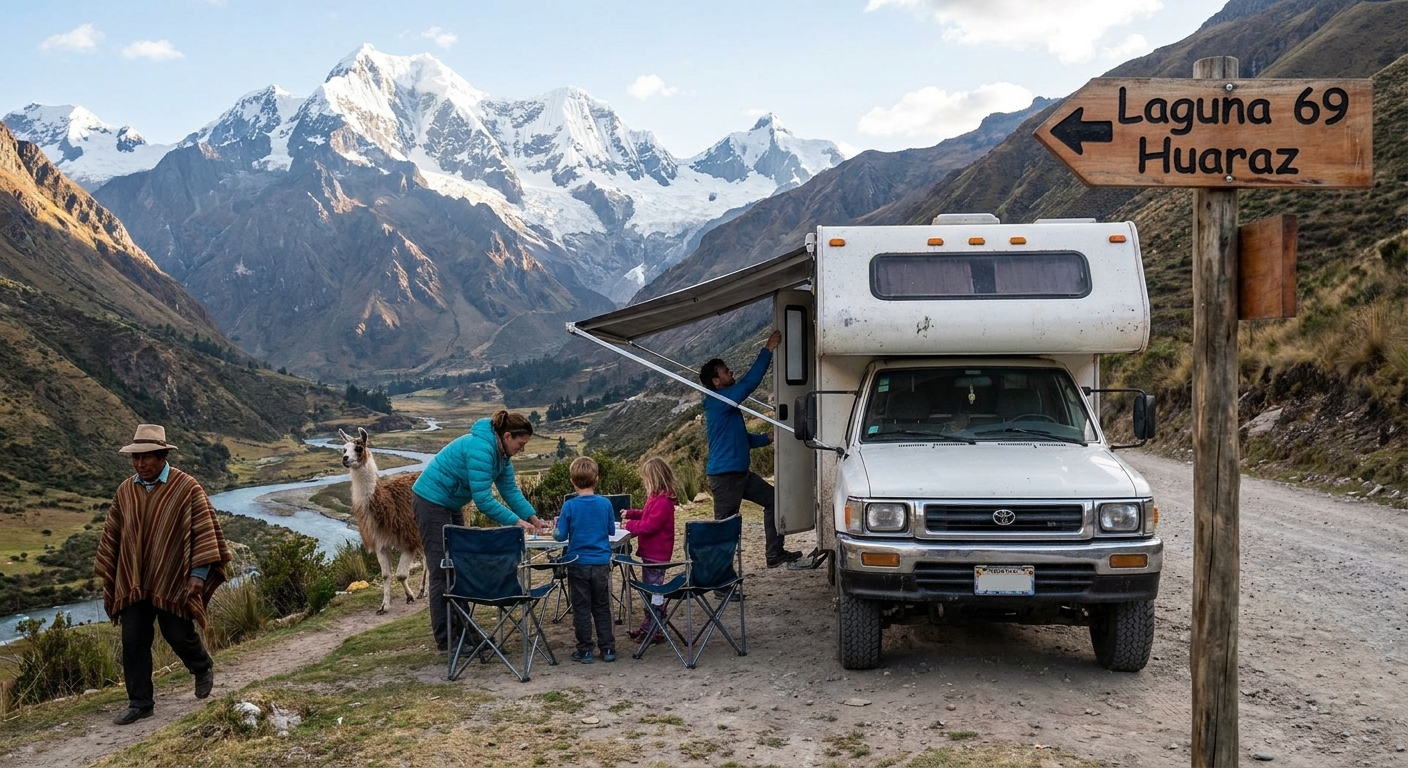
For a more serene and visually stunning journey, consider the Chilean Lake District. Here, you can discover picturesque volcanoes, tranquil lakes, and rejuvenating hot springs, providing a perfect backdrop for romantic getaways.
Venture into the otherworldly landscapes of the Atacama Desert in Chile for a truly unique RV adventure, featuring arid terrains, geysers, and unparalleled stargazing opportunities. If your tastes lean towards oenology, the Mendoza Wine Region in Argentina allows you to combine your RV travels with exquisite wine tasting tours amidst scenic vineyards.
A slightly less traditional but equally rewarding RV destination is the Colombian Coffee Region. Immerse yourselves in lush green landscapes and vibrant coffee culture, offering a unique change of scenery, though be prepared for less developed RV infrastructure.
Campground Types in South America (National, Private, Wild)
South America offers a diverse range of camping options. National Park campgrounds are typically rustic and scenic, providing basic amenities. Many of these sites operate on a first-come, first-served basis for most spots, with only a small percentage (25–30%) available for online reservation, offering flexibility for spontaneous travelers.
For more comfort and a wider array of services, private campgrounds are a great choice. These can range from basic to resort-like, often featuring enhanced security, hot showers, and sometimes Wi-Fi, catering to those seeking a more comfortable experience.
Wild camping or boondocking is tolerated in many remote, rural areas, requiring self-sufficiency and strict adherence to "leave no trace" principles. It's important to research the legalities and safety considerations, as these vary significantly by country and specific region. This option can significantly reduce accommodation costs, making longer trips more feasible.
Featured RV Park or Campground in South America
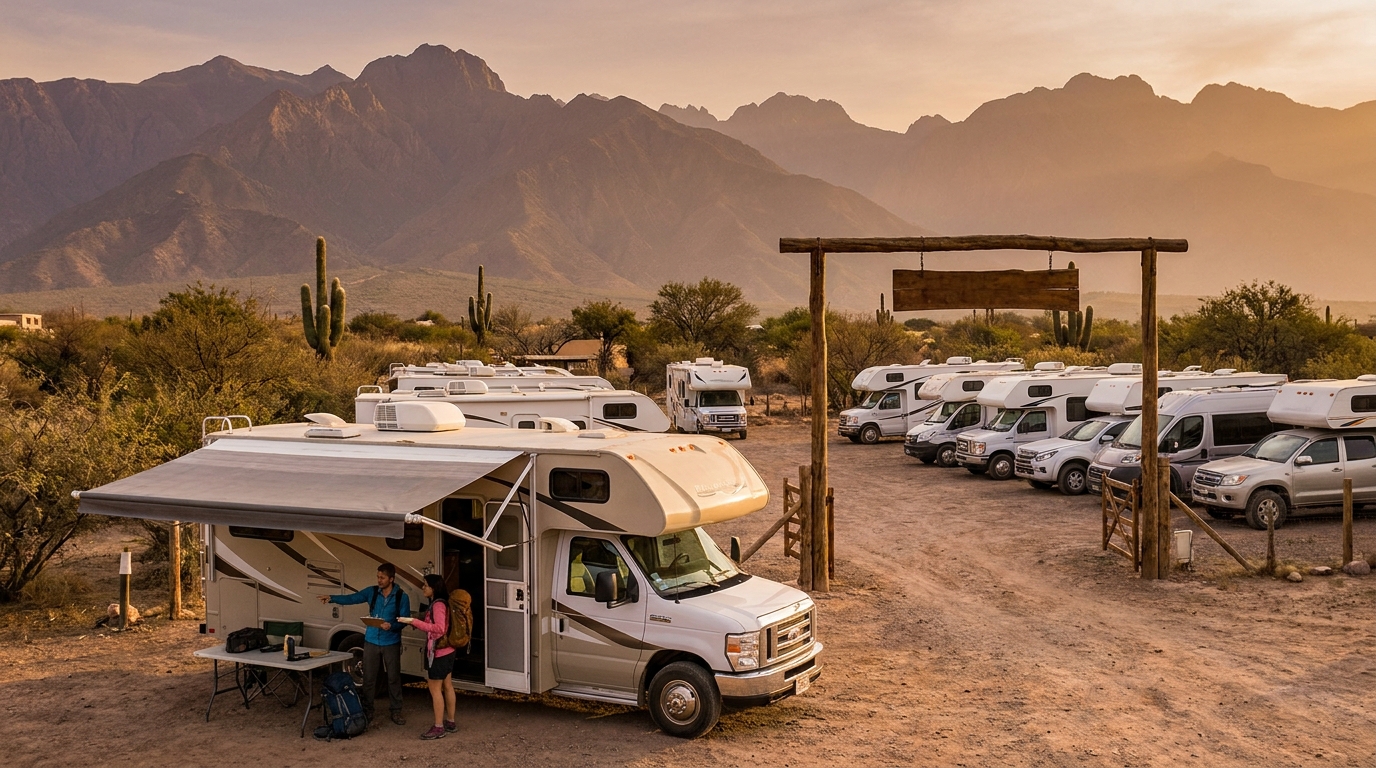
When selecting a campground for your romantic RV trip, prioritize options that offer secure parking, consistently clean facilities, and a captivating scenic location to enhance your experience. Prioritizing sites with positive reviews, especially from fellow international RV travelers, will help ensure a comfortable and reliable stay.
Consider the campground's proximity to major attractions and towns for convenient resupply points and easy access to local culture. This strategic placement allows for a more relaxed pace, letting you truly savor your surroundings.
Hookups & Amenities — What to Expect
When it comes to utilities, expect primarily 220V electricity in South America. The continent uses various plug types, such as Type C, L, and I, so it's essential to bring a universal adapter and a surge protector, as electricity availability can be inconsistent, particularly in more remote areas.
Potable water sources vary greatly; consider bringing a reliable water filter or budgeting for bottled water, especially when venturing into less populated regions. Dump stations are less common than in North America or Europe and are typically found only at private RV parks or within larger municipal areas. On the routes offered through RV PLANET routes, you can itemize and track every expense along the way for easy budgeting.
Campground Wi-Fi can often be slow or unreliable outside major cities; purchasing a local SIM card is recommended for better, more consistent internet connectivity. Hot showers are not guaranteed, with many campgrounds offering cold water only. Laundry facilities are available in some private parks or local town laundromats, requiring a bit of planning for laundry days.
Booking Windows & Reservations in South America
For travel during the high season (December-February), particularly to popular national parks and coastal destinations, booking your campsites well in advance is highly recommended to secure your preferred spots.
The shoulder seasons (Spring/Fall) offer greater flexibility for spontaneous travelers, with easier availability and often more favorable weather conditions, making them ideal for those who prefer a less rigid travel plan. Remember that many national park campgrounds release only 25–30% of their spots for online reservations, leaving the majority available on a first-come, first-served basis, which can be an advantage for flexible couples.
Couples, being more adaptable, can often secure a spot by simply calling ahead to campgrounds before driving there. You'll almost certainly find a place — if not at your first choice, then at the next one.
Nearby Supermarkets & Resupply Points
Stocking up on provisions is a key part of RV travel. In larger cities, you'll find prominent supermarket chains such as Jumbo and Lider in Chile, or Disco, Carrefour, and Coto in Argentina. These offer a wide range of products, making resupply straightforward.
In more rural areas, rely on local 'almacenes' or 'minimarkets' for basic provisions and fresh produce. It's always wise to plan strategically, stocking up on non-perishable items, fresh water, and other essentials in larger urban centers before venturing into remote or less-populated regions to ensure you're always prepared.
Best RV Class for Camping in South America
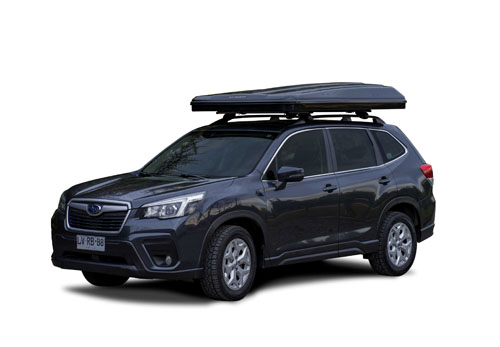
When selecting an RV for your South American adventure, prioritize smaller and more robust vehicles for optimal maneuverability. Bandana's global fleet features Class B camper vans, averaging 5.8m in length and ideal for 2-3 adults, offering exceptional handling on varied roads and easier parking in cities. These vehicles typically achieve better fuel economy (8-10 Liters/100km) and are well-suited for South America's diverse terrain.
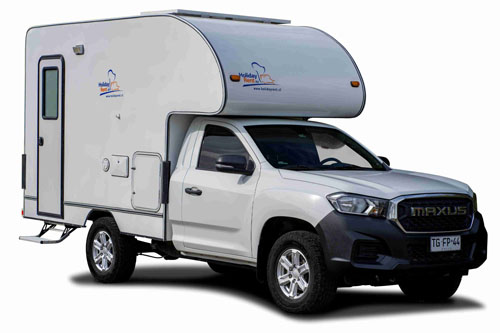
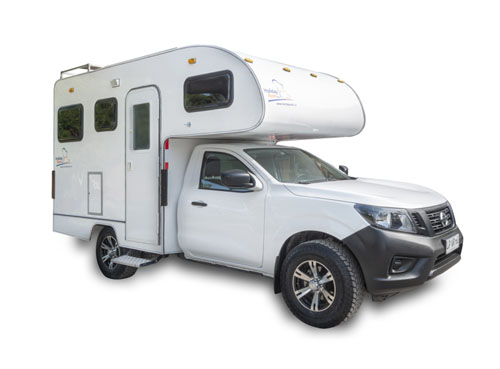
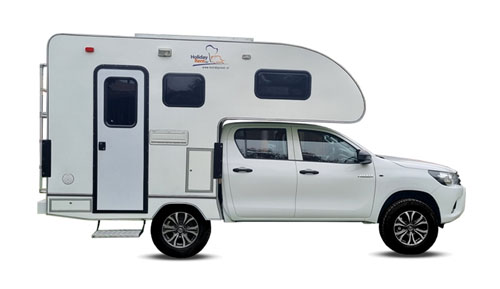
Class TC Truck Campers, averaging 5.5m in length and ideal for 2-3 adults, are another excellent choice. Many feature 4x4 capability, making them perfectly suited for tackling rough, unpaved roads and reaching those off-the-beaten-path destinations that make RV travel so rewarding.
Larger units, like Class A or Class C motorhomes (averaging 7.5m in length), can present challenges on narrow roads, in smaller towns, and over uneven terrain, making the smaller, more agile options a preferred choice for couples exploring South America.
How to Save on Campgrounds in South America
To make your RV journey more budget-friendly, inquire about campground discount programs or regional membership options, which can offer significant savings on nightly rates. Traveling during the shoulder season (spring: September-November or fall: March-May) can also lead to lower demand, better availability, and often reduced campground fees, allowing for more flexibility and savings.
Opting for municipal or national park campgrounds is typically more budget-friendly than private resorts and often provides a more authentic, natural experience. Many campgrounds also offer discounted weekly or monthly rates, making extended stays a more cost-effective option per night, allowing you to truly settle into a destination.
When done responsibly and legally, finding free overnight parking or wild camping spots can entirely eliminate accommodation costs, further enhancing your budget flexibility. This approach requires careful planning and awareness of local regulations.
Can you RV in South America?
Yes, RVing in South America offers an unparalleled adventure for couples seeking unique travel experiences, though it requires specific preparation and an understanding of local conditions. RV travel across this diverse continent allows you to explore everything from Patagonia's rugged beauty to the Atacama Desert's stark vistas at your own pace.
A realistic approach means expecting varied road conditions, from paved highways to gravel paths, and being prepared for differing infrastructure and potential language barriers; embracing these as part of the adventure is key. Maintaining cultural sensitivity by being open to local customs and hospitality, and always prioritizing safety by researching areas and trusting your instincts, will ensure a smoother journey.
Reliable offline maps (like Maps.me or iOverlander) and local SIM cards are essential for staying connected and navigating, as Wi-Fi can be scarce and unreliable, especially in more remote regions.
Can you rent an RV in Chile?
Yes, Chile is a prime destination for RV rentals in South America, particularly renowned for its stunning natural landscapes like Patagonia and the Atacama Desert, which are ideally suited for RV road trips. RV rentals are readily available, with several operators in major cities like Santiago and Punta Arenas offering a range of campervans and motorhomes.
When considering vehicles for Chilean roads, prioritize smaller, robust options such as campervans or 4x4 truck campers for superior maneuverability and off-road capability, which are essential for accessing many of the region's highlights. Ensure you possess an international driving permit, comprehensive insurance that covers cross-border travel if applicable, and all necessary vehicle documentation.
To secure your preferred vehicle, especially for the popular high season (December-February), it is advisable to book your RV rental well in advance.
Where is the cheapest country to rent a campervan?
While specific rental costs fluctuate based on season, vehicle type, and rental duration, countries like Argentina and Chile often provide competitive campervan rental prices, particularly if booked in advance or during the shoulder seasons. These nations generally offer more budget-friendly options compared to some other South American destinations.
When budgeting, consider not only the base rental price but also included insurance, mileage limits, one-way fees, and any specific border crossing charges. It’s also crucial to factor in potential hidden costs such as tolls and any unique local insurance requirements that might apply.
For very long trips (six months or more), it’s worth comparing the cost-effectiveness of a rental against purchasing a used overland vehicle locally.
Can I rent an RV to drive across country?
Yes, cross-country RV rentals are generally permissible within South America, but they necessitate specific international permits, comprehensive insurance, and meticulous planning for border crossings between countries. This type of travel is feasible, though it requires careful attention to vehicle documentation, international insurance, and adherence to varying border regulations.
Be prepared for border crossings, which can be time-consuming; ensure all vehicle documents (registration, permits), passports, and insurance policies are readily accessible. Confirm with your rental company that your agreement covers cross-border transit and that you possess all required temporary import permits for each country you plan to visit.
Research common road hazards in advance—such as livestock, potholes, and varying road qualities—and verify that your rental provider offers reliable breakdown assistance and access to mechanics across your planned route for peace of mind.
What is the 3-3-3 rule for RV travel?
The 3-3-3 rule is a popular guideline for RV travel, suggesting a balanced pace: drive no more than 300 miles a day, arrive at your destination by 3 PM, and stay for a minimum of 3 nights. This encourages a relaxed pace, reduces travel fatigue, and provides ample time for couples to explore sights, enjoy activities, and connect with their surroundings, making for a more immersive experience.
Given the diverse and sometimes challenging road conditions in South America, adhering to the 'arrive by 3 PM' and 'stay 3 nights' components becomes even more practical. This allows for flexibility for lower daily mileages and ensures you aren't rushed, fully appreciating each location.
What countries are best for RV travel?
For RV travel in South America, Chile and Argentina are widely considered the premier destinations, offering extensive infrastructure, breathtaking landscapes like Patagonia, and a relatively safe environment for road-tripping couples. Both countries provide well-maintained tourist infrastructure, from the lunar landscapes of the Atacama Desert in Chile to the glacial fjords of Patagonia, which is shared by both nations.
Argentina offers vast, scenic routes like Ruta 40, numerous national parks, and a welcoming culture for overlanders, especially when exploring its share of Patagonia. Focusing on curated multi-country routes within these regions, while considering factors like road conditions, border crossing complexities, and estimated travel times, is crucial for ensuring a smooth journey.
What is the 4-4-4 rule for RV?
The 4-4-4 rule is a less common variation of common travel guidelines, suggesting a maximum of 400 miles of driving per day, arrival at the campsite no later than 4:00 PM, and a stay of at least four nights to deeply explore a region. While this suggests a slightly more aggressive travel pace than the 3-3-3 rule, for the unique challenges and immersive experiences of South America, the more leisurely 3-3-3 approach might prove more practical for couples.
Remember that these rules are guidelines. Couples should adapt their daily travel and stay durations to best suit their enjoyment and avoid feeling rushed on their South American adventure, allowing for spontaneity and deeper exploration.
Is it cheaper to rent an RV or stay in a hotel?
Renting an RV can be more cost-effective than staying in hotels for couples on an extended South American trip, especially when considering savings on dining out and the flexibility of preparing meals onboard. For trips longer than 10–14 days, the upfront cost of an RV rental often becomes more economical than booking separate hotels each night. For ideas you can prep on the road, watch our RV-friendly recipes playlist on YouTube.
The ability to prepare your own meals in the RV galley significantly reduces dining expenses, which can be a major budget component for couples. It's important to factor in all costs—including rental fees, fuel, campground fees, tolls, varying insurance needs, and potential maintenance—when comparing total trip expenses to make an informed decision.
Which country is best for a campervan?
Chile and Argentina are frequently cited as the top countries for campervan travel in South America, offering unparalleled scenic routes, well-maintained national parks, and a growing community of fellow overlanders. These countries provide a solid foundation for exploring the continent's natural wonders.
Campervans are ideally suited for these regions, offering a balance of maneuverability on varied roads and sufficient comfort for couples. The strong and active overlander community in both Chile and Argentina provides invaluable resources, tips, and local advice for campervan travelers, greatly enhancing the planning process.
Both countries offer a wealth of iconic routes and destinations perfect for campervan exploration, from scenic coastal drives to challenging high-altitude mountain passes, ensuring an unforgettable journey.
What is the 200 rule for camping?
The 200-rule for camping, less universally known, generally refers to a guideline for limiting daily travel distance to around 200 miles. This aims to allow for more leisure time and deeper exploration at each stop, promoting a slower, more immersive travel style that is particularly ideal for couples looking to savor experiences rather than just cover ground.
Given South America's diverse attractions and varying road quality, this rule is particularly relevant, allowing greater flexibility for spontaneous stops and extended enjoyment of scenic spots. It encourages a more relaxed pace, which is beneficial for truly experiencing the continent's wonders.
What You Shouldn't Miss
- Drive the Carretera Austral in Chile for a rugged, scenic adventure through Patagonia, with incredible fjords, glaciers, and forests.
- Witness the otherworldly landscapes of the Atacama Desert, including the Valley of the Moon and the El Tatio geysers, and enjoy unparalleled stargazing.
- Explore the vastness of Patagonia, from the iconic peaks of Torres del Paine National Park to the Perito Moreno Glacier in Argentina, experiencing breathtaking natural beauty.
- Savor the wine regions of Mendoza, Argentina, with your RV allowing you to tour vineyards and enjoy tastings at your leisure amidst stunning vineyard scenery.
- Soak in the natural hot springs and explore the volcanic landscapes of Chile's Lake District, a perfect romantic escape.
Final Thoughts
Embarking on an RV adventure in South America as a couple is an incredible way to experience the continent's diverse beauty and vibrant cultures. The freedom of the open road, combined with the comfort of your own mobile accommodation, creates opportunities for intimate moments and shared discoveries.
Remember that planning is key, especially regarding vehicle selection and booking campsites in advance during peak seasons. By preparing for the unique aspects of RV travel in South America—from road conditions to cultural nuances—you're setting yourselves up for an unforgettable journey filled with romance and adventure.
Get inspired for your next trip! Discover top destinations, planning tips, and all in one place. Plan your RV trip itinerary in advance with minimal effort and maximum enjoyment, and get ready to create lasting memories together on the road.
Ready to start planning your dream South American RV adventure? Compare RV rental prices and availability for your chosen dates and destinations.