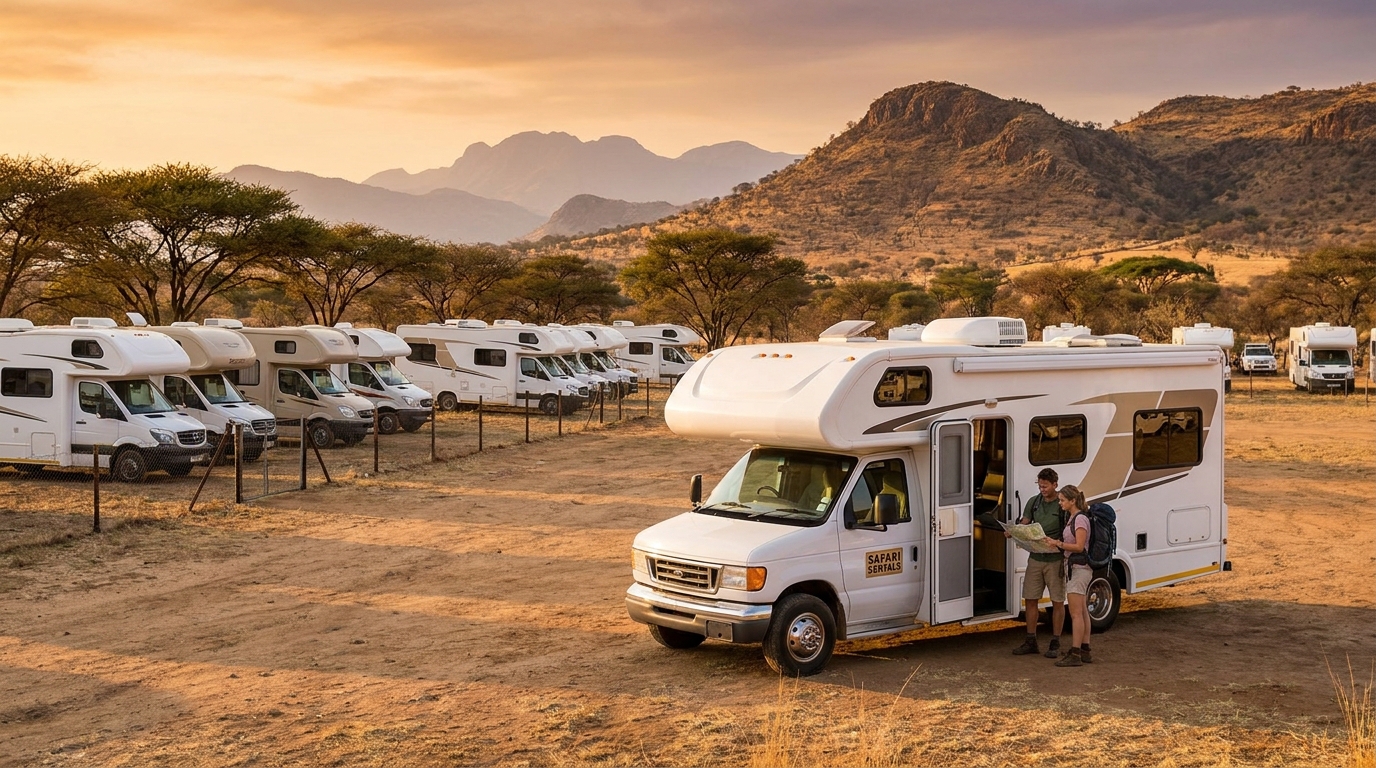
For live availability and current prices, start with our RV Rental Africa - Complete Guide 2026 guide.
In This Guide
- Where to Camp in Africa — Top Options
- Campground Types in Africa (National, Private, Wild)
- Featured RV Park or Campground in Africa
- Hookups & Amenities — What to Expect
- Booking Windows & Reservations in Africa
- Nearby Supermarkets & Resupply Points
- Best RV Class for Camping in Africa
- How to Save on Campgrounds in Africa
- What is the 3-3-3 rule for RV camping?
- Where can I park my RV without paying?
- Is it cheaper to RV or stay in hotels?
- What countries are RV friendly?
- Can you camp in Africa National Parks?
- Which national parks have RV camping?
- Is wild camping legal in South Africa?
- Is it cheaper to rent an RV or stay in a hotel?
- What is the 3 3 3 rule for RVs and campers?
Where to Camp in Africa — Top Options
Africa offers incredible RV camping experiences for couples, with premier destinations like South Africa's Kruger National Park, Namibia's Etosha National Park, and Botswana's Chobe National Park providing diverse landscapes and abundant wildlife. South Africa's Kruger National Park boasts numerous well-maintained rest camps with various facilities, ideal for spotting the 'Big Five' and enjoying expansive wilderness drives. Namibia's Etosha National Park features unique floodlit waterholes at camps like Okaukuejo, offering unparalleled nighttime wildlife viewing experiences perfect for couples. Botswana's Chobe National Park is renowned for its vast elephant populations and riverfront camping opportunities, though often requiring more robust 4x4 RVs for access.
Campground Types in Africa (National, Private, Wild)
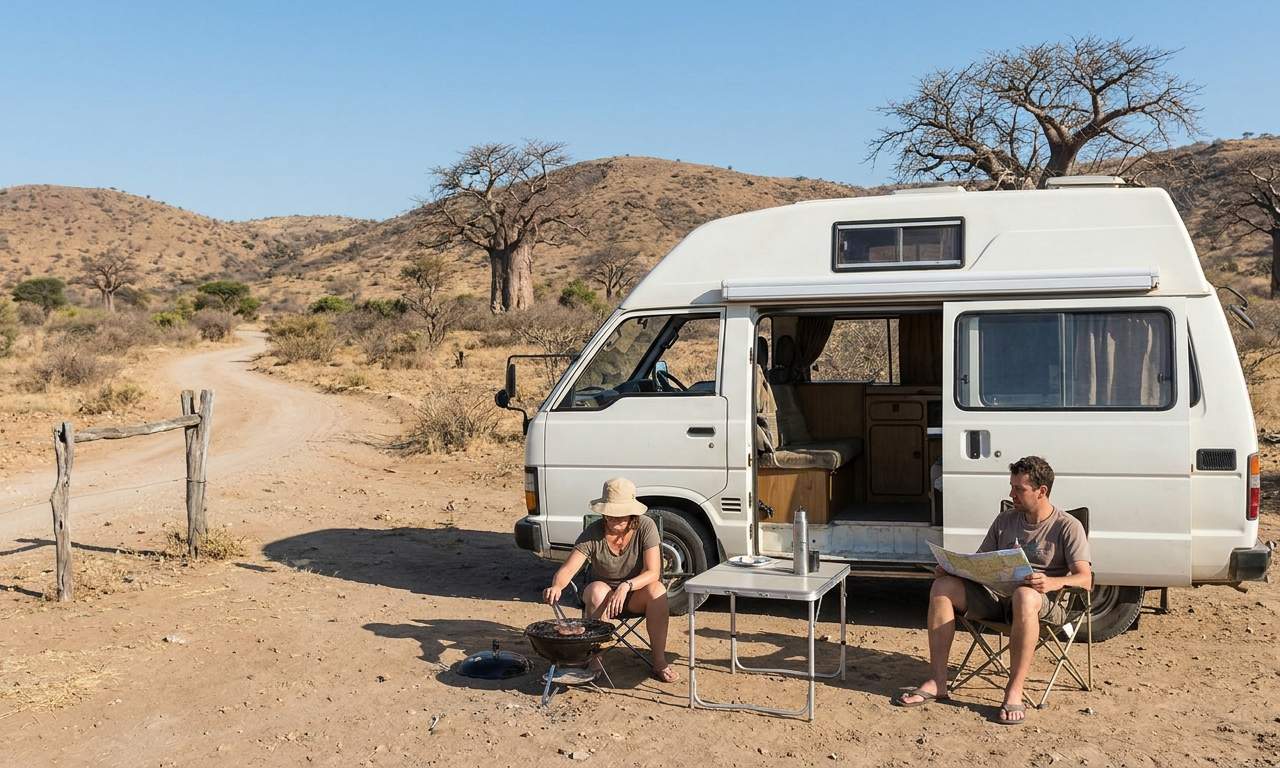
In Africa, RV campers for couples typically choose between national park campgrounds, private campsites, and wild camping, each offering distinct experiences and requiring different planning and adherence to regulations. National park campgrounds (e.g., managed by SANParks in South Africa) offer essential facilities within protected areas, prioritizing wildlife access and natural settings, but often require advance booking and strict adherence to park rules. Private campsites, prevalent across countries like South Africa and Namibia, range from basic setups to luxurious resorts with amenities like pools, restaurants, and guided tours, providing a comfortable base with varied service levels. Wild camping, or 'freedom camping,' is generally discouraged or illegal in many areas due to safety concerns, land ownership laws, and environmental protection, though some remote regions or specific concessions (especially in Namibia and Botswana) may permit it with proper permissions and strict adherence to 'leave no trace' principles and heightened safety precautions.
Featured RV Park or Campground in Africa
For couples seeking an exceptional and immersive experience, Olifants Rest Camp within South Africa's Kruger National Park comes highly recommended, offering breathtaking views and direct wildlife observation. Olifants Rest Camp, situated on a prime elevated position overlooking the Olifants River in Kruger National Park, South Africa, provides a serene and picturesque setting for couples. The camp features designated caravan/camping sites with electrical points and communal ablution blocks with hot water, along with convenient on-site amenities like a shop and a restaurant. It's an ideal spot for couples due to its romantic vistas and the constant opportunity to observe animals coming to the river below, combining comfort with an authentic and secure safari camping experience.
Hookups & Amenities — What to Expect
RV camping in Africa typically offers a mix of basic and full hookups, varying significantly by campground type, with a common voltage of 220-240V and Type M (South Africa) or Type F (general European) sockets. Most national park campsites provide electrical hookups and sometimes communal water taps, though dump stations might be less frequent or found at central points within larger parks. Private campgrounds usually boast more comprehensive amenities, including reliable electrical hookups, potable water, grey and black water dump stations, Wi-Fi (often paid or limited), hot showers, and laundry facilities. It's advisable for couples to carry multi-country travel adapters and long extension cords, and be prepared for periods without hookups, relying on the RV's self-sufficiency for water, power (solar/battery), and waste management, which is crucial for remote travel and emergency preparedness. On the routes offered through RV PLANET routes, you can itemize and track every expense along the way for easy budgeting.
Booking Windows & Reservations in Africa
For RV couples traveling in Africa, booking ahead for popular national park campsites, especially during peak seasons, is highly recommended, while private sites often offer more flexibility. Planners should aim to book national park accommodations 6-12 months in advance, particularly for iconic locations like Kruger National Park or Etosha, as many only release a limited percentage (e.g., 25-30%) of spots for reservations, with the remainder often first-come, first-served. Spontaneous travelers can often find spots at private campgrounds or less popular national park sites by calling a day or two ahead, or even on the same day, particularly during shoulder or off-peak seasons. While you will almost certainly find a place—if not the first campground, then the next—it's always wise for couples to call ahead before driving long distances to confirm availability, ensuring a smoother journey and avoiding bureaucratic surprises at park gates.
Nearby Supermarkets & Resupply Points
RV couples exploring Africa can reliably find supermarkets and resupply points in major towns and cities, with chains like Shoprite, Pick n Pay, and Checkers being prominent across Southern Africa. In countries like South Africa and Namibia, larger towns along popular routes will have well-stocked grocery stores for fresh produce, meats, pantry staples, and other essentials for your RV kitchen. For example, en route to or from Kruger National Park, towns like Nelspruit (Mbombela) offer extensive shopping facilities, while Swakopmund or Windhoek serve as excellent resupply hubs in Namibia. It's prudent for couples to stock up adequately when passing through these larger centers, as options become significantly sparser or non-existent in remote national parks and rural areas, requiring careful planning for fuel, water, and food supplies for long stretches of travel. For ideas you can prep on the road, watch our RV-friendly recipes playlist on YouTube.
Best RV Class for Camping in Africa
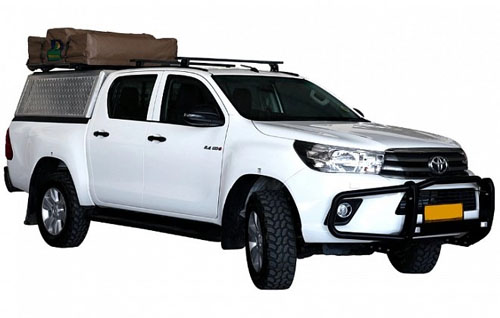
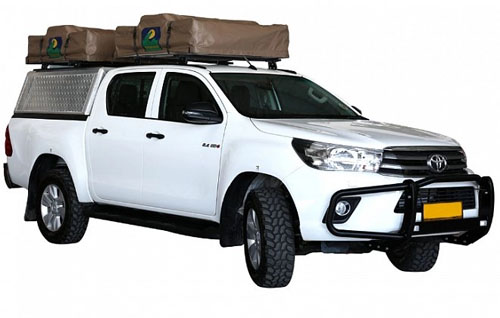
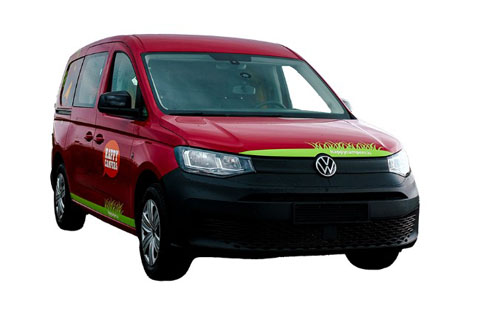
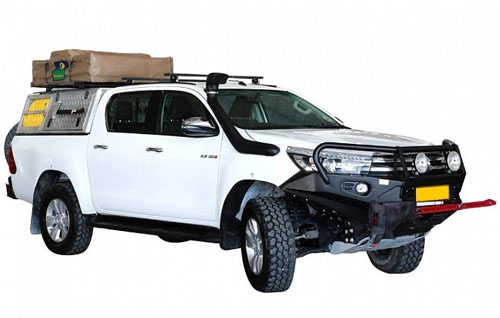
For couples RV camping in Africa, the Class B Camper Van and Class TC Truck Camper are often ideal choices, balancing maneuverability, fuel efficiency, and self-sufficiency for varied terrains. The Class B Camper Van, averaging 5.8m in length with space for 3.2 people, typically consumes 8-10 liters per 100 km and offers compact dimensions suitable for city streets and narrower park roads, providing essential living amenities for adventurous couples. The Class TC Truck Camper, averaging 5.5m in length and designed for 2.1 adults, typically has a fuel consumption of 12-17 liters/100 km and sits on a 4x4 chassis, offering superior off-road capability crucial for more remote campsites and gravel roads in African parks. While larger Class SI (Semi-integrated) and Class C (Alcove) RVs offer more space, their larger size and typically 2WD drivetrains might limit access to some rougher locations suitable for couples seeking off-the-beaten-path adventures, necessitating consideration of specific vehicle modifications and recovery gear.
How to Save on Campgrounds in Africa
Couples can significantly save on RV campgrounds in Africa by utilizing discount cards, traveling during shoulder seasons, and opting for municipal or regional sites over private resorts. Investigating campground discount cards or memberships upon arrival or with your rental provider can offer substantial savings on nightly rates at participating sites. Booking during the shoulder season (e.g., April-May or September-October) often provides lower rates, fewer crowds, and more favorable weather compared to peak tourist seasons. Choosing municipal, regional, or community-run campgrounds, where available, typically offers more budget-friendly options than luxurious private resorts, aiding in granular budgeting and managing hidden costs. Staying for three or more nights can sometimes qualify couples for weekly rates, which are more economical than nightly bookings; additionally, inquiring about sharing hookups in a small convoy can help split costs where permitted.
What is the 3-3-3 rule for RV camping?
The '3-3-3 rule' for RV camping is a popular guideline recommending driving no more than 300 miles a day, arriving at your destination by 3 PM, and staying for a minimum of 3 nights to promote a relaxed and enjoyable travel pace. This rule helps prevent travel fatigue and allows ample time to explore each location thoroughly without feeling rushed. Adhering to the 'arrive by 3 PM' aspect ensures sufficient daylight for setting up camp, exploring surroundings, and relaxing before dusk, which is crucial for safety and avoiding unexpected animal encounters outside parks in Africa. The 'stay for 3 nights' guideline encourages deeper immersion in the local area, reducing the stress of frequent packing and unpacking, and is particularly beneficial for couples exploring Africa's diverse landscapes and wildlife at a sustainable pace.
Where can I park my RV without paying?
Parking an RV without paying in Africa, often referred to as wild camping or boondocking, is generally restricted to specific, authorized locations due to land ownership, safety concerns, and legal regulations, making it challenging for couples. While true 'free' parking on public land as seen in some Western countries is rare or illegal in much of Africa, certain remote areas, designated community campsites, or private land (with explicit owner permission) may allow for unpaid stays. Couples must be highly cautious about safety and legality; researching specific country and regional laws is paramount, as unauthorized wild camping can lead to fines, safety risks (e.g., crime, wild animals), and cultural disrespect, emphasizing the need for detailed safety and emergency preparedness. Always prioritize official campsites, even if paid, for security and access to basic amenities; if considering a remote, unpaid spot, ensure it's a known, safe area, inform local authorities or trusted contacts of your plans, and follow strict 'leave no trace' principles.
Is it cheaper to RV or stay in hotels?
For couples traveling in Africa, RVing can often be a more cost-effective option than staying in hotels, especially for longer trips, when factoring in accommodation, transportation, and dining expenses. While initial RV rental costs and fuel can be significant, the ability to self-cater and avoid daily hotel room rates, restaurant bills, and separate transport costs (e.g., taxis, tours) typically leads to overall savings. RVing also offers flexibility to choose less expensive campsites over premium accommodations, cook own meals, and carry bulk-purchased groceries, all contributing to a lower daily expenditure. However, couples must account for granular budgeting and hidden costs like specific border crossing fees (e.g., Carnet de Passage or temporary import permits), diverse insurance types, water/waste disposal fees, and potential repair costs, which can impact the total budget, making a comprehensive financial plan essential to fully realize the savings.
What countries are RV friendly?
Southern African countries like South Africa, Namibia, and Botswana are widely considered the most RV-friendly destinations in Africa, offering extensive infrastructure, stunning landscapes, and established tourism routes suitable for couples. South Africa boasts a well-developed network of roads and campgrounds (including national parks like Kruger and private resorts), catering to diverse RV sizes and traveler preferences, making it an excellent starting point for couples. Namibia is highly regarded for its wide-open spaces, iconic desert landscapes, and excellent gravel roads, with numerous well-equipped campsites, particularly within national parks and along popular tourist corridors, though navigating bureaucracy and regulations for remote areas requires attention. Botswana, known for its pristine wilderness and abundant wildlife in areas like the Okavango Delta and Chobe, is increasingly accessible for 4x4 RVs, though it requires more advanced planning for remote areas, border crossings, and specific park entry regulations, which couples should thoroughly research.
Can you camp in Africa National Parks?
Yes, you can absolutely camp in most national parks across RV-friendly African countries like South Africa, Namibia, and Botswana, offering an immersive way for couples to experience wildlife and nature. National parks frequently provide designated campsites, ranging from basic facilities to more comfortable options with ablution blocks, braai (barbecue) areas, and sometimes even small shops. Camping within these parks offers the unique advantage of being inside the wilderness, allowing for early morning game drives and late evening wildlife viewing, often without the need to exit and re-enter the park gates daily. It is crucial for couples to book national park campsites well in advance, especially during peak seasons, and to adhere strictly to all park rules and regulations concerning noise, litter, fires, and wildlife interaction for safety and conservation, ensuring health and wellness considerations are met.
Which national parks have RV camping?
Many prominent national parks across RV-friendly African countries offer dedicated RV camping facilities, allowing couples to stay immersed in nature. In South Africa, iconic parks such as Kruger National Park (with numerous rest camps like Skukuza, Satara, and Olifants), Addo Elephant National Park, and Table Mountain National Park (at specific sites like Slangkop) feature well-equipped RV campgrounds. Namibia's renowned parks, including Etosha National Park (Okaukuejo, Halali, Namutoni camps), Fish River Canyon (Hobas campsite), and Namib-Naukluft National Park (Sesriem campsite for Sossusvlei access), all provide excellent RV camping options. Botswana's Chobe National Park (Savuti and Ihaha camps) and Moremi Game Reserve offer more rustic but incredibly rewarding RV camping experiences, though these often require 4x4 vehicles and are geared towards more self-sufficient overlanders, emphasizing the need for specific vehicle recommendations and modifications for couples.
Is wild camping legal in South Africa?
Wild camping is generally not legal in South Africa outside of designated campsites or private land with explicit permission, particularly for safety, environmental reasons, and land ownership regulations. Unlike some other countries, South Africa has strict laws regarding camping on public land, nature reserves, and private properties, aiming to protect sensitive ecosystems and ensure traveler safety, making it critical for couples to understand local bureaucracy and regulations. Unsanctioned wild camping can lead to fines, encounters with landowners or authorities, and exposure to security risks (including crime and wild animals), making official campsites the recommended and safest option for couples. Even in seemingly remote areas, obtaining permission from the landowner or using a recognized, often community-run, 'bush camp' is essential if you wish to camp outside of established resorts or national park facilities, mitigating bureaucratic hurdles and ensuring a responsible tourism approach.
Is it cheaper to rent an RV or stay in a hotel?
For couples on an African adventure, renting an RV often proves more economical than a comparable hotel-based trip, especially when considering the holistic travel budget for longer durations. An RV rental combines accommodation and transportation costs into one, eliminating separate charges for hotels, rental cars, and potentially some guided tours, contributing to granular budgeting. The significant savings come from the ability to prepare own meals in the RV's kitchen, drastically reducing restaurant expenses that can quickly add up in tourist areas. While the upfront rental fee and fuel consumption (e.g., a Class B Camper Van from Bandana's global fleet averages 8-10 Liters/100 Km) are key considerations, the overall flexibility and control over daily spending for food and accommodation usually make RV rental the more budget-friendly choice for couples seeking extended travel in Africa, particularly when factoring in potential hidden costs.
What is the 3 3 3 rule for RVs and campers?
The '3-3-3 rule' for RVs and campers is identical to the '3-3-3 rule for RV camping' and advises driving no more than 300 miles a day, arriving at your campsite by 3 PM, and staying for a minimum of 3 nights to ensure a relaxed and enjoyable travel experience. This guideline is particularly useful for couples exploring Africa, as it helps prevent driver fatigue, allows ample time for setting up camp and enjoying the surroundings, and fosters a deeper connection with each destination. Following this rule promotes safety, leisure, and a more fulfilling camping journey, encouraging a mindful pace for couples to truly absorb the unique sights and sounds of the African continent without the pressure of constant travel. It is a valuable principle for optimizing the practical logistics of remote travel and ensuring an enjoyable pace for health and wellness.
Final Thoughts
Embarking on an RV adventure in Africa as a couple offers an unparalleled opportunity for connection, discovery, and unforgettable memories. From the vast savannas to the dramatic desert landscapes, a rented RV provides the freedom and comfort to explore at your own pace.
With Bandana Caravan, planning your romantic African RV journey is seamless. We're here to ensure you find the perfect vehicle and understand all the details, so you can focus on soaking in the incredible experiences. Let the adventure begin!
Ready to plan your dream African RV trip? Get inspired for your next adventure and discover top destinations and planning tips all in one place!