In This Guide
- Top 5 Tips for pet friendly rv rental RV Rental in West Europe
- Before You Book - Class, Dates, Insurance
- Pre-Trip Prep - Packing Checklist for West Europe
- On the Road - Driving, Fueling, Navigation
- At the Campground - Setup, Hookups & Etiquette
- Pet-Friendly RV Rental-Specific Tips for West Europe
- Common Mistakes to Avoid in West Europe
- What do I need to know about pet friendly rv rental RV rentals in Europe?
- Are dogs allowed on public transport in Europe?
- What are the rules for pets in RVs?
- How much does it cost to take a dog to Europe?
- What are the pet travel regulations for specific European countries?
- Where can I find pet friendly campsites in West Europe?
- What RVs are suitable for traveling with pets in Europe?
- What documents do I need for pet travel to Europe?
- Are there pet friendly attractions and activities in West Europe?
Embarking on a pet-friendly RV adventure through West Europe is an unforgettable way to experience diverse cultures, stunning landscapes, and charming cities alongside your beloved animal companions. Imagine waking up to the fresh mountain air in the Alps with your dog by your side, or enjoying a leisurely stroll along a French coastline before settling into your comfortable rented motorhome. This comprehensive guide will equip you with all the essential information to make your pet-friendly journey seamless and enjoyable, from understanding local regulations to finding the perfect camping spots. For live availability and current prices, start with our RV Rental West Europe - Complete Guide 2026 guide.
Top 5 Tips for pet friendly rv rental RV Rental in West Europe
Planning a pet friendly RV rental in West Europe requires careful attention to detail, but a little preparation goes a long way to ensure a smooth trip for everyone. First, securing pet-friendly RVs, especially larger motorhomes with more space, demands early booking, particularly if you plan to travel during popular peak seasons like summer or major European holidays. Second, always verify each rental company's specific pet policy regarding size, breed, and any additional cleaning fees, as these can vary significantly and typically range from €50-€200 per rental.
Third, thorough research into country-specific pet regulations is crucial; this includes necessary documents such as an Animal Health Certificate, microchipping, and up-to-date vaccinations, which are mandatory for entry into most EU countries. Fourth, planning a route that incorporates designated pet-friendly campsites and attractions ensures that your furry friend can join in on as much of the adventure as possible. Finally, packing essential pet supplies - food, water, bowls, leash, waste bags, and a comfort item - will help your pet feel at home in your rented campervan or motorhome and reduce stress during transit.
Before You Book - Class, Dates, Insurance
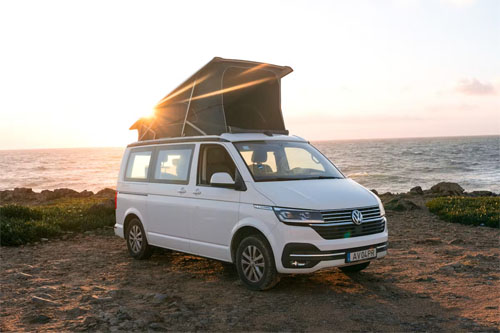
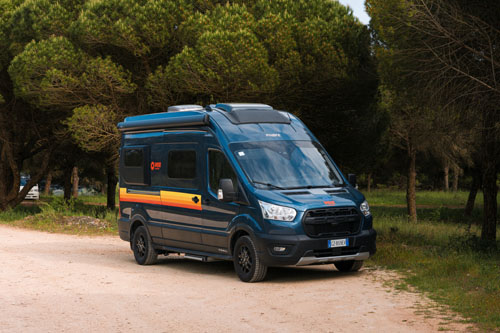
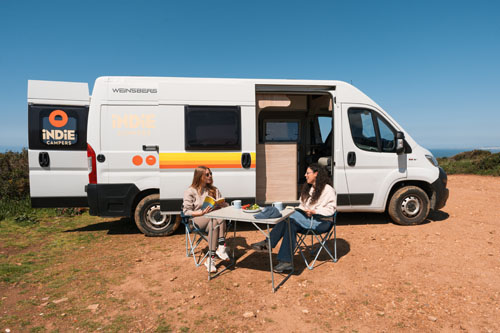
Choosing an RV class for pet friendly RV rental in West Europe involves balancing space, maneuverability, and budget. For instance, a larger Class C motorhome like the "MH-C" (with capacity for 6, a 147/190cm bed over cab, and a 128/220cm double bed) or a Class A motorhome like the "Family Sleeper (MA)" often provides more comfort for pets, while a compact campervan (such as an "Active Classic" with an ideal space for a couple) offers easier navigation in historic city centers and on narrower roads. You can compare various models to find one perfectly suited to your travel party and pet on our platform.
Locking in your rental dates well in advance is highly recommended, especially if traveling during school holidays or major European festivals when pet-friendly options can become very limited; booking 90+ days ahead can often secure better rates. Regarding insurance, basic coverage is always included with your Bandana RV rental. For comprehensive protection, you can easily upgrade to a top-level deductible reimbursement option during the booking process, ensuring complete peace of mind throughout your journey. Our transparent pricing means no hidden fees, so the price you see for your chosen insurance coverage is the final price.
Pre-Trip Prep - Packing Checklist for West Europe
A comprehensive packing checklist for your pet-friendly RV adventure in West Europe should include clothing suitable for varying climates, essential kitchen supplies for preparing delicious RV-friendly recipes playlist, safety items, and all necessary documents for both humans and pets. Remember to pack layers, as West European weather can be unpredictable, even in summer.
Here’s a detailed list to get you started:
Clothing & Personal Items:
- Rain jacket and umbrella
- Layers (t-shirts, sweaters, light jacket)
- Comfortable walking shoes
- Sleepwear
- Personal toiletries (travel-sized)
- Reusable shopping bags
Kitchen & Dining Essentials:
- Basic cooking utensils and pots
- Plates, bowls, cutlery
- Reusable water bottles
- Coffee/tea making supplies
- Dish soap and sponge
- Food storage containers
Safety & Vehicle Items:
- First-aid kit (human and pet specific)
- Reflective vest and warning triangle (required in some countries, like France and Germany)
- Spare fuses and basic tool kit
- Fire extinguisher (often included with rental, but check)
- Headlamp or flashlight
Documents & Pet Essentials:
- Passport/ID cards for all travelers
- Driver's license (an International Driving Permit is recommended for visitors from non-English speaking countries, though not always mandatory)
- RV rental agreement and insurance documents
- Pet passport/Animal Health Certificate and vaccination records (rabies vaccination is mandatory, microchipping is required)
- Copies of all important documents (digital and physical)
- Pet food, water bowls, leash, harness, waste bags
- Comfort item for your pet (blanket, toy)
- Any necessary pet medications
Our goal at Bandana RV is to ensure you're well-prepared, so we make sure to provide all the information you need before you even pick up your campervan.
On the Road - Driving, Fueling, Navigation
Navigating West Europe in a rented RV requires awareness of country-specific speed limits, which often differ for motorhomes compared to cars, and environmental zone restrictions that apply to many city centers. For example, vehicles entering certain French cities may require a Crit'Air sticker, while German cities demand an Umweltplakette, both necessary to avoid fines. Drive slowly and carefully, and you can drive almost anywhere without issues. No need to stress - just use common sense and pay attention.
Fueling in Europe typically involves diesel (Gasoil/Diesel) or petrol (Essence/Benzin), with many stations self-service and accepting major credit cards; always double-check the correct fuel type before filling your motorhome to prevent costly errors. For navigation, using a GPS system designed for RVs is highly recommended, as it factors in vehicle dimensions to avoid narrow roads or low bridges, especially when exploring charming historic city centers. Supplementing this with reliable apps like Google Maps or Waze, and even physical maps for areas with limited signal, will ensure you stay on track and prevent unexpected detours. Remember to travel slowly, averaging a maximum of 100-150 km per day, allowing plenty of time to feel the place, connect to the culture, the food, and the scenery, and for those important pet stops.
At the Campground - Setup, Hookups & Etiquette
Setting up your rented RV at a West European campground typically involves parking, carefully leveling the vehicle on your chosen spot, and connecting to utility hookups. Most campsites offer electrical hookups (often 220-240V, so bring an adapter), fresh water, and gray/black water disposal points, with some offering drive-over dump stations. The standard hookup order begins with connecting electricity, followed by fresh water, and then securing waste disposal hoses to ensure proper hygiene and operation. Many sites in popular RV destinations like Germany and France also feature "Stellplätze" or "Aires de Services" which are dedicated motorhome parking areas, often providing basic services and overnight stays, though without the full amenities of a traditional campground. On the routes offered through RV PLANET routes, you can itemize and track every expense along the way for easy budgeting.
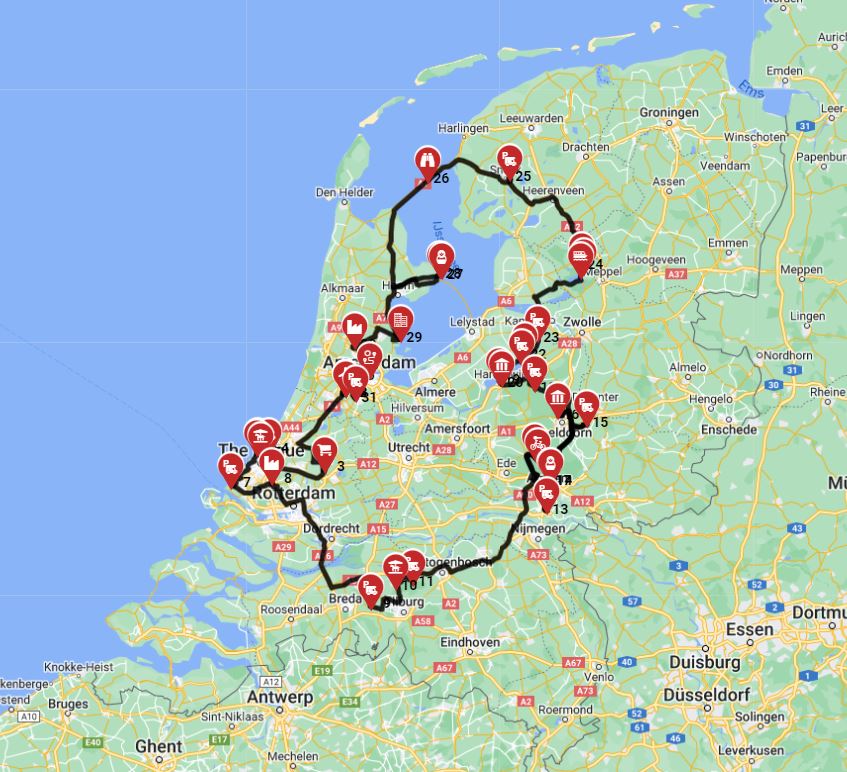
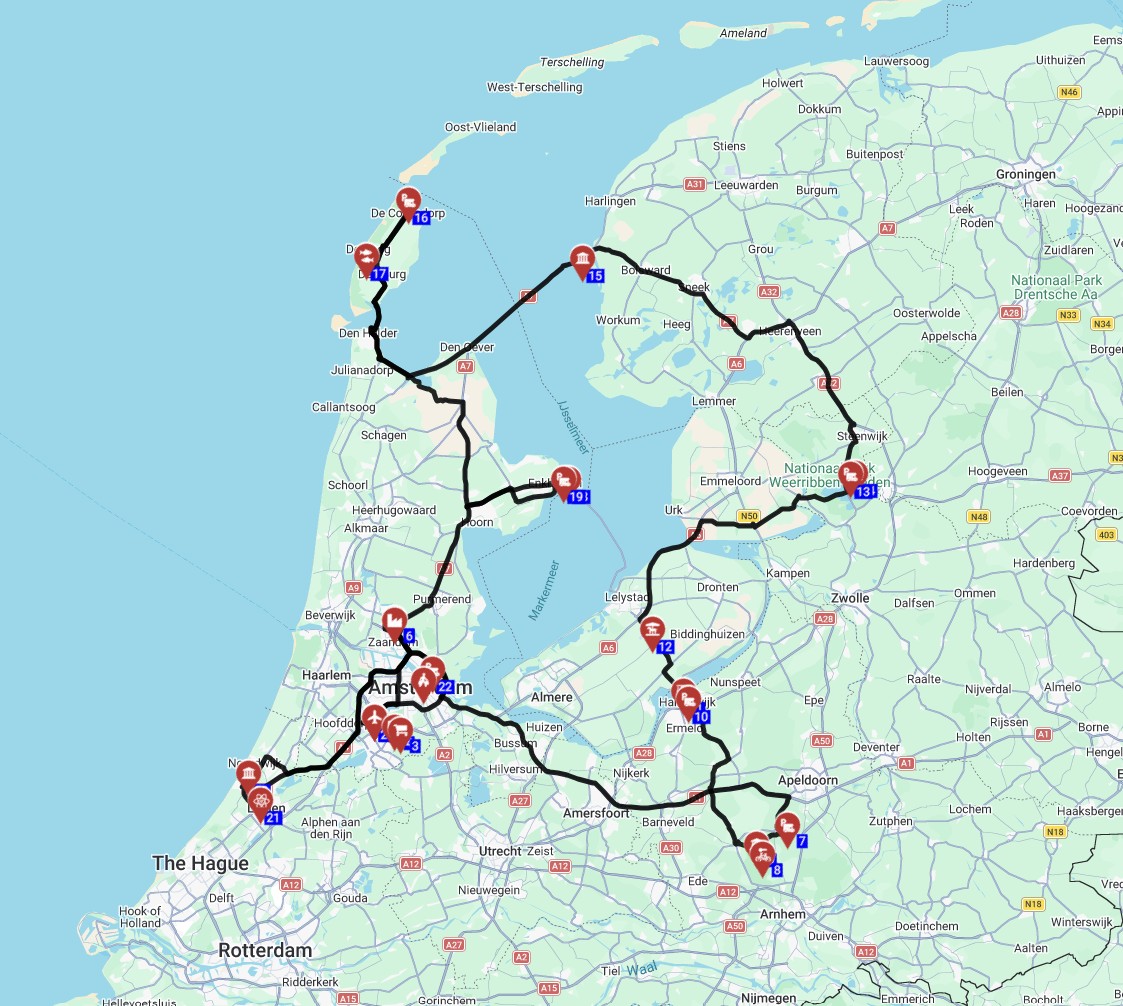
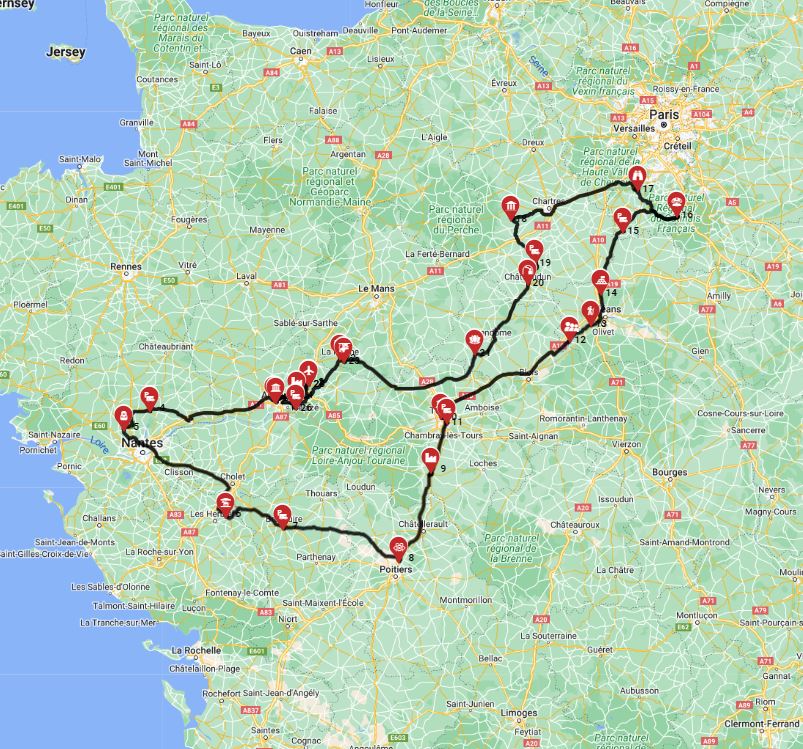
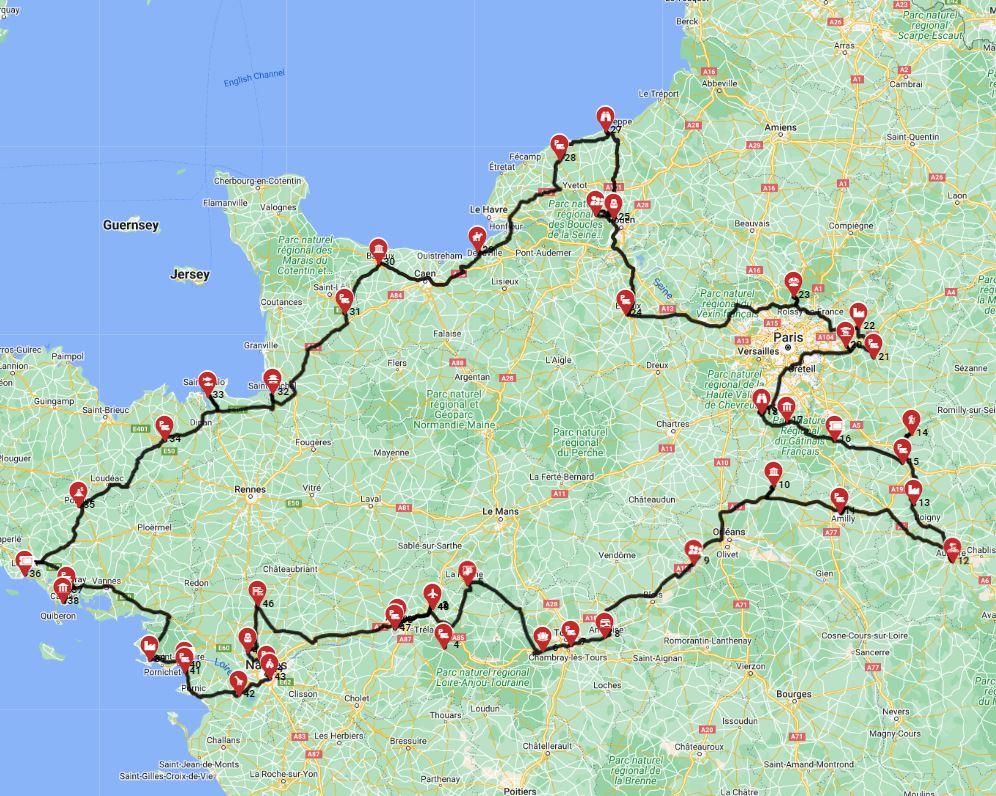
Campground etiquette in West Europe generally emphasizes quiet hours (often from late evening to early morning, typically 10 PM to 7 AM), respecting fellow campers' space by keeping noise levels down, and properly managing waste and recycling in designated bins. Always keep your pet leashed when outside your motorhome or campervan and clean up after them immediately. For finding campsites and campgrounds during your trip, we recommend using RV PLANET (rvplan.net) - a great resource for locating available spots along your route, often including pet-friendly filters.
Pet-Friendly RV Rental-Specific Tips for West Europe
To ensure optimal pet comfort during your West Europe RV journey, selecting a rented motorhome or campervan with sufficient space for your pet's crate or bed is paramount, allowing them to stretch and move comfortably during drives and while parked. For example, a "24' Class C Motorhome" with sleeping places for 5 and dimensions of 7.46m length and 2.56m width offers ample room for a medium-sized dog, while a compact "Active Classic" campervan is ideal for smaller pets or couples. Planning frequent stops for pet breaks, ensuring easy access to water, exercise, and potty breaks, is essential, especially on longer travel days across diverse terrains.
Prioritize campsites and locations that are explicitly pet-friendly, offering designated walking areas, waste disposal stations, and sometimes even dog showers; these facilities greatly enhance the travel experience for both you and your pet. Always keep your pet leashed when outside the RV at campgrounds or public areas, adhering strictly to local regulations which can carry fines for violations. Furthermore, always carry a portable water bowl and plenty of fresh water for your pet, particularly during warmer months or in areas where tap water may not be easily accessible or suitable for pets.
Common Mistakes to Avoid in West Europe
One common mistake to avoid in West Europe is overlooking environmental zone stickers, such as the Crit'Air in France or the Umweltplakette in Germany, which are mandatory for many city centers; ensure you purchase and display the correct sticker for your rented RV to avoid hefty fines of up to €180. Another pitfall is underestimating the cost of tolls and fuel; budget generously for these expenses, as they can significantly impact your overall trip cost in Europe. On RV PLANET routes, travelers can easily itemize and track every expense along the way for easy budgeting, helping to prevent surprises and manage ancillary costs like fuel and tolls.
Furthermore, avoid assuming all campsites are open year-round or pet-friendly; always pre-book and confirm policies, especially during off-peak seasons or in popular areas, as availability can vary. For navigation, relying solely on your phone can be a mistake in some remote regions; consider an RV-specific GPS that factors in vehicle dimensions to avoid unexpected narrow roads or low bridges. Finally, neglecting pet travel documents until the last minute is a critical error; ensure all vaccinations, microchipping, and required certificates (like the Animal Health Certificate or EU Pet Passport) are current and properly endorsed well before your departure date, as these are subject to strict checks at borders.
What do I need to know about pet friendly rv rental RV rentals in Europe?
Pet friendly RV rentals in Europe typically require advance booking to secure a suitable vehicle, may incur an extra cleaning fee ranging from €50-€200, and often have specific pet-related rules such as crate requirements or size limitations. Rental companies usually specify allowed pet types, the maximum number of pets, and may have weight restrictions, so confirming these details directly with us before booking is crucial. Be prepared for additional costs such as a pet supplement fee, which covers extra cleaning to ensure the RV remains suitable for all renters.
Always review the rental agreement for clauses pertaining to pet damage or deep cleaning requirements post-trip; Bandana RV offers full transparency in all terms, so you'll never encounter hidden fees. Finding a suitable pet friendly motorhome in West Europe is easy with our platform, which features options like the "Active Bunk Auto" campervan, marked as 'Pet Friendly' and ideal for families, or a spacious "Caravan 6 berth - Automatic" with ample room for bigger pets.
Are dogs allowed on public transport in Europe?
The allowance of dogs on public transport in Europe varies significantly by country and even by specific transport operator, with many requiring dogs to be muzzled, on a leash, or in a carrier, and often a ticket purchased for them. In many major West European cities, small dogs in carriers are generally permitted on buses, trams, and metros, while larger dogs might be restricted or require muzzling. Trains across Europe, such as Deutsche Bahn in Germany, SNCF in France, and Trenitalia in Italy, often have dedicated policies for pets, frequently requiring a separate, reduced-price ticket for dogs and mandating leashes or muzzles for larger breeds.
Ferries and intercity buses typically have stricter rules, sometimes allowing pets only in designated pet areas or not at all, making pre-booking and confirmation essential to avoid any last-minute travel disruptions for you and your companion. Always check the specific rules for each mode of transport and region you plan to visit, as local regulations can change and are strictly enforced.
What are the rules for pets in RVs?
Rules for pets in rented RVs often include requirements for secure travel, such as crating smaller animals or using seatbelt harnesses for larger dogs during transit, to ensure safety for all occupants. Many rental agreements also stipulate that pets are prohibited on furniture and beds to prevent damage and excessive shedding, and diligent cleaning of pet hair and messes inside the motorhome is generally expected to avoid additional charges. Ensuring adequate ventilation, especially during warmer weather, is crucial for your pet’s comfort and health, whether parked or driving.
It is generally expected that pet owners clean up after their animals both inside and outside the RV, properly disposing of waste in designated bins at campgrounds or service areas. Rental agreements frequently stipulate that pets must not be left unattended in the RV for extended periods, particularly in extreme temperatures, to prevent distress or potential damage to the vehicle. Always check with your specific rental supplier for their full list of pet rules, as these can vary, but remember that Bandana RV works with only the most reputable suppliers like El Monte and Apollo, who prioritize pet-friendly policies.
How much does it cost to take a dog to Europe?
The total cost to take a dog to Europe typically includes expenses for required vaccinations, an EU Pet Passport or Animal Health Certificate, microchipping, potential vet checks before departure, and airline or ferry pet transport fees, in addition to daily care costs during the trip. Pre-travel veterinary costs, including rabies vaccinations and an Animal Health Certificate (AHC) for non-EU residents, can range from €150-€300, while re-issuing an EU Pet Passport may be around €20-€50. Airline or ferry pet transport fees can vary widely, from €50 for small pets traveling in the cabin to several hundred euros for larger animals in cargo, with prices depending on the carrier and route.
Ongoing costs during your RV trip will include daily food, treats, potential grooming, and emergency vet visits, which should be factored into the overall travel budget. When planning your route and budgeting for ancillary costs like fuel, campground fees, propane, and tolls for your rented motorhome or campervan, remember that RV PLANET routes allow you to itemize and track every expense for easy budgeting, ensuring full transparency in your trip finances.
What are the pet travel regulations for specific European countries?
Pet travel regulations for specific West European countries generally adhere to stringent EU standards for rabies vaccination, microchipping, and an Animal Health Certificate (or EU Pet Passport for EU residents), but some nations may have additional requirements. All pets traveling within or into the EU must be microchipped with an ISO-compliant microchip, implanted before the rabies vaccination, and have a valid rabies vaccination that is at least 21 days old before travel. For non-EU residents, an Animal Health Certificate (AHC) issued by an official veterinarian within 10 days of travel is mandatory.
Certain countries, such as Ireland and Malta, may require specific tapeworm treatments administered by a vet 1-5 days before entry, emphasizing the importance of checking destination-specific rules well in advance. Moreover, some countries or regions may have breed-specific legislation, restricting or banning certain dog breeds, so it's essential to check local laws for your planned destinations within West Europe to ensure compliance and a stress-free journey for your furry companion. Our experienced Bandana RV specialists are always here to help clarify these details before you book.
Where can I find pet friendly campsites in West Europe?
Pet friendly campsites in West Europe can be readily found using online camping directories, specific RV park apps like Campercontact or Park4Night, and by filtering search results on rental platforms, as many campgrounds explicitly state their pet policies and amenities. Websites such as Eurocampings (ACSI), Camping.info, and national tourism boards often have filters for 'pets allowed' or 'dog-friendly' facilities, making it easy to narrow down your options for your rented motorhome or campervan. RV apps like Park4Night and Stellplatz-Radar provide user-generated reviews and information on whether a Stellplatz or Aire de Services is welcoming to pets, often including details on fees and available services.
When searching, look for campsites that offer specific amenities for pets, such as designated dog walking areas, dog showers, or pet waste stations, which can significantly enhance the travel experience for both you and your animal. Always confirm directly with the campsite their specific pet rules, potential additional fees (usually a small daily charge per pet), and leash requirements before arrival to avoid any surprises. Remember, while Bandana doesn't help find campsites during your rental, we provide all the tools and information you need pre-booking to plan a fantastic itinerary. Many national and state parks also reserve 25-30% of their spots for first-come-first-serve, so you'll find a spot; if not at the first campground, then the next one – just call ahead.
What RVs are suitable for traveling with pets in Europe?
RVs suitable for traveling with pets in Europe typically offer adequate space for your pet to move and sleep comfortably, good ventilation, durable flooring, and potentially a separate sleeping area or designated pet zone. Larger motorhomes, such as a Class C model like the "29′ Class C Motorhome" with a length of 8.84m and sleeping for 6-7, or a Class A, often provide more room for larger dogs or multiple pets than smaller campervans. Models with easy-to-clean surfaces like vinyl or laminate flooring are preferable over carpet, simplifying pet hair and mess management during your trip.
Good ventilation, including multiple windows or a roof fan, is crucial for maintaining a comfortable temperature for pets, especially during warmer months. Consider features like a shower in your rented campervan, such as the "Active Standard Auto," which offers this convenience, making it easier to clean muddy paws after outdoor adventures. Some RV layouts may feature a dedicated 'garage' area or sufficient floor space for a pet crate, offering a secure and familiar spot for your animal during transit or when stationary. Our diverse fleet from suppliers like El Monte and Apollo includes many pet-friendly options, clearly marked on our platform to make your choice simple.
What documents do I need for pet travel to Europe?
For pet travel to West Europe, essential documents include proof of microchipping, a valid rabies vaccination certificate, an Animal Health Certificate (issued by an authorized vet within 10 days of travel) or an EU Pet Passport, and potentially import permits depending on your country of origin. Your pet's microchip must be ISO compliant (standardized across the EU) and must be implanted before the rabies vaccination, with the microchip number clearly stated on all documents. The rabies vaccination must be current, administered by an authorized veterinarian, and at least 21 days old before travel, with the vaccination date noted on the health certificate or passport.
If traveling from a non-EU country, an Animal Health Certificate (AHC) must be issued by an official veterinarian in your country of origin within 10 days of your planned entry into the EU. This certificate requires endorsement by a government vet. For EU residents, an up-to-date EU Pet Passport serves as the primary travel document, simplifying travel between member states. Always keep original documents easily accessible, along with digital copies, as border officials may request them. Remember, Bandana RV specializes in international rentals, and our true RV specialists can offer guidance on general requirements, but always consult official government sources for the most up-to-date pet travel regulations.
Are there pet friendly attractions and activities in West Europe?
Pet friendly attractions and activities in West Europe abound, including numerous national parks, extensive hiking trails, picturesque beaches (often with designated dog zones), vibrant open-air markets, and many outdoor cafes or restaurant patios that welcome well-behaved, leashed dogs. Many national parks and nature reserves across countries like Germany, France, and the Netherlands warmly welcome dogs on leash, offering extensive hiking opportunities through stunning natural landscapes, from mountain paths to forest trails. Coastal regions frequently feature specific beach sections where dogs are allowed to roam and play, particularly during off-peak seasons.
Open-air markets, garden festivals, and historical ruins with outdoor access are often pet-friendly, allowing dogs to accompany owners as they explore cultural sites. While indoor venues typically have stricter policies, always look for 'dog-friendly' signs or inquire at visitor centers, as policies can vary greatly even within the same city or region. Remember that responsible pet ownership is key to enjoying these locations, including keeping your dog on a leash and cleaning up after them. Travel slowly, averaging a maximum of 100-150 km per day, and take time to connect with the local culture and scenery alongside your pet.
What You Shouldn't Miss
Looking for expert insights from Avi Bandana? Top 5 Adventures - recommendations from Avi Bandana
- **The Rhine Valley, Germany:** Cruise along the majestic Rhine River, stopping at charming medieval castles and vineyards, many of which welcome pets in their outdoor areas. It’s a route perfect for leisurely drives and scenic walks.
- **The French Riviera Coastal Drives:** Explore the stunning coastline between Nice and Monaco, with opportunities to visit pet-friendly beaches in designated zones and enjoy outdoor dining with your furry friend.
- **Swiss Alpine Hiking Trails:** Discover breathtaking mountain vistas on numerous pet-friendly hiking trails in Switzerland. Many cable cars allow dogs, providing access to higher altitudes for amazing views.
- **Black Forest, Germany:** Immerse yourself in the enchanting forests, picturesque villages, and serene lakes of the Black Forest, a region rich with dog-friendly trails and traditional guesthouses with outdoor seating.
- **The Annecy Lake Region, France:** Enjoy the pristine waters and surrounding mountains of Lake Annecy, offering plenty of walking paths, designated dog swimming areas, and charming lakeside towns to explore.
Final Thoughts
Traveling through West Europe with your cherished pet in a rented RV offers an unparalleled sense of freedom and discovery. It's a chance to bond, create lasting memories, and experience the continent's diverse beauty at your own pace. With careful planning, understanding local pet regulations, and choosing the right pet-friendly motorhome or campervan, you're set for an incredible adventure.
At Bandana RV, we're with you every step of the way, providing transparent pricing, expert advice, and the perfect vehicle to start your journey. We handle the details so you can live the journey, exploring West Europe's charming towns, scenic countryside, and welcoming natural parks with your best friend by your side. So pack your bags, grab your pet's leash, and get ready for the open road!
Discover your next pet-friendly motorhome adventure. Find pet friendly RV Rental Prices in West Europe now!