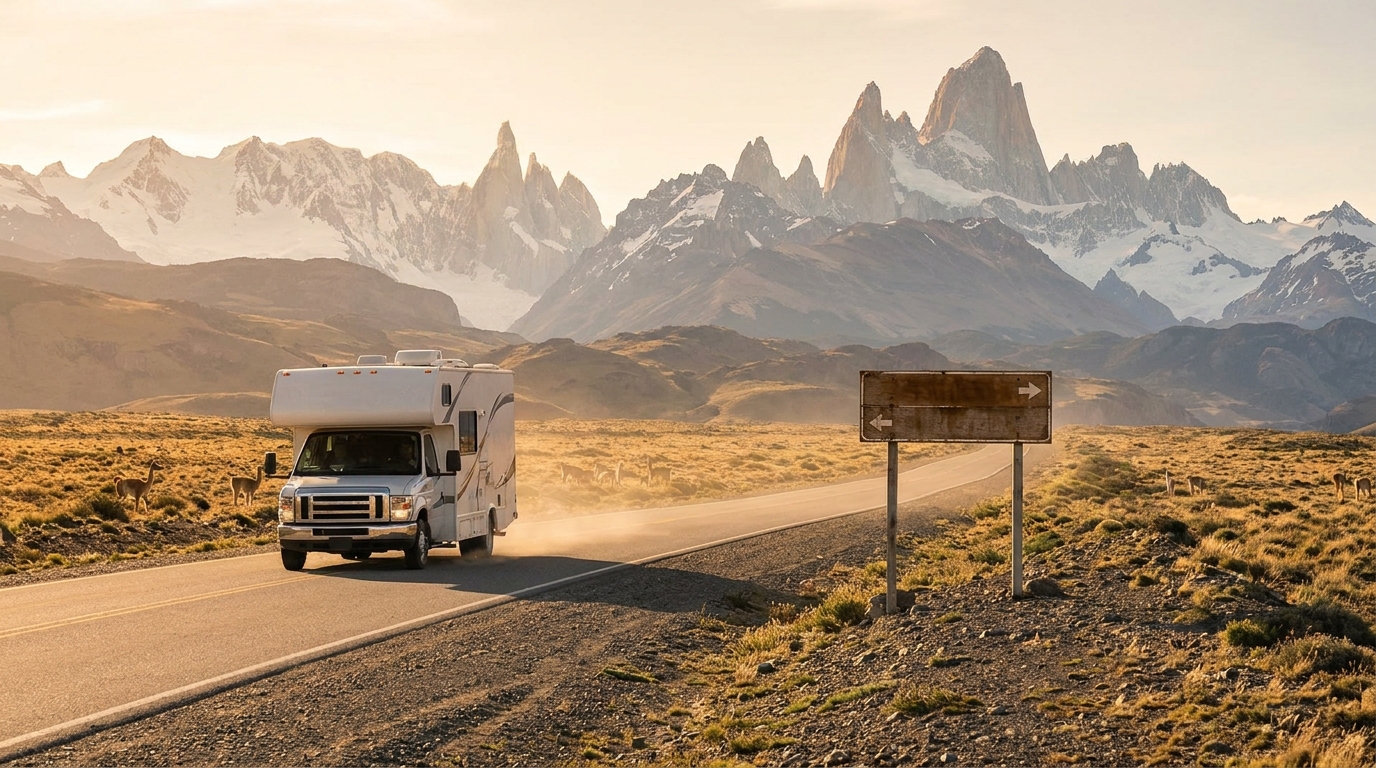
For live availability and current prices, start with our RV Rental South America - Complete Guide 2026 guide.
In This Guide
- Top 5 Tips for pet friendly rv rental RV Rental in South America
- Before You Book - Class, Dates, Insurance
- Pre-Trip Prep - Packing Checklist for South America
- On the Road - Driving, Fueling, Navigation
- At the Campground - Setup, Hookups & Etiquette
- Pet friendly rv rental-Specific Tips for South America
- Common Mistakes to Avoid in South America
- What is the 3-3-3 rule for RV travel?
- What are some tips for traveling with dogs in an RV?
- Are RV rentals dog friendly?
- What is the easiest country to bring a dog to in South America?
- What is the 333 rule for campervan?
- Can you rent an RV if you have dogs?
- Is it cheaper to rent an RV or stay in hotels in South America?
- What RV is best for dogs in South America?
- What is the 4-4-4 rule for RV travel?
- What is the best dog breed for RV travel?
Top 5 Tips for pet friendly rv rental RV Rental in South America
Planning a pet-friendly RV rental in South America opens up a world of adventure, but requires specific preparation to ensure a smooth journey for both you and your animal companion. Researching country-specific pet import requirements for each South American nation on your itinerary is paramount, including necessary vaccinations and health certificates. Opting for a smaller, robust RV or 4x4 campervan is highly recommended due to South America's varied road conditions and terrain. Overland travelers from North America must factor in the unique logistics and potential costs of shipping their RV across the Darien Gap between Panama and Colombia. Prioritizing comprehensive travel and pet insurance that covers medical emergencies, liability, and vehicle breakdowns across international borders provides invaluable peace of mind. Lastly, pack essential pet supplies, including veterinary records, a first-aid kit, and enough specialized food or medication, as specific brands may be unavailable in remote areas. For live availability and current prices, start with our RV Rental South America - Complete Guide 2024.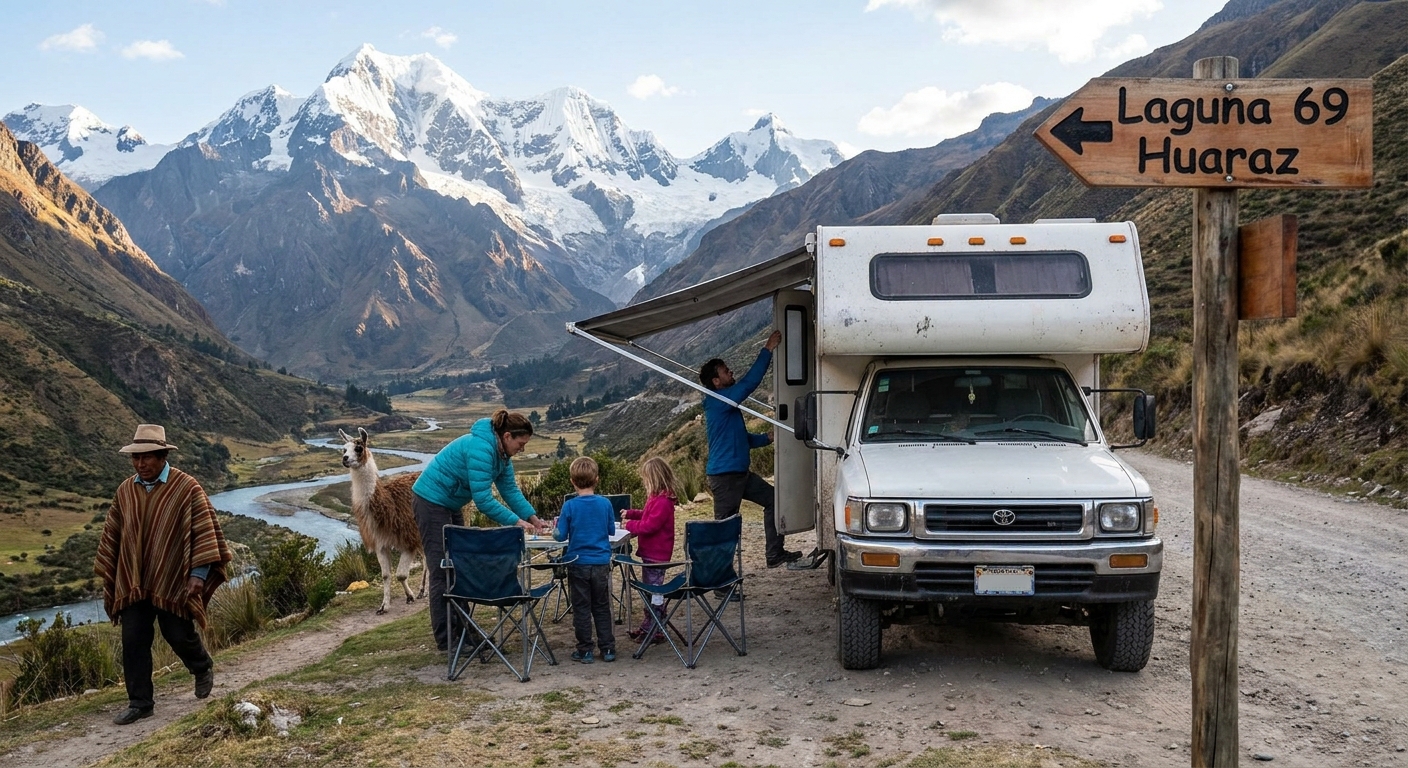
Before You Book - Class, Dates, Insurance
Selecting the right pet-friendly motorhome class for your South American adventure is crucial for navigating its diverse landscapes, while locking in your travel dates early and thoroughly understanding insurance options are essential steps for a worry-free trip. Smaller motorhomes, such as Class B campervans or compact Class C models, are frequently recommended for South America because their maneuverability is better suited for varying road conditions, including potentially narrow roads and unpaved sections in rural areas. For example, a Active Bunk campervan (RV size - Small) offers agility and comfort for two to four travelers. Booking your chosen pet friendly RV rental 3 to 6 months in advance is generally advisable, especially if your travel dates align with peak seasons or major local events, as this increases the likelihood of securing a pet-friendly vehicle and often results in better rental rates. Regarding insurance, basic coverage is always included in your rental price; to view options including the most comprehensive coverage, simply select that preference during your search on our platform. For international travel, it's also wise to consider supplemental third-party liability insurance and a dedicated pet travel insurance policy for additional protection. We believe in full transparency, so what you see is truly what you pay, with no surprise fees at pickup for these crucial elements.Pre-Trip Prep - Packing Checklist for South America
Thorough pre-trip preparation, including a comprehensive packing checklist tailored for South America's diverse climates and your pet's specific needs, is essential for a comfortable and safe RV journey across the continent. A well-organized packing list ensures you have everything necessary for both human and pet comfort, safety, and adherence to local regulations upon arrival and throughout your travels. Remember that many ancillary costs, such as groceries for cooking in your rented RV, propane refills, and campsite fees, can be easily tracked and itemized through RV PLANET routes to help manage your total trip budget.- Layers of clothing (warm and cool)
- Rain gear and waterproof shoes
- Sunscreen and insect repellent
- Portable water filter or purification tablets
- Basic cooking essentials and non-perishable food (consider our RV-friendly recipes playlist for inspiration!)
- Human first-aid kit
- Pet first-aid kit (bandages, antiseptic, vet contact)
- Emergency roadside kit (jump cables, tools, spare tire kit)
- Satellite messenger or communication device
- Printed and digital copies of all pet documents (health certificates, vaccination records, import permits)
- Driver's license and International Driving Permit (IDP)
- RV rental agreement and insurance documents
- Copies of passports and visas
- Offline maps (e.g., Maps.me, iOverlander) and GPS device
- Local SIM card or portable Wi-Fi device
- Pet food, bowls, leash, harness, waste bags, comfort items
- Collapsible pet crate or safety harness for travel
On the Road - Driving, Fueling, Navigation
Navigating South America in a rented RV requires careful attention to its diverse road conditions, strategic fueling stops, and reliable navigation tools to ensure a safe and enjoyable journey. Road conditions in South America can vary significantly, from well-maintained highways like parts of Ruta 40 in Argentina to unpaved or potholed rural roads in more remote regions; drive slowly and carefully, and you can drive almost anywhere without issues. No need to stress - just use common sense and pay attention to your surroundings. Always keep your fuel tank at least half-full, especially when traveling through remote areas such as Patagonia or the Amazon basin, where gas stations can be sparse or have limited operating hours. For navigation, relying on a combination of offline maps (like Maps.me or iOverlander), a dedicated GPS device, and a physical roadmap is crucial, as cell service can be intermittent in many regions. Understanding local driving laws, such as required safety equipment (ee.g., reflective vests, fire extinguishers for some countries) and variable speed limits, is essential for legal compliance and your safety. Consider using RV PLANET (rvplan.net) for pre-planned routes and valuable local tips.At the Campground - Setup, Hookups & Etiquette
Upon arriving at an RV campground in South America, a systematic approach to setup, proper hookup procedures, and adherence to local etiquette will ensure a comfortable and harmonious stay for everyone, including your furry friends. First, level your rented motorhome to ensure appliances function correctly and for comfortable sleeping; then, connect electricity, followed by fresh water, and finally, the sewer hose. Familiarize yourself with campground-specific rules, especially regarding quiet hours, generator use, and pet policies, to maintain a respectful environment for all campers. Always clean up after your pet, keep them leashed within designated areas, and ensure they don't disturb other campers, as demonstrating responsible pet ownership enhances the pet-friendly experience for everyone. Many national and state parks only reserve 25-30% of spots in advance, with the rest available first-come, first-serve, so you'll find a spot; if not at the first campground, then the next one, but call ahead before driving.Pet friendly rv rental-Specific Tips for South America
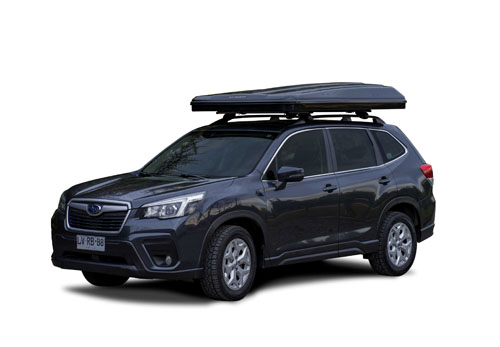
When embarking on a pet-friendly RV adventure in South America, specialized planning ensures your animal companions are safe, comfortable, and compliant with regional regulations. Mastering international pet documentation is essential: diligently research and prepare all country-specific pet import requirements, including up-to-date vaccinations (especially rabies, with a certificate issued within the last year), microchipping (ISO-compliant 15-digit chip is often required), health certificates endorsed by a government veterinarian (like USDA or CFIA), and any necessary import permits for each South American country on your route. For instance, countries like Argentina and Chile typically require an ANVISA certificate if arriving from certain countries, so confirm specific details well in advance. Prepare for border crossings by having all original and notarized copies of your pet's documents easily accessible for smooth processing, as customs officials may require thorough inspections and some borders might have a fee of $10-$50 per pet. Acclimatize your pets to the environment by allowing them time to adjust to changes in altitude, climate, and time zones, providing extra water in hot or dry areas and monitoring for signs of discomfort, especially when ascending into high-altitude regions like the Andes. Ensure vehicle pet safety by securing your pets during travel using crates or harnesses, providing adequate ventilation within the rented motorhome, and never leaving them unattended in a hot RV, especially given South America's varying temperatures. Utilizing apps like iOverlander is crucial for finding pet-friendly locations, including campgrounds, national parks, and attractions that explicitly welcome pets, and be aware that some protected areas may have restrictions or require specific permits. Always address health and security by carrying a comprehensive pet first-aid kit, knowing the local emergency vet contacts, and being vigilant about potential wildlife, stray animals, or parasites, ensuring your pet is always leashed outdoors. Many of our partner suppliers, like El Monte and Apollo, offer pet-friendly motorhomes, from compact campervans (e.g., "Active Bunk Select" with RV size - Small) to larger Class C vehicles (e.g., "29′ Class C Motorhome" with RV size - Large).Common Mistakes to Avoid in South America
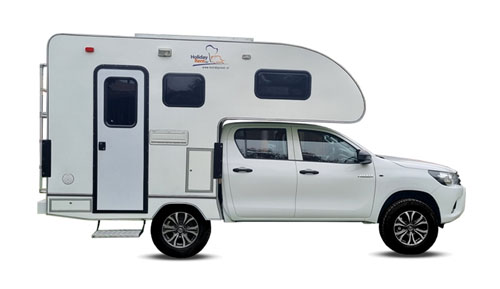
Avoiding common pitfalls is crucial for a successful and enjoyable pet-friendly RV trip through South America, ensuring both human and animal well-being on your week-long or extended adventure. Underestimating documentation complexity is a frequent error; instead, begin gathering all necessary pet health certificates, vaccination records, and temporary import permits (TIPs) for your vehicle well in advance, understanding that requirements vary significantly by country and can take weeks to process. Neglecting vehicle suitability is another common mistake; instead, choose a rented RV that is not too large and is robust enough (such as a 4x4 campervan like the "Patagonia Camper 4x4 double cab" or a smaller Class C motorhome like the "C Small") to handle the varied South American roads, from paved highways to unpaved rural tracks. Failing to plan for the Darien Gap is a critical oversight for overland travelers from North America; instead, meticulously research and budget for the process of shipping your RV between Panama and Colombia, understanding the costs (which can range from $1,000 to $4,000+), reputable shipping companies, intricate customs procedures, and typical wait times (often several days to weeks). Ignoring security and emergency preparedness can lead to significant issues; instead, invest in reliable communication methods (like a satellite messenger), learn basic Spanish phrases to communicate effectively in emergencies, secure your vehicle with quality locks, and understand local emergency procedures. Relying solely on digital connectivity is unwise in many remote areas; instead, download offline maps, carry physical maps, and consider a local SIM card or satellite internet solution, as mobile connectivity can be sporadic. Overlooking local laws and customs is another common error; instead, research specific driving laws (e.g., mandatory reflective triangles or fire extinguishers), respect local customs regarding pet access, and be prepared for potential road tolls or vehicle inspections, which are common. Our expert team, true RV specialists, is here to support you with pre-booking advice and coordination, ensuring you have all the information you need.What is the 3-3-3 rule for RV travel?
The 3-3-3 rule for RV travel is a widely adopted guideline recommending driving no more than 300 miles (approximately 480 kilometers) a day, arriving at your destination by 3 PM, and staying for a minimum of 3 nights. Adhering to this rule helps prevent driver fatigue, allows ample time for campsite setup and local exploration, and provides a relaxed pace beneficial for both human and pet travelers. This approach fosters a less rushed experience, crucial when traveling with pets who benefit immensely from routine and settled environments, minimizing stress from constant movement and unfamiliar surroundings. We always recommend slow travel, averaging 100-150 km per day, to truly feel the place.What are some tips for traveling with dogs in an RV?
Traveling with dogs in an RV requires careful planning to ensure their comfort, safety, and adherence to pet-friendly regulations, especially when crossing international borders in South America. Ensure your dog has a comfortable, secure space in the rented motorhome, such as a crate or a designated area with a car harness, to prevent injury during sudden stops. Maintain your dog's routine as much as possible, including regular feeding times, exercise breaks, and potty stops (every 2-4 hours is ideal), which is especially important during long drives. Always research country-specific pet import requirements for each South American nation you plan to visit, including necessary vaccinations (e.g., rabies within the last year), up-to-date health certificates from a licensed vet, and microchipping. Carry a pet first-aid kit, a sufficient supply of their regular food, and any necessary medications, along with proof of ownership and veterinary records. Never leave your dog unattended in a hot RV, even for short periods, and be mindful of local wildlife, stray animals, or parasites that could pose a risk, ensuring your pet is always leashed outdoors.Are RV rentals dog friendly?
Many RV rental companies do offer dog-friendly vehicles, although their specific policies, fees, and restrictions can vary significantly by supplier and destination. When searching for an RV rental in South America, it is crucial to explicitly filter for "pet-friendly" options on our platform or contact the rental provider directly to confirm their policies regarding dogs, as some may only allow certain breeds or sizes. Most pet-friendly rentals will require an additional one-time cleaning fee, typically ranging from $50 to $250, or a higher security deposit to cover potential pet-related wear and tear. At Bandana RV, we partner with over 50 leading RV suppliers worldwide, including those with extensive pet-friendly fleets, ensuring you have a wide range of choices like the "24' Class C Motorhome" (Pet Friendly, RV size - Medium) or a more compact "Adventure Camper" (Pet Friendly, RV size - Small).What is the easiest country to bring a dog to in South America?
The "easiest" country to bring a dog to in South America can depend heavily on your country of origin and the specific import regulations, with some nations having more streamlined processes than others, generally requiring up-to-date vaccinations and health certificates. For example, countries like Argentina and Chile are often cited as having relatively clear, albeit thorough, procedures for pet entry, primarily requiring an official health certificate issued by a licensed veterinarian and proof of rabies vaccination within a specific timeframe (often 21 days to 11 months prior to entry). Conversely, nations with stricter regulations, or those requiring specific import permits issued by their agricultural departments, might require additional tests (like a rabies titer test), longer lead times for documentation, or even a period of quarantine, so always verify the latest requirements with the respective country's consulate or agricultural department well in advance of your travel date. This careful planning is part of the "God is in the small details, and we take care of them" philosophy at Bandana RV.What is the 333 rule for campervan?
The 3-3-3 rule, commonly applied to general RV travel, similarly suggests that campervan travelers aim to drive no more than 300 miles (approximately 480 kilometers) daily, arrive at their campsite by 3 PM, and stay for at least 3 nights to enhance relaxation and reduce travel fatigue. Applying this rule to campervan travel allows for a more immersive experience, enabling travelers to truly explore each location rather than constantly being on the move. This slower pace is particularly beneficial when traveling with pets in a rented campervan, as it provides them with stability, routine, and adequate time to rest and adapt to new environments. For compact and efficient trips, consider models like the Active Compact Select (Pet Friendly, RV size - Medium).Can you rent an RV if you have dogs?
Yes, it is generally possible to rent an RV if you have dogs, provided you specifically select a rental company and vehicle that explicitly allows pets and are prepared to adhere to their specific terms and conditions. When booking a pet friendly RV rental for South America, always confirm the pet policy directly with the rental company, as some may have restrictions on pet size, number (e.g., maximum two pets), or breed. Be prepared for potential extra cleaning fees, typically ranging from $50 to $250, and ensure your dog is well-behaved and crate-trained if required, to avoid issues during your rental period. Our platform offers a convenient way to compare pet friendly RV rental options across various suppliers for your South American adventure.Is it cheaper to rent an RV or stay in hotels in South America?
Whether it is cheaper to rent an RV or stay in hotels in South America depends heavily on factors such as trip duration, total mileage, fuel costs, campsite fees, and the number of travelers, but a rented RV can offer significant savings on accommodation and dining for longer trips. For a pet-friendly RV trip, especially with multiple family members (4-6 people) or extended travel (a two-week adventure or more), an RV often becomes more cost-effective as it combines accommodation and transport, eliminates separate pet fees typically charged by hotels, and allows for self-catering with your own RV-friendly recipes playlist. However, when comparing total trip costs, remember to factor in potential RV rental fees (which can average $80-$250 per day for a Class C motorhome), comprehensive insurance, fuel (which can be substantial with consumption rates like 11-25 liters/100 km), campground fees, and any border crossing or vehicle shipping costs (like for the Darien Gap between Panama and Colombia). For easy budgeting and tracking all these expenses, utilize RV PLANET routes.What RV is best for dogs in South America?
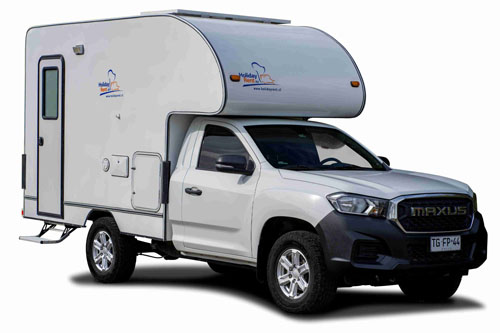
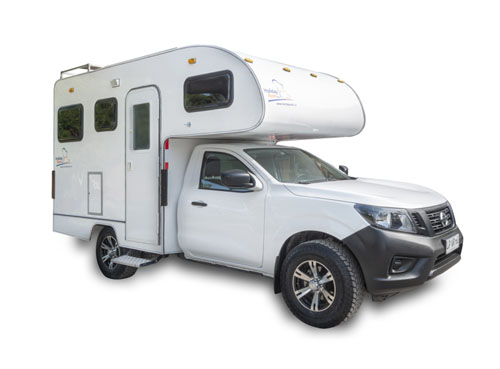
The best RV for dogs in South America typically features adequate interior space for movement, a comfortable temperature-controlled environment, secure travel crates or restraints, and durable, easy-to-clean interior surfaces. Smaller, more maneuverable motorhomes like Class B campervans (e.g., "Active Classic" with RV size - Small) or compact Class C motorhomes (e.g., "C Small" with RV size - Small) are often ideal for South American roads due to their agility on varied terrain and narrow passes. Some travelers also favor 4x4 campervans like the "4x4 Truck Camper Bronze" (Pet Friendly, RV size - Small) for navigating more challenging or unpaved routes. Look for a rented RV with plenty of windows for natural light and ventilation, and consider models with hard flooring rather than carpet for easier cleanup of fur and muddy paws. Sufficient storage for pet food, toys, and supplies, along with a secure outdoor tethering point at campsites, also contributes significantly to a dog-friendly RV experience.What is the 4-4-4 rule for RV travel?
The 4-4-4 rule for RV travel is a variation of the 3-3-3 rule, recommending driving no more than 400 miles (approximately 640 kilometers) a day, arriving at your destination by 4 PM, and staying for a minimum of 4 nights. This rule, while allowing slightly more daily mileage than the 3-3-3 rule, still emphasizes a relaxed travel pace, preventing driver and passenger burnout and allowing more time to immerse in each location. For pet owners, adhering to a rule like 4-4-4 provides a predictable schedule, allowing for consistent feeding, exercise, and rest, which is beneficial for a pet's well-being on an extended trip through diverse regions like South America. We always advocate for slow travel, allowing you to connect to the culture, food, and scenery.What is the best dog breed for RV travel?
While any well-adjusted dog can be a great RV companion, breeds that are typically adaptable, calm, not overly prone to barking, and enjoy new environments often make excellent RV travel partners for a South American adventure. Smaller to medium-sized breeds are frequently preferred for RV travel due to space constraints and ease of handling in a rented campervan, but larger dogs can also thrive if the RV provides ample room and a secure travel setup. Key traits for an ideal RV dog include a relaxed temperament, good socialization skills with both people and other animals, comfort with car rides, and a willingness to adapt to new surroundings and routines. Breeds known for being hardy and curious, but also calm indoors, such as Beagles, Australian Shepherds, or even smaller mixed breeds, often fit the bill perfectly for an extended road trip.🎬 Video coming soon
What You Shouldn't Miss
- Explore Patagonia with your Pet: Drive Argentina's Ruta 40 or Chile's Carretera Austral with your furry friend, marveling at glaciers, mountains, and vast plains. Many campgrounds are pet-friendly, but always check national park rules in advance.
- Coastal Cruising in Brazil: Imagine yourself driving a rented motorhome along Brazil's scenic coast, stopping at pet-friendly beaches and charming colonial towns. Remember to research specific beach access for dogs.
- Andean Adventures in Peru/Bolivia: Discover the breathtaking high-altitude landscapes of the Andes. While some iconic sites might have pet restrictions, many smaller towns and trails welcome leashed companions. Always ensure your pet is acclimated to altitude.
- Wine Route in Mendoza, Argentina: Enjoy the stunning vineyards of Mendoza, where some wineries welcome pets in their outdoor areas. It's a perfect blend of culture, food, and relaxation.
- Wildlife Spotting in the Pantanal, Brazil/Bolivia: While direct pet interactions with wildlife should be avoided, experiencing the incredible biodiversity of the Pantanal from nearby pet-friendly accommodations or designated viewing points can be a truly unique experience.
Looking for expert insights from Avi Bandana? Top 5 Adventures – recommendations from Avi Bandana.
Final Thoughts
Embarking on a pet-friendly RV adventure in South America is an unparalleled way to explore its breathtaking landscapes and vibrant cultures, all while keeping your beloved companion by your side. From the soaring Andes to the expansive Patagonian plains, the continent offers endless possibilities for discovery. Remember, careful planning, especially regarding pet documentation and vehicle suitability, is your key to a seamless and joyful journey. At Bandana RV, we are dedicated to making your dream trip a reality. We offer the transparency, support, and specialized knowledge you need to navigate the unique aspects of pet-friendly RV travel in South America. Compare pet friendly RV Rentals for South America now and get ready to create unforgettable memories with your best friend.On the routes offered through RV PLANET routes, you can itemize and track every expense along the way for easy budgeting.