In This Guide
- Top 5 Tips for pet friendly rv rental RV Rental in Halifax
- Before You Book - Class, Dates, Insurance
- Pre-Trip Prep - Packing Checklist for Halifax
- On the Road - Driving, Fueling, Navigation
- At the Campground - Setup, Hookups & Etiquette
- pet friendly rv rental-Specific Tips for Halifax
- Common Mistakes to Avoid in Halifax
- How much does an RV trip to Halifax cost?
- Are all Halifax attractions and roads suitable for large RVs?
- How does seasonal travel affect RV trips to Halifax?
- What are the best RV-friendly routes and parking options in Halifax?
- Where can RVers find dump stations, propane, and water near Halifax?
- How can RVers find authentic local spots with parking in Halifax?
- What are safety tips for RV camping in Halifax and Nova Scotia?
Top 5 Tips for pet friendly rv rental RV Rental in Halifax
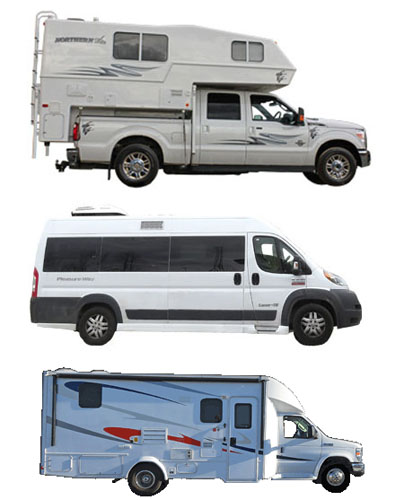
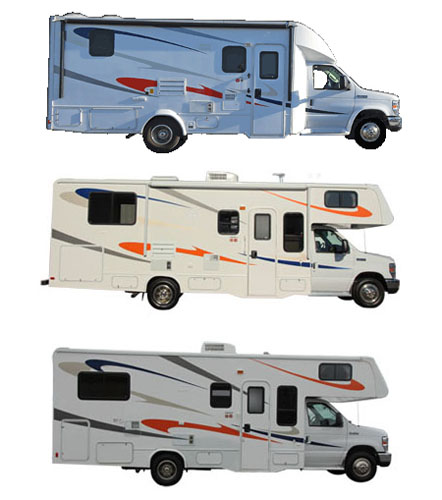
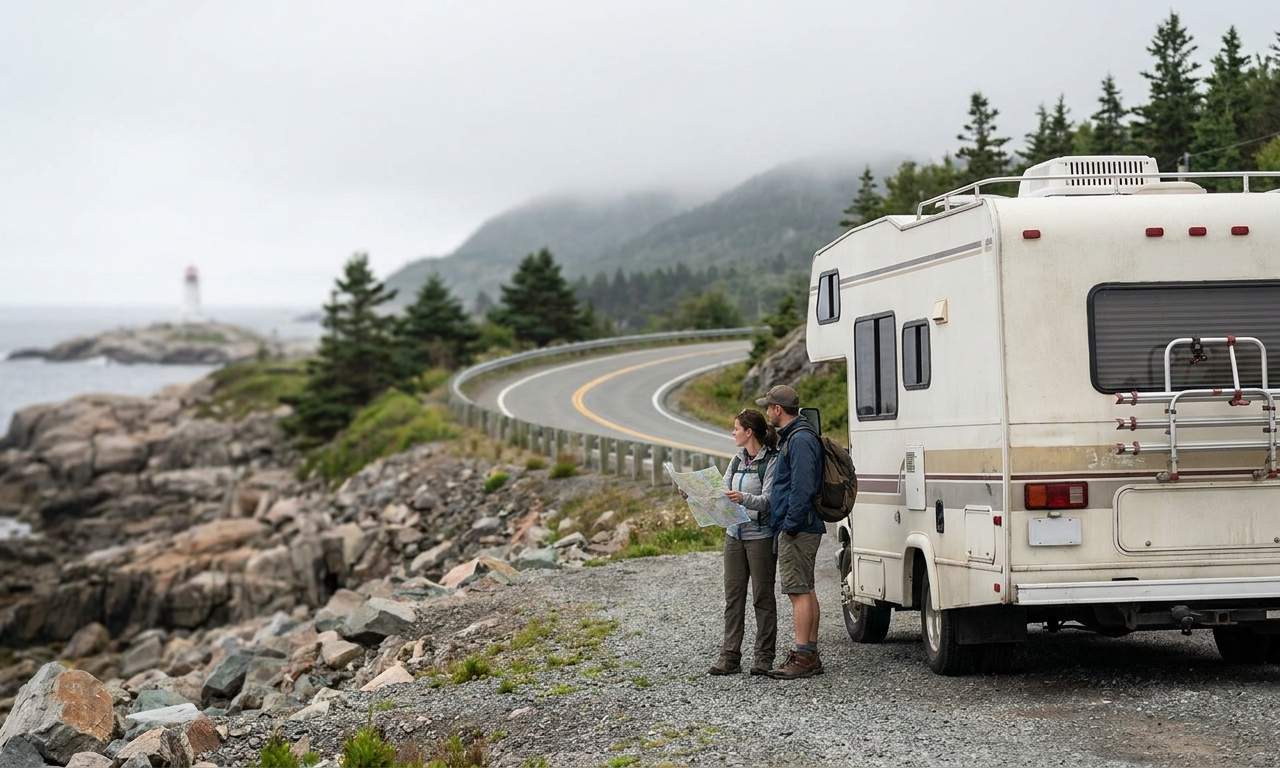 Selecting an RV model explicitly listed as pet-friendly is the first and most crucial step to ensure compliance and comfort for your animal companions on a Halifax trip. Many Class C motorhomes and campervans offer ample space and durable interiors suitable for pets, such as the "24' Class C Motorhome" which typically includes a shower and toilet for convenience. Prioritize booking campgrounds that actively welcome pets and ideally offer amenities like designated dog parks or waste stations, such as the Shubie Park Campground in Dartmouth, just a short drive from downtown Halifax. Researching and planning pet-friendly activities and attractions in advance, like the extensive trails in Point Pleasant Park, ensures your furry friends can join the fun without issue. Packing a dedicated pet essentials kit, including extra food, travel-friendly water bowls, a sturdy leash, plenty of waste bags, and familiar bedding, will greatly enhance your pet's comfort and security. Finally, familiarize yourself with Nova Scotia's local pet regulations, leash laws, and any specific campground rules before arriving to avoid any surprises.
Before You Book - Class, Dates, Insurance
Choosing an RV class for pet travel in Halifax involves carefully considering the available space for your pet, the ease of driving, and maneuverability through Nova Scotia's diverse landscapes. Smaller campervans, often ideal for a couple and easy to drive, are perfect for navigating charming coastal villages and finding parking, while larger Class C motorhomes like a "Comfort Family 5" (which can sleep up to 5 people) provide more living space and storage for pet gear. Locking in dates early, especially for the popular summer and fall foliage seasons in Halifax, ensures better availability of pet-friendly RVs and more competitive rental prices. For instance, the demand for pet-friendly RVs often increases by 30-40% during July and August. Basic liability insurance is always included with your rental. However, we highly recommend considering additional coverage for comprehensive protection, and you can easily upgrade to a top-level deductible for extra peace of mind during your trip. We compare final prices across 50+ suppliers, so you don't have to worry about surprise fees at pickup, providing full transparency with no hidden charges.Pre-Trip Prep - Packing Checklist for Halifax
Packing for a pet-friendly RV trip to Halifax involves preparing for variable coastal weather with layers of clothing to stay comfortable from sunny days to cool evenings. Essential RV kitchen items include cookware, utensils, and basic cleaning supplies, enabling you to prepare fresh meals easily on board, perhaps even using some local Nova Scotian ingredients. Check out our RV-friendly recipes playlist for inspiration. Safety items for an RV trip should always include a comprehensive first-aid kit (for both humans and pets), a reliable flashlight, roadside assistance contacts, and appropriate pet safety gear like a secure harness or crate for travel. Essential documents for RV rental in Halifax include your standard car driver's license (no special license required!), the rental agreement, and up-to-date pet vaccination records to ensure smooth entry into parks and campgrounds.- Rain jacket and waterproof pants
- Warm layers (fleece, sweaters)
- Comfortable walking shoes
- Sunscreen and hat
- Reusable water bottles
- Cookware and utensils
- Basic spices and non-perishable food
- Dish soap and sponge
- Pet food and treats
- Pet bowls (travel-friendly)
- Leash, harness, and waste bags
- Pet bed or crate
- First-aid kit (human and pet)
- Flashlight or headlamp
- Roadside assistance information
- RV rental agreement
- Driver's license and secondary ID
- Pet vaccination records
On the Road - Driving, Fueling, Navigation
Driving a rented RV in Nova Scotia involves navigating varying road conditions, from well-maintained highways like Highway 102 entering Halifax, to charming but sometimes narrower scenic coastal routes. Drive slowly and carefully, and you can drive almost anywhere without issues. No need to stress - just use common sense and pay attention, even with a larger motorhome like a 9.1m "C-30" with a 208-liter fuel tank. Locating fueling stations that accommodate larger RVs is crucial for efficient travel, with several truck stops along major routes such as those near Exit 5 off Highway 102. Using GPS navigation specifically designed for RVs can help avoid low bridges (some older overpasses in rural areas) or weight-restricted roads, especially when approaching historic areas in the Halifax region. Strategic parking requires identifying designated RV parking areas, which are limited in downtown Halifax, making park-and-ride options near major Halifax Transit routes advisable for city exploration. For finding campsites and campgrounds during your trip, we recommend using RV PLANET (rvplan.net) - a great resource for locating available spots along your route.At the Campground - Setup, Hookups & Etiquette
Setting up your RV at a campground, whether it's the Shubie Park Campground or one along the coast, typically begins with careful parking, leveling your vehicle, and extending any slide-outs to maximize interior space. Connecting hookups should follow a specific order: sewer hose first, then fresh water, and finally electricity to ensure safety and hygiene. For a standard Class C RV, connecting to a 30-amp or 50-amp electrical pedestal, depending on the unit, is usually straightforward. Adhering to campground pet rules, such as leash requirements and designated pet relief areas, ensures a pleasant stay for everyone, including your furry family member. Observing quiet hours, generally between 10 PM and 7 AM, and respecting fellow campers' space are essential components of campground etiquette that contribute to a peaceful environment. Remember that many national and provincial parks reserve 25-30% of spots for first-come-first-serve, so you'll find a spot; if not at the first campground, then the next one – just call ahead before driving.pet friendly rv rental-Specific Tips for Halifax
Identifying pet-friendly trails like those found in Shubie Park, with its interconnected pathways along the Shubenacadie Canal, or the expansive waterfront areas of Point Pleasant Park, allows for wonderful outdoor adventures with your animal in Halifax. Managing pet comfort during drives includes taking regular breaks every 2-3 hours for potty and water, and ensuring adequate ventilation and temperature control in the RV. On average, most pet-friendly RVs, like the "Active Bunk Auto" campervan, are equipped with good air conditioning in the driver's cabin. Finding pet relief areas is relatively easy at most provincial parks and many municipal green spaces in and around Halifax. For any unexpected pet health needs, keeping local vet contacts and the location of the nearest 24-hour emergency vet clinic (e.g., at the Atlantic Veterinary College in Charlottetown, though a longer drive, or local clinics in Halifax) handy is crucial. Ensuring pet safety in the RV involves securing crates or harnesses while driving to prevent injury during sudden stops, and always checking campground fences for any gaps where a curious pet might wander off.Common Mistakes to Avoid in Halifax
Instead of arriving at campgrounds near Halifax without reservations, especially during peak summer season (July-August) when spots can fill 8-12 weeks in advance, it is always wise to book well in advance to secure your preferred spot. Avoid underestimating travel times on Nova Scotia's scenic coastal routes, such as the famous Peggy's Cove Road, and allow extra time for sightseeing, impromptu photo stops, and enjoying the breathtaking ocean views, budgeting for a maximum of 100-150 km per day on average. Instead of leaving items unsecured in your rented RV while driving, properly stow all belongings, including pet supplies and kitchenware, to prevent damage or injury to passengers or pets, especially important for campervans with smaller storage areas. A common mistake is being unaware of local pet ordinances; always research leash laws and restricted areas, like some beaches or downtown outdoor patios, to avoid fines or issues with other visitors and ensure a smooth pet friendly rv rental experience in Halifax.How much does an RV trip to Halifax cost?
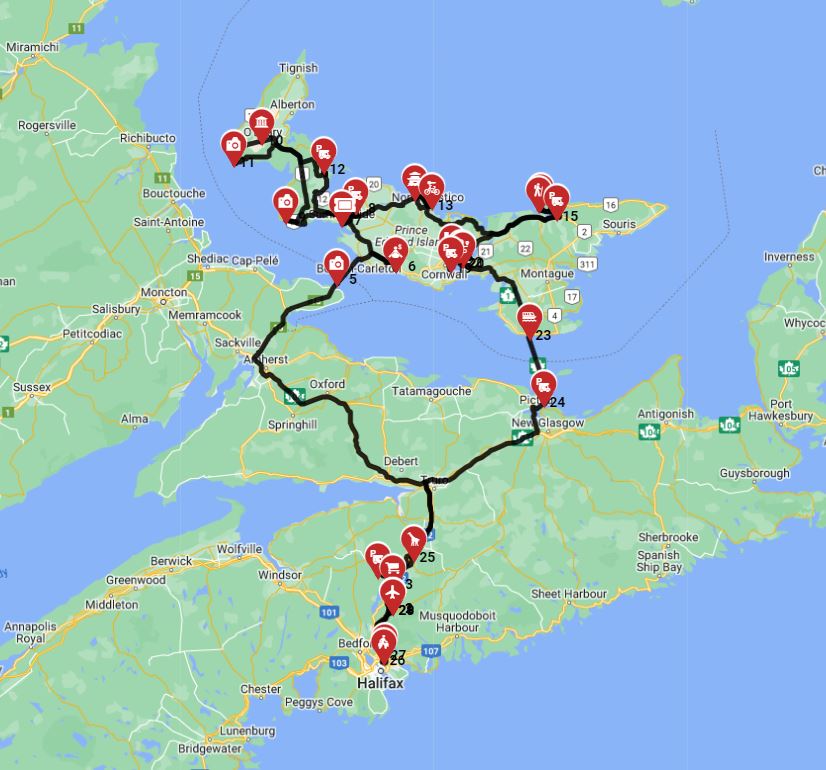
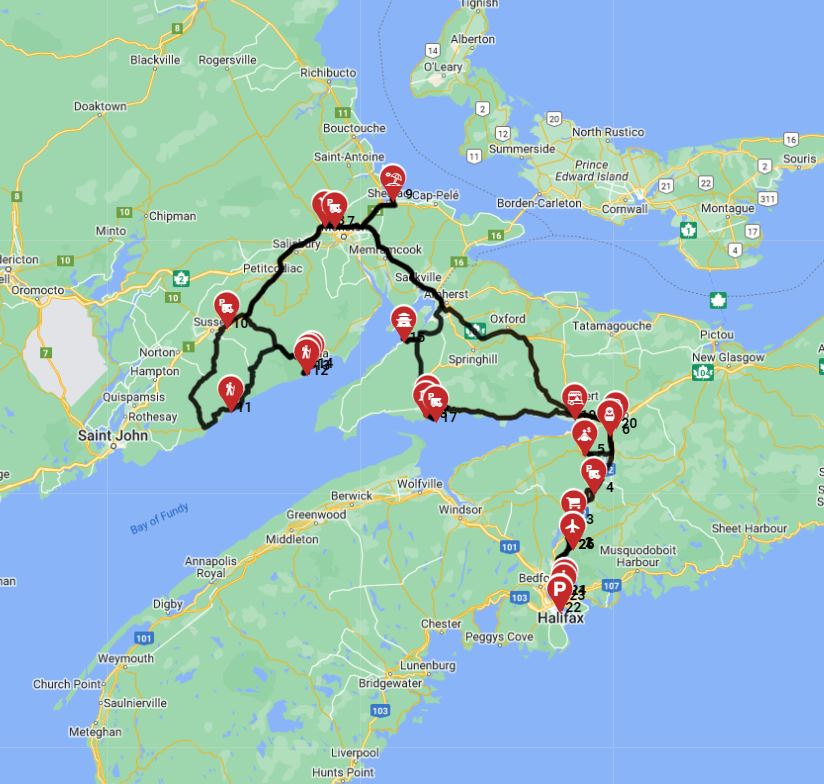
The typical cost breakdown for an RV trip to Halifax includes fuel estimates, campground fees, RV-specific attraction parking costs, and potential ferry expenses, offering a comprehensive view for budgeting. Fuel costs for Nova Scotia can vary significantly, but budgeting for approximately $70-$120 per day for an average Class C RV, with a fuel consumption of around 23 liters per 100 km, is a good starting point, factoring in daily mileage (max 100-150 km/day) and current gas prices. Campground fees in the Halifax region generally range from $40-$70 per night, depending on amenities, location (e.g., closer to downtown vs. provincial parks), and hookup availability (e.g., water/electric sites vs. full hookups). RV-specific parking costs at popular Halifax attractions or in downtown areas may incur additional fees, often around $10-$20 for a few hours, or require searching for designated, often free, RV parking lots slightly outside the immediate core. Consider potential ferry expenses, like the Fundy Rose ferry to Saint John, New Brunswick, which can add $100-$200 to the overall travel budget if planning to visit parts of Nova Scotia accessible by ferry. On RV PLANET routes, travelers can itemize and track every expense along the way for easy budgeting: RV PLANET routes. For more detailed insights into pricing, explore our RV Rental in Halifax - Prices and Best Deals 2026 guide.Are all Halifax attractions and roads suitable for large RVs?
Not all Halifax attractions and roads are suitable for all RV sizes; larger rigs may face restrictions, particularly in historic downtown areas with narrow streets and limited overhead clearance. Identifying RV-friendly routes is crucial, as some city streets, especially those leading to historic sites like the Halifax Citadel, have height or weight limits, while major highways like the 100-series (e.g., Highway 102, 103, 107) are generally accommodating for all motorhome sizes. Limitations for larger RVs (over 8 meters in length, like some Class A motorhomes) in downtown Halifax include narrow streets, limited turning radii, and scarce dedicated parking, often making smaller RVs (like the 5.99m "Duo - Campervan") or park-and-ride options preferable for city exploration. Recommended campgrounds for different RV sizes often specify maximum lengths and offer various hookup types, so checking their policies in advance is always advised to ensure your "32' Class C Motorhome" fits comfortably. Attractions with ample RV parking typically include larger provincial parks, shopping centers outside the downtown core (e.g., Dartmouth Crossing), and some coastal sites like those near Peggy's Cove, though even there, parking is often a walk from the main village.How does seasonal travel affect RV trips to Halifax?
Seasonal travel significantly affects RV trips to Halifax, influencing everything from weather and road conditions to campground availability and attraction operating hours. Summer (July-August) is the peak season, offering warm weather, average temperatures of 20-25°C, and full accessibility to all attractions and campgrounds, but it requires booking campgrounds and pet-friendly RVs well in advance (3-6 months) due to high demand and higher prices. Shoulder seasons (May-June and September-October) offer distinct advantages like fewer crowds, potentially lower daily rental rates (e.g., 10-15% less than peak), and beautiful scenery, though some attractions or campgrounds, especially smaller coastal ones, may operate on reduced schedules or be closed. Winter RV travel (November-April) to Halifax is less common due to colder temperatures (averaging -5 to 5°C) and the potential for snow and ice, necessitating specific RV preparations like winterization (if not already done by the supplier) and vigilant checking of road conditions via Nova Scotia's 511 traveler information service. Road conditions and weather variations by season mean that while summer offers smooth travel on mostly dry roads, fall can bring unpredictable coastal storms, and winter requires vigilance for icy roads, particularly outside the city on rural routes. Our RV Rental Deals in Halifax - Latest Offers 2026 often reflect these seasonal changes.What are the best RV-friendly routes and parking options in Halifax?
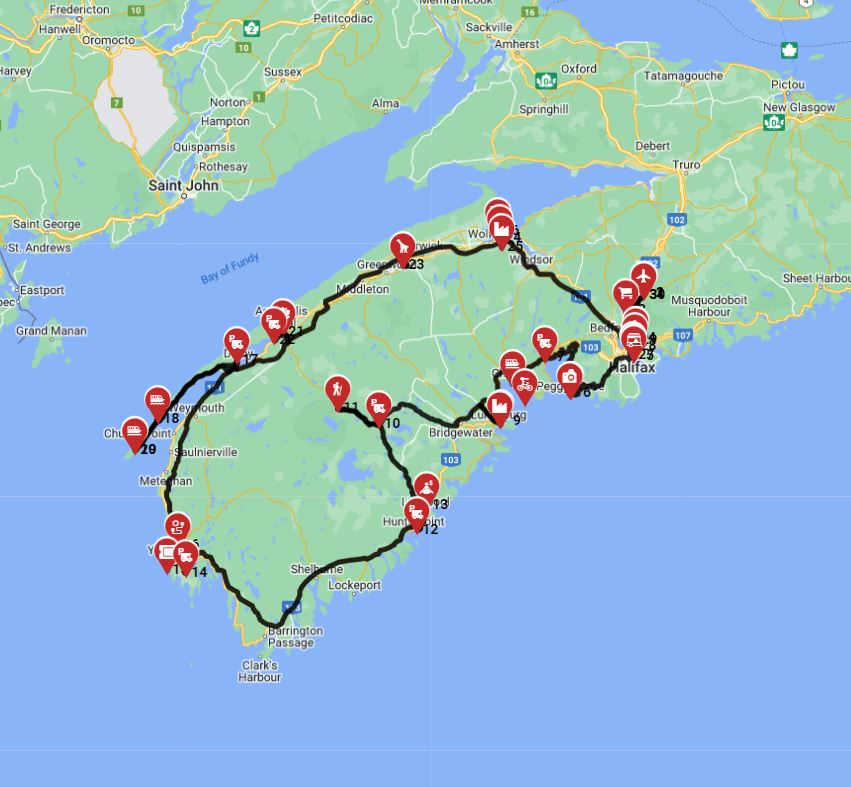
The best RV-friendly routes in Halifax generally involve major arteries leading into the city, such as Highway 102 from the airport, with specific parking options available outside the immediate urban core. Navigating Halifax's urban core with an RV is challenging due to narrow historic streets, limited turning spaces, and heavy traffic, so planning routes that bypass direct downtown driving is often recommended for vehicles larger than a compact campervan like an "Acer". Downtown parking limitations for RVs mean most street parking is unsuitable; designated RV parking areas, though limited, can be found at some shopping centers (e.g., Halifax Shopping Centre has larger lots) or at specific attractions like the Halifax Seaport Market, particularly during off-peak hours. Consider park-and-ride options, such as those near major bus routes or ferry terminals in Dartmouth (e.g., Alderney Landing terminal), to access downtown Halifax without maneuvering your RV through congested areas. Public transport integration after parking, using Halifax Transit buses or ferries, allows RVers to leave their vehicle at an appropriate spot and use public transit for convenient access to city attractions like the Halifax Waterfront or Citadel Hill, saving time and stress. For more route inspiration, check out our "RV Travel Guide to Halifax - Tips and Top Spots 2026".Where can RVers find dump stations, propane, and water near Halifax?
RVers can typically find essential services like dump stations, propane refills, and fresh water at provincial parks, private campgrounds, and some truck stops in and around Halifax. Specific locations of RV dump stations are often provided by campgrounds, such as the Shubie Park Campground (even if not staying overnight, sometimes for a fee of $10-$20), and can also be found at commercial service stations catering to truckers along major highways like Highway 102. Propane refill services are widely available at various gas stations (e.g., Ultramar, Irving Oil), hardware stores like Home Hardware, and RV dealerships (e.g., Nova Leisure RV) throughout the Halifax region. Fresh water access points are usually available at campgrounds with hookups, some municipal public parks (check for designated RV fill stations), and RV service centers, often for a minimal fee or free with a propane purchase. Finding these essential resources along popular day trip routes, like the picturesque drive to Peggy's Cove, requires consulting RV-specific apps or online directories such as those found on rvplan.net before embarking on your journey.How can RVers find authentic local spots with parking in Halifax?
RVers can find authentic local spots with suitable parking in Halifax by looking for venues slightly off the main tourist paths or those designed to accommodate larger vehicles, particularly outside the immediate downtown core. RV-accessible farmers' markets, such as the year-round Halifax Seaport Farmers' Market, often have dedicated or nearby parking lots that can accommodate RVs, especially on quieter weekdays. Many local seafood shacks along the coastline, particularly outside the immediate city in areas like Eastern Passage (e.g., Fisherman's Cove) or Lunenburg (a scenic 1-hour drive), offer large parking areas perfect for RVs, allowing you to enjoy fresh catches like lobster rolls with ease. Local craft breweries, some of which are located in industrial parks or have spacious premises in areas like Dartmouth or along the South Shore, frequently provide ample parking suitable for RVs, making them great stops to sample Nova Scotian brews. Lesser-known cultural sites or community events typically have more generous parking arrangements than congested downtown attractions, making them accessible and allowing for authentic local engagement, such as visiting local lighthouses or smaller historical sites off the main tourist trail.What are safety tips for RV camping in Halifax and Nova Scotia?
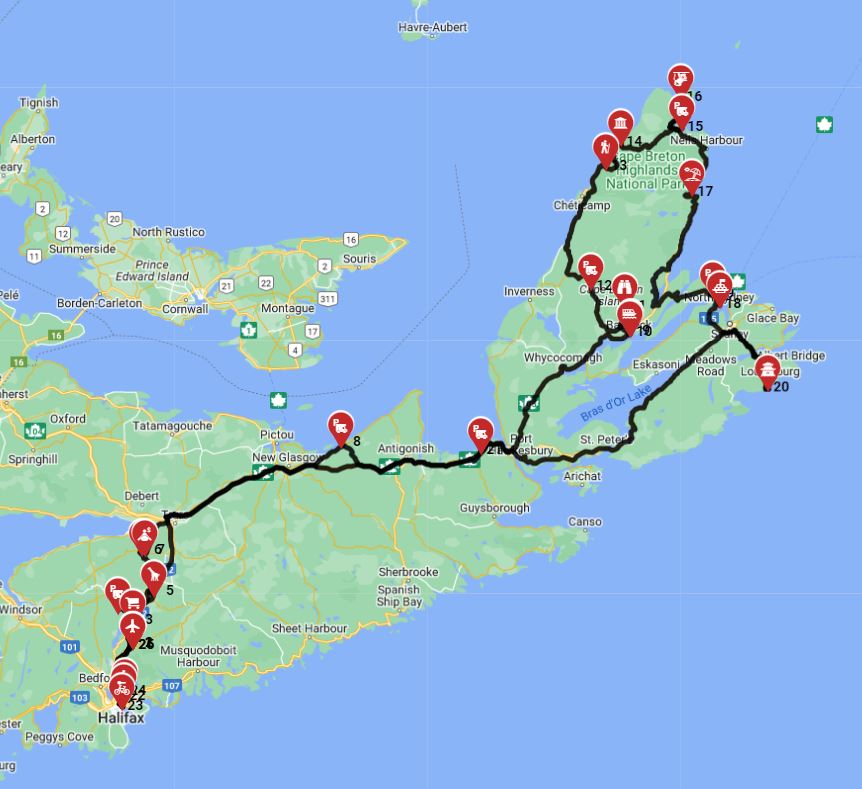
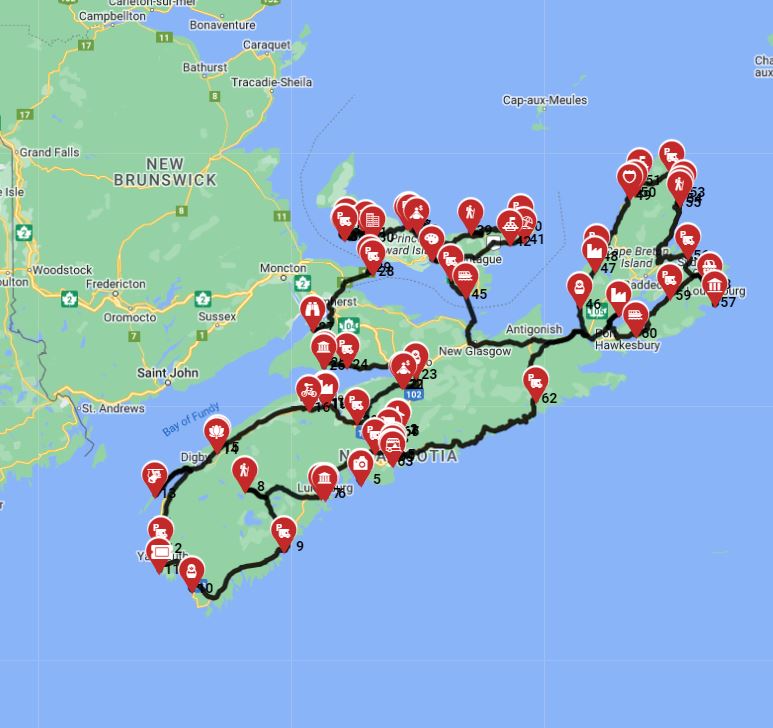
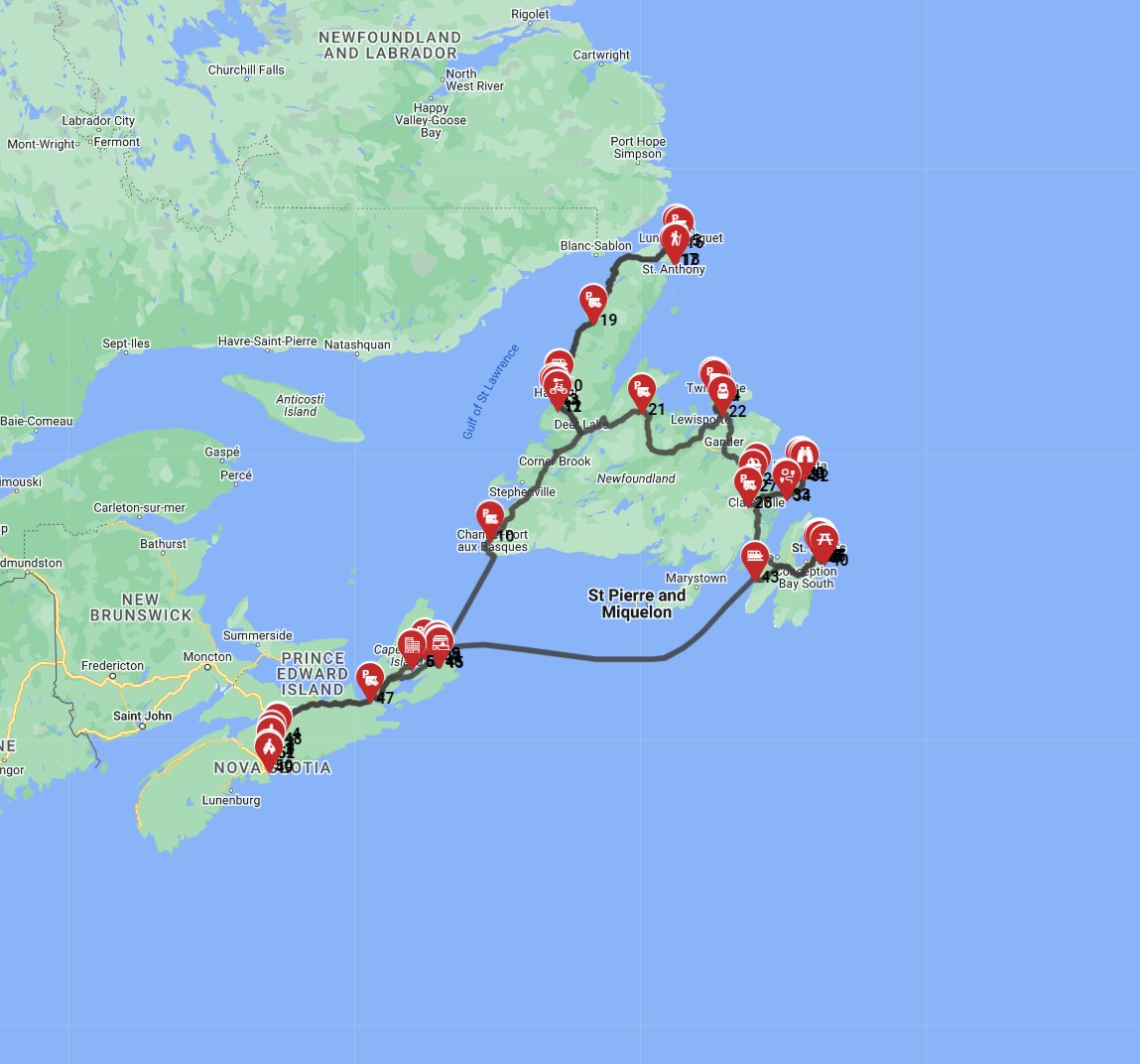
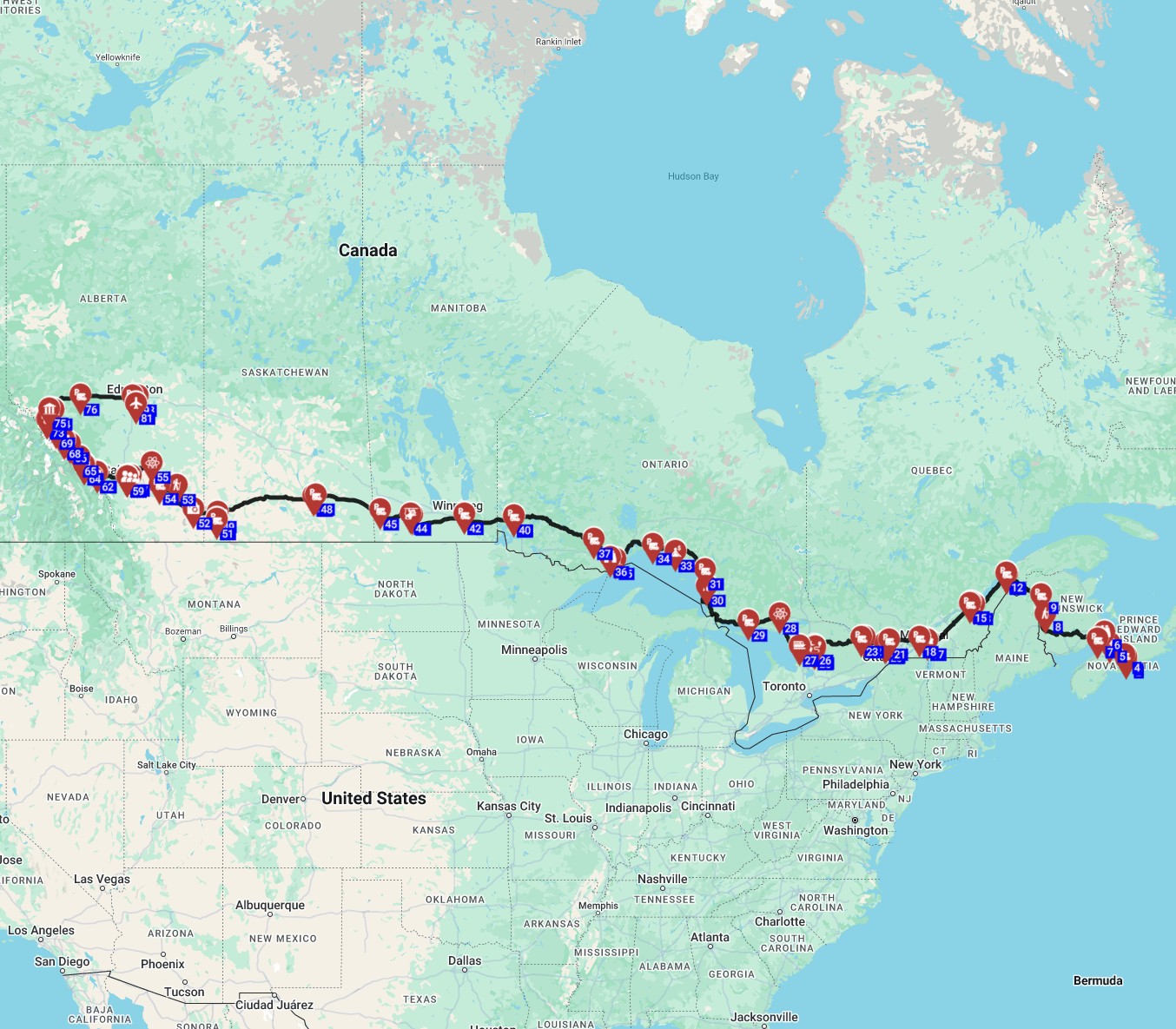
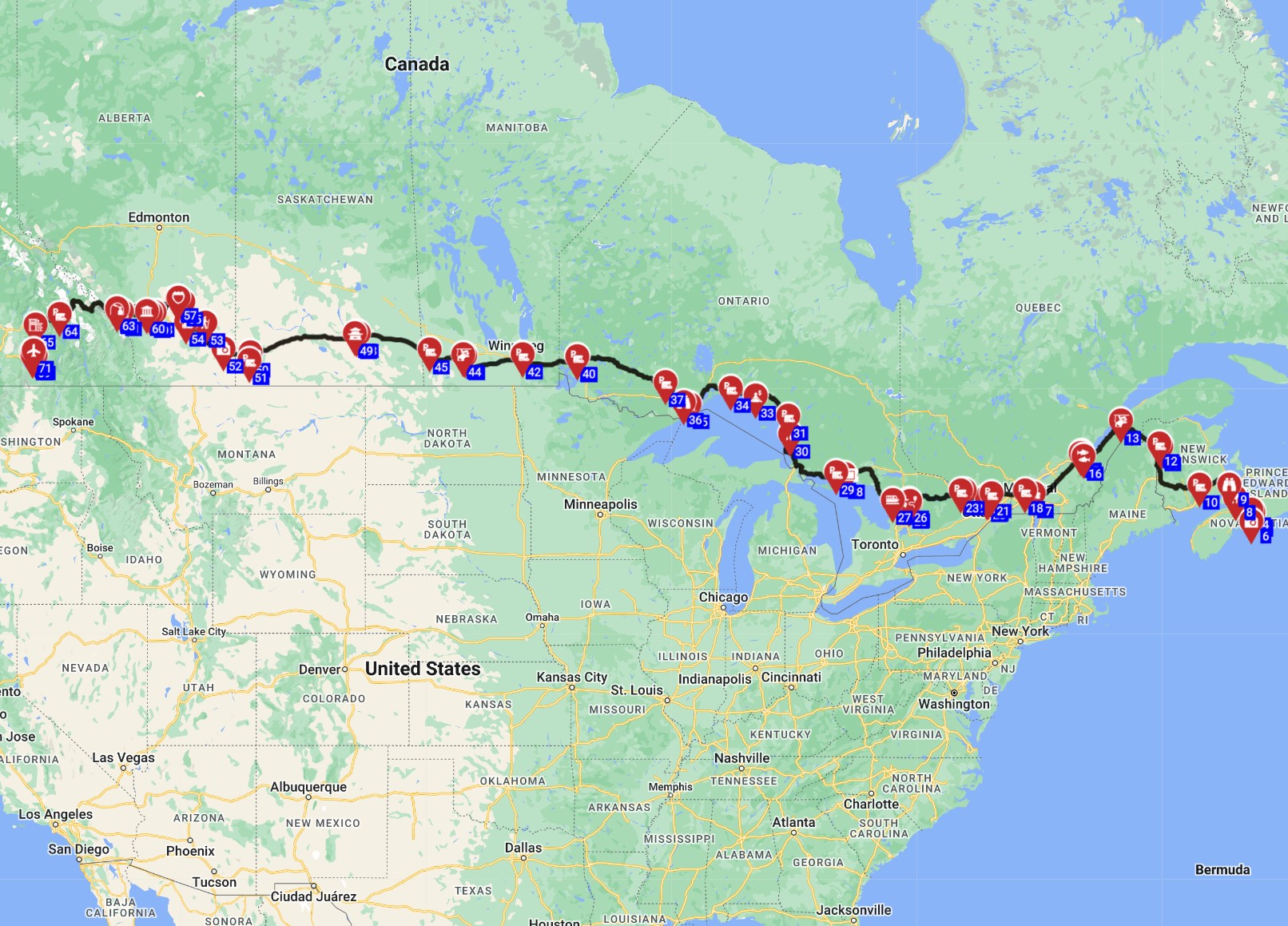
Safety tips for RV camping in Halifax and throughout Nova Scotia include diligently securing your vehicle, practicing safe overnight parking, being acutely aware of road conditions, and understanding how to react to potential wildlife encounters. Securing your rented RV while parked involves locking all doors and windows, using additional locks on storage compartments for valuables, and not leaving personal items or pet supplies in plain sight to deter opportunistic theft. Safe overnight parking practices involve utilizing established campgrounds or designated overnight RV parking areas, rather than isolated or unauthorized locations, especially when traveling with pets who might be more sensitive to unfamiliar surroundings. Road safety considerations unique to Nova Scotia include being mindful of rural road conditions, which can be winding and sometimes unpaved, potential for wildlife crossings (deer are common on secondary roads), and adhering to varying speed limits (typically 80-100 km/h on highways, slower on rural roads). Wildlife encounter advice for campers in Nova Scotia focuses on properly storing all food in bear-safe containers, avoiding feeding any animals, and knowing how to react if encountering local fauna like deer or even black bears in more remote park areas – often by making noise and backing away slowly. For extensive route planning, consider the "Halifax to Whitehorse - Exploring Canada’s Heartland in a Motorhome" itinerary, a 37-day, 9199.1 km journey on rvplan.net, which includes 3 hiking areas and 2 animals show/wildlife watch opportunities.What You Shouldn't Miss
- **Explore the Halifax Waterfront Boardwalk:** Stroll the 4 km-long boardwalk, enjoying public art, bustling markets, and historical ships. Pets are welcome on leash, and there are several pet-friendly patios.
- **Hike Point Pleasant Park:** Discover over 39 km of wooded trails and coastal paths, offering stunning views of Halifax Harbour. This park is entirely off-leash in many areas, a haven for dogs and their owners.
- **Visit Peggy's Cove (with careful RV parking):** Experience the iconic lighthouse and unique granite landscape. Park your RV in the designated outer lots and enjoy a scenic walk into the charming, but narrow, village.
- **Discover Citadel Hill National Historic Site:** While direct RV parking is challenging, park slightly away and take public transit or walk to explore this star-shaped fort offering panoramic city views.
- **Take a Coastal Drive on the South Shore:** Embark on a leisurely drive along Highway 3 or 333, stopping at picturesque fishing villages and enjoying numerous pet-friendly beaches and scenic pull-offs.
- Looking for expert insights from Avi Bandana? Top 5 Adventures - recommendations from Avi Bandana
🎬 Video coming soon
Final Thoughts
Traveling with your pets in a rented RV through Halifax and the stunning Nova Scotia landscape is an incredibly rewarding experience, offering freedom and flexibility that traditional travel simply cannot match. With careful planning for pet-friendly accommodations, activities, and local regulations, you and your furry companions can create unforgettable memories exploring coastal trails, charming towns, and beautiful campgrounds. Remember to embrace slow travel, averaging no more than 100-150 km per day, to truly connect with the culture, food, and scenery of this unique Canadian province. At Bandana Caravan, we are passionate about helping you discover the joy of RV travel. We provide the tools and support you need to find the perfect pet-friendly motorhome, ensuring full transparency and peace of mind every step of the way. Your Nova Scotian adventure with your best friend awaits! Find Pet-Friendly Motorhome Rentals in HalifaxOn the routes offered through RV PLANET routes, you can itemize and track every expense along the way for easy budgeting.