In This Guide
- Top 5 Tips for pet friendly rv rental RV Rental in Africa
- Before You Book - Class, Dates, Insurance
- Pre-Trip Prep - Packing Checklist for Africa
- On the Road - Driving, Fueling, Navigation
- At the Campground - Setup, Hookups & Etiquette
- Pet friendly rv rental-Specific Tips for Africa
- Common Mistakes to Avoid in Africa
- Can I travel to Africa with my dog from the US?
- What are some tips for traveling with dogs in an RV?
- How to travel with pets in an RV?
- Are RV rentals dog friendly?
- Can you rent an RV if you have dogs?
- Can you leave your dog alone in an RV?
- What is the 3-3-3 rule for RV travel?
- What is the 3-3-3 rule for RV living?
- What is the 4 4 4 rule for rving?
- Is it cheaper to rent an RV or stay in a hotel?
- What You Shouldn't Miss
- Why Book with Bandana Caravan
- Final Thoughts
- Frequently Asked Questions
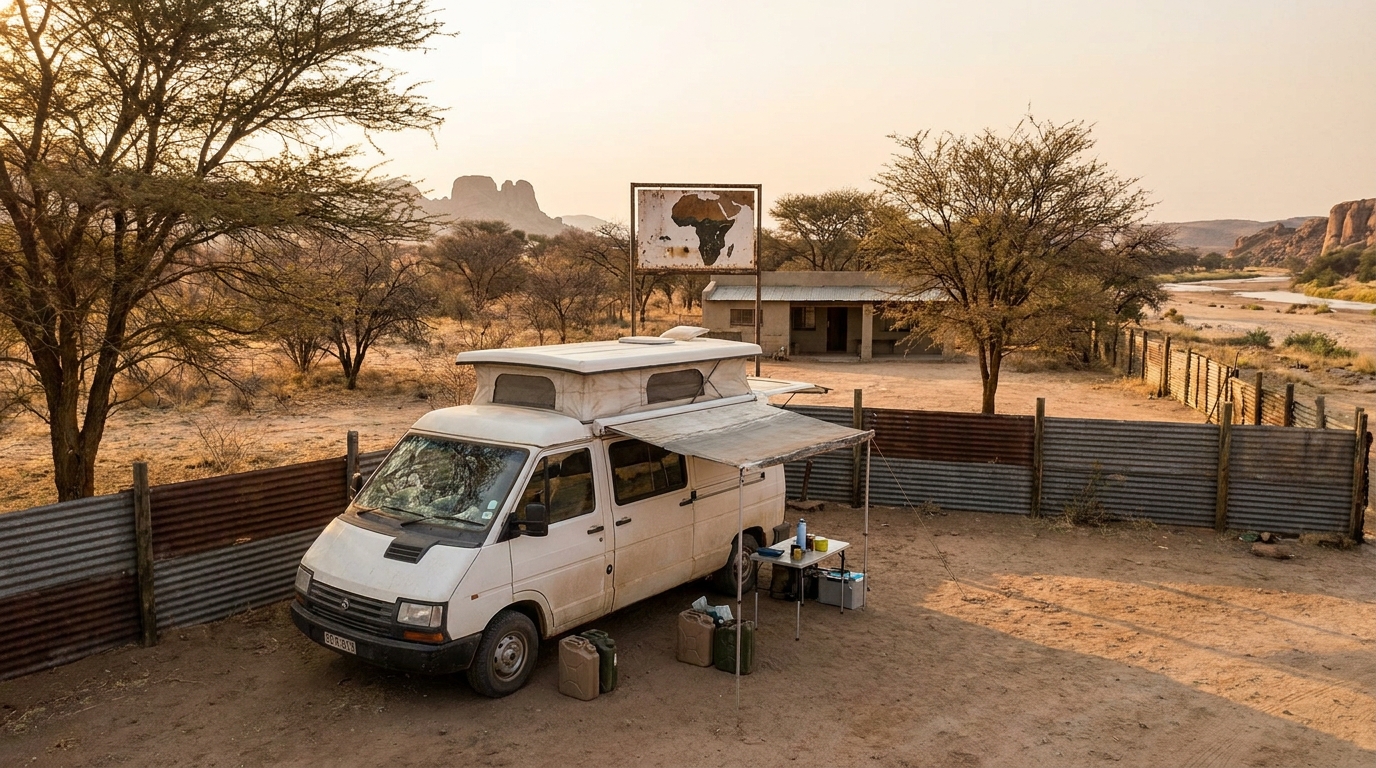
Imagine setting off on an unforgettable adventure through the diverse landscapes of Africa, with your beloved pet right there by your side. A pet-friendly RV rental in Africa offers unparalleled freedom, allowing you to explore sprawling savannas, dramatic coastlines, and vibrant cultures at your own pace, creating memories that truly last a lifetime. While planning an RV trip with your furry companion in this incredible continent presents unique challenges, with careful preparation, it's absolutely achievable. Bandana RV specializes in RV rentals, making us true RV specialists, and we're here to help you navigate every detail, ensuring your trip is filled with joy and discovery, not surprises. For live availability and current prices, start with our RV Rental Africa - Complete Guide 2026 guide.
Top 5 Tips for pet friendly rv rental RV Rental in Africa
Navigating pet-friendly RV rental in Africa successfully requires meticulous planning, as many African national parks do not permit pets due to wildlife conservation efforts.
Here are crucial steps to ensure a smooth journey:
- Research Pet-Friendly Destinations: Extensively research pet-friendly operators and campsites well before your departure. For example, while many South African parks might allow pets in designated areas or specific camps, Botswana's national parks, like Chobe and Moremi, generally have strict no-pet policies.
- Ensure Comprehensive Pet Documentation: Verify your pet's vaccinations, microchip details, and any necessary import permits for each country you plan to visit are current and fully compliant. This process can be lengthy, often taking 6-12 months for various health certificates and permits.
- Plan for Pet Comfort on the Road: Structure your itinerary with shorter driving days, averaging a maximum of 100-150 km per day, to accommodate your pet's comfort. Frequent stops for exercise and hydration are essential, especially given Africa's varying climates.
- Pack Essential Pet Supplies: Bring comprehensive pet supplies, including extra food, sufficient water (at least 5 liters per day per pet), a sturdy leash, comfort items, and a robust pet first-aid kit. Specialized pet items can be challenging to find in remote African regions.
- Prioritize Safety and Wildlife Awareness: Always ensure secure overnight parking for your rented motorhome and be acutely aware of local wildlife. Never leave pets unattended outside, particularly in unfenced campsites where encounters with animals like hyenas or baboons are possible.
Before You Book - Class, Dates, Insurance
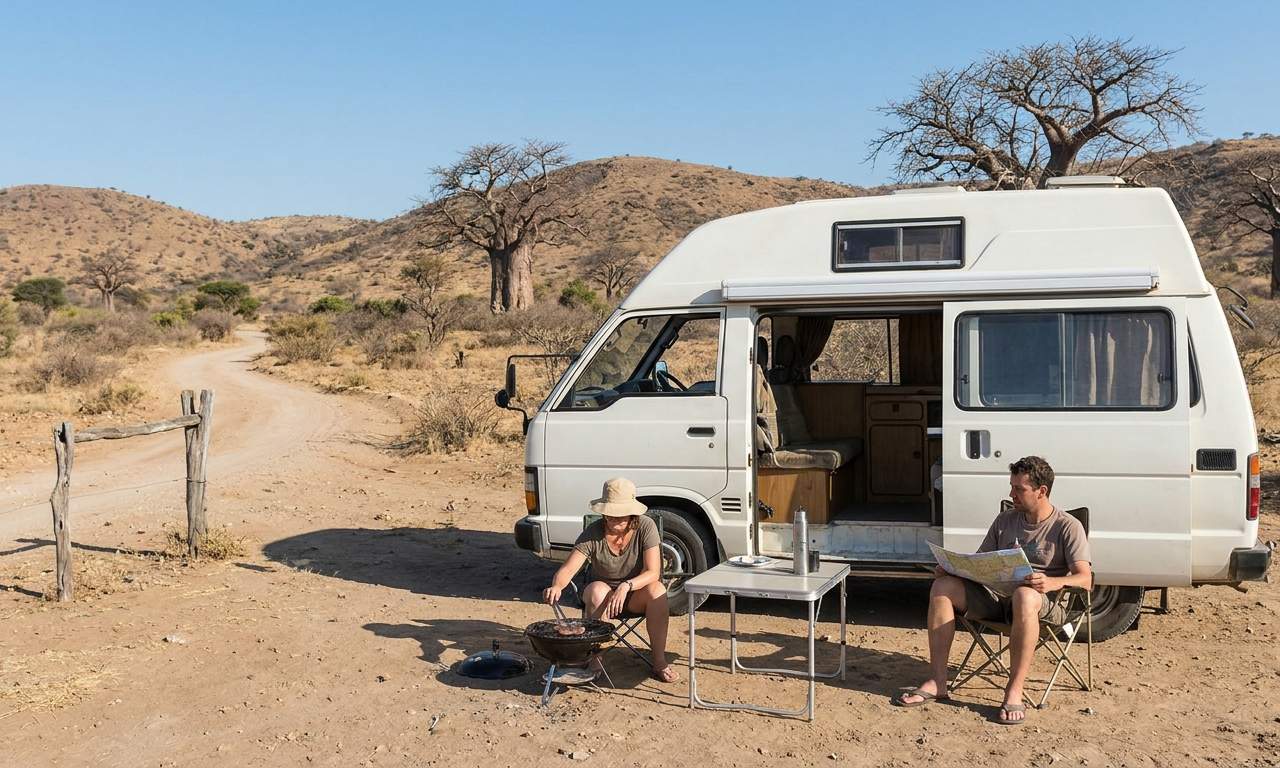
Choosing an RV class for pet-friendly travel in Africa requires careful consideration of comfort, off-road capability, and space for your pet, with 4x4 options often recommended for challenging terrain.
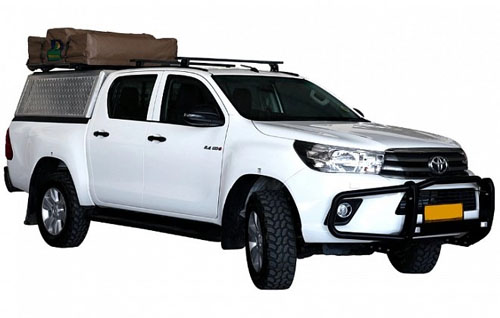
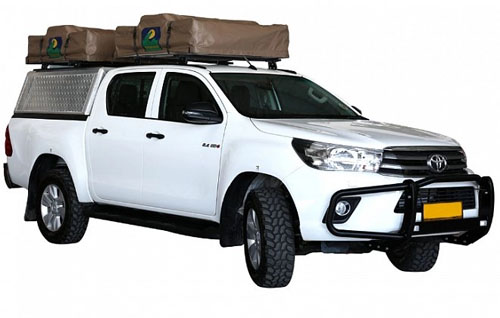
For example, a "Patagonia Camper 4x4 double cab" offers 4 Wheel Drive and is Ideal for a couple, making it suitable for more rugged routes, while a larger "29′ Class C Motorhome" with a length of 8.8 meters provides ample space for a family of 2+2 and is often pet friendly. Locking in dates for your RV rental, especially during peak seasons like July-August or December-January, ensures availability and potentially better rates, as prices are dynamic like flight tickets. Understanding insurance options is crucial for peace of mind when renting an RV in Africa; basic insurance is always included, and you can see prices including the most comprehensive coverage by selecting that option during your search. You can also upgrade to a top-level deductible for extra peace of mind, protecting your adventure. We ensure full transparency with no hidden fees, so what you see is what you get.
Pre-Trip Prep - Packing Checklist for Africa
Preparing a detailed packing checklist tailored for an African RV adventure is essential for comfort, safety, and addressing unique regional challenges.
Beyond standard travel items, include clothing for varying climates, from hot days to cool desert nights. Personal health should be a priority; bring a comprehensive first-aid kit, insect repellent, sun protection, and any necessary prescription medications, along with a travel-specific vaccination record. For your rented motorhome, essential tools for minor maintenance like a tire pressure gauge, jumper cables, and a basic tool kit can be invaluable in remote areas. Don't forget a physical map and a compass, as GPS signals can be unreliable. For cooking delicious meals on the road, consider easy-to-store ingredients for your RV's kitchen; check out our RV-friendly recipes playlist for inspiration. Remember to pack pet-specific items like extra food, water, medications, sturdy leashes, and waste bags. We recommend that you bring a pet carrier or crate to secure your pet during travel and at night for their safety. When considering ancillary trip costs like fuel, campground fees, propane, and tolls, remember that RV PLANET routes allow you to itemize and track every expense for easy budgeting. On the routes offered through RV PLANET routes, you can itemize and track every expense along the way for easy budgeting.
On the Road - Driving, Fueling, Navigation
Navigating Africa by RV demands awareness of diverse road conditions, strategic fueling stops, and reliable navigation tools to ensure a smooth journey.
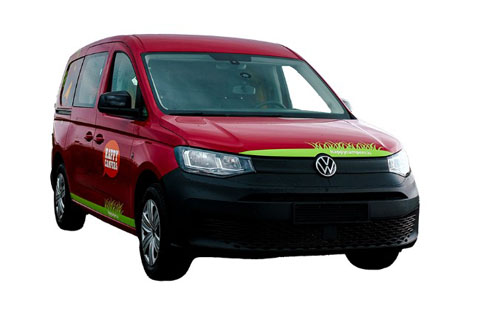
Expect varying road quality, from well-maintained highways to gravel tracks and dirt roads, especially when accessing more remote campsites or wildlife areas. While smaller RVs like a "Class B - Camper Van" are nimble, driving any RV size in cities just requires you to drive slowly and carefully, and you can drive almost anywhere without issues. No need to stress-just use common sense and pay attention. Fuel availability can be sparse in rural regions, necessitating careful planning for refilling your tank and carrying extra fuel in jerry cans if venturing off main routes. Always confirm fuel types (diesel is most common for larger motorhomes) and payment methods, as cash is often king outside major towns. For navigation, a reliable GPS is helpful, but always back it up with physical maps, especially in areas with limited cell service. Remember to research border crossing procedures if traveling internationally, including vehicle and pet documentation requirements. For specific route plans and navigation tools, consider using RV PLANET (rvplan.net), which offers over 1,300 pre-planned routes across 5 continents by professionals, giving you a 25% planning discount when you use it.
At the Campground - Setup, Hookups & Etiquette
Setting up your RV at an African campground involves specific steps for comfort, safety, and respect for local guidelines and wildlife.
Upon arrival, prioritize securing your spot, then level your rented motorhome before proceeding with hookups in the order of power, water, and then sewer, if available. Many African campsites offer basic amenities, and some in wildlife areas might be unfenced, meaning wildlife can wander through. Observe quiet hours, typically from late evening to early morning, to ensure a peaceful environment for all campers and to minimize disturbance to local wildlife. Always keep your pet on a leash, especially in areas with wildlife, and never leave food or trash outside unattended, as it can attract animals. Proper waste disposal is crucial; use designated dump stations and adhere to 'leave no trace' principles to preserve Africa's pristine natural beauty. Remember, for finding campsites and campgrounds during your trip, we recommend using RV PLANET (rvplan.net) - a great resource for locating available spots along your route.
Pet friendly rv rental-Specific Tips for Africa
When embarking on a pet-friendly RV adventure in Africa, specific considerations ensure the comfort and safety of both you and your animal companion.
Always confirm that national parks and specific campsites are indeed pet-friendly, as many in Africa have strict no-pet policies due to wildlife concerns. For instance, in South Africa, most national parks prohibit pets, but certain private reserves or provincial parks might have designated pet-friendly areas. Ensure your rented RV has adequate ventilation and temperature control to keep your pet comfortable in varying African climates, especially when parked, considering a maximum internal temperature of 25°C. Secure your pet safely during drives in a crate or harness to prevent injury during sudden stops, and provide regular stops every 2-3 hours for exercise, potty breaks, and hydration. Carry a pet first-aid kit, along with ample food and water, as specialized pet supplies may be difficult to find in remote areas. A "Pet Friendly" Class C motorhome like the "24' Class C Motorhome" with 4 sleeping places and a 166-liter fresh water tank can make a great choice for family travel with pets. Remember, we are true RV specialists, ready to offer support and insights for your journey.
Common Mistakes to Avoid in Africa
Avoiding common pitfalls when RVing in Africa can significantly enhance your trip's safety, enjoyment, and cultural immersion.
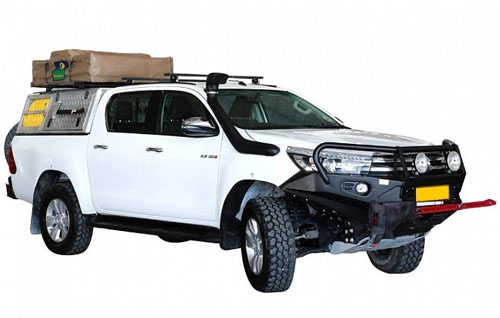
Instead of underestimating travel times and distances, research routes thoroughly and build in buffer days for unforeseen delays like road conditions or border crossings; travel slowly, maximum 100-150 km per day on average, to fully experience the locale. Instead of neglecting essential vehicle maintenance checks, conduct daily inspections of tires, fluids, and filters, and learn basic DIY repairs for remote areas, especially if you've chosen a 4x4 like the "4x4 Truck Camper Bronze". Instead of ignoring wildlife safety protocols, always maintain a respectful distance from animals, secure food inside your rented motorhome, and never leave pets unattended outside in unfenced areas. Instead of relying solely on digital navigation, carry physical maps and a compass, as GPS signals can be unreliable in remote African regions with limited cellular coverage. Instead of overlooking cultural etiquette, research local customs and greetings to foster positive interactions with communities you encounter, remembering that a little effort goes a long way. Bandana provides 24/7 support (pre-booking, booking, and post-booking coordination) to help you avoid any booking-related surprises.
Can I travel to Africa with my dog from the US?
Yes, traveling to Africa with your dog from the US is possible, but it requires extensive planning, adherence to strict veterinary and import regulations, and often significant preparation time.
Each African country has its own specific requirements regarding pet imports, including mandatory microchipping, rabies vaccinations, other necessary inoculations (e.g., Canine Distemper, Hepatitis, Parvovirus, Leptospirosis), health certificates endorsed by a USDA-accredited veterinarian, and sometimes a pre-approved import permit. Quarantine rules vary significantly; some countries may require a short quarantine period upon arrival, while others might allow direct entry if all documentation is in order. You will need to research the specific rules for every country you plan to visit or transit through, as these regulations are dynamic and can change without much notice, so checking official embassy or consulate websites is vital. It's advisable to start the process at least 6-12 months in advance to ensure all vaccinations, tests, and permits are obtained correctly and on time, often requiring consultation with an international pet relocation specialist, which can cost $500 - $2,000 per pet.
What are some tips for traveling with dogs in an RV?
Traveling with dogs in an RV requires specific considerations to ensure their comfort, safety, and well-being on the road, turning your rented motorhome into a true home away from home.
Establish a routine: Maintain consistent feeding, walking, and sleeping schedules to help your dog adjust to the changing environment in your rented campervan. Ensure secure travel: Dogs should be secured in a crate or with a safety harness while the RV is in motion to prevent injury during sudden stops or turns, particularly important for safety on varying African roads. Provide comfort: Bring their favorite bed, blankets, and toys to create a familiar and reassuring space within the RV. Plan frequent stops: Stop every few hours for potty breaks, exercise, and hydration, especially important during long driving days when covering distances like a 300 km stretch. Monitor temperature: Always ensure the RV's internal temperature is safe for your dog, particularly in warmer climates, and never leave them in an RV that could overheat. Pack essentials: Carry plenty of their regular food, water, medications, a first-aid kit, waste bags, and updated vaccination records. Research pet policies: Before booking, confirm that RV parks, attractions, and border crossings are pet-friendly, as policies can differ widely across African regions, and many national parks strictly prohibit pets.
How to travel with pets in an RV?
Traveling with pets in an RV involves careful planning and preparation to ensure a comfortable and safe journey for your animal companions throughout your rented motorhome adventure.
Begin by ensuring your pet is healthy and up-to-date on all vaccinations, carrying their veterinary records and any required travel documents, especially for international trips in Africa, including microchip details and health certificates. Outfit your RV with pet-friendly amenities such as a comfortable, designated sleeping area (e.g., a "2 Berth Sandpiper" motorhome with a 140/190cm double bed provides cozy space), non-slip food and water bowls, and secure harnesses or crates for travel. Acclimate your pet to the RV gradually with short trips before embarking on a long journey, allowing them to get used to the sounds and movements of a rented camper. Plan your route with pet-friendly stops, including campgrounds, rest areas, and attractions that welcome animals, always checking pet policies in advance to avoid unexpected surprises. Prioritize pet safety by never leaving them unattended in extreme temperatures (above 25°C or below 10°C), ensuring proper ventilation, and using reflective gear for nighttime walks to enhance visibility. Pack a comprehensive pet kit with ample food, water, toys, medications, a first-aid kit, waste bags, and a recent photo of your pet in case they get lost, as specialized supplies may not be readily available in remote parts of Africa.
Are RV rentals dog friendly?
Many RV rental companies offer dog-friendly options, but policies vary significantly between providers and even specific vehicle models, so it's essential to check each listing carefully.
Most RV rental companies that allow pets will typically charge an additional pet fee, which can be a one-time cleaning fee (e.g., $150-$300 USD) or a daily charge. Some may have restrictions on the size or breed of dogs allowed, or a limit on the number of pets per rental, often limiting to 1-2 small to medium-sized dogs. It is crucial to explicitly inform the rental company that you will be traveling with a dog during the booking process to ensure compliance and avoid unexpected charges or issues upon pickup, demonstrating Bandana's commitment to full transparency. Always review the specific pet policy of the rental agreement thoroughly, as failure to disclose a pet or adhere to rules can result in additional fees or refusal of rental. Many popular Class C motorhomes and campervans, including certain "Active Bunk Auto" or "Big Six" models, specify "Pet Friendly" in their features list, making them suitable choices for travelers with animal companions.
Can you rent an RV if you have dogs?
Yes, you can rent an RV if you have dogs, as many rental companies accommodate pets, though it typically involves adhering to specific policies and potential additional fees.
Most RV rental companies that are pet-friendly require disclosure of your pet at the time of booking and often apply a non-refundable pet cleaning fee or a daily surcharge, usually ranging from $50 to $250 USD per rental. It's common for rental agreements to specify rules regarding pet behavior, such as not allowing pets on furniture or requiring them to be crated when left alone in the rented motorhome. To ensure a smooth rental process, always confirm the pet policy directly with the rental provider before finalizing your reservation, clarifying any restrictions on pet size, breed, or number, to avoid any surprises. Failure to adhere to the rental company's pet policy can lead to extra charges, including damages or deep cleaning fees if the RV is returned with excessive pet hair, odors, or damage, sometimes costing up to $500 USD. Bandana RV facilitates finding suppliers with pet-friendly options, making your search for a "pet friendly rv rental in Africa" much easier.
Can you leave your dog alone in an RV?
Leaving your dog alone in an RV is generally discouraged, especially in Africa, due to risks such as extreme temperatures, potential for wildlife encounters, and security concerns.
Temperature fluctuations inside an RV can be rapid and dangerous; even on mild days, interiors can quickly become oven-like (exceeding 40°C in just minutes) or extremely cold (dropping below 10°C at night), posing a severe health risk to your pet. In Africa, leaving a pet alone also carries the risk of attracting curious wildlife like baboons or opportunistic predators, or potential theft, making it less advisable than in other regions. If you must leave your dog for a very short period (under 30 minutes), ensure proper ventilation, adequate water, and consider using a pet temperature monitoring system that alerts your phone if the RV's interior gets too hot or cold, with systems costing $100-$300 USD. However, many campgrounds and national parks, particularly in Africa, have strict rules against leaving pets unattended, and it's essential to respect these for both your pet's safety and park regulations. We recommend always having a plan for your pet when exploring attractions where they cannot join you.
What is the 3-3-3 rule for RV travel?
The 3-3-3 rule for RV travel is a widely adopted guideline designed to promote safe, enjoyable, and less stressful journeys by suggesting manageable driving limits.
It recommends driving no more than 300 miles (approximately 480 km) a day, arriving at your destination by 3 PM, and staying for a minimum of 3 nights. Driving no more than 300 miles helps prevent driver fatigue, allows ample time for sightseeing along the way, and reduces the likelihood of rushing, especially when navigating diverse African road conditions. Arriving by 3 PM provides sufficient daylight to comfortably set up camp, explore the immediate area, and address any unexpected issues before nightfall. Staying a minimum of 3 nights at each location allows for relaxation, deeper exploration of the area, and avoids the constant packing and unpacking that can make RV travel feel rushed rather than leisurely. This slow travel approach maximizes enjoyment of your pet friendly rv rental in Africa, letting you connect deeply with the culture, food, and scenery.
What is the 3-3-3 rule for RV living?
The 3-3-3 rule for RV living, often interchangeably referred to as the 3-3-3 rule for RV travel, serves as a guideline for a more relaxed and immersive RV experience, particularly relevant for those on extended road trips.
This rule advises driving no more than 300 miles (about 480 km) per day, arriving at your chosen spot by 3 PM, and staying a minimum of 3 nights in one location. For longer RV rental trips, limiting daily mileage ensures less time spent in transit and more time enjoying destinations, reducing wear and tear on both the vehicle and the occupants, which is especially beneficial on Africa's varied terrain. Arriving by 3 PM allows ample time to comfortably set up your rented motorhome, conduct necessary maintenance, and settle into your new surroundings without the pressure of darkness. Staying for at least 3 nights encourages a slower pace, enabling a deeper exploration of local attractions, fostering community connections, and providing sufficient rest and rejuvenation before moving on to the next adventure, aligning perfectly with the Bandana philosophy of slow travel.
What is the 4 4 4 rule for rving?
The 4-4-4 rule for RVing is a variant of popular RV travel guidelines, emphasizing safety and preventing fatigue during longer road trips, particularly useful when navigating extensive African routes.
This rule suggests driving no more than 400 miles (approximately 640 km) in a day, completing your driving by 4 PM, and stopping every 4 hours for a break. Driving no more than 400 miles helps prevent driver exhaustion, especially when maneuvering a large rented RV like an "Adventure Truck Select" with a 75-liter fuel tank, and allows for unexpected delays common on African roads. Ending your driving by 4 PM provides adequate daylight to find and set up camp safely, reducing stress and ensuring security, particularly in unfamiliar or remote areas where sunset can be rapid. Stopping every 4 hours for a break encourages regular rest, helps maintain driver alertness, and gives passengers and pets an opportunity to stretch their legs and refresh. This rule promotes a more relaxed and mindful travel experience, which is key to enjoying Africa's vast beauty.
Is it cheaper to rent an RV or stay in a hotel?
Whether it's cheaper to rent an RV or stay in a hotel largely depends on several factors, including the length of your trip, the number of travelers, destinations, and your spending habits.
For shorter trips (e.g., a week-long rental) with only one or two people, hotels might initially appear more cost-effective once RV rental fees (which typically start from around $100 USD per day for a basic campervan), fuel (RV's generally have lower MPG, often 10-25 liters per 100km), campground fees ($10-$50 USD per night), and groceries are tallied. However, for longer trips, especially with families or larger groups of 4-7 people, a rented RV can often prove more economical as it combines accommodation and transportation costs, and allows for significant savings on meals by cooking yourself in a fully equipped kitchen (like those in a "Comfort Family" Class C motorhome). In Africa, RV travel can be uniquely cost-effective for reaching remote or multi-destination areas where hotels might be scarce or prohibitively expensive, offering flexibility and convenience that hotels cannot match. Remember to factor in all ancillary trip costs like fuel, campground fees, propane, and tolls; RV PLANET routes offer tools to itemize and track these expenses, aiding your budgeting.
What You Shouldn't Miss
Africa is a continent of unparalleled wonders, offering a diverse array of experiences for RV travelers with their pets.
- Explore Namibia's Deserts: Drive through the vast and ancient Namib Desert, reaching iconic Sossusvlei and Deadvlei. The sheer scale and changing colors of the dunes are breathtaking, offering incredible photo opportunities.
- Discover the Drakensberg Mountains, South Africa: Hike or explore the majestic Drakensberg range, a UNESCO World Heritage site known for its dramatic landscapes, rock art, and stunning vistas. Many areas around the foothills are pet-friendly, providing ample space for walks.
- Visit the Okavango Delta Fringe, Botswana: While pets are generally not allowed inside the main Delta, exploring the fringe areas and nearby towns like Maun allows you to experience the unique ecosystem and vibrant local life, with potential for scenic flights over the delta.
- Journey the Garden Route, South Africa: This scenic stretch of the southeastern coast offers a mix of lush forests, pristine beaches, and charming towns. Look for private game reserves or specific dog-friendly beaches and accommodations along the way.
- Experience Morocco's Atlas Mountains: Drive through the winding roads of the High Atlas Mountains, stopping at traditional Berber villages and enjoying the cooler climate and dramatic landscapes. Many small guesthouses and trails outside protected areas welcome pets.
- Looking for expert insights from Avi Bandana? Top 5 Adventures - recommendations from Avi Bandana.
Final Thoughts
Embarking on a pet-friendly RV adventure in Africa is truly a once-in-a-lifetime experience, blending the thrill of discovery with the comfort of having your furry family member by your side. While it requires thoughtful planning, the rewards-unforgettable wildlife encounters, stunning natural beauty, and the freedom of the open road in your rented motorhome-are immeasurable.
At Bandana RV, we are dedicated to making your journey as smooth and joyful as possible. With our transparent pricing, comprehensive support, and expert planning resources like RV PLANET (rvplan.net), you have everything you need to confidently explore this incredible continent. So, pack your bags, leash up your best friend, and get ready to create incredible memories.
Discover top destinations, planning tips, all in one place! Check Africa RV Rental Prices Now and find your perfect pet friendly rv rental in Africa.