In This Guide
- Best Vancouver RV Itinerary for Winter RV Rental — Overview
- 7-Day Classic Route in Vancouver
- 14-Day Extended Journey in Vancouver
- Recommended RVPlan Trip for Vancouver
- Must-See Stops Along the Way (Avi Bandana Picks)
- Daily Driving Distances & Drive Times in Vancouver
- Best RV Class for This Itinerary — Couple & Family Picks
- What is the 3-3-3 rule for RV travel?
- What is the 4 4 4 rule for RVing?
- What is the 2 2 2 rule for RV travel?
- What are the best winter day trips from Vancouver?
- Is it worth visiting Vancouver in the winter?
- Where to go near Vancouver in winter?
- What to do with RV in winter?
- Can you park RV in Vancouver?
Best Vancouver RV Itinerary for winter rv rental — Overview
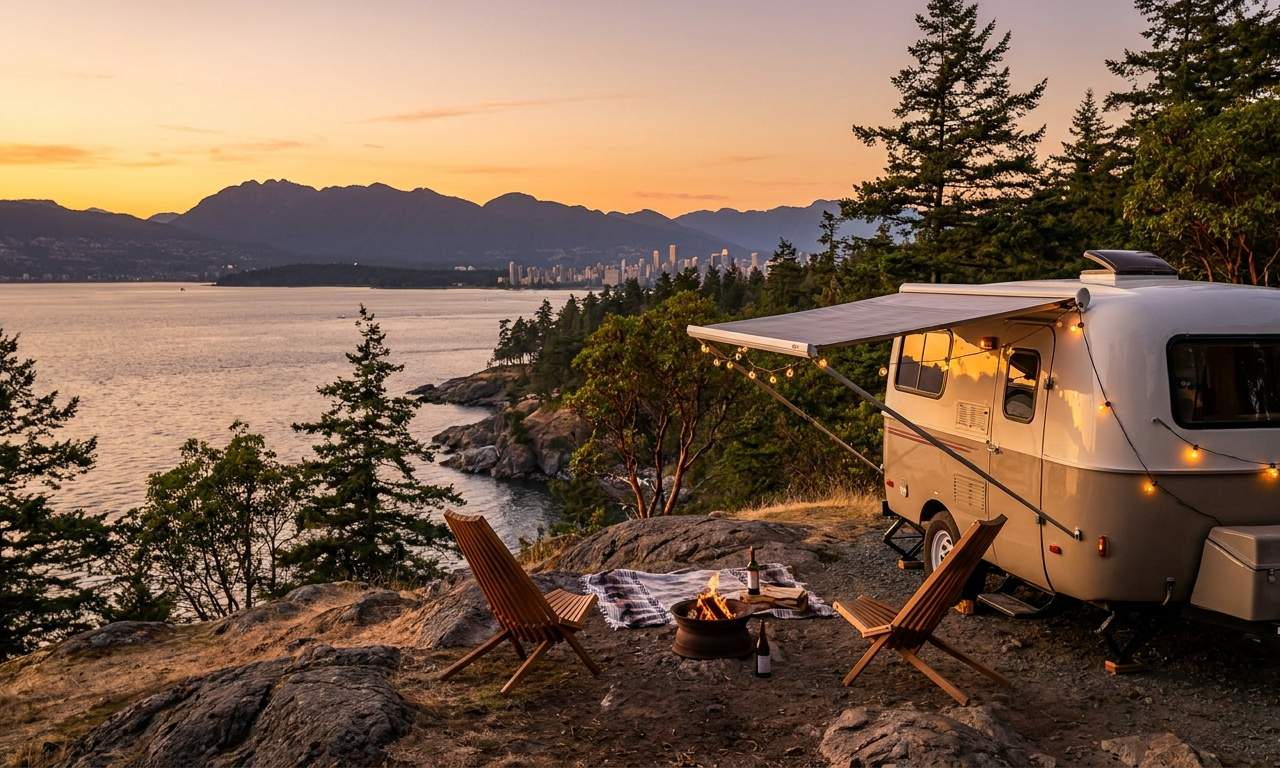
A winter RV rental in Vancouver offers a unique opportunity to experience the city's mild coastal climate and the nearby, snow-capped mountains. For a comprehensive taste of what the region offers, a 7-day trip is a great starting point, though a 14-day journey allows for a more immersive exploration. The ideal window for this adventure is typically from December to March, when the city experiences its winter charm, and the surrounding mountains are blanketed in snow, perfect for winter sports and scenic drives. Vancouver's coastal location means it generally avoids the extreme cold found elsewhere in Canada, but visitors should still be prepared for rain and cooler temperatures, especially when venturing into higher elevations. Your rented RV acts as your mobile base, granting you the flexibility to explore everything from bustling urban attractions to serene natural parks, all at your own pace. This guide will provide you with suggested routes, practical tips, and vehicle recommendations to ensure your winter RV adventure in Vancouver is unforgettable. For those seeking an even grander Canadian adventure, consider starting with our comprehensive guide to RV Rental Vancouver - Complete Guide 2026 to get a broader perspective.
7-Day Classic Route in Vancouver
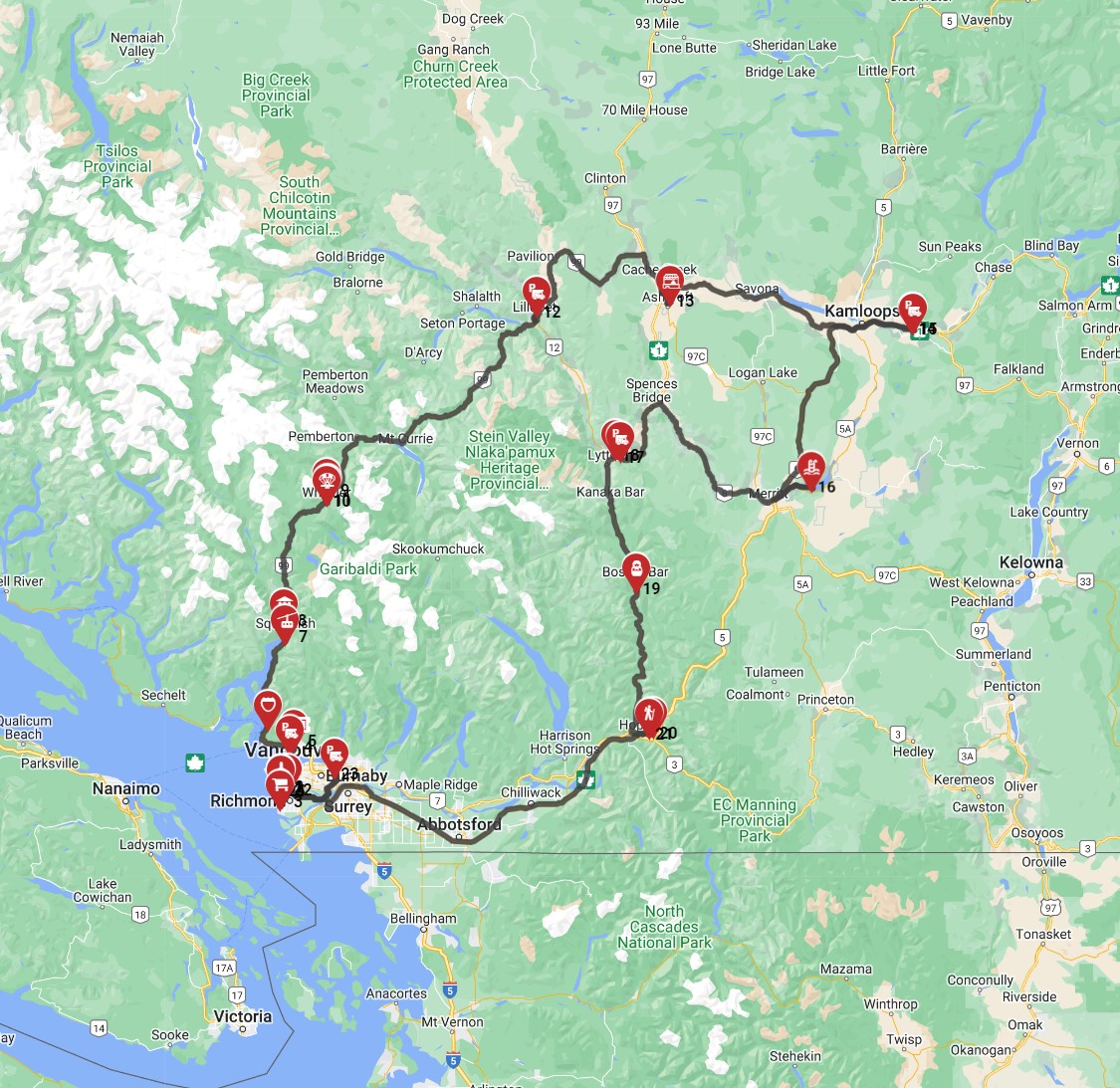
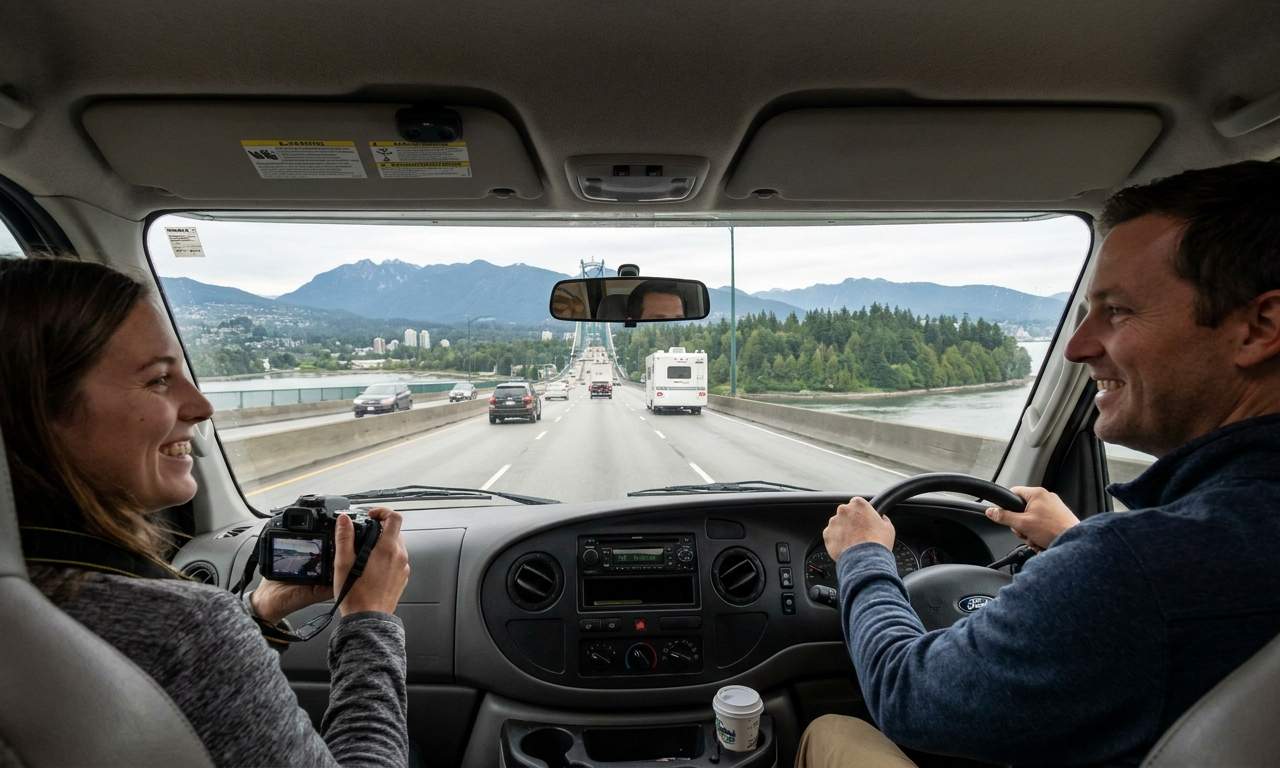
This 7-day itinerary for a winter RV rental in Vancouver is designed to offer a balanced experience of city sights, mountain activities, and relaxing hot springs, all while keeping daily driving distances comfortably under 150 km (100 miles). This approach ensures a relaxed pace, which is ideal for winter travel conditions. Here’s a suggested route:
- Day 1: Arrive in Vancouver, RV Pickup & City Introduction. After picking up your rented RV, settle in and begin exploring Vancouver. Visit the Granville Island Public Market for local crafts and culinary delights, or take a scenic drive through Stanley Park. Overnight: Burnaby Cariboo RV Park (~20 km drive).
- Day 2: Vancouver to Squamish. Enjoy a breathtaking drive along the Sea-to-Sky Highway. Highlights include the Sea-to-Sky Gondola for stunning panoramic views and the impressive Shannon Falls. Overnight: Klahanie Campground (verify winter availability). (~65 km drive).
- Day 3: Squamish to Whistler. Continue north to the world-renowned Whistler Blackcomb resort. Enjoy skiing, snowboarding, or simply soak in the alpine atmosphere. Explore Whistler Village. Overnight: Riverside Campground (Whistler). (~60 km drive).
- Day 4: Whistler to Harrison Hot Springs. Head east towards the Fraser Valley. The main draw here is the chance to relax in the natural mineral hot springs at Harrison Hot Springs and explore the scenic Sasquatch Provincial Park. Overnight: Harrison Lakefront Resort RV Park. (~150 km drive).
- Day 5: Harrison Hot Springs to Fort Langley. Experience a piece of history at the Fort Langley National Historic Site, considered the birthplace of British Columbia. Afterward, explore the charming shops in Fort Langley village. Overnight: Fort Camping (verify winter availability). (~90 km drive).
- Day 6: Fort Langley back to Vancouver. Return to Vancouver and explore more of its urban attractions. Consider visiting Gastown's historic streets, the interactive Science World, or indulging in some shopping along Robson Street. Overnight: Capilano River RV Park (North Vancouver). (~60 km drive).
- Day 7: Departure Day. Enjoy a final Vancouver breakfast before returning your RV and concluding your trip.
14-Day Extended Journey in Vancouver
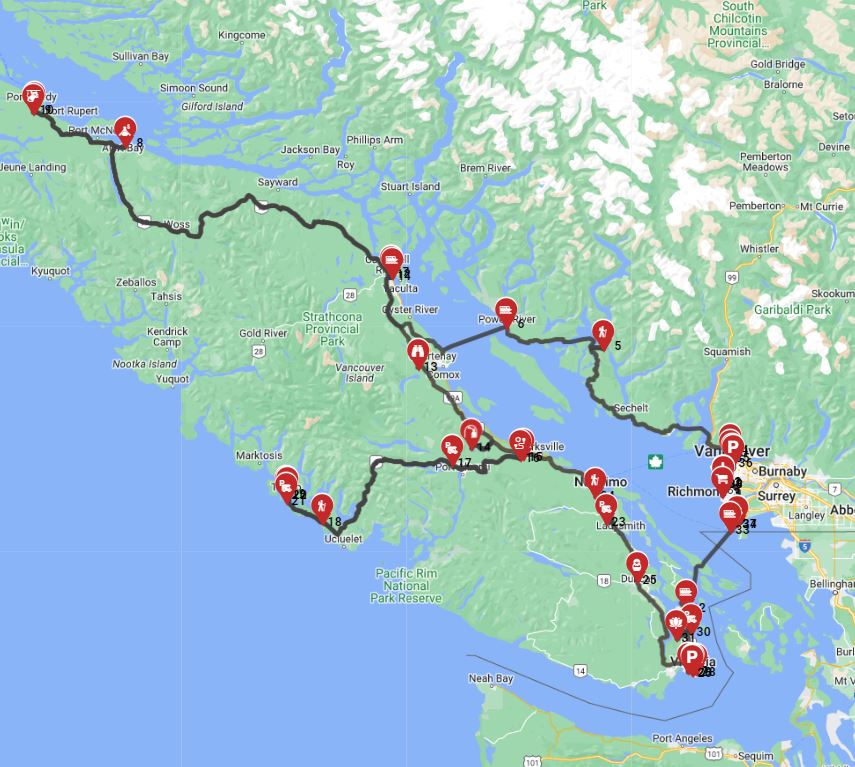
For a more in-depth exploration, this 14-day journey by RV from Vancouver allows you to delve deeper into the Sea-to-Sky corridor, the Fraser Valley, and offers a fantastic loop around Vancouver Island. This extended itinerary emphasizes a relaxed pace, crucial for winter conditions, with daily drives generally kept under 150 km (100 miles).
Part 1: Sea-to-Sky & Fraser Valley (Days 1-5)
- Day 1: Arrive in Vancouver, RV pickup, and initial city exploration. Overnight: Burnaby Cariboo RV Park.
- Day 2: Vancouver to Squamish (~65 km). Explore the Sea-to-Sky Gondola and the Squamish Adventure Centre. Overnight: Klahanie Campground (check winter availability).
- Day 3: Squamish to Whistler (~60 km). Enjoy Whistler Village and its snow activities. Overnight: Riverside Campground.
- Day 4: Whistler to Harrison Hot Springs (~150 km). Relax in the hot springs. Overnight: Harrison Lakefront Resort RV Park.
- Day 5: Harrison Hot Springs to Cultus Lake / Chilliwack (~40 km). Visit Cultus Lake Provincial Park for winter walks. Overnight: Cultus Lake Provincial Park (check winter availability).
Part 2: Vancouver Island Coastal Escape (Days 6-11)
- Day 6: Chilliwack to Tsawwassen Ferry Terminal, ferry to Swartz Bay, then drive to Victoria (~70 km driving + ferry). Experience BC Ferries and see the winter displays at Butchart Gardens. Overnight: Goldstream Provincial Park or a private RV park.
- Day 7: Explore Victoria, including the Inner Harbour, Royal BC Museum, and Craigdarroch Castle. Overnight: Goldstream Provincial Park.
- Day 8: Victoria to Coombs (via Nanaimo) (~110 km). Visit the famous 'Goats on the Roof' market in Coombs. Overnight: Coombs Country Campground.
- Day 9: Coombs to Tofino (~150 km). Enjoy a scenic drive to the Pacific Rim National Park Reserve for dramatic storm watching. Overnight: Long Beach Golf Course & RV Park (Tofino).
- Day 10: Tofino/Ucluelet exploration. Wander through Chesterman Beach, explore rainforest trails, or even try a surfing lesson. Overnight: Long Beach Golf Course & RV Park.
- Day 11: Tofino to Nanaimo (~125 km). Discover Nanaimo's waterfront and the Old City Quarter. Overnight: Living Forest Oceanside RV Resort.
Part 3: Return to Vancouver (Days 12-14)
- Day 12: Nanaimo to Horseshoe Bay Ferry Terminal, ferry to Horseshoe Bay, then drive to Vancouver (~50 km driving + ferry). Enjoy the scenic ferry ride through the Gulf Islands. Overnight: Capilano River RV Park.
- Day 13: Vancouver city exploration. Visit Science World, the Museum of Anthropology, or revisit favourite spots. Overnight: Capilano River RV Park.
- Day 14: Departure. Enjoy any last-minute Vancouver experiences before returning your RV.
Recommended RVPlan Trip for Vancouver
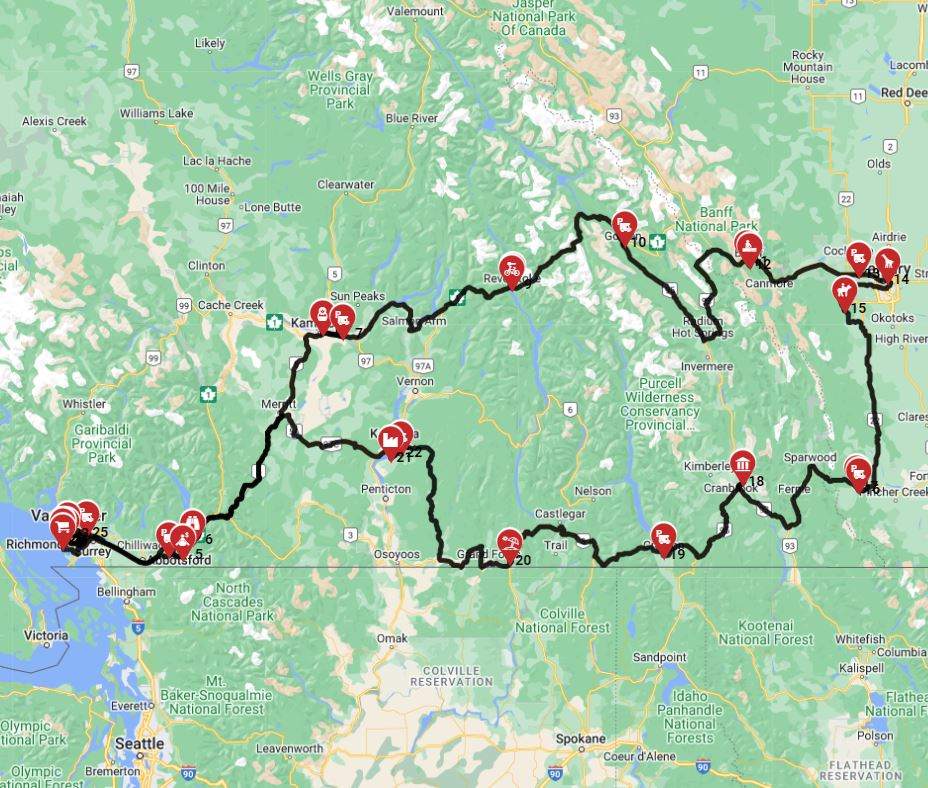
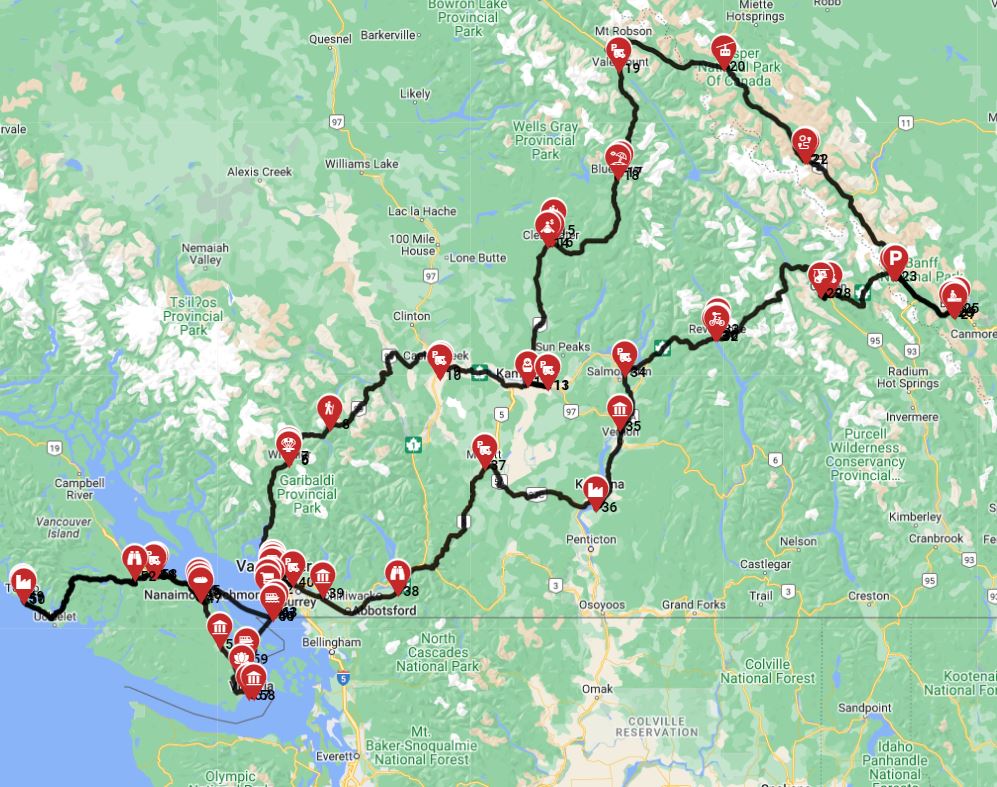
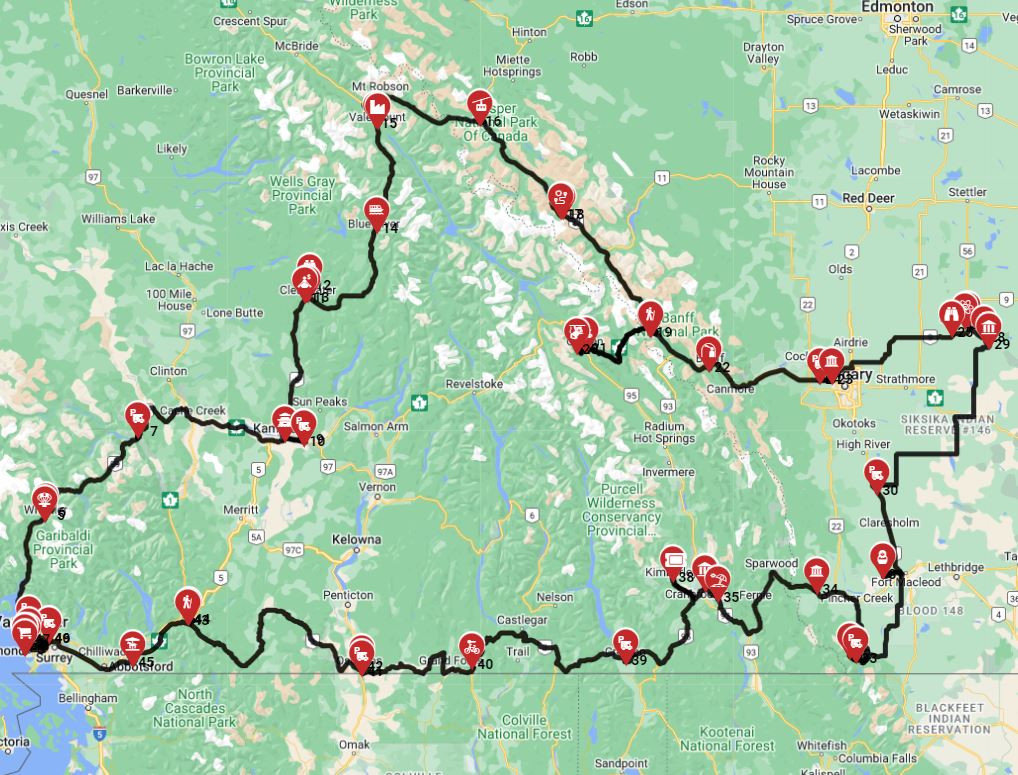
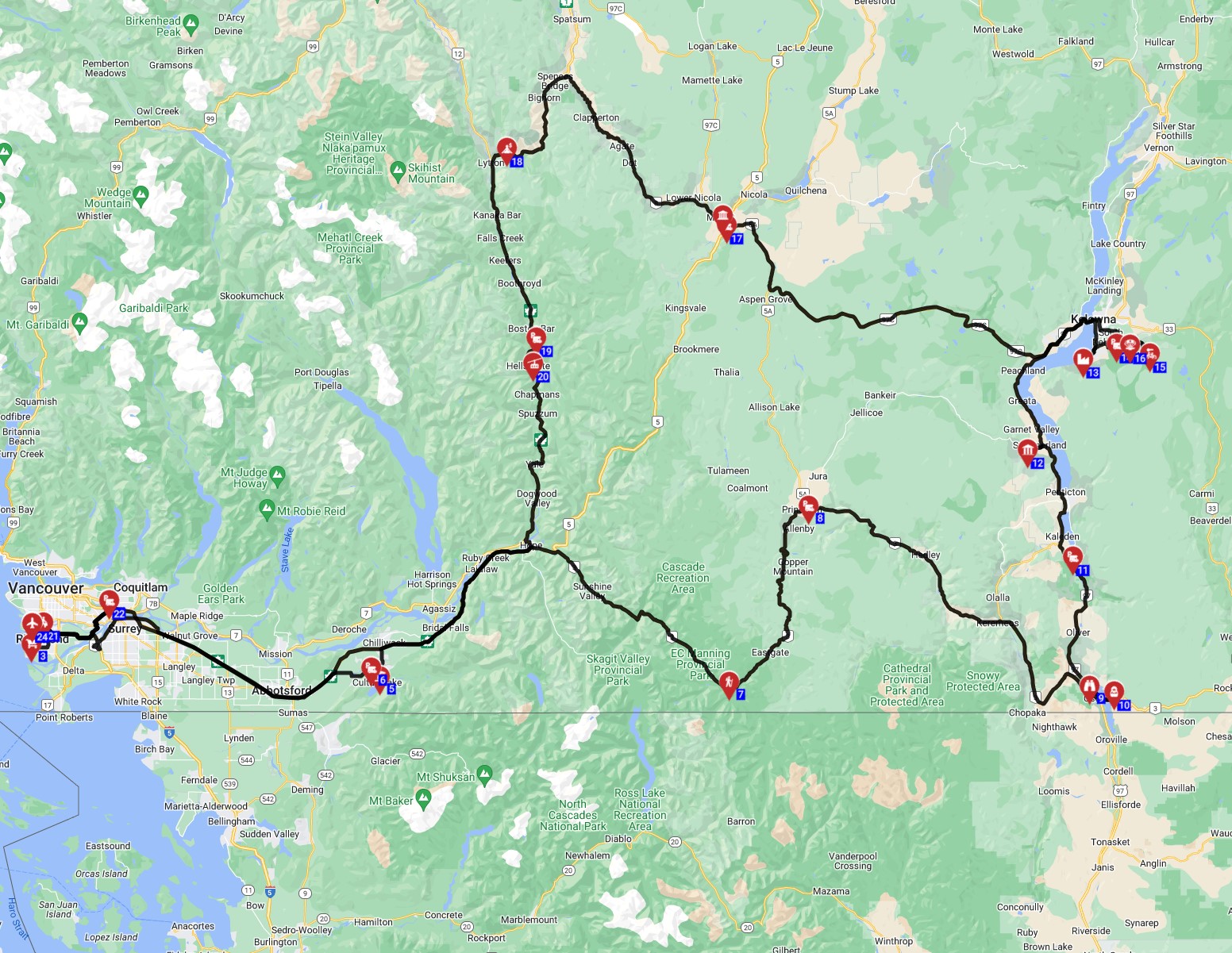
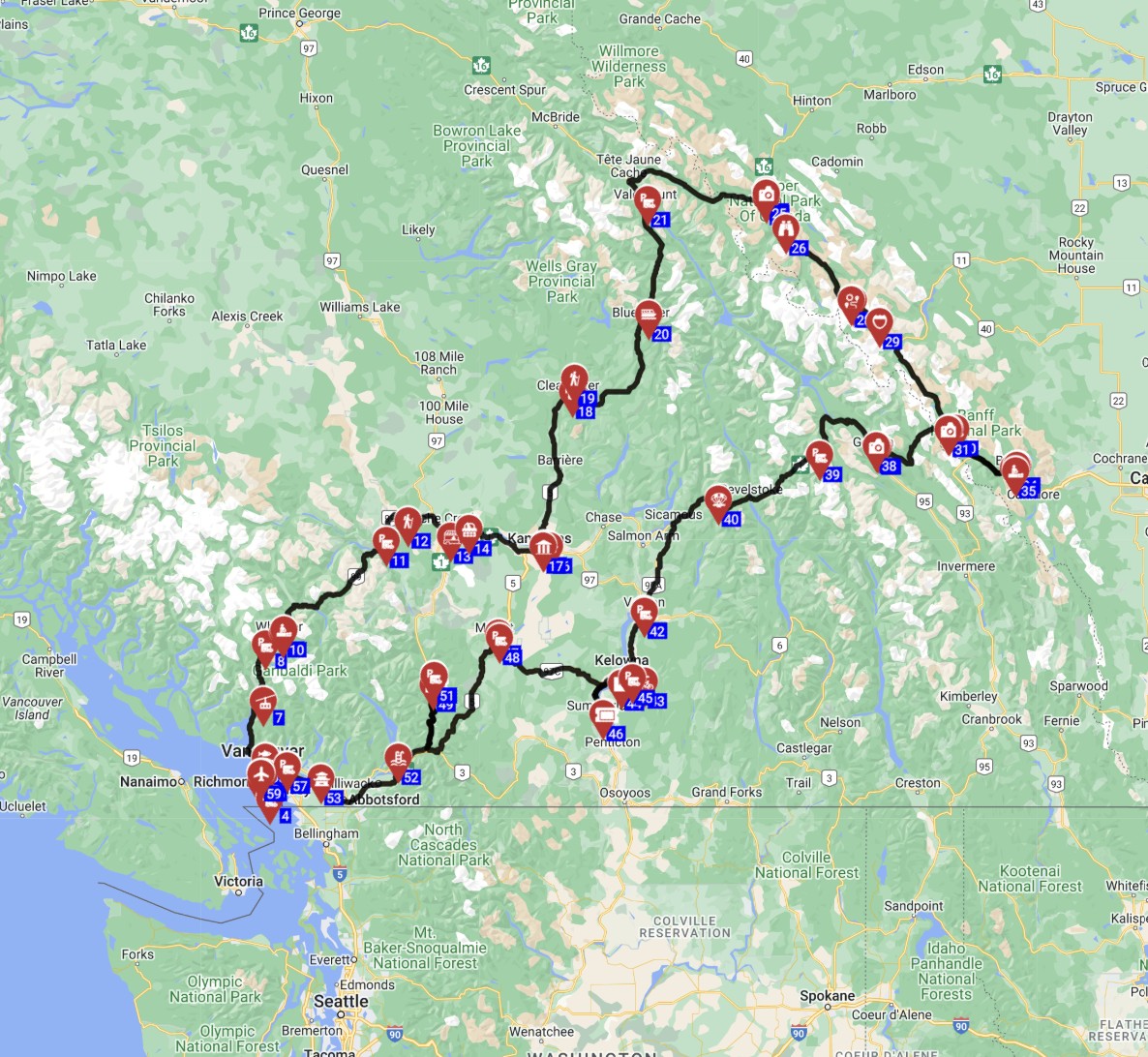
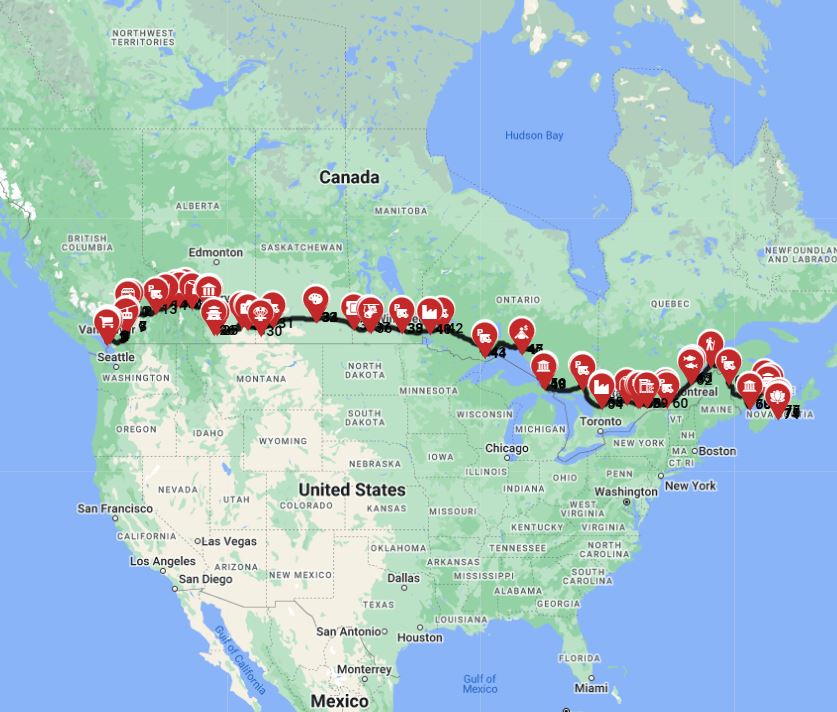
For those looking for an epic, cross-Canada RV adventure that culminates in Vancouver, Avi Bandana highly recommends exploring the "
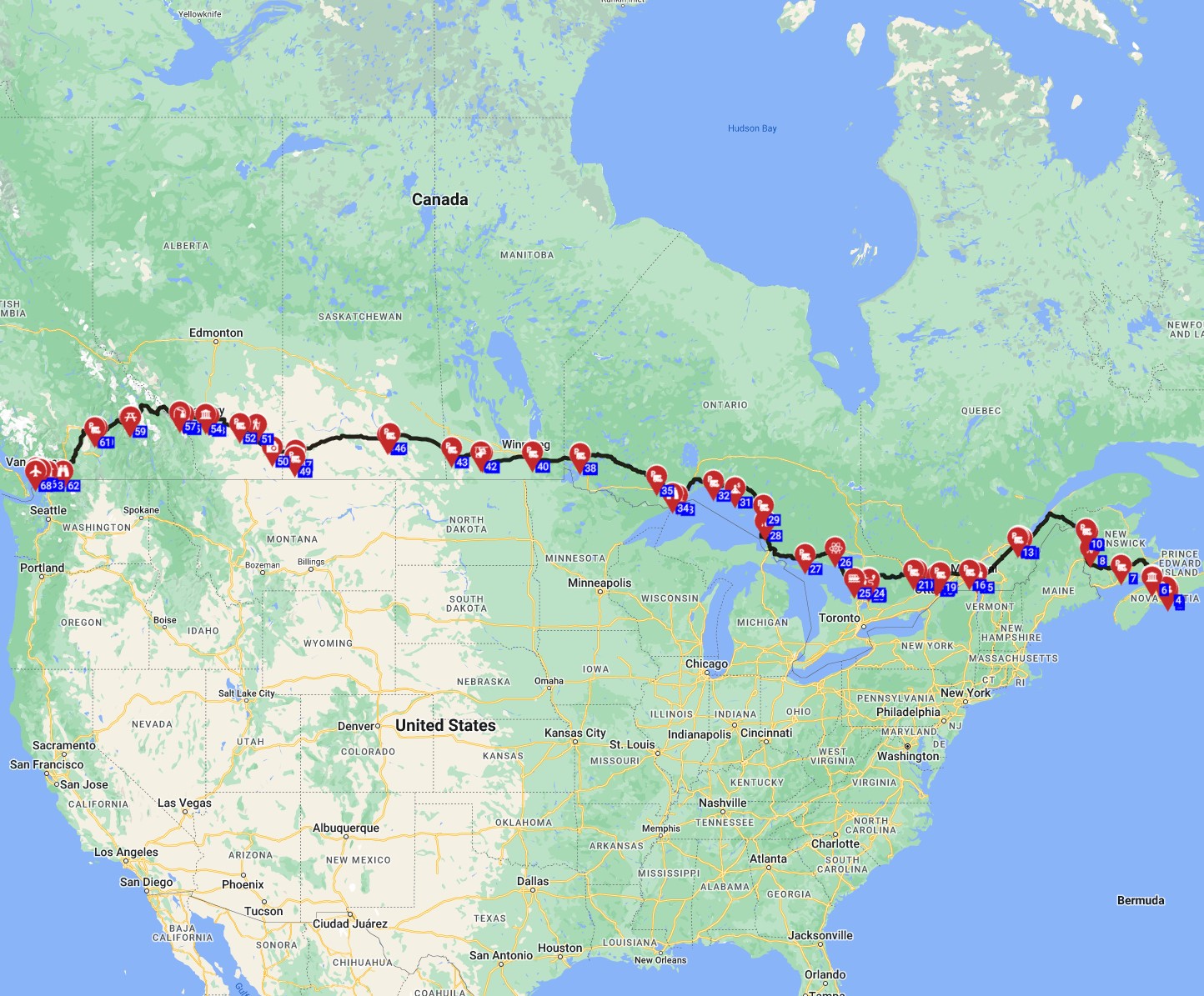
While this specific RVPlan journey is a coast-to-coast epic, travelers looking for shorter, region-specific winter RV trips around Vancouver can utilize RVPlan's intuitive trip-A tool to customize their own perfect itinerary. You can draw from a vast database of destinations and activities tailored to your preferences and the season, making trip planning effortless.
Must-See Stops Along the Way (Avi Bandana Picks)
Avi Bandana's personal picks for must-see stops during a winter RV trip near Vancouver prioritize authentic experiences and local charm, ensuring travelers immerse themselves in the region's culture and natural beauty:
- Granville Island Public Market (Traditional Market): A vibrant hub of local food, crafts, and entertainment. It's perfect for sampling local delicacies and finding unique souvenirs, offering a true taste of Vancouver's culinary scene.
- Fort Langley National Historic Site (Traditional Visit): Step back in time to the birthplace of British Columbia. This site offers a captivating glimpse into the fur trade era and early European settlement, providing historical context to the region.
- Local Craft Breweries (Local Industry): Vancouver and its surrounding areas boast a thriving craft beer scene. Many breweries offer tastings and tours, providing insight into the local brewing industry and a cozy place to warm up.
- Gastown (Traditional Restaurant / Fine Dining): While not a single restaurant, the historic Gastown district offers an array of traditional and fine dining experiences within a charming, atmospheric setting, ideal for a memorable evening meal.
Daily Driving Distances & Drive Times in Vancouver
When planning your winter RV itinerary around Vancouver, Avi Bandana strongly recommends a maximum average of 100 miles or 150 km per day. This slower pace is paramount in winter, especially when driving an RV. It accounts for shorter daylight hours, the possibility of snow or ice on roads, and the need for more frequent checks and breaks to stay warm. This deliberate pace ensures safety and allows ample time for spontaneous stops, turning your journey into part of the adventure.
Here are some estimated driving times for popular routes:
- Vancouver to Whistler: Approximately 120 km (75 miles), typically 1.5 to 2 hours of driving. This does not account for potential weather delays or sightseeing stops.
- Vancouver to Harrison Hot Springs: Around 130 km (80 miles), usually taking about 1.5 hours of driving.
- Vancouver to Tsawwassen Ferry Terminal: Roughly 40 km (25 miles), taking about 45 minutes to 1 hour. This is a crucial leg for those planning to travel to Vancouver Island.
Remember to always check DriveBC.ca for real-time road conditions and advisories before setting out.
Best RV Class for This Itinerary — Couple & Family Picks
Choosing the right RV class is crucial for both comfort and maneuverability, especially during a winter trip around Vancouver. Rent-Motorhome offers a diverse fleet to suit various needs. For couples, a Class B Camper Van is often the most recommended choice.
For Couples: Class B - Camper Van
Avi Bandana highly recommends a Class B Camper Van for couples. These compact vehicles, averaging around 5.8 meters in length, are highly maneuverable for navigating city streets and smaller roads, making them easier to park. In Bandana's global fleet, these vans typically sleep up to 3 people and accommodate 2 adults comfortably. They generally offer more efficient fuel consumption, around 8-10 Liters/100 Km, and are easier to handle in potentially challenging winter driving conditions. Their smaller size also means quicker heating and often better insulation for two occupants.
For Families: Class C - Alcove
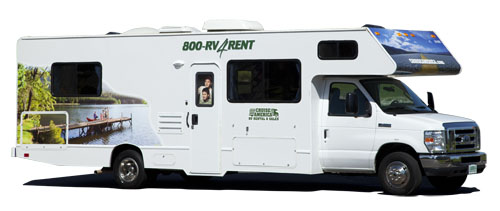
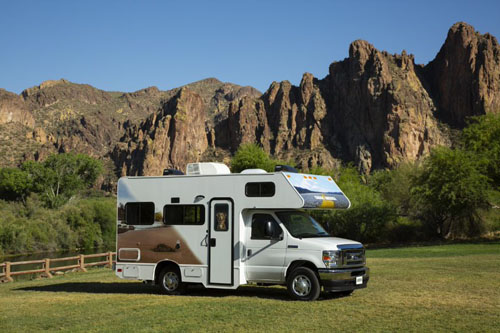
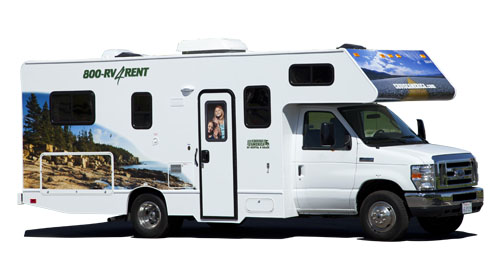
For families, the Class C Alcove motorhome presents an excellent option, offering more living space and sleeping capacity without being overly cumbersome. Bandana's fleet of Class C Alcove RVs averages 7.5 meters in length, comfortably accommodating families with up to 5-6 sleeping places and seating for 4-5 adults. The signature alcove bed over the cab provides an additional dedicated sleeping area, perfect for children or extra guests. This class strikes an ideal balance between comfort, necessary amenities, and relatively straightforward driving for larger groups.
Regardless of your choice, Rent-Motorhome's 'Rent & Plan' service can streamline your trip by combining your RV rental with a pre-planned itinerary. This service utilizes expert-crafted route software, removing the stress of planning so you can focus purely on the adventure ahead.
What is the 3-3-3 rule for RV travel?
The "3-3-3 rule" for RV travel is a popular guideline that promotes a more relaxed, safe, and enjoyable journey. It suggests drivers aim to travel no more than 300 miles (approximately 500 km) in a single day, arrive at their destination by 3 PM, and stay for a minimum of 3 nights at each location. Adhering to this rule helps prevent driver fatigue, allows ample time for setting up camp and exploring your surroundings, and reduces the stress of rushing. This is particularly beneficial during winter RVing due to shorter daylight hours and potentially more challenging road conditions.
What is the 4 4 4 rule for RVing?
The "4-4-4 rule" for RVing is a variation of slow travel principles, recommending drivers limit their daily travel to no more than 400 miles (approximately 640 km). It also advises arriving at the campground or overnight stop by 4 PM and committing to a minimum stay of 4 nights at each location. This rule is best suited for travelers who prefer slightly longer driving days while still prioritizing sufficient time for setup and extended stays at appealing destinations, effectively balancing exploration with rest.
What is the 2 2 2 rule for RV travel?
The "2-2-2 rule" for RV travel offers a more conservative approach, designed for an exceptionally relaxed pace. It recommends drivers travel no more than 200 miles (approximately 320 km) in a day, aim to arrive at their destination by 2 PM, and stay for at least 2 nights. This rule is particularly suitable for winter RVing in Vancouver and British Columbia, as it maximizes daylight for driving, allows for slower speeds on potentially icy roads, provides extra time for winterization tasks at camp, and offers flexibility for weather-related delays, significantly enhancing both safety and enjoyment.
What are the best winter day trips from Vancouver?
The best winter day trips from Vancouver by RV offer a mix of exhilarating snowy mountain adventures and milder coastal or valley explorations, providing diverse experiences for every interest. Here are some top recommendations:
- Whistler Blackcomb: This world-renowned resort is ideal for skiing, snowboarding, and enjoying the Peak 2 Peak Gondola, offering stunning alpine views. It's about a 1.5 to 2-hour drive from Vancouver.
- Mount Seymour, Cypress Mountain, or Grouse Mountain: Located closer to Vancouver, these mountains are perfect for snowshoeing, tubing, and enjoying scenic viewpoints without a long drive. Expect a 30 to 60-minute drive.
- Harrison Hot Springs: A wonderful escape for relaxation, featuring a public mineral hot springs pool and scenic walks around Harrison Lake. It's approximately a 1.5-hour drive.
- Fort Langley National Historic Site: Immerse yourself in history at this site in a charming village known as the 'birthplace of British Columbia.' It often hosts festive winter events. The drive is about 1 hour.
- Fraser Valley Wine Route: Many wineries in the Fraser Valley welcome visitors for tastings and tours during winter, offering a cozy and sophisticated day out. The driving time varies depending on the specific winery, but generally within an hour of Vancouver.
Is it worth visiting Vancouver in the winter?
Absolutely! Visiting Vancouver in the winter transforms it into a unique destination that artfully combines festive urban celebrations with immediate access to world-class winter sports. Its mild coastal climate also sets it apart from many other Canadian cities during this season.
- Mild Temperatures: While much of Canada endures frigid temperatures, Vancouver typically experiences a milder winter. The city itself sees more rain than snow, allowing for comfortable outdoor exploration.
- Exceptional Mountain Access: Within an hour's drive, you can be on the slopes of Cypress, Grouse, or Mount Seymour for skiing, snowboarding, or snowshoeing, offering a rare and desirable 'ski and city' experience.
- Magical Festive Atmosphere: The city truly comes alive with holiday decorations, and events like the Vancouver Christmas Market and Canyon Lights at Capilano Suspension Bridge create a magical, enchanting ambiance.
- Cozy Indoor Activities: When the weather calls for it, Vancouver offers excellent indoor options, including world-class museums, art galleries, the Vancouver Aquarium, and diverse culinary experiences in areas like Gastown or Yaletown.
- Dramatic Storm Watching: A short drive or ferry ride to Vancouver Island, perhaps Tofino, provides opportunities for dramatic storm watching along rugged coastlines—a uniquely Pacific Northwest winter experience.
Where to go near Vancouver in winter?
Winter RV travelers near Vancouver have a diverse range of destinations to choose from, spanning snow-capped peaks, serene hot springs, historic towns, and rugged coastlines, all accessible within reasonable driving distances. These locations offer distinct winter experiences:
- Whistler (Sea-to-Sky Corridor): A premier destination for winter sports enthusiasts, featuring upscale dining and a vibrant village atmosphere, perfect for soaking in the alpine winter.
- Harrison Hot Springs (Fraser Valley): Ideal for relaxation and rejuvenation, these natural mineral hot springs are surrounded by picturesque lake views, offering a cozy retreat.
- Vancouver Island (via BC Ferries): Explore the charming city of Victoria, the surf town of Tofino for storm watching and rainforest hikes, or discover quieter coastal communities.
- Squamish: Known as the 'Outdoor Recreation Capital of Canada,' Squamish offers the Sea-to-Sky Gondola with breathtaking views and access to snowshoeing trails.
- Fraser Valley: Discover local wineries, craft breweries, and historical sites like Fort Langley, often enjoying fewer crowds during the winter months.
- Sunshine Coast (via BC Ferries): For a less-traveled experience, explore scenic drives, coastal walks, and charming artisan communities on this beautiful peninsula.
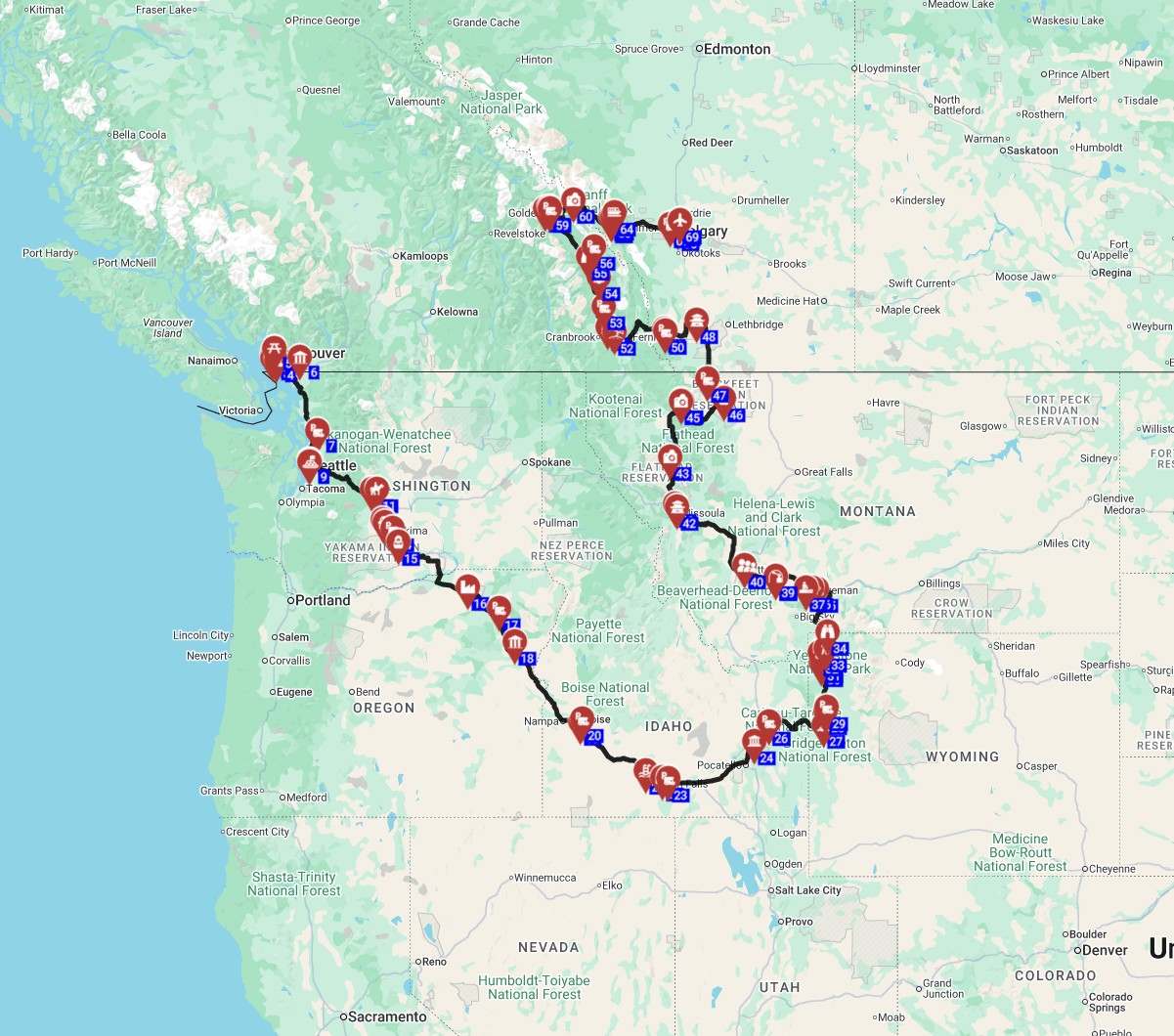
For a curated experience, consider the "Calgary to Vancouver - Grizzlies, Geysers & Gondolas: A Family RV Trip Across the Rockies" route from RV PLANET, which can be adapted for winter exploration, offering 4117.7 km of stunning scenery.
What to do with RV in winter?
RVing in winter near Vancouver requires careful preparation and awareness of specific vehicle needs. Prioritize vehicle readiness by ensuring your rental RV is properly winterized, manage propane levels diligently for heating, prevent water systems from freezing, and consistently monitor changing road conditions, particularly on British Columbia's mountain passes. On the routes offered through RV PLANET routes, you can itemize and track every expense along the way for easy budgeting.
- Ensure Winterized RV: Confirm your rental RV is explicitly equipped for winter travel. This includes features like heated tanks, insulated pipes, and an adequate furnace capacity. Always inquire about specific winter operation instructions from your rental company.
- Propane Management: Your RV's heating, cooking, and water heater rely on propane. Consumption increases significantly in colder weather, so monitor levels closely and carry an extra tank or plan for frequent refills.
- Water System Freezing Prevention: To prevent frozen pipes, use RV-specific antifreeze (non-toxic pink), and drain freshwater and holding tanks when not in use or when temperatures drop. Many experienced winter RVers opt for dry camping strategies, using bottled water and public facilities to avoid water system issues.
- Tire Requirements & Road Conditions: British Columbia highways, especially mountain passes, mandate M+S or snowflake symbol tires from October 1 to April 30. Always check DriveBC.ca for real-time road closures, chain-up requirements, and weather advisories before and during your journey.
- Emergency Preparedness: Carry a comprehensive emergency kit, including extra blankets, warm clothing, non-perishable food, water, a shovel, traction aids (sand or cat litter), a first-aid kit, and an external power bank. Be mindful of wildlife on quieter winter roads and know your rental company's breakdown procedures.
- Budgeting Considerations: Factor in potentially higher fuel consumption due to cold weather, varied winter campsite rates (provincial parks might be cheaper but offer fewer amenities, while private parks may charge more for full winter hookups), BC Ferries costs (charged by vehicle length), and any winterization fees or surcharges from rental companies.
- RV Renter Advice: Thoroughly inspect the RV at pickup, understand your insurance coverage (especially for winter incidents), clarify specific rental company policies for winter operation (e.g., furnace use, draining lines), and follow proper pickup/return procedures for winter conditions.
- Navigating BC Ferries with an RV: Book RV space well in advance, especially for popular routes to Vancouver Island. Arrive early for your sailing and be aware of the cost implications, as RVs are charged based on total length.
- Ventilation: Combat condensation by slightly opening roof vents, running exhaust fans, and using a dehumidifier if available to prevent mold and mildew in the enclosed RV space.
Can you park RV in Vancouver?
Parking an RV in Vancouver city limits can be challenging due to size restrictions and local bylaws, making designated RV parks outside the immediate downtown core the most practical options for both day parking and safe overnight stays. Vancouver generally prohibits sleeping in vehicles on city streets, so official campgrounds or private RV parks are the recommended choices for overnight accommodations.
- Street Parking: Generally difficult for larger RVs in Vancouver's denser urban areas. Many streets have length restrictions, time limits, or are residential permit zones where overnight parking for oversized vehicles is prohibited.
- Designated RV Parks: Several well-equipped RV parks are located just outside Vancouver's core, offering full hookups and amenities. Popular options include Burnaby Cariboo RV Park, Capilano River RV Park (North Vancouver), and Peace Arch RV Park (south of the city, near the US border). These provide secure and legal overnight stays.
- Commercial Parking Lots: While less common and regulated in urban Vancouver, some larger retail centers (e.g., certain suburban Walmart or Costco locations) may permit overnight parking. Always seek explicit permission from store management before attempting to park overnight.
- Day Parking: For daytime exploration, look for larger public parking lots, such as those near Stanley Park, Science World, or major shopping centers. However, always be mindful of height, length, and time restrictions. Utilizing public transit from a suburban RV park into downtown is often the most convenient way to explore the city without RV parking concerns.
- Ferry Terminals: BC Ferries terminals (Tsawwassen and Horseshoe Bay) offer ample parking suitable for RVs while waiting for a sailing, but they are not intended for extended overnight stays.
What You Shouldn't Miss
- Sea-to-Sky Highway Drive: Even in winter, this route offers spectacular views of Howe Sound and coastal mountains. Consider a stop at Shannon Falls, one of BC's highest waterfalls, which remains a dramatic sight in cooler weather.
- Whistler Village: Experience the charming alpine atmosphere, explore the shops and restaurants, and enjoy winter activities beyond skiing, like snowshoeing or enjoying the cultural sites.
- Harrison Hot Springs: A perfect winter escape for relaxation. The naturally heated mineral springs offer a warm contrast to the crisp air, and the surrounding lake provides scenic winter views.
- Granville Island Market: A year-round destination, this market is a fantastic place to warm up, sample local foods, and find unique crafts, especially appealing on a rainy Vancouver day.
- Gastown Exploration: Wander through Vancouver's historic heart, admire the Victorian architecture, and enjoy a fine dining experience or browse the unique boutiques.
- Stanley Park Winter Walk: Despite the season, a drive or walk through Stanley Park offers serene forest trails and stunning views of the city and mountains, often with a dusting of snow on the higher elevations.
Final Thoughts
Renting an RV for a winter trip to Vancouver and its surrounding areas offers a uniquely flexible and immersive way to experience the Pacific Northwest's natural beauty and vibrant city life. By planning carefully, choosing the right vehicle, and staying informed about road conditions, you can have an unforgettable adventure.
Remember to leverage tools like RV PLANET (rvplan.net) for finding campsites and planning your routes, and always prioritize safety and preparedness, especially when traveling in winter. Bandana Caravan is here to support you throughout the booking process, ensuring you find the perfect RV for your journey.
Find Motorhome Rentals in VancouverFor ideas you can prep on the road, watch our RV-friendly recipes playlist on YouTube.