In This Guide
- Best Turkey RV Itinerary for pet friendly rv rental - Overview
- 7-Day Classic Route in Turkey
- 14-Day Extended Journey in Turkey
- Recommended RVPlan Trip for Turkey
- Must-See Stops Along the Way (Avi Bandana Picks)
- Daily Driving Distances & Drive Times in Turkey
- Best RV Class for This Itinerary - Couple & Family Picks
- How much does it cost to rent an RV in Turkey?
- What are the pet regulations for RV travel in Turkey?
- Where can I find pet friendly campgrounds in Turkey?
- Is it safe to travel in an RV with pets in Turkey?
- What documents do I need to travel with my pet to Turkey?
- Can I wild camp or boondock with my RV and pet in Turkey?
- What are the best routes for pet friendly RV travel in Turkey?
- How do I find water and dispose of waste with an RV in Turkey?
- What are the internet and mobile data options for RVers in Turkey?
- What's the weather like for RV travel in Turkey and when is the best time to go?
- How can I deal with language barriers when RVing in Turkey?
- Where can I get roadside assistance or find an RV mechanic in Turkey?
- How do I find propane or LPG for my RV in Turkey?
- What are the best ways to find pet friendly food and supplies in Turkey?
Best Turkey RV Itinerary for pet friendly rv rental - Overview
A pet-friendly RV trip in Turkey offers an incredible blend of diverse landscapes, rich history, and vibrant cultural experiences, all while enjoying the comfort of your rented motorhome with your beloved companion. For live availability and current prices, start with our RV Rental Turkey - Complete Guide 2026 guide. The recommended duration for a fulfilling pet-friendly journey is a minimum of 7 days, though an extended trip of 14 days or more allows for a truly comprehensive exploration of this magnificent country. A 7-day classic route typically covers approximately 700-800 km, balancing driving with ample time for exploration and relaxation with your pet. The best seasons for RV travel with pets are spring (April-May) and autumn (September-October), as these periods offer mild temperatures between 15-25°C and fewer crowds, avoiding the intense heat of summer and potential winter challenges.
7-Day Classic Route in Turkey
Embarking on a 7-day pet-friendly RV adventure in Turkey offers a fantastic introduction to its wonders, providing manageable daily distances for both you and your furry friend. On Day 1, pick up your rental RV in Istanbul and drive approximately 150 km to Bursa, where you can explore the Grand Mosque and Koza Han, then settle into a pet-friendly campground near Uludağ National Park. Day 2 takes you about 80 km to Iznik to discover Iznik Lake, historic walls, and the ancient Hagia Sophia, with parking available in designated areas near the lake. On Day 3, travel approximately 140 km to Eskişehir, a modern city featuring the charming Odunpazarı houses and the Porsuk River boat trip, with city RV parking or nearby campsites ready to welcome you. Day 4 involves a longer drive of approximately 350 km south to Pamukkale, famous for its travertine terraces and the ancient city of Hierapolis, though remember to check pet restrictions at specific ruins; plan to stay at a campground offering thermal pools. The scenic coastal drive on Day 5 leads you about 200 km to Fethiye, where you can explore the Ölüdeniz lagoon (note potential pet restrictions on main beaches) and enjoy boat trips, parking at a beachfront RV camp. Day 6 continues the coastal journey for about 200 km to Antalya, inviting you to discover Kaleiçi (Old Town) and Hadrian's Gate; find a pet-friendly RV park just outside the bustling city center. Conclude your week on Day 7 with a relaxing 150 km drive to Isparta or the Burdur Lakes region, ideal for nature walks with your pets, before preparing for your return to a major city like Antalya for drop-off or continuing your incredible journey.
14-Day Extended Journey in Turkey
An extended 14-day RV adventure in Turkey allows for deeper cultural immersion and exploration of diverse landscapes with your pets, providing a more relaxed pace for unforgettable memories. Days 1-3 kick off your journey in the Istanbul and Marmara Region, following the initial leg of the 7-day route to Bursa and Iznik, focusing on cultural immersion and discovering initial pet-friendly sites with daily distances averaging 80-150 km. Days 4-6 lead you through Central Anatolia and its thermal springs, traveling to Eskişehir, then to Afyonkarahisar, renowned for its therapeutic thermal springs and historic castle; here, explore pet-friendly natural parks and savor local cuisine, with daily drives around 120-180 km. From Days 7-9, you'll reach the Aegean Coast and its ancient wonders, visiting Pamukkale's white terraces before heading towards Selçuk to explore the ancient city of Ephesus (always verify pet access for specific ruins), and enjoying picturesque Aegean coastal towns, with distances typically ranging from 100-200 km. Days 10-12 present the Mediterranean Charm, driving along the stunning Lycian Way coastline to Fethiye, the charming town of Kaş, and finally Antalya, where you can explore beaches, enjoy invigorating hikes, and discover more ancient ruins, expecting daily drives of 100-150 km. Conclude your journey on Days 13-14 by exploring the serene lakes district near Burdur and Isparta, offering beautiful natural landscapes perfect for pet walks, or begin your relaxed return journey towards your designated drop-off point with perhaps a final delightful coastal stop. This longer trip allows you to travel slowly, max 100-150 km per day on average, truly taking time to feel the place, connect to the culture, the food, and the scenery.
Recommended RVPlan Trip for Turkey
While a specific RVPlan trip dedicated solely to Turkey is being continuously developed by our experts, Bandana RV strongly recommends exploring the diverse range of curated RVPLAN trips available on our platform, rvplan.net. These ready-made itineraries, meticulously designed by travel professionals, come with full access to intuitive trip-planning software, significantly reducing the hassle of organizing your adventure. What's more, when you utilize RVPLAN to plan your journey, you can enjoy a 25% planning discount on your RV rental. Users can customize these plans to perfectly suit their preferences, including easily incorporating pet-friendly stops and activities along the way. Think of the time and stress saved, allowing you to focus on the joy of discovery!
Must-See Stops Along the Way (Avi Bandana Picks)
Turkey is a treasure trove of experiences, and with a rented motorhome, you and your pet have the flexibility to explore its hidden gems. Looking for expert insights from Avi Bandana? Top 5 Adventures - recommendations from Avi Bandana.
- Local Markets (Geleneksel Pazar): Avi Bandana highly recommends visiting the vibrant local markets in towns like Bursa, Iznik, and Antalya. These are not just places to shop, but immersive cultural experiences where you can find fresh produce, local delicacies, and interact with welcoming locals. It's also a great way to source fresh ingredients for your RV-friendly recipes playlist.
- Thermal Spas (Termal Kaplıcalar): Regions like Afyonkarahisar and Pamukkale are famous for their thermal springs. While pets might not be allowed inside the main spa facilities, many areas offer pet-friendly outdoor spaces or nearby parks where you can relax with your companion while enjoying the ambiance.
- Coastal Villages (Sahil Köyleri): Seek out the smaller, less-frequented coastal villages along the Aegean and Mediterranean, such as Kaş or Datça. These charming spots often have more relaxed pet regulations on quieter beaches and provide authentic dining experiences away from the major tourist crowds.
- National Parks & Nature Reserves: Turkey boasts numerous breathtaking national parks. Always check specific pet regulations before entering, but many offer extensive, well-maintained trails suitable for leashed dogs, such as Uludağ National Park near Bursa or the serene lakes region near Isparta.
- Ancient Cities: While access to the immediate historical sites may be restricted for pets, many ancient cities like Ephesus are surrounded by sprawling grounds and scenic pathways where you can walk your leashed pet, still soaking in the millennia of history from a respectful distance.
Daily Driving Distances & Drive Times in Turkey
Travel slowly, max 100-150 km per day on average, is Avi Bandana's key recommendation when RVing in Turkey. This pace allows for leisurely travel, spontaneous stops, and proper rest for both travelers and their pets, maximizing the enjoyment of the journey. Traveling slowly truly helps you take time to feel the place, connect to the culture, the food, and the scenery. Turkey's diverse landscapes, from winding coastal roads to historical sites and bustling city outskirts, are best experienced without rushing.
- Example 1: Istanbul to Bursa (approx. 150 km): This drive typically takes around 2.5-3 hours, allowing plenty of time for ferry crossings (if chosen) and settling into a welcoming campground.
- Example 2: Pamukkale to Fethiye (approx. 200 km): Expect this scenic route to take about 3-4 hours of driving, depending on traffic, road conditions, and how often you pause for stunning photo opportunities or a stretch break with your pet.
- Example 3: Antalya to Isparta (approx. 130 km): This journey inland usually takes a relaxed 2-2.5 hours, providing a comfortable pace to reach the tranquil lake district and its natural beauty.
Remember that road conditions can vary, especially in rural areas, so always factor in extra time and enjoy the journey rather than focusing solely on the destination.
Best RV Class for This Itinerary - Couple & Family Picks
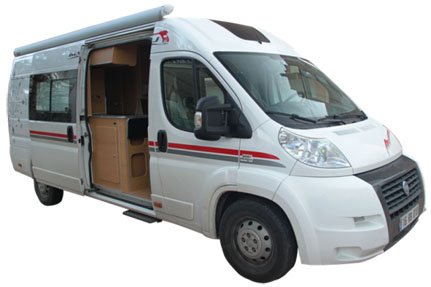
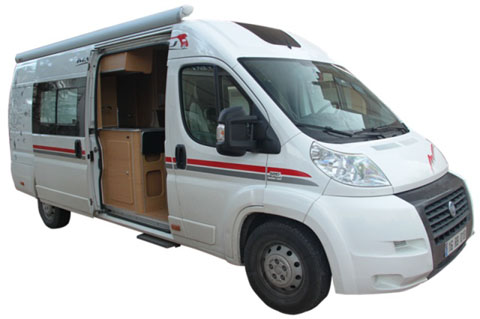
Choosing the right rented motorhome size is crucial for a comfortable and enjoyable pet-friendly RV trip in Turkey. For a couple traveling with a pet, a Class B - Camper Van is often the ideal choice. These nimble vehicles, like the "Active Pop Top" with a length of 5.99 meters and capacity for 4 sleeping places (comfortably 2 adults and a pet), offer excellent maneuverability for navigating smaller towns, ancient sites, and scenic coastal roads. Bandana's Camper Vans typically boast a fuel consumption of around 8-10 Liters/100 Km, making them economical and easy to park, perfect for a cozy, pet-friendly adventure with their moderate load capacity.
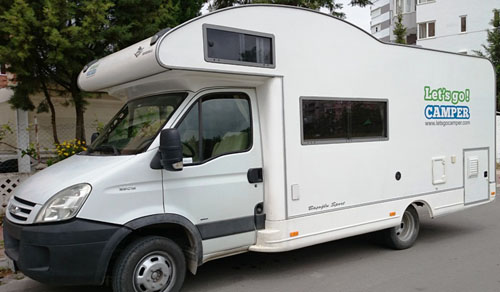
For a family (or a larger group) traveling with pets, the Class C - Alcove motorhome provides significantly more space and comfort. Vehicles such as the "Euro Deluxe," averaging 7.5 meters in length and offering 5.8 sleeping places (comfortably 4-5 adults and pets), ensure everyone has ample room to relax and spread out. Bandana's Alcove RVs typically offer a load capacity of approximately 42.4 kg and a common fuel consumption of 10-12 Liters/100 km, making them a robust and reliable choice for extended family trips. Regardless of your choice, when you rent a motorhome with Bandana, you can also opt for our 'Rent&Plan' service, which combines your RV rental with a ready-made itinerary crafted by travel experts, providing full access to trip-planning software and removing the headache of organizing every detail of your pet-friendly Turkish adventure. Our experienced team of true RV specialists is here to help you find the perfect mobile home for your journey, ensuring you have all the amenities you need for a comfortable trip.
How much does it cost to rent an RV in Turkey?
The cost to rent an RV in Turkey varies significantly based on factors like RV class, rental duration, season, and additional features, but expect daily rates for a standard model to range from €70 to €150. These prices are dynamic, much like flight tickets, changing daily based on availability, seasonality, and supplier marketing decisions; the final price is always set at the actual booking time. When planning your budget for a pet friendly rv rental in Turkey, several key components beyond the rental fee need to be considered. On the routes offered through RV PLANET routes, you can itemize and track every expense along the way for easy budgeting.
- Rental Fees: A Class B Camper Van will typically be on the lower end of the spectrum (e.g., from €70/day in low season), while larger Class C Alcove or Semi-integrated models will command higher rates (e.g., up to €150/day in peak season).
- Fuel: Fuel costs are a major expense. Bandana's global fleet averages around 10-12 Liters/100 km for most RVs, and current diesel prices in Turkey are approximately 40-45 TL per liter (as of 2026).
- Camping Fees: Pet-friendly campgrounds in Turkey typically charge €15-€30 per night, depending on the amenities offered and the campground's location.
- Tolls & Permits: Turkey utilizes electronic toll roads through the HGS/OGS system. Rental motorhomes often come with a transponder, with costs added to your final bill. Additionally, some national parks or specific protected areas might require entry permits.
- Food & Supplies: Budget for groceries purchased from local markets and supermarkets, which can be very affordable, and remember to include specific pet food or supplies in your budget. For tracking every expense along your trip, RV PLANET routes allow you to itemize and track everything easily.
- Insurance: Comprehensive insurance is highly recommended for peace of mind and is often included in your rental package or available as an optional add-on. You can also upgrade to a top-level deductible for extra peace of mind.
For more detailed budgeting insights, you might find our "RV Rental in Turkey - Prices and Best Deals 2026" guide helpful, or check out "Cheap RV Rental in Turkey - Budget Guide 2026" for money-saving tips.
What are the pet regulations for RV travel in Turkey?
Pet regulations for RV travel in Turkey generally require pets to be leashed in public areas, with specific rules varying by municipality, campsite, and individual attraction. It's important to be prepared and respectful of local customs. Always keep your pet on a leash in public spaces, including parks, historical sites (where permitted), and within campgrounds. Proper waste disposal is mandatory; always carry waste bags and dispose of pet waste properly in designated bins. While many outdoor areas are welcoming, some beaches, specific national park trails, and the interior spaces of attractions or restaurants may prohibit pets, so it is always best to inquire beforehand. During warmer months, never leave pets unattended in a rented RV, especially without proper ventilation or air conditioning, due to extreme heat risks. Finally, for their safety and yours, pets should be secured safely within the motorhome while driving, ideally in a crate or with a safety harness.
Where can I find pet friendly campgrounds in Turkey?
Finding pet-friendly campgrounds in Turkey is relatively straightforward, as many campsites across the country welcome well-behaved pets, particularly those focused on nature and outdoor activities. Online resources are your best friend here; websites like Camping.info, Pitchup.com, and various local Turkish camping directories often list pet-friendly options, complete with reviews and amenities. Coastal regions, such as the popular Aegean and Mediterranean areas around Fethiye, Kaş, and Antalya, boast numerous private campgrounds and RV parks specifically catering to travelers with pets. Campsites near national parks, like those around Uludağ or Yedigöller, or by serene lakes such as Lake Eğirdir and Lake Salda, are often excellent choices for pet owners due to the extensive walking opportunities they provide. Additionally, some rural guesthouses or farm stays offer basic RV parking and are typically very welcoming to pets, often for a small fee, providing a unique cultural experience. For finding campsites and campgrounds during your trip, we recommend using RV PLANET (rvplan.net) - a great resource for locating available spots along your route. Remember, many national and state parks reserve only 25-30% of their spots, with the rest being first-come-first-serve, so you'll find a spot. If not at the first campground, then the next one; always call ahead before driving.
Is it safe to travel in an RV with pets in Turkey?
Traveling in an RV with pets in Turkey is generally safe, provided you take standard precautions for both personal and pet safety, and stay informed about local conditions. Turkey is a popular tourist destination, and RV travel is common and well-supported. It's always wise to exercise standard vigilance for your belongings and secure your rented RV, especially in urban areas or when parked overnight. Stay updated on any travel advisories from your home country's government, though most popular tourist regions in Turkey are considered safe. For crime prevention, always lock all doors and windows, especially at night or when leaving the RV unattended, and avoid displaying valuables openly. Utilizing secure campgrounds for overnight stays is highly recommended. In case of any emergency, the general emergency number in Turkey is 112 for all services (police, ambulance, fire); it's also wise to have a local SIM card for easy communication. Regarding your pet's health, ensure all their vaccinations are up-to-date and research local veterinary clinics along your planned route for peace of mind in case of any emergencies. Finally, be aware of local wildlife, especially in rural or mountainous areas, and always keep pets leashed to prevent unexpected encounters.
What documents do I need to travel with my pet to Turkey?
To travel with your pet to Turkey, you will primarily need an up-to-date pet passport or health certificate, proof of rabies vaccination, and microchip identification, all processed through an official veterinarian in your home country. Your pet must be microchipped with an ISO-compliant microchip for identification purposes. A valid rabies vaccination, administered after the microchipping, is mandatory, and the pet must be at least 12 weeks old at the time of vaccination. Depending on your country of origin, a rabies titre test (blood test) might be required, showing sufficient antibody levels; this test typically must be performed at least 30 days after vaccination and at least three months before entry to Turkey. An official health certificate, issued by a licensed veterinarian within 10 days of travel, confirming your pet is healthy and free of contagious diseases, is also essential. For EU citizens, an EU Pet Passport often fulfills many of these requirements. Ensure the health certificate is endorsed by a government-authorized veterinarian in your departure country. Keep all these documents readily accessible for inspection at border crossings. For your rented motorhome, ensure your vehicle registration, international driving permits (recommended for visitors from non-English speaking countries but not mandatory in most cases), and vehicle insurance are also in order. A standard car driver's license is sufficient for ALL motorhome classes (Class A, Class B, and Class C), and there is no special license or additional permits required.
Can I wild camp or boondock with my RV and pet in Turkey?
Wild camping or boondocking with a rented RV and pet in Turkey is largely tolerated in many rural areas, especially away from major tourist zones, but local regulations can vary and discretion is always advised. While there are no strict official provisions for wild camping across all areas, making it a gray area, it is generally accepted in unpopulated, non-protected natural areas. Always practice 'Leave No Trace' principles: pack out all trash (including pet waste), do not disturb local flora or fauna, and be respectful of private property and local communities. Planning for proper waste disposal is crucial; do not dump grey or black water in undesignated areas. Utilize official RV service points at established campgrounds or larger petrol stations for this. For safety, choose well-lit or visible spots if possible, and avoid extremely isolated areas for security reasons; always inform someone of your location. When traveling with your pet, ensure they do not roam freely and potentially disturb wildlife or local livestock. Be mindful of potential stray animals or other dangers for your pet in unfenced areas. Remember, wild camping is generally prohibited within national parks, archaeological sites, or designated protected nature reserves, so plan accordingly.
What are the best routes for pet friendly RV travel in Turkey?
The best routes for pet-friendly RV travel in Turkey often combine coastal beauty with historical sites and natural landscapes, prioritizing areas with open spaces and access to pet amenities. The Aegean Coast, stretching from Izmir to Fethiye, offers a delightful mix of ancient ruins (always check pet access for specific sites like Ephesus), charming coastal towns, and numerous beaches, many of which are pet-friendly during off-peak hours. The Lycian Way, a stunning coastal route from Fethiye to Antalya, is renowned for its turquoise waters, dramatic cliffs, and abundant opportunities for hiking with pets on designated trails. While the landscape of Cappadocia is breathtaking, pet access within the open-air museums and some cave dwellings can be restricted; instead, focus on driving through the spectacular valleys and exploring pet-friendly viewpoints. The less touristy Black Sea Coast offers lush green mountains, charming villages, and cooler climates, making it ideal for pets during the warmer summer months, with vast natural areas perfect for walks. Finally, the Lakes Region around Isparta and Burdur provides serene lake views, opportunities for bird watching, and gentle hikes, offering a peaceful and enriching environment for both you and your pets. Drive slowly and carefully, and you can drive almost anywhere without issues. No need to stress - just use common sense and pay attention.
How do I find water and dispose of waste with an RV in Turkey?
Finding fresh water and responsibly disposing of waste in your rented RV in Turkey primarily involves utilizing designated service points at established campgrounds and larger petrol stations. Most official campgrounds throughout Turkey offer fresh water hookups for refilling your RV's tank. Many larger petrol stations, particularly those catering to trucks on major highways, may also have potable water available, though it's always wise to filter or boil water from unknown sources before consumption. The safest and most environmentally responsible method for disposing of greywater (from sinks and showers) and blackwater (from the toilet) is at designated dump stations found in nearly all established campgrounds. For chemical toilets, many petrol stations, especially on major highways, have specific facilities for disposal; look for clear signs or simply inquire with the staff. For general garbage disposal, public waste bins are widely available in towns and at rest stops. Always use sealed bags, especially for pet waste, and never leave any trash in nature, adhering to Leave No Trace principles to preserve Turkey's beautiful landscapes.
What are the internet and mobile data options for RVers in Turkey?
RV travelers in Turkey have excellent internet and mobile data options, primarily through local SIM cards from major providers, offering reliable coverage across most populated areas. Purchasing a local SIM card from one of Turkey's major mobile providers-Turkcell, Vodafone, or Türk Telekom-upon arrival is the most cost-effective and reliable option. These providers offer various data packages, often ranging from 20-50 GB, which are usually more than sufficient for typical RV travel needs like navigation, communication, and light browsing. Mobile data coverage is generally strong in urban centers, along major highways, and in popular tourist regions. However, remote mountainous or very rural areas may have weaker or intermittent signals. While many campgrounds, cafes, and restaurants offer free Wi-Fi, its quality and reliability can vary, so relying solely on public Wi-Fi is not recommended for consistent connectivity. If you have multiple devices or require consistent internet access, consider using a portable Wi-Fi hotspot device with a local SIM card. Some newer RV rentals might offer onboard Wi-Fi as an additional feature, but this often comes at an extra cost and still relies on local mobile networks for service.
What's the weather like for RV travel in Turkey and when is the best time to go?
Turkey's weather for RV travel varies significantly by region, with the best time to go generally being spring (April-May) and autumn (September-October) to enjoy mild temperatures and fewer crowds. Spring, from April to May, brings mild temperatures of 15-25°C, blooming landscapes, and pleasant conditions for outdoor activities, making it an ideal time for coastal and inland exploration with pets. Summer, from June to August, is typically hot, especially in inland and southern regions where temperatures can often soar to 30-40°C or even higher; coastal areas offer some relief with sea breezes but can still be very warm, requiring good air conditioning in your rented motorhome and careful planning to avoid midday heat for pets. Autumn, from September to October, offers a return to mild and comfortable temperatures (15-25°C), often sunny days, and beautiful fall colors in some regions, making it an excellent time for hiking and sightseeing with pets as the intense summer heat subsides. Winter, from November to March, is colder, with snow common in higher elevations (e.g., Eastern Anatolia and the mountains); coastal regions remain milder but can be rainy, so RV travel in winter is possible but requires a winterized RV and preparedness for colder weather challenges. Regional variations are significant: the Black Sea coast is generally cooler and wetter year-round; the Mediterranean coast experiences hot, dry summers and mild, rainy winters; Central Anatolia has continental extremes; and the Aegean coast is similar to the Mediterranean but slightly milder.
How can I deal with language barriers when RVing in Turkey?
Overcoming language barriers when RVing in Turkey is manageable through a combination of technology, a few basic Turkish phrases, and open communication with locals, who are generally very helpful and welcoming. Modern technology is your best ally; utilize offline translation apps like Google Translate or Microsoft Translator on your smartphone, which can translate text, speech, and even images (useful for reading menus or signs). Learning a few essential Turkish phrases will go a long way in showing respect and can often open doors; 'Merhaba' (Hello), 'Teşekkür ederim' (Thank you), 'Lütfen' (Please), 'Evet' (Yes), 'Hayır' (No), 'Tuvalet nerede?' (Where is the toilet?), and numbers are great starters. Don't underestimate the power of non-verbal communication; Turks are often expressive and responsive to body language and gestures. Patience is key, along with a friendly smile; locals typically appreciate any effort you make, even if your Turkish is minimal. Carrying a small notebook and pen to draw or write down things like addresses, prices, or requests can also be very effective. While English speakers are more prevalent in major tourist areas and cities, especially among younger generations and in hospitality roles, having these tools will enhance your overall experience in your rented RV.
Where can I get roadside assistance or find an RV mechanic in Turkey?
For roadside assistance or finding an RV mechanic in Turkey, your first point of contact should always be your RV rental company. Your rental agreement will include specific details for roadside assistance tailored to your rented vehicle, which is usually the quickest and most direct route for support. If your home country's automobile club (e.g., ADAC, AAA) has an international partnership, they can often provide assistance or refer you to local services. For minor issues that don't require specialized RV expertise, many towns have general auto mechanics (oto tamirci) who are skilled and resourceful and can often handle common engine or tire problems; asking locals for recommendations is a reliable method. Major cities like Istanbul, Ankara, Izmir, and Antalya will have more specialized service centers and larger repair shops, making them better destinations if you anticipate needing specific parts or more extensive repairs. In any emergency, dial 112 for police or other emergency services; they can help connect you with appropriate roadside assistance if you are stranded. Bandana's 24/7 support ensures real people are behind you before, during, and after your booking process to coordinate any necessary assistance.
How do I find propane or LPG for my RV in Turkey?
Finding propane (LPG) for your rented RV in Turkey is generally straightforward, as LPG is widely available at most petrol stations across the country, given its common use in Turkish vehicles. LPG (Liquid Petroleum Gas or Autogas) is a prevalent fuel source for cars in Turkey, meaning almost all petrol stations will have a dedicated pump for it; simply look for signs that say 'LPG' or 'Otogaz'. It's crucial to ensure your RV's LPG system is compatible with Turkish fittings. Adaptors are often required for European-style RVs, so it's advisable to carry a set of international LPG adaptors (e.g., Euro connector, ACME, Dish) or confirm compatibility with your rental provider beforehand. At most stations, an attendant will fill the LPG for you for safety reasons, so just pull up to the pump and inform them. LPG prices are generally lower than diesel or petrol, making it an economical option for cooking and heating in your RV. While rare, if you're venturing into very remote areas, it's wise to plan your route to ensure you pass through towns with petrol stations before your tank runs low.
What are the best ways to find pet friendly food and supplies in Turkey?
Finding pet-friendly food and supplies in Turkey is relatively easy in urban and semi-urban areas, with supermarkets and local pet stores stocking a wide range of options. Major supermarket chains such as Migros, CarrefourSA, and Şok are widespread across Turkey and typically carry a variety of commercial pet foods (both dry kibble and wet food) and basic pet supplies like treats and toys. For a wider selection, dedicated 'Pet Shops' are found in most towns and cities, offering premium foods, specialized treats, a broader array of toys, and specific pet care items that might be harder to find in general supermarkets. Local markets, known as 'Pazar,' while not for processed pet food, are excellent for sourcing fresh, safe ingredients if you prefer to prepare your pet's meals, such as plain chicken or certain vegetables (always research what's safe for your pet before feeding). Veterinary clinics ('Veteriner Klinikleri') also often sell high-quality, specialized, or prescription pet foods, which can be invaluable in emergencies or if your pet has specific dietary needs. Always carry ample fresh drinking water for your pet, especially in warmer months; while Turkish tap water is generally safe in cities, using bottled or filtered water for your pet is a good precaution. If your pet requires specific brands or highly specialized items, it's generally best to bring a sufficient supply from home, particularly for an extended trip, as availability can vary outside major centers.
What You Shouldn't Miss
- **Cappadocia's Fairy Chimneys with a View:** While many specific attractions in Cappadocia might have pet restrictions, exploring the valleys and viewpoints around Göreme and Ürgüp with your leashed pet is an unforgettable experience. Imagine waking up in your rented campervan to a sunrise hot air balloon spectacle, your pet by your side.
- **The Ancient City of Ephesus (Exterior Walks):** Although pets may not enter all ruins, the expansive grounds surrounding Ephesus allow for long, scenic walks. You and your dog can enjoy the historical atmosphere and marvel at the scale of this ancient metropolis from outside the immediate archaeological zones.
- **Coastal Drives on the D400 Highway:** The Mediterranean coast, particularly sections of the D400 near Fethiye and Kaş, offers breathtaking views, secluded coves, and many opportunities for impromptu stops at pet-friendly picnic spots or quieter beaches. This is perfect for a leisurely drive, exactly the slow travel Avi Bandana recommends.
- **Pamukkale's Travertine Terraces:** While climbing the white terraces with a pet might have restrictions, the surrounding parks and walking areas offer stunning views of Pamukkale and Hierapolis. You can still appreciate this natural wonder and its ancient history.
- **Strolling Through Antalya's Kaleiçi (Old Town):** Many parts of Antalya's charming old town, Kaleiçi, are very walkable and dog-friendly. You can explore narrow streets, admire historic Ottoman houses, and enjoy outdoor cafes with your pet.
🎬 Video coming soon
Final Thoughts
A pet-friendly RV adventure through Turkey promises a truly enriching experience, combining historical wonders with breathtaking natural beauty, all shared with your cherished companion. From the bustling markets of Istanbul to the serene lakes of Isparta and the stunning Mediterranean coast, your rented motorhome provides the freedom and flexibility to explore at your own pace. Remember to embrace the local culture, savor the delicious cuisine, and allow for those unexpected discoveries that make RV travel so special.
With careful planning regarding pet regulations, proper waste management, and sensible driving, you and your furry friend are set for an unforgettable journey. Our dedicated team at Bandana Caravan, with over two decades of RV travel expertise, is here to support you every step of the way, ensuring your booking process is seamless and transparent. We're true RV specialists, and we're passionate about helping you craft the perfect pet-friendly route plan.
So, why wait? Start imagining those sun-drenched drives and cozy evenings under Turkish stars. It’s time to pack your bags, leash up your best friend, and embark on the adventure of a lifetime! Discover top destinations, planning tips, all in one place!
Check Turkey RV Rental Prices Now and find your perfect pet friendly rv rental in Turkey!