In This Guide
- Best Scotland RV Itinerary for pet friendly rv rental — Overview
- 7-Day Classic Route in Scotland
- 14-Day Extended Journey in Scotland
- Recommended RVPlan Trip for Scotland
- Must-See Stops Along the Way (Avi Bandana Picks)
- Daily Driving Distances & Drive Times in Scotland
- Best RV Class for This Itinerary — Couple & Family Picks
- What are the best places to visit in Scotland with a dog?
- Is Scotland dog friendly?
- Is it OK to take a dog in an RV in Scotland?
- Can you wild camp anywhere in Scotland with an RV?
- How much does it cost to rent an RV in Scotland?
- What are the road rules for RVs in Scotland?
- What are the essential items to pack for an RV trip in Scotland?
- What is the best time of year to RV in Scotland?
- Are there any pet friendly activities or attractions in Scotland?
Best Scotland RV Itinerary for pet friendly rv rental — Overview
Embarking on a pet-friendly RV adventure in Scotland offers an unparalleled way to explore the country's dramatic landscapes and charming villages at your own pace. A typical itinerary spans at least 7 days, covering approximately 800-1,000 km (500-620 miles) of scenic routes, but for a truly immersive experience, we recommend allocating 10-14 days. This extended duration allows for a more relaxed pace, deeper exploration beyond the popular North Coast 500, and ample time for your furry companion to enjoy the numerous dog-friendly stops Scotland has to offer. The ideal seasons for RV travel with pets are late spring (May-June) and early autumn (September-October), which generally provide milder weather, fewer midges, and a more manageable number of tourists. This guide will provide you with curated itineraries, practical tips, and specific dog-welcoming recommendations to ensure a memorable journey for both you and your four-legged friend. For live availability and current prices, start with our RV Rental Scotland - Complete Guide 2026 guide.
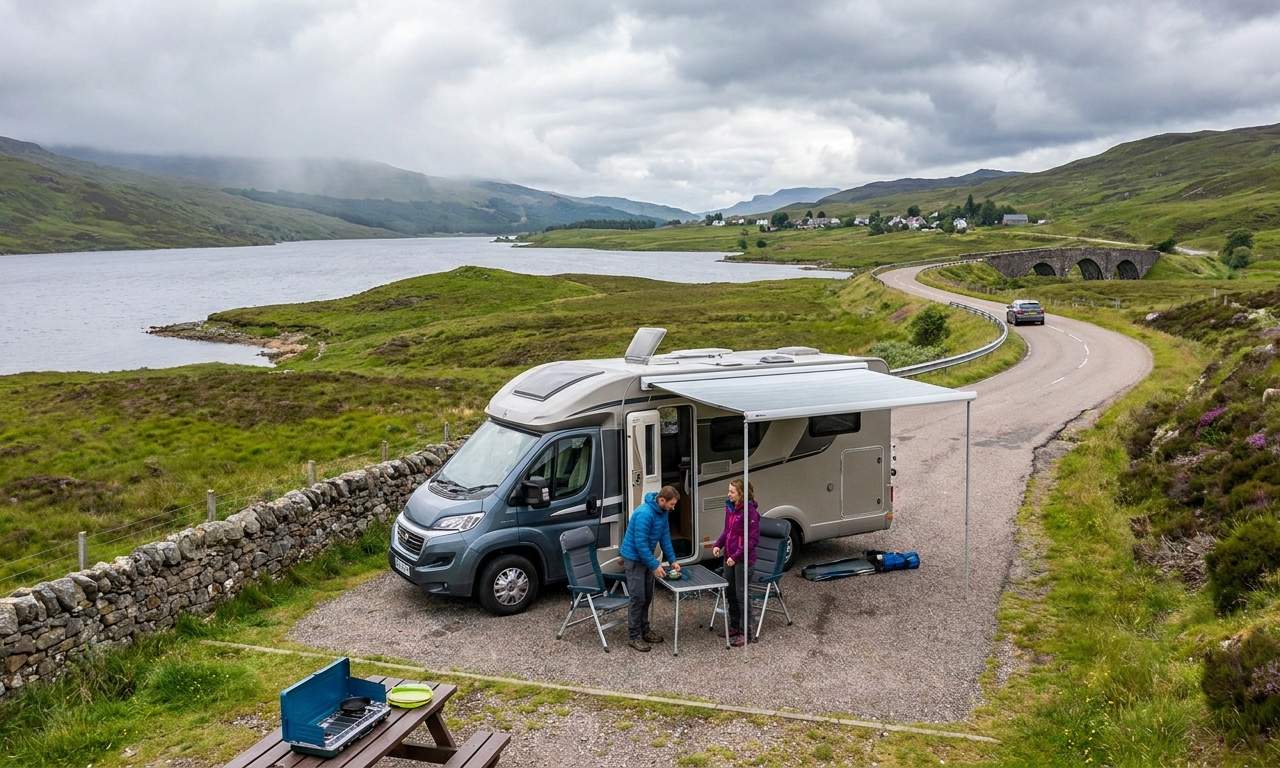
7-Day Classic Route in Scotland
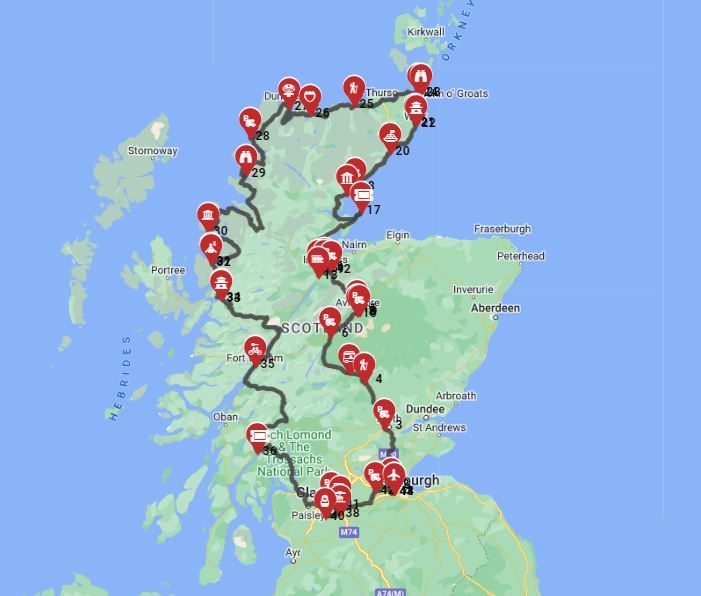
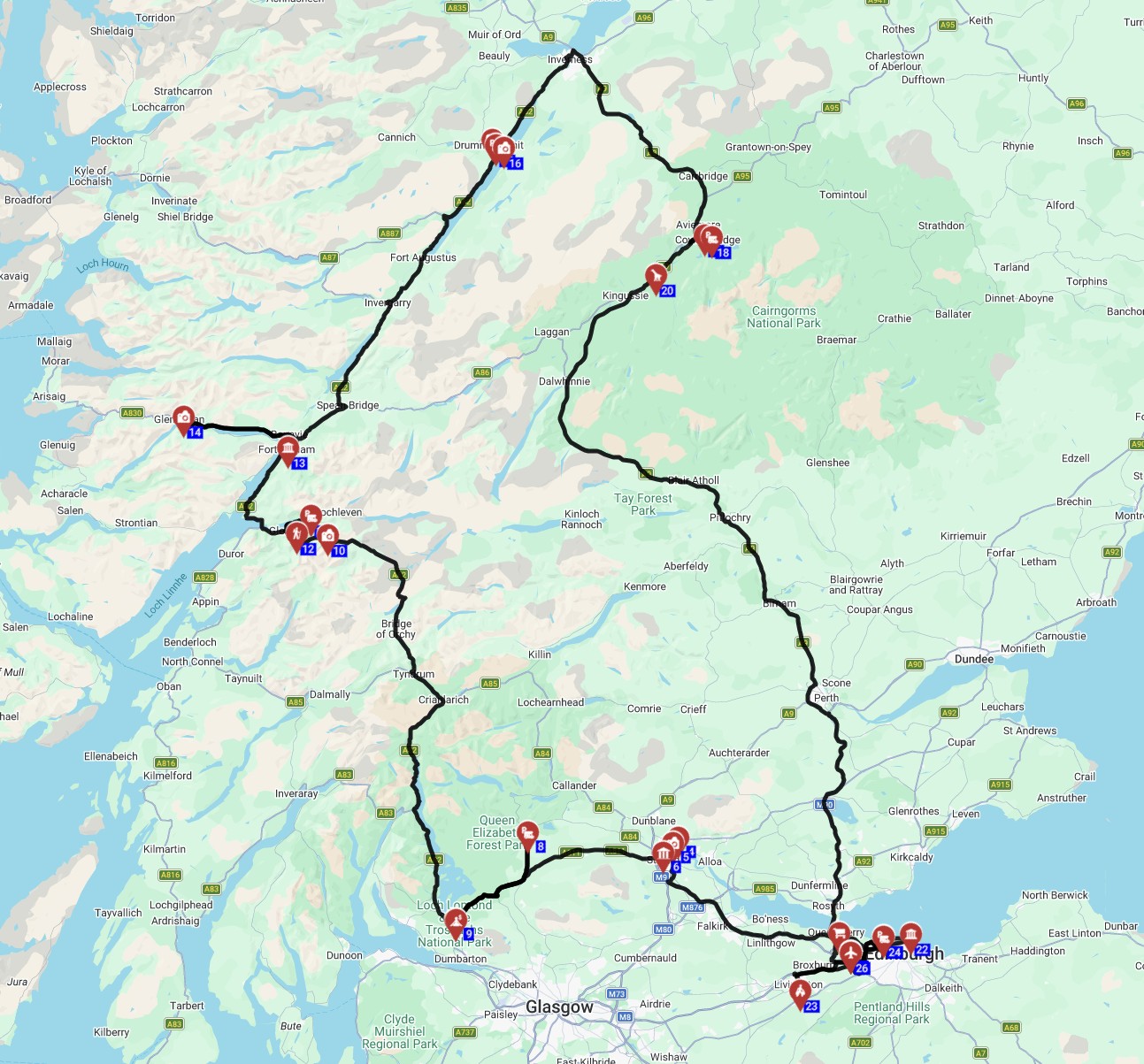
This 7-day itinerary is designed to showcase Scotland's iconic Highlands, ensuring manageable daily driving distances (averaging around 100-150 km or 60-90 miles) and abundant opportunities for pet-friendly stops and activities. This route offers a taste of Scotland's breathtaking beauty, from lochs and glens to the enchanting Isle of Skye.
Day 1: Edinburgh/Glasgow to Loch Lomond & The Trossachs National Park
Start your adventure from either Edinburgh or Glasgow and head towards the stunning Loch Lomond & The Trossachs National Park. Your destination for the day could be a charming village like Luss or Balloch. The distance is approximately 60-80 km (37-50 miles), allowing for a relaxed start. Enjoy dog-friendly walks along the tranquil loch shores and find a suitable spot for your first overnight stay, perhaps at Cashel Campsite, known for being pet-friendly, or a well-chosen wild camping location (always check local regulations).
Day 2: Loch Lomond to Glencoe & Fort William
From Loch Lomond, your journey continues north towards the majestic Glencoe valley and Fort William, covering about 100 km (62 miles). The Glencoe valley itself offers numerous viewpoints perfect for photo opportunities and short, dog-friendly walks. You can also visit the nearby Glenfinnan Viaduct, famous from the Harry Potter films. For your overnight stay, consider Glen Nevis Campsite, which welcomes pets, or another local campsite.
Day 3: Fort William to Isle of Skye (Portree area)
Today’s drive takes you to the mystical Isle of Skye, with a distance of approximately 150 km (93 miles). Cross to Skye via the bridge and explore its scenic roads, stopping at pet-friendly viewpoints. The main town, Portree, offers lovely dog-friendly walks around its picturesque harbour. Secure a spot at Portree Campsite or another designated RV park on the island.
Day 4: Exploring the Isle of Skye
Dedicate today to exploring the Isle of Skye's dramatic landscapes. Cover around 100-120 km (62-75 miles) on a loop. Iconic sights like the Old Man of Storr have lower paths that are dog-friendly, and the Quiraing offers stunning views. While the Fairy Pools can be visited, check accessibility for dogs due to terrain. Many of Skye’s beaches are also wonderfully dog-friendly.
Day 5: Isle of Skye to Loch Ness & Inverness
The route today is about 180 km (112 miles) to Inverness, traversing the famous Loch Ness. While the visitor centre at Urquhart Castle has restrictions, the castle grounds are generally dog-friendly, offering great views. Enjoy dog walks along the Caledonian Canal before finding a pet-friendly place to stay near Inverness, such as Bunchrew Caravan Park.
Day 6: Inverness to Cairngorms National Park
Journey into the heart of the Cairngorms National Park, a drive of roughly 80 km (50 miles). This vast area is perfect for dog walking and wildlife spotting. You could visit the Highland Wildlife Park (dogs are typically allowed in the car park, but there are good walks nearby) or simply explore the numerous forests. Glenmore Campsite is a pet-friendly option within the park.
Day 7: Cairngorms back to Edinburgh/Glasgow
The final leg of your journey involves a longer drive of approximately 200-250 km (124-155 miles) back to Edinburgh or Glasgow. Consider breaking this up with an overnight stop if you prefer a more leisurely return. Enjoy a final Scottish breakfast before your drive, perhaps with a stop in Pitlochry or Dunkeld for one last forest walk with your dog, before returning your RV. For ideas you can prep on the road, watch our RV-friendly recipes playlist on YouTube.
14-Day Extended Journey in Scotland
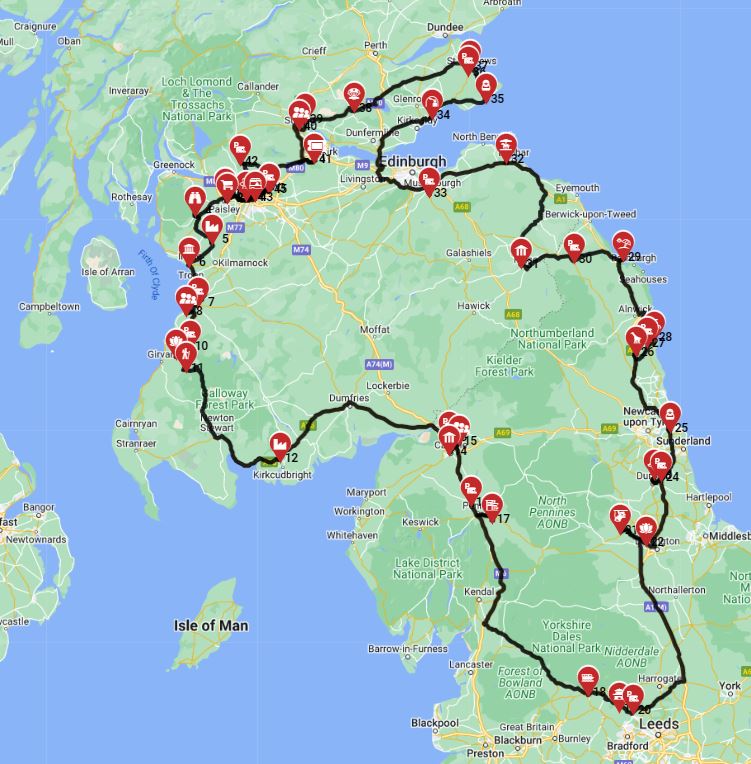
To truly immerse yourself in Scotland's diverse beauty, an extended 14-day itinerary offers the opportunity to venture beyond the classic Highland and Skye routes. This plan incorporates the rugged allure of the Outer Hebrides or the serene charm of the Scottish Borders, providing deeper cultural and natural immersion for you and your pet.
Days 1-7: Classic Highlands & Skye
Follow the 7-Day Classic Route as outlined above, ensuring a relaxed pace and plenty of time for dog-friendly activities.
Days 8-9: Exploring the Outer Hebrides (e.g., Isle of Lewis & Harris)
From the Isle of Skye (Uig), take a ferry to Tarbert (Harris) in the Outer Hebrides. This segment, including the ferry crossing and about 80 km (50 miles) of local driving, is perfect for exploring stunning beaches like Luskentyre and Seilebost, renowned for their white sands and turquoise waters – ideal for energetic dog walks. Visit the ancient Callanish Standing Stones on Lewis, where dogs are often permitted in the grounds. Overnight at Leverburgh or Stornoway campsite, or a designated wild camping spot.
Days 10-11: Northern Highlands & Caithness
Return to the mainland via ferry, perhaps to Ullapool, and then drive towards the dramatic northern coastline. This stretch covers around 100-120 km (62-75 miles). Explore historic sites like the Castle of Mey (grounds are dog-friendly) or enjoy invigorating coastal walks. This offers a taste of the NC500 without committing to the full loop. Overnight at Thurso Bay Caravan and Camping Park, which is pet-friendly, or a similar local site.
Days 12-13: Eastern Highlands & Whisky Trail
Drive south through the eastern Highlands, a journey of about 180-200 km (112-124 miles), which is best split over two days for a more leisurely experience. Explore different landscapes and consider visiting parts of the Malt Whisky Trail. Some distilleries, like Glenlivet, have dog-friendly outdoor paths or visitor centre areas where dogs are permitted in specific zones. Enjoy forest walks in Speyside. Fochabers Campervan Park is a pet-friendly option for your overnight stay.
Day 14: Speyside back to Edinburgh/Glasgow
Enjoy a final Scottish breakfast in Speyside before making your way south. This drive is approximately 200-250 km (124-155 miles). You might consider a stop in Perthshire for a final forest walk with your dog before returning your RV. For finding campsites and campgrounds during your trip, we recommend using RV PLANET (rvplan.net) — a great resource for locating available spots along your route.
Recommended RVPlan Trip for Scotland
While Bandana RV doesn't offer specific pre-made itineraries that can be booked directly, our "Rent & Plan" service, powered by our sister company RV PLANET, provides comprehensive tools to help you craft your perfect Scottish RV adventure. You can explore various route options, including those specifically suited for pet-friendly travel, and customize them based on your desired duration, must-see attractions, and essential pet needs. This ensures your rented RV is perfectly matched with an itinerary that caters to everyone, including your canine companion.
Must-See Stops Along the Way (Avi Bandana Picks)
Avi Bandana, our founder, emphasizes experiences that connect you with Scotland's natural beauty and local culture, especially those that are welcoming to pets. These suggestions aim to enhance your journey beyond just the scenic drives.
- Glenfinnan Viaduct (traditional_visit): Near Fort William, this iconic viaduct offers stunning views, and its surrounding walking paths are dog-friendly, making it ideal for memorable photos.
- Luss Village, Loch Lomond (traditional_visit): This conservation village on Loch Lomond is perfect for strolls along the water and offers dog-friendly pubs with outdoor seating for a taste of local life.
- Calanais Standing Stones, Isle of Lewis (traditional_visit): Experience the ancient atmosphere of these megaliths, where dogs are generally welcome in the extensive outdoor grounds.
- The Old Man of Storr, Isle of Skye (traditional_visit): While the summit may be challenging for dogs, the lower paths provide spectacular views and are accessible for adventurous pets.
- Waterfront Pubs/Cafés with Outdoor Seating (traditional_restaurant): In coastal towns like Oban or Portree, many establishments welcome well-behaved dogs in their outdoor areas, offering a chance to sample local seafood or shortbread.
- Scottish Borders Abbeys (e.g., Melrose, Jedburgh) (traditional_visit): Explore the impressive ruins and grounds of historic abbeys like Melrose and Jedburgh, where dogs on leads are typically welcome in the outdoor areas.
Daily Driving Distances & Drive Times in Scotland
When RVing in Scotland, especially with pets, Avi Bandana recommends a mindful approach to driving, limiting daily distances to an average of 100 miles (150 km). This allows you to truly savour the scenery, make spontaneous stops, and avoid rushing between destinations. Scotland's roads, particularly the single-track routes common in the Highlands and islands, are often narrow and winding, meaning average speeds are significantly lower than on motorways. Therefore, it's essential to factor in more generous travel time estimates for your journeys.
Example Drive Time Estimates:
- Edinburgh to Fort William: Approximately 210 km (130 miles) will take around 3.5 to 4 hours of driving time alone, not accounting for any stops.
- Inverness to Portree (Isle of Skye): This 185 km (115 miles) journey can easily require 3 to 3.5 hours due to varied road conditions and the many scenic viewpoints that invite you to pause.
- Fort William to Oban: Even a shorter 80 km (50 miles) drive can take about 1.5 hours, as the roads traverse picturesque but often slower, winding routes.
Best RV Class for This Itinerary — Couple & Family Picks
Choosing the right RV class is paramount for comfort and navigating Scotland's diverse road network, especially when traveling with pets. Bandana's "Rent & Plan" service can assist you in selecting the ideal vehicle that complements your chosen itinerary.
Couple Pick: Class B - Camper Van
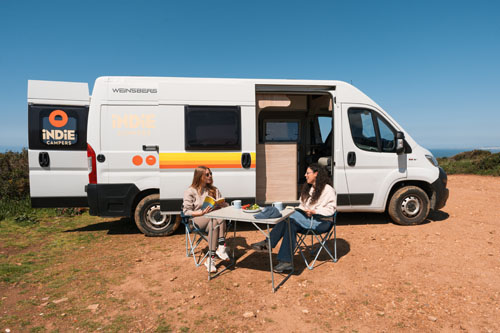
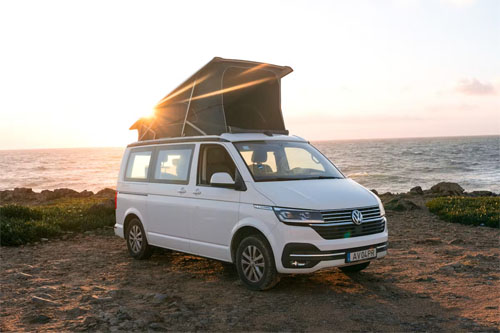
For couples, particularly those traveling with one pet, a Class B Camper Van offers exceptional maneuverability. Its compact size is perfect for navigating Scotland's often narrow and winding roads, making it ideal for exploring more remote areas and finding suitable informal parking spots. Our Class B Camper Vans typically measure around 5.8 meters in length, with comfortable sleeping arrangements for 2-3 people, making them well-suited for a couple and a medium-sized dog. Their fuel efficiency (averaging around 10 Liters/100 km) and ease of parking further enhance flexibility.
Family Pick: Class SI - Semi-integrated
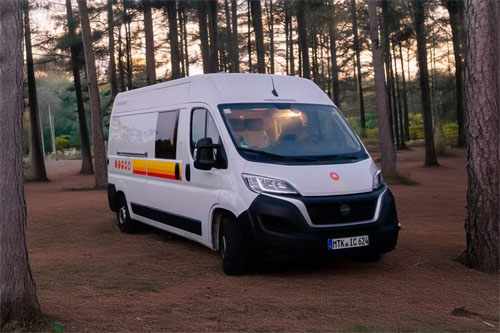
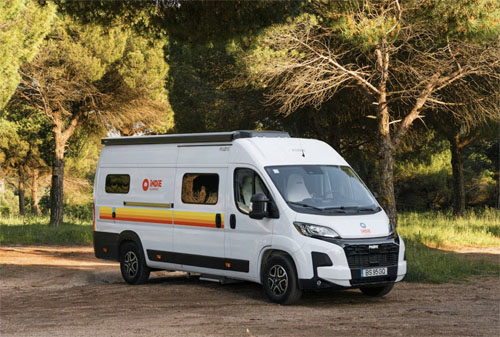
For families venturing out with pets, a Class SI Semi-integrated RV provides an excellent balance of spacious living, essential amenities, and manageable drivability for Scottish roads. These RVs from Bandana's global fleet average 6.9 meters in length, comfortably accommodating 3-4 people plus a pet, with ample sleeping places and living space. With a good load capacity, there's plenty of room for luggage, pet supplies, and outdoor gear, ensuring comfort throughout your journey. These vehicles offer a dedicated living space for all occupants, including pets, while still being practical for the varied Scottish terrain. By utilizing Bandana's "Rent & Plan" service, you can pair your chosen RV rental with a bespoke itinerary, expertly crafted by travel specialists, and gain full access to our trip-planning software to simplify your preparations.
What are the best places to visit in Scotland with a dog?
Scotland is a haven for dog owners, offering a wealth of dog-friendly attractions and natural spaces that go far beyond the well-trodden paths of the North Coast 500. From vast, sandy beaches to ancient historical sites with expansive grounds, there are diverse experiences to be had with your canine companion.
- Dog-Friendly Beaches: Many of Scotland's stunning beaches welcome dogs year-round. Consider the Isle of Harris (Luskentyre Beach), Fife (St Andrews West Sands), and the Moray Firth coastline (Lossiemouth East Beach) for miles of open space for your dog to explore and play.
- Walking Trails: National Parks like Loch Lomond & The Trossachs and the Cairngorms are crisscrossed with well-maintained walking trails suitable for dogs on leads. Options range from gentle forest ambles to more challenging hill hikes.
- Historic Sites: While interior access is often limited, many Scottish castles and historic sites, including the ruins of Melrose Abbey, the grounds of Urquhart Castle (check specifics), and the Callanish Standing Stones on Lewis, are welcoming to dogs in their outdoor areas.
- Loch Cruises: Several boat tour operators on iconic lochs like Loch Ness or the more serene Loch Katrine offer dog-friendly options, allowing your pet to join you for scenic cruises and soak in the views.
- Traditional Pubs: You'll find a welcoming atmosphere for well-behaved dogs in a significant number of traditional Scottish pubs, especially in rural areas and smaller towns. Many provide water bowls and cozy spots by the fire, offering a true taste of local hospitality.
Is Scotland dog friendly?
Scotland is widely celebrated as a very dog-friendly destination, largely thanks to its 'right to roam' legislation and a culture that readily welcomes pets in numerous public spaces and businesses. The Scottish Outdoor Access Code promotes responsible access to most land and inland water, meaning dogs are generally permitted on walks and trails, provided they are kept under control, particularly around livestock and wildlife. This open approach makes exploring Scotland with your dog a joy.
Many accommodation providers, including campsites, hotels, and B&Bs, along with countless pubs, cafes (especially those with outdoor seating), and even shops, explicitly welcome dogs. However, it's wise to be aware of specific rules in certain areas. National Nature Reserves, private estates, and the immediate grounds of sensitive historical sites may have restrictions, requiring dogs to be on a lead or limiting access to particular zones. Policies for public transport can vary; while some ferry services and rural buses may allow dogs, they are often restricted on city buses and trains unless they are in a carrier or are registered assistance dogs.
Is it OK to take a dog in an RV in Scotland?
Taking your dog along in a rented RV in Scotland is generally very acceptable and a common practice among travelers. However, it's crucial to clarify specific policies with your chosen rental company and be aware of any associated additional fees beforehand.
Most RV rental companies in Scotland are pet-friendly. They typically charge an additional cleaning fee, usually ranging from £50 to £150, to cover the extra cleaning required after pet travel, which is a standard practice to maintain vehicle standards. It is essential to confirm the rental company's specific rules regarding pets, which might include limitations on pet size, breed, or a requirement for the pet to be crated when unsupervised. Ensuring your dog is comfortable with travel, safely restrained within the RV while in motion (using a harness and seatbelt), and has adequate space and ventilation is paramount for their well-being.
Can you wild camp anywhere in Scotland with an RV?
While Scotland's 'right to roam' legislation is generous for individuals seeking access to the outdoors, it importantly does not extend to motor vehicles. This means that traditional 'wild camping' with an RV is restricted and requires a careful understanding of local rules and responsible practices to be enjoyed.
The Scottish Outdoor Access Code specifically clarifies that the 'right to roam' for vehicles, including motorhomes and campervans, is limited to public roads and designated areas, and does not grant universal permission for overnight stays on 'wild' land. Responsible parking and overnight stays in an RV, often termed 'informal' camping or 'stopovers,' might be tolerated in some remote areas if conducted discreetly, without causing nuisance, and by strictly adhering to the 'leave no trace' principle. It is illegal to park overnight in many popular tourist spots, specific beauty locations, or in car parks that have overnight parking restrictions, which are usually indicated by signage. To find suitable and responsible spots, consider using apps like Park4Night or consulting local advice. Always prioritize parking discreetly, away from residential properties, private land (without explicit permission), and environmentally sensitive sites, ensuring all waste is carried out and greywater is disposed of at designated points.
How much does it cost to rent an RV in Scotland?
The cost of renting an RV in Scotland typically ranges from £80 to £250 per night. These prices can fluctuate significantly based on several key factors: the class of RV, the rental season, the duration of your rental, and the specific amenities included. Booking well in advance, especially for peak travel times, can often secure better rates and guarantee the availability of your preferred RV model.
- Seasonality: Peak season, typically from June to August, commands the highest prices. Shoulder seasons (April-May and September-October) generally offer better value, while off-peak rates (November-March) are the lowest but come with colder weather and shorter daylight hours, which might be less ideal for extensive sightseeing or pet activities.
- RV Class: Smaller campervans (often classified as Class B) are usually the most affordable option, whereas larger, more luxurious motorhomes (such as Class C or A) will naturally fall at the higher end of the price spectrum.
- Rental Duration: Longer rental periods often benefit from a lower per-night rate. A 7-day rental will typically have a higher daily cost compared to a 14-day rental, so consider extending your trip for better value.
- Additional Costs: Remember to factor in extra expenses beyond the rental fee itself. These can include pet fees (usually £50-£150), insurance (an additional £10-£30 per day), potential mileage limits, fuel costs, campsite fees (which can range from £20-£40 per night), and any ferry costs if you plan island hopping.
For help budgeting and tracking all these ancillary trip costs, remember that on the RV PLANET routes, travelers can itemize and track every expense along the way for easy budgeting. On the routes offered through RV PLANET routes, you can itemize and track every expense along the way for easy budgeting.
What are the road rules for RVs in Scotland?
Driving an RV in Scotland requires adherence to the standard UK road rules, most notably driving on the left-hand side of the road. However, it also demands specific awareness of local road conditions and regulations pertinent to larger vehicles and Scotland's often remote and rural infrastructure.
- Driving on the Left: All vehicles drive on the left, with overtaking typically done on the right.
- Speed Limits: Standard speed limits apply: 30 mph (48 km/h) in built-up areas, 60 mph (96 km/h) on single carriageways, and 70 mph (112 km/h) on dual carriageways and motorways for vehicles under 3.5 tonnes. For RVs exceeding 3.5 tonnes, limits are often lower, so always pay attention to signage.
- Single-Track Roads: These are common in the Highlands and islands and feature designated 'passing places.' It is crucial to use these to allow oncoming traffic or faster vehicles to pass; always pull into a passing place on your left or stop opposite one on your right.
- Driving Licence Requirements: For most standard RVs up to 3,500 kg, a regular Category B car license is sufficient. However, for larger RVs between 3,500 kg and 7,500 kg, a Category C1 license might be required, depending on when your driving test was passed. Always check with your rental provider.
- Parking: Parking in towns and cities can be challenging for larger RVs. Utilize designated RV parking areas where available, or opt for formal campsites. Overnight parking restrictions are common in many tourist areas.
- Animals on Roads: Be vigilant for sheep, deer, and other livestock, particularly in rural and Highland areas, as they may roam freely onto roads. Slow down and exercise caution.
- Emergency Preparedness: Carry an emergency kit, know your rental company's breakdown procedure, and be aware that cell service can be intermittent in remote regions.
What are the essential items to pack for an RV trip in Scotland?
Packing effectively for an RV trip in Scotland, especially when traveling with a pet, requires consideration for the country's famously variable weather, the logistics of potentially remote travel, and specific comfort items to ensure a smooth and enjoyable journey.
- Pet Essentials: Crucially, pack your dog's food, water and food bowls, lead, harness, bed, favorite toys, ample waste bags, vaccination records, and any necessary medications. A long tether can also be invaluable for keeping your dog secure at campsites.
- Clothing: Layered clothing is your best friend due to Scotland's unpredictable weather. Pack waterproof and windproof jackets and trousers, warm fleeces, and sturdy, waterproof walking boots.
- Midges Repellent: Essential for summer and early autumn travel, particularly in the Highlands and West Coast. Strong DEET-based repellents or midge head nets are highly recommended to avoid annoying bites.
- Navigation & Communication: While GPS systems are standard in RVs, a physical map (such as Ordnance Survey maps) is vital for areas with poor cell service. Consider a portable Wi-Fi hotspot if reliable internet is a priority, as connectivity is a known challenge in remote Scottish regions.
- RV Specifics: A comprehensive first-aid kit (for both humans and pets), headlamps or torches, charging cables/power banks, and a UK-to-Europe power adapter are key. Binoculars are also a great addition for spotting wildlife.
- Food & Drink: Stock up on basic groceries, especially when passing through larger towns, as options in more remote areas can be limited. A reusable water bottle and a thermos for hot drinks are always useful companions on the road.
What is the best time of year to RV in Scotland?
The optimal time to RV in Scotland, particularly when traveling with pets, generally falls within the shoulder seasons of late spring (May-June) and early autumn (September-October). These periods offer a pleasant balance of favourable weather, fewer crowds, and a reduction in the notorious Scottish midge population.
- Late Spring (May-June): Experience the longest daylight hours, witness wildflowers in bloom, and enjoy generally drier, milder weather conditions that are excellent for outdoor activities and scenic RV drives. Midge numbers are typically lower than during the peak summer months.
- Summer (July-August): While offering the warmest temperatures and longest daylight hours, this is peak tourist season. Expect higher prices, more crowded attractions, and the highest concentration of midges, which can be a considerable nuisance for both humans and pets.
- Early Autumn (September-October): This season is marked by stunning autumnal colours, often crisp and clear days, and a noticeable decrease in tourist numbers. Midge numbers begin to decline significantly, and the weather can still be very pleasant for exploration.
- Winter (November-April): While offering stark, dramatic landscapes and minimal crowds, winter travel presents challenges such as shorter daylight hours, colder temperatures, and the potential for snow and ice, which can impact road conditions and campsite availability, making RV travel more demanding.
Are there any pet friendly activities or attractions in Scotland?
Scotland presents a remarkable array of pet-friendly activities and attractions, encompassing everything from ancient historical sites with sprawling grounds to diverse outdoor adventures. These opportunities allow for genuine cultural and experiential immersion with your beloved canine companion.
- Loch Lomond & The Trossachs National Park: Discover numerous dog-friendly walking trails, including sections of the West Highland Way and delightful short walks around villages like Luss, alongside picturesque lochside paths perfect for a leisurely stroll.
- Scottish Borders Abbeys: The atmospheric ruins of Melrose, Jedburgh, and Dryburgh Abbeys warmly welcome dogs in their outdoor grounds, offering a historical and scenic backdrop for exploration.
- Dog-Friendly Pubs and Cafes: Many establishments across Scotland, particularly in rural areas and smaller towns, are happy to accommodate well-behaved dogs, both indoors and in outdoor seating areas, allowing you to sample local food and drink together.
- Coastal Paths and Beaches: Explore scenic routes like the Fife Coastal Path, enjoy the dog-friendly beaches on the Isle of Skye, and discover countless other coastal stretches that are perfect for invigorating walks with your pet, offering fresh air and stunning sea views.
- Some Distillery Grounds: While dogs are usually not permitted inside production areas, some distilleries, such as Glenlivet, or their surrounding grounds, may offer dog-friendly outdoor spaces or visitor centre areas.
- Forestry and Land Scotland Trails: Scotland boasts extensive networks of maintained forest trails managed by Forestry and Land Scotland, providing ideal environments for dog walking with varying difficulty levels and clear signage.
- Select Boat Trips: A few boat tour operators on various lochs and coastal areas offer specific dog-friendly excursions; it's always best to check in advance to confirm their pet policy.
Final Thoughts
Scotland is an RV traveler's dream, especially for those with furry companions. The blend of stunning natural beauty, rich history, and genuinely dog-friendly culture makes for an unforgettable road trip. Remember to plan your route, book your campsites in advance, especially during peak season, and embrace the slower pace of travel that RVing offers. This allows you to truly connect with the breathtaking landscapes and the warm Scottish hospitality.
We’re here to support you every step of the way, from helping you compare RVs to coordinating your booking. Don't hesitate to reach out if you have any questions as you plan your Scottish adventure. Let Bandana Caravan help you create memories that will last a lifetime!
Ready to start planning your own Scottish RV adventure? Discover top destinations, planning tips, and curated routes all in one place!
Get inspired for your next trip!