In This Guide
- Best Iceland RV Itinerary for pet friendly rv rental — Overview
- 7-Day Classic Route in Iceland
- 14-Day Extended Journey in Iceland
- Recommended RVPlan Trip for Iceland
- Must-See Stops Along the Way (Avi Bandana Picks)
- Daily Driving Distances & Drive Times in Iceland
- Best RV Class for This Itinerary — Couple & Family Picks
- How much does it cost to rent an RV in Iceland
- Is it worth renting a motorhome in Iceland
- What is the cheapest month to rent an RV in Iceland
- Can you wild camp in Iceland with an RV
- Can you drive an RV on F-roads in Iceland
- What is the best month to RV in Iceland
- What kind of campervan do you need for Iceland
- Is Iceland pet friendly
- What is the average cost of a campsite in Iceland
Best Iceland RV Itinerary for pet friendly rv rental — Overview
Embarking on a pet-friendly RV adventure in Iceland offers unparalleled flexibility to explore its dramatic landscapes, covering approximately 1,500 to 2,500 km over a recommended minimum of 7 days. The prime season for a comprehensive tour is from late spring through early autumn, offering the best balance of weather and accessibility. This journey allows travelers and their canine companions to experience the raw beauty of the island at their own pace, from majestic waterfalls and black sand beaches to otherworldly geothermal wonders. Embrace the freedom to adapt your route, discover hidden gems, and create lasting memories with your furry friend amidst Iceland's breathtaking scenery.
When planning your Icelandic RV expedition, consider the curated itineraries available through our sister company, RV PLANET. For live availability and current prices, start with our RV Rental Iceland - Complete Guide 2026 guide. These expertly crafted routes provide a structured yet flexible framework for exploring Iceland's diverse natural wonders. You can find detailed routes such as the "Iceland - Full ring road," a comprehensive 15-day journey covering over 2,000 km, or the "
7-Day Classic Route in Iceland
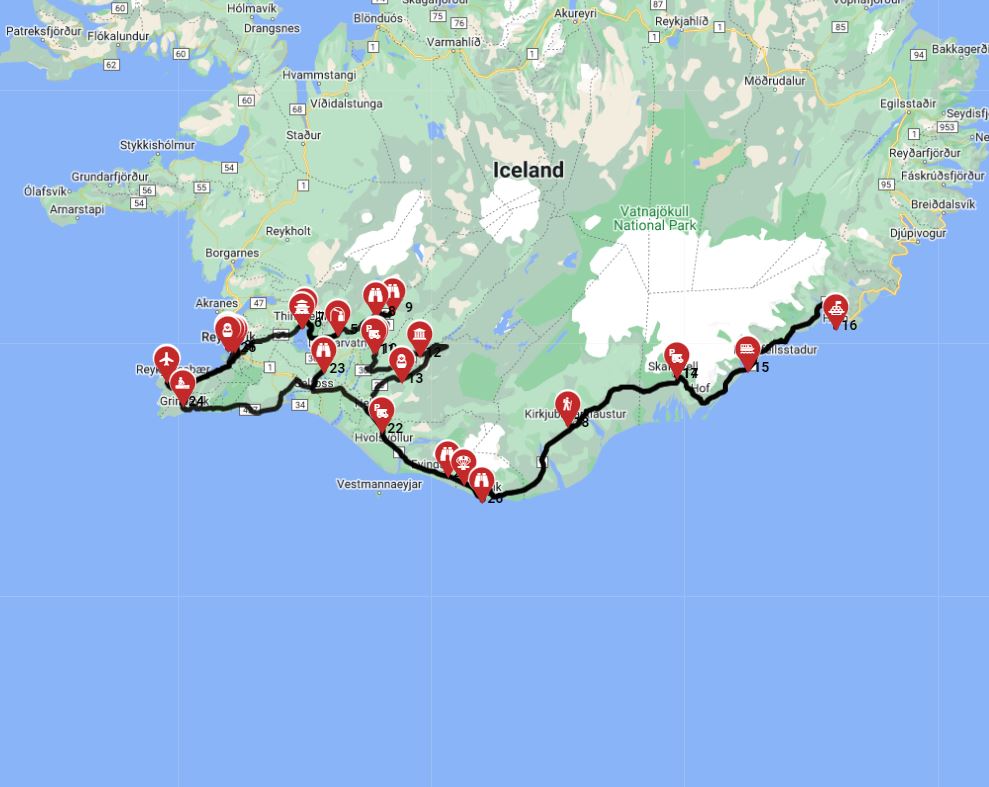
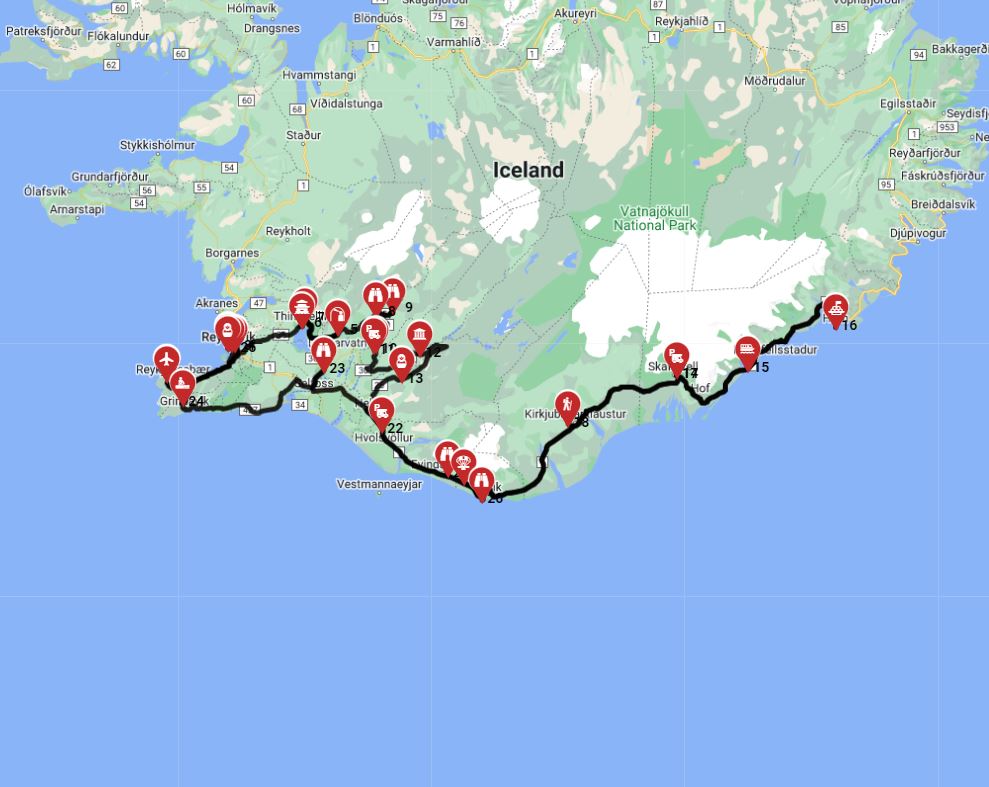
A classic 7-day RV itinerary in Iceland is perfectly suited for exploring the famed Golden Circle and the stunning South Coast, covering around 800-1000 km. This pace ensures a relaxed journey, with daily driving distances ideally kept between 100-150 km. This allows ample time to truly absorb the sights and sounds of each location.
Day 1: Reykjavik → Thingvellir National Park (approx. 50 km). Begin your adventure by heading to Thingvellir National Park, a UNESCO World Heritage site, where you can witness the visible rift valley between the North American and Eurasian tectonic plates. Camp at the Thingvellir National Park Campground for a truly immersive experience.
Day 2: Thingvellir → Geysir & Gullfoss → Flúðir (approx. 100 km). Today's journey includes the geothermal area of Geysir, where the Strokkur geyser erupts every few minutes, and the magnificent Gullfoss waterfall. Overnight at the Flúðir Campground, known for its relaxing hot springs.
Day 3: Flúðir → Seljalandsfoss & Skógafoss → Vík (approx. 120 km). Prepare to be amazed by the iconic waterfalls of the South Coast. Walk behind Seljalandsfoss, climb the steps beside Skógafoss for panoramic views, and explore the dramatic black sand beaches of Reynisfjara near Vík. Settle in at the Vík Campground.
Day 4: Vík → Skaftafell National Park → Jökulsárlón Glacier Lagoon (approx. 140 km). Venture further east to Skaftafell, part of Vatnajökull National Park, offering fantastic hiking opportunities with views of glaciers. Continue to Jökulsárlón Glacier Lagoon, a breathtaking landscape dotted with icebergs. The Skaftafell Campground is a convenient overnight stop.
Day 5: Jökulsárlón → Kirkjubæjarklaustur → Fjaðrárgljúfur Canyon (approx. 100 km). Revisit Jökulsárlón in the morning light, then explore the charming village of Kirkjubæjarklaustur before marveling at the dramatic Fjaðrárgljúfur Canyon. Camp near Kirkjubæjarklaustur.
Day 6: Kirkjubæjarklaustur → Selfoss/Hveragerði (approx. 160 km). Enjoy a scenic drive back west, passing through vast lava fields. Consider stopping in the town of Selfoss or the geothermally active village of Hveragerði, which offers camping options.
Day 7: Selfoss/Hveragerði → Blue Lagoon (optional) → Reykjavik (approx. 80-100 km). Conclude your Icelandic road trip with a relaxing optional visit to the Blue Lagoon (check their pet policy beforehand) before returning to Reykjavik. You can either camp in the Reykjavik area for one last night or head directly to drop off your RV rental.
14-Day Extended Journey in Iceland
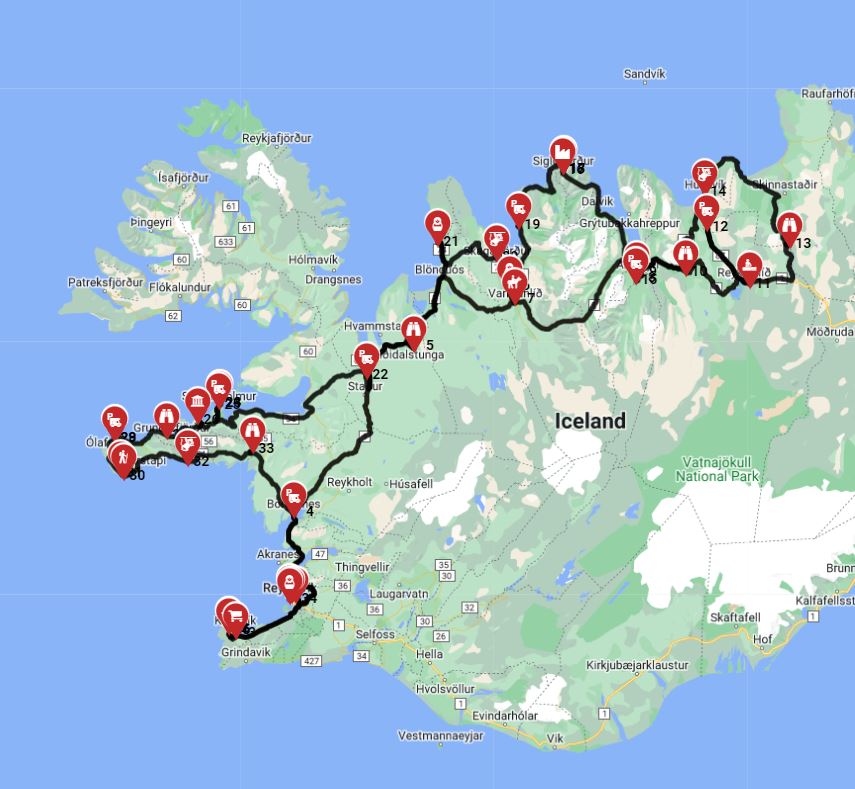
An extended 14-day RV journey in Iceland provides the opportunity for a more comprehensive exploration, covering the entire Ring Road and selected detours. This typically spans approximately 1,800-2,000 km, allowing for adherence to Avi Bandana's recommended pace of no more than 150 km per day.
Days 1-3: Golden Circle & South Coast. Follow the itinerary for Days 1-3 of the 7-day classic route, immersing yourself in Iceland's most accessible natural wonders.
Days 4-6: Southeast Coast & Glacier Wonders. Continue eastward, following Days 4-6 of the 7-day itinerary to explore Skaftafell and Jökulsárlón.
Day 7: Kirkjubæjarklaustur → Höfn (approx. 160 km). Journey to the coastal town of Höfn, known for its lobster and stunning harbor views. Camp at the Höfn Campground.
Day 8: Höfn → Egilsstaðir (East Fjords) (approx. 180 km). Drive through the dramatic and winding landscapes of the East Fjords, experiencing remote coastal beauty. Egilsstaðir, the largest town in the East, offers camping facilities.
Day 9: Egilsstaðir → Lake Mývatn Area (North Iceland) (approx. 160 km). Transition to the volcanic north of Iceland, with the Lake Mývatn area offering a stark contrast to the south. Visit the powerful Dettifoss waterfall en route. Settle in at the Reykjahlíð Campground.
Day 10: Lake Mývatn Exploration (approx. 50 km loop). Dedicate a full day to exploring the wonders around Lake Mývatn. Discover pseudocraters, the lava formations of Dimmuborgir, the bubbling mud pools of Hverir, and relax at the Mývatn Nature Baths. Stay another night at Reykjahlíð Campground.
Day 11: Mývatn → Akureyri (approx. 100 km). Head west towards Akureyri, Iceland's second-largest urban area. Stop at the magnificent Goðafoss waterfall, the "waterfall of the gods," on your way. Camp in Akureyri.
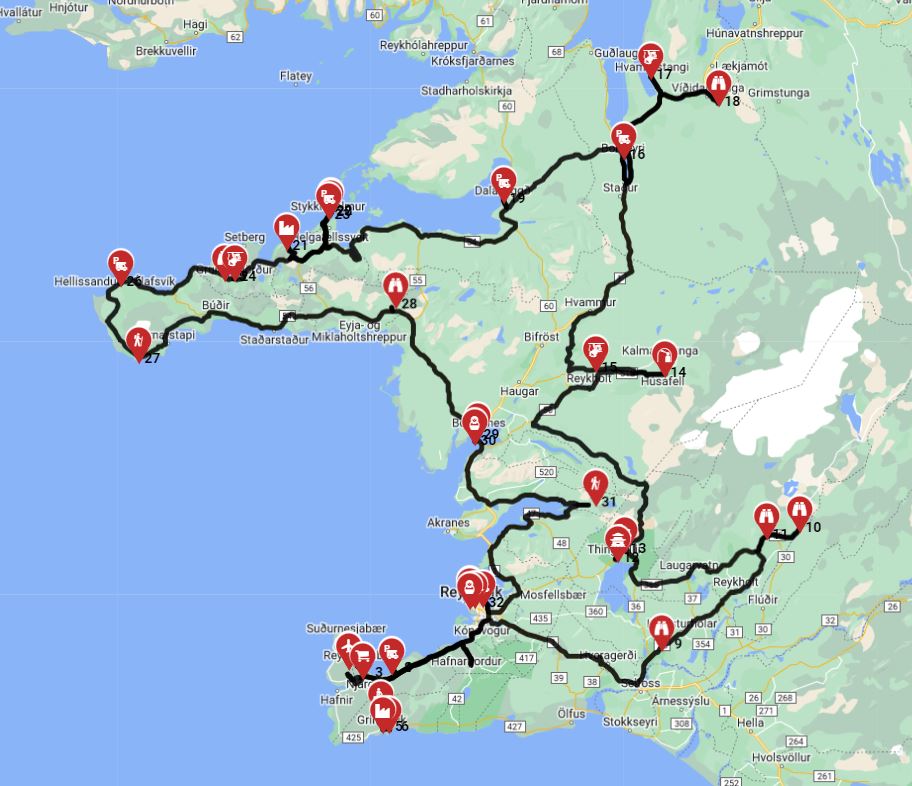
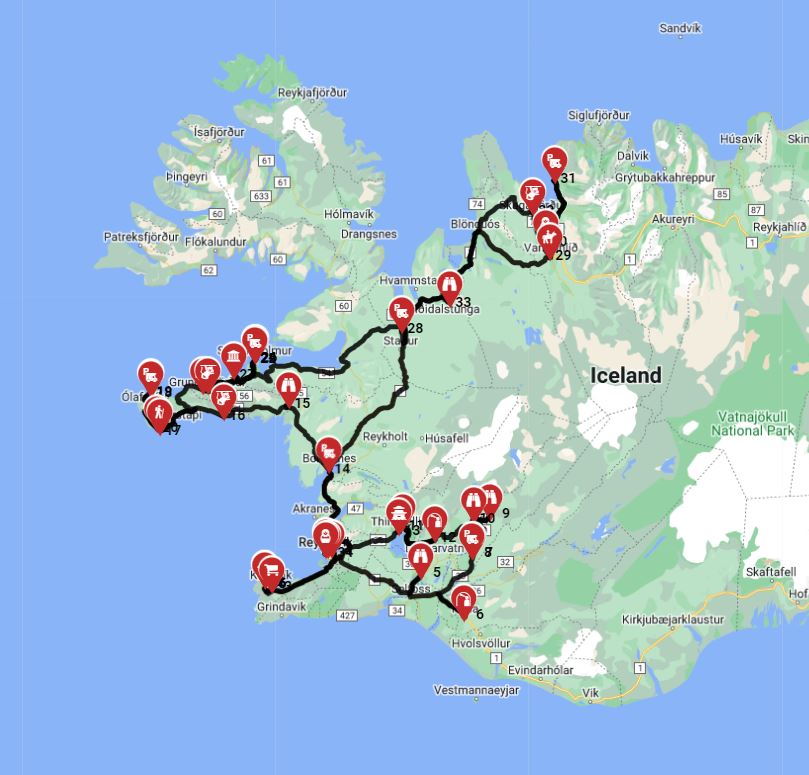
Day 12: Akureyri → Snæfellsnes Peninsula (West Iceland) (approx. 250 km). Embark on a longer driving day towards the Snæfellsnes Peninsula, often called "Miniature Iceland" for its diverse landscapes. Camp near Grundarfjörður.
Day 13: Snæfellsnes Peninsula Exploration (approx. 100 km loop). Spend the day exploring the peninsula's highlights: the iconic Kirkjufell mountain, the dramatic Arnarstapi cliffs, and the black pebble beach of Djúpalónssandur. Overnight in Ólafsvík or Hellnar.
Day 14: Snæfellsnes → Reykjavik (approx. 180 km). Enjoy a final scenic drive back to the capital, reflecting on the incredible journey before dropping off your RV rental or finding a final campground near Reykjavik.
Recommended RVPlan Trip for Iceland
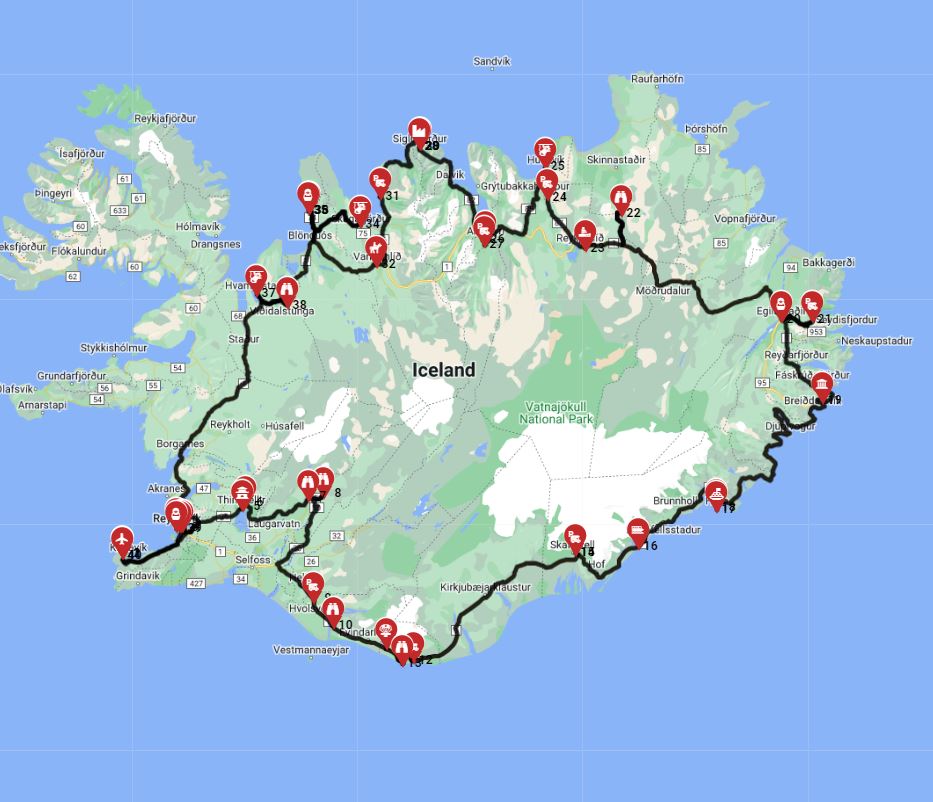
For those who appreciate a meticulously planned adventure, the "Iceland - Full ring road" RVPlan trip, curated by Avi Bandana's experts, offers a comprehensive 15-day journey covering 2,045 km, starting and ending in Reykjavik. This expertly curated itinerary provides a structured yet flexible framework for exploring Iceland's diverse landscapes.
The trip, accessible via its friendly URL, includes numerous points of interest, such as Thingvellir National Park, Dyrhólaey Viewpoint, Jökulsárlón Glacier Lagoon, and Mývatn Nature Baths, with a detailed breakdown of driving distances and recommended stops.
Must-See Stops Along the Way (Avi Bandana Picks)
Avi Bandana's experts highlight several key attractions that promise a deeper connection with Icelandic culture and natural beauty, moving beyond generic tourist spots to include unique local industries, authentic traditional visits, and opportunities for fine dining.
- Local Industry Spotlights: Seek out opportunities to visit local farms or artisan workshops, providing a genuine insight into Iceland's self-sufficiency and ingenuity. These hidden gems offer a unique glimpse into the heart of Icelandic life.
- Traditional Visits: Engage in activities that showcase Iceland's heritage, such as historical sites detailing Viking sagas or cultural centers explaining the country's unique geological formation and folklore. These experiences offer a profound understanding of Iceland's rich history and traditions.
- Traditional Restaurant / Fine Dining: Indulge in Iceland's culinary scene by visiting a traditional restaurant or a fine dining establishment, savoring local delicacies featuring fresh seafood, lamb, or unique Nordic ingredients. Experiencing the local cuisine is an essential part of any Icelandic RV journey.
Daily Driving Distances & Drive Times in Iceland
Avi Bandana recommends a maximum of 100 miles or 150 km per day on average when RVing in Iceland. This approach encourages travelers to embrace slow travel, savoring the journey rather than rushing between destinations. Adhering to this pace ensures ample time for spontaneous stops, scenic detours, and thorough exploration of each location.
- Reykjavik to Vík (South Coast): Approximately 190 km (120 miles), typically taking around 2.5 to 3 hours of driving. It's ideal to split this journey over two days to enjoy the stops along the way.
- Jökulsárlón Glacier Lagoon to Egilsstaðir (East Fjords): Around 270 km (168 miles), this stretch can take 3.5 to 4 hours of driving. Planning at least one overnight stop between these points is highly recommended to fully appreciate the dramatic East Fjords scenery.
- Akureyri to Mývatn (North Iceland): This is a shorter stretch of about 100 km (62 miles), usually taking around 1.5 hours. This manageable distance allows for extensive exploration around the diverse geological features of Lake Mývatn.
Best RV Class for This Itinerary — Couple & Family Picks
Selecting the right RV class for your Icelandic adventure ensures comfort and suitability for your travel party, whether you're a couple seeking agility or a family needing more space. Bandana's "Rent & Plan" service streamlines the entire process by combining RV rental with expert-designed itineraries.
Ideal for Couples: A Class B - Camper Van is a perfect choice, offering excellent agility and ease of driving on Iceland's varied roads. Bandana's global fleet of Class B Camper Vans averages 5.8 meters in length, provides sleeping for approximately 3 people (ideal for two), and boasts an efficient fuel consumption of 8-10 Liters/100 km.
Ideal for Families: The Class C - Alcove motorhome is highly accommodating, providing more space and separate sleeping areas, making it a comfortable choice for family-friendly RV travel. Bandana's global fleet of Class C Alcove motorhomes averages 7.5 meters in length, comfortably fits around 4-5 adults, and typically consumes 10-12 Liters/100 km.
The "Rent & Plan" service by Bandana removes the planning headache, offering RV rental paired with a ready-made itinerary crafted by travel experts, giving you full access to trip-planning software for a seamless and memorable Icelandic journey.
How much does it cost to rent an RV in Iceland
The cost to rent an RV in Iceland can range significantly from €100-€400 per day. This price variation is influenced by the season, the specific RV class chosen, the rental duration, and the included amenities. It's crucial for travelers to budget for additional expenses such as fuel, campground fees, food, and activities to get a realistic total trip cost. On the routes offered through RV PLANET routes, you can itemize and track every expense along the way for easy budgeting.
- RV Rental: Expect higher prices during the peak summer months (June-August) and lower rates in the shoulder seasons (April-May, September-October) or winter months. A Class B Camper Van might start at €100-€150/day in the low season, while a Class C Alcove could range from €250-€400+ per day during peak times.
- Fuel Consumption: Iceland's fuel prices are considerably higher than in many other countries. A Class B Camper Van consumes around 8-10 Liters/100 km, while a Class C Alcove uses 10-12 Liters/100 km. For a 2,000 km trip, this could add an estimated €500-€800+ to your expenses.
- Campground Fees: On average, expect to pay between €15 to €30 per adult per night for a campsite. Additional fees may apply for electricity hook-ups (around €5-€10 per night) or showers (often €2-€5 per shower).
- Groceries vs. Restaurants: Cooking your own meals in the RV significantly saves money. Groceries for two people for a week might cost €150-€250, contrasting with dining out, which could cost €40-€80 per person per meal.
- Activity Prices: While many of Iceland's stunning natural attractions are free to visit, guided tours or entry to popular geothermal areas like the Blue Lagoon can cost between €50-€150+ per person.
- F-road Tolls/Permits: While most F-roads themselves are not tolled, accessing certain protected areas may require specific 4x4 vehicles and potentially permits or guided access, which can add to the overall costs.
For precise budgeting and to track all your expenses along the way, we recommend using RV PLANET routes, where you can itemize and manage your trip's financial plan.
Is it worth renting a motorhome in Iceland
Renting a motorhome in Iceland is absolutely worth it, offering unparalleled flexibility for exploring the island's dramatic landscapes, cost-effectiveness for families or groups, and a truly immersive experience that allows travelers to connect deeply with Iceland's unique and fragile environment.
- Ultimate Flexibility: With a rented RV, you have the freedom to change your itinerary on the fly, chase the elusive Northern Lights, or linger longer at a particularly picturesque spot without the constraints of pre-booked accommodation.
- Cost-Effectiveness: For families or groups, an RV can be more economical than the combined costs of renting a car, paying for hotels, and dining out separately for every meal.
- Immersive Experience: Wake up to incredible, ever-changing views, cook your meals amidst stunning natural scenery, and enjoy the quiet solitude that Iceland's remote landscapes offer.
- Family-Friendly: RVs provide a comfortable and private home base for families, with space for children to play and sleep, and the convenience of having all your essentials readily accessible.
- Pet-Friendly Adventures: If you're traveling with an approved pet, an RV provides a familiar and safe environment for your companion throughout your journey.
What is the cheapest month to rent an RV in Iceland
The cheapest months to rent an RV in Iceland are typically during the shoulder seasons (April-May and September-October) and the winter months (November-March). These periods see significantly lower demand compared to the peak summer season, resulting in reduced daily rates for motorhome rentals.
While winter travel presents unique challenges, such as colder weather and potential road closures, it also offers distinct rewards. You'll encounter fewer crowds and have better opportunities to witness the magical Northern Lights, making it a compelling option for adventurous travelers.
Can you wild camp in Iceland with an RV
Wild camping with an RV or campervan in Iceland is generally prohibited outside of designated campgrounds, particularly for larger vehicles, to protect the country's fragile ecosystem and ensure visitor safety. Strict "Leave No Trace" principles are enforced, and travelers are required to use official campsites that are equipped with proper waste disposal facilities.
It is illegal to spend the night in tents, camper vans, or similar vehicles outside of official campsites unless you have explicit permission from the landowner. RV and motorhome travelers are therefore always expected to utilize designated campgrounds, which typically provide essential amenities like toilets, waste disposal, and fresh water.
Violations of these regulations can result in hefty fines and are viewed seriously by authorities due to the delicate nature of Iceland's environment. Always plan your overnight stops at official campgrounds to ensure a responsible and enjoyable trip.
Can you drive an RV on F-roads in Iceland
Most standard RVs are strictly prohibited from driving on F-roads in Iceland. Only specifically equipped 4x4 campervans or motorhomes explicitly approved by the rental company are allowed to access these rugged highland tracks. Attempting to drive a 2WD RV on an F-road is not only illegal but also voids your insurance and is extremely dangerous due to the challenging terrain, unbridged rivers, and remote conditions.
- Vehicle Requirements: You must rent a 4x4 campervan or motorhome that is explicitly approved for F-road use by your rental agreement. These vehicles typically feature higher ground clearance and robust suspension systems.
- Insurance: It is crucial to verify that your insurance policy covers F-road travel, as standard insurance agreements often do not.
- Risks and Rewards: F-roads lead to some of Iceland's most stunning and remote natural wonders, but they demand skilled driving, meticulous planning, and preparedness for emergencies. Understanding river crossing techniques is essential if you plan to venture onto these roads.
- Road Conditions: F-roads are primarily gravel tracks, often narrow, steep, and may include unbridged river crossings. They are typically only open during the summer months, usually from June to September.
What is the best month to RV in Iceland
The best months to RV in Iceland are generally June, July, and August. These months offer the mildest weather, the longest daylight hours—including the magical Midnight Sun phenomenon—and ensure full accessibility to the entire Ring Road and most F-roads (mountain roads).
- June-August (Peak Season): This period provides the best weather, maximum daylight for exploration, and generally all roads are accessible. However, it also comes with higher prices and more crowds. It's ideal for extensive exploration of the island.
- May & September (Shoulder Seasons): These months offer fewer crowds and lower prices, with generally decent weather. However, some F-roads may still be closed in May or begin to close in September. These are good months for Ring Road touring and offer a chance to see the Northern Lights in September.
- October-April (Winter): This period presents significant challenges due to cold temperatures, snow, ice, limited daylight, and frequent road closures. While it offers opportunities for viewing the Northern Lights, ice caves, and unique winter landscapes, it requires specialized gear and a winter-ready RV.
What kind of campervan do you need for Iceland
The type of campervan you need for Iceland largely depends on your planned itinerary, group size, and desired level of comfort. Generally, 2WD campervans are suitable for touring the paved Ring Road, while 4x4 options are essential for accessing the F-roads and exploring the Highlands.
- 2WD Campervans (e.g., Class B - Camper Van): These are perfect for touring the paved Ring Road. They are easier to drive, more fuel-efficient (Bandana's Class B Camper Vans average 8-10 Liters/100 km), and generally more affordable, making them a great choice for 1-3 people.
- 4x4 Campervans/Motorhomes (e.g., adapted Class TC): These are absolutely necessary for any F-roads or off-road exploration in the Highlands. They offer higher ground clearance and better traction but come at a higher rental cost and potentially higher fuel consumption (e.g., Bandana's Class TC Truck Campers average 12-17 Liters/100 km).
- Class SI - Semi-integrated: These offer a good balance of space and maneuverability for couples or small families. Bandana's global fleet of Class SI Semi-integrated motorhomes averages 6.9 meters in length, sleeps around 3-4 people, and has a fuel consumption of 10-11 Liters/100 km.
- Class C - Alcove (for families): These provide ample space and multiple sleeping berths, making them a comfortable choice for family-friendly RV travel (Bandana's global fleet averages 7.5 meters in length, sleeps 5-6 people, and consumes 10-12 Liters/100 km).
Is Iceland pet friendly
Iceland has strict regulations regarding the entry of pets, primarily focused on preventing the spread of diseases. However, once a pet has successfully completed the rigorous import process, RV travel within the country can be a rewarding experience for pet owners, provided careful planning is undertaken.
- Import Regulations: It is crucial to research and fulfill all Icelandic Food and Veterinary Authority (MAST) requirements well in advance, as this is a lengthy and detailed process.
- RV Advantages: An RV provides a familiar, private, and comfortable space for your pet, significantly reducing stress compared to hotels or guesthouses.
- Outdoor Access: Iceland's vast natural landscapes are perfect for pet walks, but always keep dogs on a leash and adhere to "Leave No Trace" principles by cleaning up after your pet diligently.
- Attraction Restrictions: Pets may not be allowed inside certain natural attractions, national parks, or restaurants; always check local signs or inquire beforehand.
- Veterinary Services: Be aware of the locations of veterinary clinics, especially in remote areas, for any unforeseen pet health needs during your travels.
What is the average cost of a campsite in Iceland
The average cost of a campsite in Iceland typically ranges from €15 to €30 per adult per night. Additional fees may apply for electricity hook-ups, showers, or other specialized amenities offered at the campground.
These costs can fluctuate based on the season, the campsite's location (e.g., national parks often have different pricing than municipal sites), and the specific facilities provided. Many campgrounds operate on a per-person fee structure, though children are often free or charged at a reduced rate. Consider purchasing an Icelandic Camping Card if you plan to stay at multiple participating campsites, as it can offer considerable savings over the duration of your trip.
What You Shouldn't Miss
- Chase the Northern Lights: During the darker months (September to April), consider itineraries that maximize your chances of witnessing the aurora borealis, perhaps with a stay in a less light-polluted area.
- Explore the Jökulsárlón Glacier Lagoon: Witnessing the icebergs calve from the glacier and float into the lagoon is a mesmerizing experience, best enjoyed with ample time for photography.
- Walk Behind Seljalandsfoss: This unique waterfall allows you to walk behind its curtain of water, offering a thrilling perspective and a memorable photo opportunity.
- Relax at a Geothermal Pool: From the famous Blue Lagoon to local community pools, experiencing Iceland's geothermal bathing culture is a must-do, offering relaxation and a chance to connect with local life. Remember to adhere to local bathing etiquette.
- Hike in Skaftafell National Park: This area offers diverse hiking trails, from easy walks to glacial viewpoints to more challenging routes, providing stunning perspectives of Iceland's powerful natural forces.
- Discover the Snæfellsnes Peninsula: Often called "Iceland in Miniature," this peninsula offers a condensed version of the country's diverse landscapes, from volcanic craters and lava fields to charming fishing villages and dramatic coastlines.
Final Thoughts
Renting an RV in Iceland for a pet-friendly adventure offers an unparalleled way to experience the island's raw, untamed beauty. The flexibility of having your own mobile accommodation allows you to chase the Northern Lights, discover hidden waterfalls, and immerse yourself in the dramatic landscapes at your own pace.
By planning your itinerary with resources like RV PLANET and choosing the right vehicle for your needs, you can ensure a comfortable and memorable journey. Remember to respect Iceland's delicate environment by adhering to local regulations, particularly regarding wild camping and waste disposal. With Bandana Caravan, you're not just renting an RV; you're gaining a partner in crafting your dream Icelandic road trip.
For ideas you can prep on the road, watch our RV-friendly recipes playlist on YouTube.