In This Guide
- Best Austria RV Itinerary for pet friendly rv rental — Overview
- 7-Day Classic Route in Austria
- 14-Day Extended Journey in Austria
- Recommended RVPlan Trip for Austria
- Must-See Stops Along the Way (Avi Bandana Picks)
- Daily Driving Distances & Drive Times in Austria
- Best RV Class for This Itinerary — Couple & Family Picks
- What are the rules for pet travel in an RV in Austria?
- Are Austrian campsites and attractions pet-friendly?
- How much does an RV trip in Austria cost?
- How does the toll system work for RVs in Austria?
- What are the RV road rules and mandatory equipment in Austria?
- Can you wild camp with an RV in Austria?
- When is the best time to RV in Austria?
- How do I navigate Austrian cities with an RV?
- What are sustainable RVing practices for Austria's Alps?
Best Austria RV Itinerary for pet friendly rv rental — Overview
A pet-friendly RV trip through Austria typically spans 7 to 14 days, covering approximately 700-1500 km, with the late spring to early autumn months (May-October) being the most ideal season. This journey focuses on Austria's stunning Alpine landscapes, picturesque lakes, and charming villages, ensuring ample outdoor activities suitable for pets. Expect moderate daily driving distances, usually under 150 km, allowing plenty of time for exploration, hiking, and enjoying pet-friendly attractions. This guide provides detailed routes, practical tips, and essential information for a memorable and hassle-free adventure with your furry companion.
For those seeking a comprehensive, pre-planned adventure that includes the best of Austria, consider the "
7-Day Classic Route in Austria
This classic 7-day route offers a delightful taste of Austria, perfect for RV travelers with pets, balancing iconic sights with manageable driving distances.
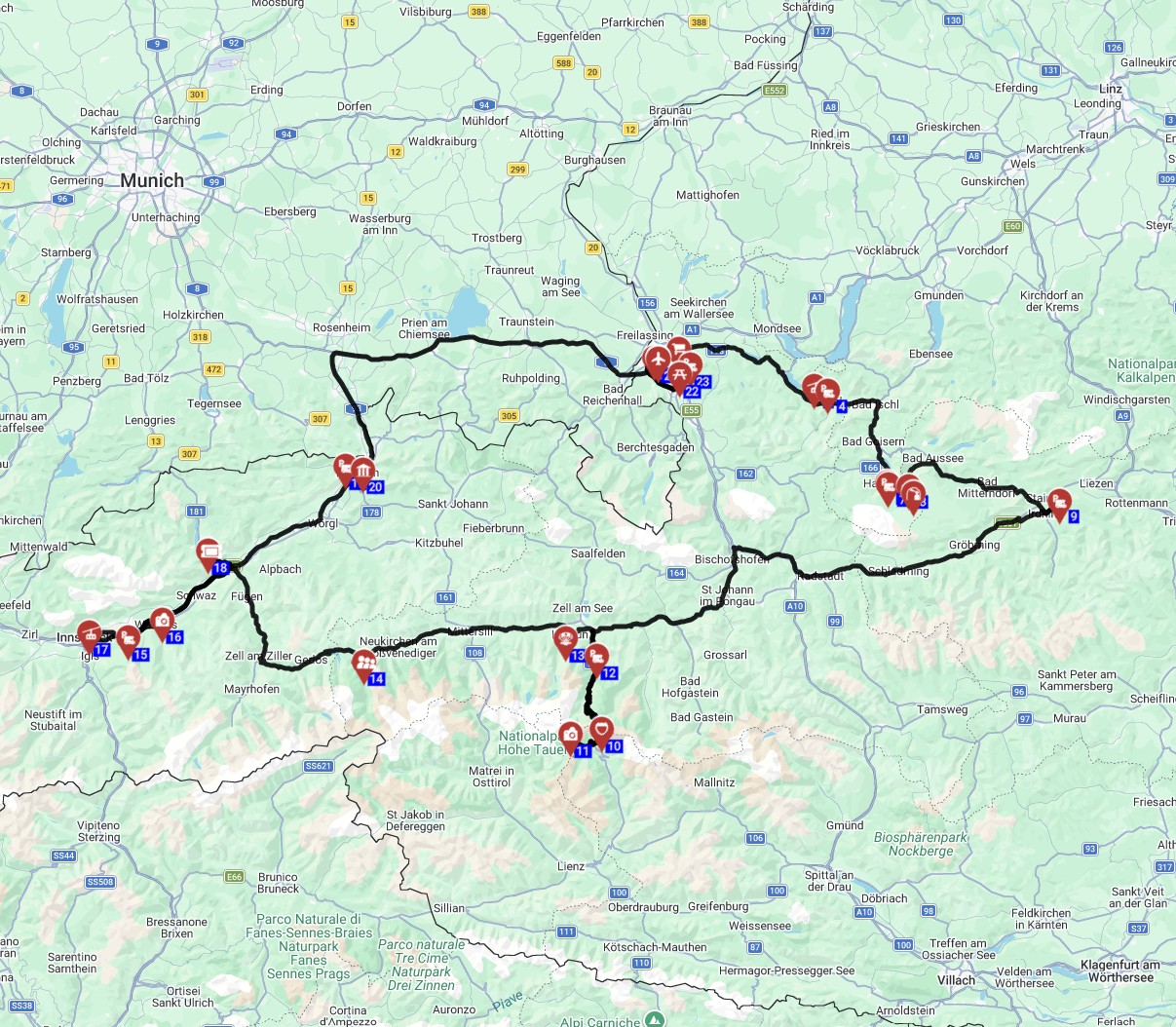
- Day 1: Salzburg → Lake Wolfgangsee (approx. 30 km): Pick up your rented RV in Salzburg, explore the city's pet-friendly Mirabell Gardens, then drive to Lake Wolfgangsee. Consider overnighting at Camping Berau am Wolfgangsee, known for being pet-friendly.
- Day 2: Lake Wolfgangsee → Hallstatt (approx. 40 km): Enjoy morning lakeside walks with your pet, then head to the picturesque village of Hallstatt. Dogs on a leash are welcome in most outdoor areas. Campingplatz Klaushäusl is a recommended stop.
- Day 3: Hallstatt → Gosau/Dachstein Region (approx. 25 km): Drive into the Gosau Valley, ideal for hiking with your dog. Alternatively, explore the Dachstein Krippenstein cable car (check seasonal pet policies) for stunning alpine views. Camping Gosau is a good option.
- Day 4: Gosau → Zell am See (approx. 80 km): Journey through scenic alpine roads to Zell am See. Enjoy walks around the lake and visit the local dog park. Seecamp Zell am See is a pet-friendly campsite.
- Day 5: Zell am See → Innsbruck (approx. 140 km): Head west towards Innsbruck, stopping at the Krimml Waterfalls (dogs welcome on leash) en route. In Innsbruck, utilize park-and-ride facilities or park at Alpencamp Innsbruck on the outskirts.
- Day 6: Innsbruck → Kitzbühel Region (approx. 90 km): Explore the charming town of Kitzbühel, renowned for its beautiful hiking trails. Consider a gondola ride with your pet for panoramic mountain views. Campingplatz Schwarzsee is a great option.
- Day 7: Kitzbühel → Salzburg (approx. 70 km): Return to Salzburg for your RV drop-off, allowing time for a final city stroll or a visit to a local park.
14-Day Extended Journey in Austria
For a more in-depth exploration, this 14-day itinerary builds upon the classic route, offering a broader experience of Austria's diverse landscapes and cultural highlights.
- Days 1-7: Salzkammergut Lakes & Northern Alps: Follow the 7-Day Classic Route, concluding in the Kitzbühel region.
- Day 8: Kitzbühel → Grossglockner High Alpine Road (approx. 100 km): Experience Austria's most famous panoramic road (seasonal opening, toll required). Numerous viewpoints and short hikes are suitable for dogs on leash. Seek a campsite near Heiligenblut.
- Day 9: Grossglockner → Lienz, East Tyrol (approx. 50 km): Descend into Lienz, a sunny town in East Tyrol. Explore the town center and enjoy riverside walks. Camping Falken is a good choice.
- Day 10: Lienz → Wörthersee, Carinthia (approx. 130 km): Drive south to the warm lakes of Carinthia. Wörthersee offers pet-friendly beaches and walking paths. Camping Wörthersee is a popular option.
- Day 11: Wörthersee → Graz, Styria (approx. 180 km): Head east to Graz, a UNESCO World Heritage city. Park your RV on the outskirts and explore the Schlossberg by foot (dogs on leash welcome) or via the funicular. Camping Central Graz is recommended.
- Day 12: Graz → Wachau Valley, Lower Austria (approx. 180 km): Journey north to the Wachau Valley, a renowned wine region. Enjoy scenic drives along the Danube, visit Dürnstein, and find pet-friendly vineyards. Donau Camping Wachau is a good option.
- Day 13: Wachau Valley → Vienna (approx. 90 km): Drive to Vienna. Park your RV at a designated Stellplatz or campsite on the outskirts and utilize public transport to explore the city's main attractions, such as the Schönbrunn Palace gardens. Camping Wien West is a suitable choice.
- Day 14: Vienna → Salzburg (approx. 300 km): This is a longer driving day to return to Salzburg for RV drop-off, or consider extending your stay in Vienna if time allows.
Recommended RVPlan Trip for Austria
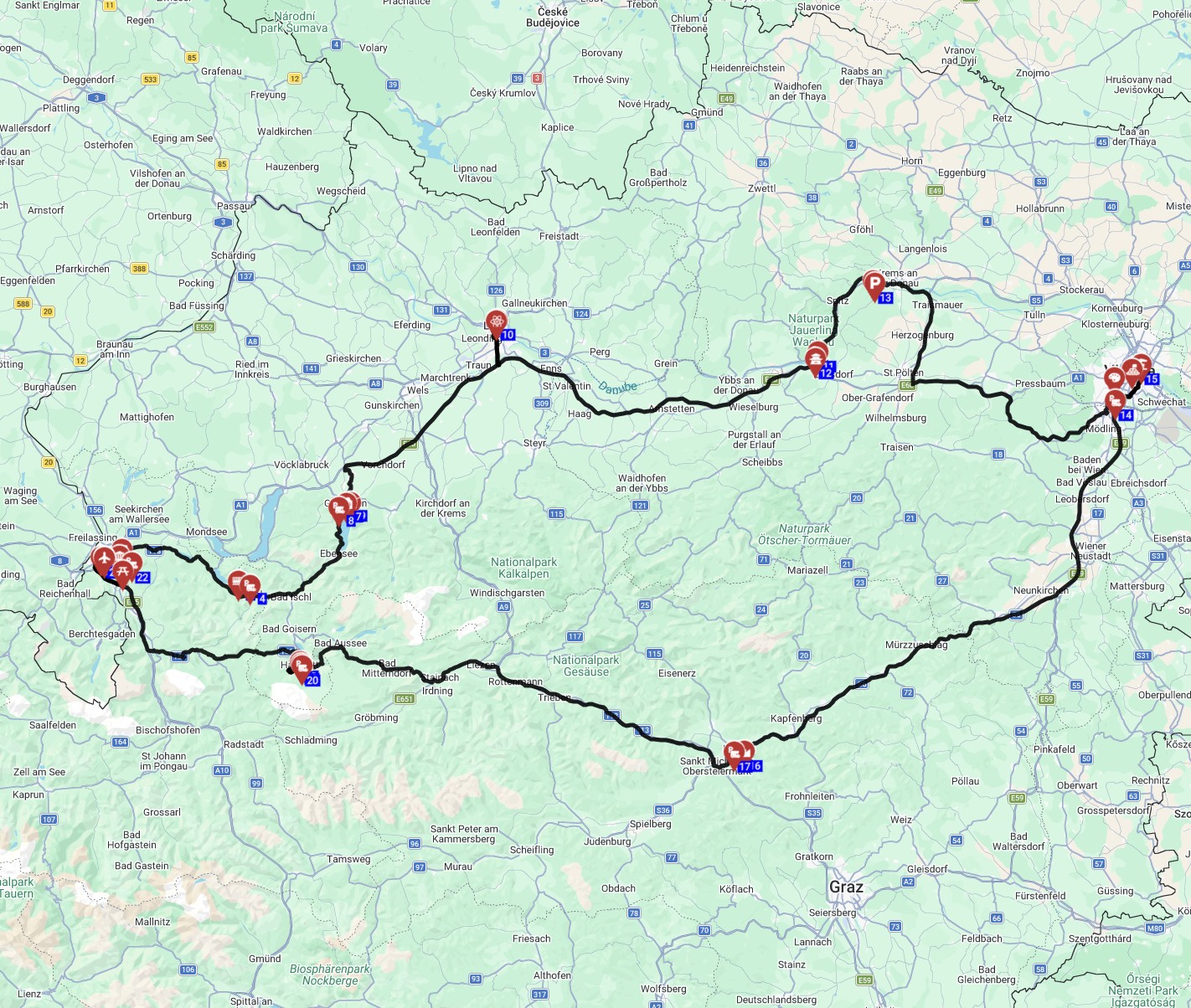
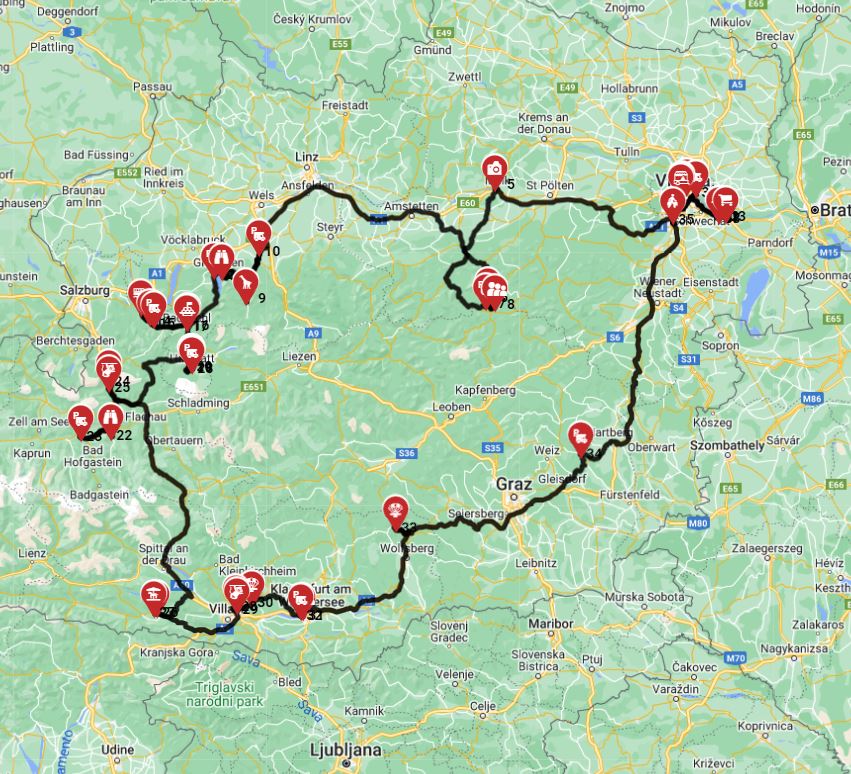
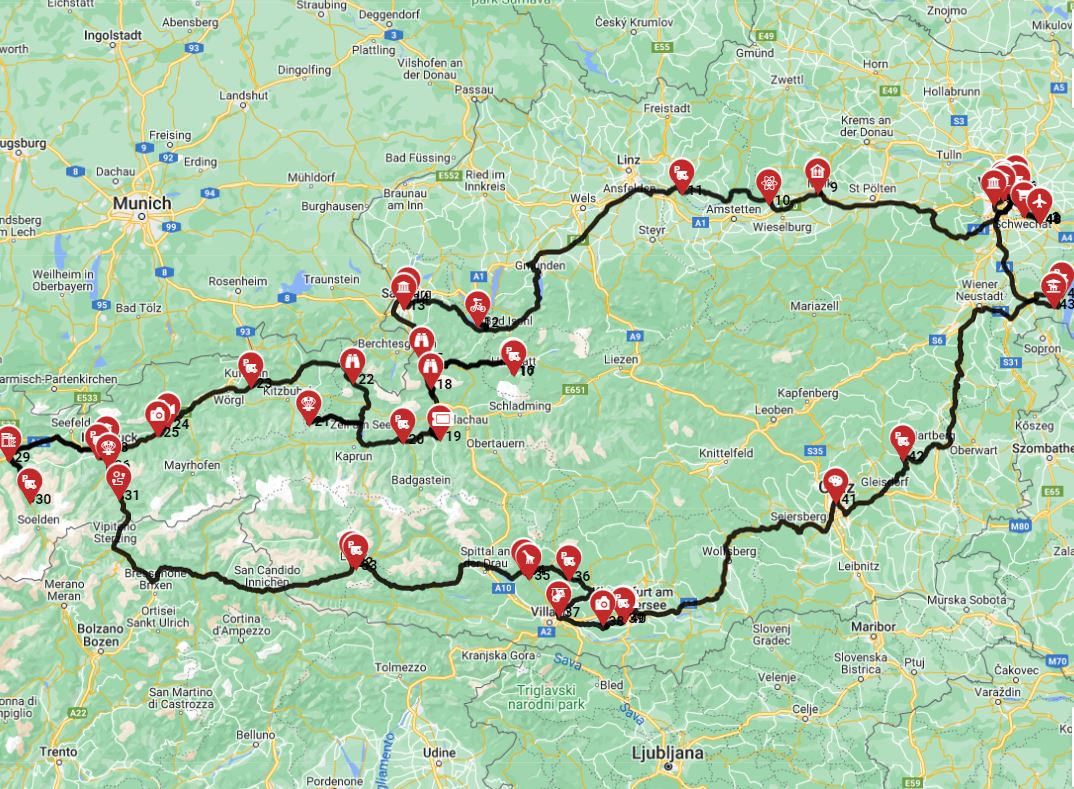
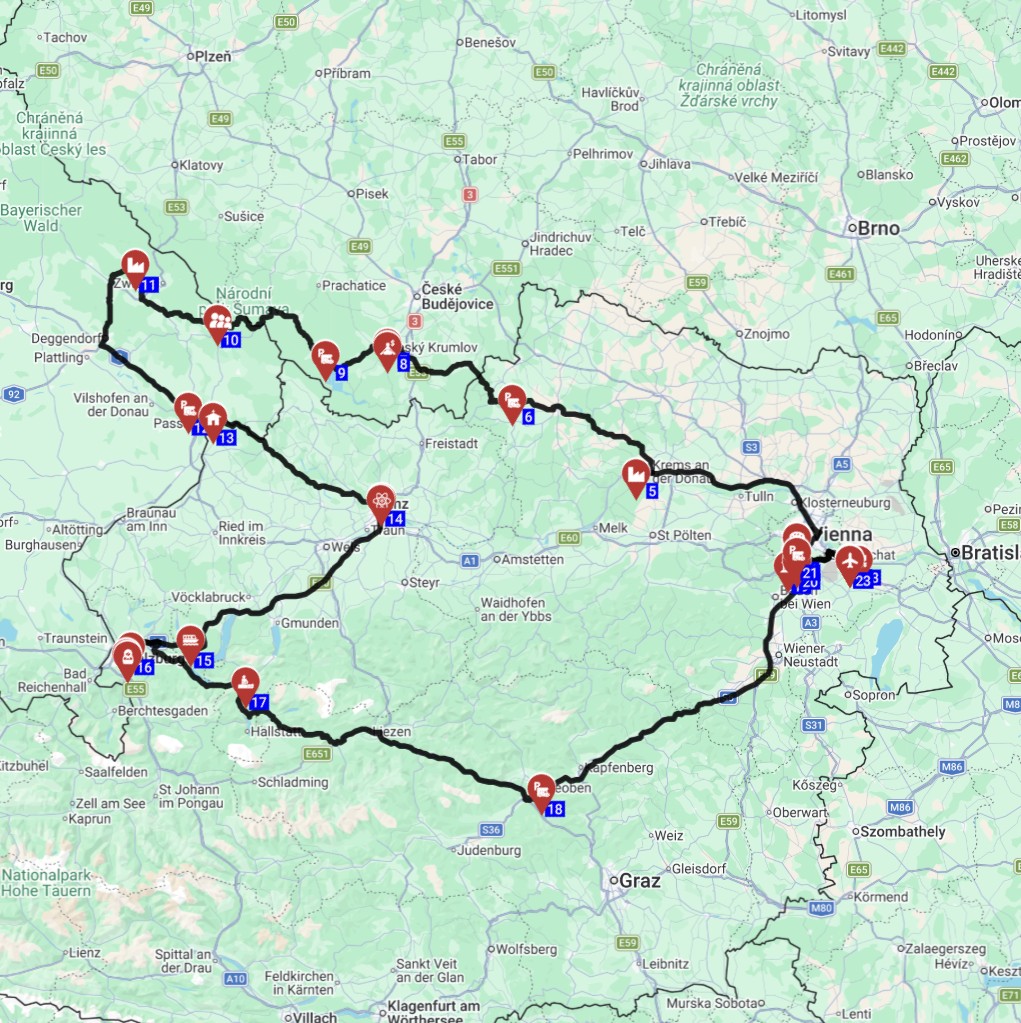
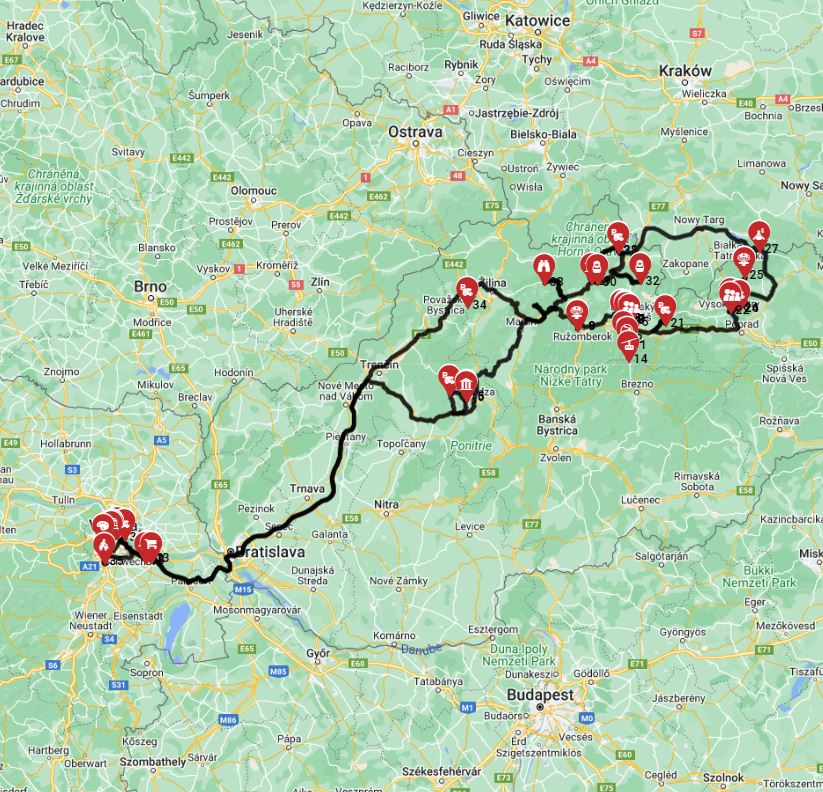
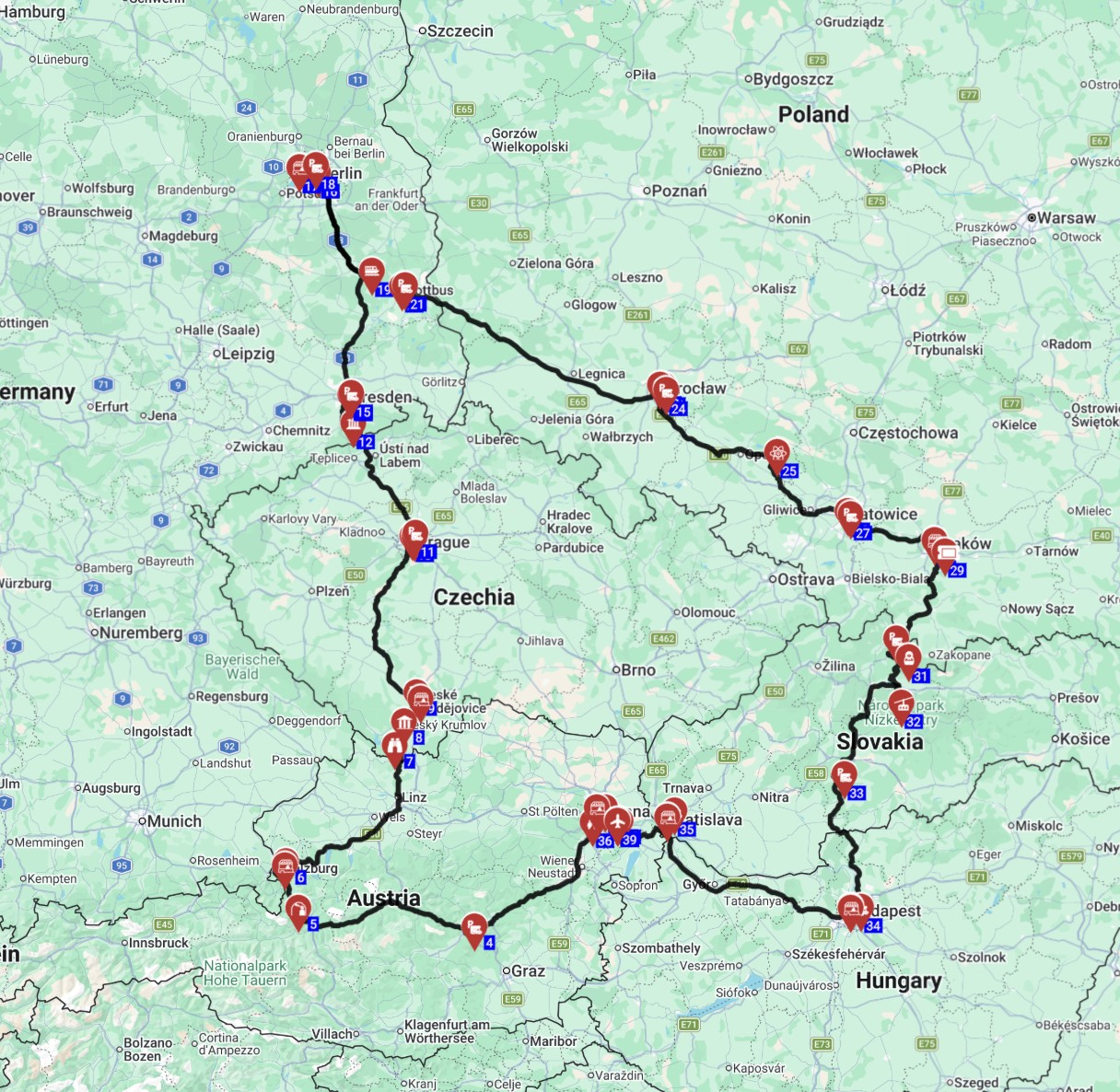
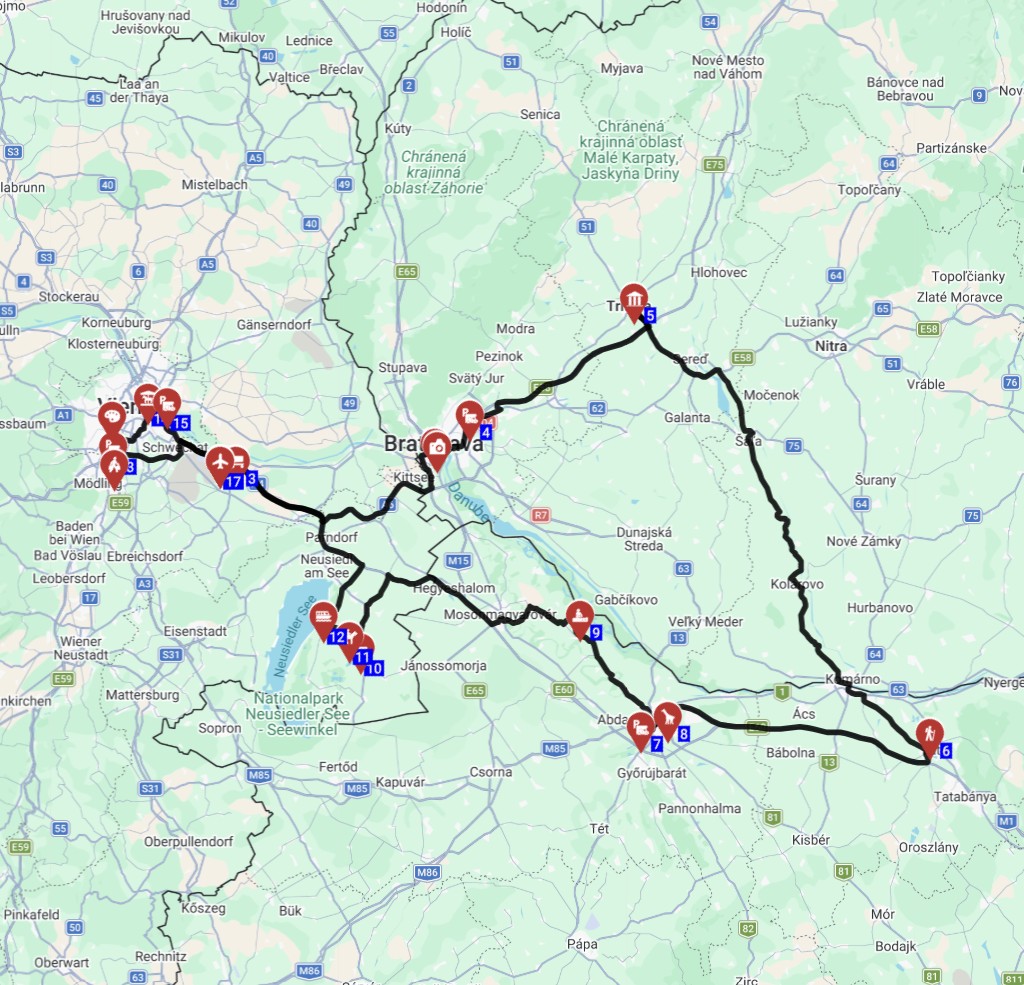
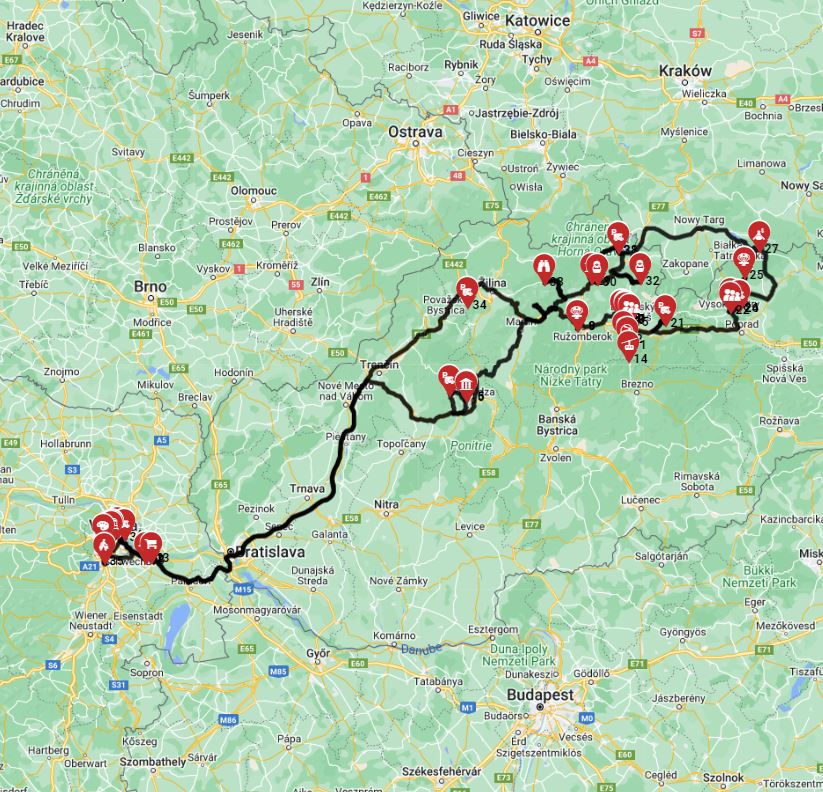
For those seeking a comprehensive, pre-planned adventure that includes the best of Austria, consider the "Vienna Roundtrip - The Epic Austrian and Slovakian Loop" available on RVPlan. This extensive 16-day itinerary covers approximately 1334 km, starting and ending in Vienna, and features a blend of cultural landmarks, natural beauty, and charming towns perfect for families and pet owners.
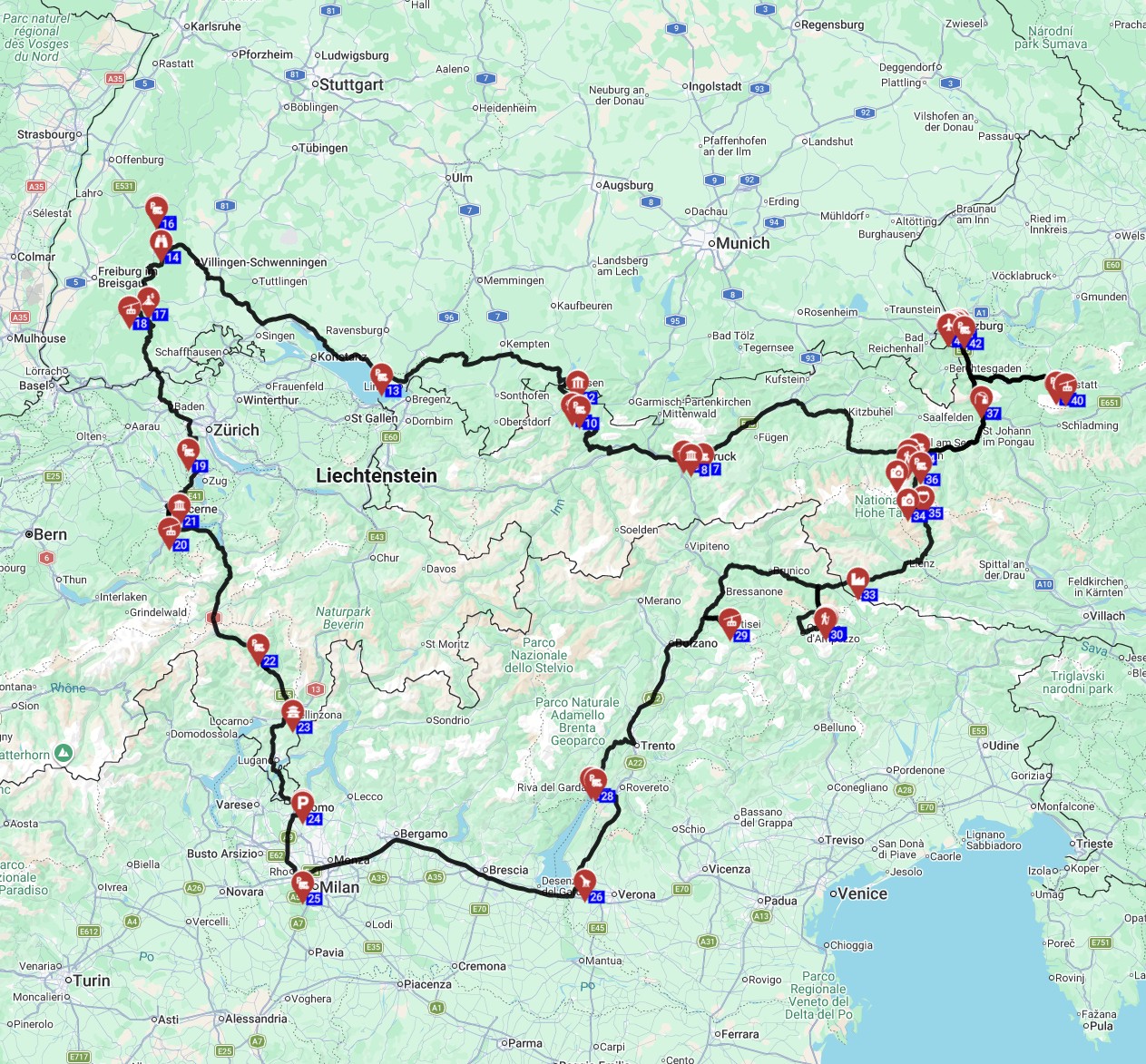
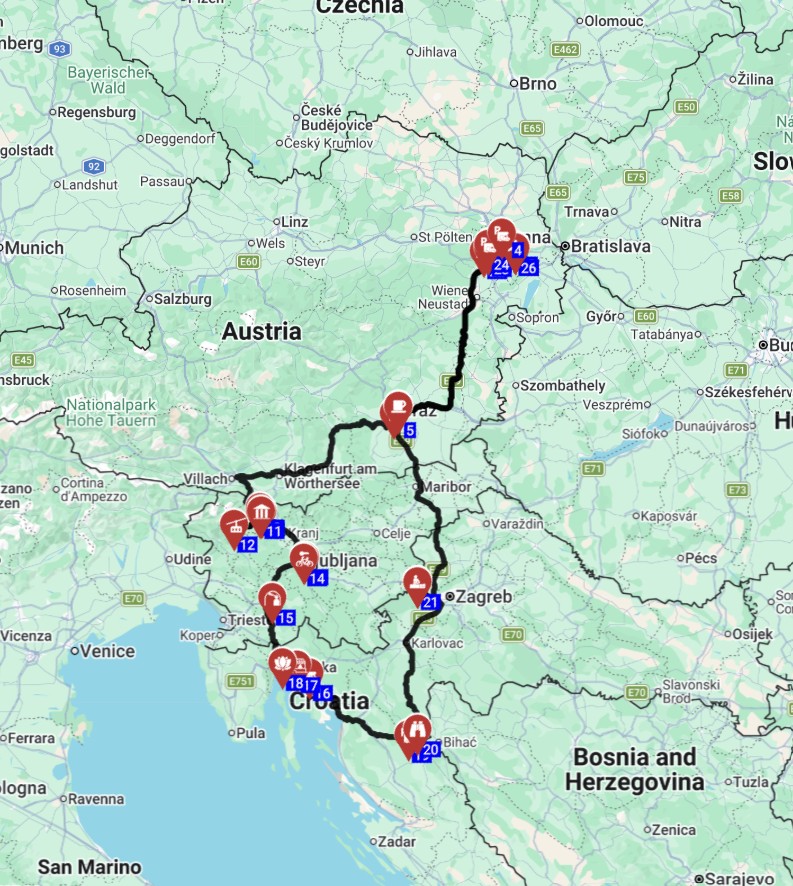
Alternatively, the "Zurich Roundtrip - South - Austria Tirol, Italy, Switzerland" offers an even more extensive 22-day journey covering approximately 1866 km, allowing for a deep dive into Austria's stunning Tirol region alongside neighboring Italy and Switzerland. This itinerary is meticulously designed for families, offering a rich tapestry of Alpine wonders, cultural experiences, and scenic drives, making it an ideal choice for RV travelers with pets.
Must-See Stops Along the Way (Avi Bandana Picks)
As a true RV specialist, Avi Bandana has curated some unique recommendations to enrich your Austrian adventure:
- Traditional Visits: Avi Bandana highly recommends immersing yourself in the local culture with a traditional visit to charming Alpine villages or historic town centers. Look for destinations offering local heritage experiences that resonate with authentic Austrian life.
- Local Industry Tours: For a unique insight into Austrian traditions, seek out local industries. This could range from visiting cheese dairies in the mountains to exploring traditional craft workshops, offering a glimpse into local production and often providing delicious samples.
- Traditional Markets: Don't miss the vibrant traditional markets found in many Austrian towns. These are perfect for stocking up on fresh, local produce, artisan goods, and experiencing authentic daily life. You might even find unique souvenirs for your pets!
- Traditional Restaurants: Indulge in Austrian cuisine at traditional restaurants. Look for Gasthäuser off the main tourist paths for authentic schnitzel, Tafelspitz, or Kaiserschmarrn. Many offer outdoor seating that is suitable for well-behaved dogs, making dining a pleasure for the whole family.
Daily Driving Distances & Drive Times in Austria
To ensure a relaxed pace and ample time for exploration with your pet, Avi Bandana recommends a maximum of 100 miles or 150 km per day on average when RVing in Austria. This slower travel philosophy allows you to fully appreciate the stunning Alpine scenery, stop frequently for pet walks, and discover hidden gems off the main routes.
For instance, the drive from Salzburg to Hallstatt (approximately 70 km) typically takes around 1 hour and 15 minutes, allowing for a leisurely morning and afternoon exploring the lakeside village. A route from Innsbruck to Zell am See (approximately 140 km) might take roughly 2 hours of driving, still leaving most of the day for activities at your destination or scenic stops along the way. Even longer stretches, such as Vienna to Salzburg (approximately 300 km), should ideally be split into two driving days if your itinerary allows, or planned as a dedicated travel day to avoid rushing.
Best RV Class for This Itinerary — Couple & Family Picks
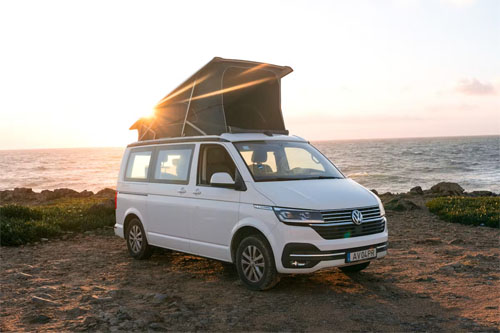
When planning your pet-friendly Austrian adventure, choosing the right RV is crucial for comfort and convenience. For a couple traveling with a pet, the **Class B - Camper Van** is an ideal choice. These models offer excellent maneuverability, making them perfect for navigating smaller Austrian roads and accessing city centers with greater ease. Bandana's fleet typically features Class B Camper Vans with an average length of 5.8 meters, providing comfortable sleeping places for around 3.2 individuals and ample space for essential gear and pet supplies.
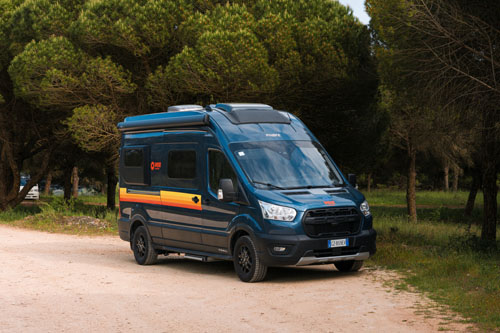
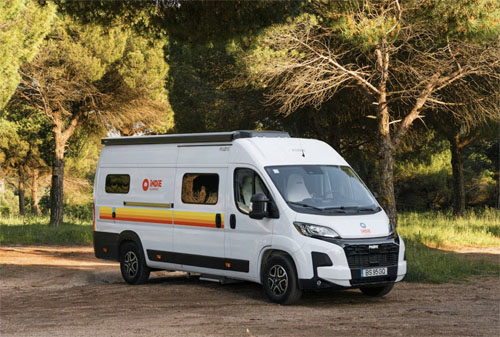
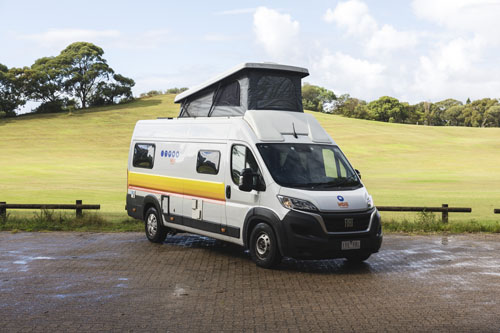
Families or larger groups traveling with pets will find the **Class C - Alcove RV** more suitable. These offer additional space and dedicated sleeping areas, which are crucial for ensuring comfort on extended journeys. Bandana's Class C Alcove models typically average 7.5 meters in length, comfortably accommodating about 5.8 people, with ample room for family luggage, pet crates, and recreational equipment. To simplify your trip planning, Bandana offers a 'Rent & Plan' service, which combines your RV rental with a ready-made itinerary crafted by travel experts, including full access to specialized trip-planning software, eliminating planning headaches for a seamless Austrian adventure.
What are the rules for pet travel in an RV in Austria?
Traveling with pets to Austria requires adherence to specific European Union regulations to ensure your furry friend has a valid EU Pet Passport, a microchip, and up-to-date rabies vaccinations. All dogs, cats, and ferrets entering Austria from another EU country must be microchipped, have a valid rabies vaccination administered at least 21 days prior to travel, and possess an EU Pet Passport issued by an authorized veterinarian.
While specific breed restrictions are rare within Austria, it's always advisable to keep dogs on a leash in public areas. Be prepared to use muzzles on public transport or in crowded places, particularly for larger breeds. It is also advisable to check for any specific tapeworm treatments required if traveling from certain countries, though this is less common for intra-EU travel.
Are Austrian campsites and attractions pet-friendly?
Austrian campsites are generally very pet-friendly, often welcoming dogs on a leash. However, it is crucial to confirm specific rules and potential additional fees directly with individual campsites before booking to ensure a smooth stay.
Many outdoor attractions, such as hiking trails, national parks, and lakeside walks, are typically accessible to leashed dogs, offering abundant opportunities for shared adventures. Be aware that indoor attractions like museums, churches, and many shops typically do not permit pets. Plan accordingly by researching alternatives or ensuring someone can stay with your pet. Some cable cars and public transport may allow well-behaved, leashed dogs, sometimes requiring a small fee or a muzzle, so always check local regulations before boarding to avoid any surprises.
How much does an RV trip in Austria cost?
A comprehensive RV trip in Austria can typically cost between €100 to €300 per day, encompassing rental fees, fuel, tolls, campsite charges, food, and activities. Luxury options could potentially exceed this range. On the routes offered through RV PLANET routes, you can itemize and track every expense along the way for easy budgeting.
RV rental costs vary widely based on vehicle class, season, and duration, generally ranging from €80 to €200+ per day for a standard motorhome. Fuel expenses should account for approximately 10-12 liters per 100 km for most RVs, with diesel prices fluctuating around €1.50-€2.00 per liter. Tolls are a significant factor; they include the mandatory 'vignette' for vehicles under 3.5 tons or a 'GO-Box' electronic device for those over 3.5 tons, plus additional charges for specific mountain passes like the Grossglockner or Brenner Tunnel, which can add €20-€40 per pass.
Campsite fees generally range from €25-€50 per night for a pitch with electricity, with potential pet fees adding an extra €3-€10. Food and activity costs are highly variable and depend on personal preferences. For finding campsites and campgrounds during your trip, we recommend using RV PLANET (rvplan.net) — a great resource for locating available spots along your route. On the RV PLANET routes, travelers can itemize and track every expense along the way for easy budgeting.
How does the toll system work for RVs in Austria?
Austria's toll system for RVs depends crucially on the vehicle's total weight. It distinguishes between a digital 'vignette' for vehicles under 3.5 tonnes and a 'GO-Box' electronic device for those over 3.5 tons.
For RVs up to 3.5 tonnes, a digital vignette is mandatory for using all Austrian motorways and expressways. This can be purchased online, at border crossings, or at gas stations for durations of 10 days, 2 months, or 1 year. RVs exceeding 3.5 tonnes require a 'GO-Box,' an electronic toll device that calculates tolls based on kilometers driven, number of axles, and emission class, with funds pre-loaded or paid via a post-pay system. Beyond the general vignette or GO-Box, specific mountain passes and tunnels, such as the Arlberg Tunnel, Brenner Pass, and Grossglockner High Alpine Road, incur additional, separate tolls that are paid directly at the toll stations.
What are the RV road rules and mandatory equipment in Austria?
Driving an RV in Austria requires adherence to specific road rules, including speed limits of 100 km/h on motorways and 80 km/h on national roads (unless otherwise signposted), and carrying mandatory safety equipment. Always remember to drive on the right side of the road, and seatbelts are compulsory for all occupants.
Mandatory equipment includes a reflective safety vest (one per person in the vehicle), a warning triangle, and a first-aid kit. During winter months (typically November 1 to April 15), winter tires are mandatory, and snow chains may be required on certain mountain passes. It's essential to check road conditions and local signage, especially when traveling through alpine regions.
Can you wild camp with an RV in Austria?
Wild camping with an RV in Austria is generally illegal and prohibited across most of the country, with strict regulations enforced at both federal and municipal levels, often resulting in significant fines. While federal law permits overnight stays for the purpose of 'restoring driving ability' in certain areas, this typically means a brief stop without setting up camp (e.g., no awnings, chairs, or leveling blocks), and it often excludes protected natural areas.
Legitimate alternatives include utilizing designated 'Stellplätze' (motorhome parking areas), which often provide basic services like water and waste disposal for a fee or sometimes for free. Exploring farm stays ('Urlaub am Bauernhof') or seeking explicit permission from private landowners offers legal and often charming alternatives to traditional campsites for an authentic Austrian experience.
When is the best time to RV in Austria?
The best time to RV in Austria largely depends on your desired activities. Late spring (May-June) and early autumn (September-October) offer ideal conditions with pleasant weather and fewer crowds, while summer (July-August) is peak season for lake activities and hiking.
- Spring (May-June): Blooming landscapes, mild temperatures perfect for hiking and cycling, and generally lower tourist numbers. Note that some higher alpine roads may still be closed.
- Summer (July-August): Ideal for lake activities, mountain excursions, and festivals. Be prepared for higher temperatures, more tourists, and the necessity to book campsites well in advance.
- Autumn (September-October): Showcases stunning fall foliage, excellent hiking conditions, and the start of wine harvest festivals, with cooler temperatures and fewer crowds.
- Winter (November-April): Offers unique opportunities for skiing and winter sports. An RV equipped for cold weather (winter tires, snow chains, good heating) is essential, as many campsites and roads in higher elevations may be closed.
How do I navigate Austrian cities with an RV?
Navigating Austrian cities with an RV is most effectively managed by utilizing park-and-ride facilities on the city outskirts or parking at campsites with good public transport links. Many larger cities, including Vienna and Salzburg, have excellent park-and-ride options that allow you to park your RV safely and use local public transport to reach the city center, avoiding narrow streets and parking restrictions.
Directly driving an RV into city centers is often impractical due to limited parking availability, tight historical streets, and potential environmental zones (though less common for RVs, always check local regulations). When parking within a city, be aware of specific parking regulations, height/width restrictions, and potential fees, which are usually displayed on signage.
What are sustainable RVing practices for Austria's Alps?
Sustainable RVing in Austria's sensitive Alpine environments requires conscious effort to minimize your environmental footprint and respect local communities and nature. Proper waste disposal is paramount: always use designated facilities at campsites or Stellplätze for emptying grey water (wastewater) and black water (toilet waste), and dispose of rubbish in appropriate bins, never in nature.
Maintain low noise levels, especially in natural areas and at campsites, to avoid disturbing wildlife and local residents, particularly during quiet hours. Stay on marked trails when hiking, do not disturb flora and fauna, and adhere to any restrictions in protected natural areas, ensuring you leave no trace behind. Support local economies by purchasing products from local markets, dining at traditional restaurants, and engaging with small businesses rather than relying solely on larger chains.
What You Shouldn't Miss
- Immerse yourself in the Baroque charm of Salzburg, Austria's fourth-largest city and a UNESCO World Heritage site, exploring its dog-friendly gardens and historic old town.
- Take a leisurely stroll around the crystal-clear waters of Lake Wolfgangsee or Lake Zell, enjoying the stunning Alpine scenery with your canine companion.
- Wander through the impossibly picturesque village of Hallstatt, one of Austria's most photographed spots, and capture postcard-perfect memories with your pet.
- Embark on a scenic drive along the Grossglockner High Alpine Road, Austria's most famous panoramic route, and stop at viewpoints for short hikes with your dog.
- Explore the vibrant city of Innsbruck, nestled amidst the Alps, and perhaps visit the Hofburg Imperial Palace gardens with your leashed pet.
- Discover the culinary delights of Austria by dining at a traditional 'Gasthaus' in charming villages, many of which welcome well-behaved dogs.
Final Thoughts
Embarking on an RV adventure in Austria with your beloved pet is an experience that promises unparalleled freedom and connection with nature. From the majestic Alps to the serene lakes, each day offers new vistas and opportunities for exploration.
Remember to plan ahead, especially regarding pet regulations and campsite bookings, and embrace the slower pace of RV travel to truly savor Austria's beauty. With a little preparation and the right companion (two-legged or four-legged!), your Austrian RV journey will undoubtedly be filled with unforgettable memories.
Get inspired for your next trip! Discover top destinations, planning tips, all in one place! Plan a trip itinerary in advance with minimal effort and maximum enjoyment.