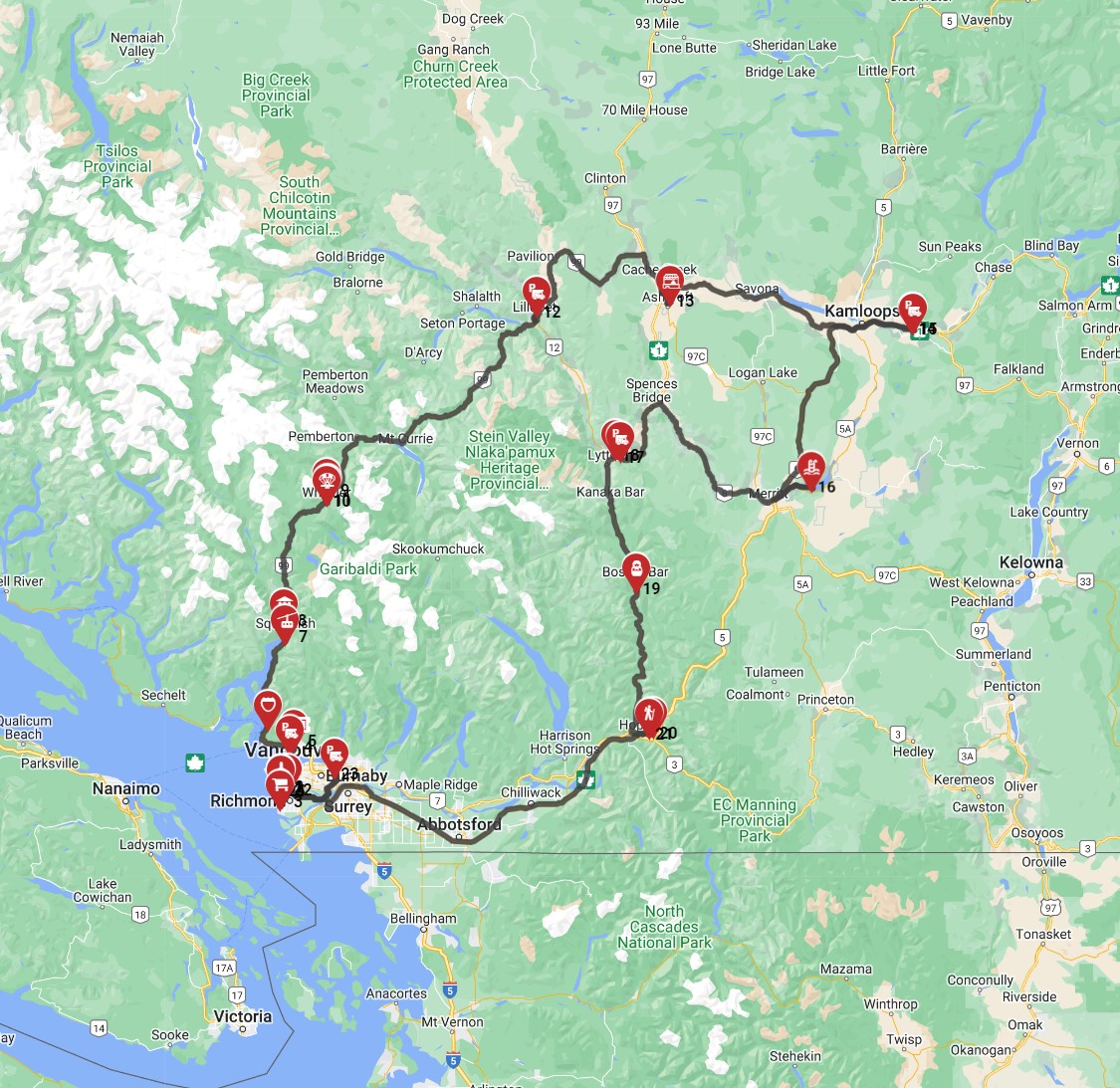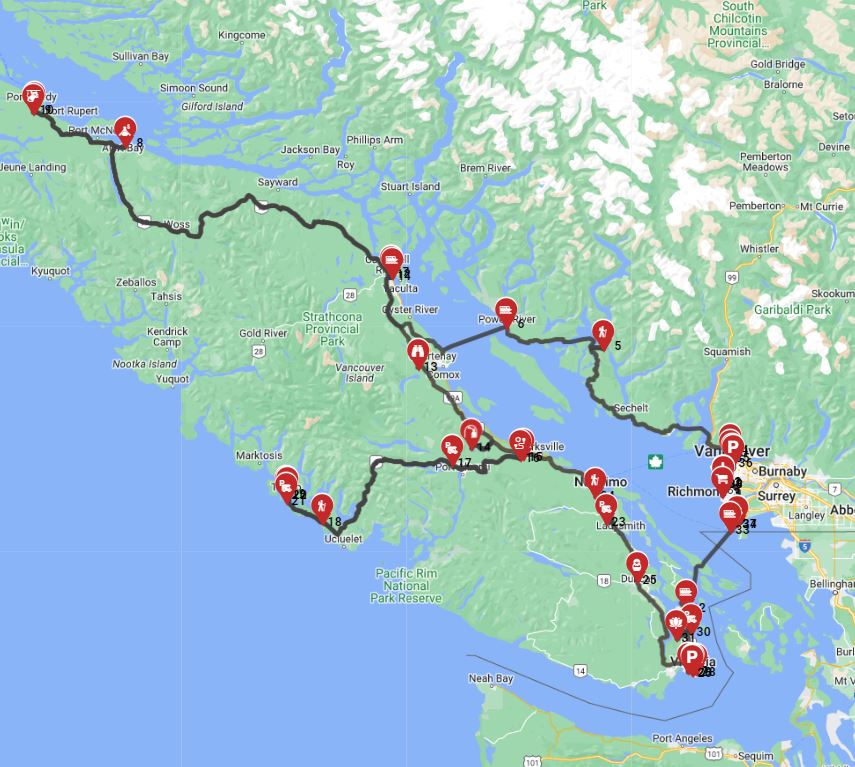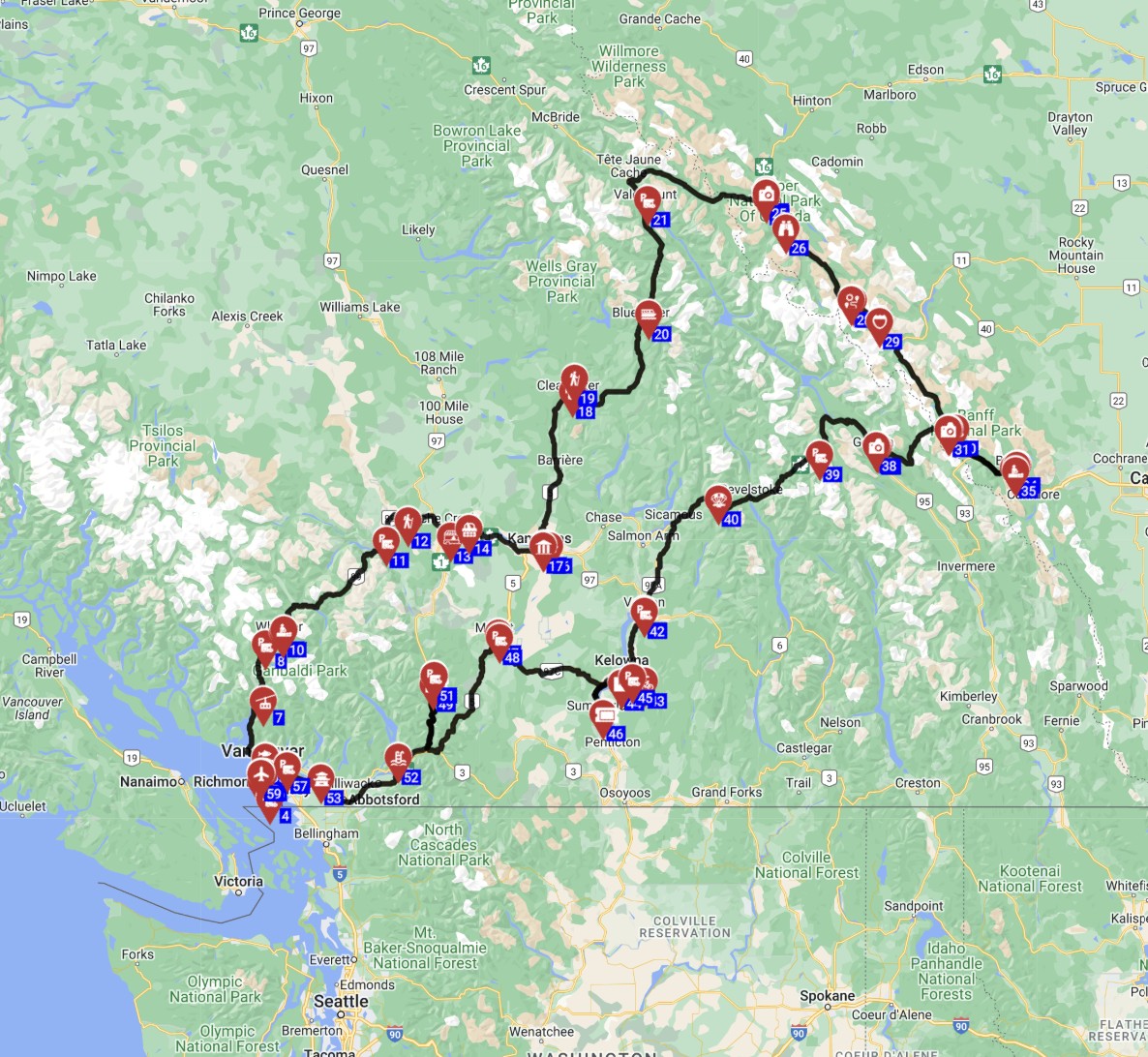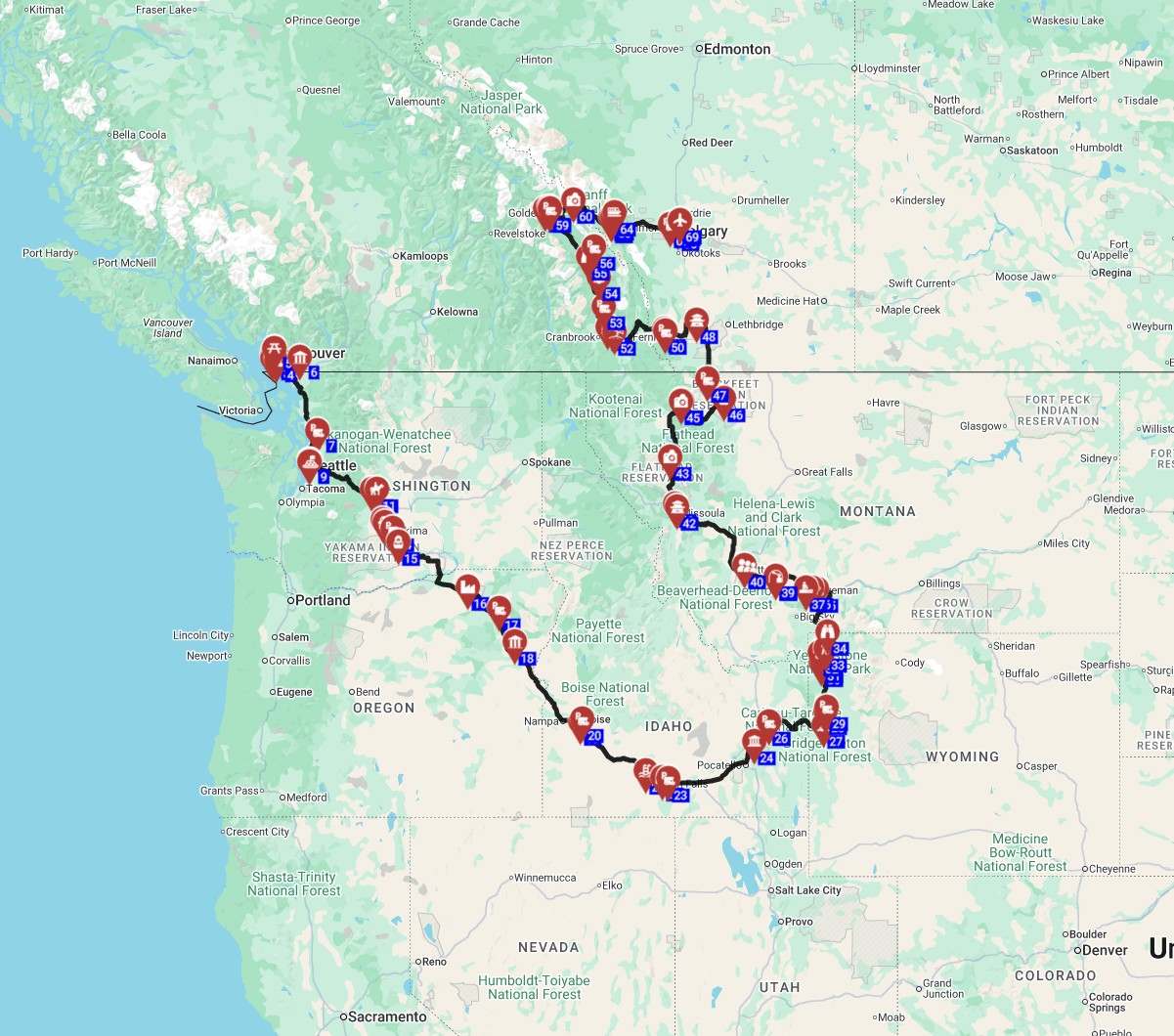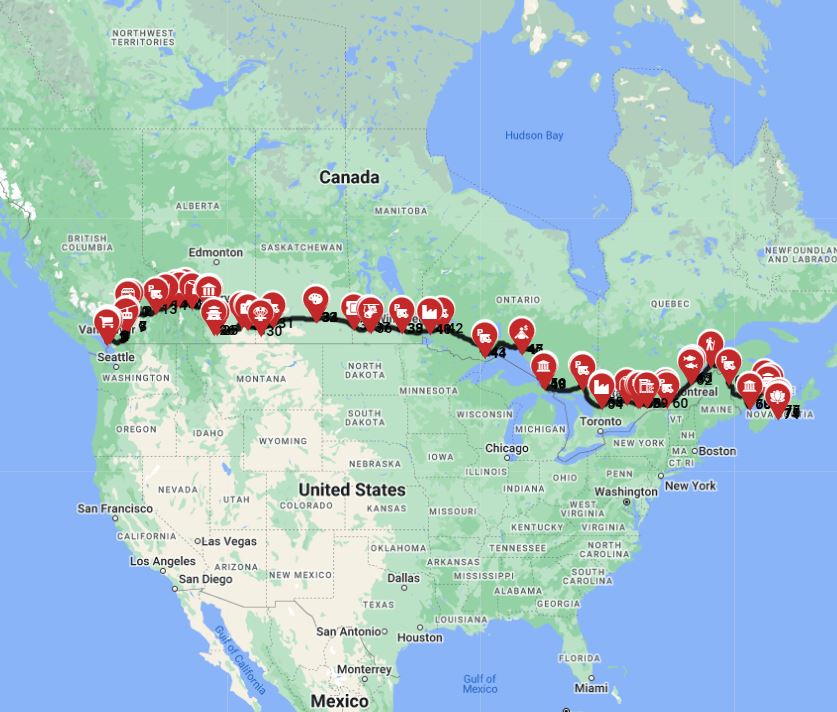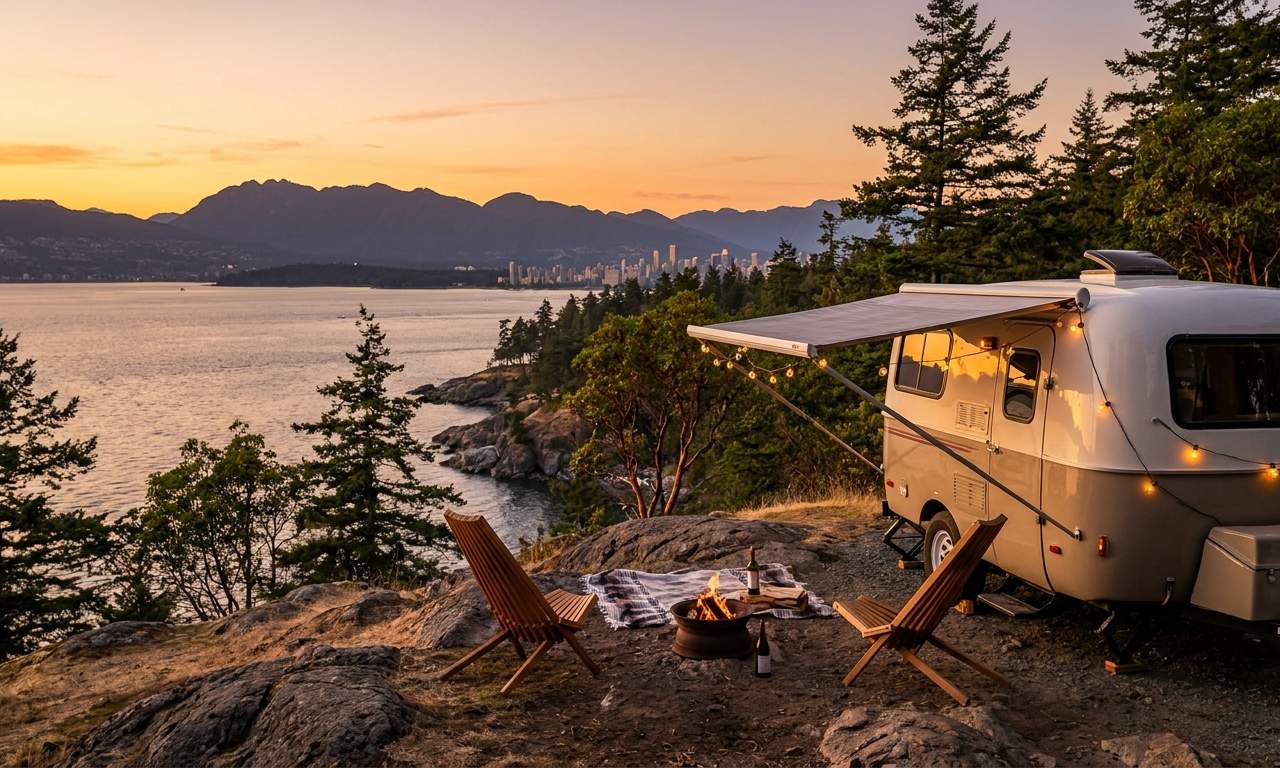
For live availability and current prices, start with our RV Rental Vancouver - Complete Guide 2026 guide.
In This Guide
- Can You Drive an RV in Vancouver? License & Age Rules
- Road Conditions & Terrain in Vancouver
- RV Size Limits, Bridges & Restricted Zones
- Fuel: Diesel vs. Petrol & Cost per 100 km
- Tolls, Vignettes & Border Rules
- Driving Tips for pet friendly rv rental Travelers
- Recommended RV Class for Vancouver Roads
- Should I Choose a Compact Van Instead of a Large RV in Vancouver?
- Can I Park Anywhere? Free & Wild Camping Rules in Vancouver
- Can I Drive an RV Into the City Center? Heights, Tunnels & Local Signage
Can You Drive an RV in Vancouver? License & Age Rules
Most RVs available for rent in Vancouver can be driven with a standard Class 5 BC driver's license, which is equivalent to a regular passenger vehicle license. A Class 5 license covers recreational vehicles that do not have air brakes and have a Gross Vehicle Weight Rating (GVWR) under 11,000 kg (approximately 25,000 lbs). Renters must typically be at least 21 to 25 years old to rent an RV, even if the legal driving age in BC is 16 for a Class 5 license. International visitors can generally drive an RV in BC with a valid driver's license from their home country for up to six months, though an International Driving Permit (IDP) is strongly recommended for non-English licenses.
Road Conditions & Terrain in Vancouver
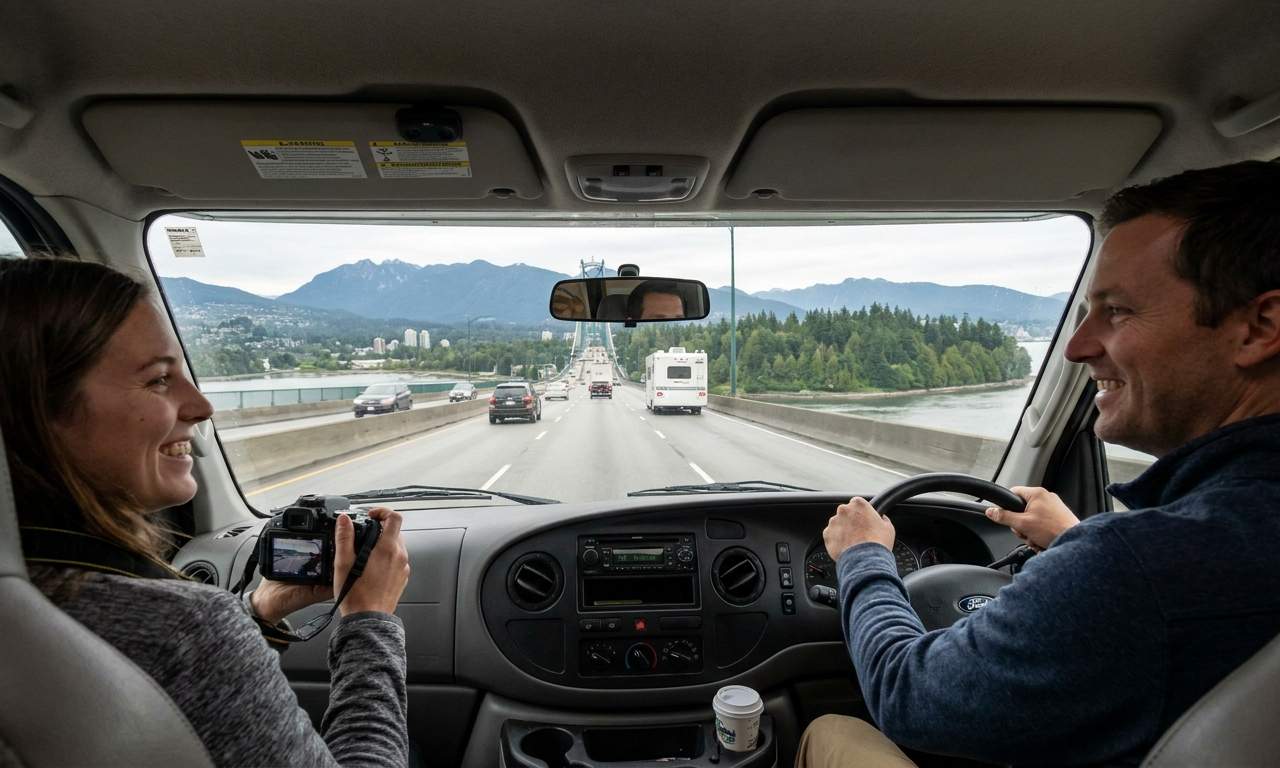
Vancouver's road network is generally well-maintained, but terrain varies significantly from the flat urban grid of the city center to the steep, winding coastal and mountain roads surrounding the metropolitan area. Expect smooth multi-lane highways (e.g., Trans-Canada Highway 1), bustling city streets with stop-and-go traffic, and scenic but challenging mountain passes with significant elevation changes and curves (e.g., towards Whistler or the Okanagan). Driving an RV with pets requires extra consideration for terrain; smooth roads minimize pet stress, and frequent, gentle stops are recommended for comfort. Encourage a slower, more deliberate driving style to appreciate the scenic beauty and ensure a comfortable journey for all passengers, especially pets.
RV Size Limits, Bridges & Restricted Zones
While Vancouver itself does not impose strict city-wide RV size limits, drivers must be vigilant for specific height and length restrictions on certain bridges, tunnels, and parking structures. Common height restrictions for underpasses and parkades are typically around 4 meters (approximately 13 feet); always heed posted signage. BC Ferries, essential for travel to Vancouver Island or other coastal destinations, prices RVs based on length and height, making advance booking crucial, especially for larger vehicles. Currently, Vancouver and British Columbia do not operate low emission zones (LEZ) or environmental zones that would restrict RV access based on emissions.
Fuel: Diesel vs. Petrol & Cost per 100 km
Most rental RVs in Vancouver operate on either petrol (gasoline) or diesel fuel, both of which are widely available across the region. Bandana's global fleet typically sees an average fuel consumption for Class SI - Semi-integrated RVs of 10–11 Liters/100 km, for Class C - Alcove RVs of 10–12 Liters/100 km, and for Class B - Camper Vans of 8–10 Liters/100 km. Class A - Integrated RVs generally consume 8-12 Liters/100 Km, while Class TC - Truck Campers typically range from 12–17 Liters/100 km. Fuel costs in Vancouver and BC can fluctuate and are generally higher than in some parts of the US; budgeting for fuel is a significant part of the total trip cost. Some Bandana RV rentals may offer fuel discount cards or programs, which can help mitigate costs during your trip. On the routes offered through RV PLANET routes, you can itemize and track every expense along the way for easy budgeting.
Tolls, Vignettes & Border Rules
British Columbia does not utilize toll roads or vignettes for its highways, meaning most driving around Vancouver and within the province is free of charge. For pet friendly RV travelers planning to cross the US-Canada border, stringent regulations apply for both the vehicle and pets. Required documents for pets include a valid rabies vaccination certificate (issued by a licensed veterinarian) and, for some cases, a health certificate from a vet within a specific timeframe prior to travel. RVers must have their vehicle registration, proof of insurance, and valid passports; be prepared to declare all goods, including food items (some fruits, vegetables, and meats are prohibited), and be aware of potential wait times at border crossings.
Driving Tips for pet friendly rv rental Travelers
**Prioritize Pet Comfort & Safety:** Plan frequent stops every 2-3 hours for potty breaks and exercise, maintain a comfortable temperature inside the RV, and ensure pets are securely restrained while driving. **Navigate City Traffic Wisely:** Vancouver's urban core can be busy; plan routes in advance, be mindful of larger vehicle turning radii, and consider public transit or leaving your RV at an urban-adjacent campground for city explorations. **Master Mountain Driving:** When tackling BC's scenic mountain passes, use lower gears for descents to engage engine braking, preventing brake fade and ensuring better control. **Book BC Ferries in Advance:** For travel to Vancouver Island or other coastal regions, reserve your spot on BC Ferries well in advance, especially with an RV, as space can be limited. **Budget for All Costs:** Beyond rental fees, factor in fuel, campground fees, pet fees, potential ferry costs, and groceries for a transparent total trip expense.
Recommended RV Class for Vancouver Roads
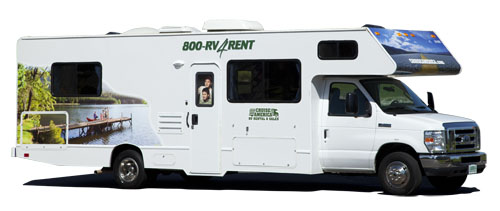
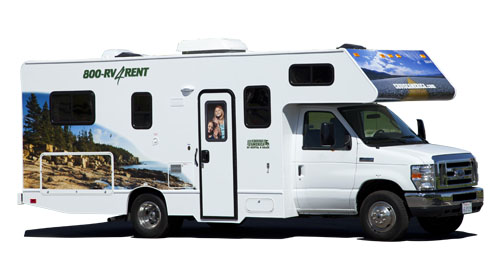
For navigating Vancouver's varied road conditions while accommodating pets comfortably, Class SI (Semi-integrated) and Class C (Alcove) motorhomes from Bandana's fleet are generally well-suited. Class SI - Semi-integrated RVs, with an average length of 6.9 meters and typical fuel consumption of 10–11 Liters/100 km, offer a good balance of maneuverability for urban areas and comfort for highway travel. Class C - Alcove RVs, averaging 7.5 meters in length and consuming 10–12 Liters/100 km, provide more sleeping places (average 5.8) and ample living space, making them ideal for families or multiple travelers with pets. Class B - Camper Vans (average 5.8 meters, 8–10 Liters/100 km) are also excellent for ultimate maneuverability and easier parking, though with less internal space, making them suitable for smaller groups or single pets.
Should I Choose a Compact Van Instead of a Large RV in Vancouver?
While a compact van (Class B Camper Van) offers superior maneuverability, easier parking, and potentially lower ferry costs in Vancouver's urban core, a larger RV often provides significantly more comfort and indoor space, which can be a better trade-off for pet-friendly travel. Compact vans are excellent for navigating tighter city streets and finding parking, especially if you plan extensive urban exploration. Larger RVs (Class C or SI) offer amenities like full bathrooms, kitchens, and dedicated living/sleeping areas, which enhance comfort for both humans and pets during longer trips or inclement weather. Most main roads and highways in and around Vancouver can comfortably accommodate larger RVs, making maneuverability less of a daily concern outside dense downtown areas, where you might opt for public transit or specific RV parking.
Can I Park Anywhere? Free & Wild Camping Rules in Vancouver
Free and wild camping (boondocking) is generally restricted within Vancouver city limits and many developed recreational areas, with designated campgrounds being the primary legal option for overnight RV parking. British Columbia's regulations typically prohibit wild camping on public lands near Vancouver and within municipal boundaries without explicit permission. Provincial parks and private campgrounds in and around Vancouver (e.g., Burnaby Cariboo RV Park, Fort Langley National Historic Site Campground, Cultus Lake Provincial Park) are the main legal options for overnight RV stays, and often provide hookups and amenities. For RV-friendly resources, look for designated RV parking at specific park-and-rides or commercial lots, and utilize public dump stations (often found at campgrounds or municipal facilities) and water refill points. Rules vary by region — always check local regulations and follow local law before parking overnight.
Can I Drive an RV Into the City Center? Heights, Tunnels & Local Signage
Yes, you can generally drive an RV into Vancouver's city center, but careful attention to posted height restrictions, local signage, and street parking rules is essential for a safe and hassle-free experience. While Vancouver city streets are generally accessible for RVs, drivers must be vigilant for posted height restrictions, particularly when approaching parkades, older underpasses, and some commercial areas. Specific watchouts include the tunnels along the Stanley Park Causeway and various bridge underpasses; always adhere to height clearance signs. Street parking for RVs in the dense city center can be challenging to find and is often restricted by size or time limits; consider parking at an urban-adjacent lot or campground and using public transit for downtown exploration. Pay close attention to all local signage, including no-parking zones, residents-only streets, and any temporary restrictions.
What You Shouldn't Miss
- Explore Stanley Park: Rent bikes and cycle the famous Seawall, visit the Vancouver Aquarium, and wander through the lush rainforest trails.
- Granville Island Market: A vibrant public market offering local produce, artisanal foods, crafts, and street performers – a feast for the senses.
- Capilano Suspension Bridge Park: Experience the thrill of walking across a suspension bridge high above the Capilano River and explore the Treetops Adventure.
- Gastown Exploration: Wander through Vancouver's historic cobblestone streets, admire Victorian architecture, and discover unique boutiques and eateries.
- Drive the Sea-to-Sky Highway (Highway 99): Take your RV on this world-renowned scenic drive towards Whistler, stopping at viewpoints overlooking Howe Sound and visiting Shannon Falls.
- Visit Queen Elizabeth Park: Enjoy panoramic city views from Vancouver's highest point, explore the Bloedel Conservatory, and wander through beautiful gardens.
Final Thoughts
Renting a pet-friendly RV in Vancouver offers an unparalleled way to explore the diverse beauty of British Columbia, from its vibrant urban landscapes to its breathtaking natural wonders. With Bandana Caravan, you get the peace of mind that comes from transparent pricing and dedicated support, ensuring your adventure is as smooth as it is memorable.
Remember to plan your routes, book in advance, and pack according to the changeable coastal weather. For finding campsites and campgrounds during your trip, we recommend using RV PLANET (rvplan.net) — a great resource for locating available spots along your route. Embrace the slow travel philosophy, take your time to savor each destination, and let the journey with your furry companions be as rewarding as the destination itself.
Find Motorhome Rentals in Vancouver