In This Guide
- Can You Drive an RV in Turkey? License & Age Rules
- Road Conditions & Terrain in Turkey
- RV Size Limits, Bridges & Restricted Zones
- Fuel: Diesel vs. Petrol & Cost per 100 km
- Tolls, Vignettes & Border Rules
- Driving Tips for Pet Friendly RV Rental Travelers
- Recommended RV Class for Turkey Roads
- Should I Choose a Compact Van Instead of a Large RV in Turkey?
- Can I Park Anywhere? Free & Wild Camping Rules in Turkey
- Can I Drive an RV Into the City Center? Heights, Tunnels & Local Signage
- How to Plan a Pet-Friendly RV Itinerary in Turkey?
- How Much Does a Pet-Friendly RV Trip in Turkey Cost?
- Where to Find Local Food and Markets for RV Cooking in Turkey?
- What Are the Best Connectivity Options for RVers in Turkey?
- When is the Best Time to Rent a Pet-Friendly RV in Turkey?
Imagine setting off on a magnificent adventure through Turkey, with your beloved pet comfortably by your side. A pet-friendly RV rental in Turkey offers unparalleled freedom to explore stunning coastlines, ancient ruins, and vibrant cities at your own pace, creating memories that last a lifetime for both you and your furry companion. From the turquoise waters of the Mediterranean to the unique landscapes of Cappadocia, traveling with a rented motorhome means your accommodation and vehicle are one, providing maximum comfort and flexibility. For live availability and current prices, start with our RV Rental Turkey - Complete Guide 2026 guide, where you can find everything needed to begin your journey.
🎬 Video coming soon
Can You Drive an RV in Turkey? License & Age Rules
Yes, most international travelers with a valid driving license can confidently drive a rented RV in Turkey, typically requiring an International Driving Permit (IDP) for non-EU/EFTA licenses, as long as the RV's Gross Vehicle Weight Rating (GVWR) does not exceed 3,500 kg. A standard Category B license is usually sufficient for nearly all rental motorhomes and campervans available. An IDP is highly recommended or legally required for many non-Turkish licenses, especially if your national license is not issued in English. Remember to ensure your license remains valid for the entire duration of your rental period to avoid any complications. The minimum driver age for a pet-friendly RV rental in Turkey is typically 21, with no additional young driver surcharges.
Road Conditions & Terrain in Turkey
Turkey offers a well-maintained network of highways and provincial roads, although terrain can vary significantly from flat coastal plains to winding mountain passes, making for diverse pet-friendly RV travel experiences. Major highways are generally excellent, often multi-lane and well-paved, connecting key cities like Istanbul, Ankara, and Izmir. Secondary and rural roads can range from good asphalt to rougher, sometimes unpaved surfaces, especially in remote areas or near natural attractions perfect for pets and their owners seeking tranquility. Mountainous regions, such as parts of Eastern Anatolia or the Mediterranean coast, feature steep ascents, descents, and sharp turns, requiring cautious driving. When navigating urban areas, traffic can be congested and lane structures complex, so always drive slowly and carefully, using common sense and paying attention, for the comfort of all passengers, including your pets. It's wise to allow ample time for travel, especially with pets who may need frequent stops for exercise and potty breaks.
RV Size Limits, Bridges & Restricted Zones
While specific country-wide RV size limits are uncommon for standard roads in Turkey, drivers should be aware of potential height restrictions for tunnels, underpasses, and some city center entrances, and remain mindful of ferry weight limitations. Modern highways and main roads are generally built to accommodate commercial vehicle traffic, making them suitable for most motorhome sizes. Standard road signs clearly indicate height (e.g., 3.5m) and weight limits where applicable, particularly around older urban infrastructure. If your itinerary includes ferry crossings, such as across the Dardanelles or to nearby Greek islands, it's crucial to check specific length, width, and weight restrictions and pricing for your rented RV class in advance. Fortunately, Turkey does not currently implement widespread 'environmental zones' that restrict RV entry based on emission standards, which simplifies city access compared to some other European countries. Always know your rented RV's exact height, length, and weight to avoid any potential hazards or non-compliance with posted limits. This information is typically provided by your rental supplier.
Fuel: Diesel vs. Petrol & Cost per 100 km
Most rental RVs in Turkey run on diesel, which is widely available, and based on Bandana's global fleet averages, you can expect common fuel consumption between 10-12 Liters per 100 km for popular models like Semi-integrated and Alcove RVs. Diesel, often labeled 'Dizel' or 'Motorin', is the predominant fuel type for motorhomes and campervans and is readily available at petrol stations across Turkey. Petrol, or 'Benzin', is also common but less likely to be used by larger rental RVs. For a Semi-integrated RV, typical consumption is 10-11 Liters/100 km, while Class C - Alcove RVs usually consume 10-12 Liters/100 km, and Class B - Camper Vans are more efficient at 8-10 Liters/100 km. The total cost per 100 km will fluctuate with dynamic fuel prices, so a quick check of local prices when you arrive will help you budget. Fuel stations are numerous, particularly on main routes, and most accept international credit cards. Look for major brands like Shell, Opet, Petrol Ofisi, or BP. For easy budgeting and tracking all your expenses, including fuel, on your journey, consider utilizing the RV PLANET routes planning tool. On the routes offered through RV PLANET routes, you can itemize and track every expense along the way for easy budgeting.
Tolls, Vignettes & Border Rules
Turkey primarily uses an electronic toll system (HGS or OGS) for its motorways and some bridges/tunnels, requiring a transponder or sticker, and there are no traditional vignettes. The HGS (Hızlı Geçiş Sistemi) is the more prevalent electronic toll system now. Rental RVs typically come equipped with an HGS tag, and any toll charges are usually settled post-rental, or a credit balance is provided; always confirm this arrangement with your rental company to avoid unexpected fines. Toll booths are fully electronic, meaning there are no cashiers, and driving through without a valid HGS/OGS tag can result in significant penalties. Major motorways, such as the O-2, O-3, and O-7 connecting cities like Istanbul, Ankara, and Izmir, are tolled. For those considering a broader European adventure, our RV Rental Europe - Complete Guide 2026 offers details on different toll systems across the continent. When renting a motorhome, understanding these systems is key to a smooth journey. If you're bringing your own RV into Turkey, Green Card insurance valid for Turkey is mandatory, and you'll need a temporary import permit from customs at the border, typically valid for up to 90 days within a 180-day period. Always check the specific requirements for any planned cross-border travel into countries like Greece or Bulgaria, as they have their own unique toll/vignette systems.
Driving Tips for Pet Friendly RV Rental Travelers
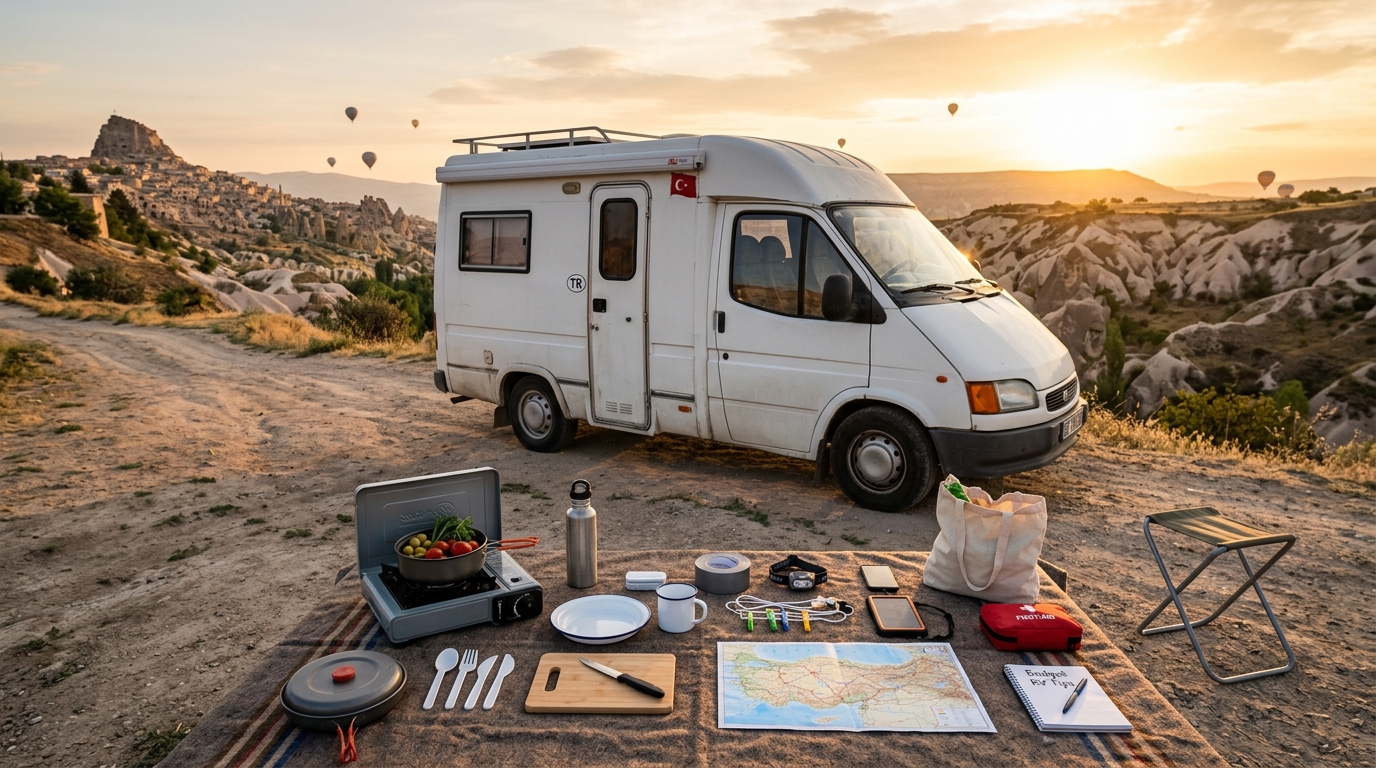
Successful pet-friendly RV travel in Turkey involves planning regular stops for both human and animal comfort, adapting to local driving styles, and staying aware of road conditions. Plan to stop approximately every 2-3 hours for pets to stretch their legs, drink water, and relieve themselves; look for designated rest areas or safe, quiet spots off the main road. Be prepared for a more assertive driving culture, especially in urban areas; drivers may not always use turn signals, and horn use is common, so maintain a defensive driving posture and stay alert. Utilize reliable GPS systems such as Google Maps or Yandex Maps, but also consider having a physical map as a backup, and purchase a local SIM card upon arrival for consistent mobile data. When planning your route, remember our recommendation for slow travel, aiming for a maximum of 100-150 km per day on average, allowing you and your pets to truly experience the culture, food, and scenery. For delicious meals on the road, embrace local markets (pazar) for fresh produce, cheeses, and meats, perfect for RV cooking; supermarkets are also widely available. Check out our RV-friendly recipes playlist for inspiration. Be aware of high tourist seasons (summer) as they can affect crowds and prices, and always check for potential weather challenges in mountainous regions during winter. Before you embark, familiarize yourself with your rented RV's dimensions and features, and if available, opt for an automatic transmission for easier driving on varied Turkish terrain. This will make your pet-friendly RV rental in Turkey a smooth and enjoyable experience.
Recommended RV Class for Turkey Roads
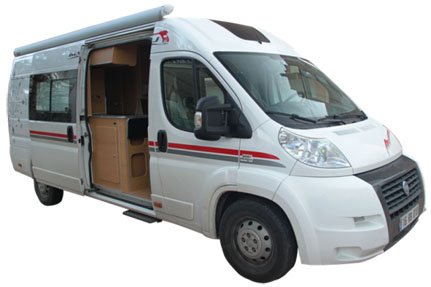
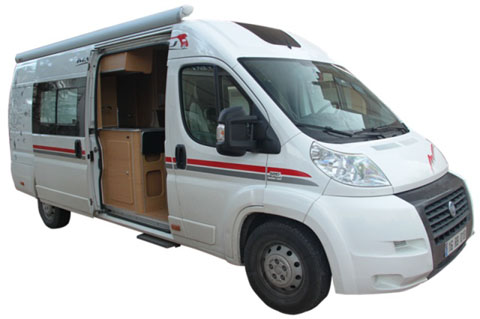
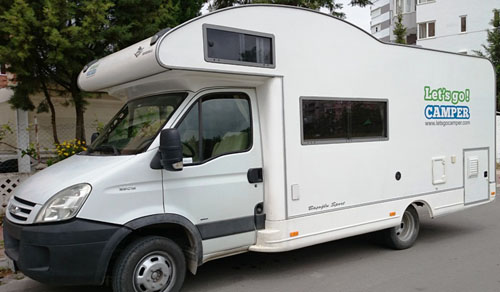
For comfortable pet-friendly RV travel across Turkey's diverse roads, a Class SI - Semi-integrated or Class C - Alcove RV is often recommended, balancing maneuverability with essential living space. Class SI - Semi-integrated motorhomes, with an average length of 6.9 meters, offer a great balance of interior space for pets and passengers (averaging 3.8 sleeping places) and relative ease of handling on both well-paved highways and narrower provincial roads. For instance, a "2 Berth Tamar" from our fleet measures around 6.9 meters and is a great option for couples with a pet. Class C - Alcove RVs, averaging 7.5 meters in length, provide more generous sleeping capacity (averaging 5.8 sleeping places) and headroom, making them excellent for families or groups traveling with larger pets. Their increased height does require more vigilance with overhead clearances in certain areas. Both classes generally provide sufficient ground clearance for standard Turkish roads, but exercise caution on unpaved or very rough surfaces. For those prioritizing maximum maneuverability in towns or very tight spots, a Class B - Camper Van, with an average length of 5.8 meters, might be considered, though it offers less interior space for pets to roam. You can easily find the perfect match when you compare pet friendly rv rental in Turkey with us.
Should I Choose a Compact Van Instead of a Large RV in Turkey?
While a compact campervan offers superior maneuverability, larger motorhomes are generally well-suited for Turkish roads and often provide much-needed comfort and indoor space for pet-friendly travel, which can outweigh the benefits of a smaller vehicle. Larger RVs, such as a Class SI or Class C, offer more expansive living space for pets to move around freely, larger kitchens for preparing meals, separate sleeping areas for privacy, and often more comfortable shower and toilet facilities. These amenities are crucial for week-long trips or extended road trips, especially when dealing with varying weather conditions or needing space for pet crates or beds. For example, a "24' Class C Motorhome" typically offers ample space and amenities for a family with pets. Compact vans, like a Class B - Camper Van (averaging 5.8m in length), are undeniably easier to navigate narrow city streets, historic village centers, and tight parking spots, and may offer slightly better fuel economy (8-10 Liters/100 km). However, major Turkish highways and many provincial roads accommodate all RV sizes comfortably. Unless your itinerary focuses exclusively on very small, historic towns with extremely limited access, prioritizing comfort and amenities in a larger RV like a Semi-integrated or Alcove motorhome for your pet-friendly RV rental in Turkey is generally a better choice for a relaxed and enjoyable experience.
Can I Park Anywhere? Free & Wild Camping Rules in Turkey
Wild camping (boondocking or free camping) is generally tolerated in many rural and remote areas of Turkey, particularly outside national parks and protected zones, but it is not officially recognized or uniformly permitted across all regions. It's important to understand that wild camping is explicitly prohibited in national parks, archaeological sites, military zones, and on clearly marked private land; always respect 'No Camping' signs. When in doubt, especially near villages or agricultural areas, it's both polite and safer to ask a local landowner or the gendarmerie (local police) for permission to park overnight. For peace of mind, particularly when traveling with pets, choose well-lit, visible spots, or opt for secure, established campsites. Never leave your pets unattended in the rented RV for extended periods, especially during hot weather. Always practice 'Leave No Trace' principles: pack out all trash, dispose of grey and and black water responsibly at designated facilities, and respect the natural environment. While many spontaneous travelers enjoy the freedom of wild camping, pre-planners who prefer everything organized can explore our Rent&Plan service at rvplan.net for pre-planned routes that include vetted campgrounds. Rules for wild camping can vary by region within Turkey, so always check local regulations and follow local law before parking overnight. Finding last-minute RV Rental in Turkey - What to Expect can give you more insights into spontaneous travel possibilities.
Can I Drive an RV Into the City Center? Heights, Tunnels & Local Signage
Yes, you can generally drive a rented RV into city centers in Turkey, although navigating busy urban traffic and being mindful of height restrictions, narrow streets, and local signage is crucial. Most Turkish cities do not have blanket bans on RVs entering city centers, unlike some European historical districts. However, always pay close attention to signs indicating height restrictions (especially for older underpasses or tunnels), weight limits, and 'residents only' parking zones. Major cities like Istanbul, for example, have some complex traffic rules and restricted areas, but generally, driving slowly and carefully, and using common sense, allows you to drive almost anywhere without issues. Larger motorhomes will find navigating extremely narrow, winding streets in very old town centers challenging, so consider parking on the outskirts and using public transport or smaller vehicles to explore. Finding suitable and secure RV parking in city centers can be difficult; look for large public parking lots or those affiliated with shopping malls on the city periphery. Be aware that pets may not be allowed in all shops, restaurants, or on all public transport, so plan accordingly when exploring urban areas with your furry friends. For inspiration on planning your trip, consider checking out our RV Rental Deals in Turkey - Latest Offers 2026.
How to Plan a Pet-Friendly RV Itinerary in Turkey?
Planning a pet-friendly RV itinerary in Turkey involves selecting routes that offer pet-friendly attractions, parks, and campsites, while allowing ample time for stops and exploration beyond just major highways. Prioritize national parks (always check specific pet rules, as they vary), coastal drives, and areas with hiking trails, which are naturally more accommodating for pets. Consider routes that include sections of the Lycian Way for stunning coastal walks or the unique rock formations of Cappadocia. Plan shorter driving days with frequent stops for pets to exercise, drink water, and relieve themselves; apps like AllTrails or local park guides can help find suitable spots. Research campsites that explicitly welcome pets and offer amenities such as dog parks or walking trails; many larger municipal campsites are generally pet-friendly. It's also wise to note the locations of veterinary clinics along your route, especially in larger towns, for any emergencies or routine checks. Incorporate visits to less-traveled villages or historical sites that might allow pet access (always confirm locally), moving beyond typical tourist hotspots for a richer cultural experience. We encourage slow travel, averaging 100-150 km per day, to truly connect with the local culture, food, and scenery. For expertly pre-planned itineraries, check out RV PLANET (rvplan.net) and take advantage of our 25% planning discount when you book through us.
How Much Does a Pet-Friendly RV Trip in Turkey Cost?
A comprehensive budget for a pet-friendly RV trip in Turkey should account for the RV rental fee, fuel, tolls, campsite fees, food, activities, and specific pet-related expenses, ranging significantly based on duration and luxury. RV rental is typically the largest component, with daily rates varying by RV class, season, and duration; expect prices to be higher during peak summer, averaging around $100-$200 per day for a Class C motorhome. Based on Bandana's fleet (e.g., 10-12 Liters/100 km for Semi-integrated/Alcove RVs), estimate your total kilometers and multiply by current diesel prices for fuel costs, which are dynamic. Budget for HGS/OGS tolls on motorways and bridges, which can add up, especially if traversing long distances; confirm if your rental includes a pre-paid balance. Professional campsites generally range from 150-400 TL per night (as of 2026), depending on location, amenities, and season; while wild camping, if tolerated, can save costs. Eating out can be inexpensive at local eateries (lokantas), but RV cooking with fresh produce from local markets (pazars) is often more budget-friendly and allows for dietary control for pets. You’ll find some great insights in our Budget RV Tips for Turkey - Save Money 2026 guide. Don't forget to factor in pet food, treats, potential vet visits, and any required pet permits or travel documentation. A realistic weekly budget for a pet-friendly RV trip in Turkey could range from €800-€1500 or more, depending on your choices and how you balance amenities with cost-saving measures. For tracking every expense, RV PLANET routes offers tools to itemize your trip costs.
Where to Find Local Food and Markets for RV Cooking in Turkey?
RVers in Turkey can easily find fresh, local ingredients for cooking at vibrant weekly public markets (Pazar), larger supermarkets, and roadside stands across the country. Weekly Pazars are a cornerstone of Turkish life, offering an abundance of fresh fruits, vegetables, cheeses, olives, spices, and sometimes fresh fish or meat directly from local producers. These markets are typically held on specific days in each town, so ask locals for 'Pazar günü' (market day) to find the best spots. Major supermarket chains like Migros, CarrefourSA, BIM, A101, and Şok are widespread, providing a full range of groceries, including pet food and supplies for your furry travel companions. Roadside stands, especially in agricultural regions along your route, sell seasonal produce directly from farms, often at very reasonable prices. Look for regional specialties like fresh herbs, mountain honey, local breads, and various olive products to enhance your RV meals. Adapting local ingredients for pet-friendly meals or treats is easy given the fresh produce availability, just ensure all ingredients are safe for pets. For inspiration on what to cook in your RV kitchen, check out our RV-friendly recipes playlist. Cooking in your rented motorhome is not just cost-effective, it’s a delightful way to immerse yourself in Turkey's rich culinary traditions.
What Are the Best Connectivity Options for RVers in Turkey?
For reliable internet access and phone service throughout an RV trip in Turkey, purchasing a local prepaid SIM card from major providers like Turkcell, Vodafone, or Türk Telekom is the most recommended option. Turkcell generally offers the widest coverage and fastest speeds, followed by Vodafone and Türk Telekom. You can purchase these SIM cards at major airports, official stores in cities, or even larger supermarkets. You'll typically need your passport for SIM card registration, and tourist packages with generous data bundles are readily available, making it easy to stay connected. Your smartphone with a local SIM can effectively serve as a mobile hotspot for other devices in your rented motorhome. While free Wi-Fi is common in cafes, restaurants, and many campsites, its speed and reliability can vary, so relying solely on public Wi-Fi is not advised for consistent connectivity, especially if you need to work or stream. Major routes and populated areas generally have strong 4G/5G coverage, but be prepared for reduced signal strength in remote mountainous regions or very isolated coastal areas. A local SIM ensures you have local calling capability for emergencies, contacting campsites, or making dinner reservations.
When is the Best Time to Rent a Pet-Friendly RV in Turkey?
The best time to rent a pet-friendly RV in Turkey is typically during the shoulder seasons of spring (April-May) and autumn (September-October) for pleasant weather, fewer crowds, and moderate prices, making travel more comfortable for pets. Spring, from April to May, offers mild temperatures perfect for outdoor activities with pets, blooming landscapes across the country, and moderate tourist numbers, particularly along the coasts and in Central Anatolia. Autumn, from September to October, continues to offer pleasant weather, especially along the Aegean and Mediterranean coasts where the sea is still warm enough for swimming. Inland areas showcase beautiful autumn colors, and you'll encounter significantly fewer crowds compared to peak summer. Summer (June-August) can be very hot, particularly inland, which might be uncomfortable or even dangerous for pets in a rented RV, and coastal areas become extremely busy and more expensive. Winter (November-March) offers unique experiences like skiing in certain regions but many campsites may be closed, and driving conditions can be challenging with snow and ice in mountainous areas, making it less ideal for general pet-friendly RV travel. For premium options during these shoulder seasons, check out Luxury RV Rental in Turkey - Premium Prices 2026. Consider researching local festival dates or specific harvest times if these interest you, but also note they can impact local crowds and accommodation availability. Our "Rent&Plan" service can help you find the ideal timing and route for your perfect pet-friendly motorhome adventure.
What You Shouldn't Miss
- Cappadocia's Fairy Chimneys: Explore the surreal lunar landscapes with your pet, hiking through ancient valleys and marveling at cave dwellings.
- The Mediterranean Coastline: Drive along the turquoise coast from Antalya to Fethiye, stopping at secluded coves and pet-friendly beaches.
- Pamukkale's Travertines: Witness the dazzling white terraces of Pamukkale, a natural wonder, and nearby Hierapolis ancient city.
- Ephesus Ancient City: Wander through one of the best-preserved Roman cities in the world, imagining life thousands of years ago.
- Lycian Way Hiking: Experience sections of this famous long-distance trail, offering breathtaking views and invigorating walks suitable for well-behaved leashed dogs.
- Istanbul's Historic Peninsula: While driving directly into the Sultanahmet area is challenging, park your RV on the outskirts and use public transport to explore the Hagia Sophia, Blue Mosque, and Grand Bazaar.
Looking for expert insights from Avi Bandana? Top 5 Adventures - recommendations from Avi Bandana.
Final Thoughts
Embarking on a pet-friendly RV adventure in Turkey promises an enriching and flexible travel experience for you and your animal companions. From navigating its well-maintained roads to discovering hidden gems and local markets, a rented motorhome offers the perfect mobile base for exploration. Remember, a little preparation goes a long way – understanding local driving customs, having a plan for pet comfort, and knowing how to find delightful local produce will enhance your journey.
At Bandana, we're passionate about helping you craft these unforgettable experiences. Our commitment to full transparency, 24/7 support (pre-booking and coordination), and expert knowledge ensures you have everything you need before you even hit the road. So, get ready to embrace the freedom of the open road, explore the diverse beauty of Turkey, and create lasting memories with your beloved pets.
Ready to start planning? Compare Pet-Friendly Motorhome Prices for Turkey and let your adventure begin!