In This Guide
- Can You Drive an RV in Toronto? License & Age Rules
- Road Conditions & Terrain in Toronto
- RV Size Limits, Bridges & Restricted Zones in Toronto
- Fuel: Diesel vs. Petrol & Cost per 100 km in Toronto
- Tolls, Vignettes & Border Rules Near Toronto
- Driving Tips for Pet-Friendly RV Rental Travelers in Toronto
- Recommended RV Class for Toronto Roads
- Should I Choose a Compact Van Instead of a Large RV in Toronto?
- Can I Park Anywhere? Free & Wild Camping Rules in Toronto
- Can I Drive an RV Into the City Center? Heights, Tunnels & Local Signage
- What are the new RV rules in Ontario?
- Do you need a license to drive an RV in Canada?
- Can I put my dog in my camper while driving in Ontario?
- Is Toronto a pet friendly city?
- Can you walk around in a motorhome while driving in Canada?
- How to travel with pets in an RV?
- What is the new law on RV licensing in Ontario?
- Is a pet license required in Toronto?
- How much is RV insurance in Canada?
- Does RV insurance cover animal damage?
- What You Shouldn't Miss
- Why Book with Bandana Caravan
- Final Thoughts
- Frequently Asked Questions
Can You Drive an RV in Toronto? License & Age Rules
In Ontario, a standard G class driver's license is sufficient for operating most recreational vehicles (RVs) with a Gross Vehicle Weight Rating (GVWR) up to 11,000 kg (24,250 lbs), including common Class B, Class C, and smaller Class A motorhomes. RVs exceeding this weight or equipped with air brakes may require a higher license class, such as an A or D license, though these are uncommon for typical rental units. The minimum age to rent an RV in Toronto is generally 21 years old with most Bandana partner suppliers, and there are no young driver surcharges or vehicle class restrictions based on age for any Class A, B, or C motorhome. Foreign drivers require a valid driver's license from their home country, often accompanied by an International Driving Permit (IDP) translated into English or French, to legally drive a rented RV in Toronto, although an IDP is not mandatory in most cases. We believe in full transparency, making sure you know all requirements upfront so there are no surprises.
Road Conditions & Terrain in Toronto
Toronto's road conditions are predominantly urban, featuring well-maintained paved roads that can involve significant traffic congestion, especially during peak hours. The terrain around Toronto is generally flat, with no challenging mountains or steep inclines, making for relatively easy RV driving without demanding grades. Navigating the urban environment means encountering multiple lanes, frequent stops at intersections like those on Yonge Street or around the Gardiner Expressway, requiring careful attention from RV drivers. The flat, consistent terrain allows for a smoother ride for pets, but drivers should still prioritize slow, steady driving to ensure animal comfort. Remember, drive slowly and carefully, and you can drive almost anywhere without issues. No need to stress - just use common sense and pay attention.
RV Size Limits, Bridges & Restricted Zones in Toronto
While there are no specific RV size limits that broadly restrict recreational vehicles on Toronto's main roads, drivers must always be aware of height and weight restrictions for specific structures, particularly when navigating the urban core. Particular attention should be paid to low bridges and underpasses, such as some sections of the Gardiner Expressway, and parking garage height limits within the city core. There are no designated 'environmental zones' in Toronto that restrict RV entry based on emissions standards, unlike some European cities. If planning to use ferries (e.g., to Toronto Island), check their specific length and weight restrictions in advance to avoid any issues.
Fuel: Diesel vs. Petrol & Cost per 100 km in Toronto
Most rental motorhomes available in Toronto are diesel-powered, though some campervans (Class B) may use petrol (gasoline); both fuel types are readily available at service stations throughout the region, including major chains like Esso and Shell. Based on Bandana's local fleet data, common fuel consumption for rented RVs in Toronto typically ranges from 11-15 Liters/100 km for Class B Camper Vans (like the "Active Classic" at 5.99m length) and around 12-17 Liters/100 km for Class TC Truck Campers (such as the "4x4 Truck Camper Gold" which is a compact 4x4). Larger RVs like Class C Alcoves (e.g., "MHC24" at 7.3m length), and Class SI Semi-integrated models (e.g., "Euro Quest" around 7.5m) average around 25-30 Liters/100 km, significantly influencing the overall cost of your trip. To budget effectively and track all your expenses, including fuel and campground fees, remember that RV PLANET routes allow travelers to itemize and track every expense along the way for easy budgeting. On the routes offered through RV PLANET routes, you can itemize and track every expense along the way for easy budgeting.
Tolls, Vignettes & Border Rules Near Toronto
The primary toll road in the greater Toronto area is Highway 407 ETR (Express Toll Route), an electronic toll highway that operates without physical toll booths, charging vehicles based on license plate recognition. There are no 'vignette' systems (pre-paid road use stickers) required for driving in Ontario or other parts of Canada, simplifying planning compared to some European destinations. For travelers considering crossing the U.S. border, ensure all occupants have valid passports and check current customs regulations for pets, including vaccination records and health certificates, well in advance of your trip. Some rental motorhomes from Bandana may offer the option to pre-purchase or utilize toll passes for the 407 ETR, simplifying travel and helping to avoid potential fines for unpaid tolls, aligning with our commitment to full transparency.
Driving Tips for Pet-Friendly RV Rental Travelers in Toronto
Planning frequent stops (every 2-3 hours) at rest areas or pet-friendly parks, such as those along Highway 401 or in the sprawling Rouge National Urban Park, is essential to allow pets to stretch their legs, hydrate, and relieve themselves, ensuring their comfort and well-being. Secure your pets using appropriate carriers or seatbelt harnesses while the RV is in motion to prevent distraction to the driver and protect them in case of sudden stops. Research and book pet-friendly campgrounds or RV parks in advance, as policies regarding pet size, breed, and leash requirements can vary significantly, especially for popular spots like Glen Rouge Campground. Familiarize yourself with Toronto's urban traffic patterns and plan routes during off-peak hours when possible to reduce stress for both driver and pets. Carry all necessary pet documentation, including vaccination records and identification tags, in case of an emergency or veterinary visit; local vet clinics like the Toronto Veterinary Emergency Hospital are readily available. When planning your route, remember to travel slowly, max 100-150 km per day on average, to fully experience the beauty of Ontario.
Recommended RV Class for Toronto Roads
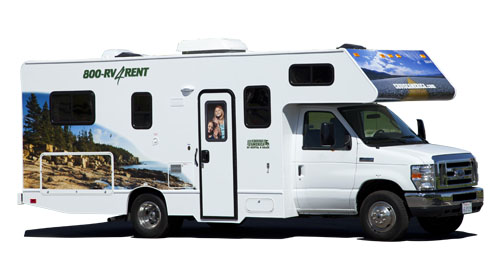
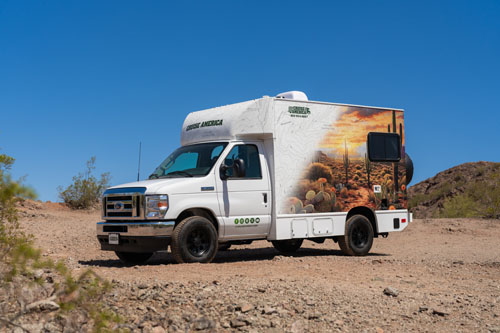
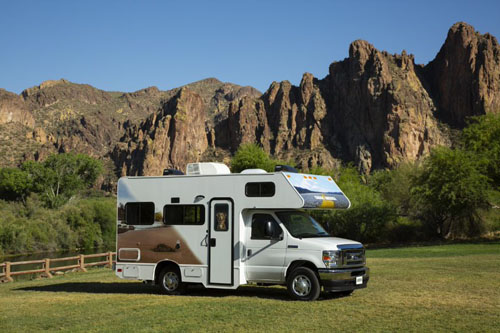
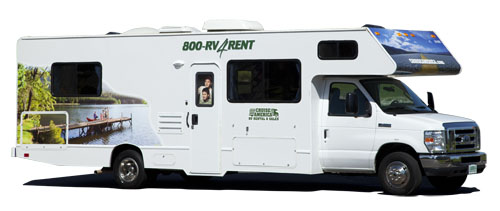
For navigating Toronto roads and urban environments, a Class B Camper Van or a Class TC Truck Camper are often recommended due to their more compact size and maneuverability, making city driving and parking easier. Bandana's Class B Camper Vans, like the "V3" at 6.36 meters in length, offer a balance of interior comfort and ease of driving and parking in city settings, perfect for a couple or small family. Class TC Truck Campers, with an average length of 6 meters, provide an agile solution that's particularly convenient for urban exploration while still accommodating 2-3 sleeping places. While larger RVs like Class C Alcoves (avg. 8.2m, e.g., a "29′ Class C Motorhome") and Class SI Semi-integrated models (avg. 7.6m, e.g., a "2 Berth Rover") are manageable, they require more cautious driving and careful planning for parking in Toronto, especially around popular downtown attractions like the CN Tower or Kensington Market. You might find useful information on choosing the right vehicle in RV Rental in Toronto - Prices and Best Deals 2026.
Should I Choose a Compact Van Instead of a Large RV in Toronto?
While compact vans (Class B Camper Vans) offer easier maneuverability and parking in Toronto's urban core, larger motorhomes are generally manageable and provide significantly more comfort and living space, which can be advantageous for pet owners on longer trips. A compact van, such as Bandana's "Active Original" Class B Camper Van, ideal for a couple or small family, is perfect for those prioritizing ease of navigation through tight city streets and finding standard parking spots. However, for a two-week adventure or more, accommodating more people or ensuring ample space for pets to move, larger RVs like a "Luxury RV Rental in Toronto - Premium Prices 2026" (a Class C Alcove like "Euro Deluxe") offer amenities like full kitchens and separate sleeping areas. The choice ultimately depends on your travel style, the number of passengers and pets, and your comfort level with driving a larger vehicle in an urban environment; larger RVs are feasible with proper route planning and attention to parking, particularly when staying at campgrounds outside the immediate city center and using public transit for city excursions. Check out our One-Way RV Rental in Toronto - Price Guide 2026 for flexible pickup/drop-off options that might suit different vehicle sizes.
Can I Park Anywhere? Free & Wild Camping Rules in Toronto
Within Toronto city limits, free or 'wild camping' in a rented RV is generally prohibited; overnight parking is restricted to designated RV parks, private campgrounds, or specific parking lots with permission. Municipal bylaws typically do not permit sleeping overnight in vehicles on public streets or in unapproved areas, especially in residential zones. For legitimate overnight stays, visitors should plan to book a spot at one of the RV parks or campgrounds located just outside the city, such as Glen Rouge Campground (the only national park within city limits) or privately owned campgrounds in the surrounding Greater Toronto Area. Rules vary by region and municipality - always check local regulations and follow local law before parking overnight to avoid fines or other legal issues. For finding campsites and campgrounds during your trip, we recommend using RV PLANET (rvplan.net) - a great resource for locating available spots along your route.
Can I Drive an RV Into the City Center? Heights, Tunnels & Local Signage
Yes, you can generally drive a rented RV into Toronto's city center, but it requires careful attention to specific signage, especially regarding height restrictions for parking garages and certain underpasses, such as those along the Don Valley Parkway. While there are no major tunnels that would typically impede RV access, drivers must be vigilant for low bridge clearances, particularly on older routes or service roads within the urban fabric. Always observe local signage for 'No Parking' zones, 'Commercial Vehicles Only' restrictions, and resident-only streets, which can be prevalent in densely populated areas like the Entertainment District or near Kensington Market. Toronto does not have specific environmental zones that restrict RV entry based on vehicle emissions, simplifying access compared to some international cities, but urban traffic congestion can be a significant factor. Drive slowly and carefully, and you can drive almost anywhere without issues. No need to stress - just use common sense and pay attention. For more practical advice, consider our RV Travel Guide to Toronto - Tips and Top Spots 2026.
What are the new RV rules in Ontario?
As of 2026, there have been no significant 'new' overarching RV-specific rules or laws implemented across Ontario recently that dramatically change how recreational vehicles are operated or rented, alleviating concerns about sudden policy shifts. Existing provincial regulations continue to govern aspects such as vehicle dimensions (length, width, height), weight limits, braking requirements, and safety equipment like fire extinguishers. Any perceived 'new rules' likely refer to ongoing enforcement of existing provincial Highway Traffic Act regulations or updates to specific municipal bylaws that might impact parking or camping in local areas like the Greater Toronto Area. Travelers should always consult the official MTO (Ministry of Transportation Ontario) website for the most current and definitive regulations regarding RV operation to ensure compliance.
Do you need a license to drive an RV in Canada?
Yes, you absolutely need a valid driver's license to operate an RV in Canada, with the required class of license determined by the RV's Gross Vehicle Weight Rating (GVWR) and whether it has air brakes. For the majority of recreational RVs rented in Ontario, including Class B, Class C, and smaller Class A units, a standard Ontario Class G driver's license is sufficient, provided the GVWR is under 11,000 kg (24,250 lbs). RVs exceeding 11,000 kg or equipped with air brakes (often found in larger Class A models) may necessitate a higher license class, such as a Class D or A, along with a Z endorsement for air brakes. Visitors from other countries can typically drive an RV with their valid foreign driver's license for a limited period, often recommended with an International Driving Permit (IDP) for translation purposes, though it is not always mandatory.
Can I put my dog in my camper while driving in Ontario?
Yes, you can legally transport your dog inside your camper while driving in Ontario, provided the pet is safely secured and cannot interfere with the driver or cause distraction. It is crucial for your pet's safety and to comply with road safety regulations to secure them in a well-ventilated crate or with a pet seatbelt harness designed for vehicles. Allowing an unrestrained pet to roam freely in the living area or, especially, the driver's cab while the RV is in motion can be extremely dangerous during sudden stops or accidents and may lead to fines. Ensure your dog has adequate space, water, and is comfortable during transit, and plan regular stops for exercise and potty breaks at designated pet rest areas.
Is Toronto a pet friendly city?
Toronto is widely considered a pet-friendly city, offering a wealth of resources and opportunities for pet owners, including numerous dog parks, pet-welcoming establishments, and a strong network of pet services. The city boasts over 60 designated off-leash dog parks and areas, such as High Park, Cherry Beach, and Sunnybrook Park, where dogs can safely socialize and exercise within easy reach of urban RV parks. Many restaurants with patios, cafes, and even some retail stores in Toronto now welcome well-behaved, leashed pets, with 'pet-friendly' signage becoming increasingly common, especially in neighborhoods like Leslieville or The Beaches. Public transit (TTC) allows small pets in secure carriers during all hours and larger leashed dogs during off-peak hours, provided they do not obstruct passengers, making city exploration with your pet more accessible. While a pet license isn't required for short-term visitors, ensure your pet has up-to-date ID tags and vaccination records.
Can you walk around in a motorhome while driving in Canada?
No, it is generally illegal and highly unsafe for passengers to walk around in the living area of a motorhome while it is in motion in Canada; all occupants must be secured in seats with seatbelts. Canadian highway safety regulations, including Ontario's Highway Traffic Act, mandate that all passengers must be wearing a seatbelt and properly seated whenever the vehicle is in operation. Walking or standing while the RV is moving significantly increases the risk of severe injury or death in the event of a sudden stop, collision, or even sharp turn. Ensure all passengers, including children and any pets not in secure carriers, are buckled into an appropriate, designated seat before the RV starts moving, prioritizing safety over convenience for everyone on board.
How to travel with pets in an RV?
Traveling with pets in a rented RV requires diligent preparation to ensure their safety, comfort, and adherence to local regulations, from proper securing during transit to planning pet-friendly stops. Always secure pets in a well-ventilated crate or with a vehicle-approved harness and seatbelt to prevent injury during travel and minimize driver distraction. Pack a dedicated 'pet kit' including their regular food, fresh water, bowls, any necessary medications, a first-aid kit, favorite toys, a leash, waste bags, and updated vaccination records. Research and book pet-friendly campgrounds and attractions in advance, as many places have specific rules regarding pets, including breed restrictions, leash requirements, and designated pet areas. Never leave pets unattended in an RV, especially in warm weather, as interior temperatures can rise rapidly to dangerous levels, even with windows cracked, leading to heatstroke. Keeping your pets hydrated on the road is easy with a well-stocked RV-friendly recipes playlist of travel snacks.
What is the new law on RV licensing in Ontario?
As of 2026, there has been no 'new law' enacted regarding RV licensing in Ontario that fundamentally changes the requirements for drivers. The existing framework, detailed by the Ontario Ministry of Transportation (MTO), dictates driver's license classes primarily based on the vehicle's Gross Vehicle Weight Rating (GVWR) and whether it has air brakes. For instance, most rental Class C motorhomes and campervans fall under the standard Class G license requirement, meaning no special permits are needed. Any perceived recent changes are likely related to general updates to the Highway Traffic Act, which are broad and not specific to RV licensing. If you have questions about licensing for a specific rental motorhome, our 24/7 support team is here to help clarify before you book.
Is a pet license required in Toronto?
Yes, if you are a resident of Toronto, it is mandatory by municipal by-law to license your dogs and cats with Toronto Animal Services (TAS) annually. Pet licensing is an essential tool for animal control, helping to ensure that lost pets can be quickly identified and reunited with their owners, and it also contributes to funding local animal welfare services. While short-term visitors with rented RVs are not typically expected to license their pets with the City of Toronto, it is crucial to ensure your pet has up-to-date identification tags with your contact information, current vaccination records, and a rabies certificate. This preparation helps ensure a smooth, worry-free trip for both you and your cherished pet.
How much is RV insurance in Canada?
The cost of RV insurance in Canada is highly variable, influenced by factors such as the rented RV's value, type (Class A, B, C), age, how often it's used, the driver's record, and the extent of coverage chosen, typically ranging from a few hundred to several thousand dollars annually for personal ownership. When renting an RV through Bandana, basic insurance coverage is usually included in the rental price, providing foundational protection. However, renters often have the option to purchase additional collision damage waivers or enhanced protection, such as upgrading to a top-level deductible for extra peace of mind. Our system clearly outlines all insurance options and costs, ensuring full transparency with no hidden fees, so you know exactly what you're paying for.
Does RV insurance cover animal damage?
RV insurance policies typically distinguish between damage *caused by* your own pet (e.g., scratches, chewing, stains inside the rented RV) and damage *from* an animal (e.g., hitting a deer on the road, rodent infestation). Most standard comprehensive RV insurance policies will cover damage caused by collisions with wild animals (like deer or moose, common in rural Ontario) or damage resulting from rodent intrusion (e.g., chewed wires). However, damage directly attributable to your own pet, such as torn upholstery or stained carpets, is usually *not* covered under standard rental RV insurance and would be considered owner responsibility, potentially leading to charges from the supplier. When renting a pet-friendly RV, carefully review the rental agreement for specific clauses regarding pet damage and any additional fees or security deposits that may apply for bringing animals, ensuring full transparency in your booking.
What You Shouldn't Miss
Toronto and its surrounding region offer an incredible array of pet-friendly adventures for your RV trip. Imagine yourself exploring these routes with your loyal companion:
- Explore High Park: This expansive park in Toronto offers designated off-leash areas for dogs, beautiful walking trails, and stunning views of the city skyline and Lake Ontario. It's a fantastic spot for pets to stretch their legs.
- Discover Rouge National Urban Park: Canada's only urban national park, located within Toronto, features diverse ecosystems, hiking trails, and is largely pet-friendly. It's a natural oasis easily accessible with your rented motorhome.
- Wander Kensington Market: While some shops might have pet restrictions, the vibrant outdoor atmosphere and street art of Kensington Market make it a lively place to explore with a leashed pet. Grab a coffee and enjoy the bohemian vibe.
- Take a Day Trip to Niagara-on-the-Lake: This charming town, about a 1.5-hour drive from Toronto, offers scenic drives and pet-friendly wineries (check individual winery policies). The Shaw Festival grounds are also a pleasant area for leashed walks.
- Visit the Scarborough Bluffs: Just a short drive east of downtown, these impressive geological formations offer breathtaking cliffside views and waterfront parks perfect for leashed dog walks.
- Camp at Glen Rouge Campground: Located within Toronto's city limits, this campground is an ideal base for urban exploration, offering convenient access to city attractions while providing an outdoor retreat for you and your pets.
🎬 Video coming soon
Looking for expert insights from Avi Bandana? Top 5 Adventures - recommendations from Avi Bandana are curated for unforgettable experiences.
Plan Your Canadian RV Adventure with RV PLANET
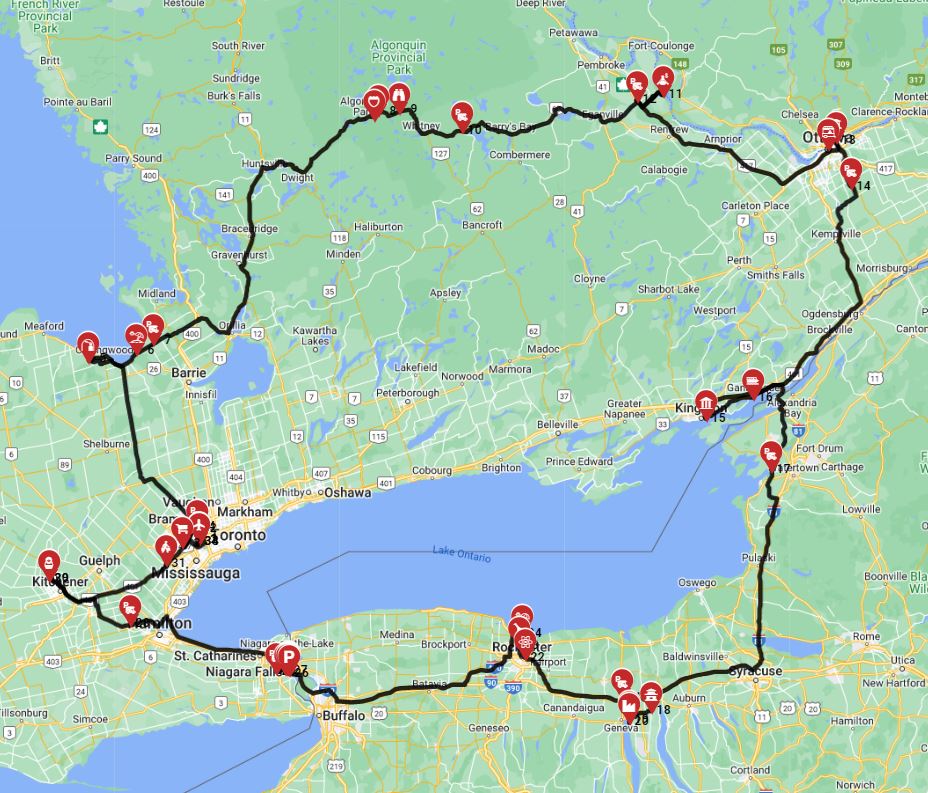
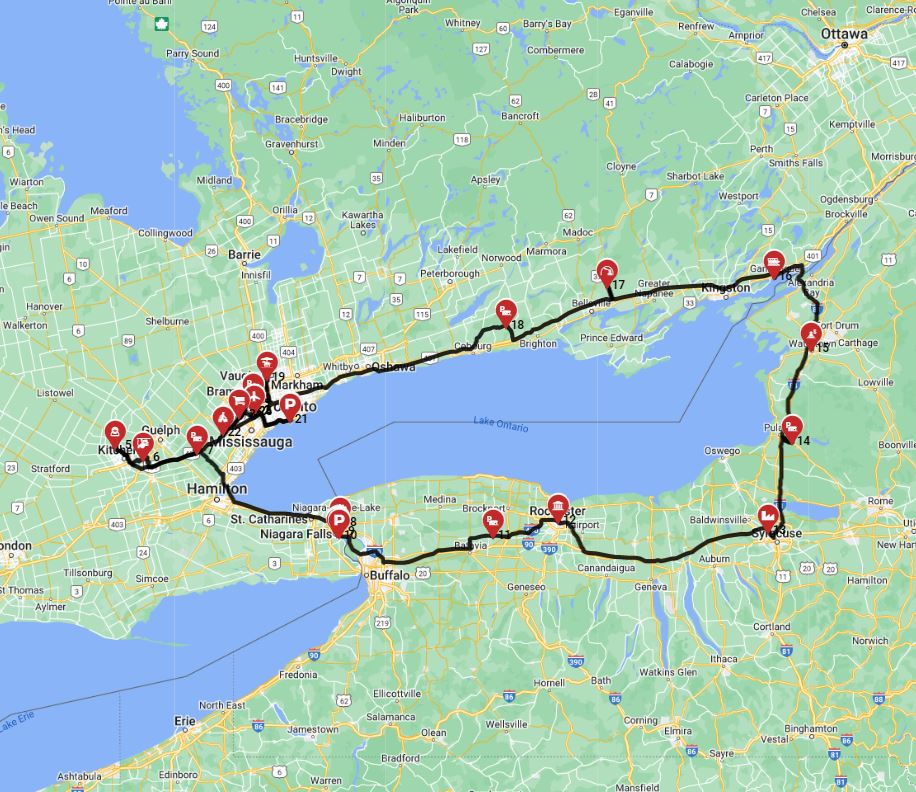
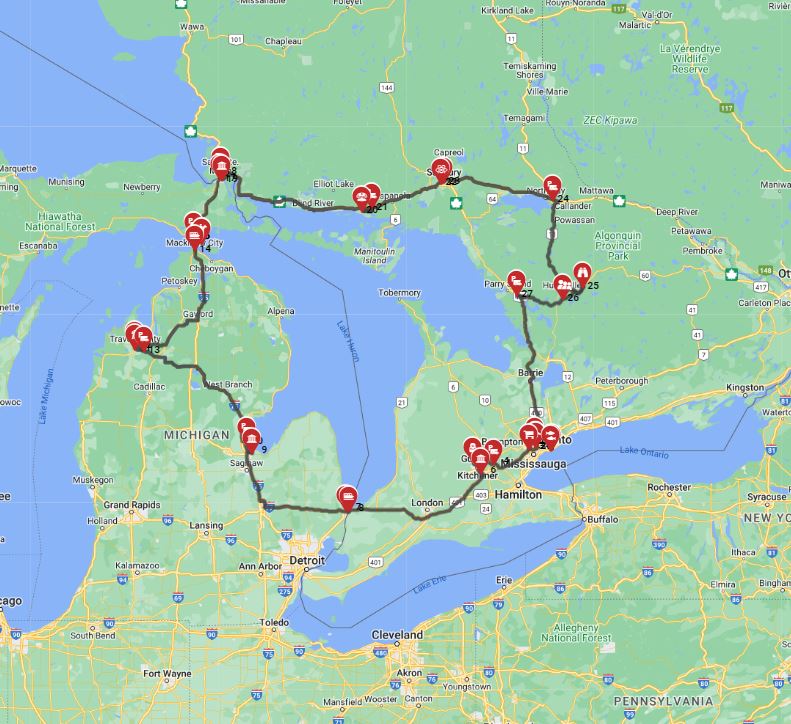
To truly maximize your pet-friendly RV trip from Toronto, consider exploring professionally designed route plans from RV PLANET (rvplan.net), our sister company. These routes offer detailed itineraries, ensuring you hit all the best spots while keeping your pets happy and comfortable. Remember, a 25% planning discount awaits you when you use RV PLANET for your trip planning.
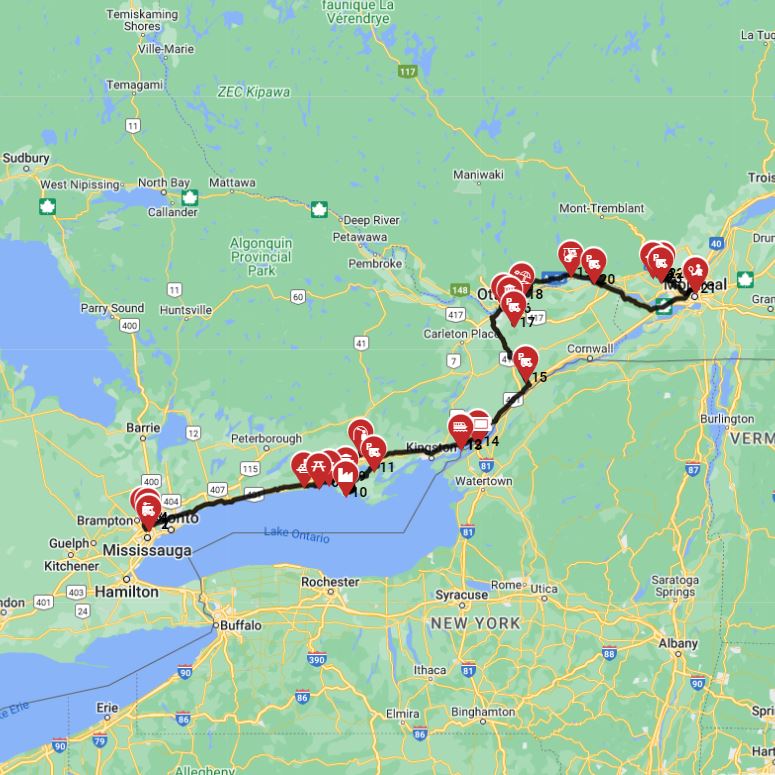
Featured Route: Montreal to Toronto (11 days, 1326.6 km)
This 11-day route covers 1326.6 km, starting in Montreal and ending in Toronto, featuring 1 Amusement Park, 1 Animals Show / Wildlife watch, 1 Aquarium, 1 Beach, 1 Botanical garden, 1 Canoe / Kayak / Rafting, 2 Cruise Terminal / Sailing, 1 Family Activity, 1 Heritage site, 1 hiking area, 1 Local Industry, 1 Museum, 1 Point Of Interest, 1 Tourist Attraction, 3 Traditional Market, 1 Traditional Visit, and 1 Zoo.
Featured Route:
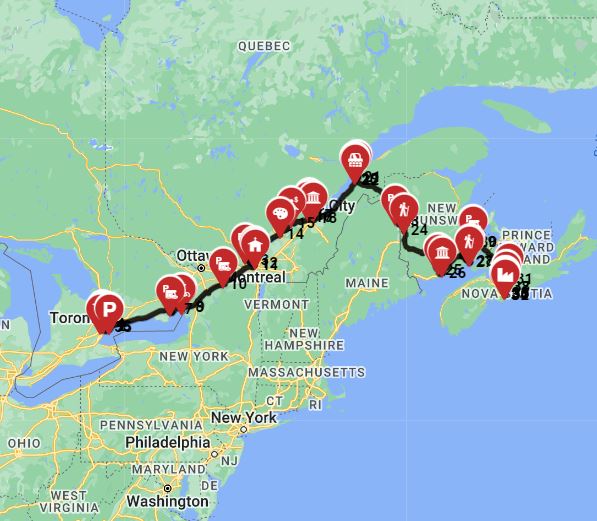
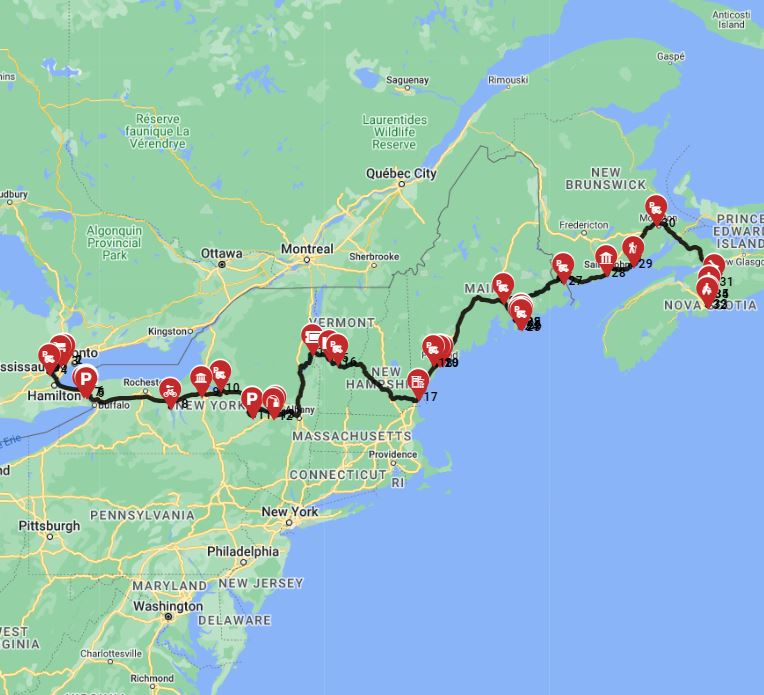
 Whitehorse to Toronto - The Great Canadian RV Adventure
(32 days, 6633.6 km)
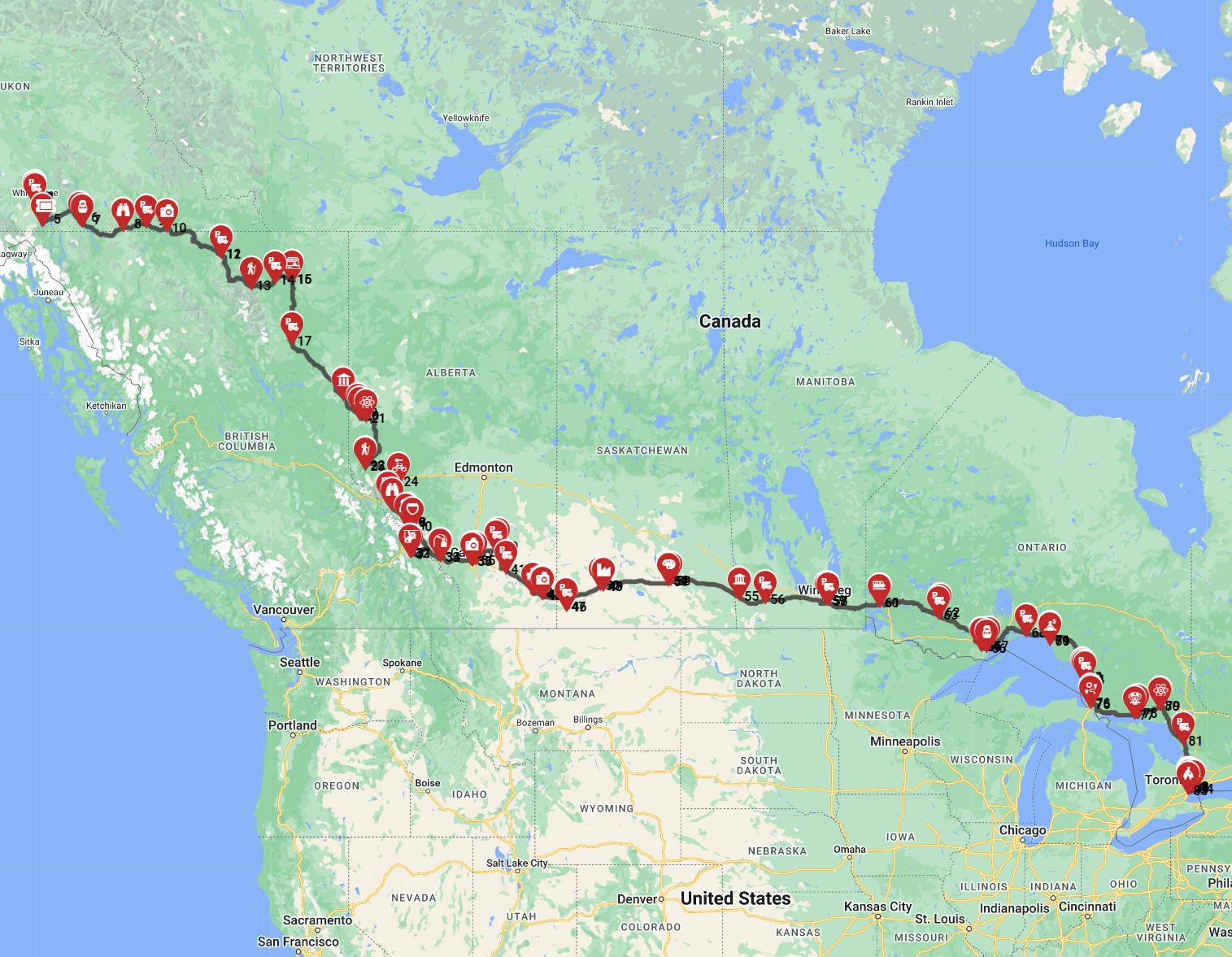
Whitehorse to Toronto - The Great Canadian RV Adventure
(32 days, 6633.6 km)
This epic 32-day journey spans 6633.6 km from Whitehorse to Toronto, packed with 1 Amusement Park, 1 Animals Show / Wildlife watch, 1 Aquarium, 1 Art Gallery, 1 Beach, 1 Bike Rental, 1 Botanical garden, 1 Cable Railway, 1 Canoe / Kayak / Rafting, 1 cave, 1 Cruise Terminal / Sailing, 1 Day Tour, 2 Extreme Activity, 1 Family Activity, 2 Heritage sites, 4 hiking areas, 1 Historical Site, 1 Horseback Riding, 3 Local Industry visits, 3 Museums, 5 Natural Features, 1 Night Tour, 1 Picnic Area, 5 Points Of Interest, 1 Scenic Route, 3 Science Sites, 1 Tourist Attraction, 1 Traditional Market, 1 Traditional Restaurant / Fine Dining, 2 Traditional Visits, 1 Water Park, and 1 Zoo.
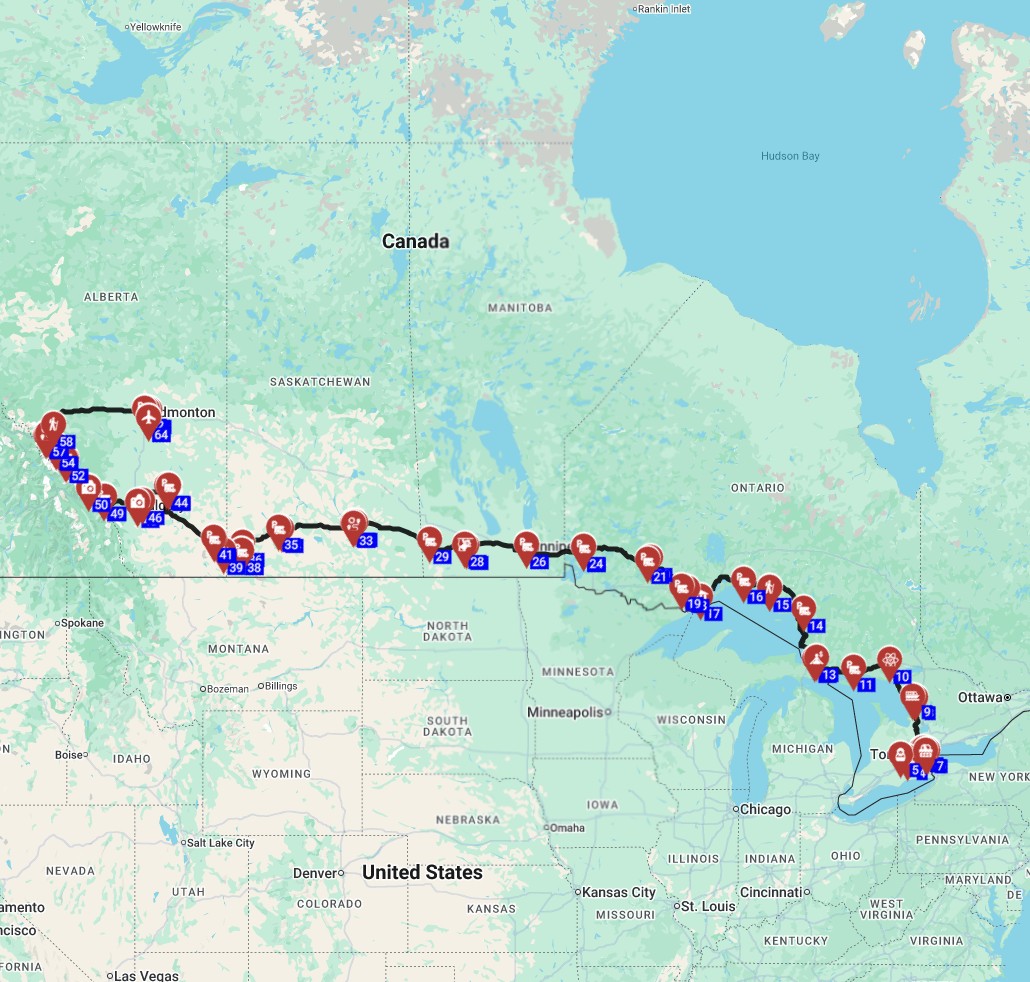
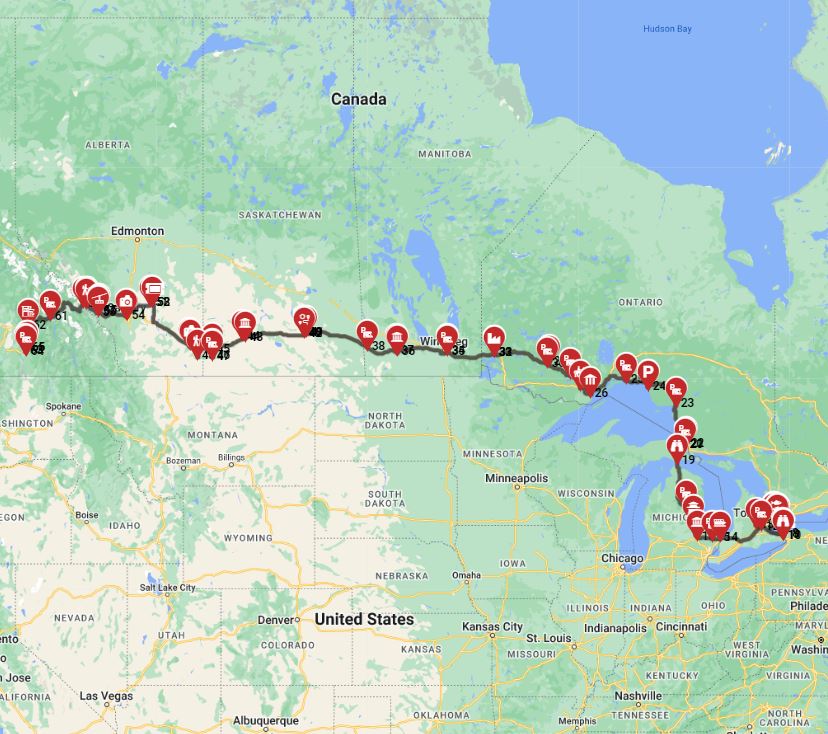
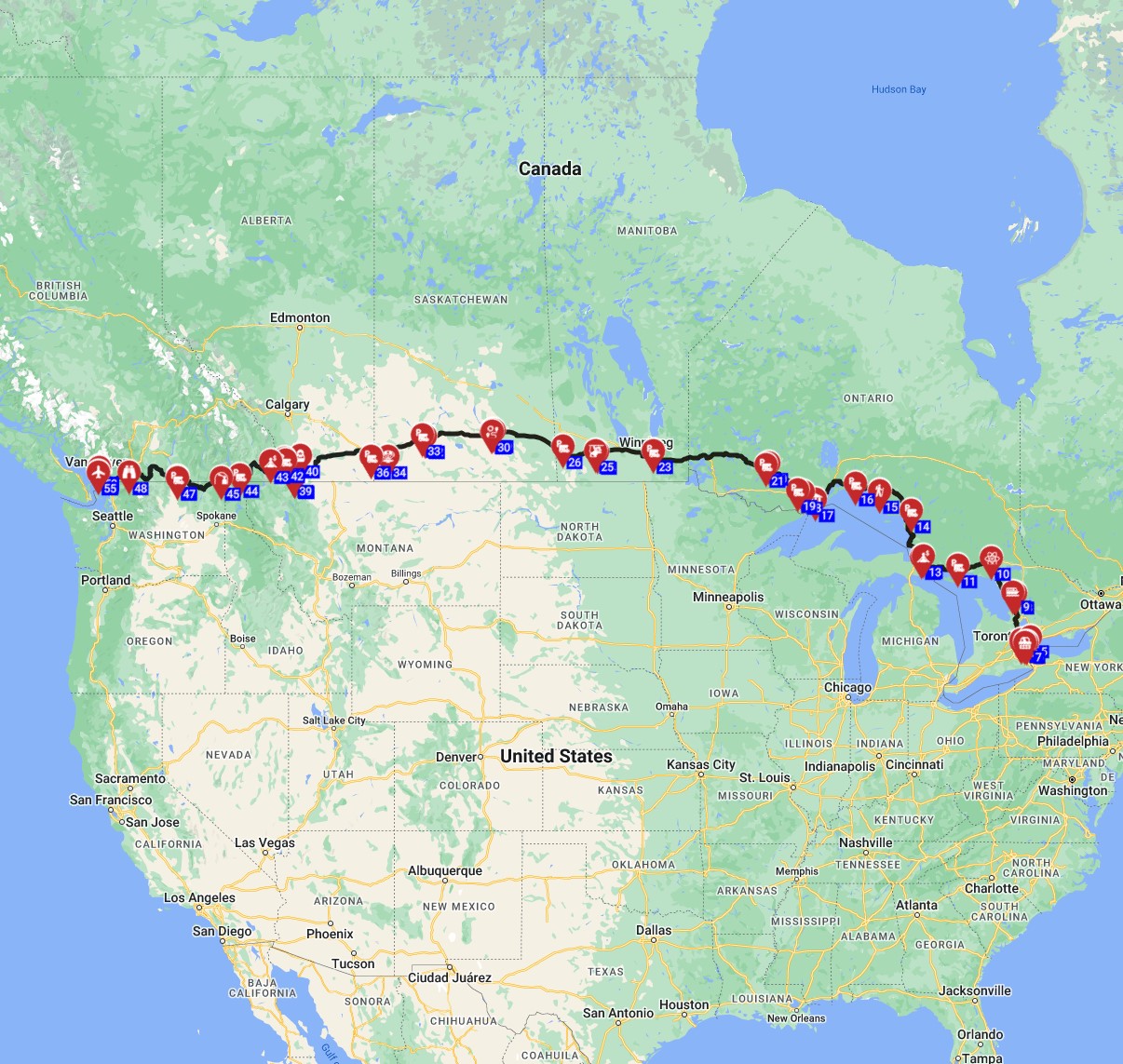
Featured Route: Toronto to Edmonton - Trans Canada - Big Lakes, Prairie Skies, Rocky Mountain High (23 days, 5125.2 km)
Embark on a 23-day adventure covering 5125.2 km from Toronto to Edmonton, including 1 Amusement Park, 1 Animals Show / Wildlife watch, 1 Art Gallery, 1 Beach, 1 Bike Rental, 1 Botanical garden, 1 Cable Railway, 1 Canoe / Kayak / Rafting, 1 cave, 1 Cruise Terminal / Sailing, 2 Day Tours, 1 Extreme Activity, 1 Family Activity, 1 Heritage site, 4 hiking areas, 1 Historical Site, 1 Horseback Riding, 1 Local Industry, 4 Museums, 1 Natural Feature, 1 Night Tour, 1 Picnic Area, 3 Points Of Interest, 1 Science Site, 1 Tourist Attraction, 1 Traditional Market, 1 Traditional Restaurant / Fine Dining, 1 Traditional Visit, and 1 Zoo.
Final Thoughts
Exploring Toronto and its magnificent surroundings with a pet-friendly RV rental truly opens up a world of adventure. Imagine waking up to the sounds of nature just a short drive from the bustling city, enjoying your coffee, and then heading out to explore dog parks or scenic trails with your best friend by your side. Whether you prefer the compact agility of a campervan or the spacious comfort of a Class C motorhome, Toronto offers a wealth of opportunities for memorable experiences.
At Bandana RV, we're dedicated to making your pet-friendly RV trip to Toronto as seamless and enjoyable as possible. With our commitment to full transparency, dedicated 24/7 support during the booking process, and access to top-level deductible reimbursement, you can focus on the journey, not the worries. So pack your bags, grab your pet's leash, and get ready for an unforgettable Canadian road trip!
Find Motorhome Rentals in Toronto