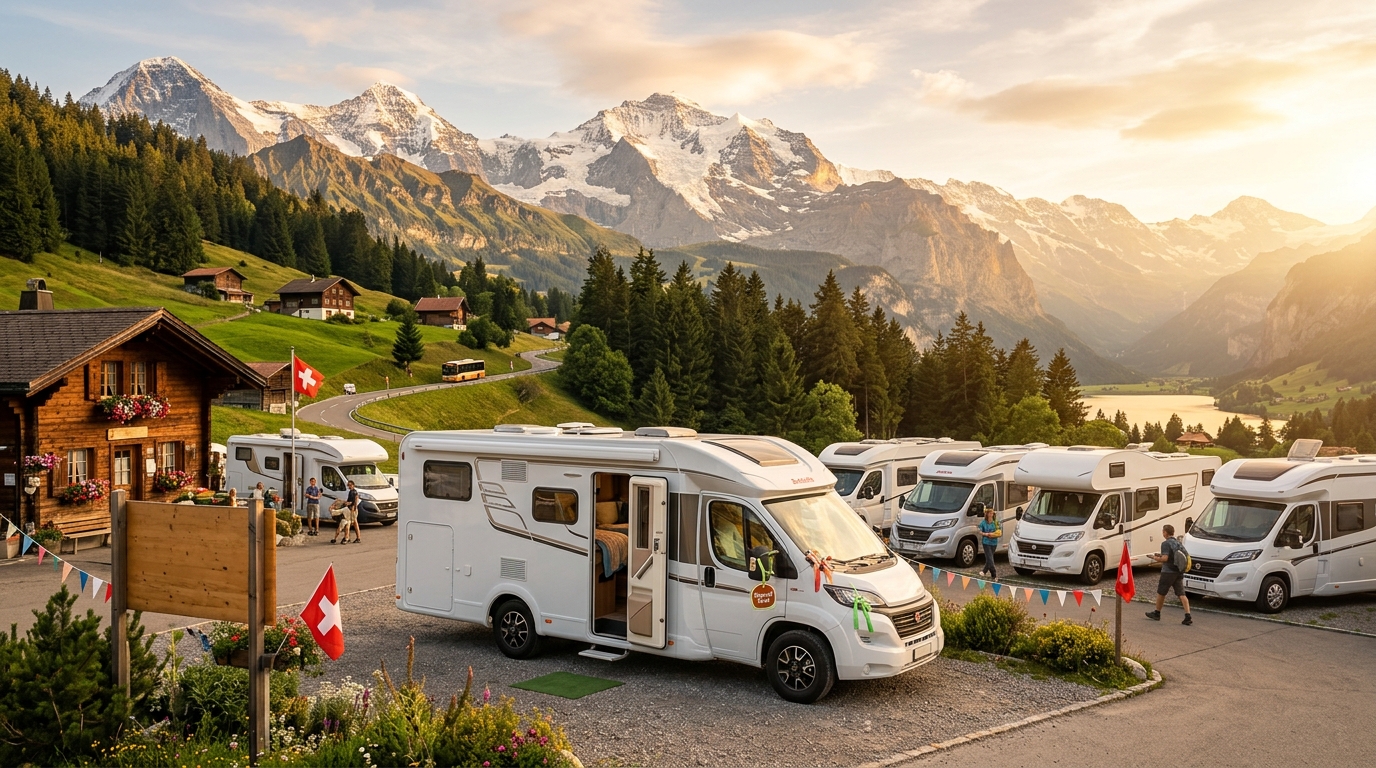
For live availability and current prices, start with our RV Rental Switzerland - Complete Guide 2026 guide.
In This Guide
- Can You Drive an RV in Switzerland? License & Age Rules
- Road Conditions & Terrain in Switzerland
- RV Size Limits, Bridges & Restricted Zones
- Fuel: Diesel vs. Petrol & Cost per 100 km
- Tolls, Vignettes & Border Rules
- Driving Tips for Pet Friendly RV Rental Travelers
- Recommended RV Class for Switzerland Roads
- Should I Choose a Compact Van Instead of a Large RV in Switzerland?
- Can I Park Anywhere? Free & Wild Camping Rules in Switzerland
- Can I Drive an RV Into the City Center? Heights, Tunnels & Local Signage
- What is the cheapest way to rent an RV in Switzerland?
- Is it easy to drive an RV in Switzerland?
- What is the best time of year to RV in Switzerland?
- How much does it cost to RV in Switzerland?
- Do you need snow chains in Switzerland?
- Can you park an RV at a train station in Switzerland?
- What are the rules for pets on public transport in Switzerland?
- Where can I take my dog in Switzerland?
- What is the best navigation app for RV in Switzerland?
- Sustainable RVing and Waste Management in Switzerland
- Safety and Security Tips for RV Travel in Switzerland
Can You Drive an RV in Switzerland? License & Age Rules
To drive an RV up to 3.5 tonnes in Switzerland, which includes most campervans and semi-integrated models, a standard Category B driver's license is sufficient for drivers 21 years or older. For those planning a grand European tour, the "RV Rental Europe - Complete Guide 2026" offers a broader perspective on licensing across the continent. Foreign drivers from EU/EFTA countries can generally use their national license, while others typically need an International Driving Permit (IDP) in conjunction with their valid national license. Most rental companies, including Bandana's partners, require drivers to be at least 21 years old and have held their license for a minimum of 2-3 years, ensuring experience behind the wheel for a safe journey with your pet in Switzerland. Always confirm specific requirements with your chosen supplier to ensure a smooth pickup.Road Conditions & Terrain in Switzerland
Swiss roads are renowned for their excellent quality and meticulous maintenance, making any RV travel generally smooth and pleasant. The terrain is predominantly mountainous, however, featuring numerous winding roads, steep ascents, descents, and well-lit tunnels, all of which require careful and slow driving. While main routes are impeccably paved and regularly cleared, some scenic or remote areas might have narrower roads; always check your rented motorhome's dimensions against local signage. Planning frequent stops at designated rest areas or charming villages is essential for both drivers and pets to stretch legs and enjoy the spectacular scenery, ensuring comfort for your furry companions. Remember to allow extra travel time for mountain passes and scenic stops to truly soak in the beauty.RV Size Limits, Bridges & Restricted Zones
While there are no blanket RV size limits across Switzerland, drivers must adhere to local height and weight restrictions prominently displayed on signs, particularly for tunnels, bridges, and some historic village entrances. The standard maximum legal height for vehicles is 4 meters, and width is 2.55 meters, which most rented RVs comply with, but always double-check your specific vehicle's specs. Switzerland has environmental zones, for example in Geneva, but these typically apply to specific vehicle emissions standards and are less restrictive for modern motorhomes, though always verify current regulations if you plan to enter major cities. Ferry crossings, such as those on Lake Geneva or Lake Lucerne, will also have specific size and weight restrictions for vehicles, so booking in advance and checking your campervan's dimensions against ferry limits is advised for seamless travel.Fuel: Diesel vs. Petrol & Cost per 100 km
Most RVs available in Switzerland, including Bandana's global fleet from trusted suppliers like El Monte and Apollo, operate on diesel fuel, which is widely available at service stations across the country. The average fuel consumption for a typical campervan rental like a Class B Camper Van usually ranges from 8-10 Liters/100 km, while a Class SI Semi-integrated consumes 10-11 Liters/100 km, and a larger Class C Alcove motorhome might use 10-12 Liters/100 km. Based on an estimated diesel price of CHF 2.00 per liter (current prices vary dynamically), expect fuel costs to be approximately CHF 16-20 per 100 km for a Camper Van and CHF 20-24 per 100 km for larger RVs. Some RV rental agreements might include fuel discount cards or specific arrangements, so inquire with your rental provider to optimize fuel costs. For tracking all your expenses during a trip, from fuel to campsite fees, RV PLANET routes allow you to itemize and budget every cost along the way.Tolls, Vignettes & Border Rules
For RVs weighing up to 3.5 tonnes, an annual 'vignette' (road tax sticker) costing CHF 40 is mandatory for driving on Swiss motorways and expressways. This is a crucial sticker that must be purchased before entering or immediately upon entering a motorway. RVs over 3.5 tonnes are subject to the Heavy Vehicle Charge (LSVA), which is calculated based on vehicle weight, emission class, and kilometers driven, rather than a fixed vignette. This is a point of full transparency from Bandana- partner suppliers, ensuring no hidden fees or surprises related to road taxes. When crossing borders, be aware that neighboring countries like Austria require their own vignette, and France uses a toll-based system (often electronic or booth-based), so plan accordingly to avoid fines. Some RV rental providers offer the convenience of pre-purchasing required vignettes or electronic toll passes, helping travelers avoid delays and potential penalties, reflecting our commitment to a supportive experience.Driving Tips for Pet Friendly RV Rental Travelers
For a comfortable pet friendly RV rental adventure in Switzerland, plan frequent stops every 2-3 hours at designated rest areas or scenic viewpoints, allowing both drivers and pets to stretch, hydrate, and relieve themselves. Ensure your pet is securely restrained while the RV is in motion, using a comfortable crate, harness, or seatbelt attachment, for their safety and to prevent driver distraction. Familiarize yourself with mountain driving techniques, including using engine braking on descents and navigating narrow, winding roads, especially if traveling with a larger RV. Pre-program your GPS with RV-specific settings to avoid routes with height, weight, or length restrictions, ensuring a smoother journey for you and your pet. Always keep a supply of pet waste bags and dispose of them properly at designated bins, adhering to Switzerland's high standards of cleanliness. Remember to travel slowly, aiming for a maximum of 100-150 km per day on average, to fully savor the journey and keep your pet relaxed.Recommended RV Class for Switzerland Roads
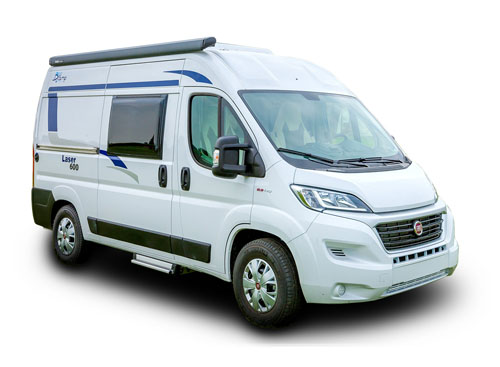
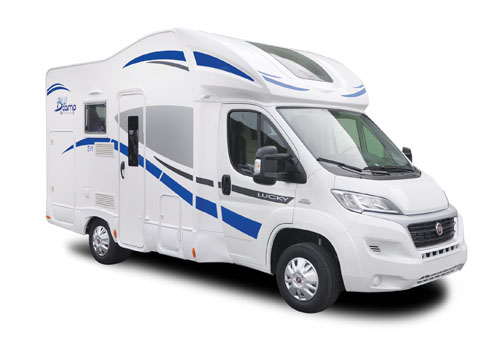
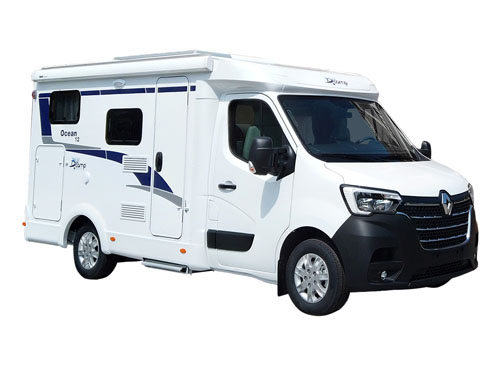
For navigating Switzerland's diverse roads, the Class B Camper Van and Class SI Semi-integrated RVs from Bandana's fleet are highly recommended due to their optimal balance of maneuverability and comfortable amenities. Class B Camper Vans, with an average length of 5.8 meters (like the "Active Classic" or "Juliette 2-3"), offer excellent agility for winding mountain roads and easier parking, making them ideal for couples or small families with a pet. Class SI Semi-integrated RVs, averaging 6.9 meters in length (such as the "Category Medium" or "Cruz"), provide more living space and amenities like a larger refrigerator or shower, while still being manageable on most Swiss roads, suitable for families needing a bit more room for themselves and their pets. While larger Class C Alcove motorhomes (average 7.5m) and Class A Integrated motorhomes (average 7.5m, like a "Comfort Space Select") offer maximum comfort and space, their size may present more challenges on very narrow roads or in tight village centers, making careful route planning essential.Should I Choose a Compact Van Instead of a Large RV in Switzerland?
While a compact van, often a Class B Camper Van with an average length of 5.8 meters, offers superior maneuverability for extremely narrow mountain passes and navigating historic village centers, most RV sizes can be comfortably driven in Switzerland with common sense and attention. A compact van is ideal if you prioritize agility, easier parking, and plan to explore very tight or remote areas frequently. However, for pet owners, the added indoor space and amenities of a larger rented RV (e.g., a 6.9-meter Class SI Semi-integrated motorhome like a "Category Small AT" or a mid-sized Class C like "Category Medium AT") often provide a better trade-off, ensuring more comfort for your pet during travel and at campsites. Consider your travel style: if you value ample living space, a dedicated bathroom, and a more comfortable experience for extended stays with your pet, a larger RV is generally the better choice, as main routes and most campsites easily accommodate them. Drive slowly and carefully, and you can drive almost anywhere without issues. No need to stress - just use common sense and pay attention.Can I Park Anywhere? Free & Wild Camping Rules in Switzerland
Wild camping and free overnight parking are generally prohibited throughout most of Switzerland, particularly in populated areas, protected zones, and agricultural land, with strict enforcement to protect the pristine environment. While some very remote alpine regions, typically above the tree line and away from designated protected areas, may tolerate a single night of "almost wild" camping, this remains a grey area and is highly dependent on local regulations and discretion. It is always best to utilize official campsites, designated Stellplätze (motorhome parking areas), or farm stays (e.g., via specific apps or local directories), which offer essential facilities for waste disposal and are explicitly pet-friendly. Rules vary significantly by canton and municipality, so always check local regulations and signage, and follow local law before parking overnight to avoid fines and ensure responsible travel. For finding campsites and campgrounds during your trip, we recommend using RV PLANET (rvplan.net) - a great resource for locating available spots along your route.Can I Drive an RV Into the City Center? Heights, Tunnels & Local Signage
You can generally drive an RV into most Swiss city centers, but it requires careful attention to local signage regarding height and weight limits for tunnels, low bridges, and multi-story parking garages. Many historic city centers may have narrow streets, pedestrian zones, or 'residents-only' access restrictions, making large motorhomes less practical for direct entry or parking. It is often advisable to park your rented RV at designated parking lots or train station parking areas on the outskirts of cities, such as those found in Basel or Zurich, and use Switzerland's excellent public transport system to access the city center, which is often pet-friendly. Drive slowly and carefully, and you can drive almost anywhere without issues. No need to stress - just use common sense and pay attention, and always observe environmental zone signs and specific local regulations, especially in larger cities like Zurich or Geneva.What is the cheapest way to rent an RV in Switzerland?
The cheapest way to secure a pet friendly RV rental in Switzerland typically involves booking during off-peak seasons (late autumn or early spring), opting for smaller campervans (like a Class B Camper Van, with models such as a "Category Van" or "Happy 1 EX AUTO"), and comparing prices across multiple platforms well in advance. Consider renting a compact Class B Camper Van (average 5.8m length) which generally has lower rental costs and better fuel efficiency, consuming around 8-10 Liters/100 km, compared to larger models. Look for rental deals, long-term rental discounts, or last-minute offers if your travel dates are flexible; our platform compares final prices across 50+ suppliers, so you don't have to worry about hidden fees. Further reduce costs by cooking your own meals in the RV using the onboard kitchen facilities (don't forget to check out our RV-friendly recipes playlist), choosing budget-friendly campsites or 'Stellplätze', and minimizing driving distances to save on fuel and tolls. Pre-planning your trip with RV PLANET (rvplan.net) can also help you track and optimize every expense.Is it easy to drive an RV in Switzerland?
Driving a rented RV in Switzerland is generally considered easy due to the country's impeccably maintained roads, clear signage, and disciplined drivers. However, navigating the stunning mountain passes with their steep gradients, numerous hairpin bends, and numerous tunnels requires focus, a cautious pace, and familiarity with downshifting to save brakes and manage speed. Some older village roads can be narrow, so always be mindful of your RV's dimensions, especially with larger Class C Alcove (average 7.5m) or Class A Integrated (average 7.5m) models. Adhere to Swiss road regulations, including speed limits (typically 80 km/h for RVs outside towns, 120 km/h on motorways, unless otherwise indicated) and right-of-way rules, ensuring a safe and stress-free journey for everyone, including your pet. With a bit of preparation and common sense, you'll be confidently cruising through the Swiss landscapes.What is the best time of year to RV in Switzerland?
The best time to RV in Switzerland for pet friendly travel is generally late spring (May-June) or early autumn (September-October), offering pleasant weather, fewer crowds, and comfortable temperatures for pets. Spring brings blooming wildflowers and lush green landscapes, perfect for hiking with your dog before the summer heat, with milder temperatures making pet comfort easier. Autumn offers stunning foliage, comfortable hiking conditions, and fewer tourists, ideal for enjoying Switzerland's natural beauty with your furry friend. Summer (July-August) is popular but can be crowded and hot, which might be less comfortable for some pets, potentially requiring more strategic planning for shaded parking or water stops. While winter (November-April) presents unique challenges like snow, ice, and road closures, it's also a magical time for winter sports enthusiasts, though it necessitates carrying snow chains and choosing a winter-ready RV. For live availability and current prices, start with our RV Rental Switzerland - Complete Guide 2026 guide.How much does it cost to RV in Switzerland?
The total cost to RV in Switzerland varies widely based on rental duration, season, and RV class, but a mid-range daily estimate including RV rental, fuel, tolls, and average campsite fees can range from CHF 100-250+ per day. RV rental costs typically range from CHF 80-200 per day for a Class B Camper Van to a Class C motorhome, depending on the season and rental duration. For example, a "Category Small AT" campervan might be on the lower end, while a "Comfort Family 6" would be higher. Fuel expenses, based on current prices (around CHF 2.00 per liter) and Bandana's fleet averages, can be CHF 16-29 per 100 km. Tolls include the mandatory CHF 40 annual vignette (for RVs up to 3.5t) or the variable LSVA for heavier vehicles. Campsite fees generally cost CHF 30-60 per night, with additional charges for electricity (typically CHF 5-10) or pet fees (CHF 2-5 per pet per night), and factoring in food (CHF 40-80/day) and activities will round out your budget. You can upgrade to a top-level deductible for extra peace of mind, an optional add-on that provides enhanced protection.Do you need snow chains in Switzerland?
Yes, snow chains are legally required in Switzerland when indicated by a blue circular sign featuring a snow chain symbol, and are highly recommended or mandatory in winter conditions, especially for RVs navigating mountain passes. It is legally required to carry snow chains during winter months, particularly when traveling in mountainous regions, regardless of whether they are currently needed. Failing to carry or use snow chains when required can result in significant fines and can potentially invalidate your insurance if you are involved in an accident in snowy conditions. Always check weather forecasts and road conditions before embarking on winter journeys, as many mountain passes may be closed or require chains even outside peak winter. Some rental agreements might offer snow chains as an add-on, emphasizing our transparent approach with no hidden fees or surprises at pickup.Can you park an RV at a train station in Switzerland?
Parking a rented RV at a train station in Switzerland is often possible in designated parking areas, providing a convenient multi-modal travel strategy for accessing car-free zones or bustling city centers. Many larger train stations, especially in cities like Bern or Geneva, offer ample parking, some with specific spots for larger vehicles, allowing you to leave your motorhome and utilize Switzerland's excellent, punctual public transport network. This approach is particularly useful for visiting iconic car-free destinations like Zermatt or Wengen, where you can park your RV at a nearby station (e.g., Täsch for Zermatt) and continue by train or cable car. Always check for specific RV parking signs, potential height restrictions, and parking fees at each station, and verify that public transport routes are pet-friendly before boarding with your animal.What are the rules for pets on public transport in Switzerland?
In Switzerland, dogs generally require a half-fare ticket on public transport, including trains, buses, and boats, if they are larger than 30 cm shoulder height, while smaller dogs in carriers can often travel for free. This is a common practice across the country's extensive public transport network, reflecting Switzerland's pet-friendly culture. Dogs must always be kept on a leash and be well-behaved; a muzzle might be recommended or required in some situations, especially during peak travel times or on specific routes, though it is not universally mandatory. For frequent travelers with pets on an extended road trip, a "Dog Day Pass" or "GA travelcard for dogs" is available from SBB (Swiss Federal Railways), which can be more economical for multiple journeys. Always confirm specific rules with the individual transport provider (e.g., local bus companies, mountain railways) as regulations can vary slightly.Where can I take my dog in Switzerland?
Switzerland is exceptionally dog-friendly, offering abundant opportunities for pets to join in hiking, swimming in designated areas of lakes and rivers, and accompanying owners to many outdoor cafes and some accommodations. Dogs are welcome on most hiking trails, with the exception of certain national parks or wildlife protection zones where leashing or access restrictions may apply to protect wildlife. Many restaurants with outdoor seating and even some indoor establishments welcome well-behaved dogs; it is always polite to ask beforehand, especially if you plan to enjoy a meal from your RV-friendly recipes playlist before heading out. Numerous campsites specifically cater to pets, providing facilities like dog washes and designated walking areas, ensuring a comfortable stay for your furry companion. From the shores of Lake Lucerne to the trails around Interlaken, your pet can truly be part of your adventure.What is the best navigation app for RV in Switzerland?
For RV travel in Switzerland, highly-rated navigation apps like Google Maps, Maps.me, and specific RV navigation apps such as Sygic RV or CoPilot RV are beneficial for their robust features tailored to larger vehicles. Dedicated RV navigation apps allow you to input your rented motorhome's dimensions (height, weight, length) to avoid unsuitable roads, low bridges, or tunnels, which is crucial in mountainous terrain. Apps like Maps.me offer excellent offline map capabilities, invaluable in areas with limited mobile data coverage, and can help locate campsites, gas stations, and points of interest. For overall connectivity, consider purchasing a local Swiss SIM card or an eSIM plan for reliable mobile data, and utilize essential apps for weather updates, finding pet-friendly services, and locating dump stations. Planning ahead with RV-specific navigation ensures a stress-free journey across the stunning Swiss landscapes.Sustainable RVing and Waste Management in Switzerland
Practicing sustainable RVing in Switzerland is crucial for preserving its pristine environment and involves responsible waste disposal, meticulous gray and black water management, and supporting local communities. Always dispose of trash in designated bins at campsites or public areas; never litter or leave waste in natural environments. Empty gray (sink/shower water) and black (toilet) water tanks only at official dump stations found at campsites or specialized service points, never into nature. These facilities are widely available and well-maintained. Support local businesses, farmers' markets, and artisans to contribute positively to the Swiss economy and minimize your environmental footprint by choosing locally sourced products for your RV cooking. Following these guidelines helps ensure that Switzerland remains beautiful for all travelers, reinforcing a commitment to respectful travel.Safety and Security Tips for RV Travel in Switzerland
Ensuring safety and security during your RV travel in Switzerland includes consistently securing your valuables, parking in well-lit and designated areas, and being prepared for emergencies. Always lock your rented motorhome's doors and windows when leaving the vehicle, even for short periods, and consider using additional security measures like alarm systems or steering wheel locks. Park overnight at official campsites or designated Stellplätze, which generally offer a higher level of security than wild camping spots. Familiarize yourself with local emergency numbers: 112 for general emergencies, 117 for police, 118 for fire, and 144 for ambulance. Keep a first-aid kit, a pet first-aid kit, and emergency roadside assistance contact information readily available. Our 24/7 support means real people are behind you before, during, and after your booking, ensuring you have the information you need for a safe journey.🎬 Video coming soon
What You Shouldn't Miss
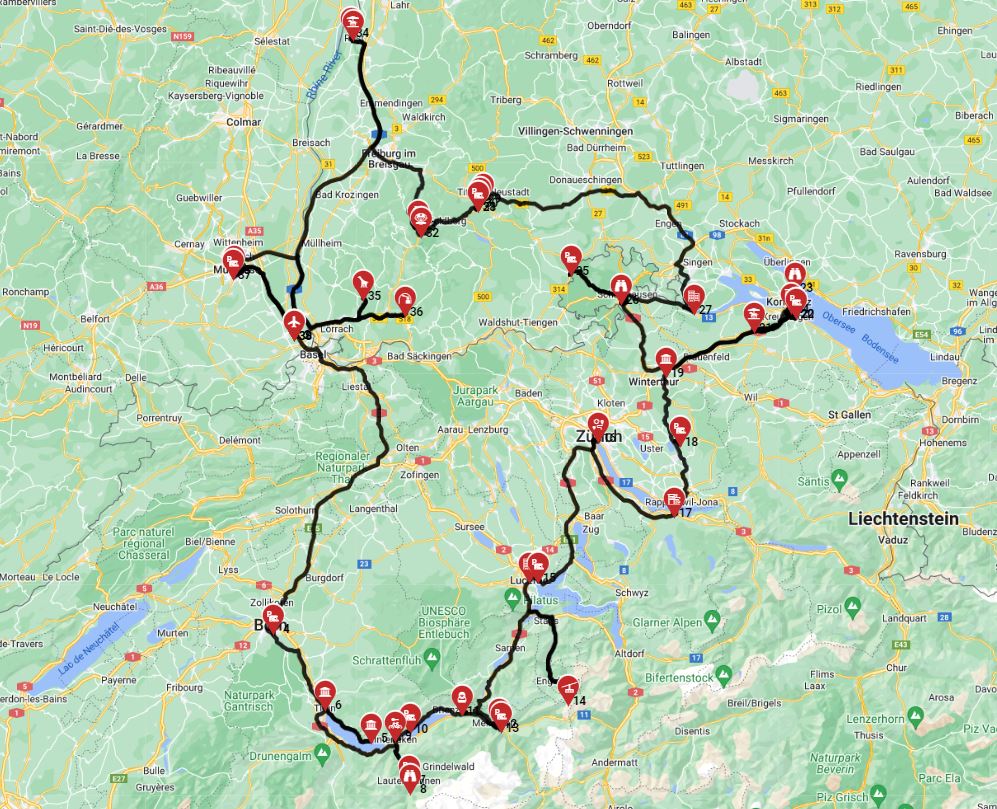
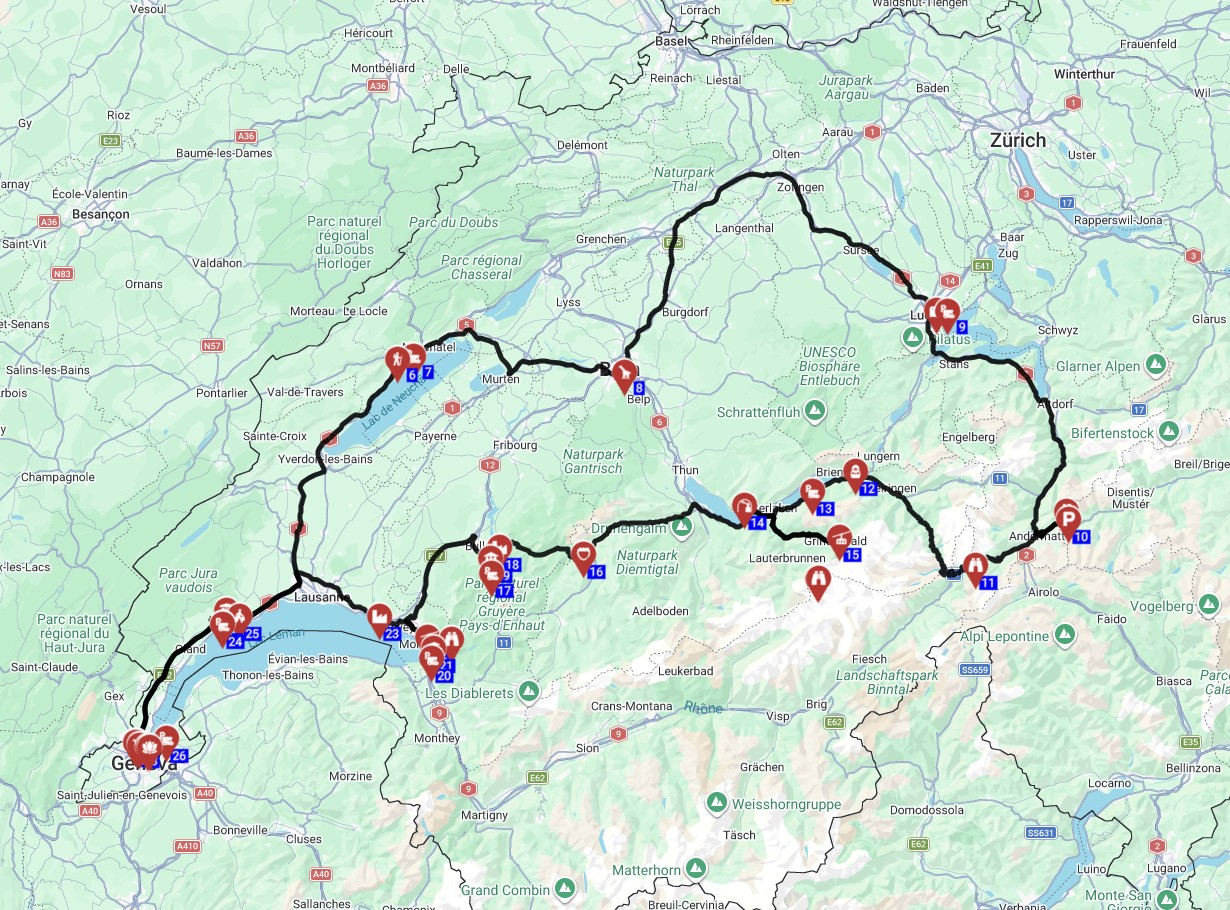
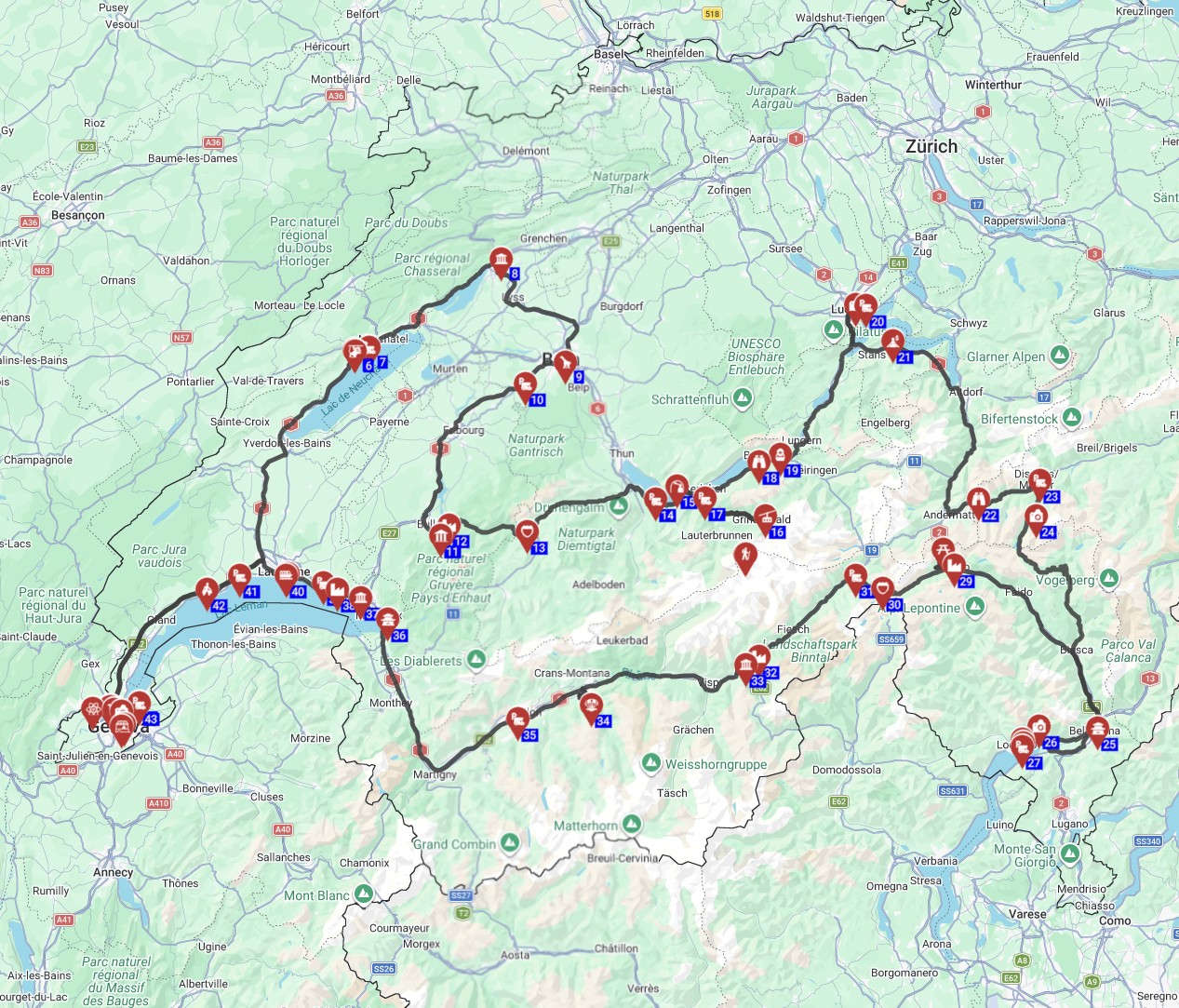
Imagine yourself waking up to alpine vistas with your furry friend by your side. Switzerland offers unforgettable experiences for pet friendly RV travelers, blending stunning nature with charming culture.- **Explore the Interlaken Region:** Drive your rented campervan through the stunning Lauterbrunnen Valley, with its 72 waterfalls. Take a hike up to Schynige Platte for incredible views of the Eiger, Mönch, and Jungfrau mountains. You can easily park your RV near Interlaken and take pet-friendly trains or cable cars further into the mountains.
- **Cruise Lake Lucerne & Visit Mount Pilatus:** Enjoy a scenic drive around Lake Lucerne, finding a pet-friendly spot to relax by the water. Take the world's steepest cogwheel railway (dogs allowed with a ticket) up Mount Pilatus for breathtaking panoramic views, offering vast open spaces for your pet to enjoy the fresh mountain air.
- **Discover the Aletsch Glacier:** Experience the majestic Great Aletsch Glacier, a UNESCO World Heritage site. Park your motorhome and take a cable car to one of the viewpoints. Many trails in the region are dog-friendly, providing an incredible natural spectacle for you and your companion.
- **Wander Through Historic Bern:** While larger RVs might find city parking challenging, park on the outskirts and take public transport into Bern's charming UNESCO-listed Old Town. Enjoy walking through arcaded walkways and along the Aare River, where dogs are often welcome at outdoor cafes.
- **Journey through the Valais with Wine Tasting:** Drive your rented RV through the sunny Valais canton, known for its vineyards. Many wineries with outdoor seating are pet-friendly, allowing you to sample local wines while your dog relaxes nearby. Don't miss exploring some of the region's hiking trails.
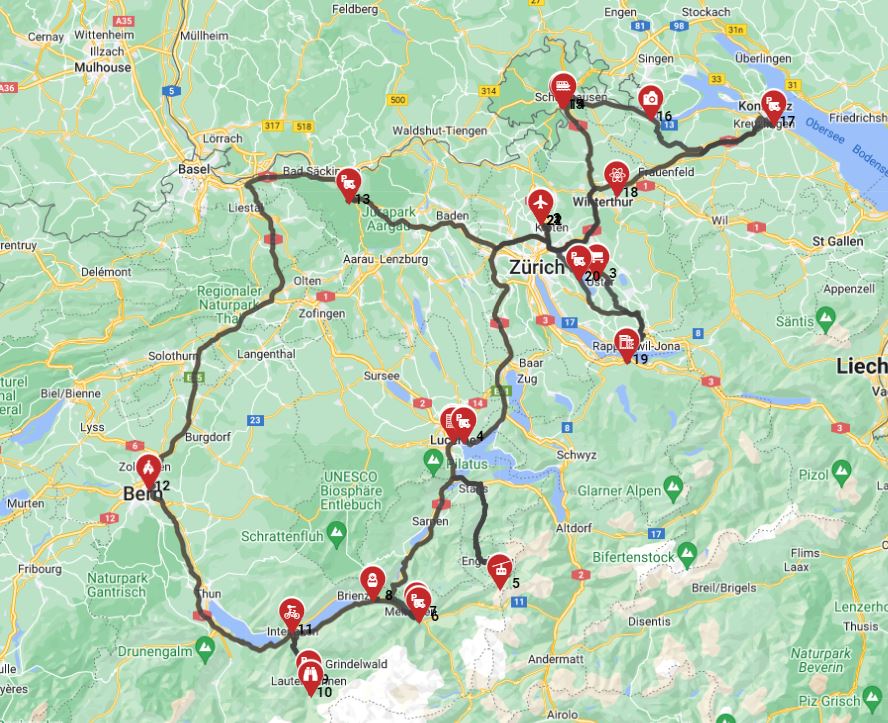
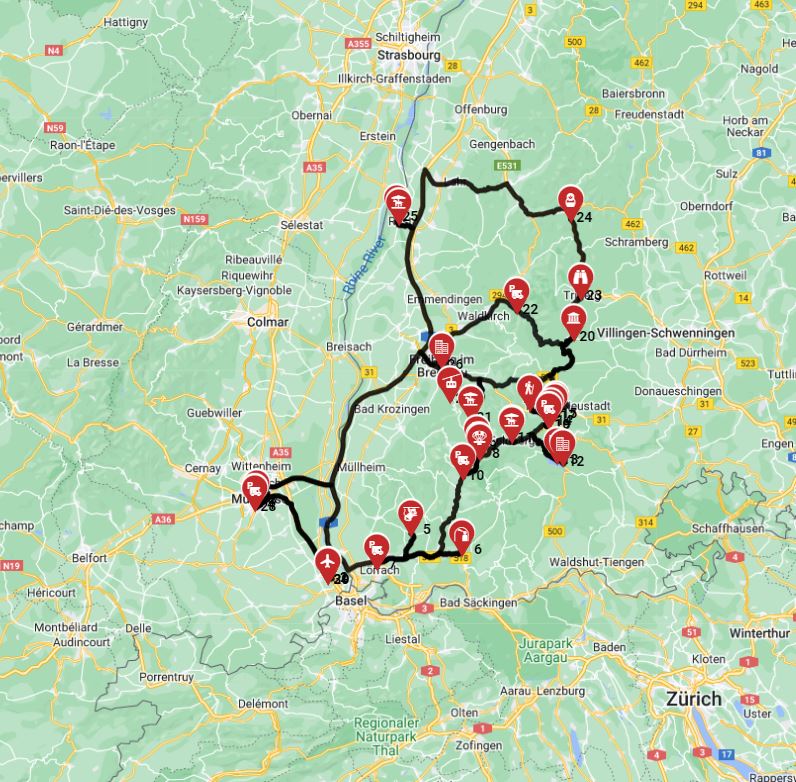
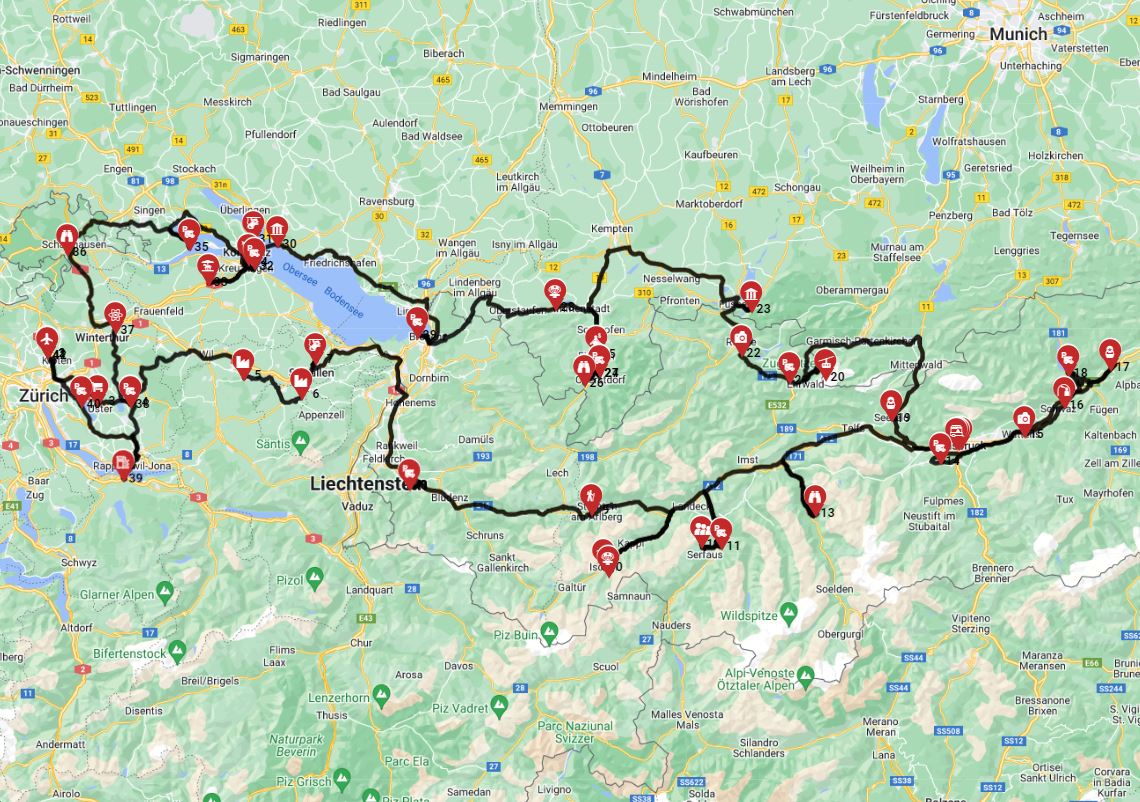
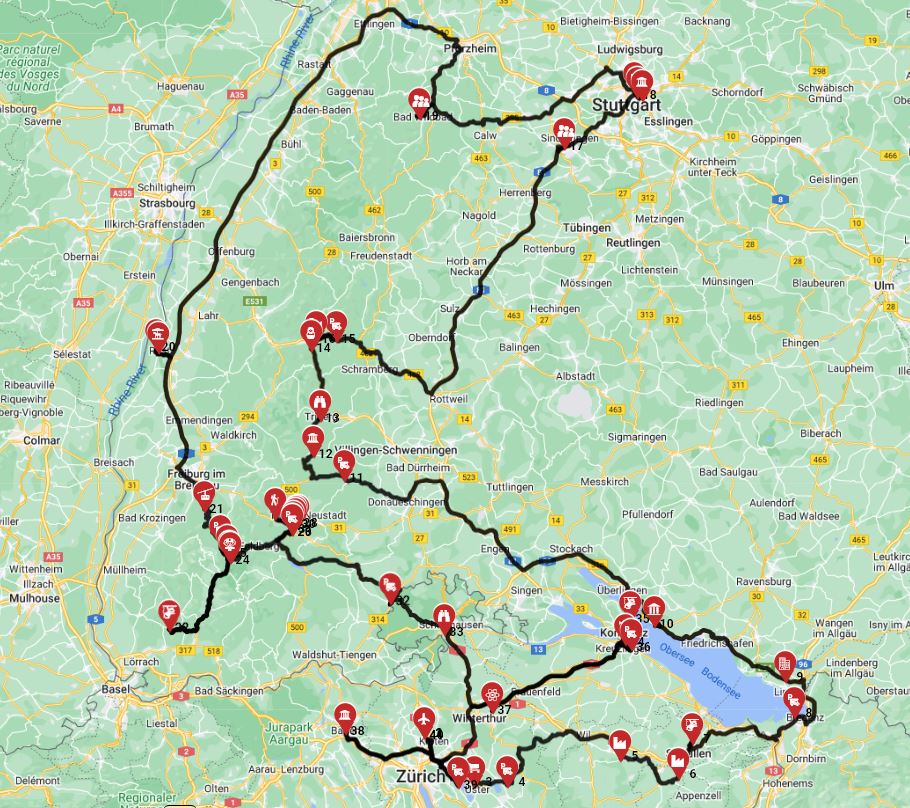
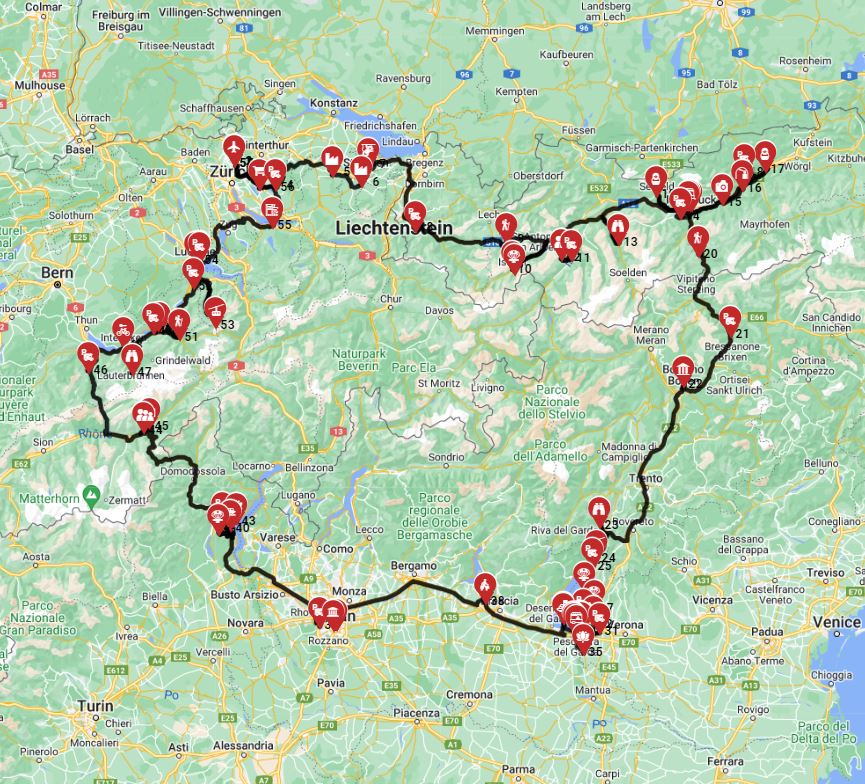
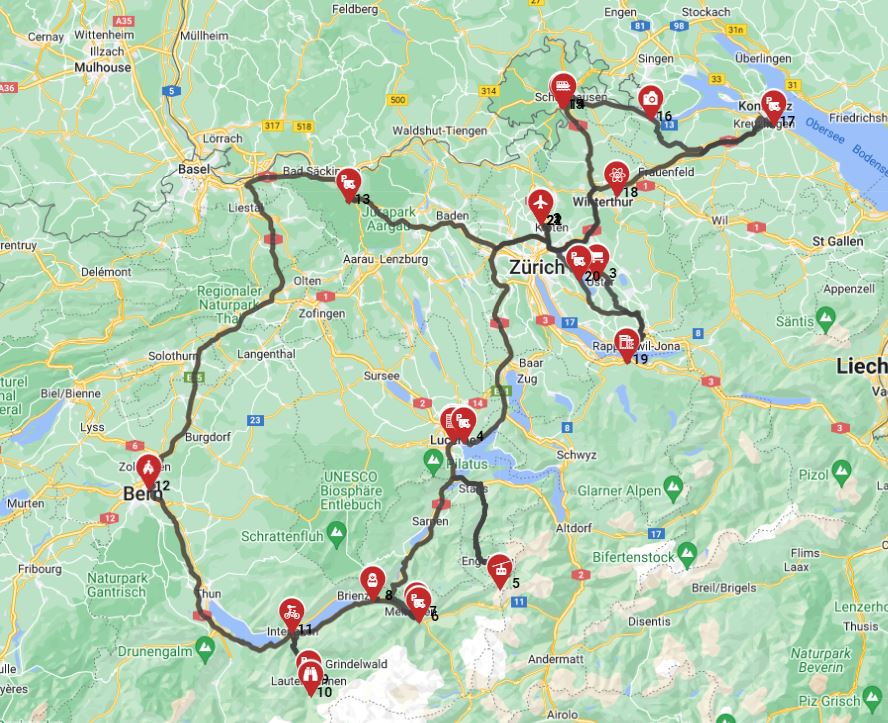
Zurich Roundtrip - Switzerland Short
Final Thoughts
An extended road trip through Switzerland with a pet friendly RV rental is an adventure waiting to unfold. Imagine the freedom of waking up to majestic alpine sunrises, exploring charming villages, and hiking breathtaking trails, all with your beloved furry companion by your side. Whether you opt for a compact campervan for nimble navigation or a spacious motorhome for extra comfort, Switzerland's stunning landscapes and well-maintained infrastructure make it an ideal destination for RV travel. Remember to embrace slow travel, dedicating ample time to connect with the culture, the delicious food, and the awe-inspiring scenery. With careful planning for tolls, campsites, and pet considerations, your Swiss RV adventure will be a journey of a lifetime. Get inspired for your next trip and discover top destinations and planning tips, all in one place with Bandana Caravan! Check Switzerland RV Rental Prices Now and find your perfect mobile home.On the routes offered through RV PLANET routes, you can itemize and track every expense along the way for easy budgeting.