In This Guide
- Can You Drive an RV in Spain? License & Age Rules
- Road Conditions & Terrain in Spain
- RV Size Limits, Bridges & Restricted Zones
- Fuel: Diesel vs. Petrol & Cost per 100 km
- Tolls, Vignettes & Border Rules
- Driving Tips for pet friendly rv rental Travelers
- Recommended RV Class for Spain Roads
- Should I Choose a Compact Van Instead of a Large RV in Spain?
- Can I Park Anywhere? Free & Wild Camping Rules in Spain
- Can I Drive an RV Into the City Center? Heights, Tunnels & Local Signage
- How much does it cost to rent an RV in Spain?
- Is Spain good for RVing with dogs?
- Do RV parks in Spain allow dogs?
- Are dogs allowed in national parks in Spain?
- What is the best month to RV in Spain?
- How do you find free parking in Spain for an RV?
- What is the average speed limit in Spain?
- What are the RV rules in Spain?
- Where can you dump RV waste in Spain?
- Is it safe to wild camp in Spain?
- What is the driving side in Spain?
- How do I connect to the internet in Spain?
- What to do in an RV Emergency in Spain?
- How Can I RV Sustainably and Responsibly in Spain?
Can You Drive an RV in Spain? License & Age Rules
Yes, you can drive an RV in Spain, and the requirements are straightforward for most international visitors. A standard Category B driver's license, which is issued in most countries, is sufficient for driving RVs up to 3,500 kg with up to 9 passengers. This typically covers most campervans and smaller motorhomes, such as those found in Bandana's 'Class B - Camper Van' or 'Class SI - Semi-integrated' categories. If you're considering a larger motorhome that exceeds 3,500 kg, you'll need a Category C1 or C license. The minimum driving age for RV rentals in Spain is generally 18 years old, though individual rental companies may have their own age policies, often requiring renters to be 21 or older. For drivers holding a non-EU/EEA license, an International Driving Permit (IDP) is highly recommended, and often required by rental companies, to accompany your national license.
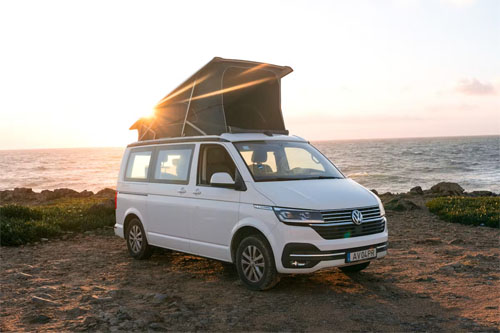
For travelers looking for a compact and agile option, Bandana offers various Class B campervans like the "Active Classic" or "Acer" models, which are perfect for navigating Spain's diverse landscapes and urban environments. These are generally covered by a standard B license, provided they stay within the weight limits. Always verify the specific vehicle's weight and dimensions with your rental provider to ensure you have the correct license. For live availability and current prices, start with our RV Rental Spain - Complete Guide 2026 guide.
Road Conditions & Terrain in Spain
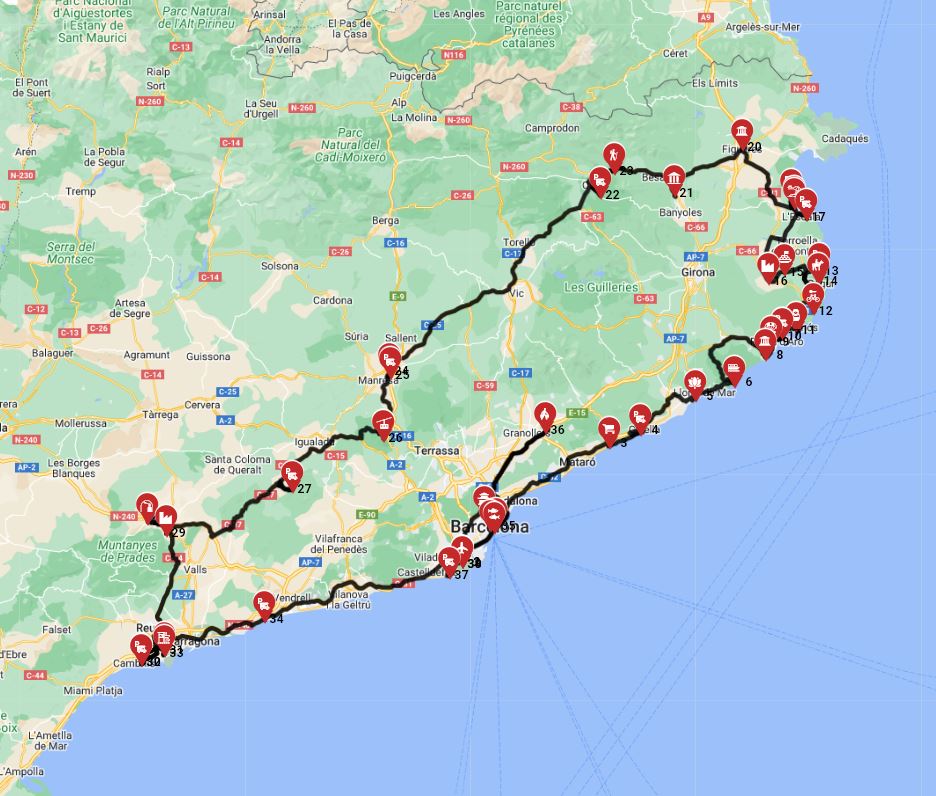
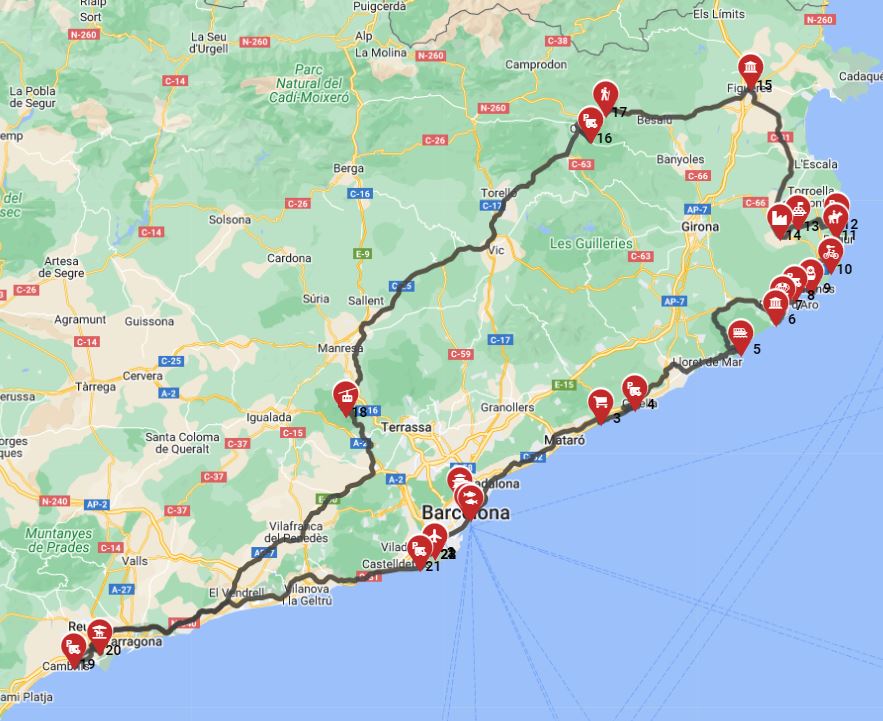
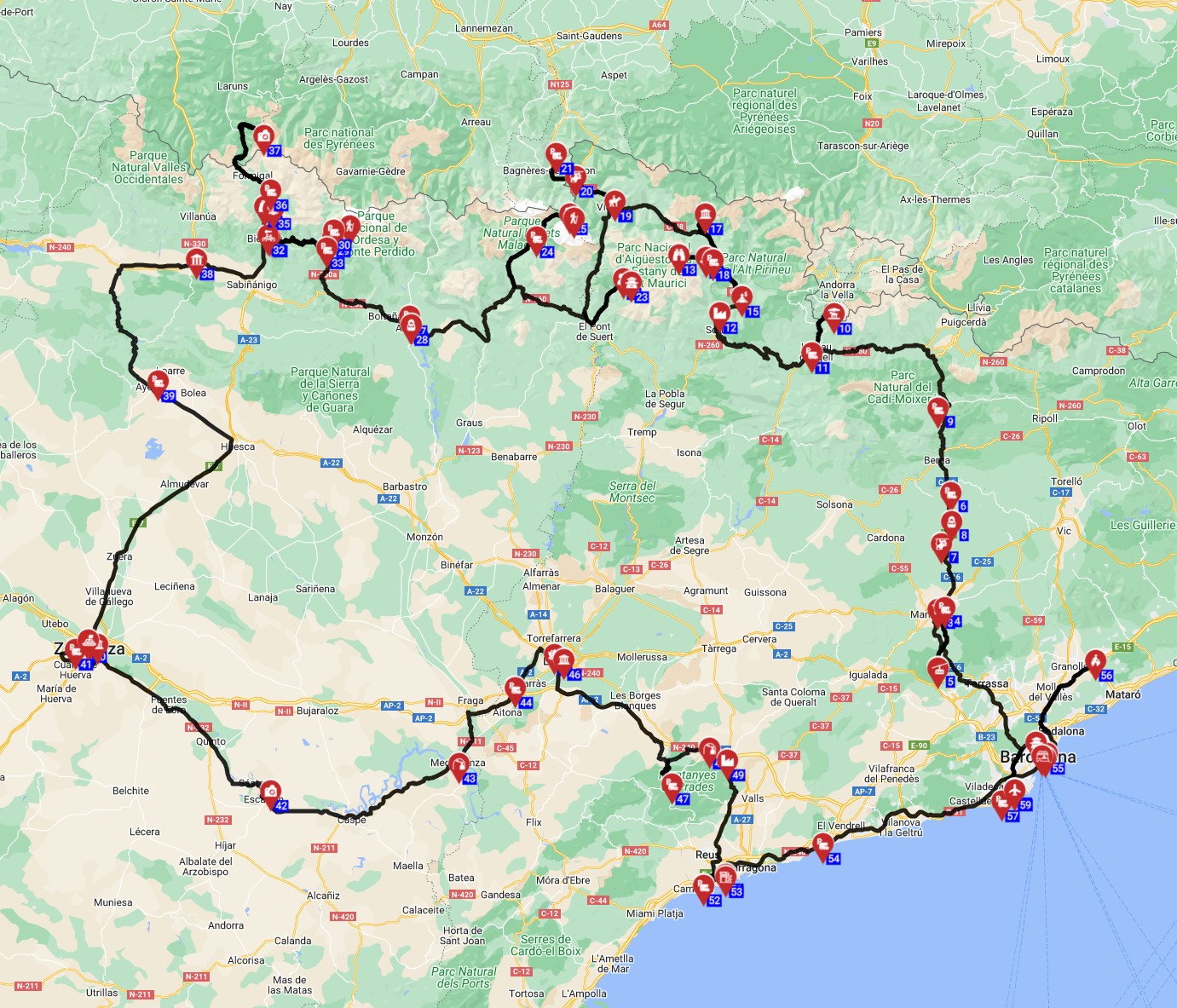
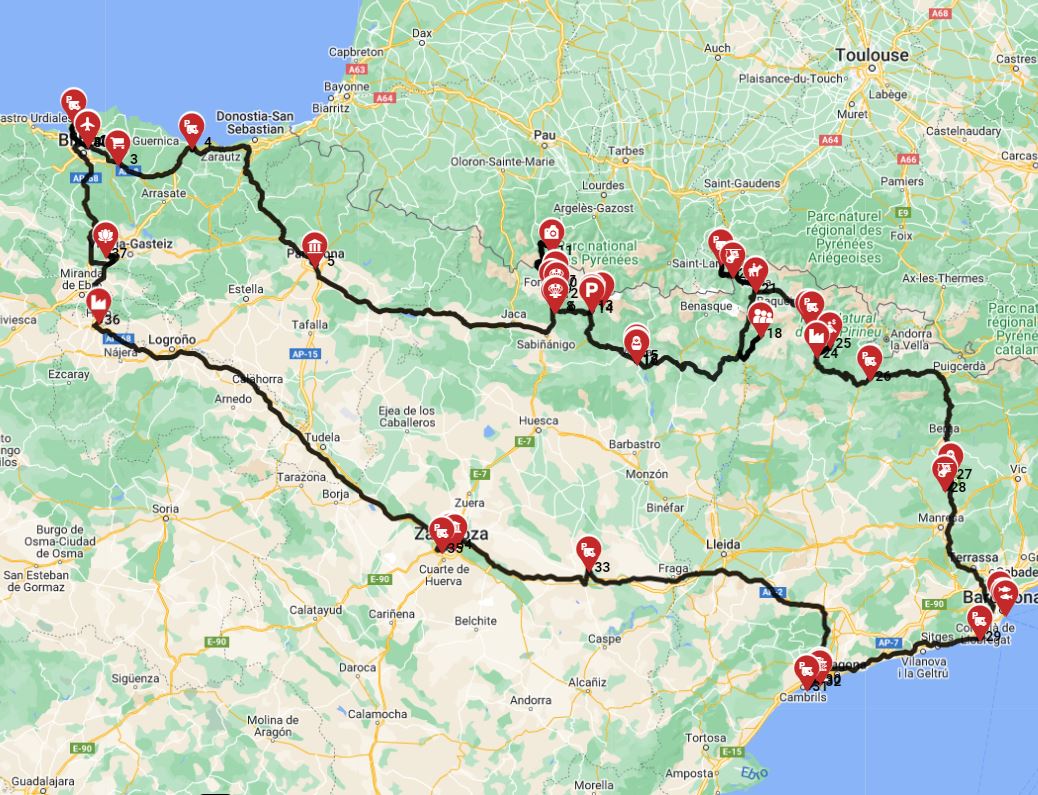
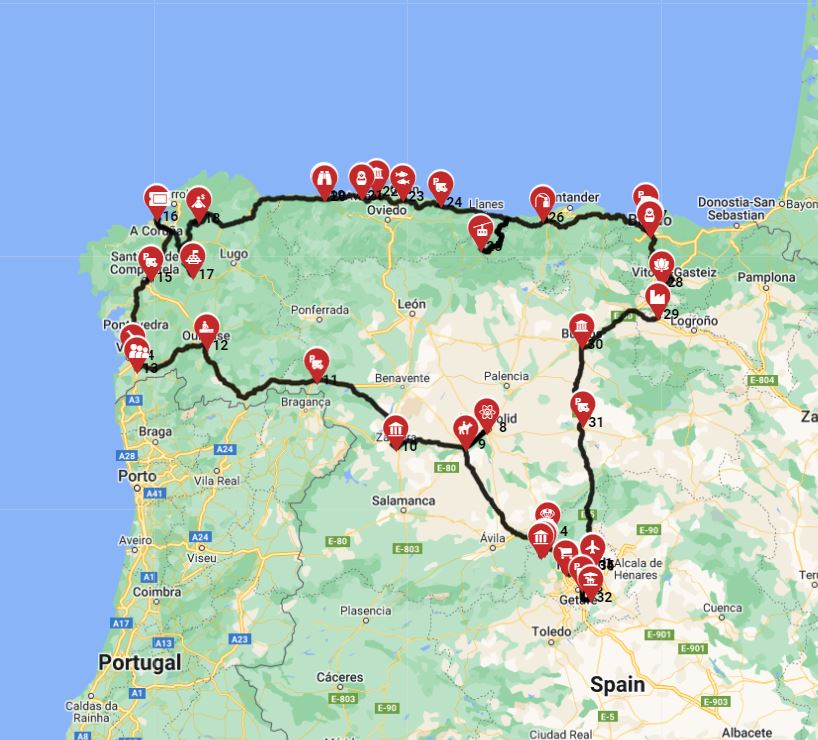
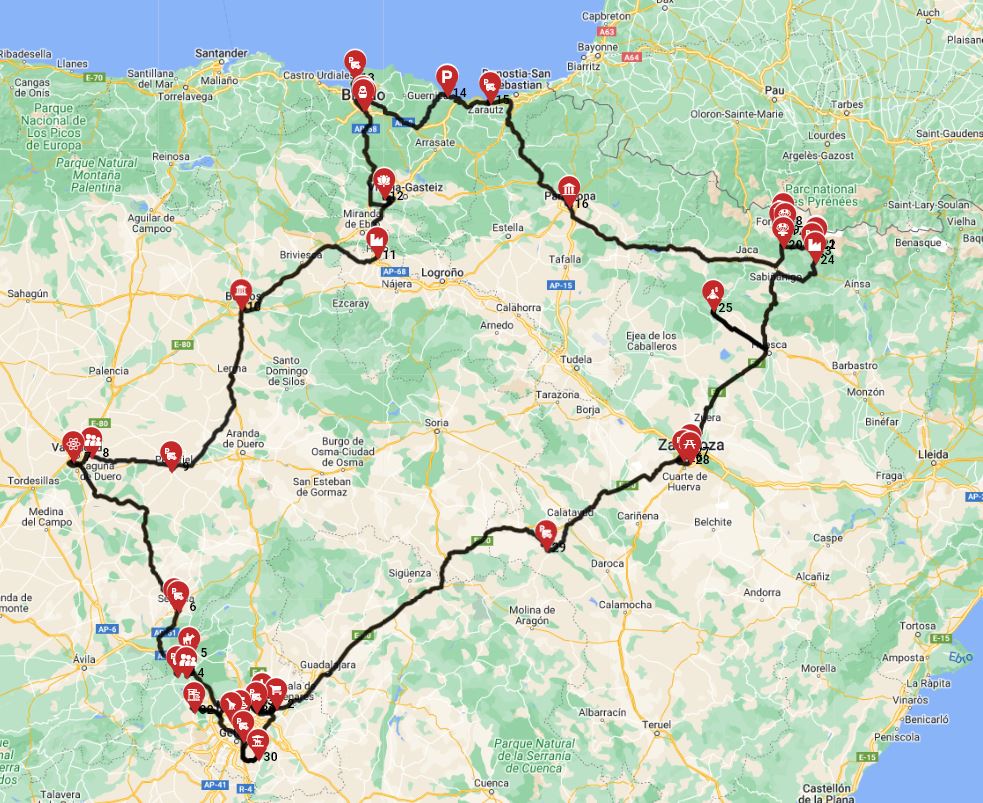
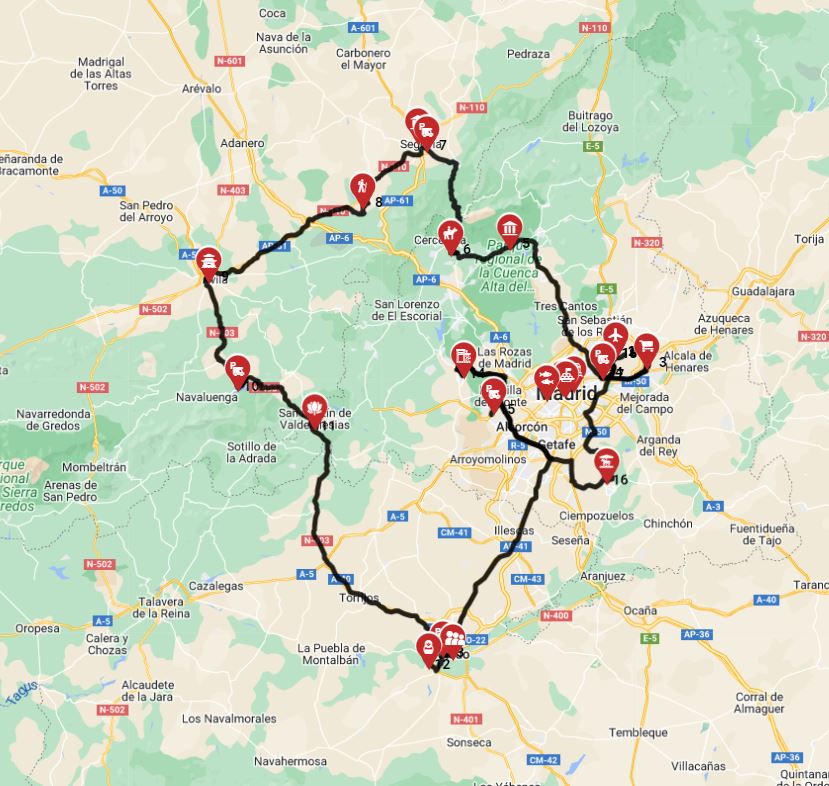
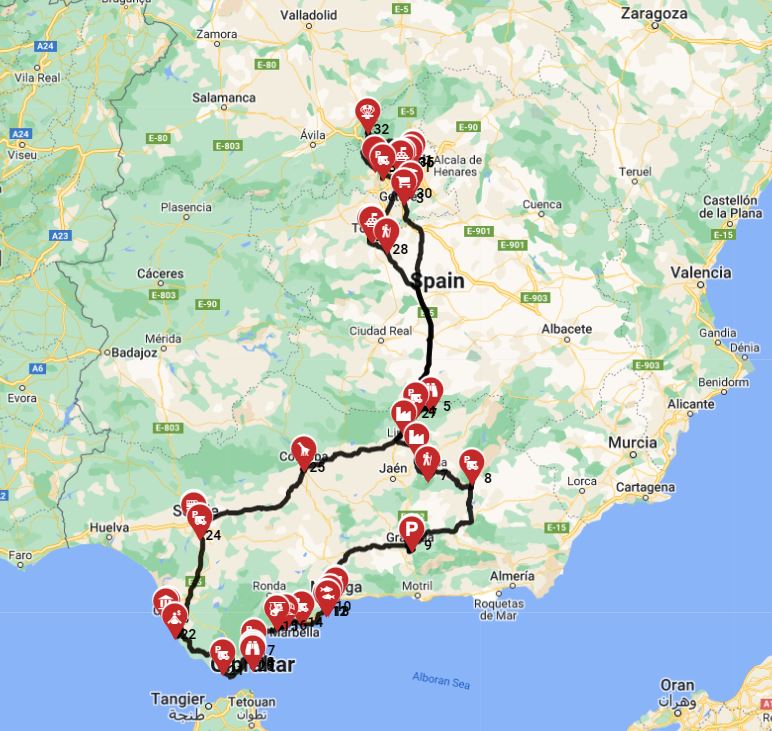
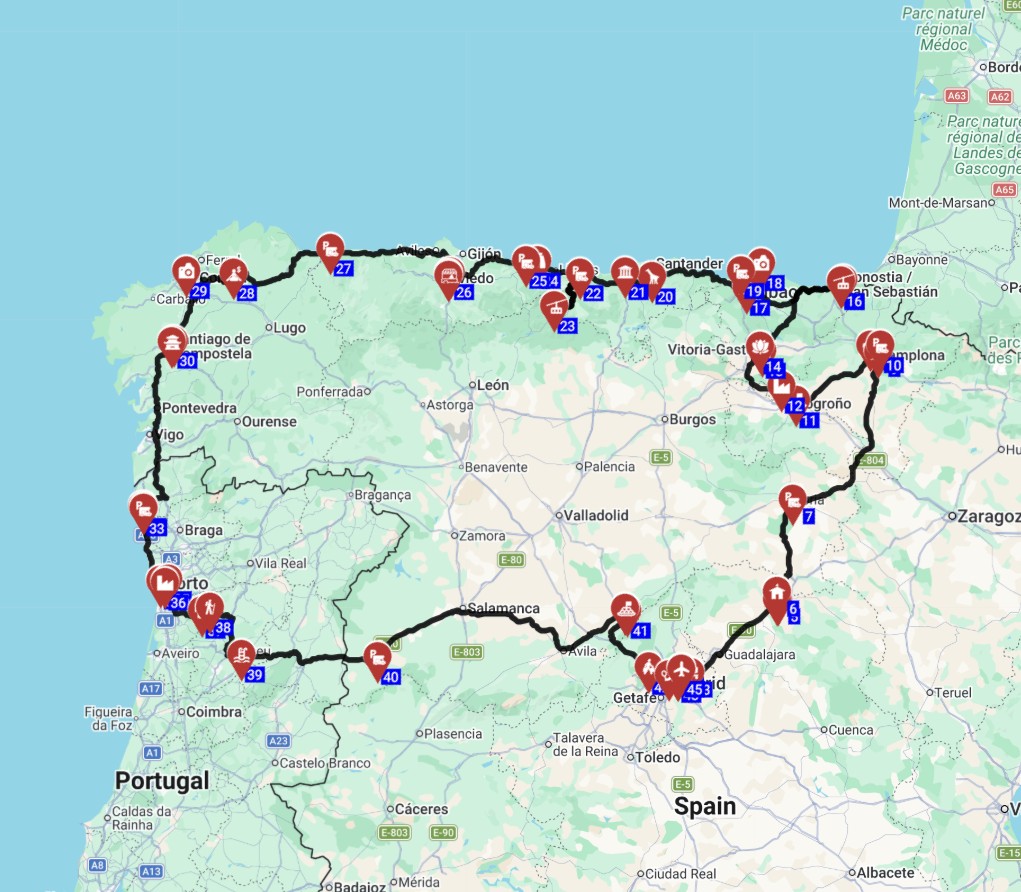
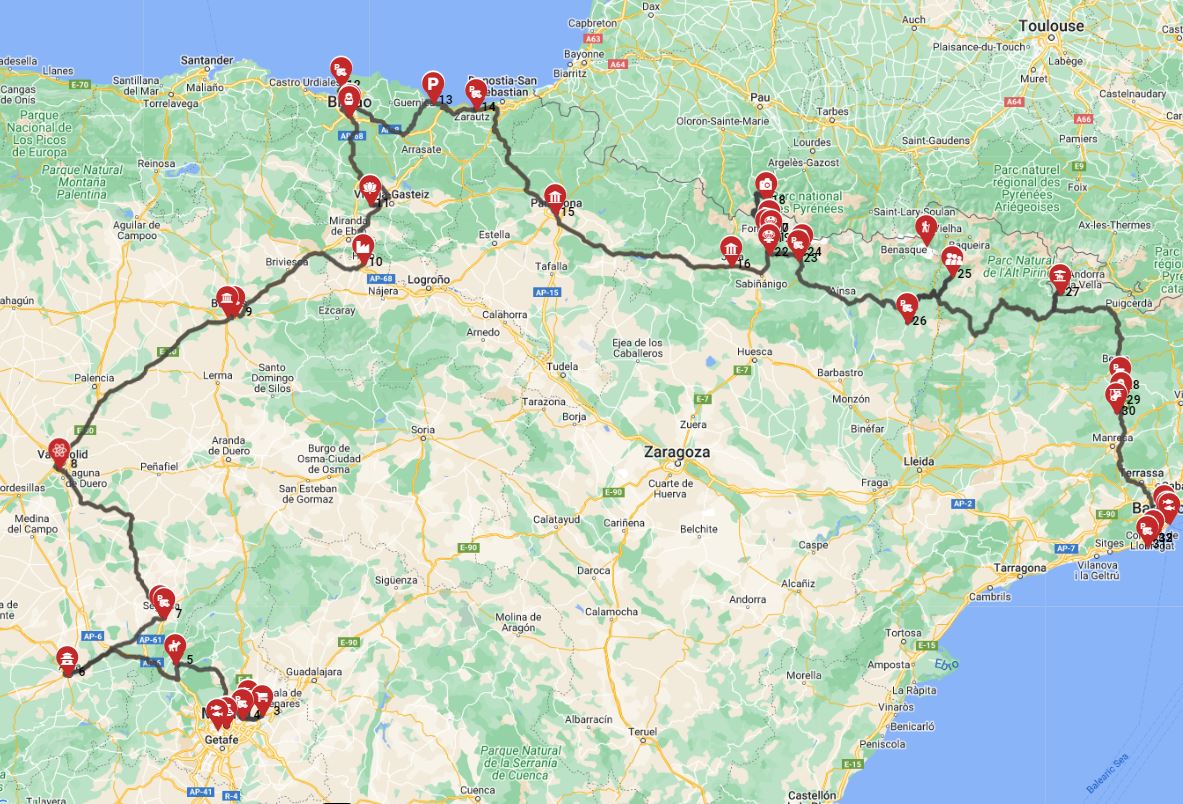
Spain's road network is generally excellent, featuring well-maintained motorways known as 'Autopistas' (AP roads, typically tolled) and 'Autovías' (A roads, usually toll-free). These modern highways are ideal for covering longer distances efficiently. However, Spain's terrain is incredibly varied, presenting a diverse driving experience for RV travelers. You'll encounter vast, flat plains like the Meseta Central, but also dramatic mountainous regions such as the Pyrenees in the north, the Picos de Europa, and the Sierra Nevada in the south. Navigating these mountainous areas involves winding roads, steep ascents, and descents, which require careful driving and awareness of your RV's weight and braking capabilities. For pet-friendly RV travel, the slower pace often necessitated by scenic routes through charming villages and coastal roads is a real advantage, allowing ample time for your furry companions to enjoy the journey. In older urban centers, you may encounter narrow streets, so always pay close attention to your RV's dimensions and drive slowly and carefully; this is how you can drive almost anywhere without issues. On the routes offered through RV PLANET routes, you can itemize and track every expense along the way for easy budgeting.
RV Size Limits, Bridges & Restricted Zones
When driving an RV in Spain, it's important to be aware of standard European and specific Spanish vehicle size limits. Generally, RVs should adhere to EU width limits of 2.55 meters (8.4 ft) and length limits up to 12 meters (39 ft). Height is also a critical factor, with a common maximum height restriction of 4 meters (13 ft) on many roads, bridges, and especially in underground parking garages, which are often found in historic city centers. Always be vigilant for specific height restriction signage, as these can vary significantly. Additionally, many major Spanish cities, including Madrid and Barcelona, have implemented Environmental Zones (Zonas de Bajas Emisiones - ZBE) that restrict access for vehicles based on their emissions standards. Ensure your rented RV has the appropriate emissions sticker (Distintivo Ambiental) to comply with these regulations; check with your rental provider about your specific RV's classification. If you plan to travel to the Balearic Islands or other islands via ferry, be aware that specific length and weight surcharges may apply, and advance booking with ferry operators is usually required.
Fuel: Diesel vs. Petrol & Cost per 100 km
Diesel (Gasóleo) is the most prevalent and typically the most economical fuel type for RVs in Spain, and it is readily available at service stations across the country. Bandana's fleet of rental RVs typically sees the following fuel consumption averages per 100 km: Class B Camper Vans consume around 8-10 Liters/100 Km, Class SI Semi-integrated and Class A Integrated motorhomes range from 8-12 Liters/100 Km, while larger Class C Alcove and Class TC Truck Campers can consume between 10-17 Liters/100 km. Fuel prices in Spain fluctuate daily based on market conditions and taxes, but you can generally find competitive rates, especially at independent stations away from the major toll motorways. Some Bandana RV rentals might include fuel discount cards, which can offer additional savings. It's always a good practice to check prices at different stations to manage your budget effectively.
For example, a Class SI - Semi-integrated motorhome, averaging 10-11 Liters/100 km, would consume approximately 110-121 liters for a 1,000 km journey. If diesel is priced at €1.70 per liter, this would equate to fuel costs of around €187-€206 for that distance.
Tolls, Vignettes & Border Rules
Navigating Spain in a rented RV is relatively straightforward regarding road payment systems. Spain primarily utilizes a pay-per-use toll system on its 'Autopistas' (AP roads). You'll encounter toll booths where you can pay electronically or with cash/card, with costs varying based on the distance traveled, vehicle category (determined by height and number of axles), and sometimes the time of day. There is no national vignette system required for driving an RV in Spain, unlike in some other European countries. This means you only pay for the specific sections of toll roads you use. While some Bandana RV rentals might offer pre-purchased toll passes for convenience, tolls in Spain are generally paid directly at the booth. When crossing borders into neighboring EU countries like France or Portugal, standard EU travel documents suffice, and there are typically no specific border controls or additional vignettes needed for RVs within the Schengen Area.
Driving Tips for pet friendly rv rental Travelers
Traveling with pets in an RV across Spain requires a few extra considerations to ensure comfort and safety for everyone. Plan for frequent stops every 2-3 hours so your pets can stretch their legs, drink water, and take care of their needs. Always ensure your pets are securely fastened in carriers or with appropriate safety harnesses while the RV is in motion, for their safety and to prevent driver distraction. Be mindful of Spanish driving customs, such as the 'siesta' period, typically between 2 PM and 5 PM, when many smaller businesses might close, which could affect services or cafe stops. When navigating mountainous regions like the Pyrenees, exercise caution and utilize lower gears, especially when descending with a heavier RV. In cities, consider parking on the outskirts and using public transport or walking to explore central areas, as many historic centers can have narrow streets and limited RV parking. If you're renting a spacious motorhome like Bandana's 'Category Large' or 'Category C - Alcove' models, these tips will help you manage city driving more effectively.
Recommended RV Class for Spain Roads
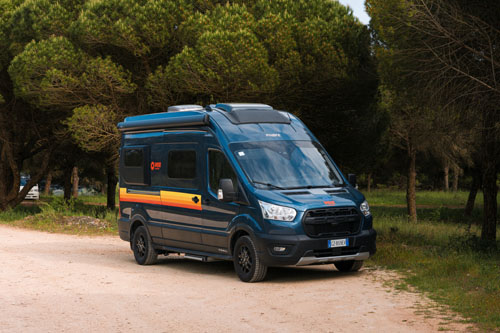
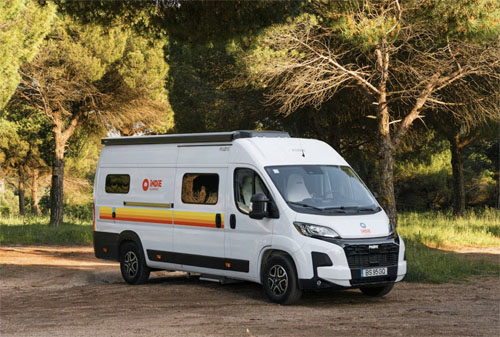
For a well-rounded RV experience in Spain, balancing comfort, maneuverability, and amenities, a Class SI (Semi-integrated) motorhome or a Class B Camper Van is often a popular choice for pet-friendly RV travelers. Class B camper vans, like Bandana's "Active Classic" or "Aero" models, typically average around 5.8 meters (19 ft) in length, making them excellent for navigating narrow village streets and finding parking. They are ideal for couples or small families with a pet. Class SI semi-integrated motorhomes, with an average length of 6.9 meters (22.6 ft), offer more generous living space and amenities, perfect for longer trips while remaining manageable on most Spanish roads, suitable for families with pets. Larger Class C (Alcove) and Class A (Integrated) models, averaging around 7.5 meters (24.6 ft), are also viable options. However, they may require more careful route planning, especially for city access and parking. Choosing the right RV class, whether it's a nimble campervan or a more spacious motorhome, will greatly enhance your pet-friendly adventure across Spain.
For those prioritizing ease of navigation in smaller towns and on winding roads, a Class B campervan is an excellent choice. For instance, Bandana's "Active Compact Select" offers a great balance of features in a more compact footprint.
Should I Choose a Compact Van Instead of a Large RV in Spain?
While compact vans undoubtedly offer superior maneuverability in Spain's tightest historic centers and on its most challenging mountain passes, most common RV sizes can comfortably navigate the country's primary road network. The decision often comes down to a trade-off between nimbleness and comfort. Larger RVs, such as semi-integrated or alcove models, provide significantly more indoor living space and amenities, which can greatly enhance comfort for pet owners on longer trips or during periods of inclement weather. These larger vehicles often feature dedicated sleeping areas, more expansive kitchens, and dedicated bathroom facilities, all of which are invaluable for extended travel with pets. For the majority of main roads, highways, and designated RV parking areas in Spain, a larger RV presents no significant driving challenges. Consider a compact van only if your itinerary is heavily focused on ancient towns with exceptionally restricted access; otherwise, the added comfort and convenience of a larger RV is often a worthwhile trade-off for a more enjoyable pet travel experience.
For families traveling with pets, a larger motorhome like Bandana's "Family Plus" or "Comfort Family" models offers the space and amenities to make the journey more pleasant.
Can I Park Anywhere? Free & Wild Camping Rules in Spain
Understanding parking regulations is key for RV travelers in Spain. While true 'wild camping'—setting up camp with awnings out, chairs outside, and clearly establishing a living space outside designated areas—is generally prohibited or heavily restricted throughout Spain, regulated overnight parking for RVs is permitted in many places. Utilize designated 'áreas de autocaravanas,' which are dedicated RV service areas, some of which are free and others are paid, alongside official campsites for guaranteed overnight stays. Overnight parking in non-prohibited public spaces may be tolerated if no camping behavior is exhibited and no local signs explicitly prohibit RV parking. However, it is crucial to always check local municipal regulations ('ordenanzas municipales') as rules vary significantly by region and commune. Responsible RVing means respecting local laws and communities, ensuring you do not obstruct traffic or private property, and leaving no trace.
For finding these designated areas, apps like Park4Night are invaluable resources.
Can I Drive an RV Into the City Center? Heights, Tunnels & Local Signage
Yes, it is generally possible to drive an RV into most Spanish city centers, but it requires a heightened awareness of local signage and vehicle restrictions. Drivers must pay close attention to signs indicating height limits for tunnels, low bridges, and underground parking entrances, which are common in historic urban areas. As mentioned, major cities like Madrid and Barcelona have Low Emission Zones (ZBEs) that restrict access based on environmental classifications, so ensure your RV complies with these regulations. Always watch for signs indicating resident-only streets, pedestrian zones, or weight restrictions that might apply to larger vehicles. While driving into the city center is often feasible, parking can be a challenge. For many travelers, a practical and less stressful alternative for exploring city centers with an RV is to park on the outskirts in designated areas or larger parking lots and then utilize public transport or walk into the most central areas.
How much does it cost to rent an RV in Spain?
The cost of renting an RV in Spain varies significantly depending on several factors: the RV class (e.g., a compact camper van versus a large integrated motorhome), the rental duration, the season of travel (peak season like summer is more expensive than off-peak), and any included amenities or optional extras. Beyond the base rental fee, anticipate additional costs for fuel, as Bandana's fleet averages between 8-17 L/100km depending on the RV class. Motorway tolls are another significant cost, especially if you plan to utilize the 'Autopistas.' Campsite fees can also add up, ranging from basic 'áreas de autocaravanas' (some are free, others might cost €10-€20 per night) to full-service traditional campsites (€25-€50+ per night), and unique rural stays on 'fincas.' Don't forget to budget for food, attraction entrance fees, and any potential pet-related fees at certain accommodations or attractions. Booking in advance, particularly for popular seasons like summer or holidays, is highly recommended to secure better rates and ensure availability.
For a more detailed breakdown of costs across different RV classes and durations, explore our RV PLANET routes, which allow you to itemize and track every expense along the way for easy budgeting.
Is Spain good for RVing with dogs?
Spain is generally an excellent destination for RVing with dogs, offering a wealth of natural landscapes perfect for exploration and an increasingly welcoming culture towards pets. You'll find numerous pet-friendly campsites and many beaches, particularly outside the peak summer months, that permit dogs. Similarly, numerous hiking trails in regional parks are accessible with canine companions. For entry into Spain, ensure your dog has an EU Pet Passport with up-to-date vaccinations (especially rabies) and microchipping. The inherent flexibility of RV travel is a major advantage for dog owners, as it allows for frequent stops, which is ideal for a dog's comfort, exercise, and restroom needs. However, always be prepared for Spain's warmer climates, particularly in the southern regions, by providing ample water, shade, and avoiding strenuous activity during the hottest parts of the day to prevent heatstroke.
Many of Bandana's smaller, more maneuverable RVs, such as the 'Class B - Camper Van' models like the "Active Compact Select," are particularly well-suited for easy pet management and frequent stops.
Do RV parks in Spain allow dogs?
The vast majority of RV parks and campsites throughout Spain are indeed pet-friendly and explicitly welcome dogs. However, it is always wise to confirm the specific policies of any campground when making your booking, as rules can sometimes vary. Typically, most sites require dogs to be kept on a leash within the campground premises and for owners to promptly clean up after their pets. Some campsites may charge a small additional fee per night for pets, usually ranging from €2 to €5. While rare, a few campsites might have restrictions on specific breeds or the number of pets allowed per site. It's best practice to check these details in advance to avoid any surprises. Utilizing online camping guides and apps like Park4Night or Campercontact, which often feature pet-friendly filters, can help you easily locate suitable accommodations along your route.
Are dogs allowed in national parks in Spain?
When it comes to Spain's national parks, rules regarding dogs can be quite restrictive, primarily to protect fragile ecosystems and resident wildlife. Dogs are generally not permitted on trails or within the strictly protected core areas of most National Parks, such as those in Picos de Europa or Sierra Nevada. However, pets are often allowed in designated parking areas, visitor centers (sometimes outside only), and on paths or recreational zones that lie *outside* the strict national park boundaries. Rules tend to be more relaxed in regional or natural parks ('Parques Naturales'), where dogs may be permitted on leash on specific trails; always verify the local regulations posted at park entrances or on their official websites. For RVers traveling with dogs, consider visiting dog-friendly coastal paths, 'vías verdes' (disused railway lines converted into greenways), or smaller local parks as excellent alternatives for outdoor exploration. Always carry water and waste bags, and meticulously respect any signage indicating restricted areas.
What is the best month to RV in Spain?
The shoulder seasons of spring (April-May) and autumn (September-October) are generally considered the prime months for RVing in Spain, offering a delightful combination of pleasant temperatures, fewer crowds, and often more favorable rental prices. Springtime brings blooming landscapes across the country, making it ideal for hiking and exploring the diverse scenery. Autumn, on the other hand, offers comfortable temperatures and vibrant fall foliage, particularly in the northern regions of Spain. Summer (June-August) can be extremely hot, especially in the southern 'hotspots' like Andalusia, which can make travel with pets challenging due to the risk of heat stress. Coastal areas can also become quite crowded during July and August. Winter (November-March) is excellent for exploring southern Spain, particularly Andalusia, which enjoys mild temperatures and sunshine, while northern regions can be colder and wetter, with potential for snow in the mountainous areas. For example, the Pyrenees are best visited in summer for hiking, while the Canary Islands offer year-round warmth and RVing opportunities.
How do you find free parking in Spain for an RV?
Finding free overnight parking for an RV in Spain is primarily achieved by utilizing the free 'áreas de autocaravanas' (dedicated RV service areas) or specific municipal parking lots that explicitly permit RV overnight stays. These areas are often well-marked and equipped with basic facilities like waste disposal and water points. Utilizing resources like the Park4Night or Campercontact apps is highly recommended; these platforms feature user-contributed information on free parking spots, including quiet village parking areas, scenic overlooks, or designated spots in retail parking lots that tolerate overnight stays. Always look for signage indicating 'Pernocta permitida' (overnight parking permitted) or general parking rules that don't specifically prohibit RVs. It's crucial to understand the distinction between 'parking' (which is often tolerated overnight if no camping behavior is displayed) and 'camping' (which involves extending awnings, setting out chairs, and is generally prohibited outside designated sites). Prioritize safety and community respect by choosing well-lit, visible locations or official sites for overnight stays.
What is the average speed limit in Spain?
In Spain, the general speed limits for RVs are influenced by their weight and the type of road. For vehicles exceeding 3,500 kg (which includes most rental motorhomes), the typical speed limits are 90 km/h on motorways and dual carriageways, 80 km/h on conventional roads, and 50 km/h in urban areas. Lighter RVs, typically those under 3,500 kg (like many campervans and smaller motorhomes), generally follow car speed limits: 120 km/h on motorways and dual carriageways, 90 km/h on conventional roads, and 50 km/h in urban areas. It is essential to pay close attention to specific roadside signage, as limits can be adjusted for local conditions, construction zones, or environmental factors. For a comfortable and safe journey, especially when traveling with pets, it's advisable to maintain a steady speed, avoid abrupt braking and acceleration, and leave ample following distance. Driving slightly slower than the maximum permitted limit on winding roads or with a heavier RV can also enhance safety and fuel efficiency.
What are the RV rules in Spain?
RV rules in Spain encompass several key aspects, from driving to waste disposal. As mentioned, driving licenses vary based on vehicle weight (Category B for lighter RVs, C1 or C for heavier ones), and all rental vehicles require proper insurance. Adherence to specific road traffic laws, including speed limits and right-hand driving, is mandatory. For overnight stays, while 'wild camping' is largely prohibited, parking overnight is generally permitted if no camping behavior (awnings, chairs outside) is displayed, and local municipal rules are respected. Waste disposal must be done at designated 'puntos de vaciado' (dump points) located in 'áreas de autocaravanas' or official campsites; illegal dumping is strictly forbidden and can result in significant fines. It's also beneficial to be aware of RV-specific cultural nuances, such as observing siesta hours when services might be closed, or respecting quiet hours in rural areas, which contributes to a more harmonious travel experience. Always carry essential documents: your driving license, RV registration, insurance papers, and, if applicable, your International Driving Permit and your pet's EU Pet Passport.
Where can you dump RV waste in Spain?
Responsible waste disposal is a critical aspect of RV travel in Spain. RV waste, both grey water (from sinks and showers) and black water (from toilets), can be legally and responsibly dumped at designated 'puntos de vaciado' (waste disposal points). These facilities are commonly found at many 'áreas de autocaravanas,' official campsites, and sometimes at specific service stations throughout the country. These dump points are usually equipped for both types of waste, often with separate taps for fresh water refills. Utilizing apps such as Park4Night or Campercontact is highly recommended, as they provide comprehensive maps and directions to the nearest waste disposal facilities. It is crucial to never dump waste illegally in undesignated areas, as this carries environmental risks and can lead to substantial fines. Opting for biodegradable toilet chemicals where possible also helps minimize environmental impact at these disposal stations.
Is it safe to wild camp in Spain?
While the term 'wild camping' (setting up camp outside designated areas) is largely illegal in Spain, the distinction between 'parking overnight' and 'camping' is crucial for both safety and legal compliance. Overnight parking in non-prohibited public spots is generally tolerated if no camping paraphernalia (like awnings, tables, or chairs) is displayed, and adherence to local municipal rules is maintained. For enhanced safety, it is strongly advised to avoid parking in overly isolated or unlit areas. Designated 'áreas de autocaravanas' and official campsites offer a greater sense of security and peace of mind. Be aware of the possibility of petty theft, especially in popular tourist areas or remote spots; always secure your RV and valuables. Prioritizing well-lit, visible locations or official sites for overnight stays ensures compliance with local laws and contributes to a safer, more relaxed travel experience.
What is the driving side in Spain?
Spain drives on the right-hand side of the road, which is standard for most of continental Europe. Vehicles are left-hand drive, meaning the steering wheel is positioned on the left side of the vehicle. Drivers accustomed to driving on the left side of the road (e.g., from the UK or Ireland) should exercise extra caution and allow themselves time to adjust to the different driving orientation. Roundabouts are navigated in an anti-clockwise direction, and it's important to yield to traffic already in the roundabout. If your rented RV is from a left-hand drive country, ensure its headlights are adjusted for right-hand driving to avoid dazzling oncoming traffic. This practice is essential for safe driving and road courtesy.
How do I connect to the internet in Spain?
Staying connected to the internet while RVing in Spain is quite achievable through several reliable options. Purchasing a local pre-paid SIM card from major providers like Movistar, Vodafone, or Orange offers excellent coverage and competitive data prices, which you can use in your smartphone or a dedicated mobile hotspot (MiFi device). MiFi devices are particularly useful as they can provide internet access to multiple devices simultaneously, ideal for remote work or consistent connectivity for the whole family. Many campsites and 'áreas de autocaravanas' offer Wi-Fi services, though the quality, speed, and cost can vary significantly, especially in peak season or more remote locations. For EU citizens, the 'Roam Like At Home' regulations allow you to use your domestic mobile plan's data allowance without extra charges, subject to fair usage policies by your provider, which can be a very convenient option.
What to do in an RV Emergency in Spain?
In the event of any immediate RV emergency in Spain, whether it's an accident, a medical situation, or a fire, the universal emergency number to dial is 112. This number connects you directly to the relevant emergency services, including police, ambulance, and fire brigades. For mechanical breakdowns or technical RV issues, it's crucial to keep your rental company's roadside assistance contact number readily accessible. They can dispatch help for issues ranging from flat tires to engine trouble. Ensure you are equipped with essential safety items onboard your RV, such as a reflective vest for each occupant, two warning triangles to place behind the vehicle in case of a stop, and a well-stocked first-aid kit. For medical emergencies, EU citizens should carry their European Health Insurance Card (EHIC); for all other travelers, comprehensive travel insurance is highly recommended. Familiarizing yourself with basic Spanish phrases related to emergencies, such as 'Necesito ayuda' (I need help), 'Tengo un accidente' (I've had an accident), or 'Mi caravana está averiada' (My RV is broken down), can be invaluable in critical situations.
How Can I RV Sustainably and Responsibly in Spain?
Traveling sustainably and responsibly in an RV in Spain involves several key practices that minimize your environmental impact. Always use designated dump points for grey and black water disposal and make an effort to sort your trash for recycling where facilities are available. Conserve water and energy within your RV, as these resources can be precious, particularly in the drier regions of Spain. Support local economies by purchasing groceries from local markets, dining at small, independent restaurants, and patronizing artisan shops. Embrace the 'Leave No Trace' principles: pack out everything you pack in, respect wildlife from a distance, and always stay on marked paths when hiking. Furthermore, be mindful and respectful of local cultural nuances, such as observing siesta quiet hours, driving respectfully through villages, and seeking permission before parking on private land. These practices ensure a positive experience for both you and the communities you visit.
What You Shouldn't Miss
- Drive a scenic route through the Picos de Europa for breathtaking mountain vistas and opportunities for pet-friendly hikes.
- Explore the ancient Roman roads and Roman ruins, perhaps near Tarragona, offering a blend of history and RV accessibility.
- Visit a "Starlight Destination" like Sierra Nevada for incredible stargazing opportunities, a perfect serene evening activity for you and your pet.
- Experience a local 'Mercado' (market) in a charming Andalusian town, sourcing fresh produce for a delicious onboard meal, perhaps after visiting an olive oil mill.
- Discover one of Spain's many 'vías verdes' (greenways) – old railway lines converted into pedestrian and cycling paths, ideal for relaxed RV travel and walks with your dog.
- Camp near a historic 'pueblo abandonado' for a unique glimpse into Spain's past, always ensuring you are parked legally and respectfully.
Final Thoughts
Embarking on an RV adventure in Spain with your pet is an incredibly rewarding experience. From the diverse landscapes to the rich culture, there’s something to captivate every traveler. By understanding the driving regulations, road conditions, and local customs, you can ensure a smooth and enjoyable journey.
Remember to travel slowly, savoring each moment and connecting with the places you visit. With Bandana Caravan, planning your pet-friendly Spanish road trip is made easy, allowing you to focus on the adventure ahead. Get inspired for your next trip and discover top destinations and planning tips all in one place!
Ready to start planning your dream RV trip through Spain? Compare motorhome prices for Spain and find the perfect pet-friendly RV rental that suits your needs. Check Spain RV Rental Prices Now and begin your unforgettable adventure!
For ideas you can prep on the road, watch our RV-friendly recipes playlist on YouTube.