In This Guide
- Can You Drive an RV in Santiago? License & Age Rules
- Road Conditions & Terrain in Santiago
- RV Size Limits, Bridges & Restricted Zones
- Fuel: Diesel vs. Petrol & Cost per 100 km
- Tolls, Vignettes & Border Rules
- Driving Tips for pet friendly rv rental Travelers
- Recommended RV Class for Santiago Roads
- Should I Choose a Compact Van Instead of a Large RV in Santiago?
- Can I Park Anywhere? Free & Wild Camping Rules in Santiago
- Can I Drive an RV Into the City Center? Heights, Tunnels & Local Signage
- How Much Does an RV Rental Cost in Santiago, Chile?
- What is the Best Time of Year to RV in Chile?
- Is it Safe to Drive an RV in Chile?
- Can I Take a Dog on an RV Trip in Chile?
- Where Can I Find Pet Friendly Campsites in Chile?
- Where Can RVers Find Water, Dump Stations, and Reliable Internet in Santiago?
- How Can RVers Experience Chilean Culture and Local Etiquette?
- Are RVs Common in Chile?
- What is a Class C RV?
For live availability and current prices, start with our RV Rental Santiago - Complete Guide 2026 guide.
Can You Drive an RV in Santiago? License & Age Rules
Yes, driving an RV in Santiago is permissible with the correct license category, which typically depends on the vehicle's Gross Vehicle Weight (GVW). A standard Chilean Class B driver's license generally covers RVs up to 3,500 kg GVW; however, heavier RVs may necessitate a Class A2 or A4 license. The minimum RV rental age is typically 21, though this can vary by rental company and RV class, with some requiring renters to be 25 for larger models. Foreign drivers will need a valid home country license and are strongly recommended to obtain an International Driving Permit (IDP) translated into Spanish for legal compliance.
Road Conditions & Terrain in Santiago
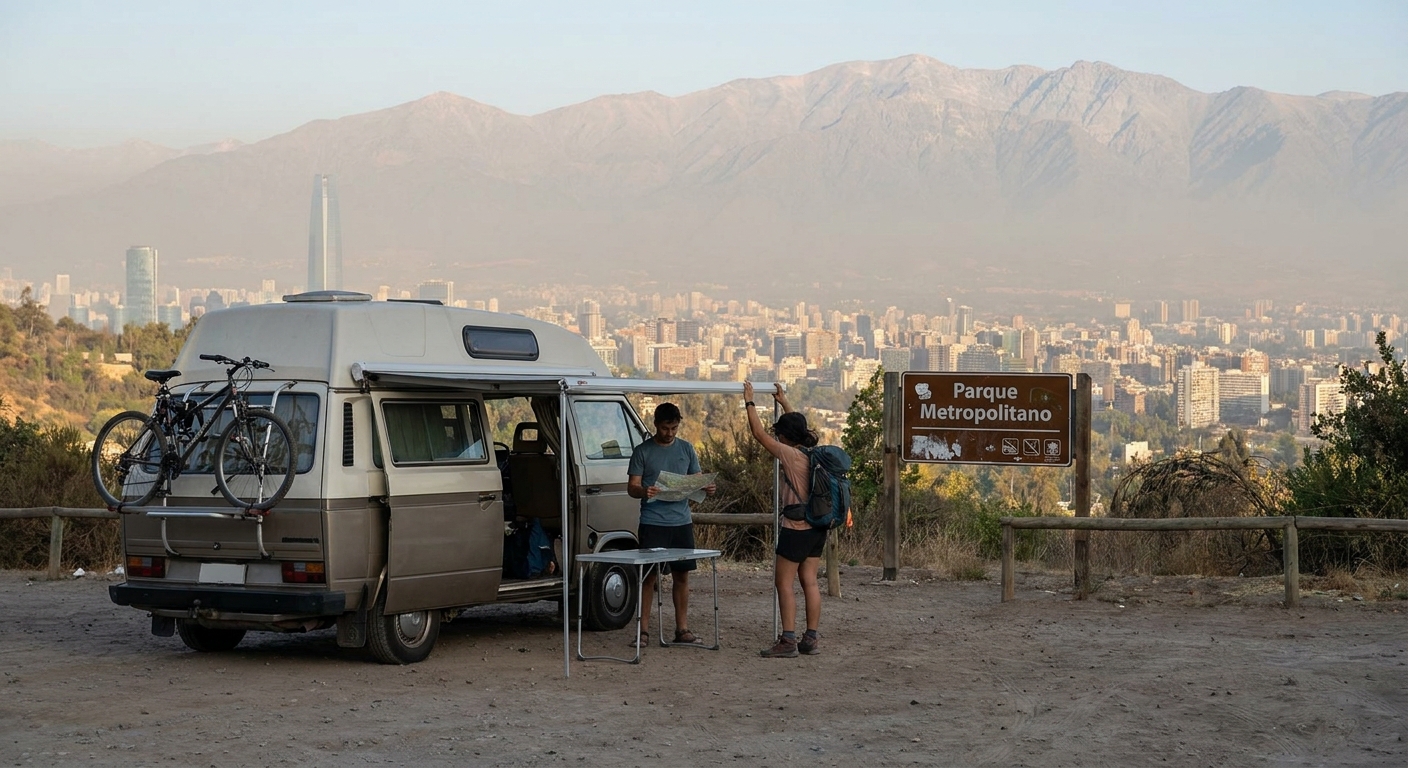
Santiago's road conditions present a varied experience, from impeccably maintained urban highways to potentially rougher or unpaved routes in the surrounding mountainous and rural areas, which can certainly influence a pet-friendly RV adventure. Major urban roads and the primary highways are generally paved and in good condition, offering a smooth journey. However, routes venturing towards the Andes or coastal regions may involve winding roads, steep ascents, and unpaved sections, demanding careful attention and a slower pace.
For those planning to explore off-the-beaten-path destinations or travel during specific seasons, consider an RV with 4x4 capabilities. However, a standard 2WD RV is perfectly adequate for navigating most paved routes around Santiago and its accessible attractions. Regardless of your chosen vehicle, driving slowly and savoring the scenic routes is highly recommended for both safety and the comfort of your pets. Be mindful of potential seasonal road closures, particularly in the Andes, which can occur due to snow or extreme weather conditions, so always check local advisories before embarking on mountain journeys.
RV Size Limits, Bridges & Restricted Zones
While Santiago generally accommodates RVs, drivers must remain vigilant regarding height and weight restrictions, especially on older infrastructure, tunnels, and within certain urban areas. Standard RVs typically fit on most roads without issue, but be aware that some older underpasses or tunnels might have specific height limits, often marked around 3.5m to 4.2m. Weight restrictions are less common on main roads but can apply to older bridges or less-trafficked rural routes; always observe posted signage.
Santiago has designated environmental zones that may impose restrictions on certain vehicle types or older models, particularly during days with high pollution levels. It's advisable to check local regulations for current limits before entering urban areas. Additionally, be aware of the potential for narrow streets in historic city centers, where larger RVs might find maneuvering and parking more challenging. Planning your route and considering parking options in advance can greatly enhance your urban RVing experience.
Fuel: Diesel vs. Petrol & Cost per 100 km
Both diesel and petrol are readily available across Santiago and Chile, with diesel generally being the more economical choice for RV travel. For a Class TC - Truck Camper, the average fuel consumption is around 13 liters per 100 km, providing a useful benchmark for budgeting your trip. Diesel fuel, commonly referred to as 'diésel' or 'petróleo' in Chile, is the typical fuel type for larger RVs and is widely accessible at service stations throughout the country. On the routes offered through RV PLANET routes, you can itemize and track every expense along the way for easy budgeting.
Petrol, or 'gasolina', is also available in various octanes (93, 95, and 97). It's crucial to ensure you use the correct fuel type specified for your rental RV to maintain optimal performance and avoid any potential issues. While fuel prices can fluctuate and are generally higher than in some other countries, budgeting accurately for your fuel expenses will contribute to a smoother and more enjoyable RV journey.
Tolls, Vignettes & Border Rules
Navigating Santiago's highways requires an understanding of the electronic toll (TAG) system, and international travelers will need specific documentation for border crossings, particularly if coming from neighboring countries like Argentina. Santiago's urban highways primarily utilize an electronic TAG system. RVs must either have a compatible device or arrange for post-travel payment with rental companies. Some Bandana RVs may allow pre-purchasing toll passes to simplify this process and prevent fines.
Chile does not employ traditional vignettes for road use; tolls are predominantly electronic within the Santiago region. For foreign RVs entering Chile, a temporary import permit (Permiso de Internación Temporal) is mandatory for the vehicle, alongside your international driver's license and valid insurance. Ensuring all vehicle documentation, including registration and proof of ownership, is in order for Chilean customs (Aduanas) officials is essential for a smooth border crossing. Always consult the latest requirements directly with Chilean customs before your journey.
Driving Tips for pet friendly rv rental Travelers
Prioritizing safety, pet comfort, and local awareness can significantly enhance your pet-friendly RV trip in Santiago, ensuring an enjoyable experience for both human and furry travelers. When planning your driving, remember to factor in frequent stops for your pets; aim for breaks every 2-3 hours to allow them to stretch, hydrate, and relieve themselves in safe, designated areas away from traffic.
Always secure your pets during transit, using a crate or a harness with a seatbelt to prevent injuries and minimize distractions while driving. Be aware of local road etiquette in Chile, as drivers can sometimes be assertive, especially in urban areas; remaining vigilant and prepared for sudden stops or lane changes is key. For security, always lock your RV, avoid leaving valuables visible, and choose well-lit, secure overnight parking spots or campgrounds whenever possible. Keep a list of local emergency numbers readily accessible, including police (133), ambulance (131), fire services (132), and your rental company's roadside assistance contact. Lastly, consider comprehensive travel insurance that covers RV mishaps and provides medical care for both you and your pets.
Recommended RV Class for Santiago Roads
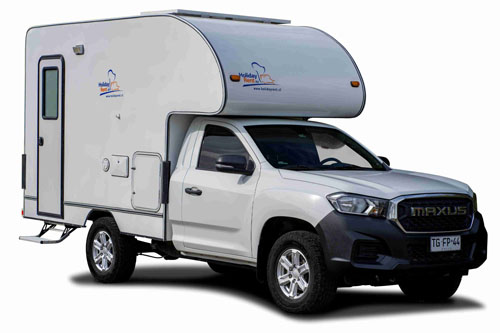
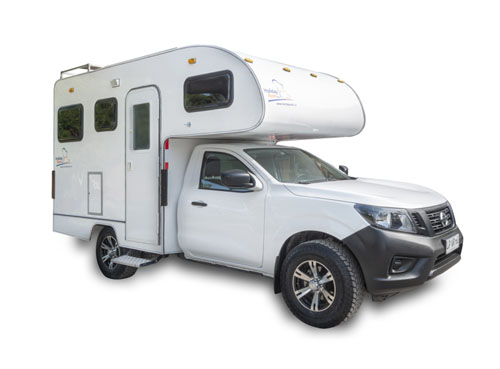
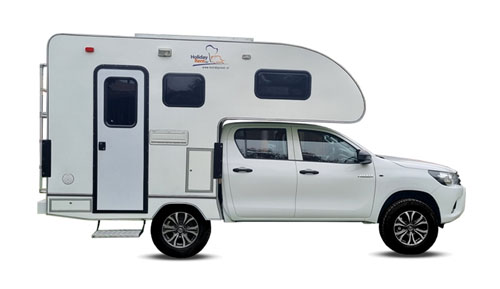
For navigating Santiago's diverse terrain and ensuring a comfortable, pet-friendly adventure, the Class TC - Truck Camper is a highly recommended RV class. These vehicles offer an excellent balance of maneuverability and living comfort. Bandana's Santiago fleet features Class TC - Truck Campers, which typically average around 5.6 meters in length, making them versatile for both city driving and exploring the picturesque surrounding regions.
Their relatively compact size allows for easier parking and navigation through tighter streets compared to larger, less agile RVs. Truck campers often boast good ground clearance, which is particularly beneficial if your itinerary includes venturing onto unpaved or less-maintained roads outside the city. Despite their smaller footprint, these campers typically comfortably accommodate 2-3 adults and pets, providing a cozy and self-sufficient home base for your explorations.
Should I Choose a Compact Van Instead of a Large RV in Santiago?
While a compact van certainly offers superior maneuverability in very tight urban spaces, the added living space and amenities of a larger RV, such as a Class TC - Truck Camper, often provide a more comfortable and enjoyable pet-friendly experience for most travelers in Santiago. For the majority of Santiago's roads and access to standard attractions, RVs like our recommended truck campers are quite manageable, offering a good balance of size and functionality without excessive bulk.
Compact vans are indeed ideal for exploring extremely narrow historic centers, for stealth camping, or if maximizing urban agility is your absolute top priority. However, if your trip involves longer stays or you simply prefer more creature comforts, larger RVs provide significantly more living space, a full kitchen setup, and dedicated sleeping areas, which greatly enhance comfort, especially when traveling with pets. Ultimately, the choice between a compact van and a larger RV hinges on your personal travel style, the duration of your trip, and your comfort priorities for yourself and your furry companions. For ideas you can prep on the road, watch our RV-friendly recipes playlist on YouTube.
Can I Park Anywhere? Free & Wild Camping Rules in Santiago
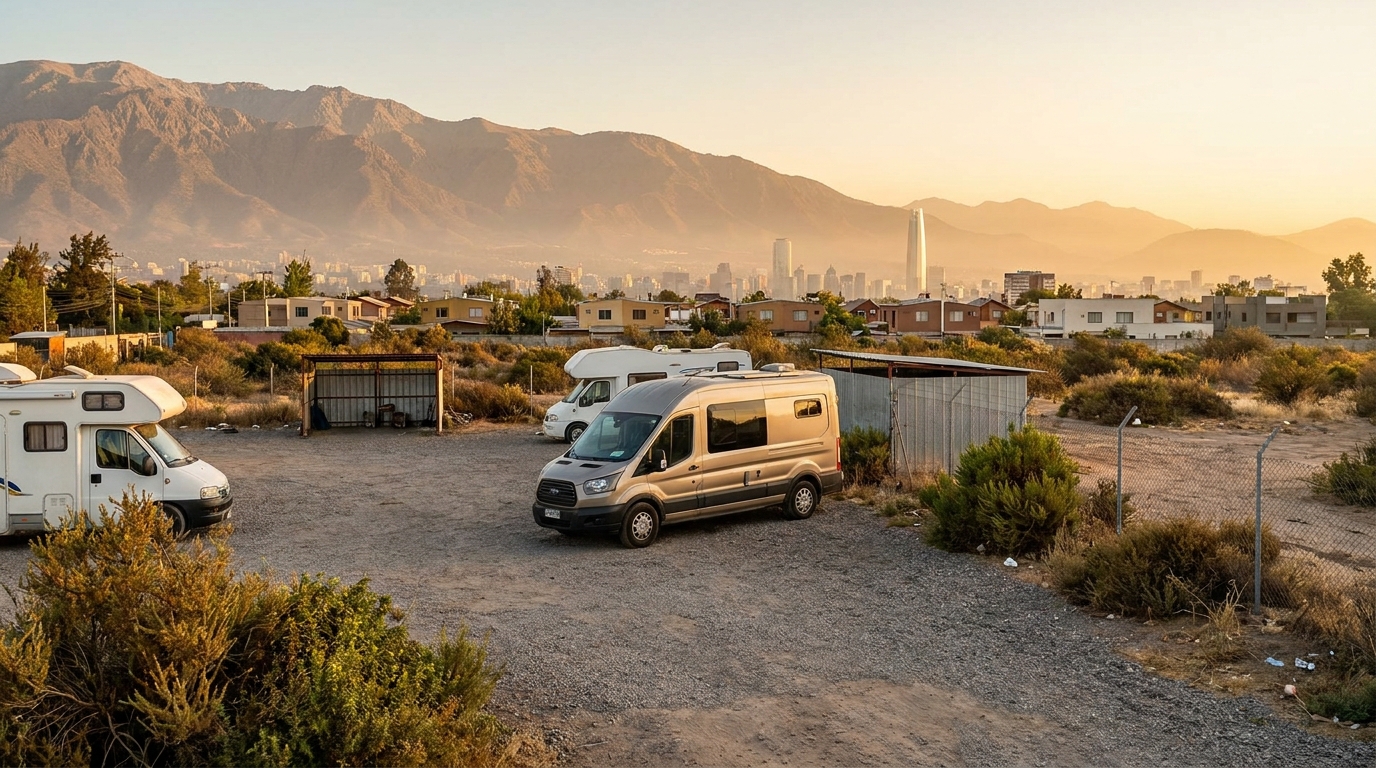
While free or wild camping (boondocking) is often tolerated in very remote, non-private areas across Chile, it is generally restricted within Santiago's urban centers and most national parks. Within Santiago itself, overnight parking for RVs is typically limited to designated campgrounds, private RV parks, or secure parking lots. Urban wild camping is generally not advisable due to potential restrictions and safety concerns.
Wild camping is strictly prohibited in Chilean national parks and reserves, and also on private property unless explicit permission has been granted by the landowner. Always respect 'No Camping' signs and private property markers to avoid fines and ensure you are traveling respectfully. When considering wild camping in truly remote areas, it is paramount to practice Leave No Trace principles, confirm you are not trespassing, and prioritize safety by researching the area beforehand. Remember that rules can vary significantly by region, so always check local regulations and adhere to local laws before parking overnight, as penalties can apply.
Can I Drive an RV Into the City Center? Heights, Tunnels & Local Signage
Yes, an RV can typically be driven into Santiago's city center, but it requires close attention to local signage regarding height limits, restricted zones, and parking regulations. Most main arterial roads leading into and through Santiago's city center are suitable for RVs, including those comparable in size to a Class TC - Truck Camper. However, be vigilant for height restrictions that are often posted on older overpasses, in parking garages, and at the entrances to certain tunnels; these will be clearly marked, often with visual height indicators.
Some areas, particularly historic districts or dedicated pedestrian zones, may have restricted access for larger vehicles or require specific permits during certain hours. Utilizing GPS applications that allow for RV-specific routing can be incredibly helpful in avoiding low clearances and navigating potentially challenging narrow streets, thereby enhancing your urban RVing strategy. As an alternative, consider parking your RV at a well-equipped site just outside the immediate city center and then utilizing Santiago's efficient public transport system to explore the central attractions, offering a convenient and stress-free way to experience the city.
How Much Does an RV Rental Cost in Santiago, Chile?
The cost to rent a pet-friendly RV in Santiago varies widely based on the RV class, rental duration, the season of travel, and any additional amenities chosen. However, a comprehensive budget should also thoughtfully account for essential ongoing costs such as fuel, tolls, and campsite fees. Rental prices can range from approximately $100 to $300+ USD per night for smaller RVs like a Class TC - Truck Camper, with significant discounts often available for longer rental periods, making extended trips more budget-friendly.
It's important to factor in additional costs like insurance, potential one-way rental fees (if applicable), any specific pet fees charged by the rental company, and optional add-ons such as kitchen kits or linens. A realistic travel budget should also include fuel expenses (estimated at around 13 liters per 100 km for a typical truck camper), electronic tolls incurred on Santiago's highways, campsite fees (which can range from $20-$50 USD per night), and your grocery costs. Always consider potential unexpected expenses, such as additional propane, laundry services, or minor vehicle maintenance, to ensure a worry-free trip.
What is the Best Time of Year to RV in Chile?
The optimal time to RV in Chile, especially for a pet-friendly trip that includes exploring Santiago and its central regions, is generally during the spring (September to November) and autumn (March to May). These shoulder seasons offer pleasant temperatures and fewer tourist crowds, making them ideal for exploring the country's diverse landscapes, including the charming vineyards and scenic central valleys around Santiago.
Chilean summer (December to February) is the warmest period and best suited for accessing high-altitude Andean passes, but be prepared for larger crowds and potentially higher prices. Autumn provides cooler, more stable weather, vibrant fall foliage, and significantly fewer tourists, making it an excellent choice for relaxed scenic drives. Winter (June to August) is cold with potential for snow in the Andes, rendering some routes inaccessible and is generally less ideal for RVing unless your focus is specifically on winter sports. Always check current road conditions, particularly for mountain passes, before you travel, as closures due to snow or landslides can occur regardless of the season.
Is it Safe to Drive an RV in Chile?
Driving an RV in Chile is generally considered safe, especially when undertaking careful planning, adhering to specific safety protocols, and maintaining awareness of local driving habits and emergency preparedness. Major highways are typically well-maintained, but rural and mountain roads can be winding, unpaved, or narrow, necessitating caution and reduced speeds. Always employ basic security measures such as locking your RV, avoiding leaving valuables visible, and choosing well-lit, secure overnight parking spots or established campgrounds.
In case of emergencies, keep local numbers for police (133), ambulance (131), and fire services (132) handy, along with your rental company's roadside assistance contact. Chile's major cities like Santiago boast excellent medical facilities, but access can be limited in more remote areas, so ensure your travel insurance adequately covers medical emergencies. Be aware of potential local hazards, such as rockfalls in mountainous regions or flash floods in certain seasons; consulting local news and weather advisories before venturing into specific areas is always recommended for a safe journey.
Can I Take a Dog on an RV Trip in Chile?
Yes, you can generally take a dog on an RV trip in Chile, especially when utilizing pet-friendly rentals. However, it is crucial to adhere to specific import regulations and ensure your pet is well-prepared for the journey. Always confirm with your chosen RV rental company that pets are explicitly allowed and understand any associated fees or specific cleaning policies before booking your vehicle.
Dogs entering Chile typically require an international health certificate issued by a certified veterinarian, proof of current rabies vaccination, and often a recent internal and external parasite treatment. During transit, ensure your dog is safely secured within the RV, using a crate or a proper harness and seatbelt, to prevent injury and minimize distractions while driving. It's vital to ensure pets have constant access to fresh water and never leave them unattended in a hot RV, particularly during warmer months or when traveling in Chile's northern regions. Always keep your dog on a leash in public areas, national parks (where permitted), and campgrounds, and promptly clean up after them.
Where Can I Find Pet Friendly Campsites in Chile?
Pet-friendly campsites are increasingly available across Chile, including convenient locations near Santiago, and can be found through a variety of online RV park directories, local tourism offices, and specialized camping apps. Many private campgrounds and some municipal sites are welcoming to well-behaved pets, but it is always recommended to confirm their specific pet policies and any restrictions, such as leash requirements or breed limitations, when making your booking.
Helpful online resources and apps like iOverlander, Campendium, and Google Maps are excellent for locating RV parks and campgrounds that explicitly cater to pets or have clear pet-friendly policies. Look for campsites that offer designated pet areas, readily available waste stations, and proximity to walking trails or open spaces where your pet can exercise safely and enjoyably. Ensure your pet's vaccinations are up-to-date and carry their health records and any necessary documentation, especially when planning to travel between regions or visit national parks.
Where Can RVers Find Water, Dump Stations, and Reliable Internet in Santiago?
RVers in Santiago can typically find potable water refills and dump stations at designated campgrounds and some service stations, while reliable internet and cell service are generally quite good within the urban areas and along main routes. The primary locations for these essential RV utilities are dedicated RV parks and campgrounds located conveniently near Santiago. Additionally, some larger service stations situated along major highways leading out of the city may also offer these facilities, often for a nominal fee.
Propane, known locally as 'gas licuado', can be refilled at many gas stations or at specialized hardware stores (ferreterías) that handle gas cylinders. Chile generally boasts good cell coverage, especially with major providers like Entel, Movistar, and Claro, offering reliable 4G/5G service in Santiago and along main travel routes. For consistent data access to support navigation, communication, and streaming, consider purchasing a local SIM card upon arrival.
How Can RVers Experience Chilean Culture and Local Etiquette?
RVers can deeply immerse themselves in Chilean culture by actively engaging with locals, showing respect for customs, and participating in unique experiences like exploring vibrant local markets or enjoying a traditional 'asado' (barbecue). Visiting 'ferias libres' (open-air markets) is a fantastic way to discover fresh produce, local crafts, and soak in the lively atmosphere; practicing a few basic Spanish phrases is always appreciated and can enhance your interactions.
When it comes to dining, seek out local 'picadas' (small, traditional eateries) for authentic Chilean dishes such as empanadas, pastel de choclo, and if you venture further south, the flavorful curanto. If you are fortunate enough to be invited to an 'asado', understand that it's a significant social event, and offering to bring a side dish or drinks is a polite gesture. For greetings, a firm handshake is standard for men, while women typically exchange a kiss on the right cheek, even with strangers. Using 'usted' for formal address demonstrates respect for elders and acquaintances alike.
Are RVs Common in Chile?
RVs are becoming increasingly common in Chile, with a growing local community and a noticeable rise in international visitors choosing RV travel to explore the country's incredibly diverse landscapes. While perhaps not as ubiquitous as in North America or Europe, RV culture is experiencing significant expansion in Chile, largely driven by the nation's breathtaking natural beauty and the desire for independent exploration.
The popularity of RV travel is further fueled by ongoing infrastructure development and a growing number of rental companies, like Bandana, offering modern and well-equipped motorhomes. This accessibility makes it easier for both local and international tourists to embark on an unforgettable RV adventure across Chile's vast territory, from the arid Atacama Desert to the stunning glacial landscapes of Patagonia. You'll likely encounter a friendly mix of local and international RV travelers, particularly along popular routes and within scenic tourist destinations.
What is a Class C RV?
A Class C RV is a popular type of motorhome built on a cutaway chassis, easily identifiable by its distinctive cab-over bunk that extends over the driving area. This design typically offers a good balance of amenities and maneuverability for travelers. Class C RVs generally provide comprehensive facilities, including a kitchen, bathroom, and dedicated sleeping areas, making them quite self-sufficient for extended travel adventures.
They are often considered easier to drive than larger Class A motorhomes, making them a suitable choice for those new to RVing or planning to navigate diverse terrains. While Bandana's Santiago fleet primarily features the versatile Class TC - Truck Camper, which offers similar self-sufficiency by mounting a camper unit onto a pickup truck chassis, understanding different RV classes is helpful for future trip planning. Class C RVs represent a common and practical choice for families or small groups seeking comfort and convenience without the bulk of a larger vehicle.
What You Shouldn't Miss
- Drive the scenic route towards the Andes, experiencing the dramatic mountain landscapes just a short RV trip from Santiago.
- Explore the charming vineyards of the Maipo Valley, perhaps even finding a high-altitude vineyard offering a unique 'wine camp' experience.
- Take a day trip to the vast Parque Metropolitano, Santiago's expansive urban park, for stunning city views and a breath of fresh air.
- Master the navigation of Santiago's electronic toll system (TAG) to ensure a smooth journey on its modern highways.
- If your pet is traveling with you, research and book pet-friendly campgrounds in advance to ensure a comfortable stay.
- Consider visiting the winding 'Los Caracoles' road for an adventurous driving experience and incredible mountain vistas.
Final Thoughts
Embarking on an RV adventure in Santiago offers a unique way to experience the vibrant culture and stunning landscapes of Chile. By understanding the nuances of driving, local regulations, and essential preparations, you can ensure a smooth, safe, and memorable journey for you and your pets.
We’re here to help you every step of the way, from comparing rental options to providing insights for your trip. Let Bandana Caravan help you discover the freedom and flexibility of RV travel.
Find Motorhome Rentals in Santiago