
In This Guide
- Can You Drive an RV in Russia? License & Age Rules
- Road Conditions & Terrain in Russia
- RV Size Limits, Bridges & Restricted Zones
- Fuel: Diesel vs. Petrol & Cost per 100 km
- Tolls, Vignettes & Border Rules
- Driving Tips for pet friendly rv rental Travelers
- Recommended RV Class for Russia Roads
- Should I Choose a Compact Van Instead of a Large RV in Russia?
- Can I Park Anywhere? Free & Wild Camping Rules in Russia
- Can I Drive an RV Into the City Center? Heights, Tunnels & Local Signage
- What is the Best Time to RV in Russia and What are Seasonal Challenges?
- How to Stay Connected and Communicate in Russia?
- What Emergency Support and Insurance Do I Need for RV Travel in Russia?
- Where Can I Find Water and RV Supplies in Russia?
- How Much Does an RV Trip to Russia Cost?
- What RV Preparation Do I Need for Russia?
- How to Experience Local Culture and Find Provisions in Russia?
- What Unique RV Routes and Destinations Are There in Russia?
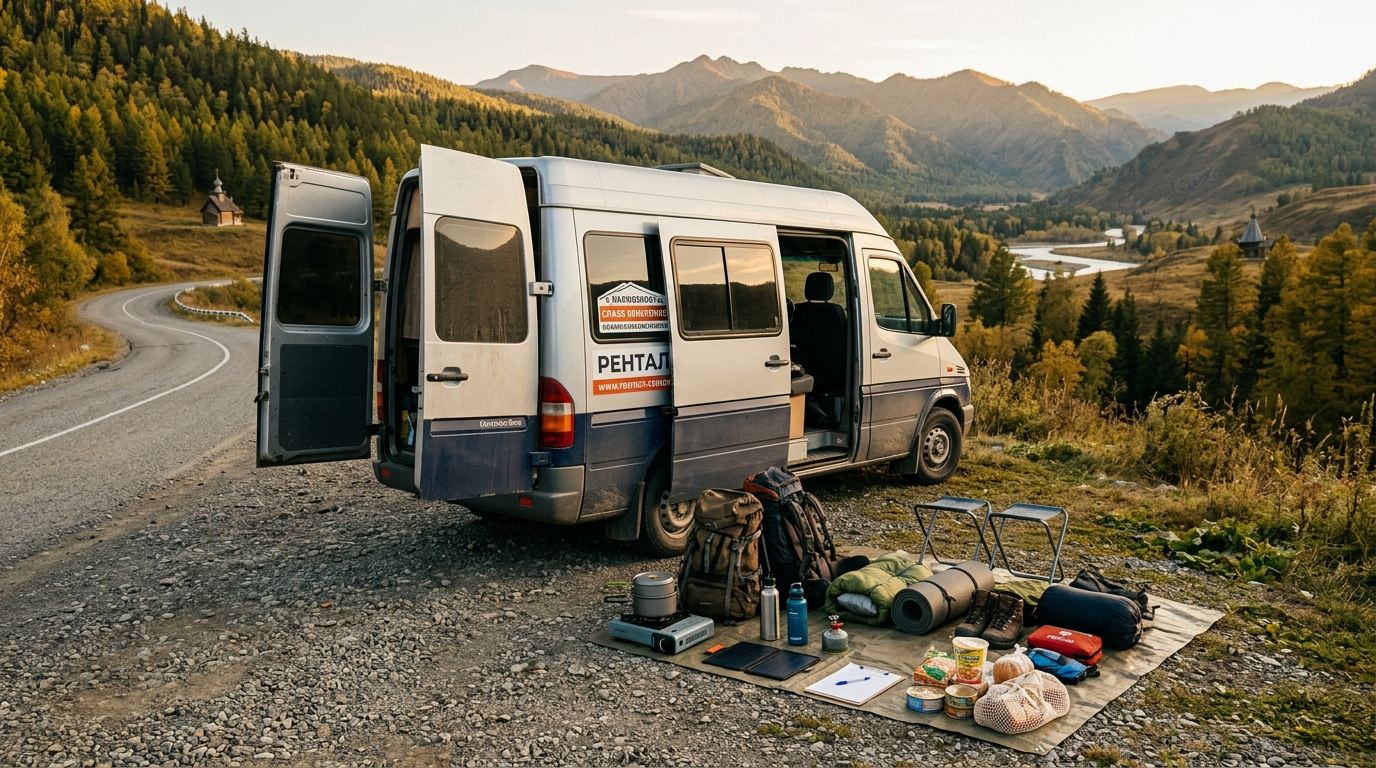
Embarking on a pet-friendly RV adventure through Russia offers an unparalleled opportunity to explore one of the world's largest and most diverse countries with your beloved companions. Imagine waking up to the vastness of the Siberian taiga or the majestic peaks of the Caucasus, all from the comfort of your rented motorhome. At Bandana RV, we believe that RV travel should be accessible, transparent, and joyful for everyone, including those traveling with pets. Our goal is to provide you with all the essential information to plan an unforgettable journey.
For live availability and current prices, start with our RV Rental Russia - Complete Guide 2026 guide. We've been helping tens of thousands of travelers explore the world by RV since our founding in 2001, and our direct partnerships with over 50 leading RV suppliers worldwide, including trusted names like Apollo and Britz, mean you always get great options and full transparency.
Can You Drive an RV in Russia? License & Age Rules
Yes, you can absolutely drive a rented RV in Russia, provided you meet the necessary license and age requirements. Drivers typically need an International Driving Permit (IDP) in addition to their national driver's license to legally operate an RV in Russia. This ensures that your license information is translated and understood by local authorities.
For most rental motorhomes up to 3.5 metric tons (3500 kg), a standard 'B' category car license is usually sufficient. For heavier RVs, such as certain large Class A models, a 'C' or 'C1' category license may be required, though most rental fleet Class A, B, and C motorhomes fall within the standard 'B' category. The minimum age to rent and drive an RV in Russia is generally 21, and thankfully, there are no young driver surcharges or vehicle class restrictions based on age at Bandana. It's always a good idea to confirm specific requirements with your chosen supplier.
Road Conditions & Terrain in Russia
Road conditions in Russia can vary significantly; major federal highways are generally well-maintained, offering smooth travel between large cities. However, regional and rural roads, especially as you venture off the main routes, can range from paved with potholes to unpaved gravel or dirt tracks. The diverse terrain encompasses flat plains in the west, rolling hills, and majestic mountainous regions like the Caucasus in the south and the Altai Mountains in Siberia, requiring adaptability in your driving style.
When traveling with a pet-friendly RV, planning slower routes with frequent stops is highly advisable. This approach ensures comfort and safety for both humans and animals, allowing ample time for pets to stretch, hydrate, and relieve themselves, while also reducing driver fatigue and enabling you to soak in the scenic views. Remember, a relaxed pace helps prevent unexpected wear and tear on your rented motorhome as well.
RV Size Limits, Bridges & Restricted Zones
Russia does not have widespread national RV size limits that typically restrict travel for common rental motorhomes and campervans, unlike some European countries. However, drivers should always pay close attention to local signage, especially in older towns, historic centers, or mountainous passes, which may indicate specific height, weight, or width restrictions for bridges, tunnels, or narrow streets. Always be mindful of your rented RV's dimensions, like the average 6.9-meter length of a Class SI motorhome.
While environmental zones are not as prevalent in Russia as in Western Europe, some historic city centers may have restricted access for larger vehicles. It's crucial to check local regulations for specific cities you plan to visit, such as Moscow, Saint Petersburg, or Ekaterinburg, before attempting to drive into their innermost areas. Planning ahead can save you time and hassle.
Fuel: Diesel vs. Petrol & Cost per 100 km
Most modern rental RVs, including many in Bandana's fleet, run on diesel fuel, which is widely available across Russia; petrol (gasoline) stations are also common, particularly in urban and semi-urban areas. Bandana's semi-integrated RVs (Class SI) typically consume 10-11 Liter/100 km, while campervans (Class B) generally consume 8-10 Liter/100 km, demonstrating that fuel efficiency varies by vehicle type and model, such as the efficient V3 campervan with its 11-13 Liter/100 km consumption. You can get a sense of specific models and their fuel usage by checking vehicles like the cruise america rv rental example Explorer (11 Liter / 100 Km) for larger groups.
Fuel costs in Russia are generally lower than in many Western European countries, which can significantly reduce your overall trip expenses. While some suppliers may offer fuel discount cards, it's important to be aware that fuel quality can vary, so always try to stick to reputable and larger chain stations. For tracking fuel and other expenses along your trip, RV PLANET routes allow you to itemize and budget every cost, ensuring no surprises. On the routes offered through RV PLANET routes, you can itemize and track every expense along the way for easy budgeting.
Tolls, Vignettes & Border Rules
Russia has a limited network of toll roads, primarily newer federal highways like parts of the M11 (connecting Moscow and St. Petersburg); Russia does not utilize a national vignette system common in some other European countries. Toll sections are usually well-marked, and payment can often be made in cash or by card at toll booths, or via electronic transponders in some cases.
Border crossings into Russia require a valid visa for most foreign nationals, an International Driving Permit, vehicle registration documents for your rented motorhome, and proof of comprehensive insurance. This process can be time-consuming and requires careful preparation. It's important to note that pre-purchasing toll passes to avoid fines is generally not a service offered for RV rentals in Russia due to the minimal toll road infrastructure, so on-the-spot payment is the norm.
Driving Tips for pet friendly rv rental Travelers
Driving a pet-friendly rented RV in Russia requires thoughtful planning to ensure the comfort and safety of all passengers. Plan frequent stops, ideally every 2-3 hours, to allow your pets to stretch, hydrate, and relieve themselves, which is crucial for longer journeys. Always ensure your pets are securely restrained in the RV while driving, using comfortable crates or approved harnesses, not only for their safety but also to prevent driver distraction.
Remember to always carry your pet's up-to-date health records, vaccination certificates, and microchip registration, as these are critical for border crossings and potential veterinary needs. Familiarize yourself with basic Russian road rules, which generally align with international standards but may include specific nuances regarding right-of-way or common dashcam usage among local drivers. Maintain a relaxed and scenic pace, ideally traveling no more than 100-150 km per day on average, allowing for unexpected discoveries and minimizing stress for both human and animal passengers.
Recommended RV Class for Russia Roads
For varied Russian road conditions and extended pet-friendly travel, Class SI (Semi-integrated) and Class B (Camper Van) RVs are generally recommended due to their optimal balance of comfort, amenities, and maneuverability. Class SI RVs, with an average length of 6.9 meters from Bandana's global fleet, offer ample living space and amenities suitable for longer trips, such as the Active Long Select, while still being manageable on most federal and regional roads.
Class B Camper Vans, averaging 5.8 meters in length, such as the V2L with its 5.99m length, provide even greater agility for navigating smaller towns, less-maintained routes, or seeking out more rugged, off-the-beaten-path locations. They are ideal for adventurers prioritizing maneuverability without sacrificing essential comfort for themselves and their pets. You might also consider the Chaser campervan for its compact size, perfect for navigating diverse terrains. These vehicles offer features like a refrigerator and gas stove, making it easy to prepare RV-friendly recipes playlist on the go.
Should I Choose a Compact Van Instead of a Large RV in Russia?
For RV travel in Russia, there is generally no inherent issue driving any RV size on main roads; comfort and indoor space often matter more than extreme maneuverability for longer journeys with pets. Drive slowly and carefully, and you can drive almost anywhere without issues. No need to stress - just use common sense and pay attention, even with a larger motorhome like a Class C that might be around 7-9 meters long, such as the C-LARGE model.
A compact van (Class B Camper Van) genuinely helps when navigating very tight historic city centers, extremely narrow mountain passes, or seeking out more rugged, off-the-beaten-path locations. However, a larger RV, such as a Semi-integrated or Alcove model like the 4-berth 4 Berth Adventurer, often provides significantly more living space, larger fresh water tanks (e.g., 125 liters), and better amenities crucial for extended trips with pets, frequently outweighing the minor maneuverability trade-off on most main routes. The choice truly depends on your priority for space versus maximum agility.
Can I Park Anywhere? Free & Wild Camping Rules in Russia
Wild camping, which means free overnight parking outside designated campsites, is generally tolerated in undeveloped, non-protected areas across vast rural regions of Russia. However, specific legality regarding wild camping can be complex and often varies by federal subject (region), municipal ordinance, and proximity to protected natural reserves or private land.
Adhering strictly to 'Leave No Trace' principles, including proper waste disposal and fire safety, is crucial to maintain access and respect local environments. Always prioritize safety and common sense when choosing an overnight spot; seek explicit permission from landowners if you are on private property, and consider official campsites for enhanced security and amenities, especially when traveling with pets. Rules vary by region, so checking local regulations and following local law before parking overnight is essential. For finding official campsites and campgrounds during your trip, we recommend using RV PLANET (rvplan.net) - a great resource for locating available spots along your route.
Can I Drive an RV Into the City Center? Heights, Tunnels & Local Signage
Yes, you can generally drive a rented RV into Russian city centers, especially on main arterial roads, as these are typically designed to accommodate various vehicle sizes. Drivers must, however, pay close attention to local signage, which will clearly indicate specific height limits for tunnels, low bridges, or covered passages often found in older urban areas. Be aware of local traffic regulations, including potential restrictions on vehicle weight or size in very narrow historic streets, pedestrian zones, or residents-only areas, which are usually indicated by specific road signs.
For instance, larger cities like Moscow and Saint Petersburg have extensive road networks but also more traffic and potential parking challenges for RVs. It's often practical to consider parking your motorhome on the outskirts of these major cities and utilizing efficient public transport for city exploration. Drive slowly and carefully, and you can drive almost anywhere without issues. No need to stress - just use common sense and pay attention.
What is the Best Time to RV in Russia and What are Seasonal Challenges?
The best time for RV travel in Russia is typically during the summer months, from June to August, when temperatures are mild (often ranging from 20-25°C), daylight hours are long, and most roads are clear and easily navigable. This period is ideal for exploring natural wonders and enjoying outdoor activities with your pets.
Spring, from April to May, can present challenges with melting snow (thaws), which often leads to muddy unpaved roads and potential flooding in some areas, particularly in rural regions. Autumn, from September to October, offers beautiful foliage but brings shorter days and colder temperatures, requiring preparation for heating within your rented motorhome and potentially icy conditions in northern regions. Winter RV travel, from November to March, is only advisable for experienced drivers with properly equipped vehicles (featuring robust heating, winter tires, and ample antifreeze), due to heavy snow, ice, and extreme cold, which can pose significant challenges for even the most adventurous travelers.
How to Stay Connected and Communicate in Russia?
To stay connected and communicate effectively during your RV trip in Russia, purchasing a local SIM card is essential; major Russian providers like MTS, Beeline, or MegaFon offer reliable data and call services that extend even into many remote areas. These can be purchased at airports, city centers, or official brand stores with your passport.
Overcome language barriers by utilizing translation apps such as Google Translate or Yandex Translate, which offer offline capabilities and photo translation features that can be incredibly useful for reading signs or menus. Consider bringing a phrasebook or learning a few basic Russian phrases for essential interactions like asking for directions, ordering food, or seeking assistance. For truly remote regions, particularly if you plan to venture deep into Siberia or the Arctic Circle, a satellite phone or a dedicated satellite internet device might be necessary for emergency communication where cellular service is unavailable.
What Emergency Support and Insurance Do I Need for RV Travel in Russia?
For RV travel in Russia, comprehensive travel insurance that covers medical emergencies, emergency evacuation, and trip cancellations is highly recommended, in addition to the standard vehicle insurance provided with your rented motorhome. This provides an important layer of security and peace of mind. You can also upgrade to a top-level deductible reimbursement for extra peace of mind, ensuring you're well-protected against unforeseen incidents.
Always carry a list of emergency contacts, including the local police (dial 112 for general emergencies), your country's embassy or consulate, and Bandana RV's 24/7 support line for booking assistance and coordination. Familiarize yourself with basic Russian emergency phrases, and ensure you have a well-stocked first-aid kit readily accessible in your RV. For breakdowns or mechanical issues, local roadside assistance services are available through your rental supplier, but response times can vary significantly in remote regions, making a robust vehicle check before departure absolutely crucial.
Where Can I Find Water and RV Supplies in Russia?
Finding water and RV supplies in Russia is generally manageable, though it requires some planning, especially outside major urban centers. Safe drinking water can typically be sourced from municipal taps in towns and cities, although filtering or boiling it is often recommended for peace of mind. Bottled water is widely available in grocery stores and minimarts across the country.
Major supermarket chains, including Magnit, Pyaterochka, and Auchan, are common in urban and semi-urban areas, providing an excellent resource for general groceries and provisions. For RV-specific supplies, such as specialized chemicals for toilets, water filters, or repair parts, finding them might be challenging outside major cities like Moscow, Saint Petersburg, or Rostov na Donu. It is highly advisable to stock up on these items before venturing into very remote regions. Larger, modern gas stations often have facilities for water refills and sometimes offer basic RV amenities, but it is best not to rely solely on them for all your needs.
How Much Does an RV Trip to Russia Cost?
The overall cost of an RV trip to Russia varies significantly based on the RV rental class, trip duration, travel style, and the number of travelers. Prices for rented motorhomes, like flight tickets, are dynamic; they change daily based on availability, seasonality, and supplier marketing decisions, with a final price set at the actual booking time. For example, a week-long rental for a medium-sized Class C motorhome can range from $100-$250 USD per day depending on the season and availability.
Key expenses beyond the rental include fuel (Bandana's semi-integrated RVs typically consume 10-11 L/100 km), mandatory Russian travel visas, and comprehensive travel insurance. Budgeting for daily provisions, which can be minimized by shopping at local markets and cooking meals in your RV, is also important. Always include a contingency fund for unexpected vehicle repairs, campsite fees (if utilized, typically $10-$30 USD per night), and any specific permits required for protected natural areas. Tolls are not a major expense due to Russia's limited toll road network, but potential border crossing fees or temporary vehicle registration costs should be factored in. For easy budgeting and tracking every expense along the way, consider planning your journey with RV PLANET routes.
What RV Preparation Do I Need for Russia?
Thorough RV preparation is essential for a smooth and enjoyable trip through Russia. Ensure your rented motorhome undergoes a comprehensive mechanical inspection before departure, paying close attention to critical components such as tires, brakes, fluid levels, and heating/cooling systems, especially if you plan seasonal travel. Carrying essential spare parts, including a spare tire, a tire repair kit, basic tools, and extra fluids like engine oil and windshield washer fluid, can be invaluable in remote areas.
Consider bringing extra fuel cans, particularly if your itinerary includes very remote regions where gas stations are infrequent. Equip your RV with robust pet safety features, such as secure travel crates, non-slip mats, and a pet-specific first aid kit, alongside their comfort items like favorite toys and bedding. Finally, pack comprehensive navigation tools, including physical maps, an updated GPS with Russian maps, and offline digital maps on a reliable device, as cellular data coverage can be unreliable in many rural areas.
How to Experience Local Culture and Find Provisions in Russia?
To genuinely connect with the rich local culture during your RV journey through Russia, make a conscious effort to learn a few basic Russian phrases; even a simple 'Здравствуйте' (Zdravstvuyte - Hello) or 'Спасибо' (Spasibo - Thank you) can open doors and warm interactions. Visiting local markets, known as 'rynok' in towns and villages, is an excellent way to find fresh, seasonal produce, baked goods, and regional specialties, offering an authentic culinary and cultural experience.
Dine at small, family-run cafes or 'stolovaya' (canteens) to sample traditional Russian cuisine beyond typical tourist fare, often at more affordable prices. Engage in respectful interaction with locals; Russians appreciate sincerity and hospitality, and patience with language differences can lead to incredibly rewarding exchanges. Seek out local festivals, village events, or cultural performances to immerse yourself in the traditions and rhythms of Russian life away from the major tourist hubs. This kind of slow travel, averaging 100-150 km per day, truly allows you to feel the place, connect to the culture, the food, and the scenery.
What Unique RV Routes and Destinations Are There in Russia?
Russia offers a wealth of unique RV routes and destinations for adventurous travelers. For unparalleled natural beauty, explore the Altai Mountains in Southern Siberia, offering stunning landscapes, crystal-clear lakes, and challenging but rewarding RV routes for those with 4x4 capable campervans. Another iconic journey is driving to accessible points around Lake Baikal, the world's deepest freshwater lake, to experience its unique ecosystem and dramatic scenery, particularly during the summer months.
Discover the Karelia region, bordering Finland, which is known for its vast forests, numerous lakes, and traditional wooden architecture, making it ideal for nature lovers. For a historical and cultural immersion, consider a journey through Russia's 'Golden Ring,' a circuit of ancient cities northeast of Moscow, showcasing well-preserved historical architecture, monasteries, and a profound glimpse into Russia's past. Finally, for true exploration, seek out less-traveled routes to indigenous villages or smaller national parks for unique cultural encounters and pristine wilderness experiences that few travelers get to witness. Consider exploring more of Europe by RV with our RV Rental Europe - Complete Guide 2026 for diverse travel options.
🎬 Video coming soon
What You Shouldn't Miss
- Explore the Golden Ring: Drive a rented motorhome through ancient cities like Suzdal and Vladimir to see stunning monasteries and traditional Russian architecture.
- Witness Lake Baikal: Access parts of the world's deepest lake by RV, particularly on its scenic southern shores, for breathtaking natural beauty.
- Altai Mountains Adventure: For a more rugged experience, navigate the challenging but rewarding routes of the Altai Mountains in Siberia, known for pristine wilderness.
- Visit Karelia: Discover the unique wooden churches and vast lakes of the Karelia region, close to the Finnish border, perfect for nature enthusiasts.
- St. Petersburg's Imperial Grandeur: Park your RV on the outskirts and use public transport to explore the Hermitage Museum, canals, and palaces of Russia's cultural capital.
- Looking for expert insights from Avi Bandana? Top 5 Adventures — recommendations from Avi Bandana
Final Thoughts
A pet-friendly RV adventure in Russia is more than just a trip; it's an immersive journey into a land of incredible contrasts, from vibrant cities like Moscow to the serene wilderness of Lake Baikal. With a rented motorhome or campervan, you unlock the freedom to explore at your own pace, creating memories with your beloved pets that will last a lifetime.
We at Bandana RV are here to support you every step of the way, from comparing final prices across suppliers to offering routes tailored by professionals. Remember to embrace slow travel, allowing yourself to truly connect with Russia's culture, food, and magnificent scenery. Discover top destinations and planning tips, all in one place, and get inspired for your next trip!
Ready to hit the road? Check Russia RV Rental Prices Now and find the perfect pet-friendly motorhome for your Russian adventure.
