For live availability and current prices, start with our RV Rental Portugal - Complete Guide 2026 guide.
In This Guide
- Can You Drive an RV in Portugal? License & Age Rules
- Road Conditions & Terrain in Portugal
- RV Size Limits, Bridges & Restricted Zones
- Fuel: Diesel vs. Petrol & Cost per 100 km
- Tolls, Vignettes & Border Rules
- Driving Tips for pet friendly rv rental Travelers
- Recommended RV Class for Portugal Roads
- Should I Choose a Compact Van Instead of a Large RV in Portugal?
- Can I Park Anywhere? Free & Wild Camping Rules in Portugal
- Can I Drive an RV Into the City Center? Heights, Tunnels & Local Signage
- What is the Full Cost of an RV Trip in Portugal?
- When is the Best Time to Rent a Pet-Friendly RV in Portugal?
- Where are RV Service Points (Serviços de Autocaravanas) in Portugal?
- How Can I Practice Sustainable RV Travel in Portugal?
- How to Experience Local Culture with Your RV in Portugal?
Can You Drive an RV in Portugal? License & Age Rules
Yes, you can absolutely drive an RV in Portugal with a standard Category B driving license, provided your RV weighs under 3,500 kg. This weight limit covers the vast majority of camper vans and smaller to mid-sized motorhomes available for rent. Rental companies typically have a minimum age requirement for drivers, usually 21 years old, although some may prefer drivers to be 25 or older, especially for larger vehicle classes like Class A motorhomes. It’s essential to confirm this with your specific rental provider. For travelers who are not citizens of EU countries, obtaining an International Driving Permit (IDP) to accompany your national license is highly recommended and often required for driving legally in Portugal.
Road Conditions & Terrain in Portugal
Portugal offers a diverse driving experience for RV travelers. The major highways, known as A-roads, are generally well-maintained and offer smooth transit across the country. However, venturing off these main routes reveals a more varied terrain. You'll encounter winding coastal roads that provide stunning ocean vistas but require careful navigation, particularly for larger vehicles. Inland, mountainous regions like Serra da Estrela or the Peneda-Gerês National Park present challenging mountain passes with steep ascents and descents. Historic urban centers often feature narrow streets, cobblestone surfaces, and limited maneuverability, making slower, more cautious driving a necessity. For those traveling with pets, Portugal's scenic routes are a blessing, encouraging more frequent stops at designated rest areas or scenic viewpoints, perfect for letting your furry companions stretch their legs and enjoy the Portuguese air.
RV Size Limits, Bridges & Restricted Zones
While Portugal doesn't enforce blanket RV size limits across all roads, drivers must remain acutely aware of posted restrictions. Pay close attention to signs indicating height limits, which are crucial for tunnels, bridges, and underpasses, typically ranging from 3.5 to 4 meters. Weight restrictions also apply to specific roads and bridges, so always be mindful of your RV's Gross Vehicle Weight Rating. Some cities, including Lisbon and Porto, have implemented Low Emission Zones (Zonas de Emissões Reduzidas - ZERs). These zones may restrict vehicles, including older or more polluting RVs, so it's vital to verify your rented RV's compliance for the current year. Navigating historic city centers often presents challenges due to narrow streets and low-hanging structures; pre-planning your routes to avoid areas with potential access issues for larger vehicles is highly advisable.
Fuel: Diesel vs. Petrol & Cost per 100 km
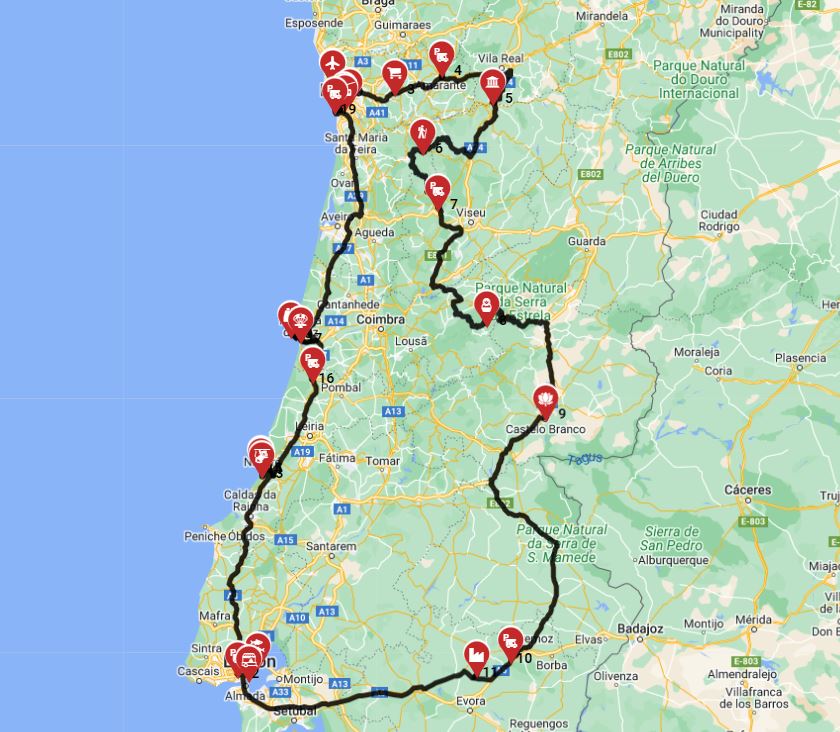
The standard fuel for most rental RVs in Portugal, and indeed for the majority of Bandana's fleet, is diesel, commonly referred to as 'Gasóleo'. Diesel is widely available at service stations across the country, making it convenient for RV travelers. When it comes to consumption, you can expect varying figures depending on the RV class. Bandana's Class SI – Semi-integrated motorhomes typically consume between 10–11 liters per 100 km. For Class C – Alcove motorhomes, consumption is generally between 10–12 liters per 100 km, while the more compact Class B – Camper Vans usually average a more fuel-efficient 8-10 liters per 100 km. To estimate your fuel costs, multiply the vehicle's consumption by the current regional fuel prices, which can fluctuate. Keep in mind that fuel prices on motorways are often higher than those found in smaller towns or rural areas. Some rental RVs might include fuel discount cards, which can offer a welcome saving on your travel budget. On the routes offered through RV PLANET routes, you can itemize and track every expense along the way for easy budgeting.
Tolls, Vignettes & Border Rules
Portugal utilizes a comprehensive toll road network, heavily reliant on electronic systems. The most recommended system for RVers is Via Verde, which ensures seamless travel and helps avoid potential fines. Often, your rental RV provider can arrange for a Via Verde transponder, which can be rented or pre-purchased, simplifying toll payments on both traditional toll roads and those with exclusively electronic tolling. This system automatically deducts tolls, making your journey through Portugal smooth and hassle-free. Border crossings into neighboring Spain are generally straightforward for EU citizens, but it's always wise to be aware of any specific regional toll or environmental regulations that might be in place in Spain, especially if you plan to drive your RV across the border.
Driving Tips for pet friendly rv rental Travelers
When embarking on your pet-friendly RV adventure in Portugal, prioritizing your pet's comfort is key. Plan for frequent stops, ideally every 2-3 hours, at designated rest areas or scenic spots to allow your pets ample time for exercise, hydration, and relief. On Portugal's narrower rural roads and within historic villages, exercise particular caution. Consider parking your RV on the outskirts of larger towns and utilizing public transport for city exploration, which can be more convenient and less stressful for both you and your vehicle. Implement comprehensive safety measures: secure your RV against theft by locking all doors and windows when unattended, carry emergency contact information readily accessible, and familiarize yourself with local driving etiquette. Portuguese drivers can sometimes be assertive, especially in urban settings, so maintaining a defensive driving posture is important. Be prepared for mountain driving, which involves steep ascents and descents; ensure your RV is in good mechanical condition and know where to find suitable fuel stations that can accommodate larger vehicles.
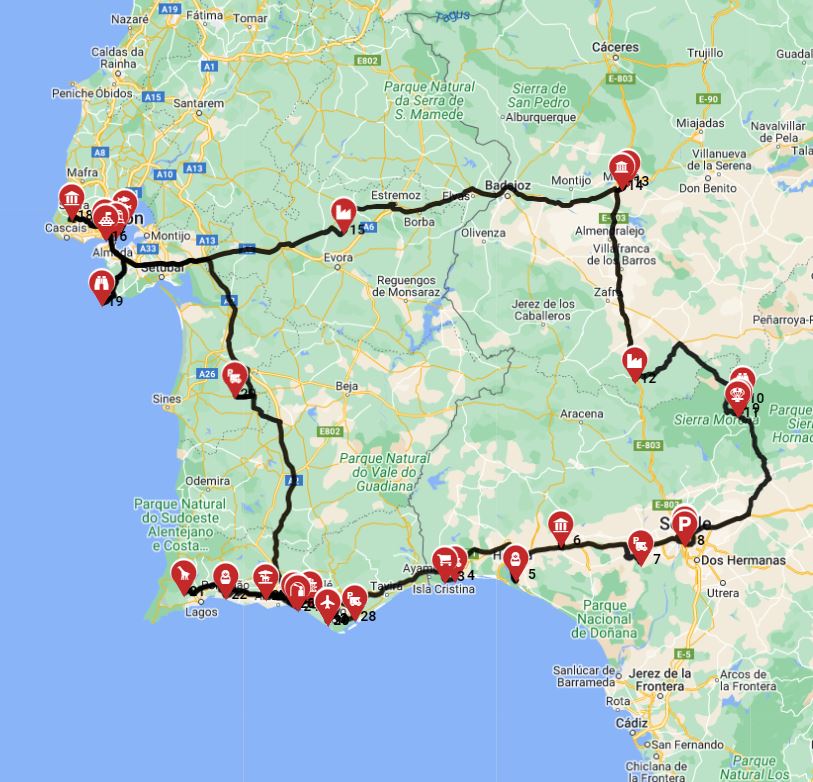
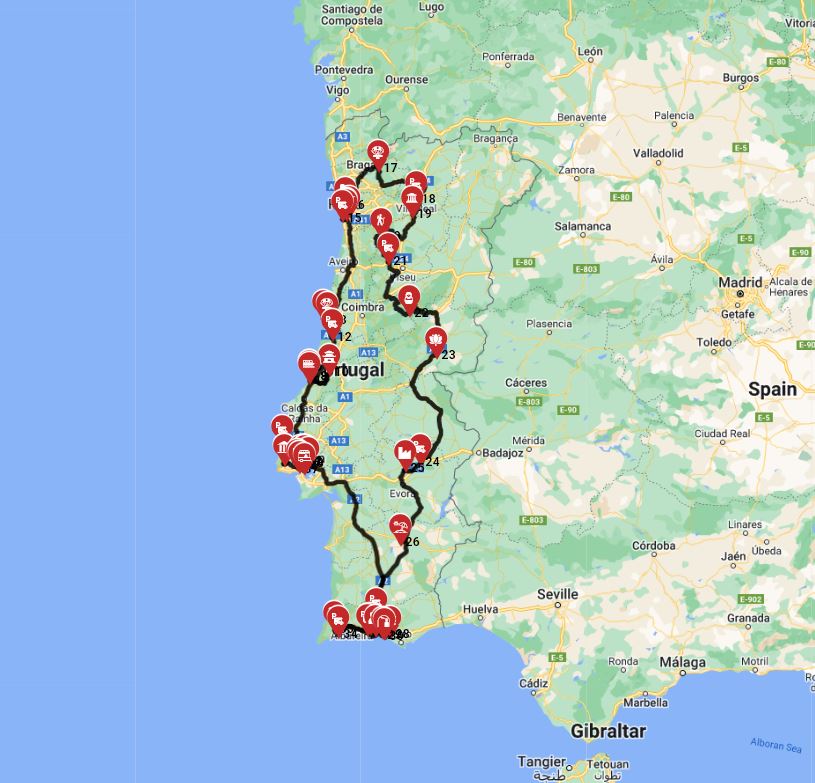
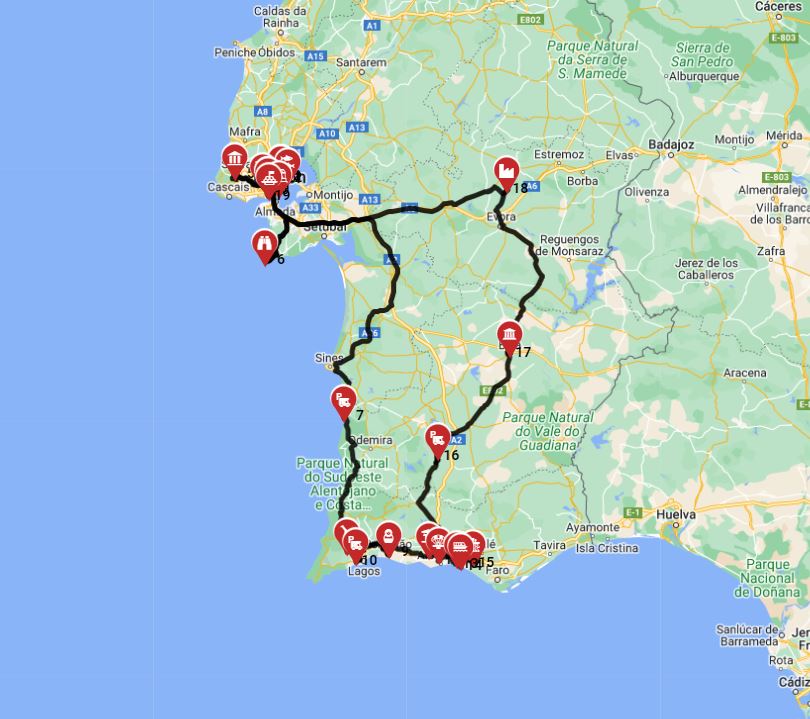
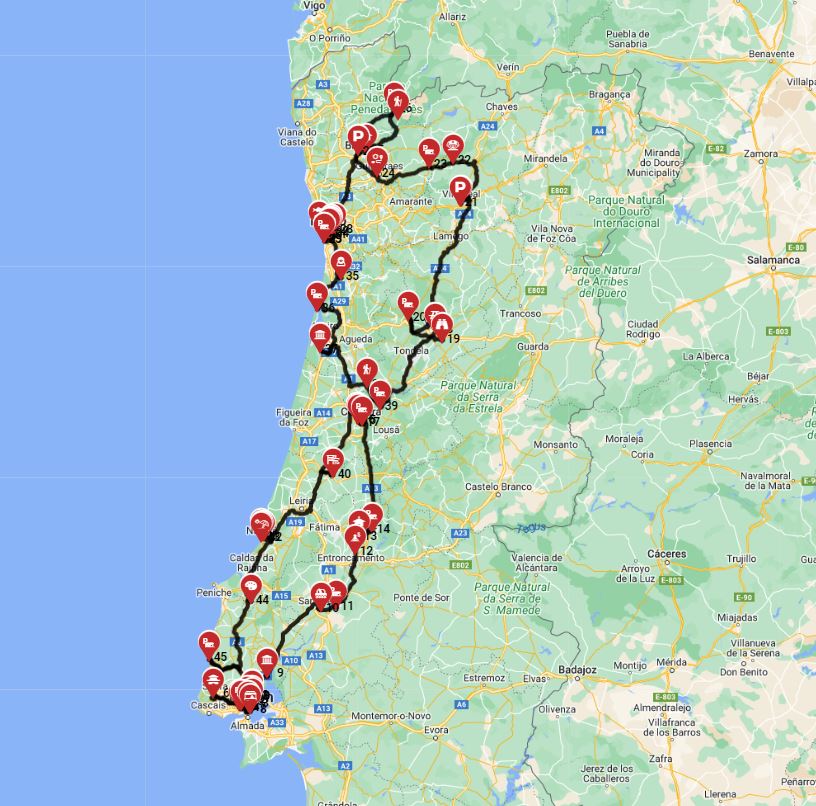
For finding campsites and campgrounds during your trip, we recommend using RV PLANET (rvplan.net) — a great resource for locating available spots along your route.
Recommended RV Class for Portugal Roads
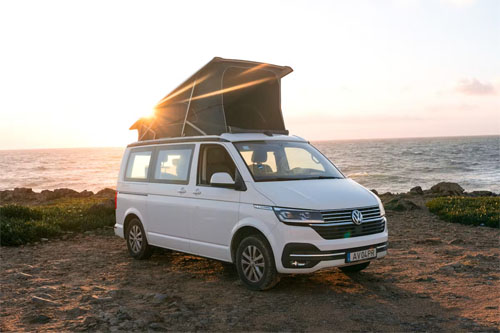
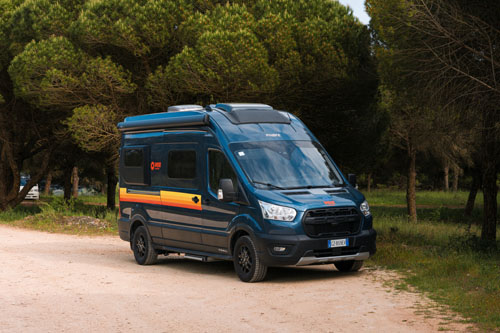
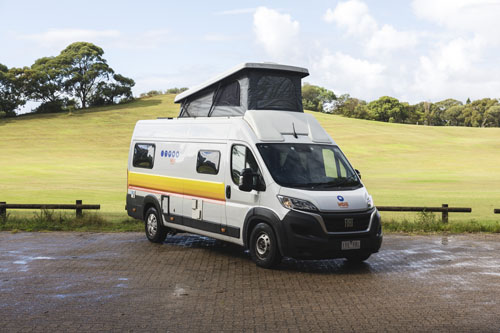
For a balanced experience that combines comfort with maneuverability across Portugal's diverse road network, Bandana generally recommends opting for a Class SI – Semi-integrated motorhome or a Class B – Camper Van. The Class SI motorhomes, averaging around 6.9 meters in length and offering approximately 3.8 sleeping places, provide ample living and storage space for families, including their pets, while remaining manageable on most routes. If agility and fuel efficiency are paramount, especially for exploring more remote or tightly packed areas, the Class B – Camper Vans are an excellent choice. Typically around 5.8 meters long, these vehicles offer superior maneuverability and better fuel economy (8-10 Liters/100 km), making them ideal for navigating tighter spaces and discovering those off-the-beaten-path locations.
Should I Choose a Compact Van Instead of a Large RV in Portugal?
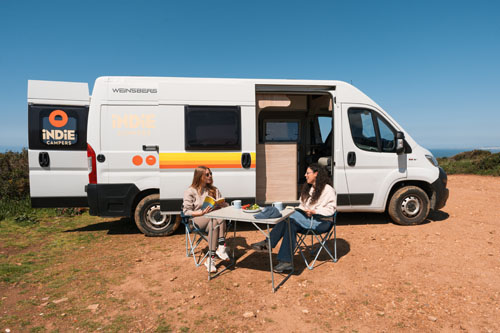
The choice between a compact van and a larger RV in Portugal depends on your travel priorities. A compact van, like a Class B Camper Van, undoubtedly excels in urban maneuverability and parking ease, offering greater freedom for exploratory trips into narrow village streets or bustling coastal towns, and generally achieving better fuel economy. However, a larger RV, such as a Class SI or Class C motorhome, typically offers significantly more comfort and living space, which can be a considerable advantage for longer journeys or extended stays at campsites. While they might present more of a challenge in very confined historic centers, they are generally manageable on Portugal's main routes and provide a more substantial mobile home experience. If increased storage for pet supplies, superior indoor amenities, and overall comfort are higher priorities for your trip, a larger RV might be the more suitable choice.
If you're planning a broader trip, our guide RV Rental Europe - Complete Guide 2026 covers everything you need to know about continent-wide travel.
Can I Park Anywhere? Free & Wild Camping Rules in Portugal
When it comes to parking and overnight stays in Portugal, it’s important to know that wild camping and overnight parking outside of designated areas are generally prohibited or heavily restricted. This is particularly true along the popular coastal regions and within protected natural areas. Responsible RVers should prioritize utilizing official campsites, which are widely available and often cater to pets, or designated 'Serviços de Autocaravanas' (RV service points) for legal and convenient overnight stays. These service points are crucial for responsible motorhome travel, offering essential facilities like water refills and waste disposal. Always take the time to check local regulations and adhere to local laws before parking overnight, as rules can vary significantly by region, and penalties for illegal wild camping can be substantial.
Can I Drive an RV Into the City Center? Heights, Tunnels & Local Signage
Driving an RV into Portuguese city centers is generally possible, but it requires a high level of vigilance from the driver. You must remain particularly attentive to local signage indicating height restrictions, particularly for tunnels and parking garages, as most RVs will exceed these limits. Be aware of Low Emission Zones (ZERs) which may have specific restrictions for certain vehicle types based on their emission standards. The narrow streets and potentially low-hanging structures common in historic districts can pose challenges for larger RVs. Therefore, it’s often advisable to park your motorhome on the outskirts of major cities and utilize public transportation for exploring the urban core. Prioritizing careful observation of all traffic signs, especially those pertaining to vehicle dimensions and access restrictions, is paramount for a smooth and safe journey.
What is the Full Cost of an RV Trip in Portugal?
Calculating the full cost of an RV trip in Portugal involves more than just the rental fee. You must budget for essential expenses such as fuel, tolls (especially if utilizing the Via Verde electronic system), and campsite fees. For fuel, consider the average consumption of your chosen RV – for example, Bandana's semi-integrated motorhomes consume around 10–11 liters per 100 km – and multiply this by the current regional fuel prices. Toll costs, particularly on longer inter-city routes, can accumulate, so factor these in as well. Daily campsite fees typically range from €15 to €40 per night, and some campgrounds may have additional fees for pets. Beyond these primary costs, remember to budget for groceries, dining out, entrance fees to attractions, and a contingency fund for unexpected expenses, such as pet-related emergencies or minor vehicle maintenance.
For finding campsites and campgrounds during your trip, we recommend using RV PLANET (rvplan.net) — a great resource for locating available spots along your route.
When is the Best Time to Rent a Pet-Friendly RV in Portugal?
The shoulder seasons, specifically April to May and September to October, are generally considered the prime times for a pet-friendly RV rental in Portugal. During these periods, you’ll benefit from pleasant weather, significantly fewer tourist crowds, and more moderate rental prices compared to peak summer months. Spring offers mild temperatures and blooming landscapes, creating an ideal environment for hiking and outdoor activities with your pets, with uncrowded campsites providing a peaceful base. Autumn mirrors these comfortable conditions, often coinciding with local harvest festivals and a vibrant cultural scene. While summer (June to August) provides the warmest weather, it also brings peak tourist crowds and the highest prices, which may also include pet restrictions on some popular beaches or attractions. Winter offers solitude and budget-friendliness but comes with cooler and potentially wetter weather, which might be less ideal for extensive outdoor adventures with pets.
If you're seeking more budget-friendly options, check out our guide to Cheap RV Rental in Portugal - Budget Guide 2026.
Where are RV Service Points (Serviços de Autocaravanas) in Portugal?
Portugal boasts a network of 'Serviços de Autocaravanas' (ASAs), or RV service points, which are crucial for responsible motorhome travel. These essential facilities are commonly found in municipal parking areas, at select petrol stations, and, of course, at most official campsites throughout the country. ASAs provide vital services for RVers, including safe disposal of grey water and black water, as well as access to fresh water refills. To locate these points, RV travelers can utilize specialized apps like Park4Night or Campercontact, or even GPS devices. While some service points are offered free of charge, others may require a small fee for the use of their facilities, which is a small price to pay for convenience and responsible waste management.
How Can I Practice Sustainable RV Travel in Portugal?
Practicing sustainable RV travel in Portugal is a rewarding experience that involves diligent waste management, efficient resource conservation, and actively supporting local communities. Always use the designated 'Serviços de Autocaravanas' for proper disposal of grey and black water, ensuring you never resort to illegal dumping. Correctly sort and dispose of your recycling and trash according to local guidelines. Conserve water, especially during drier seasons, by taking shorter showers and opting for water-efficient appliances whenever possible. Minimize energy consumption by switching off lights and appliances when they are not in use. Furthermore, support local economies by purchasing fresh produce from regional markets, dining at authentic family-run restaurants, and engaging with small businesses. Always respect the natural environment by staying on marked trails and diligently managing pet waste.
How to Experience Local Culture with Your RV in Portugal?
To truly immerse yourself in Portuguese culture while traveling with your RV, focus on seeking out local markets, engaging with regional festivals, and learning a few basic Portuguese phrases for meaningful interactions. Visiting municipal markets, known as 'mercados', is an excellent way to discover fresh, regional produce and local crafts, offering a direct connection to the pulse of local life. Don't hesitate to practice basic phrases like 'Olá' (Hello) and 'Obrigado/a' (Thank you) – a little effort goes a long way in fostering goodwill. Researching and attending local festivals ('festas') or pilgrimages ('romarias') allows you to witness vibrant traditions, savor authentic music, and taste regional cuisine, often with pet-friendly outdoor areas. Venturing beyond the major tourist hubs to explore local 'tascas' or tavernas provides opportunities for authentic culinary experiences and respectful engagement with residents. Asking for directions like 'Onde é o parque de autocaravanas?' (Where is the motorhome park?) can enhance your cultural immersion.
For those interested in specific budget considerations, our guide to Cheap RV Rental in Portugal - Budget Guide 2026 offers valuable insights.
What You Shouldn't Miss
- Drive along the scenic coastal roads of the Algarve, stopping at picturesque fishing villages and stunning beaches.
- Explore the historic castles and rolling hills of the Alentejo region, perhaps visiting a local winery with your pet.
- Discover the dramatic landscapes and hiking trails within the Peneda-Gerês National Park, one of Portugal's most beautiful natural areas.
- Visit Lisbon's historic neighborhoods like Alfama, parking your RV outside the city center and using public transport for easy exploration.
- Experience the Douro Valley's terraced vineyards by taking a leisurely drive, enjoying breathtaking viewpoints accessible by motorhome.
- Spend time in the vibrant city of Porto, exploring its Ribeira district and enjoying the local culture, again considering parking options outside the immediate center.
Final Thoughts
Embarking on an RV adventure in Portugal offers an unparalleled way to experience the country's diverse landscapes and rich culture. With a little planning and by choosing the right vehicle for your needs, you can enjoy a comfortable, flexible, and incredibly rewarding journey.
From the stunning beaches of the Algarve to the historic charm of the north, Portugal by RV is an experience that caters to every traveler. We're here to help you find the perfect pet-friendly RV rental, so you can focus on making memories. Get inspired for your next trip!
Discover top destinations, planning tips, all in one place! Plan a trip itinerary in advance with minimal effort and maximum enjoyment.
Ready to explore Portugal in a pet-friendly RV? Compare pet-friendly RV rental prices in Portugal today and start planning your unforgettable adventure!