In This Guide
- Can You Drive an RV in Porto? License & Age Rules
- Road Conditions & Terrain in Porto
- RV Size Limits, Bridges & Restricted Zones
- Fuel: Diesel vs. Petrol & Cost per 100 km
- Tolls, Vignettes & Border Rules
- Driving Tips for pet friendly rv rental Travelers
- Recommended RV Class for Porto Roads
- Should I Choose a Compact Van Instead of a Large RV in Porto?
- Can I Park Anywhere? Free & Wild Camping Rules in Porto
- Can I Drive an RV Into the City Center? Heights, Tunnels & Local Signage
- Is Porto, Portugal dog friendly?
- Can I put my dog in my camper while driving?
- Is Portugal camper friendly?
- What to do in Porto with a dog?
- How to travel with pets in an RV?
- Can I bring my dog from the US to Portugal?
- Can you park a motorhome anywhere in Portugal?
- Does RV insurance cover dog bites?
Can You Drive an RV in Porto? License & Age Rules
Yes, driving an RV in Porto is generally permissible for most drivers with a standard car license. In Portugal, a Category B license, which is your standard car license, is sufficient for RVs with a maximum authorized mass (MAM) up to 3,500 kg. For heavier RVs, exceeding 3,500 kg but not 7,500 kg, a C1 license is required. RVs over 7,500 kg MAM necessitate a C license. Bandana Caravan’s fleet generally falls within the MAM covered by a standard B license, but it's always wise to check the specific vehicle's specifications. The minimum driver age for RV rental in Portugal is typically between 21 and 25 years, often coupled with a requirement for at least two years of driving experience. Foreign drivers from EU/EEA countries can usually use their national license. For non-EU drivers, an International Driving Permit (IDP) is generally recommended or required in addition to your national license, depending on your country of origin.
Road Conditions & Terrain in Porto
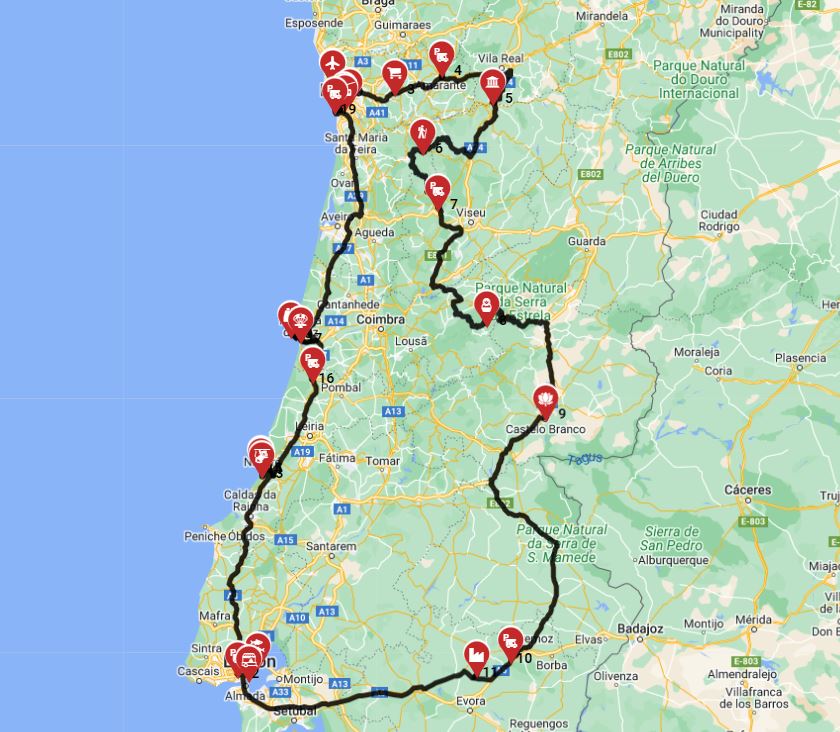
Porto's road conditions are generally good, especially on the main arteries and highways leading to and from the city, which offer excellent road quality. However, the city itself is renowned for its steep, winding, and often narrow streets, particularly in the historic areas. Navigating these with an RV requires careful attention and patience. Within the older districts, such as Ribeira, you’ll find streets that are cobbled, very hilly, and can be extremely narrow. Driving a larger RV through Porto's historic center demands caution due to tight turns and inclines; we always encourage slow, scenic driving, especially when traveling with pets, to ensure a comfortable and stable journey for everyone onboard. For finding campsites and campgrounds during your trip, we recommend using RV PLANET (rvplan.net) — a great resource for locating available spots along your route.
RV Size Limits, Bridges & Restricted Zones
While there are no universal RV size limits for entering Porto, drivers must remain vigilant about local signage indicating height, weight, and length restrictions. Pay special attention to signs for low bridges and tunnels, which are common in urban environments. Typical height limits for bridges and tunnels in Porto can range from 3.5 to 4 meters, so always consult the signage before proceeding. Some historic areas may also impose width restrictions or be designated as pedestrian-only zones, rendering them inaccessible for RVs. Porto implements a Low Emission Zone (LEZ) in its inner ring, which may restrict older or more polluting vehicles; however, most modern rental RVs typically comply with these emission standards. Always be mindful of specific weight limits that might apply to older bridges or smaller roads, especially if you decide to explore routes outside the main city.
Fuel: Diesel vs. Petrol & Cost per 100 km
The vast majority of RVs in Portugal operate on diesel, which is readily available at all service stations across the country. For a semi-integrated RV, you can expect average fuel consumption to be around 9-13 liters per 100 km, though this can vary based on the specific RV class and driving conditions. Class B Camper Vans typically consume 9-11 L/100 km, while larger Class C (Alcove) and Class A (Integrated) motorhomes might range from 10-14 L/100 km. To estimate your fuel cost, simply multiply the current average fuel price (e.g., €1.70 per liter) by your RV's average consumption per 100 km. For example, a vehicle using 10 L/100 km would cost approximately €17 per 100 km in fuel. Some Bandana RV rentals may even offer fuel discount cards, potentially providing savings on your journey. On the routes offered through RV PLANET routes, you can itemize and track every expense along the way for easy budgeting.
Tolls, Vignettes & Border Rules
Portugal primarily utilizes an electronic toll system, particularly on its extensive highway network surrounding Porto. Physical toll booths are rare; instead, you'll commonly encounter the Via Verde system, which requires a transponder that can often be rented with your RV or purchased locally. If you don’t have a transponder, electronic tolls must be paid at a CTT (post office) or Payshop agent within a few days to avoid fines. Portugal does not require vignettes (pre-paid time-based road tax stickers); tolls are strictly distance-based. Crossing the border into Spain is generally seamless, with no specific customs checks required for RVs, but always ensure your rental agreement explicitly permits international travel. Some Bandana RV rentals can provide pre-purchased toll passes, which can greatly simplify your travel and help prevent unexpected fines.
Driving Tips for pet friendly rv rental Travelers
When traveling with pets in an RV around Porto, prioritizing frequent stops for potty breaks and exercise is key. Plan your routes to avoid overly strenuous drives, and always ensure your pet is safely secured while the RV is in motion. Plan for stops every 2-3 hours at pet-friendly rest areas or parks, allowing your dog to stretch, drink water, and relieve themselves. For their safety during sudden braking or in the event of an accident, an unsecured pet can become a dangerous projectile; therefore, a crash-tested crate or a specialized safety harness attached to a seatbelt is essential. Maintain a comfortable temperature inside the RV, especially during warmer Portuguese months, and never leave pets unattended in a parked vehicle. Opt for scenic, less stressful routes where possible, keeping Porto's hilly terrain in mind to prevent motion sickness for your pet. Always have fresh water accessible and carry a basic pet first-aid kit.
Recommended RV Class for Porto Roads
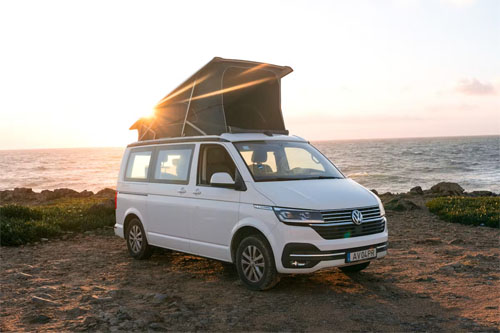
For navigating Porto's varied terrain, including its historic city streets and surrounding areas, a Class B Camper Van or a Class SI Semi-integrated RV is often recommended. These classes offer a good balance of maneuverability and comfort. Class B Camper Vans, with an average length of 6.2 meters, provide excellent maneuverability, making them ideal for Porto's narrower streets and easier urban parking, while still comfortably accommodating 2-3 adults and pets. Class SI Semi-integrated RVs, averaging 6.9 meters, offer more living space and amenities than a camper van without the bulk of larger models, presenting a solid compromise for exploring both the city and the wider region. While larger RVs like Class C Alcove (avg 7.1m) and Class A Integrated (avg 7.5m) provide extensive living space, their longer dimensions can present challenges on Porto's tight turns, steep inclines, and in crowded parking areas.
Should I Choose a Compact Van Instead of a Large RV in Porto?
While a compact camper van offers superior maneuverability for Porto's narrow, hilly streets and generally easier parking, a larger RV provides significantly more comfort and living space. This increased comfort can be a greater priority for pet owners, especially on longer trips. Compact vans (Class B Camper Vans) are excellent for navigating Porto's tight urban environment, offering easier parking and generally better fuel economy (around 9-11 Liters/100Km). Larger RVs, such as Class SI Semi-integrated models, provide substantially more interior space, which is crucial for pet comfort, offering dedicated sleeping areas and full amenities that enhance the overall experience on extended journeys or with multiple pets. The decision ultimately balances the ease of city navigation with the desire for home-like comfort for both travelers and their furry companions.
Can I Park Anywhere? Free & Wild Camping Rules in Porto
In Portugal, free or wild camping in an RV is generally prohibited outside of designated campsites, particularly within protected areas, coastal zones, and urban centers like Porto. Local municipalities strictly enforce these regulations. Portuguese law restricts overnight parking and wild camping for RVs to authorized sites only. Within Porto and its surrounding municipalities, expect strict enforcement against overnight parking outside of official campgrounds or designated motorhome service areas (ASAs), which often provide essential services. For overnight stays, always seek out established campsites ('parques de campismo') or specific RV parking zones ('áreas de serviço para autocaravanas'). Remember that rules can vary by region, so it's always best to check local regulations and adhere to them before parking overnight.
Can I Drive an RV Into the City Center? Heights, Tunnels & Local Signage
You can generally drive an RV into parts of Porto's city center, but drivers must exercise extreme caution and diligently observe local signage regarding height restrictions, narrow streets, tunnels, and potential environmental or residents-only zones. Major roads leading into Porto's center are accessible, but the city's historic core, like the Ribeira district, features extremely narrow, steep, and cobbled streets that are largely unsuitable for larger RVs. Pay close attention to height limit signs (e.g., 2.5m, 3.0m) for parking garages, tunnels, and underpasses, as these are common. Look out for local signage indicating 'zona de emissões reduzidas' (low emission zones), 'residentes' (residents only), or 'proibido o trânsito' (no entry), which may restrict RV access. A practical approach is to park your RV on the outskirts of the historical center, utilizing paid parking or designated RV spots near public transport links, and then exploring the core by metro, bus, or on foot with your pet.
LIs Porto, Portugal dog friendly?
Porto, Portugal, is increasingly dog-friendly, offering a growing number of parks, specific attractions, and outdoor dining options where pets are welcome. While access to indoor establishments can still be restricted, outdoor spaces are generally very accommodating. Parque da Cidade do Porto, the largest urban park, is an excellent space for dogs to exercise, with designated off-leash areas. Jardins do Palácio de Cristal also allows leashed dogs in certain sections, providing stunning views and green spaces. Many outdoor walking tours of Porto's historic districts are amenable to well-behaved, leashed dogs, allowing you to explore together. The Douro riverfront, especially towards Foz do Douro, offers pleasant walking paths where dogs are generally welcome. Numerous cafes and restaurants with outdoor seating ('esplanadas') across Porto readily welcome dogs; it's always polite to ask first.
Can I put my dog in my camper while driving?
Yes, you can transport your dog in your RV while driving in Portugal, but it is legally required and highly recommended for safety to ensure they are properly secured. This means using a crate or a specialized harness to prevent distraction and potential injury. Portuguese law mandates that pets must not interfere with the driver or compromise the safety of vehicle occupants. For safety during sudden braking or in the event of an accident, an unsecured pet can become a dangerous projectile, risking severe injury to themselves and passengers. The safest options include a crash-tested, well-ventilated crate secured to the RV's floor or a specialized pet safety harness attached to a seatbelt. Ensure your dog has access to water and comfort items, and plan regular stops for exercise and potty breaks.
Is Portugal camper friendly?
Portugal is a highly camper-friendly country, boasting a well-developed network of campsites and motorhome service areas, particularly along its stunning coastline and in popular tourist regions, making it an excellent destination for RV travel. The country offers a diverse network of official campsites ('parques de campismo') equipped with amenities like electricity, water, and waste disposal. Many towns also provide 'Áreas de Serviço para Autocaravanas' (ASAs), which are dedicated service points for motorhomes, sometimes including overnight parking. Portugal's varied landscapes, from the beaches of the Algarve to the vineyards of the Douro Valley, offer countless scenic routes ideal for RV exploration. While wild camping is generally prohibited, the established infrastructure ensures legal and comfortable RV travel across the country.
What to do in Porto with a dog?
Porto offers several dog-friendly activities, including exploring its many parks and gardens, enjoying walks along the Douro River, and visiting pet-friendly outdoor cafes and attractions. Take your dog to Parque da Cidade, Porto's largest urban park, which provides extensive green areas for walking and playing, although leash rules apply in specific zones. Stroll through the Jardins do Palácio de Cristal, where dogs are permitted in certain areas, offering beautiful scenery and panoramic views of the city. Enjoy leisurely walks along the iconic Ribeira District waterfront and the promenade towards Foz do Douro, where many outdoor cafes welcome dogs. Look for 'esplanadas' (outdoor terraces) at cafes and restaurants throughout Porto, as many are happy to accommodate well-behaved dogs. Consider a scenic walk across the Dom Luís I Bridge (upper deck for pedestrians and metro) for breathtaking views, but be mindful of crowds and your dog's comfort.
How to travel with pets in an RV?
Traveling with pets in an RV requires careful planning, including ensuring their safety during transit, providing adequate comfort and routine, and being prepared for their health and well-being on the road. Always secure your pet in a crash-tested crate or a vehicle safety harness to prevent injury and distraction while driving. Maintain your pet's regular feeding schedule and provide familiar bedding and toys to help them feel comfortable and reduce stress. Ensure the RV's climate control keeps the temperature comfortable for your pet, especially when parked, and never leave them unattended in a hot vehicle. Plan for frequent stops every few hours at pet-friendly rest areas or parks for exercise, potty breaks, and fresh water. Carry up-to-date identification (ID tags, microchip information) and vaccination records, and research veterinary clinics along your route.
Can I bring my dog from the US to Portugal?
Yes, you can bring your dog from the US to Portugal, but it requires meticulous planning and adherence to European Union regulations. This includes specific vaccinations, microchipping, and veterinary certifications, typically necessitating several months of preparation. Your dog must have an ISO-compliant microchip implanted before or concurrently with the rabies vaccination. A valid rabies vaccination, administered after microchipping, is required at least 21 days before travel and must be current. You must obtain an EU health certificate (Form Annex IV) from a USDA-accredited veterinarian, which needs endorsement by a USDA APHIS Veterinary Services office within 10 days of your flight. While not always strictly required for US-origin dogs, a tapeworm treatment administered 1-5 days before arrival is often recommended, especially if onward travel within the EU is planned. Dogs must enter Portugal at a designated Traveler's Point of Entry equipped for veterinary border inspections (e.g., Lisbon or Porto airports). It is advisable to start the entire process at least 3-4 months before your intended travel date to ensure all requirements are met and documentation is properly endorsed.
Can you park a motorhome anywhere in Portugal?
No, you cannot legally park a motorhome anywhere in Portugal for overnight stays; wild camping and unregulated overnight parking are generally prohibited, especially in coastal areas, natural parks, and urban centers like Porto. A law reinforced in significantly restricted wild camping and unauthorized overnight parking for RVs and campervans throughout Portugal. Overnight stays are legally permitted only in official campsites, designated motorhome service areas (ASAs), or on private property with explicit owner's permission. Fines for illegal overnight parking can be substantial, making it crucial to adhere to local regulations. In and around Porto, enforcement is particularly strict in popular tourist zones, residential areas, and environmentally protected sites. While day parking for RVs is often allowed in standard parking lots (provided the vehicle fits and adheres to local rules), always seek out legal, designated spots for overnight stays, using resources like Campercontact or Park4night.
Does RV insurance cover dog bites?
Standard RV insurance policies typically include liability coverage that may extend to cover property damage or bodily injury, such as dog bites, caused by your pet to third parties. However, the specifics can vary significantly by insurer and policy. The personal liability component of your RV insurance often provides coverage for incidents where your dog causes injury or damage to others. Coverage amounts, specific exclusions (e.g., breed restrictions, history of aggression), and deductibles will vary widely between different insurance providers and policies. It is crucial to review your RV insurance policy document or contact your insurer directly to confirm the exact scope of pet-related liability coverage. Your primary homeowners or renters insurance policy might also offer supplementary liability coverage for your pet, even when traveling. RV insurance generally does not cover veterinary expenses for your pet's illness or injury; for that, dedicated pet insurance is required.
🎯 Fun Facts About Porto
- Porto's Hilly Challenge: Porto's UNESCO-listed Ribeira district is famed for its famously steep and narrow medieval streets. RVs are largely impractical and often restricted here; smart travelers park outside the city center and explore on foot or via Porto's efficient public transport, including the charming historic tram.
- Wild Camping's New Rules: While Portugal was once a haven for 'wild camping,' recent laws have significantly tightened restrictions, especially near the coast and in protected areas around Porto. RVers are now strongly encouraged to utilize official campsites or designated motorhome service areas (áreas de serviço para autocaravanas) to avoid fines.
- Douro Valley 'Wine RVing': Many 'quintas' (wine estates) in the stunning Douro Valley, a UNESCO World Heritage site just east of Porto, now offer special overnight parking for self-contained RVs. This unique experience allows you to wake up amidst vineyards and enjoy private wine tastings without the drive afterwards.
- Dog-Friendly Atlantic Breezes: Porto is surprisingly close to several dog-friendly beaches, such as Matosinhos and Leça da Palmeira, just a short drive away. While direct RV parking can be tricky right on the sand, nearby designated areas make it easy to reach these Atlantic shores for a perfect pet-friendly outing.
- The Francesinha Eating Challenge: Porto's iconic Francesinha sandwich, a hearty, sauce-covered masterpiece, is best savored *inside* a traditional cafe with a knife and fork. Tackling this delicious culinary beast in a moving RV is not only messy but would distract from the sheer joy of its cheesy, meaty glory!
What You Shouldn't Miss
- Explore the historic Ribeira district, a UNESCO World Heritage site, with its narrow, winding streets and colorful buildings.
- Walk across the Dom Luís I Bridge for stunning panoramic views of Porto and the Douro River.
- Visit the Livraria Lello, one of the world's most beautiful bookstores, known for its stunning architecture.
- Take a scenic boat tour along the Douro River to appreciate Porto from a different perspective.
- Indulge in a Francesinha, Porto's famous sandwich, at a traditional local eatery.
- Wander through the beautiful Crystal Palace Gardens (Jardins do Palácio de Cristal), which are dog-friendly in certain areas.
Final Thoughts
Renting an RV in Porto offers a unique and flexible way to explore Portugal's stunning landscapes and vibrant culture, especially when traveling with your canine companions. Remember to choose the RV class that best suits your needs, plan your routes with both city navigation and pet comfort in mind, and always adhere to local parking and camping regulations. Embrace the slower pace of RV travel to truly connect with the places you visit. We handle the details, so you can live the journey!
Ready to plan your unforgettable pet-friendly RV adventure in Porto? Discover top destinations, planning tips, and inspiration all in one place. Get inspired for your next trip!
Find Motorhome Rentals in Porto