For live availability and current prices, start with our RV Rental Philadelphia - Complete Guide 2026 guide.
In This Guide
- Can You Drive an RV in Philadelphia? License & Age Rules
- Road Conditions & Terrain in Philadelphia
- RV Size Limits, Bridges & Restricted Zones
- Fuel: Diesel vs. Petrol & Cost per 100 km
- Tolls, Vignettes & Border Rules
- Driving Tips for RV Rental Travelers in Philadelphia
- Recommended RV Class for Philadelphia Roads
- Should I Choose a Compact Van Instead of a Large RV in Philadelphia?
- Can I Park Anywhere? Free & Wild Camping Rules in Philadelphia
- Can I Drive an RV Into the City Center? Heights, Tunnels & Local Signage
- Do I need a special license to drive an RV in PA?
- What is the 4 4 4 rule for RVing?
- What license is required to drive an RV?
- What is the 3-3-3 rule for RV?
- Can you park overnight on the street in Philly?
- What license does an RV require?
- How much is RV insurance in PA?
- What is the average cost for RV insurance?
- Who has the best rates on RV insurance?
- How much is insurance on a $200,000 RV?
Embarking on a rented motorhome adventure to Philadelphia promises a unique blend of history, culture, and scenic beauty, all at your own pace. With Bandana Caravan, we empower you to explore the City of Brotherly Love and its surroundings with confidence and ease, offering full transparency and 24/7 support before, during, and after your booking. Imagine yourself and your furry friends cruising through charming Pennsylvania landscapes, ready to discover iconic landmarks like Independence Hall and the Liberty Bell, knowing you have a comfortable home-on-wheels awaiting you at the end of each day. For live availability and current prices, start with our RV Rental Philadelphia - Complete Guide 2024 guide, your ultimate resource for planning.
Can You Drive an RV in Philadelphia? License & Age Rules
Most rented RVs under 26,001 pounds Gross Vehicle Weight Rating (GVWR) can be driven with a standard Class C driver's license in Pennsylvania, which is the same license you use for your car. This covers the vast majority of our rental fleet, including popular Class B campervans and Class C motorhomes, making it accessible for almost everyone. If you're considering a very large Class A motorhome, double-check the specific GVWR with your supplier, as some exceeding 26,001 lbs GVWR may require a non-commercial Class B license in PA, though this is rare for rental units. The minimum rental age is 21, and we're proud to offer this without young driver surcharges or vehicle class restrictions based on age, ensuring more travelers can experience the freedom of the open road. For international visitors, a valid driver's license from your home country is required, and an International Driving Permit (IDP) is highly recommended for translation, though not mandatory in most cases.
Our true RV specialists are here to guide you through the process, ensuring you understand all the requirements for your chosen motorhome in Philadelphia. We're dedicated to helping you compare final prices across 50+ leading RV suppliers worldwide, offering you the easiest, safest, and most affordable way to rent an RV.
Road Conditions & Terrain in Philadelphia
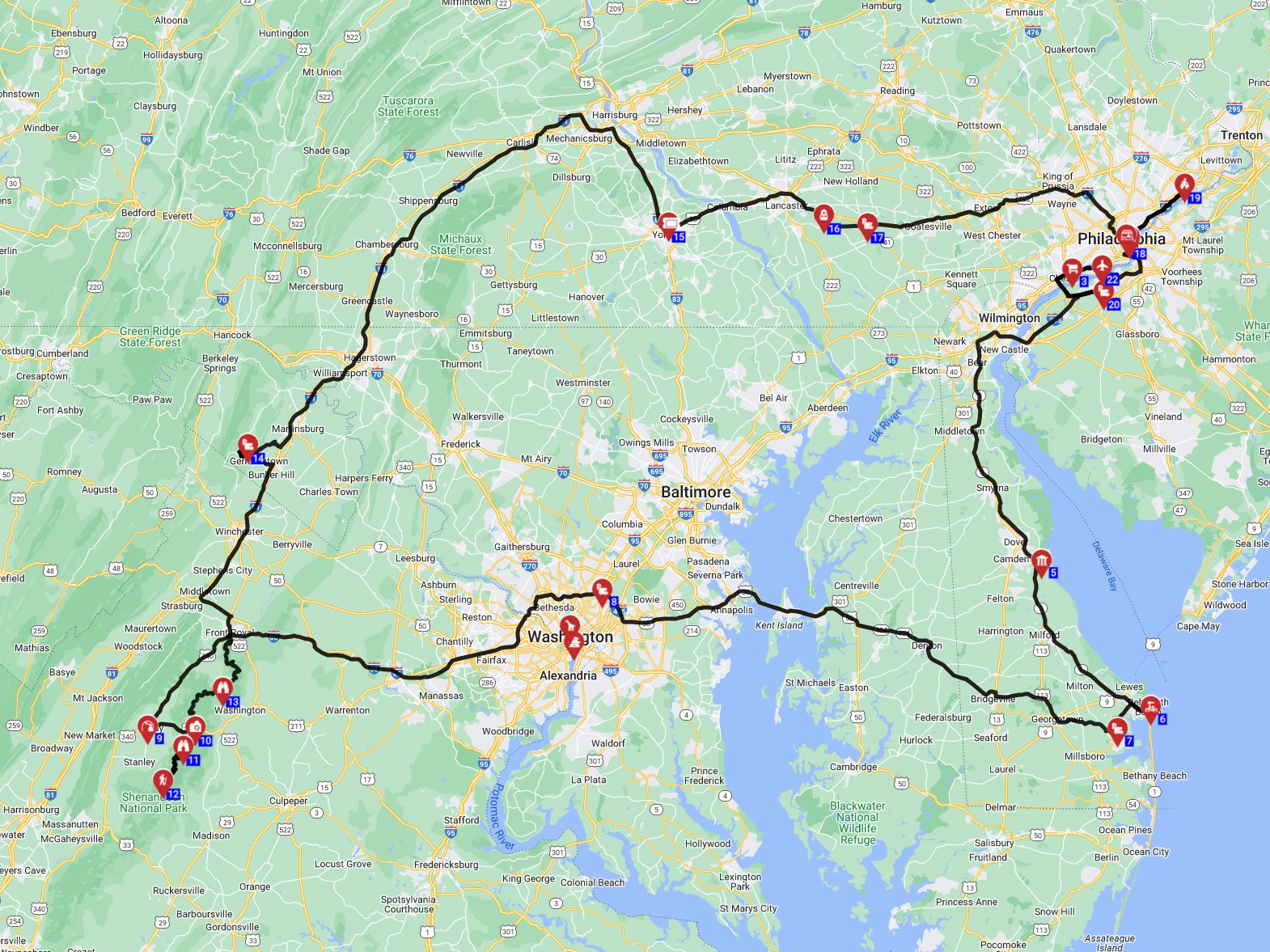
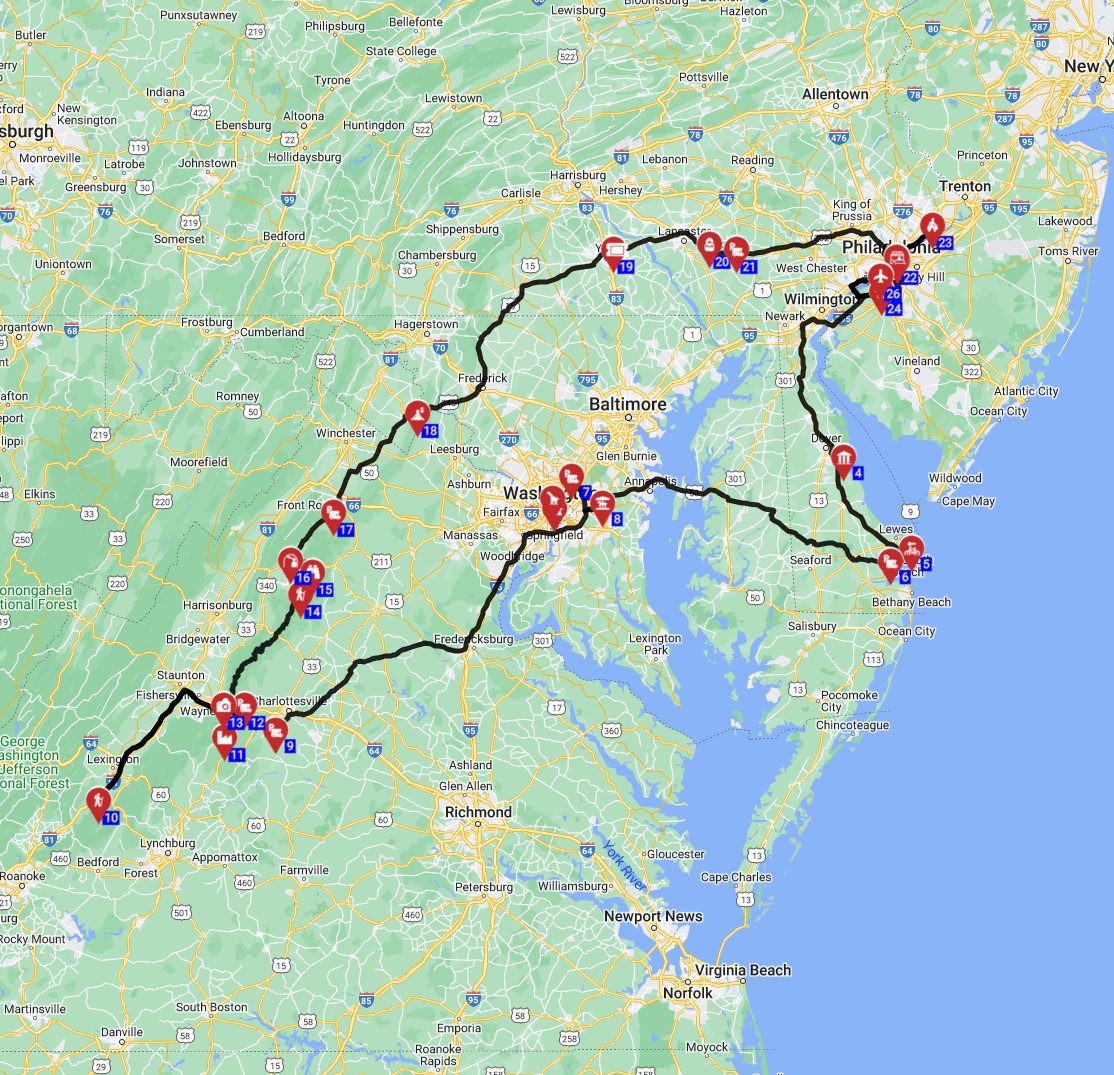
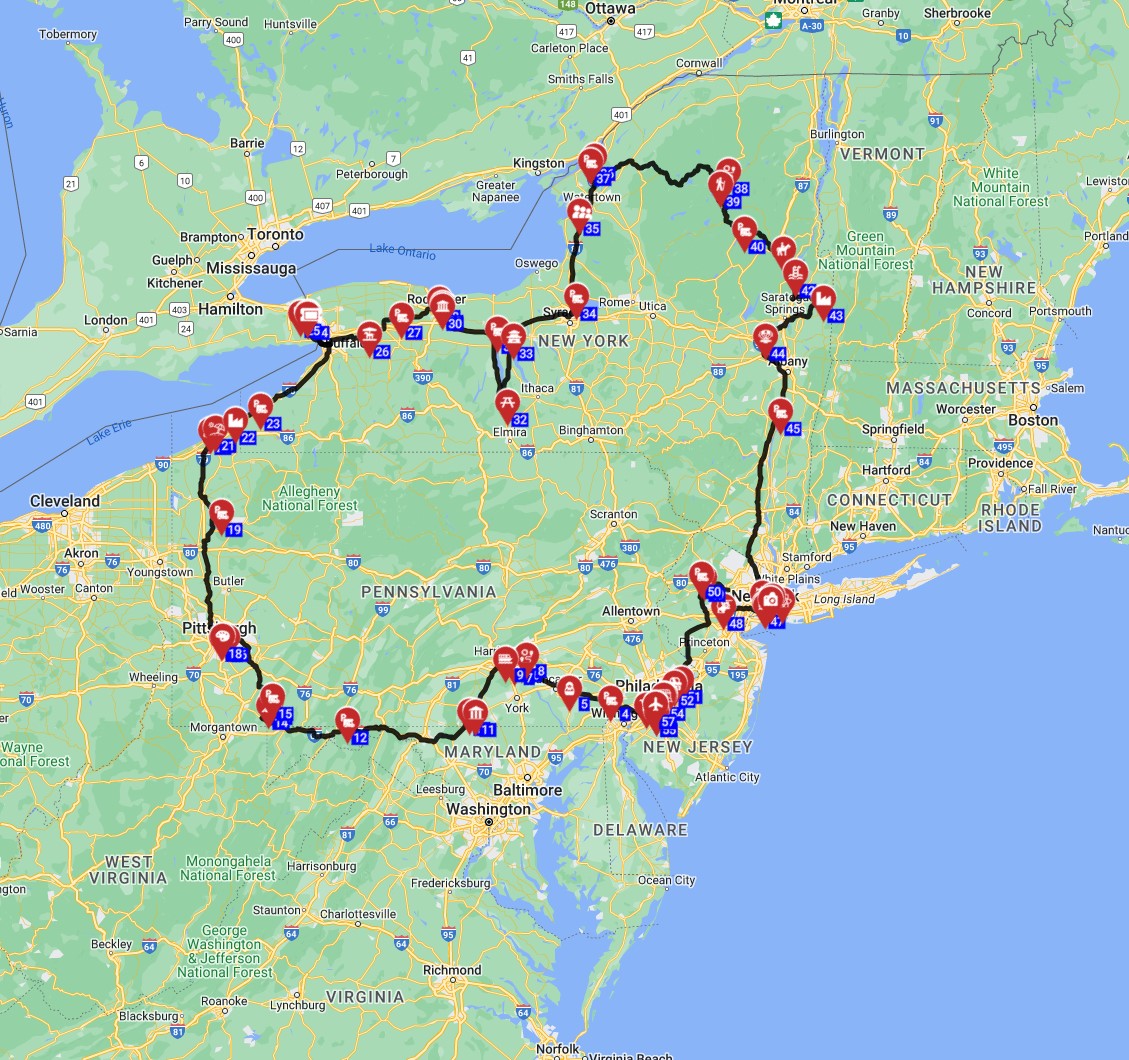
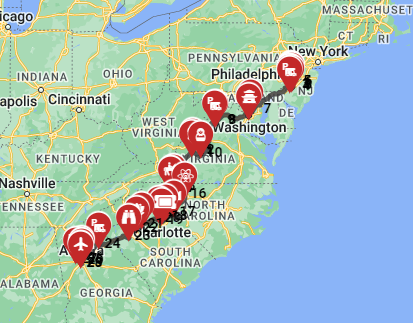
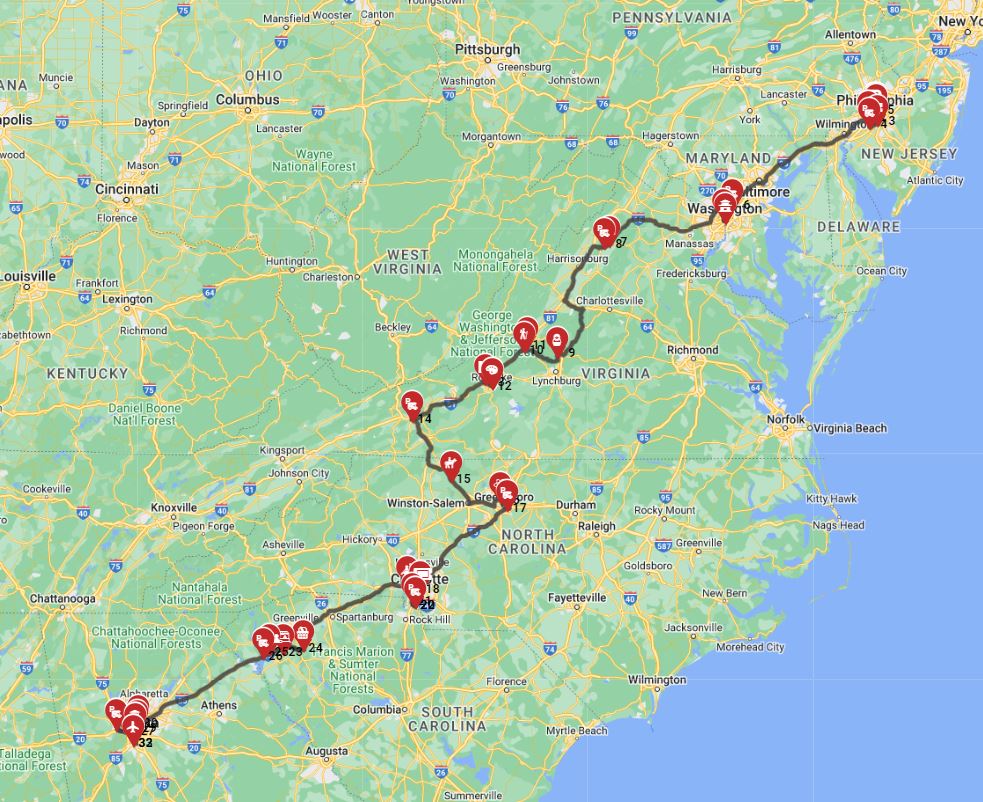
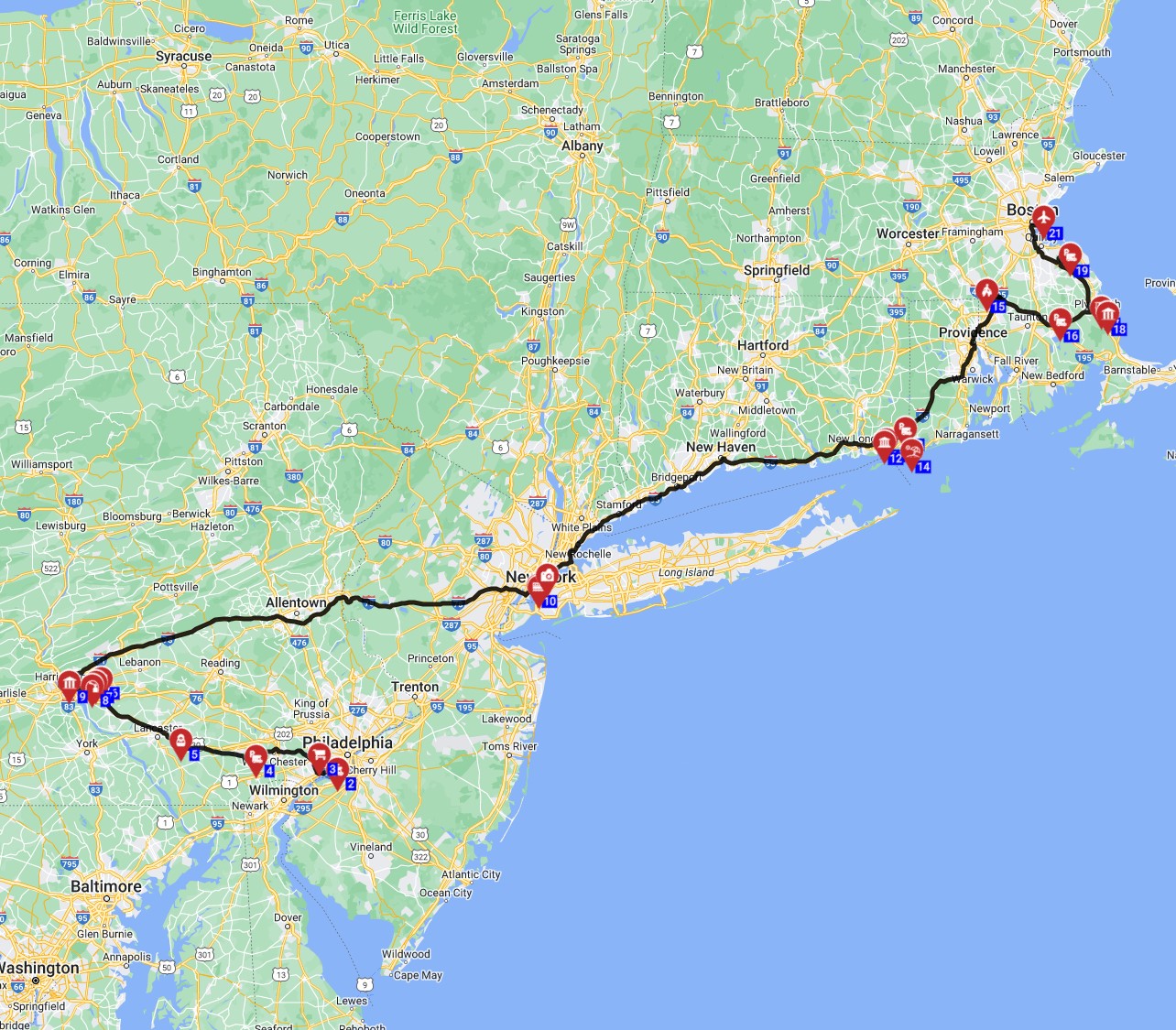
Philadelphia's roads feature a diverse mix, from well-maintained major highways connecting to the city to charming but sometimes bumpy urban streets and even a few historic cobblestone areas in older districts. The terrain within the city itself is generally flat, making for relatively easy driving. However, as you venture into the surrounding areas of Pennsylvania, you'll encounter rolling hills and gentle mountains, offering picturesque drives and stunning vistas, which can be explored via our "Motorhome trip route starting at Philadelphia USA RV trip planner" for an 8-day, 1268.7 km roundtrip. Urban density in Philadelphia means you should expect to encounter heavy traffic, especially during peak hours, narrow streets, and numerous intersections, which definitely require careful and slow driving. Large RVs should exercise extra caution on older, unmaintained roads or in very dense historical neighborhoods to avoid any issues. Remember, driving slowly and carefully, you can navigate almost anywhere without issues, so there's no need to stress – just use common sense and pay attention to your surroundings.
RV Size Limits, Bridges & Restricted Zones
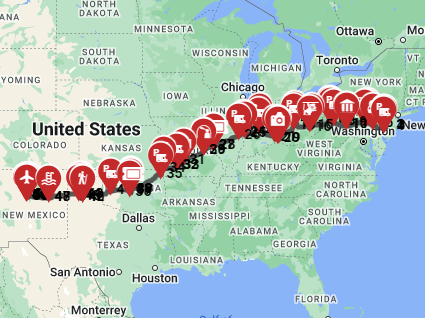
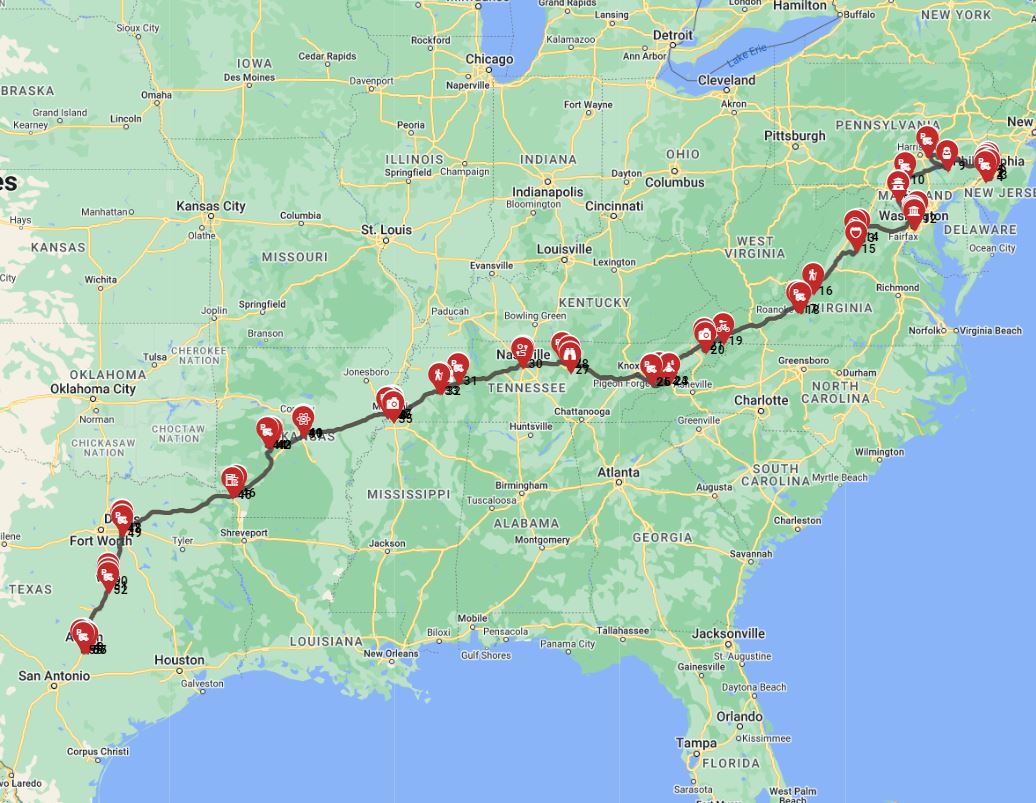
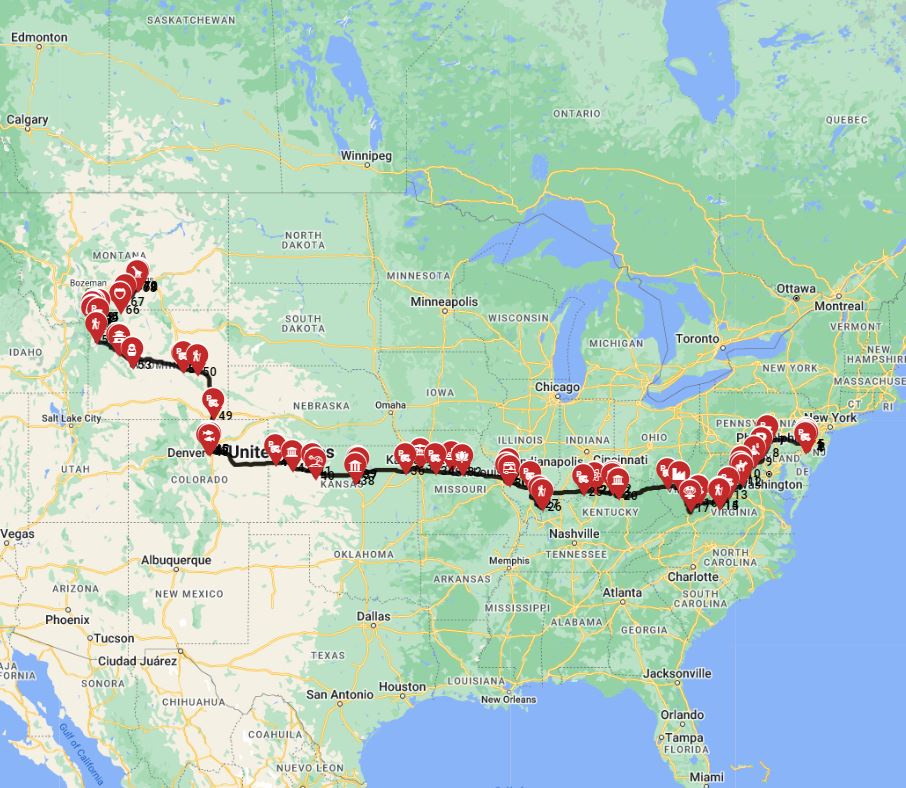
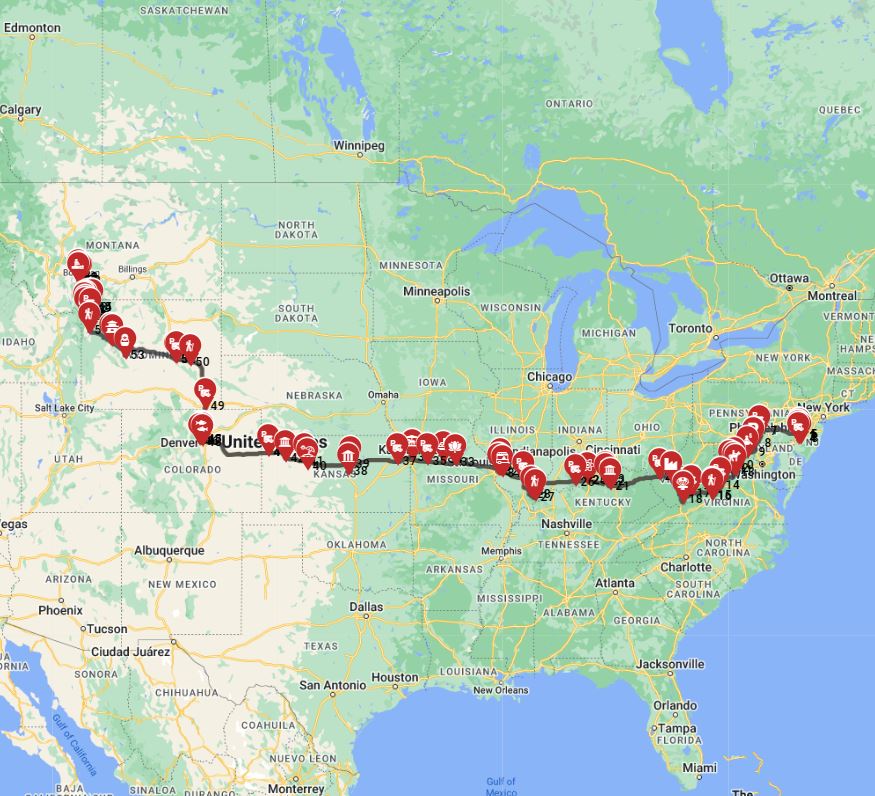
While there are no specific RV size limits unique to Philadelphia beyond general vehicle regulations, practical maneuverability is always a key consideration for your RV rental. You'll need to pay close attention to signage for low bridges, especially near train overpasses or in historic districts. Typical RV heights range from 10 to 13 feet, so always know your vehicle's exact height. While Philadelphia does not have environmental zones that restrict RV access, certain historic areas like Society Hill or parts of Old City may have very narrow streets or pedestrian-only zones where driving a large motorhome is impractical. Ferries are generally not a primary mode of transport within Philadelphia for RVs, but if you're planning an extended road trip to areas like New Jersey, such as on the "Chicago to Philadelphia - Freedom Wheels: From Chicago to Philly" 15-day, 2305.79 km route, and considering the Cape May-Lewes Ferry, be sure to check their specific height and weight limits beforehand.
Fuel: Diesel vs. Petrol & Cost per 100 km
Most of Bandana's rental RV fleet, particularly Class C and Class A models like the "cruise america rv rental example Explorer" (7.1m long, 2.5L Turbo diesel engine, 11 Liter/100 Km), are diesel-powered, offering good fuel efficiency for longer distances. However, Class B campervans, such as the "Active Standard Auto", often run on petrol (gasoline), providing easier access to fuel stations that might not always carry diesel. Fuel availability is ample for both diesel and petrol throughout Philadelphia and the surrounding areas, so finding a station won't be an issue. Based on Bandana's global fleet averages, a Class SI - Semi-integrated RV typically consumes 10-11 Liters/100 km, while a Class C - Alcove uses 10-12 Liters/100 km, and a Class B - Camper Van averages 8-10 Liters/100 km. You can easily calculate estimated fuel costs per 100 km by multiplying current fuel prices by the typical consumption rate. Keep these figures in mind when planning your budget, as fuel is a significant ancillary cost. Remember that on RV PLANET routes, you can itemize and track every expense along the way for easy budgeting. On the routes offered through RV PLANET routes, you can itemize and track every expense along the way for easy budgeting.
🎬 Video coming soon
Tolls, Vignettes & Border Rules
Philadelphia and its surrounding regions, especially for travel on major arteries like the Pennsylvania Turnpike and bridges into New Jersey, frequently utilize electronic tolls. Pennsylvania does not operate on a vignette system; instead, tolls are paid per use or via an electronic transponder. It's highly recommended for RV renters to acquire an E-ZPass transponder to avoid higher cash rates or mailed violation notices, which can include administrative fees. Many rental providers offer E-ZPass as an add-on, or you can purchase one online or at participating retail locations. Standard US state-to-state border rules apply, meaning you'll experience no border checks when traveling between Pennsylvania and neighboring states like New Jersey, Delaware, or Maryland. However, always be mindful of local traffic laws and road signage as you cross state lines.
Driving Tips for RV Rental Travelers in Philadelphia
When navigating Philadelphia in a rented motorhome, careful preparation is key. First, plan your route meticulously using RV-specific GPS navigation to avoid low bridges, narrow streets, and restricted zones, especially when approaching Philadelphia's city center. Allow extra time, as Philadelphia traffic can be dense; factor in additional travel time for city navigation and potential delays, particularly during rush hour on I-95 or the Schuylkill Expressway (I-76). For visiting downtown Philadelphia attractions like the historic district or museums, consider parking your RV at an outlying campground or Park & Ride (P+R) lot and utilizing SEPTA, Philadelphia's extensive public transit system, for easier and stress-free access. Always be acutely aware of your RV's length, height, and width, especially when making turns, parking, or navigating urban areas with closely parked cars. Finally, always secure your vehicle; when parking, even briefly, always lock your RV, secure valuables out of sight, and consider using additional security measures like wheel locks for overnight stays at campgrounds or secure lots.
Remember, travel slowly, aiming for a maximum of 100-150 km per day on average. This pace allows you to truly feel the place, connect to the local culture, savor the food, and appreciate the scenery without rushing.
Recommended RV Class for Philadelphia Roads
For optimal maneuverability in urban settings like Philadelphia, a Class B - Camper Van is highly recommended. These compact motorhomes, like the "rv rental denver example Category Van" or "Duo - Campervan", typically average around 5.8 meters in length, making them significantly easier to navigate through narrow city streets and park in tighter spaces. If you desire more living space without substantially sacrificing urban maneuverability, a Class SI - Semi-integrated RV offers a fantastic balance, with an average length of 6.9 meters, providing more comfort for a family of 2+2. Class C - Alcove (average length 7.5m) and Class A - Integrated (average length 7.5m) RVs are certainly manageable for trips including a visit to Philadelphia, but you might find parking and navigating very narrow city streets more challenging. The smaller footprint of Class B and SI RVs makes them much easier to park at campgrounds near Philadelphia and to navigate general roads leading to attractions without undue stress.
Should I Choose a Compact Van Instead of a Large RV in Philadelphia?
Choosing a compact van, specifically a Class B Camper Van, for an RV trip to Philadelphia offers significant advantages for urban exploration. Their smaller size, often around 5-6 meters in length, translates to superior urban maneuverability, easier parking (sometimes even in regular parking spots), and the ability to fit into tighter spaces without stress. This is particularly beneficial for navigating historic districts or bustling areas where larger vehicles struggle. However, a larger RV like a Class SI or Class C, such as a "Conquest" or "Euro Deluxe," provides significantly more indoor living space, greater comfort, and additional amenities like larger kitchens and separate sleeping areas, which can be preferable for longer trips or families of 4-6 people. For visiting Philadelphia's city center, a compact van undeniably makes navigating and finding parking less stressful, often allowing direct access to areas where larger RVs would find entry or parking impossible. If your plan involves mostly staying at well-equipped campgrounds outside the city limits and using public transport to enter downtown for sightseeing, then the benefits of a larger RV's comfort and amenities might easily outweigh the compact van's urban maneuverability advantages.
Can I Park Anywhere? Free & Wild Camping Rules in Philadelphia
Free or 'wild' camping is generally not permitted within Philadelphia city limits or on public streets. Philadelphia has strict parking regulations; overnight parking for RVs on public streets is typically illegal and can result in significant fines or even towing, especially for oversized vehicles. It is absolutely essential for RV renters to utilize designated RV campgrounds located just outside the city for overnight stays. These campgrounds, such as Philadelphia South KOA Holiday or Colonial Woods Campground, offer necessary amenities like hookups for power and water, dump stations for wastewater, and often provide shuttle services or convenient access to public transportation into downtown. Rules vary by region, so always check local regulations and adhere to local law before parking overnight anywhere in Pennsylvania to ensure a smooth and enjoyable trip. Never fall for online advice suggesting illegal overnight parking in urban areas; always prioritize safety and legality.
Can I Drive an RV Into the City Center? Heights, Tunnels & Local Signage
Yes, you can certainly drive an RV into Philadelphia's city center, but it requires diligent preparation and a keen awareness of specific local challenges. Navigating downtown Philadelphia with a motorhome, even a Class B campervan, means constantly paying attention to local signage indicating height limits for tunnels, underpasses, and parking garages. Many central streets in Philadelphia are quite narrow, and available parking for any vehicle, let alone an RV, is extremely limited and expensive. This makes driving a large RV directly into the heart of the city impractical for casual day visits. For example, trying to find parking for a 7-meter "Discovery - 5 berth motorhome" near the Liberty Bell might prove impossible. It is often far more practical and stress-free to park your rented RV at a well-situated campground or a designated Park & Ride facility outside the immediate downtown area. From there, you can easily use Philadelphia's extensive public transport system (SEPTA) to access city attractions. This strategy allows you to enjoy the city's historical sites without the constant worry of urban driving and parking woes.
Do I need a special license to drive an RV in PA?
In Pennsylvania, most recreational vehicles (RVs) under 26,001 pounds Gross Vehicle Weight Rating (GVWR) can be driven with a standard Class C driver's license, the same license required for a passenger car. A non-commercial Class B license is only required in PA if the RV's GVWR exceeds 26,000 pounds, a threshold primarily applicable to some very large Class A motorhomes. The majority of rental RVs, including Class B campervans, Class SI semi-integrated models, and many Class C alcove motorhomes, fall comfortably within the weight limits for a standard Class C license. Always confirm the specific GVWR of your rented RV and verify the necessary license requirements directly with the rental company and Pennsylvania's Department of Transportation (PennDOT) guidelines to ensure full compliance.
What is the 4 4 4 rule for RVing?
The '4-4-4 rule' for RVing is a popular guideline recommending drivers limit their travel to no more than 4 hours a day, stop driving by 4 PM, and stay for at least 4 nights in each location. This rule is designed to promote a more relaxed travel pace, significantly enhance safety by reducing driver fatigue, and allow ample time to truly enjoy and explore each destination. While ideal for leisurely road trips around Pennsylvania's scenic countryside, this rule might be less practical for quick, focused visits to an urban center like Philadelphia, where your goal might be to see specific sights quickly. Adapting the 'stop by 4 PM' aspect is particularly important in urban areas to ensure you reach your designated campground before dark and have sufficient time to settle in comfortably. For longer adventures, such as those covered in the "RV Rental Maryland - Complete Guide 2024", embracing a slower travel pace is highly recommended.
What license is required to drive an RV?
A standard Class C driver's license is sufficient to operate the vast majority of RVs for personal use in the United States, including within Pennsylvania, provided the Gross Vehicle Weight Rating (GVWR) is below 26,001 pounds. For RVs with a GVWR of 26,001 pounds or more, or if towing a trailer that contributes to a combined weight exceeding this threshold, a higher class of non-commercial license (such as a Class B or A in PA) may be required. Most reputable RV rental companies, including Bandana's partners like El Monte, Cruise America, Apollo, and Britz, exclusively offer motorhomes and campervans that can be driven with a standard Class C license, simplifying the rental process for most travelers. Drivers should always verify the specific GVWR of their chosen RV model, such as a "24' Class C Motorhome," and consult their state's Department of Motor Vehicles (DMV) or equivalent agency if they have any specific licensing questions.
What is the 3-3-3 rule for RV?
The '3-3-3 rule' for RV travel is a widely adopted guideline advising travelers to drive no more than 300 miles (approximately 480 km) a day, arrive at their destination by 3 PM, and stay a minimum of 3 nights in one place. Similar to the 4-4-4 rule, its primary purpose is to prevent driver fatigue, allow ample time for setting up camp and relaxing, and encourage a deeper, more immersive exploration of each stop along your journey. Adhering to the 'arrive by 3 PM' aspect can be particularly beneficial when visiting Philadelphia, as it provides a buffer to navigate to your campground, set up, and perhaps even catch public transport into the city before evening traffic or crowds become a concern. This rule is ideal for a more leisurely exploration of Pennsylvania's diverse regions and its 7 hiking areas, rather than a rapid city-focused tour. It embodies the slow travel philosophy we champion at Bandana Caravan.
Can you park overnight on the street in Philly?
No, parking an RV overnight on the street in Philadelphia is generally illegal and strongly discouraged due to stringent city ordinances and traffic regulations. Philadelphia has strict parking laws, and RVs, often classified as oversized vehicles, are particularly susceptible to fines, towing, or citations for overnight street parking. Local regulations are clear: residing or sleeping in an RV or any vehicle on public streets within Philadelphia city limits is expressly prohibited. For overnight stays in your rented motorhome, you must utilize designated campgrounds located just outside the city, which offer proper facilities, ensure your safety, and help you comply with local laws. Planning your campground stops in advance using resources like rvplan.net is crucial for a smooth trip around Philadelphia.
What license does an RV require?
A standard Class C (or equivalent operator's) driver's license is sufficient for driving most recreational vehicles (RVs) in the U.S., including within Pennsylvania, for personal use. This applies to motorhomes with a Gross Vehicle Weight Rating (GVWR) typically under 26,001 pounds, which encompasses the majority of Class B campervans, Class SI semi-integrated models, and many Class C rental units available from our suppliers. For larger, heavier RVs (GVWR 26,001 lbs or more) or combinations (like a large motorhome towing a heavy trailer), a non-commercial Class B or A license may be necessary, but these are rarely offered for standard rentals. It's always crucial for renters to confirm the specific GVWR of their chosen RV, perhaps a "Jayco Conquest Royale 6," and consult Pennsylvania's Department of Transportation (PennDOT) guidelines if there's any uncertainty about licensing.
How much is RV insurance in PA?
The cost of personal RV insurance in Pennsylvania varies widely, typically ranging from a few hundred dollars to over $2,000 annually, depending on factors such as the RV's value, type (Class B vs. Class C), usage, driver's history, and selected coverage limits. For RV rentals from Bandana, basic liability insurance is usually included in the rental cost, providing coverage for damages to third parties up to a specified limit. Renters often have the valuable option to purchase supplementary insurance packages through the rental company to reduce their deductible, add coverage for damage to the rental RV itself, or secure personal property protection. Factors like the age of the RV, whether it's a compact Class B campervan or a larger Class A integrated motorhome, and your chosen deductible level directly influence the cost of these optional rental insurance upgrades. You can upgrade to a top-level deductible for extra peace of mind.
What is the average cost for RV insurance?
The national average cost for personal RV insurance typically falls between $800 and $2,000 per year, but this can fluctuate significantly based on several key factors. These determinants include the RV's class (e.g., Class B campervans often being less expensive to insure than large Class A integrated RVs), its current market value, whether it's used full-time or purely recreationally, and the driver's accident and claims record. For rental RVs booked through Bandana, the 'average cost' of essential insurance is embedded within your transparent rental rate, which includes a base liability package. Renters should budget for potential additional insurance products or deductible reduction waivers, which are optional upgrades offered by the rental provider and can add to the total cost of their week-long trip or extended road trip.
Who has the best rates on RV insurance?
Identifying 'the best rates' for personal RV insurance largely depends on individual circumstances and specific coverage needs, with national providers like Progressive, National General, GEICO, and Good Sam often cited for competitive pricing and specialized RV policies. When renting an RV through Bandana Caravan, the primary 'insurer' is typically the rental company itself, which includes mandatory liability coverage as part of the transparent rental agreement. Renters should carefully review the insurance terms provided by their chosen supplier (e.g., El Monte, Cruise America, Apollo, Britz) to fully understand what is covered. It’s always a good idea to consider if optional supplemental insurance, collision damage waivers, or personal accident coverage offered by the rental provider are worthwhile additions to minimize your out-of-pocket expenses. Comparing these optional offerings against potential coverage from your personal auto insurance policy or third-party travel insurance can help determine the most cost-effective solution for your Philadelphia RV rental.
How much is insurance on a $200,000 RV?
Insuring a high-value personal RV, such as a Class A model costing $200,000, typically ranges from $1,500 to $4,000 or more annually, depending on the breadth of comprehensive coverage, chosen liability limits, and specific add-ons like roadside assistance. For rental RVs, especially those available from Bandana, the base insurance included in your rental fee covers the vehicle for liability purposes. While the cost for owning a $200,000 RV implies a higher annual premium, rental insurance focuses on the duration of your trip and the specific deductible reduction or additional coverage you opt for beyond the basic included package. Renters of high-value Class A motorhomes, like a "Class A - Thor ACE 30", should carefully review the standard deductible (which can be substantial, often $1,500-$2,500) and strongly consider purchasing additional waivers to minimize potential out-of-pocket expenses in case of damage or theft during their Philadelphia adventure. Our full transparency means no hidden fees, so you'll know all costs upfront.
What You Shouldn't Miss
- Explore Independence National Historical Park: Walk the cobblestone streets around Independence Hall and the Liberty Bell, connecting with America's founding history. Park your RV at a nearby campground and take SEPTA in for easy access.
- Stroll through Reading Terminal Market: Indulge in local flavors and international cuisine at this historic indoor market, a vibrant hub of food and culture. A perfect spot to grab ingredients for an RV-cooked meal.
- Discover Fairmount Park: Escape the urban bustle in one of the world's largest urban parks. Rent a bike and explore miles of trails, historic mansions, and gardens.
- Visit the Philadelphia Museum of Art: Beyond running up the "Rocky Steps," immerse yourself in world-class art collections, then enjoy panoramic city views from the top.
- Wander through Old City's Alleys: Discover charming, hidden alleys with unique boutiques, cafes, and historic architecture, perfect for a slow-paced afternoon walk.
- Looking for expert insights from Avi Bandana? Top 5 Adventures - recommendations from Avi Bandana
Final Thoughts
Exploring Philadelphia and its rich historical tapestry in a rented RV is an experience unlike any other. You have the flexibility to delve into iconic landmarks, savor diverse culinary delights, and then retreat to the comfort of your own mobile home, perhaps a cozy Class B campervan or a spacious Class C motorhome. Remember to embrace the spirit of slow travel, allowing yourself to soak in the atmosphere, connect with the local culture, and enjoy every moment of your journey. With Bandana Caravan, you're supported every step of the way, from transparent pricing to expert advice.
Don't let urban driving myths deter you; with common sense and careful planning, your RV adventure in Philadelphia will be smooth and memorable. Whether you're a couple seeking a romantic week-long trip or a family of four embarking on an extended road trip, the freedom of an RV rental opens up endless possibilities. Start planning your unforgettable Philadelphia journey today!
Find Motorhome Rentals in PhiladelphiaFor ideas you can prep on the road, watch our RV-friendly recipes playlist on YouTube.