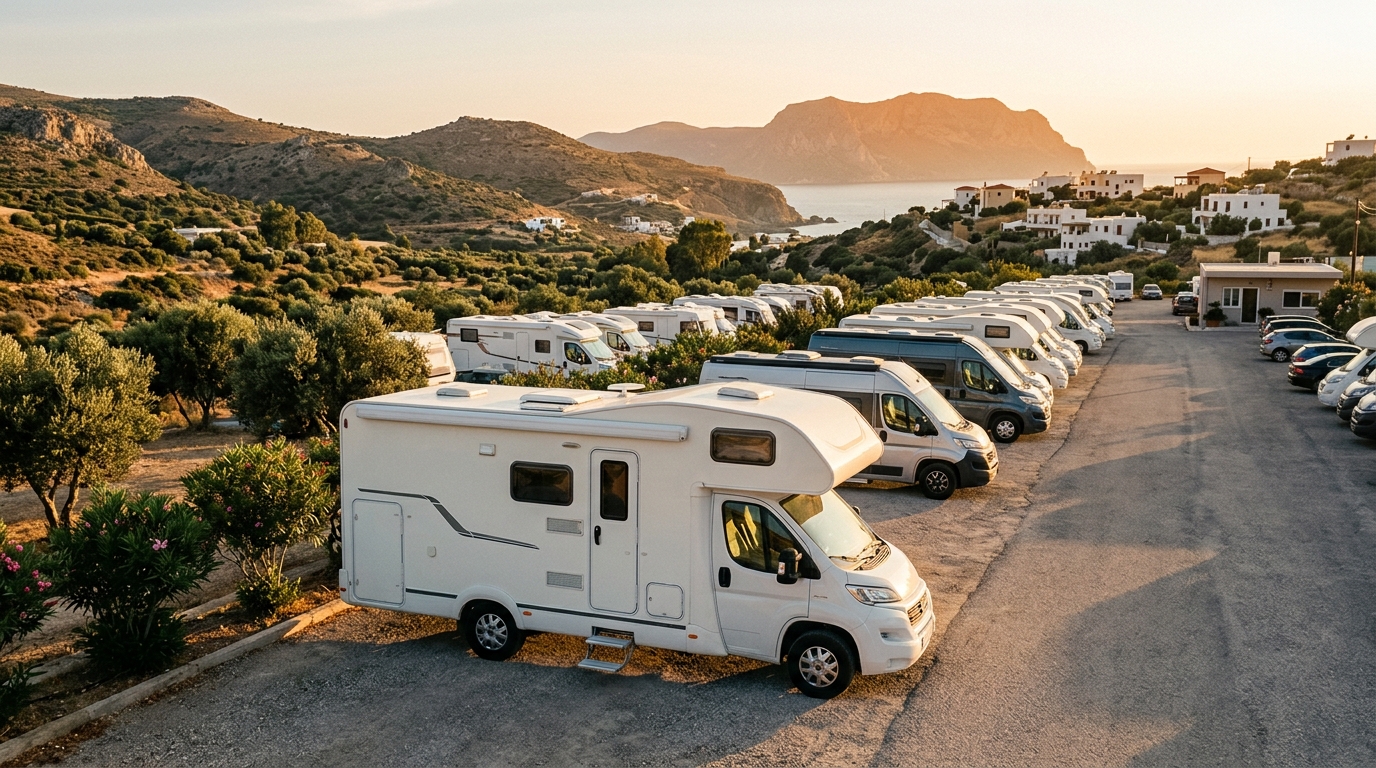
For live availability and current prices, start with our RV Rental Greece - Complete Guide 2026 guide.
In This Guide
- Can You Drive an RV in Greece? License & Age Rules
- Road Conditions & Terrain in Greece
- RV Size Limits, Bridges & Restricted Zones
- Fuel: Diesel vs. Petrol & Cost per 100 km
- Tolls, Vignettes & Border Rules
- Driving Tips for pet friendly rv rental Travelers
- Recommended RV Class for Greece Roads
- Should I Choose a Compact Van Instead of a Large RV in Greece?
- Can I Park Anywhere? Free & Wild Camping Rules in Greece
- Can I Drive an RV Into the City Center? Heights, Tunnels & Local Signage
- What is the Cost of an RV Trip in Greece?
- Is RV Travel in Greece Safe? Driving & Camping Advice
- When is the Best Time to RV in Greece? Weather & Seasonality
- What is Greece's RV Infrastructure Like? Services & Facilities
- Is RV Travel the Best Way to See Greece?
- What are the Rules for Traveling with Pets in an RV in Greece?
- How to Stay Connected While RVing in Greece?
Can You Drive an RV in Greece? License & Age Rules
Yes, you can drive a rented RV in Greece. Most common rental RVs, typically weighing up to 3,500 kg Gross Vehicle Weight (GVW), can be driven with a standard B category car license. If you're coming from outside the EU/EEA, you'll generally need an International Driving Permit (IDP) to accompany your national license. The minimum driver age for RV rentals in Greece usually ranges from 21 to 25 years, and some suppliers may have experience requirements for younger drivers or restrictions on larger vehicle classes.
For heavier RVs exceeding 3,500 kg GVW, a C1 license or equivalent will be necessary, though most rental fleets cater to drivers with standard car licenses.
Road Conditions & Terrain in Greece
Greece offers a diverse road network, featuring excellent major highways like the Egnatia Odos, but also presenting narrower, winding roads, particularly in rural and mountainous regions. Secondary roads and routes leading to villages can have poorer surfaces and sharper bends, demanding cautious and slower driving. Mountainous terrain is prevalent throughout the country, especially inland, requiring careful navigation and awareness from RV drivers. The scenic coastal roads are often winding, so plan for frequent stops in safe, shaded areas to allow pets to rest, hydrate, and stretch their legs.
RV Size Limits, Bridges & Restricted Zones
While there aren't widespread national RV size limitations in Greece, drivers must be mindful of their vehicle's dimensions when navigating specific areas. Low bridges and tunnels are uncommon on main highways but can be encountered on older, rural routes, so always observe local signage. Ferry travel to the Greek islands is a popular way to explore, and RV length significantly impacts costs; longer RVs will incur higher fees. Environmental zones for RVs are less prevalent in Greece compared to some other European countries, but it’s wise to check local regulations for major cities before you arrive.
Fuel: Diesel vs. Petrol & Cost per 100 km
The majority of rental RVs in Greece, including those typically offered through Bandana, run on diesel fuel, which is widely available. Fuel prices in Greece tend to be higher than the European average and can fluctuate regionally. As a general estimate based on global fleet averages, a Class SI - Semi-integrated RV typically consumes between 10-11 liters per 100 km, while a Class B - Camper Van uses approximately 8-10 liters per 100 km. To calculate your estimated fuel cost, multiply the average consumption by the current diesel price per liter. Some rental providers might offer fuel discount cards, which can help manage expenses. On the routes offered through RV PLANET routes, you can itemize and track every expense along the way for easy budgeting.
Tolls, Vignettes & Border Rules
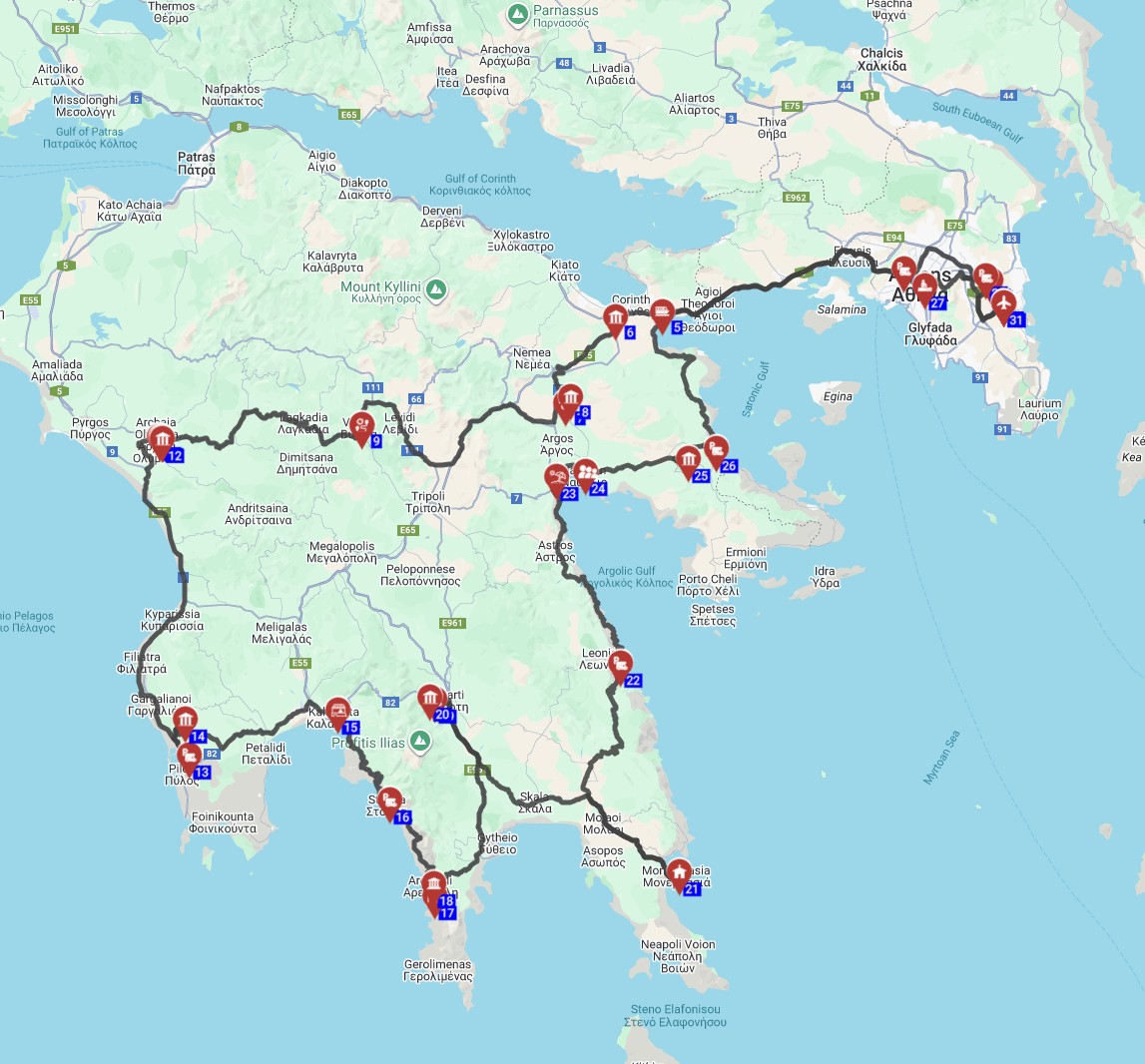
Greece primarily utilizes a barrier toll road system for its major highways, meaning you won't need a national vignette. Tolls are collected at booths, typically accepting cash or card, and the amount varies based on vehicle class and the distance traveled on routes like those found in the Peloponnese Peninsula. When entering Greece from neighboring EU countries with your RV, there are no specific border rules beyond standard vehicle and personal documentation requirements. Some RV rental providers may offer pre-purchased toll passes or electronic toll devices to streamline your travel and potentially avoid fines.
Driving Tips for pet friendly rv rental Travelers
When driving a rented RV in Greece with pets, planning frequent stops every 2-3 hours is crucial. Ensure these stops are in safe, shaded areas where your pets can stretch, drink water, and relieve themselves. When planning ferry travel between islands, research each company's specific pet policies and book ahead, as rules regarding pets on deck, in kennels, or within vehicles can vary. Always restrain pets securely inside the RV while driving, using crates or harnesses to prevent injuries during transit. Never leave pets unattended in a hot RV, and always carry ample fresh water. Be mindful of local etiquette regarding pets; their access to restaurants, shops, and archaeological sites is often restricted.
Recommended RV Class for Greece Roads
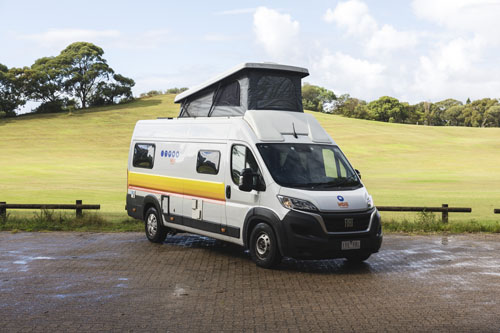
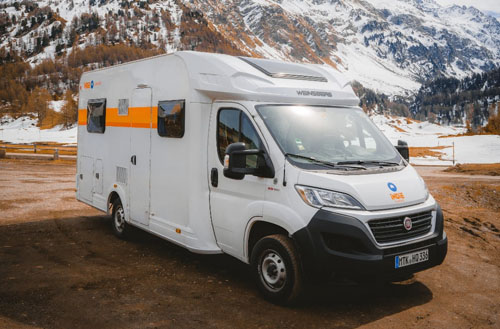
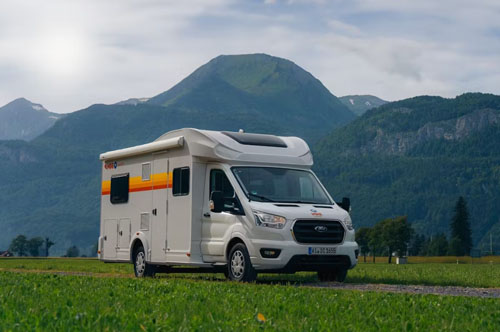
For Greece's varied road conditions, a Class B Camper Van, averaging about 5.8 meters in length, offers superior maneuverability, making it ideal for navigating tight spots and city centers, particularly for couples or small families with pets. Class SI - Semi-integrated RVs, typically around 6.9 meters long, provide a comfortable balance of interior space and manageable size, well-suited for families seeking more amenities without extreme length challenges. Larger RVs, such as Class C Alcoves (averaging 7.5 meters), offer more living space but can be more challenging on very narrow roads and incur higher ferry costs. Both Class B and Class SI RV types are generally well-equipped to handle Greece's major highways and rural routes.
Should I Choose a Compact Van Instead of a Large RV in Greece?
While compact vans, like Class B Camper Vans (averaging 5.8 meters), excel in maneuverability for narrow streets and parking, a larger RV often provides superior comfort and living space, especially when traveling with pets. Compact vans are easier to handle in congested areas and on very winding roads, and typically have lower ferry costs. However, larger RVs, such as semi-integrated models (around 6.9 meters) or Class C Alcoves (about 7.5 meters), offer more interior amenities, a larger kitchen, and often separate bathroom facilities, which can be essential for longer trips or enhanced pet comfort. The choice between maneuverability and living space often leads travelers to prefer a semi-integrated RV for a better overall experience, as most main Greek roads can accommodate them. For ideas you can prep on the road, watch our RV-friendly recipes playlist on YouTube.
Can I Park Anywhere? Free & Wild Camping Rules in Greece
Free or wild camping with an RV in Greece is generally prohibited by law, especially in protected areas, on beaches, and at archaeological sites. Violations can lead to significant fines and, in some cases, vehicle impoundment. Opting for official campsites is recommended as they provide legal, safe, and amenity-rich alternatives for overnight parking. While some travelers may find secluded spots, this is undertaken at their own risk. Always prioritize legal parking options and be aware that rules can vary by region, so checking local regulations is essential before parking overnight.
Can I Drive an RV Into the City Center? Heights, Tunnels & Local Signage
Generally, you can drive an RV into Greek city centers, as most main access roads are designed for a variety of vehicle sizes. However, it's crucial to pay close attention to local signage for height limits on specific tunnels, underpasses, or historic arches, though these are less common on primary routes. Be aware that older parts of cities and villages often feature very narrow streets; utilizing GPS systems that account for RV dimensions is advisable, and consider parking on the outskirts and using public transport or walking. Designated large vehicle parking areas or park-and-ride options are your best bet for RV parking in city centers. Environmental zones are not as prevalent for RVs in Greek city centers compared to some Western European countries, but verification for major urban areas is always recommended.
What is the Cost of an RV Trip in Greece?
The total daily cost for an RV trip in Greece can typically range from €80 to €200+, covering rental, fuel, tolls, ferries, campsites, and daily expenses. RV rental fees can range from €70 to €150+ per day, depending on the RV class, season, and rental duration. Budget for fuel costs, primarily for diesel, at approximately 8-12 liters per 100 km, which could equate to €15-€25 per 100 km. Tolls on major highways might add €10-€20 per 100 km, and ferry costs for an RV to an island can range from €50 to €200+ for a return journey, potentially including pet fees. Official campsites usually cost between €20-€45 per night for a pitch with electricity, while daily food and activity budgets are comparable to other forms of travel.
Is RV Travel in Greece Safe? Driving & Camping Advice
RV travel in Greece is generally safe, but it requires careful navigation of diverse driving conditions, including narrow mountain roads and busy urban traffic. Ensure your rental RV includes comprehensive insurance and roadside assistance for peace of mind. Adhering to legal camping practices by utilizing official campsites is recommended for security and safety, particularly as wild camping is prohibited. Exercise general precautions against petty theft in crowded tourist areas. For pets, always ensure they are secured while driving, never leave them unattended in a hot RV, and have local veterinarian contact information readily available.
When is the Best Time to RV in Greece? Weather & Seasonality
The shoulder seasons – April to May and September to October – are optimal for RV travel in Greece, offering pleasant temperatures, fewer crowds, and more favorable prices. Spring (April-May) provides mild weather and blooming landscapes, perfect for exploration without intense heat. Summer (June-August) is peak season with high temperatures (often exceeding 30°C), significant crowds, and increased costs for accommodation and ferries, necessitating reliable RV air conditioning and careful heat management for pets. Autumn (September-October) features warm seas and comfortable temperatures, making it another excellent period for RVing and pet-friendly activities. Winter (November-March) is generally less suitable due to colder, wetter weather and numerous campsite closures.
What is Greece's RV Infrastructure Like? Services & Facilities
Greece's RV infrastructure primarily consists of numerous official campsites, especially along the coasts and near popular tourist areas, many of which are pet-friendly. Dump stations and potable water sources are reliably available at these official campsites, though dedicated public facilities are less common. Propane/LPG refills can be found at larger petrol stations and specialized shops, but it's crucial to ensure compatibility with your RV's system. Specialized RV repair centers are limited; general auto repair shops are available in most major towns. Many campsites offer designated pet areas, but specific public facilities like dog parks are less widespread.
Is RV Travel the Best Way to See Greece?
RV travel offers unparalleled flexibility and the freedom to explore Greece's diverse landscapes and hidden gems at your own pace, making it an excellent choice for independent travelers, especially those with pets. It provides a convenient 'home away from home' experience, minimizing stress for pets by offering consistent space and routine. While RVing incurs added ferry costs, it can be more cost-effective for longer trips than car and hotel combinations, particularly with the capability for self-catering. Compared to car-and-hotel arrangements, RVs offer greater flexibility for remote exploration and better pet accommodation, whereas public transport in Greece can be highly restrictive for pets and limit itinerary freedom.
What are the Rules for Traveling with Pets in an RV in Greece?
For pets traveling to Greece, ensure they have a valid EU Pet Passport, microchip, and up-to-date rabies vaccination, with necessary parasite treatments documented. Ferry policies for pets vary by company; confirm and pre-book pet spots, as requirements can range from designated kennels to leashed access on specific deck areas. Most Greek campsites are pet-friendly, but always confirm in advance, and remember pets must typically be leashed and supervised, with their waste promptly cleaned. Pets are generally not permitted inside public buildings, restaurants, or archaeological sites. Always ensure pets have access to fresh water, shade, and proper ventilation within the RV, and keep local veterinarian contact information handy.
How to Stay Connected While RVing in Greece?
Staying connected while RVing in Greece is generally straightforward by purchasing a local pre-paid SIM card from providers like Cosmote, Vodafone, or Nova for affordable mobile data. Mobile data coverage is typically good in major towns and coastal areas but can be spotty in very remote or mountainous regions. Many official campsites offer Wi-Fi, though quality and speed can vary, and it might be limited to common areas or incur an extra charge. Consider using a portable Wi-Fi hotspot with a local SIM for more consistent connectivity on the go. Always ensure you have a means to make emergency calls, especially when exploring remote areas with limited signal.
What You Shouldn't Miss
- Explore the ancient wonders of Athens, from the Acropolis to the Plaka district, with your RV providing a convenient base.
- Drive scenic routes through the Peloponnese peninsula, discovering charming villages and historical sites like Mycenae and Epidaurus.
- Take an RV ferry to Crete and explore its diverse landscapes, from the Samaria Gorge to the Venetian harbors of Chania and Rethymno.
- Journey to Thessaloniki to experience its vibrant Byzantine heritage and coastal promenades.
- Discover the rugged beauty of mainland Greece, venturing into regions like Zagori for breathtaking mountain scenery and traditional stone villages.
- Experience the islands via RV-friendly ferries, perhaps exploring Zakynthos or Kefalonia, with your mobile home offering unparalleled flexibility.
Final Thoughts
Renting an RV in Greece offers an unparalleled way to experience the country's breathtaking scenery and rich history at your own pace. With a little planning, you can navigate the diverse terrain, enjoy the freedom of the open road, and create unforgettable memories with your loved ones, including your furry companions.
From ancient ruins to stunning coastlines, Greece awaits your exploration. Let Bandana Caravan help you find the perfect pet-friendly RV rental for your adventure. Get inspired for your next trip and discover top destinations and planning tips, all in one place!
Ready to embark on your Greek RV adventure? Compare RV rental prices for Greece and start planning your unforgettable journey today!