In This Guide
- Can You Drive an RV in England? License & Age Rules
- Road Conditions & Terrain in England
- RV Size Limits, Bridges & Restricted Zones
- Fuel: Diesel vs. Petrol & Cost per 100 km
- Tolls, Vignettes & Border Rules
- Driving Tips for pet friendly rv rental Travelers
- Recommended RV Class for England Roads
- Should I Choose a Compact Van Instead of a Large RV in England?
- Can I Park Anywhere? Free & Wild Camping Rules in England
- Can I Drive an RV Into the City Center? Heights, Tunnels & Local Signage
- Class SI - Semi-integrated for Pet-Friendly Travel in England
- Class C - Alcove for Family and Pet Adventures in England
- Class B - Camper Van for Agile Pet-Friendly Explorations
- Class A - Integrated for Luxury Pet Travel in England
- Class TC - Truck Camper for Robust Pet-Friendly Adventures
- What Are the Full Costs of a Pet-Friendly RV Rental Trip in England?
- How Can I Navigate Challenging British Roads with an RV?
- What Are the Best Overnight Parking Options for RVs in England?
- How Can I Experience Local Culture on an RV Trip in England?
- What Are the Practicalities of RV Life on the Road in England?
- When Is the Best Time to Rent a Pet-Friendly RV in England?
- Which RV Size is Best for Exploring England's Roads?
- What Are the Rules for Traveling with Pets in an RV in England?
Can You Drive an RV in England? License & Age Rules
Driving an RV in England is accessible with a standard car license for most vehicles, though specifics depend on weight and when the license was obtained. UK and EU license holders can typically drive RVs up to 3,500kg using a Category B license. If your license was acquired before January 1997, you might be permitted to drive vehicles up to 7,500kg under Category C1. For non-EU/UK license holders, an International Driving Permit (IDP) is recommended to accompany your national license, ensuring smooth interactions with rental companies and authorities.
Regarding age, most RV rental companies in England have a minimum driver age policy, generally set between 21 and 25 years old. Some may also impose a maximum age limit, regardless of license category. It’s crucial to check the specific requirements of the rental provider when booking. Importantly, RVs exceeding 3,500kg will require a C1 or C category license for drivers who obtained their license after January 1997. For live availability and current prices, start with our RV Rental England - Complete Guide 2026 guide.
Road Conditions & Terrain in England
England's road network presents a varied driving experience for RV travelers, featuring a mix of well-maintained motorways and A-roads, interspersed with numerous narrow, winding country lanes, particularly in rural and coastal areas. The terrain is diverse, encompassing the gentle, rolling hills of the Cotswolds and the more rugged landscapes of the Lake District, all offering picturesque, though sometimes challenging, driving conditions.
Navigating urban areas with an RV requires careful attention due to congestion, tight streets, and limited parking, encouraging slower, more deliberate driving. Conversely, rural routes often reward drivers with stunning scenery and provide ample opportunities for pet comfort stops. Driving at a more relaxed pace not only enhances the appreciation of the surroundings but also ensures a more comfortable journey for your canine companions.
RV Size Limits, Bridges & Restricted Zones
RV drivers in England must exercise vigilance regarding low bridges, particularly railway bridges, where height warnings are typically prominently displayed. Always be aware of your vehicle's height and heed all signage to avoid potential damage.
Some historic towns and villages feature narrow streets, weight restrictions, or outright access limitations for larger vehicles. Thorough route planning or utilizing alternative parking solutions on the outskirts is essential for these areas. Additionally, be mindful of environmental zones, such as London's Ultra Low Emission Zone (ULEZ) and similar Clean Air Zones (CAZ) in other cities. These may impose charges on older or larger RVs that do not meet specific emissions standards.
If your itinerary includes island visits (e.g., Isle of Wight) or crossing the English Channel, be aware that ferry services have strict length, height, and weight limits that can significantly impact pricing and booking availability. Always verify these dimensions with the ferry operator when planning your passage.
Fuel: Diesel vs. Petrol & Cost per 100 km
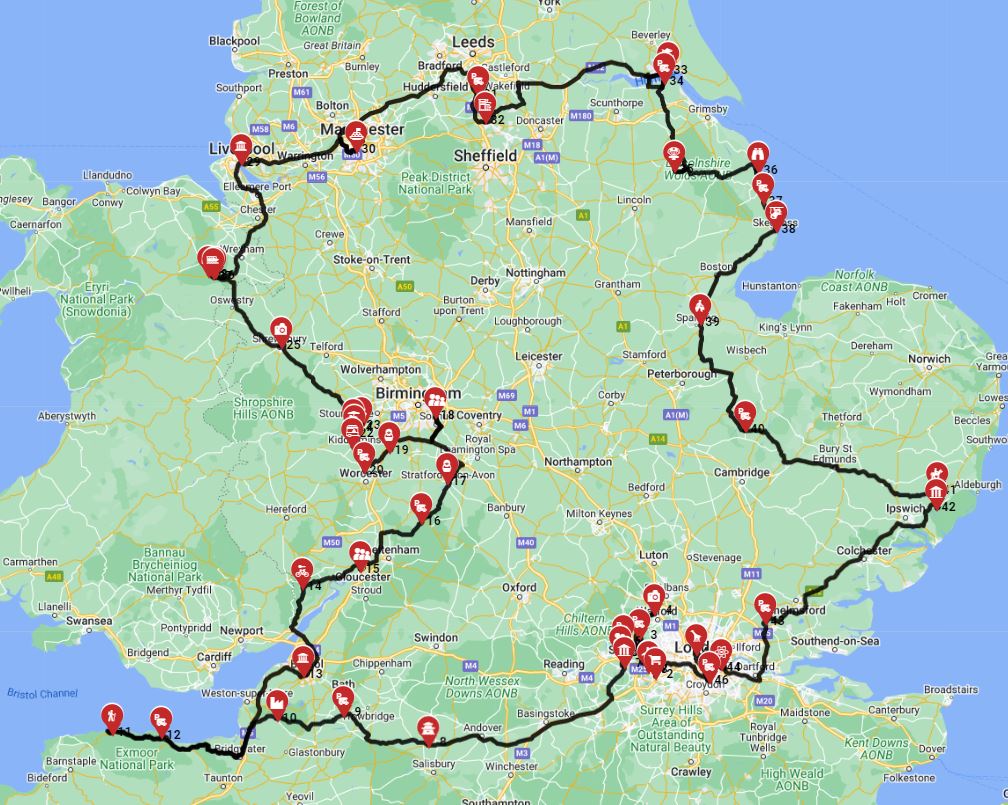
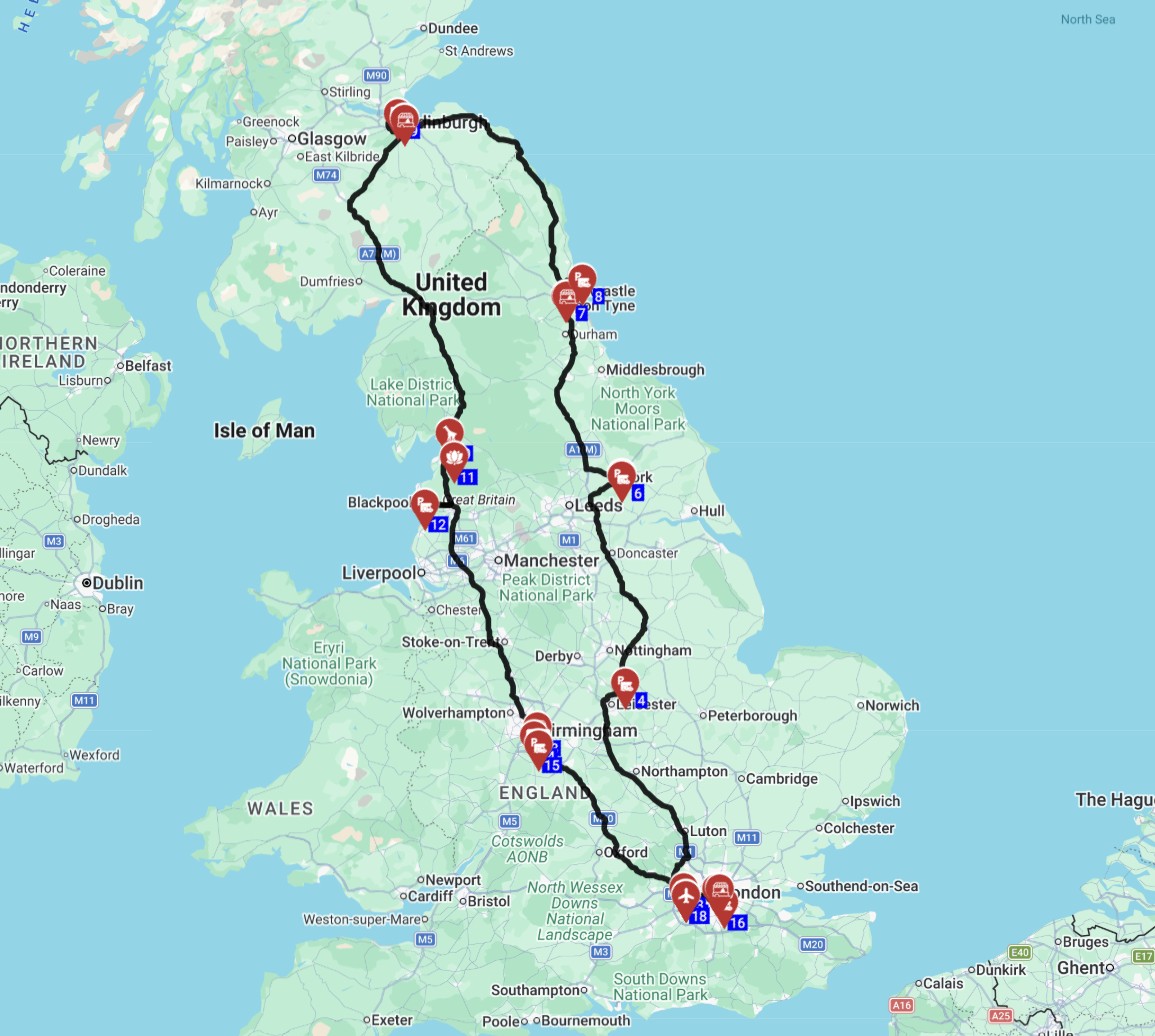
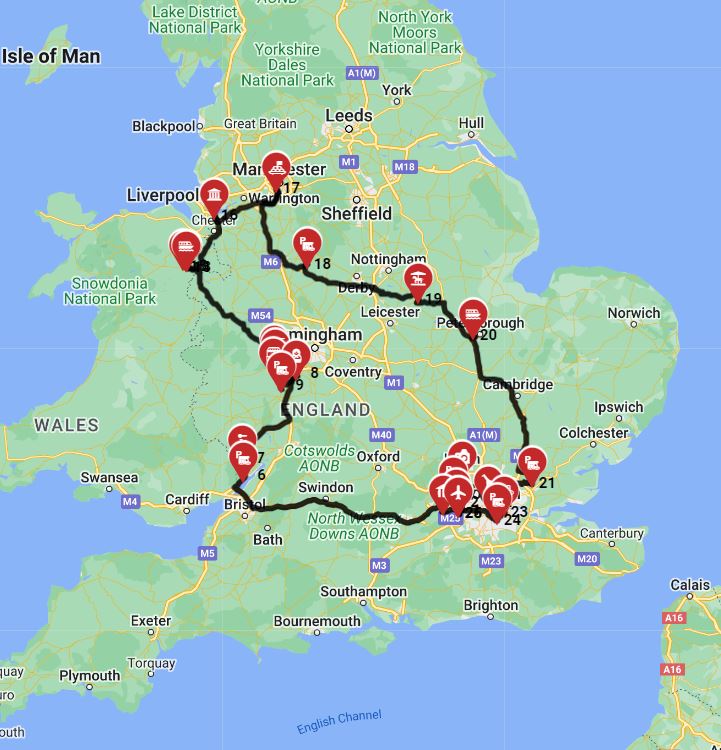
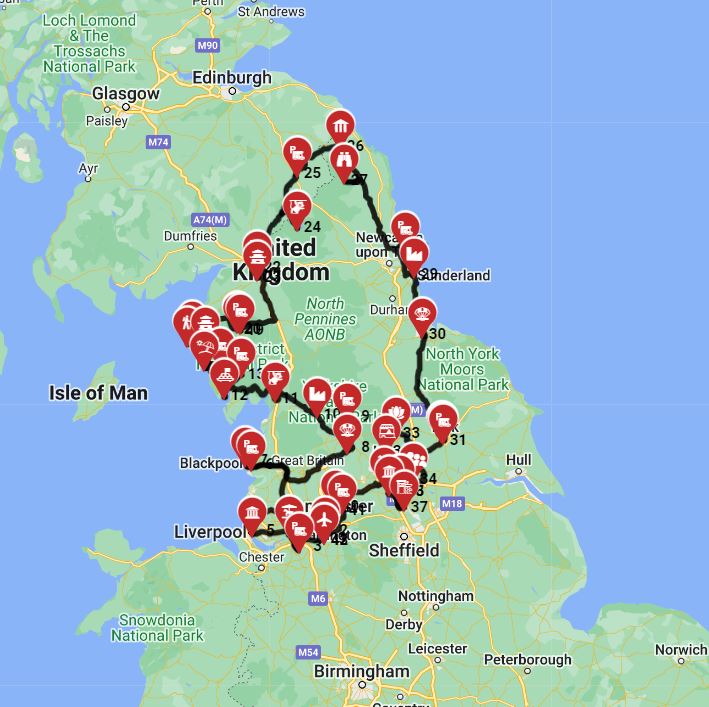
The vast majority of RVs available for rental in England operate on diesel fuel, which is readily available at petrol stations nationwide. For budgeting purposes, consider that a typical Class SI - Semi-integrated RV, averaging 6.9m in length and accommodating 3-4 people, consumes approximately 10–11 Liters per 100 km. Smaller Class B - Camper Vans, averaging 5.8m, are more fuel-efficient, using around 8-10 Liters/100 km. On the routes offered through RV PLANET routes, you can itemize and track every expense along the way for easy budgeting.
Fuel prices fluctuate, but budgeting around £1.60-£1.75 per liter for diesel in 2026 provides a reasonable estimate. This translates to roughly £16-£20 in fuel costs per 100 km for an average RV journey. Some rental agreements may include fuel discount cards or offer pre-paid fuel options, which can help manage these costs more effectively.
Tolls, Vignettes & Border Rules
England does not employ a national vignette system for road use. Instead, tolls are applied selectively to specific roads, bridges, and tunnels to fund their maintenance and operation. Key tolled routes include the M6 Toll in the Midlands and the Dartford Crossing, which handles traffic on the M25 east of London. The Dartford Crossing utilizes an online payment system known as 'Dart Charge,' which requires pre-payment or payment within a specified timeframe after crossing to avoid penalties.
Other tolls may apply to specific bridges or tunnels throughout the country, such as the Mersey Gateway Bridge in the Northwest. These typically require online or app-based payment. It is advisable for drivers to research their intended routes for potential tolls in advance. Some rental RVs may come equipped with pre-purchased toll passes or have arrangements to simplify payment and avoid fines. When driving an RV solely within England, there are no internal border rules to consider.
Driving Tips for pet friendly rv rental Travelers
When navigating England's roads in a rented RV, always remember to drive on the left-hand side of the road and approach roundabouts in a clockwise direction. Pay close attention to lane markings, especially when exiting junctions, as they can be less intuitive than in some other countries. For popular city explorations, consider using 'Park and Ride' facilities located on the outskirts. This strategy helps avoid urban congestion, difficult parking, and potential charges from environmental zones.
Plan for regular stops every 2-3 hours to allow your pets to stretch their legs, hydrate, and relieve themselves. Choose pet-friendly rest areas or quiet rural laybys for these breaks. Utilize a GPS system specifically programmed with RV dimensions to help you avoid low bridges, narrow roads, and weight-restricted routes. Familiarize yourself with typical speed limits: 30 mph in urban areas, 60 mph on single carriageways, and 70 mph on dual carriageways and motorways for most RVs.
Recommended RV Class for England Roads
For navigating England's varied road network, a Class B - Camper Van or a Class SI - Semi-integrated RV is generally recommended for a comfortable and pet-friendly travel experience. Bandana's global fleet data indicates that Class B Camper Vans, averaging 5.8 meters in length, offer excellent maneuverability for narrow country lanes and easier parking in towns, making them suitable for couples and a pet.
Class SI Semi-integrated RVs, averaging 6.9 meters in length, provide a good balance of interior space and manageability, comfortably accommodating 3-4 adults and pets without being overly cumbersome. These vehicles generally offer sufficient living space and load capacity, such as the Class SI averaging 72.2 kg, ensuring you have ample room for pet supplies and personal items. Their moderate size makes them suitable for most campsites and attractions, promising a smoother journey with your furry companions.
Should I Choose a Compact Van Instead of a Large RV in England?
Opting for a compact van, like a Class B Camper Van, can offer distinct advantages when navigating very tight historic village centers or extremely narrow country lanes, providing greater agility and simpler parking solutions. However, for many popular routes and a more comfortable overall pet-friendly experience, a slightly larger RV—such as a Semi-integrated or Alcove model—often provides superior indoor living space and amenities.
This added comfort can significantly enhance your enjoyment on longer trips, particularly when traveling with pets who need more room to move. While compact vans excel in niche, challenging scenarios, England's primary road network and most campsites are well-equipped to accommodate larger RVs without major issues. The ultimate decision often hinges on balancing ultimate maneuverability in specific situations against the desire for more expansive living comfort, especially when considering space for pet crates, beds, and general movement during less favorable weather conditions.
Can I Park Anywhere? Free & Wild Camping Rules in England
In England, the practice of 'wild camping' or overnight RV parking on public land is generally not permitted without explicit permission from the landowner or the relevant local authority. The most reliable and legally compliant options for overnight stays are designated campsites. These range from large commercial holiday parks to smaller 'Certified Sites' (CS) or 'Certificated Locations' (CL) managed by organizations like the Camping and Caravanning Club or the Caravan and Motorhome Club.
An excellent alternative is 'Brit Stops,' a voluntary scheme that allows free overnight parking for self-contained RVs at hundreds of participating pubs, farm shops, and vineyards across the UK. This typically involves a reciprocal agreement to patronize the establishment, offering a legal, pet-friendly, and often more authentic experience. While roadside laybys are suitable for short breaks, they are rarely designated or legally permissible for overnight parking and could result in fines.
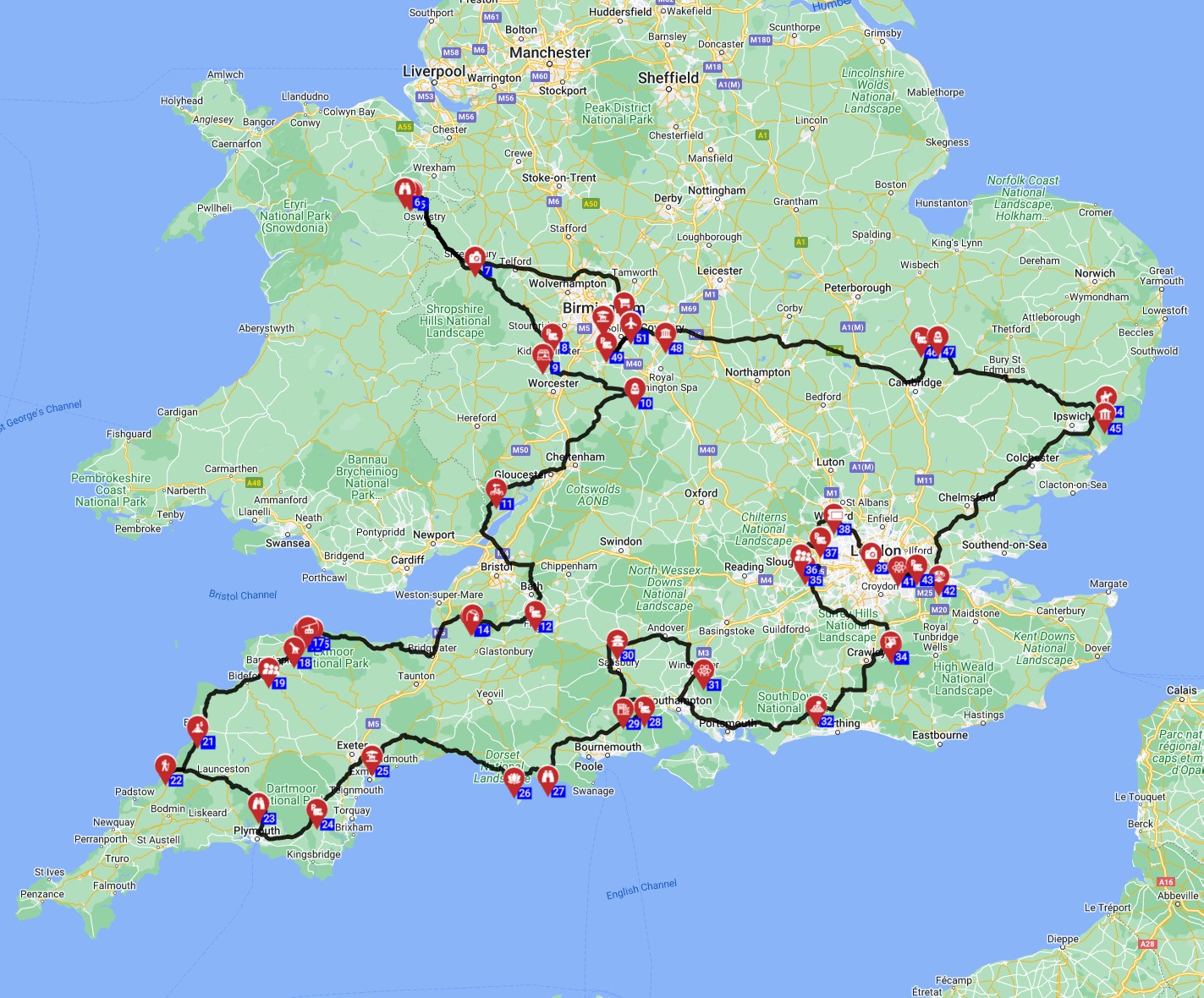
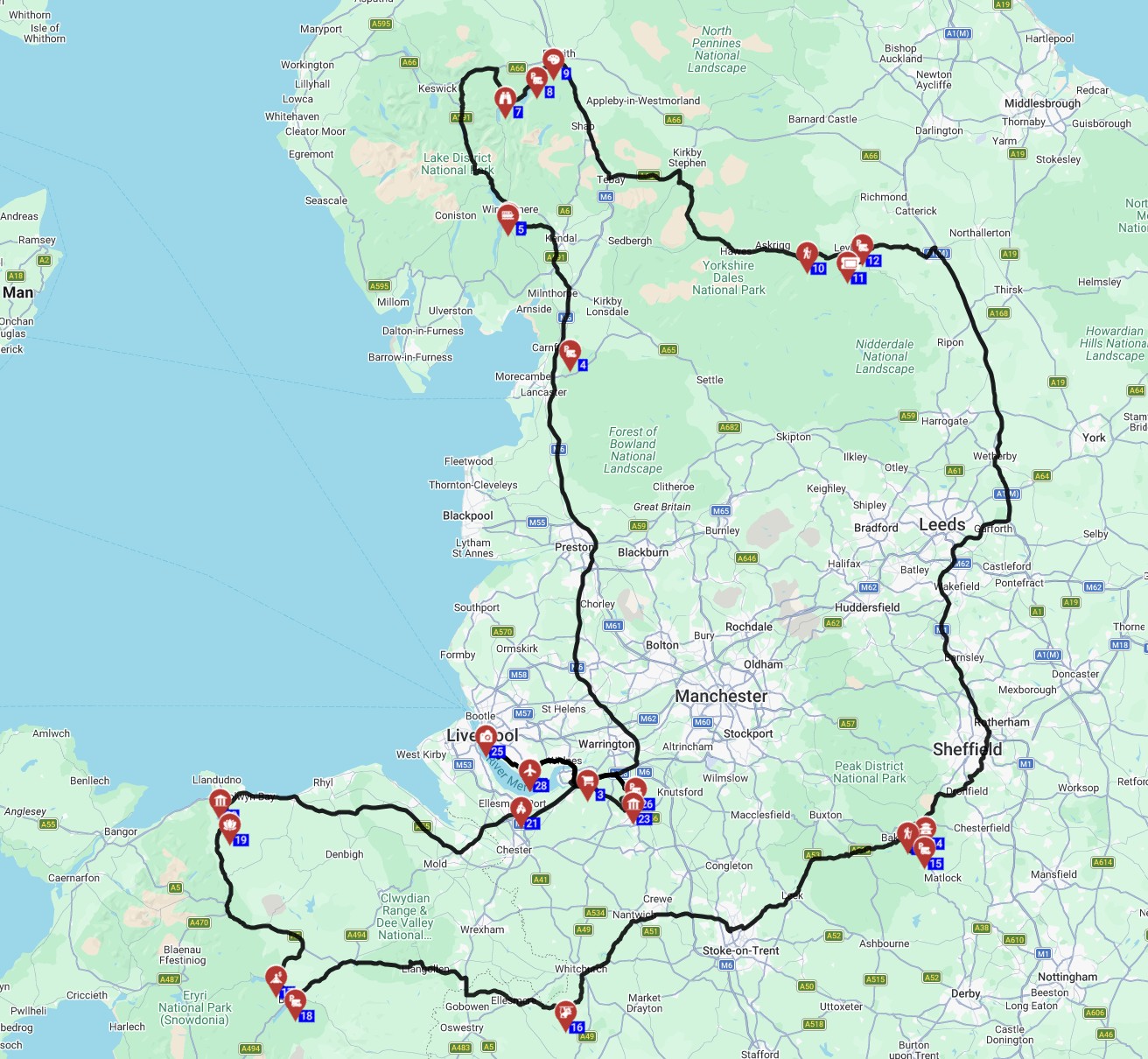
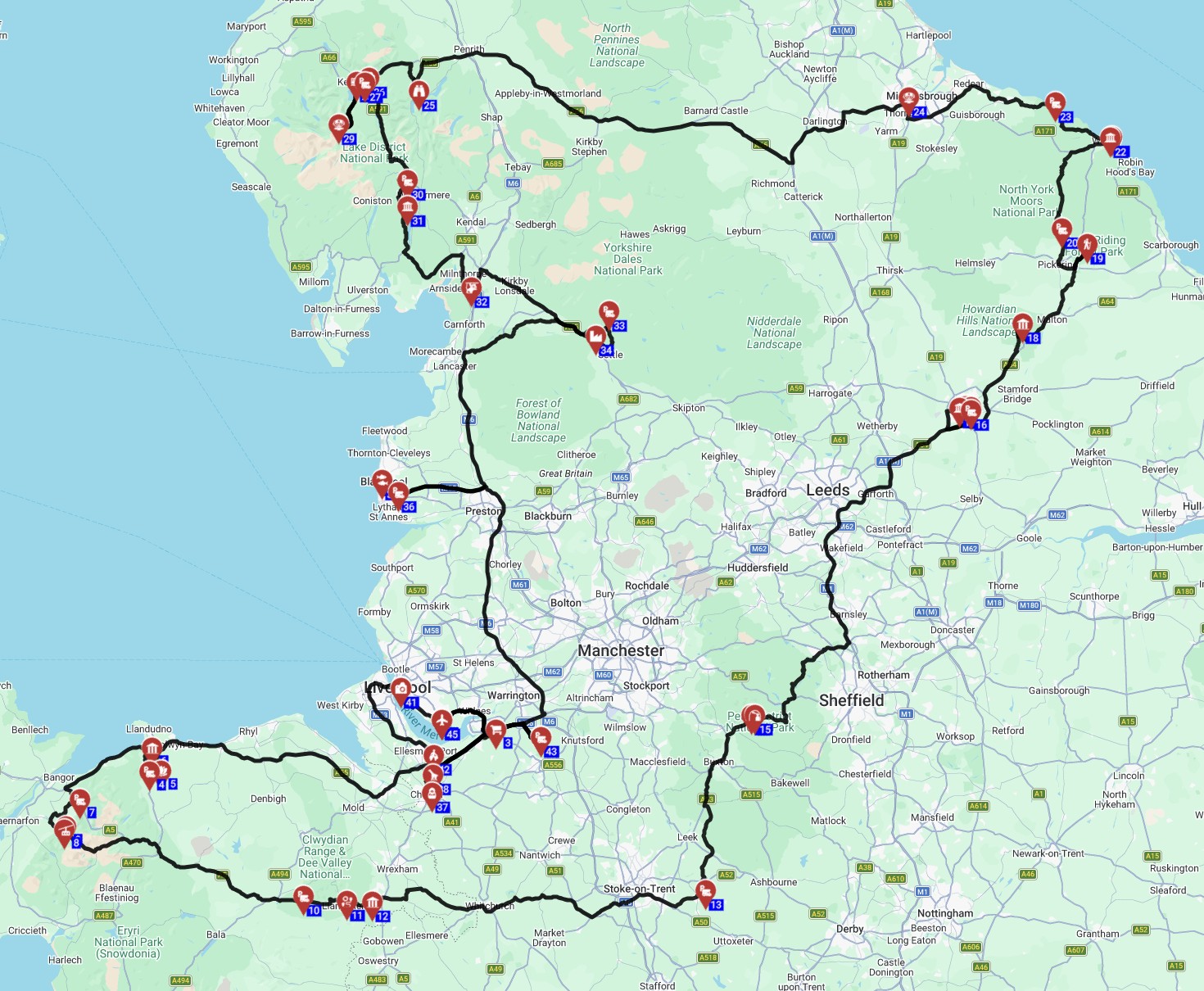
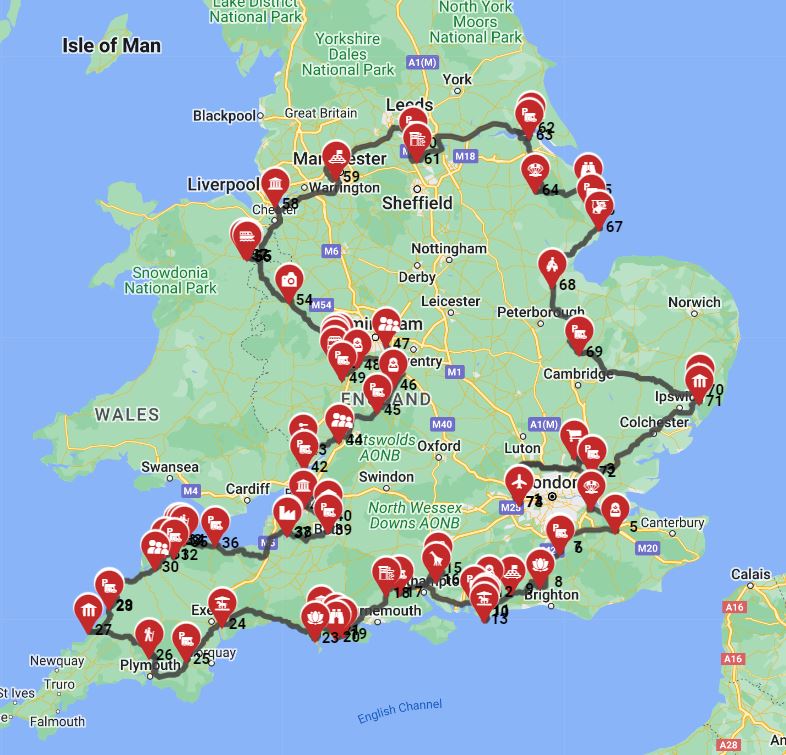
It's always best to research local regulations and secure explicit permission or utilize designated sites to ensure compliance and safety. For finding campsites and campgrounds during your trip, we recommend using RV PLANET — a great resource for locating available spots along your route.
Can I Drive an RV Into the City Center? Heights, Tunnels & Local Signage
While it is generally possible to drive an RV into most city centers in England, it is often advisable to utilize 'Park and Ride' facilities situated on the outskirts. This approach helps bypass the high levels of congestion, narrow streets, and parking challenges commonly found in urban cores. Drivers must pay close attention to local signage, particularly for height restrictions on bridges and tunnels, weight limits, and environmental zones like the ULEZ or CAZ, which may incur charges.
Some historic city centers possess extremely tight, winding streets or pedestrianized zones that are simply unsuitable for larger vehicles, regardless of signage. It is always recommended to thoroughly research specific city regulations and access points before attempting to drive an RV into the center. Local parking apps and tourist information centers can provide invaluable guidance on the best routes and parking options.
Class SI - Semi-integrated for Pet-Friendly Travel in England
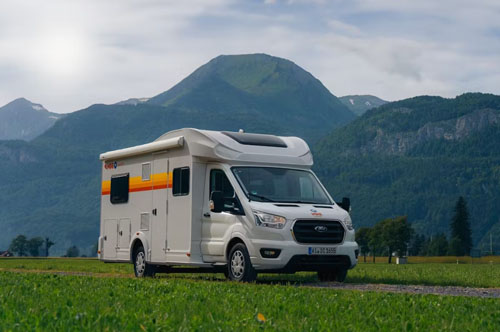
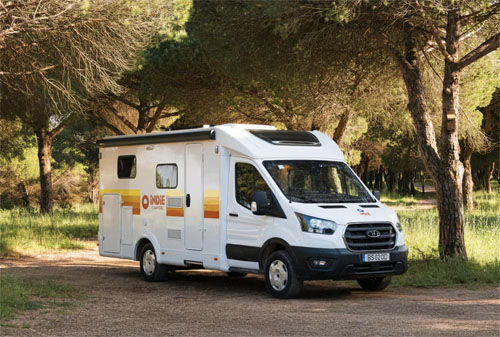
Semi-integrated RVs (Class SI) represent a popular and versatile choice for pet owners exploring England, providing a harmonious blend of driving comfort and interior living space. Bandana's global fleet data shows these RVs average 6.9 meters in length, typically sleeping 3.8 people and accommodating 3.4 adults, which translates to ample room for pets to relax and move around during longer journeys or periods of inclement weather.
With an average load capacity of 72.2 kg, there is sufficient space for essential pet supplies, including food, bedding, and toys, without causing overcrowding in the living area. The fuel consumption for Class SI models averages 10–11 Liters per 100 km, positioning them as a relatively economical option given their size and comprehensive amenities. Furthermore, the integrated design of the living and cab areas often creates a cohesive and open environment, allowing pets to feel like integral parts of the family's journey at all times.
Class C - Alcove for Family and Pet Adventures in England
Alcove RVs (Class C) are an excellent selection for families embarking on adventures in England with their pets, offering the most generous living and sleeping accommodations. Bandana's global fleet data indicates an average length of 7.5 meters for this class, providing ample space ideal for larger families or those traveling with multiple pets requiring extra room.
The distinctive 'alcove' section above the cab serves as an additional dedicated sleeping area, which effectively frees up communal living space for both pets and human activities. While larger, their average fuel consumption of 10–12 Liters per 100 km is comparable to semi-integrated models, offering good value for the extensive space provided. The expansive interiors of these RVs easily accommodate larger pet crates and multiple pet beds, allowing for greater freedom of movement and ensuring comfort for all companions on the road.
Class B - Camper Van for Agile Pet-Friendly Explorations
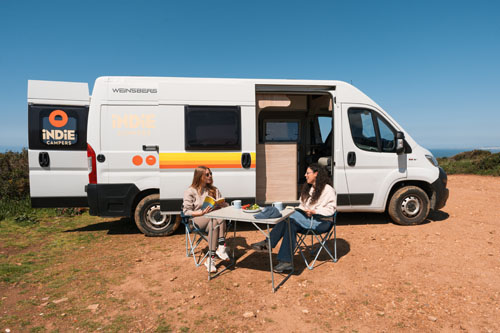
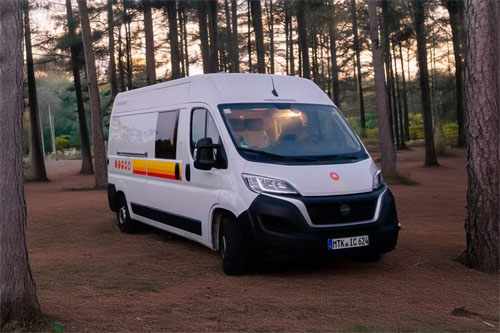
Camper Vans (Class B) are highly recommended for agile, pet-friendly explorations across England, particularly suited for couples or small families. Bandana's global fleet data shows these compact RVs average a highly manageable 5.8 meters in length, offering a cozy yet highly functional space that is perfect for navigating narrow country lanes and urban areas with exceptional ease.
Boasting the best fuel efficiency among RV classes, averaging 8-10 Liters per 100 km, these vehicles are both economical for extensive touring and capable of accessing more remote or congested locations. Their smaller footprint simplifies parking in towns and at attractions, often allowing them to blend in more seamlessly than larger motorhomes. Careful planning ensures that pets have a comfortable, designated spot, typically requiring a smaller crate or a floor-level bed, making them ideal for intimate, adventurous journeys.
Class A - Integrated for Luxury Pet Travel in England
Integrated RVs (Class A) present a luxurious and spacious option for pet owners seeking premium comfort during their English adventures. Bandana's global fleet data indicates an average length of 7.5 meters for this class, providing extensive living areas and generous storage, which is particularly ideal for larger pets or multiple animal companions requiring ample space.
The panoramic windshield offers excellent, sweeping views for both human and animal passengers, significantly enhancing the scenic journey experience. Fuel consumption averages 8-11 Liters per 100 km, which is competitive for their size and amenities, although overall trip costs will naturally be higher due to the premium nature of the vehicle. Class A RVs are best suited for open motorways and dedicated, larger campsites, offering unparalleled comfort and a sophisticated base for indulgent, pet-inclusive road trips.
Class TC - Truck Camper for Robust Pet-Friendly Adventures
Truck Campers (Class TC) offer a robust and versatile option for adventurous pet owners, expertly combining the inherent flexibility of a truck with a self-contained living unit. Bandana's global fleet data shows these units averaging 5.5 meters in length (when mounted on a truck base), typically sleeping 2.4 and accommodating 2.1 adults, making them perfectly suited for couples or small groups aiming for off-the-beaten-path experiences with their furry friends.
Their inherent durability, coupled with the potential for enhanced off-road capability depending on the truck base, can open up access to more secluded and natural pet-friendly areas across England. Fuel consumption averages are higher, typically ranging from 12–17 Liters per 100 km, reflecting the combined weight and aerodynamic profile of the truck and camper configuration. While the living space is compact, it provides a unique, elevated perspective and the distinct convenience of being able to detach the camper, effectively offering a versatile basecamp for all your pet-inclusive excursions.
What Are the Full Costs of a Pet-Friendly RV Rental Trip in England?
The comprehensive cost of a pet-friendly RV trip in England extends beyond the rental fee to encompass various other essential expenses. These include fuel, campsite fees, which typically range from £25-£50 per night (with potential extra charges for pets at some sites), and assorted road charges. Budget for fuel consumption averaging 10-12 Liters per 100 km, with diesel prices approximated at £1.60-£1.75 per liter in 2026, translating to approximately £16-£20 per 100km in driving costs alone.
Don't overlook road tolls, such as the M6 Toll or Dartford Crossing, and potential charges for environmental zones like London's ULEZ or other city CAZs, which are particularly relevant for older or larger RVs. Insurance considerations are also vital, covering comprehensive protection, collision damage waivers, excess reduction options, and specific policies for pet-related damage or incidents, all of which can add to the overall rental cost. Additional costs to anticipate may include propane refills, parking fees at attractions, laundry facilities, unexpected maintenance, and the purchase of specific pet supplies while on the road.
For travelers keen on meticulous financial planning, utilizing RV PLANET routes allows for detailed expense itemization and tracking throughout the journey, making budgeting straightforward.
How Can I Navigate Challenging British Roads with an RV?
Navigating Britain's characteristic roads with an RV demands preparation and a cautious approach, especially considering the left-hand driving, the prevalence of narrow country lanes, and complex roundabout systems. It is highly recommended to first familiarize yourself with left-hand driving in quieter areas before venturing onto major routes. Always maintain your position in the left lane and make frequent checks of your mirrors for approaching vehicles.
On narrow country lanes, be prepared to utilize passing places, reduce your speed significantly, and remain vigilant for oncoming traffic around blind bends; employing your horn as a warning can be beneficial. Mastering roundabouts involves knowing your intended exit well in advance and positioning your RV correctly; larger vehicles may need to straddle lanes to safely negotiate tighter junctions. For city access, prioritize 'Park and Ride' facilities on the outskirts, then utilize public transport to avoid the complexities of driving and parking a large vehicle in congested city centers.
What Are the Best Overnight Parking Options for RVs in England?
The most reliable and legally compliant overnight parking options for RVs in England are undoubtedly dedicated campsites, which provide essential facilities like electric hook-ups, fresh water, and waste disposal points (often called 'elsan points'). Many of these sites are explicitly pet-friendly. For a unique experience, consider joining 'Brit Stops,' a popular scheme offering free overnight parking at hundreds of participating pubs, farm shops, and vineyards across the UK, usually in exchange for patronizing the establishment.
For a more intimate and serene camping experience, the Camping and Caravanning Club's 'Certified Sites' (CS) and the Caravan and Motorhome Club's 'Certified Locations' (CL) are excellent choices. These are small, often rural, private sites accommodating a maximum of five RVs, providing a peaceful retreat away from larger commercial parks. While roadside laybys are convenient for short breaks, they are generally not suitable or legal for overnight parking, and always seek explicit permission from private landowners before parking on their property. Legal 'wild camping' for RVs in England is extremely limited, so designated sites and schemes like Brit Stops are the safest and most practical choices.
How Can I Experience Local Culture on an RV Trip in England?
To truly immerse yourself in England's local culture during an RV trip, venture beyond the typical tourist attractions and seek out regional markets, village fetes, and community events. Discover authentic culinary experiences by visiting farm shops, independent bakeries, and traditional pubs, where you can sample local produce, artisanal goods, and classic British fare.
Engaging with locals in traditional pubs, which often serve as community hubs, can offer invaluable insights into regional life and provide opportunities to enjoy local ales and ciders. Utilize local tourist information centers and don't hesitate to ask campsite owners or pub landlords for recommendations on hidden gems and unique, lesser-known attractions not typically found in standard guidebooks. Attending events such as folk music sessions, country shows, or historical re-enactments can offer a deeper understanding of British heritage and local customs, often found in smaller towns and villages.
What Are the Practicalities of RV Life on the Road in England?
Key practicalities for RV life in England revolve around managing water and waste efficiently. Fresh water filling stations and grey/black water disposal points (elsan points) are standard amenities at most campsites. Laundry facilities are commonly available at larger campsites, or you can find convenient laundromats in most towns and cities for washing clothes.
Internet access can vary; while many campsites offer Wi-Fi (sometimes for a fee), a portable Wi-Fi device or a robust mobile data plan with a local SIM card is highly recommended for consistent connectivity. Essential vehicle preparation involves regularly checking tire pressure, fluid levels, and ensuring you have the correct adapters for UK electrical hook-ups, which typically utilize a blue CEE form plug for campsite connections. Finally, prepare for England's often unpredictable weather by ensuring your RV's heating system is functional and packing versatile clothing layers, waterproofs, and sturdy footwear suitable for all seasons.
When Is the Best Time to Rent a Pet-Friendly RV in England?
The optimal time to rent a pet-friendly RV in England largely depends on your preferences, but the shoulder seasons—late spring (April-May) and early autumn (September-October)—typically offer the most balanced and pleasant experience. These periods generally provide milder weather, fewer crowds at popular attractions and campsites, and often lower rental prices compared to the peak summer months.
Summer (June-August) offers the warmest weather and the longest daylight hours, which is ideal for outdoor activities. However, this also corresponds to higher demand for RVs and campsites, more crowded locations, and potentially stricter pet policies at certain venues. Winter (November-March) can present challenges due to colder temperatures, shorter days, and the closure of some attractions or campsites, but it can also offer a unique, cozy experience for those prepared for the elements and seeking quieter travel. Remember to consider regional variations, as the South West generally experiences milder weather, while areas like the Lake District or Northumberland might encounter more rain and cooler temperatures throughout the year.
Which RV Size is Best for Exploring England's Roads?
For comprehensively exploring England's diverse road network, a smaller to medium-sized RV, such as a Class B Camper Van (averaging 5.8 meters) or a Class SI Semi-integrated (averaging 6.9 meters), generally offers the best balance of maneuverability and onboard comfort. These sizes are particularly adept at navigating England's characteristic narrow country lanes, tight village streets, and often congested urban areas, contributing to a less stressful driving experience.
Larger motorhomes, like a Class C Alcove (averaging 7.5 meters) or a Class A Integrated (also averaging 7.5 meters), provide significantly more living space and amenities. This is ideal for families or longer trips with pets, but may necessitate more careful route planning to avoid potential restrictions. Parking availability is notably better for smaller RVs, especially in popular tourist towns or smaller villages where larger vehicles can struggle to find suitable spots. Ultimately, the best RV size choice depends on your group size, desired comfort level, and your confidence in driving a larger vehicle; always cross-reference vehicle dimensions against potential route restrictions.
What Are the Rules for Traveling with Pets in an RV in England?
Traveling with pets in an RV within England for domestic journeys primarily involves adhering to general animal welfare laws, ensuring your pet is safe, secure, and well-behaved throughout the trip. Most RV rental companies in England are pet-friendly, although many will levy an additional cleaning fee. It is imperative to confirm their specific pet policy, including any breed or size restrictions, before finalizing your booking.
A significant number of campsites across England welcome pets, but it is essential to book in advance and clarify their specific rules, which may include leash requirements, designated exercise areas, or limits on the number of pets allowed per pitch. Many pubs, cafes, and outdoor attractions in England are also dog-friendly, particularly in rural areas; always look for 'dogs welcome' signage or check online resources ahead of your visit. For a smooth journey, ensure your pet has its bed, familiar toys, food/water bowls, up-to-date vaccination records, and plan for regular breaks to accommodate their exercise and toileting needs.
What You Shouldn't Miss
- Explore the historic charm of the Cotswolds by RV, stopping at picturesque villages like Bibury and Bourton-on-the-Water.
- Drive a scenic route along the Jurassic Coast in Dorset, a UNESCO World Heritage site, with stunning coastal views perfect for RV exploration.
- Visit the Lake District National Park, where you can find numerous pet-friendly campsites and enjoy hikes with your dog amidst breathtaking scenery.
- Experience the grandeur of national parks like the Peak District or Yorkshire Dales, offering ample space for pets to roam and RV-friendly routes.
- Take a coastal drive through Cornwall, with its dramatic cliffs and charming seaside towns, many of which welcome RVs and pets.
- Discover ancient history with an RV trip to Stonehenge or Hadrian's Wall, easily accessible via motorways and country roads.
Final Thoughts
Embarking on an RV adventure in England offers an unparalleled way to experience the country's diverse landscapes and rich cultural tapestry. From the historic streets of ancient cities to the serene beauty of national parks, a rented RV provides the freedom and flexibility to explore at your own pace, with your beloved pets by your side.
Remember to plan ahead, especially for popular routes and during peak seasons, but also embrace the spontaneous discoveries that RV travel allows. With the right preparation and a spirit of adventure, your pet-friendly RV journey through England promises to be an unforgettable experience. Get inspired for your next trip and discover top destinations and planning tips all in one place!