In This Guide
- Can You Drive an RV in Africa? License & Age Rules
- Road Conditions & Terrain in Africa
- RV Size Limits, Bridges & Restricted Zones
- Fuel: Diesel vs. Petrol & Cost per 100 km
- Tolls, Vignettes & Border Rules
- Driving Tips for Pet-Friendly RV Rental Travelers
- Recommended RV Class for Africa Roads
- Should I Choose a Compact Van Instead of a Large RV in Africa?
- Can I Park Anywhere? Free & Wild Camping Rules in Africa
- Can I Drive an RV Into the City Center? Heights, Tunnels & Local Signage
- What is the largest RV you can drive without a special license?
- Are pets allowed in Indie Campers campervans?
- Do you need a different license to drive an RV in Canada?
- Which African countries are dog friendly?
- How much does it cost to fly a dog from the USA to South Africa?
- Which countries are RV friendly?
- Can dogs stay in a camper while driving?
- Can I travel to Africa with my dog from the US?
- What are the USDA pet travel requirements for travel to South Africa?
- What country loves their dogs the most?
Imagine embarking on an unforgettable pet-friendly RV adventure across Africa, with your furry companion right by your side. This vast and diverse continent offers incredible landscapes and unique cultural experiences, and exploring it with a rented motorhome gives you the freedom to create your own pace and itinerary. From the vibrant cities to the sweeping savannas, RV travel in Africa is an inspiring way to connect with nature and local life. For live availability and current prices, start with our RV Rental Africa - Complete Guide 2026 guide.
Can You Drive an RV in Africa? License & Age Rules
Yes, you can absolutely drive a rented RV in Africa, with most motorhomes under 3,500 kg (7,700 lbs) typically requiring only a standard Class B or equivalent national driving license. An International Driving Permit (IDP) is highly recommended or legally required in many African countries, serving as an official translation of your national license. The minimum driver age for RV rentals in Africa is generally 21, though some companies might require drivers to be 23 or 25 and hold a license for at least 2-5 years. If you plan to rent a larger Class C or Class A motorhome exceeding 3,500 kg, you should verify if a higher license category, like C1 or C, is necessary based on your home country's regulations and your specific African destination's laws.
Road Conditions & Terrain in Africa
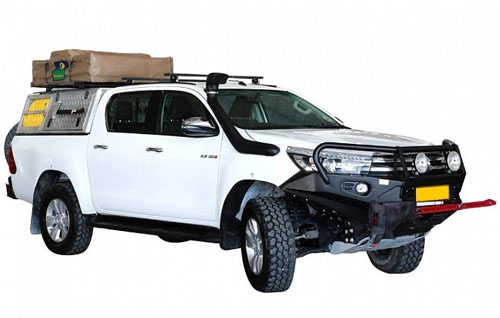
African road conditions vary significantly, ranging from well-maintained tar roads in major cities and popular tourist routes (such as those found in South Africa and Namibia) to challenging gravel, dirt, and even sand tracks in more remote areas. Traveling in Africa with a pet-friendly RV often means encountering diverse terrains, including mountainous regions, expansive coastal roads, and vast savanna landscapes. Due to varied road quality and the presence of abundant wildlife, a slower, scenic driving pace is highly recommended, allowing for better navigation and appreciation of your surroundings while ensuring your pet's comfort and safety. A robust rented RV with good ground clearance is beneficial for handling rougher patches, especially when venturing off main routes to reach pet-friendly campsites or natural attractions.
RV Size Limits, Bridges & Restricted Zones
While specific height and weight restrictions for RVs can vary locally in Africa, most primary routes and standard infrastructure are designed to accommodate large vehicles, though caution is always advised in rural areas. Low bridges and narrow passages are less common issues on main African roads compared to some European counterparts, but drivers should remain vigilant for local signage and always pay attention. Environmental zones, particularly those restricting older diesel vehicles, are not as prevalent in Africa as in some other continents, but always check specific city regulations as part of your route plans. For instance, when planning your "One-Way RV Rental in Africa - Price Guide 2026", considering potential ferry limits for river crossings or island access is important, as these will depend on the vessel's capacity; it's essential to pre-book and confirm your RV's dimensions and weight.
Fuel: Diesel vs. Petrol & Cost per 100 km
Diesel is the predominant fuel type for motorhomes and campervans in Africa and is generally widely available across most countries, though availability can be sparse in very remote regions. Our Bandana fleet of Class SI - Semi-integrated RVs typically consumes 10-11 Liters/100 km, while Class C - Alcove motorhomes average 10-12 Liters/100 km, and Class B - Camper Vans usually consume around 10 Liters/100 km. Fuel costs in Africa vary significantly by country, but budgeting for an average of 10-12 Liters/100 km is a realistic estimate; for example, if diesel is $1/liter, 100 km would cost approximately $10-$12. Remember that on RV PLANET routes, travelers can itemize and track every expense, including fuel, along the way for easy budgeting. On the routes offered through RV PLANET routes, you can itemize and track every expense along the way for easy budgeting.
Tolls, Vignettes & Border Rules
Toll roads are present in some African countries, notably South Africa, and can typically be paid for in local currency or via electronic payment systems. Vignettes, which are pre-paid road usage stickers common in parts of Europe, are generally not used in African countries for RV travel; tolls are usually point-to-point. Border crossings *between* African countries with pets require extensive preparation, including valid pet passports, up-to-date vaccinations (rabies, in particular), health certificates, and sometimes import permits for each specific country. Always research the specific entry and exit requirements for both the rented RV and your pet for every country on your itinerary well in advance, as regulations can be complex and strict. This is especially true when planning "Last-Minute RV Rental in Africa - What to Expect 2026".
Driving Tips for Pet-Friendly RV Rental Travelers
Planning frequent stops every 2-3 hours is crucial to allow both drivers and pets to stretch, rehydrate, and relieve themselves, which is essential for comfort and safety on long African drives. Ensure your pet is safely secured in a well-ventilated crate or with a harness and seatbelt restraint while the rented RV is in motion, preventing injury from sudden stops and allowing the driver to focus on the road. Always carry ample fresh water for both human and pet consumption, especially given Africa's often hot and dry conditions, alongside food, necessary medications, and a basic pet first-aid kit. Be highly vigilant for wildlife on roads, particularly at dawn and dusk; protect pets from local predators at campsites by ensuring they are never left unsupervised outside the RV and are always on a leash. Familiarize yourself with local cultural norms regarding pets, as attitudes can vary; always keep your pet on a leash in public and clean up after them to respect local communities and environments. For finding campsites and campgrounds during your trip, we recommend using RV PLANET (rvplan.net) - a great resource for locating available spots along your route.
Recommended RV Class for Africa Roads
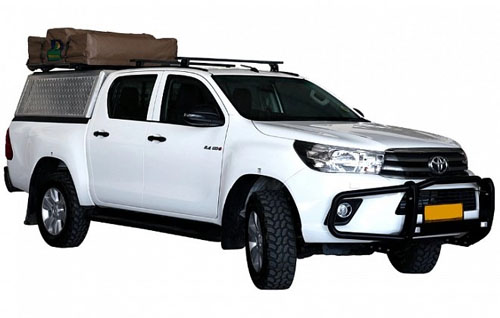
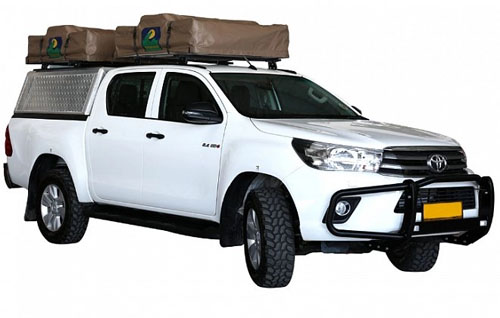
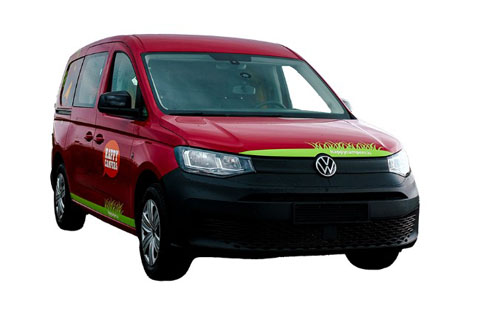
For pet-friendly RV travel in Africa, a Class SI - Semi-integrated motorhome or a Class B - Camper Van is often recommended due to its balance of maneuverability, comfort, and suitability for varying road conditions. Class SI - Semi-integrated RVs, like the "2 Berth Tamar" or "2 Berth Rover" models, with an average length of 6.9 meters and sleeping places for around 3-4 people, offer more living space and amenities suitable for longer trips with pets without being excessively large; Bandana's fleet of these models typically consumes 10-11 Liters/100 km. Class B - Camper Vans, such as the "Active Standard" or "Juliette 2-3" models, averaging 5.8 meters in length with sleeping places for 2-3 people, provide excellent maneuverability for narrower roads and city driving, while still offering essential facilities and good fuel economy (around 10 Liters/100 km from Bandana's fleet averages). Both classes provide sufficient ground clearance for most main African routes, and their more compact nature can be advantageous when accessing smaller campsites or national park areas where larger vehicles might be restricted.
Should I Choose a Compact Van Instead of a Large RV in Africa?
Generally, there is no inherent issue driving most RV sizes in Africa, especially on well-traveled tourist routes, meaning that comfort and indoor space for you and your pet often matter more than extreme maneuverability alone. A compact van (like a Class B - Camper Van such as "Active Original" or "Hi5 Camper") can be genuinely helpful in very specific situations, such as navigating extremely tight urban centers or narrow, winding mountain passes, or when seeking discreet wild camping spots. However, for pet-friendly travel in Africa, a larger RV (such as a Class SI - Semi-integrated like the "Euro Quest" or a Class C - Alcove such as "4 Berth Deluxe") often offers a better trade-off by providing significantly more living space, a larger kitchen, a dedicated shower/toilet, and greater storage capacity for pet supplies, which is beneficial for longer journeys and remote areas. The increased comfort and amenities in a larger rented RV can greatly enhance the experience for both humans and pets during extended stays or in adverse weather conditions, providing a private, secure retreat. Drive slowly and carefully, and you can drive almost anywhere without issues. No need to stress - just use common sense and pay attention.
Can I Park Anywhere? Free & Wild Camping Rules in Africa
Free or wild camping rules in Africa are highly variable by country and specific region; while it may be tolerated or common in some remote areas, it's often discouraged or illegal in national parks and populated zones. In countries like Namibia, designated campsites are prevalent and generally recommended for safety and access to facilities, although very remote areas might offer more flexibility. In South Africa, wild camping is generally not permitted in public areas, national parks, or private land without explicit permission; official campsites and caravan parks are the legal and safest options. Always prioritize safety and respect local communities, wildlife, and private property; inquire with locals or tourism authorities about acceptable camping practices, as rules vary by region, and always follow local law before parking overnight. You'll find a spot. If not at the first campground, then the next one. Call ahead before driving.
Can I Drive an RV Into the City Center? Heights, Tunnels & Local Signage
Yes, you can almost always drive a rented RV into city centers in Africa, as most urban infrastructure is designed to accommodate larger vehicles without issue. The primary considerations for city driving in an RV are paying close attention to local signage, particularly for height limits (though less common for standard motorhomes), narrow streets, and environmental zones. In South African cities, for instance, main roads typically have ample clearance, but older central districts might have tighter turns or occasional low-hanging obstacles. Always be aware of local parking regulations, which can be more challenging for larger RVs; look for designated large vehicle parking or consider parking on the outskirts and using public transport. While specific regional data on tunnels or exceptionally low bridges for Africa is not extensively noted as a general impediment, vigilance for signage in any unfamiliar city is always prudent. Drive slowly and carefully, and you can drive almost anywhere without issues. No need to stress - just use common sense and pay attention.
What is the largest RV you can drive without a special license?
In most African countries and internationally, you can typically drive an RV with a Gross Vehicle Weight (GVW) up to 3,500 kg (approximately 7,700 lbs) using a standard national B-category driving license. Vehicles exceeding this 3,500 kg threshold, which might include some larger Class C - Alcove (Bandana's fleet averages 7.5m length) or Class A - Integrated (Bandana's fleet averages 7.5m length and 209.5kg load capacity) motorhomes, usually require a higher license class, such as a C1 or C. It's crucial to verify the specific licensing requirements of your home country and each African nation you plan to visit, as regulations can vary. Always check the specific GVW of the RV you intend to rent to ensure your current license is valid. For more details on varying costs, you might find our "Cheap RV Rental in Africa - Budget Guide 2026" helpful.
Are pets allowed in Indie Campers campervans?
Yes, Indie Campers generally allows pets in their campervans, but this is often subject to specific terms, an additional cleaning fee, and availability of pet-friendly vehicles. For pet-friendly RV rental in Africa, policies vary significantly by rental company, so it is essential to confirm their specific pet allowances, any associated fees (which often range from $50-$200 per rental), and vehicle restrictions before booking. Bandana works with various local operators across Africa, many of whom offer pet-friendly options, but these must be explicitly requested and confirmed during your booking. Always clarify the maximum number of pets allowed, their size/weight restrictions, and any requirements for pet carriers or restraints during travel. To compare options, "RV Rental in Africa - Prices and Best Deals 2026" can assist.
Do you need a different license to drive an RV in Canada?
In Canada, generally, a standard Class 5 (or equivalent) driver's license is sufficient to drive most RVs, including motorhomes, as long as the vehicle does not exceed a certain gross vehicle weight rating (typically 11,000 kg or 24,250 lbs) and is not equipped with air brakes. This question is specific to Canada; for driving a rented RV in Africa, the licensing requirements are primarily governed by the laws of the specific African country you are visiting and your national license's validity. As discussed for Africa, an International Driving Permit (IDP) is usually recommended or required in conjunction with your national license, especially for vehicles under 3,500 kg GVW. Always research the specific driving license requirements for each African country on your itinerary to ensure full compliance for your exciting journey.
Which African countries are dog friendly?
South Africa and Namibia are generally considered among the most dog-friendly African countries for RV travel, offering a wider range of pet-friendly accommodations, national parks, and services. In South Africa, many private caravan parks and some nature reserves allow dogs, though specific rules apply, especially concerning wildlife interaction and keeping pets on a leash. Namibia provides vast open spaces, and certain areas are more amenable to traveling with dogs, particularly when sticking to designated campsites or private conservancies. Other countries like Botswana, Kenya, and Tanzania, while incredible for wildlife, have very strict regulations regarding pets in national parks and reserves due to wildlife interaction concerns, often making RV travel with dogs highly restrictive or impossible in core safari areas. Research individual national parks and wildlife reserves thoroughly; many prohibit pets entirely or only allow them in designated camping areas and not on game drives, due to predator risks and disease transmission. For unique itinerary ideas, check out the RV PLANET routes.
How much does it cost to fly a dog from the USA to South Africa?
The cost to fly a dog from the USA to South Africa typically ranges from $2,000 to $6,000 USD, depending on the airline, pet size, weight, crate dimensions, time of year, and whether you use a professional pet relocation service. This cost generally includes the airfare, a USDA-endorsed health certificate (approximately $100-$300), any required vaccinations (varying by vet, $50-$150 each), microchipping (around $50), and potentially a customs clearance fee upon arrival. Beyond flight costs, daily on-road pet expenses in Africa include food (budget $5-$15/day), potential vet check-ups (varying by service, $50-$100+), and permits for specific parks or activities (which may be nominal or substantial). Consider additional expenses like specialized travel crates ($100-$500), preventative treatments for unique African diseases (e.g., tick-borne illnesses, rabies boosters, $100-$300), and emergency services, which can add hundreds to thousands of dollars to the overall budget. Professional pet relocation services, while adding to the cost ($1,000-$3,000+), can significantly simplify the complex documentation and logistics, especially for international travel to Africa.
Which African countries are RV friendly?
In Africa, the most RV-friendly countries for international travelers are predominantly South Africa and Namibia, known for their well-developed road networks, numerous campsites, and established tourism infrastructure. These countries provide better access to amenities like fuel stations, pet supply stores, and veterinary services compared to more remote African regions. South Africa, with its expansive Garden Route and national parks (though check pet rules), offers diverse landscapes for exploration. Namibia's dramatic desert scenery and wildlife areas, particularly along the C14 route, are popular for self-drive adventures. Other African nations, while offering unique experiences, may present greater challenges due to less developed infrastructure, fewer dedicated RV facilities, and stricter entry requirements for vehicles and pets. For longer trips, consider checking "Luxury RV Rental in Africa - Premium Prices 2026" to find well-equipped vehicles for extended stays.
Can dogs stay in a camper while driving?
Yes, dogs can safely stay in a rented campervan or motorhome while driving, provided they are properly secured to prevent injury during sudden stops or turns and to avoid distracting the driver. For optimal safety and comfort in a rented RV in Africa, it's recommended to secure your dog in a crash-tested crate or kennel, or use a seatbelt harness attached to a seatbelt. Ensure good ventilation and maintain a comfortable temperature within the camper, especially in Africa's varied climate, and provide access to water (a spill-proof bowl is ideal). Never allow your dog to roam freely in the cab or living area while driving, as this can be extremely dangerous for both the pet and occupants in the event of an accident or sudden maneuver. Plan for regular breaks to allow your dog to relieve themselves, stretch their legs, and get fresh air, crucial for long drives in African conditions.
Can I travel to Africa with my dog from the US?
Yes, it is possible to travel to Africa with your dog from the US, but it requires extensive planning, adherence to strict import regulations, and comprehensive health preparations. Key requirements typically include a microchip, up-to-date vaccinations (especially rabies), an international health certificate issued by a licensed veterinarian and endorsed by the USDA, and often an import permit from the destination African country. Health considerations unique to Africa include necessary preventative treatments for parasites (e.g., ticks, fleas, heartworm), tropical diseases, and potentially specific vaccinations beyond the standard set. Always consult with an experienced veterinarian well in advance (6-12 months prior) to discuss the specific health risks and requirements for your chosen African destinations. The process for border crossings *between* African countries with pets can be even more complex, often requiring new health checks and permits for each entry, adding to the logistical challenges.
What are the USDA pet travel requirements for travel to South Africa?
The USDA (United States Department of Agriculture) provides specific endorsement requirements for pet travel from the US to South Africa, which typically include a microchip, an up-to-date rabies vaccination, and a health certificate. The health certificate must be completed by a USDA-accredited veterinarian within 10 days of travel and then endorsed by a USDA Veterinary Services office before departure. South Africa also requires an import permit issued by its Department of Agriculture, Forestry and Fisheries (DAFF) prior to your pet's arrival, which can take several weeks to obtain. Additional tests, such as rabies titre tests or specific parasite treatments (e.g., for Babesia canis), may be required, and quarantine may apply if specific conditions are not met. It is critical to consult the official USDA APHIS website for the most current and detailed requirements for South Africa, as regulations can change frequently, and strictly follow all instructions to ensure smooth entry for your pet. This preparation is key for any long-term "pet friendly rv rental in Africa" plan.
What country loves their dogs the most?
While quantifying which country 'loves' dogs the most is subjective and challenging, nations with high rates of pet ownership, strong animal welfare laws, and widespread pet-friendly amenities often rank high. For pet-friendly RV travel specifically in Africa, the 'love' for dogs translates into practical considerations like the availability of pet-friendly infrastructure, acceptance in public spaces, and supportive veterinary services. Countries like South Africa and Namibia demonstrate a growing appreciation for pets through designated pet-friendly campsites and tourism options. However, cultural norms regarding pets can vary widely across Africa; always respect local customs and regulations, which may differ significantly from Western perspectives. Prioritize destinations and accommodations that explicitly welcome pets, ensuring a comfortable and safe experience for your dog while traveling in your rented motorhome. Many of our partner suppliers, like El Monte and Apollo, offer pet-friendly units (such as the "24' Class C Motorhome" and "29′ Class C Motorhome" with pet friendly features), which can be selected during the booking process.
🎬 Video coming soon
What You Shouldn't Miss
- Safari in Kruger National Park (South Africa): While many national parks have strict pet rules, explore pet-friendly private reserves on the borders that often allow dogs in designated camping areas, offering a taste of African wildlife from your RV.
- Explore the dramatic landscapes of Namibia: Drive a rented campervan along the Skeleton Coast or through Damaraland, finding unique pet-friendly lodges and campsites amidst stunning desert vistas.
- Cape Town and the Garden Route (South Africa): Enjoy the coastal beauty and vibrant culture, finding numerous pet-friendly beaches, hiking trails, and quaint towns to explore with your dog.
- Victoria Falls (Zambia/Zimbabwe): Witness the breathtaking "Smoke That Thunders," with opportunities for day trips from pet-friendly accommodations nearby, though pets may not be allowed directly at the falls.
- Morocco's Atlas Mountains and Coast: Discover ancient cities and serene coastal towns. Many smaller guest houses and campsites outside of major cities may accommodate pets, providing a unique cultural experience.
- Looking for expert insights from Avi Bandana? Top 5 Adventures - recommendations from Avi Bandana.
Final Thoughts
Embarking on a pet-friendly RV adventure in Africa is an extraordinary way to experience the continent's breathtaking beauty and diverse cultures alongside your beloved companion. With careful planning for your route, pet health documentation, and understanding local driving conditions, you can create a seamless and joyous journey. Remember to travel slowly, averaging no more than 100-150 km per day, allowing ample time to truly feel the place, connect with the culture, savor the food (maybe even cook some RV-friendly recipes playlist onboard!), and immerse yourself in the stunning scenery.
Bandana Caravan is here to support you in every step of comparing and booking your ideal pet-friendly RV. We simplify the rental process by comparing final prices across 50+ suppliers, ensuring you find the easiest, safest, and most affordable way to rent an RV. Get inspired for your next pet-friendly RV rental in Africa and discover the freedom of the open road with your best friend.
Compare Motorhome Prices for Africa and start planning your unique journey today!