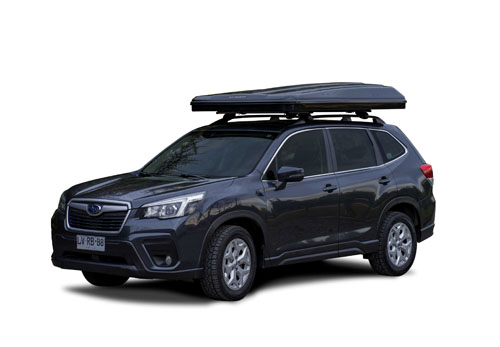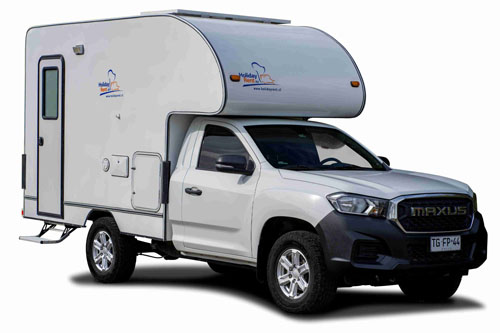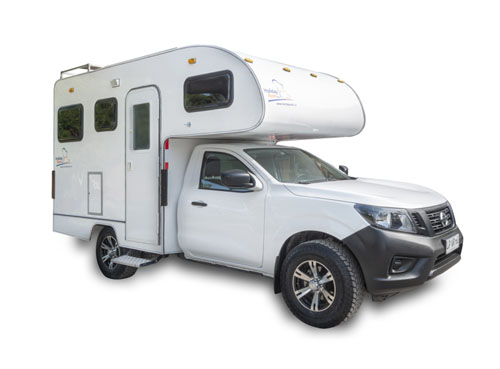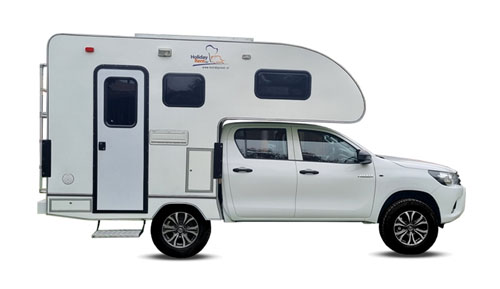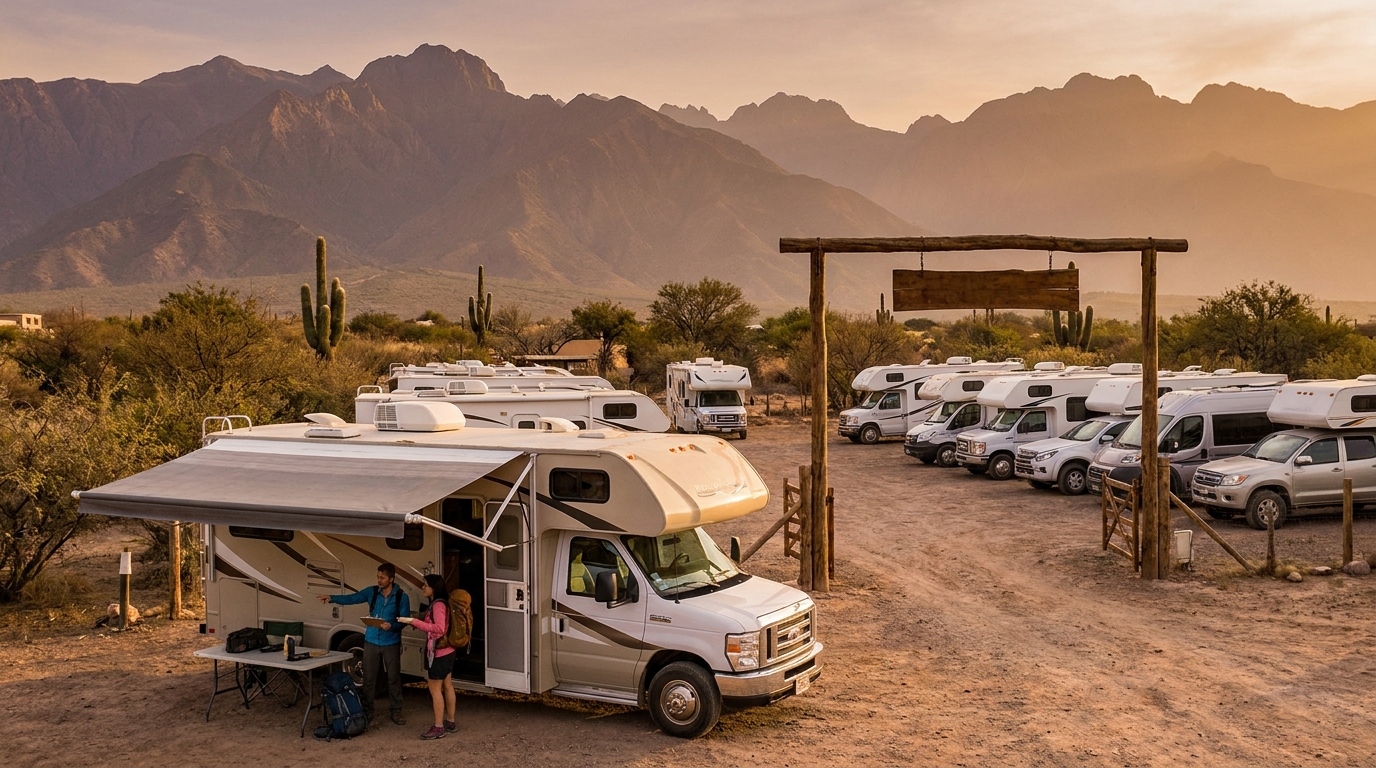
Exploring South America with your beloved pet in a rented RV offers an unparalleled sense of freedom and adventure. Imagine waking up to a Patagonian sunrise with your dog by your side, or hiking through Andean foothills with your loyal companion. This continent, with its vast and varied landscapes, is increasingly welcoming to pet travelers, making a pet-friendly RV rental in South America a dream come true for many. At Bandana RV, we understand that your pets are family, and we're here to help you navigate every aspect of planning your ultimate pet-friendly RV journey, from booking to the road.
For live availability and current prices, start with our RV Rental South America - Complete Guide 2026. We pride ourselves on full transparency, ensuring no hidden fees or surprises throughout your booking process. This commitment, combined with our 24/7 support for booking-related inquiries, makes us true RV specialists, dedicated to making your adventure seamless.
Where to Camp in South America - Top Options
Pet-friendly camping options across South America are diverse, ranging from rugged national park sites to amenity-rich private campgrounds, each with varying pet policies that require careful verification. Exploring national parks in Patagonia (Argentina/Chile) offers majestic views and rustic sites, though pet policies must always be checked in advance to ensure compliance. For example, some sections of Torres del Paine National Park in Chile may have restrictions on pets to protect wildlife. High-altitude camping experiences can be found in the Atacama Desert (Chile), often providing basic amenities in stunning, remote settings.
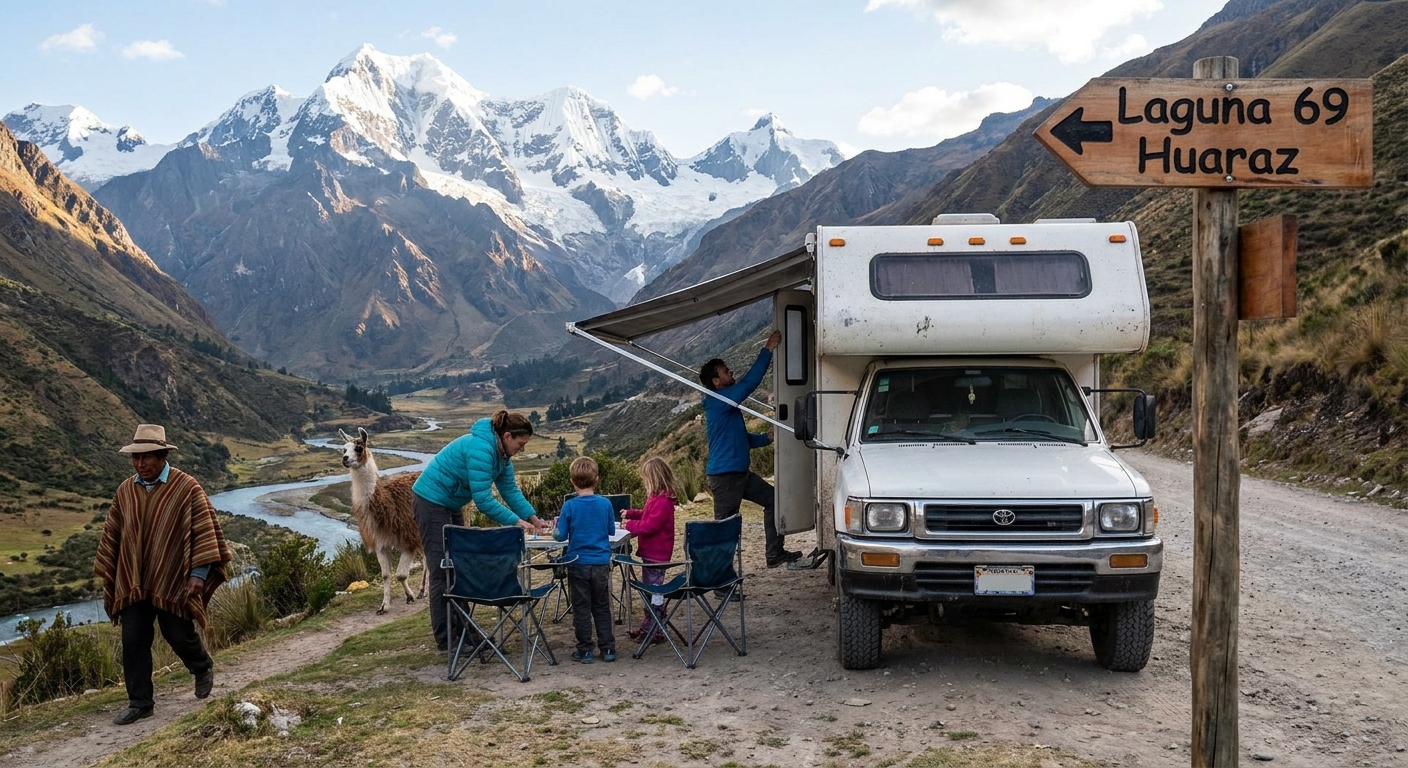
Consider the lush coffee regions of Colombia for unique hacienda-style camping; always verify pet-friendliness for specific locations, as these can be privately owned. We handle the details of comparing pet-friendly options, so you can focus on the journey itself. Whether you seek wild solitude or established facilities, South America delivers incredible settings for you and your pet.
Campground Types in South America (National, Private, Wild)
South America offers three primary types of campgrounds: national parks, private facilities, and wild camping spots, each presenting unique opportunities and considerations for pet owners. National park sites often provide basic facilities, may require prior booking (especially for pets due to wildlife protection), and have specific rules regarding pet leashing and waste disposal. Private campgrounds typically offer more amenities like electrical hookups, Wi-Fi, and sometimes better pet services, such as designated walking areas, but generally at a higher cost compared to public sites. Wild camping, also known as boondocking, is tolerated in many remote areas, but it requires self-sufficiency, strict adherence to local regulations, and careful consideration of safety, especially when traveling with pets.
When selecting your camping style, remember that planning is crucial, especially regarding services. Access to water, electricity, and waste disposal can vary significantly. RV PLANET (rvplan.net) offers 1,300+ pre-planned routes across 5 continents, making it a great resource for finding available spots and itemizing every expense along the way for easy budgeting, ensuring you know what to expect wherever you choose to stay. On the routes offered through RV PLANET routes, you can itemize and track every expense along the way for easy budgeting.
Featured RV Park or Campground in South America
When choosing a campground in South America for your pet-friendly RV adventure, prioritize parks that explicitly offer secure parking, essential amenities, and clearly stated pet-friendly policies, such as designated walking areas. Look for facilities with reliable 220V electric hookups, potable water access, and positive reviews from other RVers regarding pet accommodations and overall safety. A good featured park strikes a balance between accessibility to local attractions and sufficient space and comfort for both you and your animal companion.
For instance, some campgrounds near Mendoza, Argentina, cater to wine enthusiasts and their furry friends, providing spacious sites and easy access to walking trails. Similarly, parks along the coast of Uruguay are known for their relaxed attitudes towards pets on beaches. Remember to always confirm specific pet rules and available amenities directly with the campground before your arrival to avoid any surprises. Our dedicated customer support team is always available to help verify details and provide clarity for your pre-booking comparison.
Hookups & Amenities - What to Expect
When RVing with your pet in South America, expect 220V electricity in most countries; carrying various international adapters is essential as plug types can differ significantly by region. While water hookups are often available at established campgrounds, filtering or boiling potable water is highly recommended due to varying water quality. Dump stations are less ubiquitous than in North America or Europe, so planning your route to include towns with waste disposal facilities is a practical necessity for a comfortable pet-friendly trip.
Amenities such as Wi-Fi, laundry facilities, and hot showers are more reliably found in private or more developed campgrounds. National parks, while offering stunning natural beauty, may only provide very basic or no amenities beyond a designated parking spot. Many RVs available for rent, like the '24' Class C Motorhome' (which is pet-friendly), typically include a shower and toilet, ensuring some home comforts even in more rustic settings. Always verify what's included with your specific rented motorhome, such as kitchen equipment for preparing RV-friendly recipes playlist for you and your pet.
Booking Windows & Reservations in South America
For popular national parks or peak season travel in South America, pre-planners should aim to book several months in advance to secure pet-friendly spots, as availability can be limited. Many national park campgrounds only release 25-30% of spots for online reservations, with the remaining 70-75% often available on a first-come, first-served basis. This means spontaneous travelers can often find same-day or next-day availability at smaller, private, or less popular campgrounds.
If your desired campground is full, don't stress: you'll almost certainly find a spot at the next one. It is always a good practice to call ahead before driving a long distance, especially when traveling with pets, to confirm availability and pet policies. For those seeking "Last-Minute RV Rental in South America - What to Expect 2026", remember prices are dynamic, so flexibility with dates and locations can yield better options.
Nearby Supermarkets & Resupply Points
Major supermarket chains are excellent resupply points in South America's larger towns and cities, offering a wide range of groceries and pet food. Look for chains like Jumbo, Cencosud (prominent in Chile and Argentina), Carrefour (found in Argentina and Brazil), and Éxito (a key player in Colombia). These stores offer not only international brands and fresh produce but also dedicated sections for pet food and other animal supplies. In smaller towns, local 'tiendas' or minimarts will provide basic necessities, but selection may be limited.
Always stock up sufficiently on human and pet provisions before heading into remote or less-trafficked regions, where options will be scarce. Consider planning your route with resupply stops in mind. Our sister company, RV PLANET (rvplan.net), offers routes where you can itemize and track every expense, including groceries and pet supplies, for easy budgeting.
Best RV Class for Camping in South America
The ideal RV class for pet-friendly camping in South America largely depends on your comfort preferences and the types of roads you plan to navigate. Class B Camper Vans are highly recommended for their excellent maneuverability on South America's varied roads, from paved highways to unpaved tracks, and their ease of parking, averaging around 5.8 meters in length and consuming about 8-10 Liters/100 km. These compact units are agile enough for city driving but still provide basic living amenities like a sleeping area, compact kitchen, and sometimes a shower and toilet.
Class C motorhomes, like a '24' Class C Motorhome' which is pet-friendly and typically features a full kitchen and bathroom, offer a good balance of comfort and space for small families or couples seeking more amenities, averaging around 7 meters in length. Drive slowly and carefully, and you can drive almost anywhere without issues. No need to stress - just use common sense and pay attention. For more information, you might check our "Luxury RV Rental in South America - Premium Prices 2026" guide.
How to Save on Campgrounds in South America
Saving on campground fees in South America involves strategic planning, including leveraging discount cards, traveling during off-peak times, and choosing more budget-friendly camping options. Utilizing campground discount cards, if available and accepted in specific regions, can significantly reduce your daily rates by 10-25% at participating sites. Booking your trip during the shoulder seasons (spring and autumn) can lead to lower prices and fewer crowds compared to peak summer (December-February in the southern cone).
Opting for municipal or regional campgrounds over private resorts often results in more affordable rates while still providing basic necessities like water and electricity. Many campgrounds offer discounted weekly or monthly rates, so staying for at least 3 nights at each location can lead to considerable savings. Additionally, some remote areas permit wild camping for free, which requires self-sufficiency but eliminates site fees entirely. Our goal is to make RV travel accessible, transparent, and joyful for everyone.
Can you leave your dog unattended in an RV at a campground?
Generally, leaving a dog unattended in an RV at a South American campground is discouraged or prohibited by many park rules due to potential issues like excessive barking, heat stress, and distress to the animal. Always check specific campground regulations upon arrival; some may have explicit rules against it, especially in wildlife-sensitive areas where your pet's presence could disturb local fauna. Ensuring the RV is well-ventilated, even on cooler days, is crucial to prevent overheating, and providing ample fresh water is non-negotiable. Consider using a remote temperature monitor to track conditions inside the vehicle, especially if you must leave your pet for short periods.
Be mindful of potential noise disturbances your dog might cause to neighbors, and never leave a pet alone in extreme heat, which can be fatal. If you're looking for expert insights from Avi Bandana, our "Top 5 Adventures - recommendations from Avi Bandana" often includes tips for responsible pet travel.
Can I bring my dog to South America?
Yes, you can bring your dog to South America, but it requires extensive planning and strict adherence to each country's specific health certificates, vaccinations, microchipping, and import/border crossing regulations, which can be complex and vary by nation. You will need an International Health Certificate endorsed by your country's veterinary authority (e.g., USDA/CFIA for the US) within a specific timeframe, usually 10 days before travel. Ensure your dog has up-to-date rabies vaccinations and consider additional parasite treatments (e.g., for leishmaniasis or heartworm), as recommended by a vet familiar with South American travel.
🎬 Video coming soon
Confirm that your pet's microchip is compliant with ISO standards. Research specific import/export regulations for each country you plan to enter (e.g., SENASA for Argentina, SAG for Chile) well in advance, as these are critical for smooth border crossings and navigating customs, which can sometimes involve unexpected fees or minor bureaucratic challenges. Having all paperwork meticulously organized helps ensure a hassle-free entry for your furry travel companion. For those seeking "RV Rental Deals in South America - Latest Offers 2026", consider filtering for pet-friendly options.
Where can RVs stay overnight for free?
RVs can often stay overnight for free through 'boondocking' or 'wild camping' in designated remote areas, national forests, or sometimes in large retail parking lots across South America, although regulations, safety, and available amenities vary significantly by country and region. Utilizing community-sourced resources like the iOverlander app is invaluable for finding up-to-date information, GPS coordinates, and user reviews on safety and amenities for free or low-cost spots.
National parks may have designated primitive camping areas that are free or low-cost, offering basic facilities like pit toilets. Some gas stations ('servicentros') or large supermarkets might tolerate overnight parking, especially in less populated areas; always ask permission first and prioritize safety by selecting well-lit, secure locations. Remember to respect local environmental rules and leave no trace. Our 25% planning discount for using rvplan.net can help you find suitable routes that incorporate these diverse camping styles.
Where to put a dog in a campervan?
In a campervan, a dog should be secured in a well-ventilated, comfortable, and safe space that prevents distraction to the driver and protects them during sudden stops or turns. Options include using a crash-tested travel crate secured to the floor of the van, a dog seatbelt harness attached to a vehicle seatbelt, or a sturdy barrier separating the dog from the driver's area. For example, smaller Class B campervans like the 'Active Classic' or 'Juliette 2-3' often have limited floor space, making a secured crate or harness essential.
Ensure your pet has continuous access to fresh water during transit, avoid direct sunlight by using window coverings, and provide a familiar blanket or bed for comfort. Plan for frequent stops, approximately every 2-3 hours, to allow your dog to stretch, exercise, and relieve themselves, especially on extended driving days. Proper restraint is not only for their safety but for yours too, preventing them from becoming a projectile in an emergency stop.
Can you RV in South America?
Yes, RVing in South America is a profoundly rewarding and increasingly popular way to experience the continent's diverse landscapes and cultures, offering unparalleled freedom but requiring extensive preparation for its unique challenges. Be prepared for highly varied road conditions, ranging from well-maintained highways to challenging unpaved tracks and high mountain passes, so a robust rented motorhome like a 4x4 Camper B - THOR is recommended. Detailed planning for border crossing procedures, including temporary import permits for vehicles, specific paperwork, and navigating customs, is essential to ensure a smooth transition between countries. Secure comprehensive vehicle and travel insurance, including options for cross-border coverage and researching local insurance availability for added protection.
Understand regional safety and security best practices, such as choosing secure parking spots and knowing emergency contact information, to navigate less safe areas confidently. Budgeting is also key, with realistic estimates for fuel (which can vary in price and quality), tolls, and potential unexpected repairs. Practicing basic Spanish or Portuguese will significantly enhance your ability to overcome language barriers and fully engage with local cultures, adding immeasurable value to your pet-friendly adventure. Remember to travel slowly, max 100-150 km per day on average, to truly connect with the culture, food, and scenery.
What is the 3-3-3 rule for RV camping?
The '3-3-3 rule' for RV camping is a popular guideline advising travelers to drive no more than 300 miles (approximately 480 km) in a day, aim to arrive at their destination by 3 PM, and stay for at least 3 nights at each location. Adhering to this rule helps prevent driver fatigue, particularly important on South America's diverse and sometimes challenging roads, and allows ample daylight for setting up camp and exploring the surrounding area. This approach reduces the stress of constant travel, fostering a more relaxed and enjoyable RV experience for both you and your pet.
The 3-3-3 rule is particularly beneficial in South America, where long driving distances, varied road quality, and unexpected delays are common. It encourages slow travel, allowing you to truly immerse yourself in the culture, food, and scenery, rather than rushing from one point to the next. For longer trips, consider exploring "Long-Term RV Rental in South America - Monthly Rates 2026" to make the most of this relaxed pace.
What is the 10 year RV rule?
The '10-year RV rule' is a policy at some private RV parks, particularly common in North America, that restricts entry to RVs older than 10 years, primarily to maintain a certain aesthetic standard within the park. This rule is generally less prevalent at RV parks and campgrounds throughout South America, where facilities often prioritize functionality and accessibility over age-based aesthetics. However, it is always prudent to verify any specific age restrictions directly with the campground if your rented RV is older, especially when booking private, higher-end resorts that might have such policies.
When booking through Bandana RV, our wide range of direct partnerships with 50+ leading RV suppliers worldwide ensures you have access to a diverse fleet, and our team can clarify any vehicle age restrictions from specific suppliers for your chosen destination. This transparency means no hidden fees or surprises regarding your chosen motorhome.
Are there RV parks in the country of Panama?
Yes, there are RV parks and campgrounds in Panama, serving as important stops for overlanders traveling the Pan-American Highway between North and South America, although they are generally fewer and often more rustic than those found in more established RV destinations. Common locations include areas near Panama City and along the main transit routes, providing essential services for long-distance travelers. Facilities typically offer basic services such as parking, water, and electricity, and some may include basic restrooms or showers.
Resources like iOverlander are invaluable for finding up-to-date information, user reviews, and details on amenities for RV-friendly locations in Panama, as conditions can change. While Panama is geographically North America, it's a key transit point for those continuing into South America, and understanding its RV infrastructure is crucial for continental journeys. For a smooth trip, explore options for a "Cheap RV Rental in South America - Budget Guide 2026" or more luxurious options depending on your travel style.
What is the most pet-friendly country in the world?
While the "most pet-friendly country in the world" can be subjective and depends on criteria like public acceptance, veterinary infrastructure, and pet-inclusive policies, countries in Western Europe (such as France or Germany) and parts of North America are frequently cited for their robust pet-friendly environments. In South America, pet-friendliness varies widely by country and region; urban centers like Buenos Aires or Santiago tend to be more accommodating with pet services and parks, whereas rural areas might offer fewer formal amenities but often possess a more relaxed cultural attitude towards pets in public spaces.
Researching specific destinations, local laws, and cultural norms is crucial for pet owners traveling through South America to ensure a smooth trip. Always respect local customs regarding pets in public areas, and remember that Bandana has over 20 years helping tens of thousands of travelers explore the world by RV, offering local expertise and support in over 50 countries.
What You Shouldn't Miss
- Explore Patagonia's National Parks: Drive through Torres del Paine (Chile) or Los Glaciares (Argentina) with your rented motorhome, experiencing breathtaking glaciers and mountain ranges. Always confirm pet access in specific park areas.
- Journey the Carretera Austral: Tackle Chile's Route 7, a 1,240-kilometer (770-mile) route, much of it unpaved, offering stunning fjords, forests, and small villages perfect for slow travel with your pet. Be prepared for multiple ferry crossings.
- Visit the Atacama Desert: Experience the otherworldly landscapes of Chile's Atacama, one of the driest places on Earth. Camp under clear skies and explore geysers and salt flats, keeping your pet hydrated in the arid conditions.
- Discover the Colombian Coffee Region: Wander through lush green hills and coffee haciendas. Many smaller, family-run estates may offer unique pet-friendly overnight stays.
- Enjoy Uruguay's Coastal Towns: Relax in charming beach towns like Colonia del Sacramento or Punta del Este, where many beaches and outdoor areas are welcoming to well-behaved dogs.
- Experience Wild Camping on Estancias: Seek out the unique opportunity in Argentina or Chile to ask permission to camp on private ranches for an authentic rural immersion with your pet.
Looking for expert insights from Avi Bandana? Top 5 Adventures - recommendations from Avi Bandana.
Final Thoughts
A pet-friendly RV adventure in South America is more than just a vacation; it's an opportunity to create lasting memories with your entire family, including your furry companions. From the majestic Andes to the vibrant coastlines, the continent offers countless breathtaking landscapes waiting to be explored at your own pace. With careful planning and the right information, navigating the unique aspects of pet travel in this region becomes an exciting part of the journey.
Remember, Bandana is here to support you with full transparency and expert guidance, ensuring your booking experience is as smooth as your drive. So pack your bags, grab your pet's leash, and get ready to discover the magic of South America. Your unforgettable RV journey awaits!
Find pet friendly rv Rentals for South America now and start planning your ultimate adventure!