
In This Guide
- Top 5 Tips for one way rv rental RV Rental in UK
- Before You Book - Class, Dates, Insurance
- Pre-Trip Prep - Packing Checklist for UK
- On the Road - Driving, Fueling, Navigation
- At the Campground - Setup, Hookups & Etiquette
- One Way RV Rental-Specific Tips for UK
- Common Mistakes to Avoid in UK
- What Specific UK RV Regulations, Tolls, and Wild Camping Rules Should I Know?
- What is the RV Infrastructure like in the UK for Dump Stations, Water, and Fuel?
- How Does UK Seasonal Weather Affect RV Travel?
- How Much Does a One Way RV Rental Trip in the UK Really Cost?
- What are UK Driving Etiquette and Cultural Nuances for RVers?
- What are the Best Connectivity Options for RVers in the UK?
- What are Essential RV Safety and Security Tips for the UK?
- What You Shouldn't Miss
Top 5 Tips for one way rv rental RV Rental in UK
Securing a successful one-way RV rental in the UK requires careful planning and attention to detail, maximizing your adventure and minimizing potential hitches.
1. Booking your rented motorhome early, especially for peak seasons like summer (June-August) or school holidays, is crucial to secure your preferred vehicle type and ensure one-way availability, which is often limited for popular routes. Many travelers book 3-6 months in advance to guarantee a suitable Class B campervan or Class C motorhome, potentially saving up to 20% on daily rates. 2. Always confirm specific drop-off locations and any associated one-way fees before finalizing your booking, as these charges can vary significantly, sometimes adding £100-£500 to the total cost, depending on the distance between pick-up and drop-off depots. 3. Thoughtfully plan your route to maximize the unique benefit of a one-way journey, selecting a path that flows effortlessly between distinct pick-up and drop-off points, allowing for continuous forward exploration without backtracking. Consider scenic routes like the North Coast 500 or the Coastal Way in Wales, which are ideally suited for one-way travel. 4. Prior to beginning your trip, it is essential to understand and familiarize yourself with UK driving regulations, including navigating narrow country roads, mastering roundabouts, and remembering to drive on the left side of the road. Drive slowly and carefully, and you can drive almost anywhere without issues. No need to stress - just use common sense and pay attention. 5. Factor in varying weather conditions across the UK's diverse regions, packing versatile layers that can adapt to anything from a chilly Scottish Highlands morning to a mild southern coast afternoon, as temperatures can fluctuate by 10-15°C within a single week. Additionally, many national parks and state parks reserve only 25-30% of spots; the rest are first-come-first-serve. You'll find a spot. If not at the first campground, then the next one. Call ahead before driving. On the routes offered through RV PLANET routes, you can itemize and track every expense along the way for easy budgeting.
Before You Book - Class, Dates, Insurance
Selecting the right RV class, confirming booking dates, and thoroughly understanding insurance options are crucial steps before confirming your one-way RV rental in the UK, ensuring a smooth and worry-free experience.
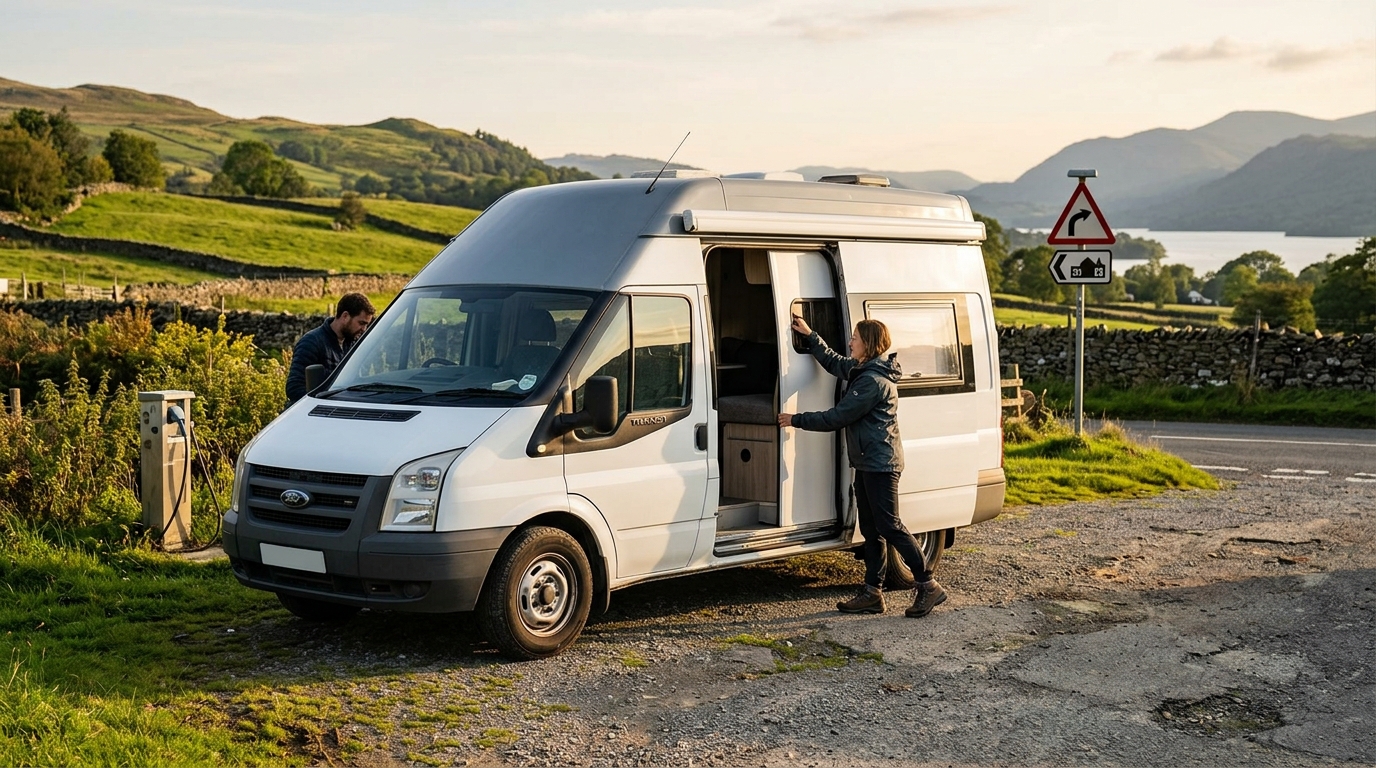
When you're ready to choose your vehicle, consider the nimble Class B campervans, like a VW California Ocean, which are often more manageable on narrow country lanes and in smaller villages, particularly for couples or small families. For larger families or groups up to 6, a Class C motorhome, such as the `rv rentals example Comfort Class` (with 3 double beds), provides more space and amenities. Lock in your travel dates as early as possible, especially for one-way rentals which have limited availability and higher demand during peak times. Many suppliers offer automatic transmission, making driving easier for those accustomed to it. Regarding insurance, basic liability insurance is always included in your rental price. For extra peace of mind, you can upgrade to a top-level deductible reimbursement option, which significantly reduces your out-of-pocket expenses in case of an incident. We compare final prices across over 50 leading RV suppliers worldwide, including trusted names like Apollo and Britz, ensuring you see all relevant insurance options and no hidden fees, which is part of our full transparency commitment. Remember, the minimum rental age is 21, and there are no young driver surcharges or vehicle class restrictions based on age, making RV travel accessible for many.
Pre-Trip Prep - Packing Checklist for UK
A comprehensive packing list tailored to the UK's often unpredictable weather and specific RV needs ensures a comfortable one-way journey, allowing you to focus on enjoying the scenic routes and cultural experiences.
When preparing for your UK motorhome adventure, layering is key, as British weather can change rapidly. Essential items include:
- Waterproof jacket and trousers
- Warm layers (fleeces, sweaters)
- Comfortable walking shoes/boots
- Swimsuit (for coastal areas or leisure facilities)
- Reusable water bottle
- Basic cooking essentials (oil, salt, pepper) - for some delicious meals on the road, check our RV-friendly recipes playlist
- Tea towels and dish soap
- First-aid kit
- Reflective vest and warning triangle
- UK travel adapter
- Printed booking confirmations
- Driver's license and International Driving Permit (if recommended for non-English speaking visitors, though not mandatory in most cases)
- Passport/ID
- UK road atlas or GPS with UK maps
Most rental campervans come equipped with basic kitchenware and bedding, but it's always wise to confirm what's included with your supplier. Think about the specific activities you plan to do, such as hiking in national parks or exploring historic sites, to tailor your packing even further.
On the Road - Driving, Fueling, Navigation
Navigating the UK's roads in a rented RV requires an understanding of local driving practices, efficient fueling logistics, and reliable navigation strategies to ensure a smooth and enjoyable trip.
The most fundamental rule for driving in the UK is to remember that traffic drives on the left side of the road. Be especially mindful of speed limits, which are strictly enforced and often lower in rural areas (e.g., 30 mph in urban areas, 60 mph on single carriageways, 70 mph on dual carriageways/motorways for cars, often lower for larger motorhomes). Familiarize yourself with roundabouts; larger vehicles may need more space to maneuver safely. Drive slowly and carefully, and you can drive almost anywhere without issues. No need to stress - just use common sense and pay attention. Plan your fuel stops in advance, as some rural stations may not accommodate larger RVs or have limited hours. Diesel (often referred to as 'derelict') is the most common fuel type for motorhomes. Utilize a GPS system specifically designed for RVs or trucks to avoid height or weight-restricted roads, which are common in older towns and scenic regions. Be prepared for narrow roads, especially in places like Cornwall, the Lake District, or the Scottish Highlands, and always use designated passing places courteously to allow oncoming traffic or faster vehicles to pass.
🎬 Video coming soon
At the Campground - Setup, Hookups & Etiquette
Proper setup, understanding various hookups, and observing campground etiquette are essential for a smooth and enjoyable RV stay in the UK, enhancing your experience for the entire week-long trip or longer adventure.
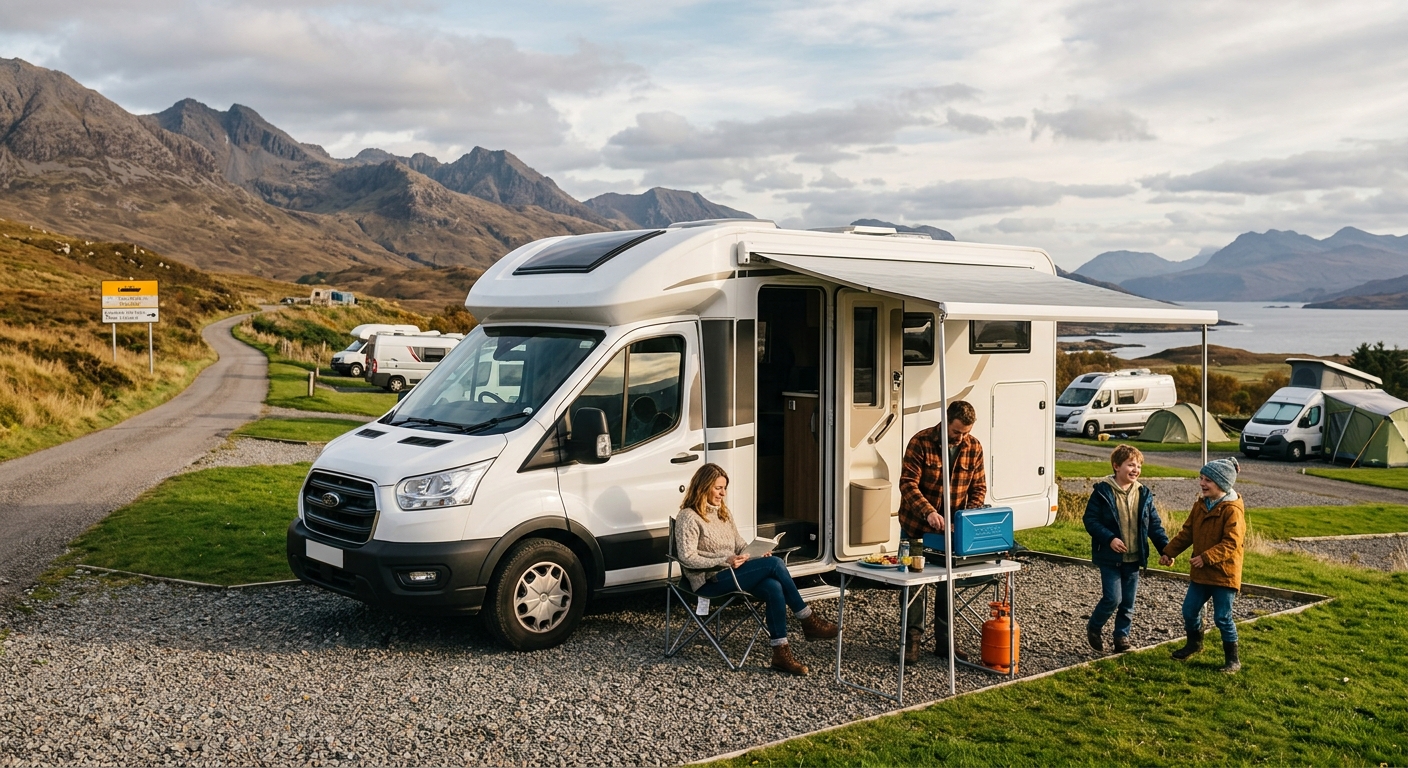
Upon arrival at your chosen campsite, first orient your rented motorhome for level parking and ensure easy access to hookups; then, extend any stabilizers for a steady base. Connect the electric hook-up (EHU) cable, typically a 16-amp connection, then attach the fresh water hose, and finally, position the waste water (grey water) hose correctly. Always empty black water tanks at designated chemical disposal points (Elsan points) found at most commercial campsites, never on pitches or into drains not specifically marked for waste. Observing quiet hours, typically from late evening (around 10 PM) to early morning (around 7 AM), is crucial to ensure a peaceful environment for all campers. Be mindful of your designated pitch boundaries and keep your area tidy, respecting the natural environment and fellow travelers. For finding campsites and campgrounds during your trip, we recommend using RV PLANET (rvplan.net) - a great resource for locating available spots along your route. Pre-booking campsites during peak seasons is highly recommended, as popular spots can fill up quickly.
One Way RV Rental-Specific Tips for UK
A one-way RV rental in the UK offers unparalleled freedom to traverse varied landscapes without backtracking, requiring specific planning considerations to optimize your journey.
Optimizing your route is paramount: design your itinerary to flow seamlessly from your pick-up to your drop-off point, minimizing detours and maximizing exploration of new regions, such as moving from the historic south to the dramatic north. Confirm the exact drop-off location, operating hours, and any out-of-hours procedures with your supplier well in advance to avoid last-minute complications or unexpected fees, which our full transparency policy aims to prevent. Be aware of potential one-way rental fees, which are often applied to cover the cost of returning the vehicle to its original depot, and can range from £100 to £500+. Since you'll likely cover diverse regions, pack for a range of climates, from Scottish Highlands to southern coastlines, ensuring you're prepared for any weather; a cozy `rent motorhome example E3` with heating will ensure comfort. While one-way routes require a fixed start and end, maintain some flexibility for overnight stops, especially when exploring less-traveled areas, as serendipitous discoveries are often the best part of RV travel. Many national and state parks reserve only 25-30% of spots; the rest are first-come-first-serve, so you'll find a spot if you're flexible.
Common Mistakes to Avoid in UK
Avoiding common pitfalls can significantly enhance your one-way RV rental experience in the UK, ensuring a smoother journey and more enjoyable extended road trip.
A frequent mistake is not booking early enough; instead, secure your one-way RV rental and desired dates far in advance, especially during peak season (June-August), as Class C motorhome and campervan availability is limited. For example, a `cruise america rv rental example Explorer` can be in high demand. Another common error is ignoring vehicle dimensions; always be aware of your rented RV's height, width, and length, especially when navigating narrow country roads, low bridges (many are under 3.5 meters), and older city centers. Drive slowly and carefully, and you can drive almost anywhere without issues. No need to stress - just use common sense and pay attention. Underestimating travel times is also common; allow ample time for journeys, accounting for UK road conditions, potential traffic, and the slower pace of RV travel (average 100-150 km per day). Failing to pre-book popular campsites, particularly during school holidays or in scenic areas like the Lake District, can leave you without a spot; always call ahead. Not understanding one-way fees is a pitfall; clarify all one-way charges and drop-off procedures with your rental provider upfront to avoid unexpected costs. Finally, overlooking UK road regulations, such as London's Congestion Charge or ULEZ fees, and Dartford Crossing tolls, can result in fines; research specific rules relevant to your itinerary before you travel. For planning such routes efficiently, consider exploring RV PLANET routes.
What Specific UK RV Regulations, Tolls, and Wild Camping Rules Should I Know?
UK RV regulations encompass various laws beyond just driver's licenses, including vehicle dimension restrictions, specific toll and charging zones, and nuanced rules for wild camping that vary significantly by region.
A standard car driver's license is sufficient for all motorhome classes (Class A, Class B, and Class C) in the UK; an International Driving Permit (IDP) is recommended for visitors from non-English-speaking countries but is not mandatory in most cases. Be acutely aware of your rented RV's height, width, and length, as many rural roads, historical towns, and quaint bridges have restrictions. For instance, a medium-sized `Category Family 5` motorhome with a length of 7 meters will need careful navigation in historic village centers. Toll roads and charges include the M6 Toll in the Midlands, the Dartford Crossing (which requires online pre-payment), and urban charges such as London's Congestion Charge and Ultra Low Emission Zone (ULEZ), which apply to specific vehicles and must be paid in advance. Adhere to strict waste disposal rules, utilizing designated dump stations (often called 'Elsan points') at campsites or service areas for both grey and black water. While wild camping in motorhomes is generally discouraged in England and Wales without explicit landowner permission, Scotland operates under a more permissive 'right to roam' culture. This allows for responsible wild camping in many areas, provided you follow "Leave No Trace" principles and local bylaws. Overnight parking outside of designated campsites or private land is frequently illegal or prohibited by local bylaws, so always check signage carefully to avoid fines, which can range from £60-£100 in many areas.
What is the RV Infrastructure like in the UK for Dump Stations, Water, and Fuel?
The UK offers a developing but generally adequate infrastructure for RVers, with dump stations and fresh water typically available at campsites, while fuel stations are widespread but may present accessibility challenges for larger vehicles.
Dump stations, commonly known as Elsan points for chemical toilets and grey water disposal, are primarily found at commercial campsites, dedicated motorhome stopovers, and some larger service stations. Planning your itinerary to include overnight stays at such locations is crucial for waste management. Fresh water is readily available at most campsites, often via dedicated taps at pitches or central service blocks. Some larger service stations and truck stops may also have water points, though checking in advance is recommended. Gas stations are abundant across the UK, with over 8,000 active stations; however, those in rural areas or smaller towns may have limited space, making maneuvering larger RVs, like a 9.1-meter `C-30` motorhome, difficult. Always check access before entering. Road quality in the UK varies; main A and B roads are generally well-maintained, but rural roads, particularly in scenic areas like the Yorkshire Dales or the Peak District, can be narrow, winding, and less smooth, demanding careful driving. Drive slowly, with an average of 100-150 km per day, to fully appreciate the scenery and ensure safety on these routes.
How Does UK Seasonal Weather Affect RV Travel?
UK seasonal weather significantly impacts RV travel, with distinct challenges and considerations from winter's short days and potential closures to summer's crowds and booking necessities, varying across different regional landscapes.
Spring (March-May) generally brings mild weather and increasing daylight hours, making it popular for exploring, though it can still be chilly with unpredictable showers. Many campsites begin opening fully by April, with daily temperatures averaging 8-15°C. Summer (June-August) is the peak season, offering the warmest weather (15-25°C), long daylight hours, and vibrant landscapes; however, this means significant crowds, higher prices, and essential pre-booking for campsites, often requiring reservations 6-12 months in advance for popular spots. Autumn (September-November) offers beautiful foliage and fewer crowds, but days shorten, temperatures drop (5-12°C), and some remote campsites start closing. Winter (December-February) presents challenges like colder temperatures (0-7°C), shorter days (7-8 hours of daylight), and the potential for ice and snow, particularly in higher elevations like Scotland or northern England. Numerous campsites may operate reduced hours or close entirely, and some main tourist attractions may also have reduced hours or closures. Regional variations are important: Scotland and the mountainous regions often experience harsher, wetter weather year-round compared to the south of England, requiring appropriate preparation regardless of season. A well-equipped motorhome with good heating, like the `MH-A` model, will enhance comfort during cooler months.
How Much Does a One Way RV Rental Trip in the UK Really Cost?
An itemized budget for a one-way RV rental in the UK extends beyond just the daily hire fee, encompassing fuel, campsite fees, specific insurance options, one-way drop-off charges, and potential hidden costs like tolls or ferry crossings.
The rental cost itself varies significantly by RV class, season, and duration. For a one-week trip, a Class B campervan like the `Combi Van` might start from $100-$150 per day in low season, while a larger Class C motorhome like the `4 Berth Adventurer` could range from $150-$300+ per day. One-way fees are a substantial additional cost, often ranging from £100-£500 depending on the distance between depots. Fuel is a major expense, as RVs are less fuel-efficient, typically achieving 8-12 MPG for larger models. UK fuel prices are usually higher than in many other countries; budgeting for £1.60-£1.80 per liter for diesel is a realistic estimate. Campsite fees range from £20-£50 per night for a serviced pitch, with variations based on location, facilities, and season; wild camping, where permitted, is free. Basic liability insurance is included, but consider opting for comprehensive coverage to reduce your excess liability, which is an additional daily cost, often £15-£30. Hidden costs include the M6 Toll (approx. £7-£13), Dartford Crossing charges (£2.50-£7.00, pre-pay online), London ULEZ (£12.50 daily) and Congestion Charges (£15 daily) if entering central London, and ferry crossings (e.g., to the Scottish Islands or Isle of Wight), which can add £50-£200+. Daily expenses for groceries, eating out, and tourist attractions average £50-£150+ per day depending on travel style. Keep in mind that prices are dynamic like flight tickets, changing daily based on availability, seasonality, and supplier marketing decisions; the final price is set at the actual booking time. For budgeting and tracking every expense along the way, consider using RV PLANET routes.
What are UK Driving Etiquette and Cultural Nuances for RVers?
Mastering UK driving etiquette for RVers involves understanding specific road structures like single-track roads with passing places, navigating complex roundabouts, and respecting local customs in rural communities to ensure a harmonious journey.
The most fundamental rule for RV travel in the UK is driving on the left side of the road. Be aware of single-track roads, particularly common in the Scottish Highlands, Wales, and parts of rural England; use designated passing places to allow oncoming traffic or faster vehicles to pass, and always give way politely, often requiring reversing for several meters. Roundabouts are ubiquitous; approach with caution, signal correctly, and prioritize traffic already on the roundabout. Larger RVs, such as a `4 Berth Henty` motorhome, may need to use both lanes to navigate, so be aware of other drivers. Speed limits are strictly enforced and vary significantly (e.g., 30 mph in urban areas, 60 mph on single carriageways, 70 mph on dual carriageways/motorways for cars, often lower for RVs). In rural areas, be considerate of agricultural vehicles and livestock; reduce speed and be prepared to stop. A polite wave or flash of headlights is a common way to acknowledge courtesy. Pay close attention to parking restrictions and avoid blocking access for residents or emergency services, especially in charming but often congested villages. Traveling slowly, averaging a maximum of 100-150 km per day, allows you to immerse yourself in the local culture, food, and scenery, truly connecting with the spirit of each place.
What are the Best Connectivity Options for RVers in the UK?
Staying connected on a UK RV trip involves utilizing robust mobile networks, which generally offer good coverage, along with leveraging Wi-Fi at campsites and considering portable hotspots for more remote areas.
For mobile networks, major providers like EE, Vodafone, O2, and Three offer the best coverage across the UK, with EE generally having the widest reach, especially in rural and remote areas like parts of the Scottish Highlands or national parks. Consider purchasing a local SIM card with a generous data plan upon arrival, which can cost around £10-£20 for 10-20GB of data. Many commercial campsites provide Wi-Fi, often included in the pitch fee or available for a small charge (typically £3-£5 per day). However, the quality and speed of campsite Wi-Fi can vary, particularly during peak times or in remote locations. A portable hotspot or MiFi device, using a local SIM card, can provide a more reliable and consistent internet connection for multiple devices, which is particularly useful when campsite Wi-Fi is weak or unavailable. Always download offline maps, such as Google Maps or Maps.me, as a reliable backup, especially when venturing into areas with spotty mobile signal. Finally, power banks are essential for charging devices, especially when opting for off-grid overnight stays where electrical hookups may not be available for your rented campervan.
What are Essential RV Safety and Security Tips for the UK?
Ensuring RV safety and security in the UK involves practical measures for vehicle safeguarding, understanding local emergency services, and adhering to general road safety practices to protect yourself and your rented motorhome.
Always prioritize vehicle security by locking all doors and windows, even when you are present inside your campervan. Using additional deterrents like steering wheel locks or alarms is recommended, especially when staying in isolated locations or unmarked parking areas. Keep valuables out of sight or secured in a hidden compartment within your RV, avoiding leaving them in plain view to deter opportunistic theft. For immediate emergencies (Police, Fire, Ambulance, Coastguard), dial 999. For non-emergencies, dial 101 for police assistance. Adhere strictly to road safety guidelines: obey speed limits, take regular breaks every 2-3 hours to combat driver fatigue, and exercise extra caution on narrow, winding roads and in adverse weather conditions. Ensure gas bottles are turned off when driving and when leaving the RV unattended to prevent any gas leaks. Regularly check smoke and carbon monoxide detectors in your rental unit. For overnight stays, always opt for well-lit, populated areas or official campsites rather than isolated lay-bys, as these generally offer better security and peace of mind.
What You Shouldn't Miss
The UK offers an incredible tapestry of landscapes and history, making it perfect for exploration in a rented motorhome or campervan. To truly experience its magic, here are some must-do experiences:
- Explore the Scottish Highlands and NC500: Drive a portion of the iconic North Coast 500, a 516-mile route famous for its dramatic mountains, pristine lochs, and remote beaches. Park your campervan near Loch Ness for a monster hunt, or visit Eilean Donan Castle, one of Scotland's most photographed landmarks.
- Discover the Lake District National Park: Immerse yourself in England's largest National Park, a UNESCO World Heritage site known for its glacial ribbon lakes and rugged mountains. Hike Scafell Pike, England's highest peak, or enjoy a gentle cruise on Windermere.
- Journey through the Welsh Coastline: Drive the Coastal Way, an epic 180-mile route along Cardigan Bay. Discover charming seaside towns like Aberaeron with its colorful houses, and explore ancient castles such as Caernarfon or Conwy.
- Unearth History in the Cotswolds: Wander through picturesque honey-colored villages like Bourton-on-the-Water or Bibury. This Area of Outstanding Natural Beauty is perfect for slow travel, averaging 50-80 km a day, allowing you to enjoy local tearooms and antique shops.
- Stargaze in a Dark Sky Park: Head to a designated Dark Sky Park, like Northumberland International Dark Sky Park in England or Galloway Forest Park in Scotland, for unparalleled views of the night sky, far from city lights.
- Visit Highbridge: Start your journey in the charming town of Highbridge, a perfect gateway to explore the delights of the South West of England.
Final Thoughts
Embarking on a one-way RV adventure in the UK offers an unparalleled sense of freedom, allowing you to discover charming villages, dramatic coastlines, and ancient historical sites at your own pace. With careful planning and the right rented motorhome, your journey can be an unforgettable exploration of British culture and natural beauty.
We're here to support you every step of the way, from comparing prices and vehicle options to helping you choose the perfect itinerary. Our commitment to full transparency and personalized support ensures that your RV rental experience is as smooth and enjoyable as possible.
Ready to hit the road and experience the UK like never before? Discover top destinations, planning tips, all in one place!
Check UK RV Rental Prices Now
