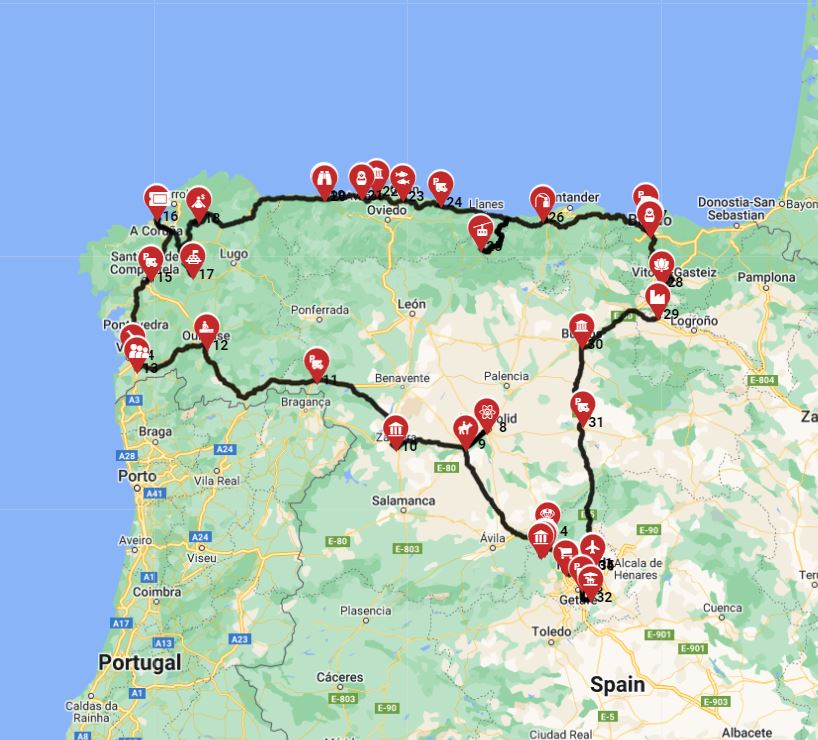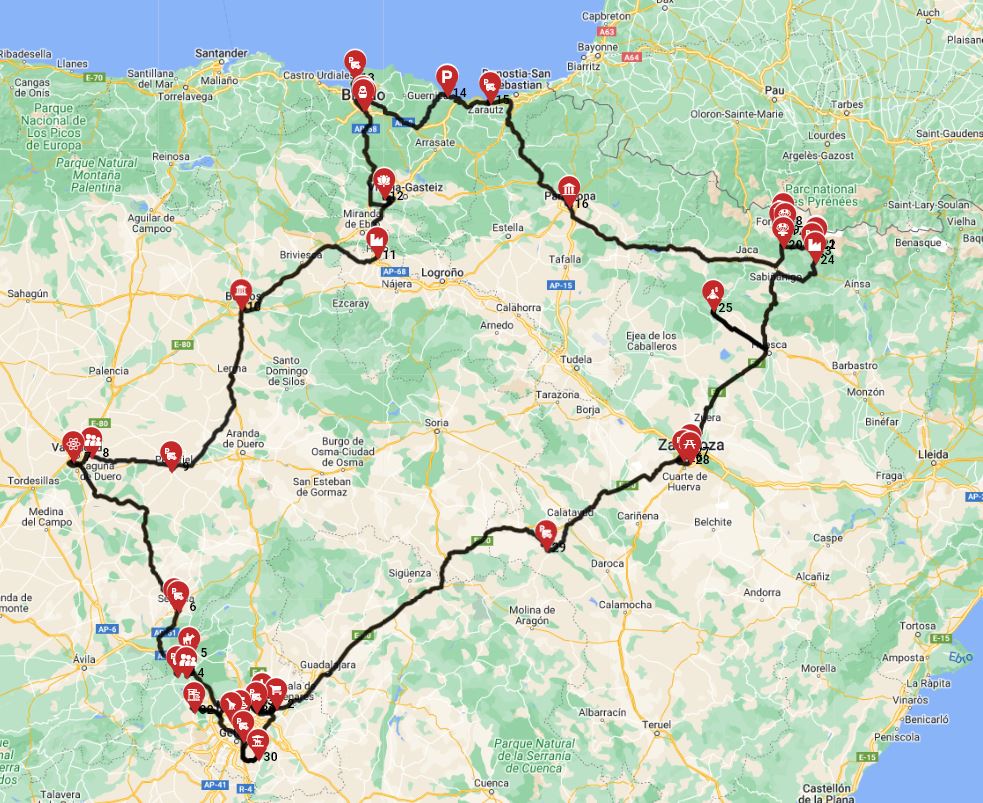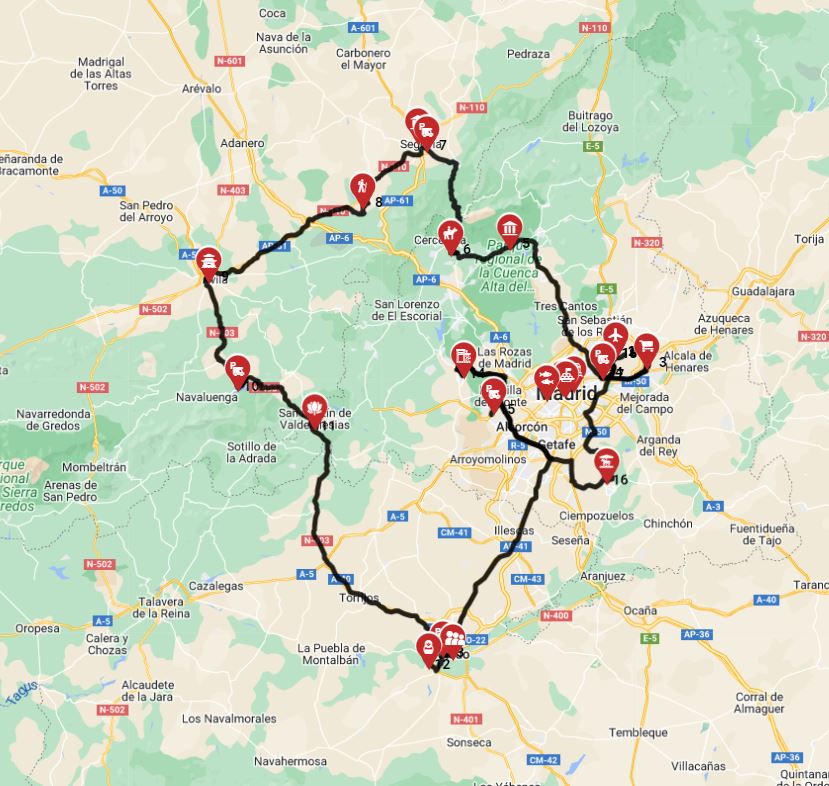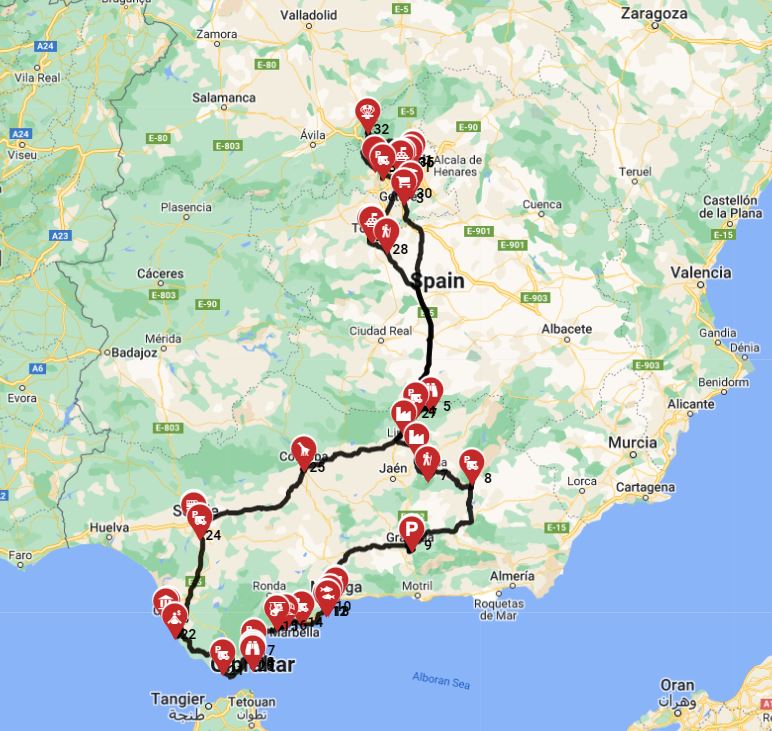
For live availability and current prices, start with our RV Rental Spain - Complete Guide 2026 guide.
In This Guide
- Top 5 Tips for one way rv rental RV Rental in Spain
- Before You Book - Class, Dates, Insurance
- Pre-Trip Prep - Packing Checklist for Spain
- On the Road - Driving, Fueling, Navigation
- At the Campground - Setup, Hookups & Etiquette
- one way rv rental-Specific Tips for Spain
- Common Mistakes to Avoid in Spain
- What are specific safety and security precautions for RVing in Spain
- How much does one way RV rental in Spain cost - Budget breakdown
- What is the RVing culture like in Spain
- Is wild camping legal in Spain with an RV
- What are the challenges for larger RVs in Spain
- What emergency support is available for RV travelers in Spain
- How do seasonal changes affect RV travel in Spain
- Where can I find RV service points and waste disposal in Spain
Top 5 Tips for one way rv rental RV Rental in Spain
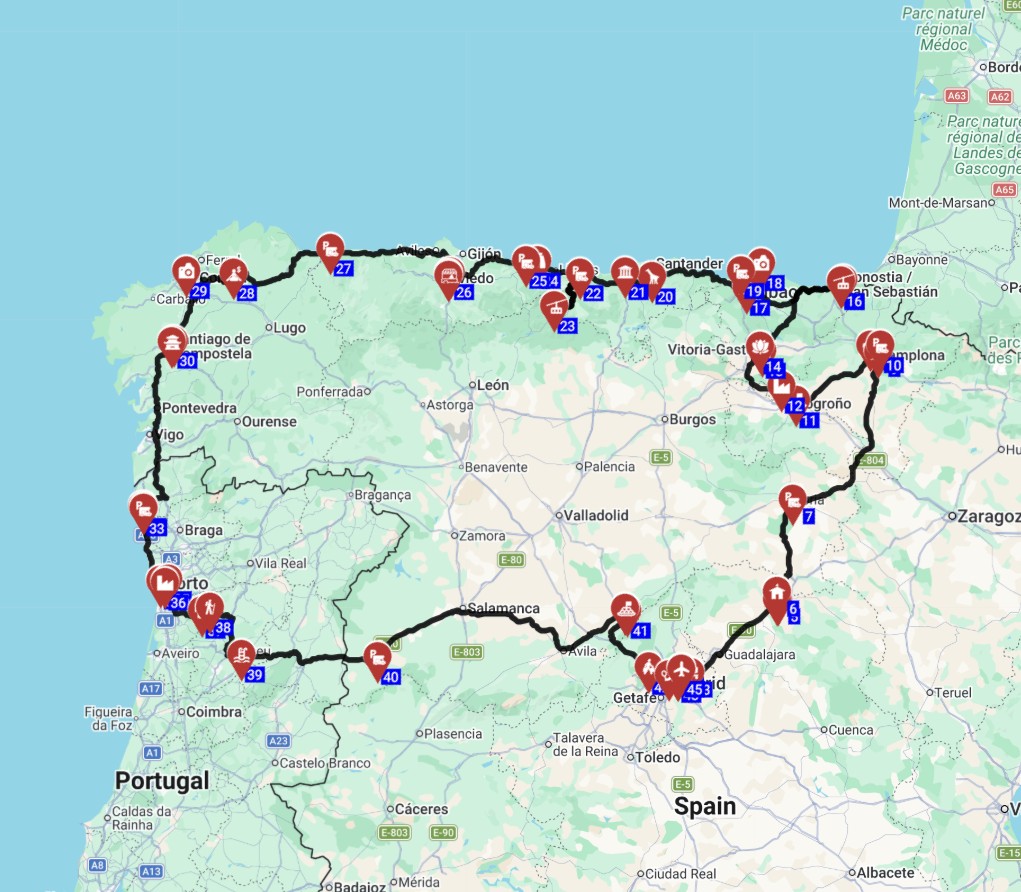
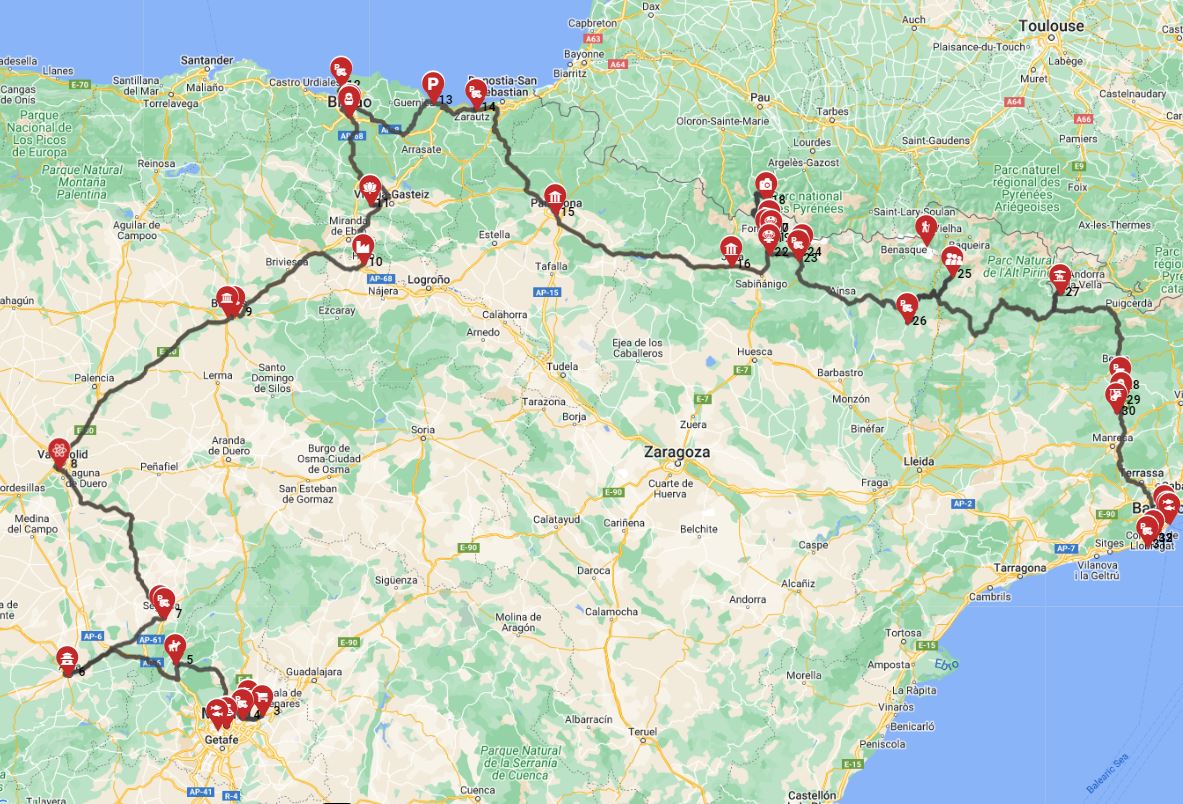
Booking your one-way RV rental in Spain well in advance is crucial, especially for peak seasons, to secure your preferred RV model and one-way route. This proactive approach helps you get the best choice and potentially better rates. Understand the one-way fee structure thoroughly, as it can vary significantly between rental companies and specific pick-up/drop-off locations; a clear, itemized breakdown of all charges, including drop-off fees, is essential before booking to prevent budget surprises. Thoroughly review the rental agreement for details on mileage limits, insurance specifics, and any international travel restrictions if you plan to cross borders. Plan your route with consideration for Spain's diverse landscapes, from coastal roads to mountainous regions, accounting for different driving conditions and potentially lower speed limits for larger vehicles. Familiarize yourself with Spanish road signs and driving regulations, including mandatory safety equipment like reflective vests and warning triangles, before your departure. For tips tailored to your specific trip, talk to rent-motorhome.
Before You Book - Class, Dates, Insurance
Before booking a one-way RV rental in Spain, consider factors such as RV class, optimal booking dates, and comprehensive insurance options. Choosing an RV class for one-way travel depends on your group size, comfort needs, and driving experience; smaller RVs, such as campervans, can be more agile in Spanish towns and navigate narrower streets more easily. Lock in your rental dates as early as possible, particularly for popular travel periods like summer or major festivals, to ensure availability and potentially secure better rates. Basic insurance is always included with your rental, offering a foundational level of protection. However, exploring comprehensive coverage options can offer greater peace of mind for your journey, covering more eventualities. An insider tip: Basic insurance is always included. To see prices including the most comprehensive coverage, select that option during the search process on our platform, and then all relevant insurance options will be displayed for your review. For tips tailored to your specific trip, talk to rent-motorhome.
Pre-Trip Prep - Packing Checklist for Spain
Prepare for your one-way RV adventure in Spain by using this tailored packing checklist, ensuring you have all essentials for comfort and compliance.
- Lightweight, breathable clothing (layers for varying temperatures)
- Swimsuit and beach towel (if visiting coastal areas)
- Comfortable walking shoes
- Sun hat, sunglasses, and high-SPF sunscreen
- Small coffee maker and reusable water bottles
- Cooler bag for market fresh produce
- Basic cooking spices and oil
- First-aid kit (including blister plasters and any personal medications)
- Reflective vests and warning triangle (legally required in Spain)
- European travel adapter (Type F/E) and extension cord
- Headlamp or flashlight
- Passport and visa (if applicable)
- Driver's license and International Driving Permit (recommended)
- RV rental agreement and insurance documents
- Travel insurance policy details
- Copies of all important documents (digital and physical)
- Offline maps or a dedicated GPS
For tips tailored to your specific trip, talk to rent-motorhome.
On the Road - Driving, Fueling, Navigation
Navigating Spain in a one-way RV rental requires attention to local driving nuances, fueling practices, and efficient navigation strategies. Driving an RV in Spain generally involves well-maintained roads, but be mindful of narrower streets in historic towns; always check vehicle dimensions against road signs and consider alternative routes for larger RVs. Fueling stations are widely available, with diesel (gasóleo) being the most common fuel type for RVs; consider a fuel card for convenience or ensure you have a payment method that works at automated pumps, which are common outside of staffed hours. Navigation is best handled with a reliable GPS system or app updated with RV-specific routing to avoid unsuitable roads, potential low bridges, or restricted zones. Adhere to speed limits, which are typically 120 km/h on motorways, 90 km/h on national roads, and 50 km/h in urban areas for cars, with lower limits often applying to larger vehicles like RVs; fines for speeding can be significant and are often camera-enforced. For tips tailored to your specific trip, talk to rent-motorhome.
At the Campground - Setup, Hookups & Etiquette
Setting up your RV, connecting hookups, and observing campsite etiquette are key to a smooth and enjoyable experience at Spanish campgrounds. Upon arrival, park your RV levelly using ramps if necessary to ensure comfort and proper appliance function, particularly for refrigeration and showers. The typical hookup order involves connecting electricity first (checking for correct polarity if needed), then fresh water (using a potable water hose), and finally the waste hose for grey/black water disposal. Campsite etiquette in Spain generally includes respecting quiet hours, usually from late evening until morning, and maintaining cleanliness around your pitch; excessive noise or littering is generally frowned upon. Always ensure your waste water hose is securely connected and correctly positioned before opening valves to prevent spills and maintain hygiene within the campground. For tips tailored to your specific trip, talk to rent-motorhome.
one way rv rental-Specific Tips for Spain
Tailoring your one-way RV rental experience in Spain to your specific traveler profile can significantly enhance your journey. For families, choose an RV with sufficient sleeping and living space, and plan kid-friendly stops or attractions along your one-way route, considering travel times that align with nap schedules and playground availability. Senior travelers might prefer a smaller, automatic transmission RV for easier maneuverability, prioritize campsites with readily accessible facilities, and consider a rental period that avoids the intense summer heat. Budget-conscious travelers can save on one-way fees by booking during off-peak seasons, utilizing free overnight parking spots where permissible and safe, and self-catering with local market produce. Luxury seekers can enhance their one-way experience with premium add-ons like Wi-Fi, bike racks, or full kitchenware packages, available from select rental providers, and opt for larger, more opulent RV models for maximum comfort. For tips tailored to your specific trip, talk to rent-motorhome.
Common Mistakes to Avoid in Spain
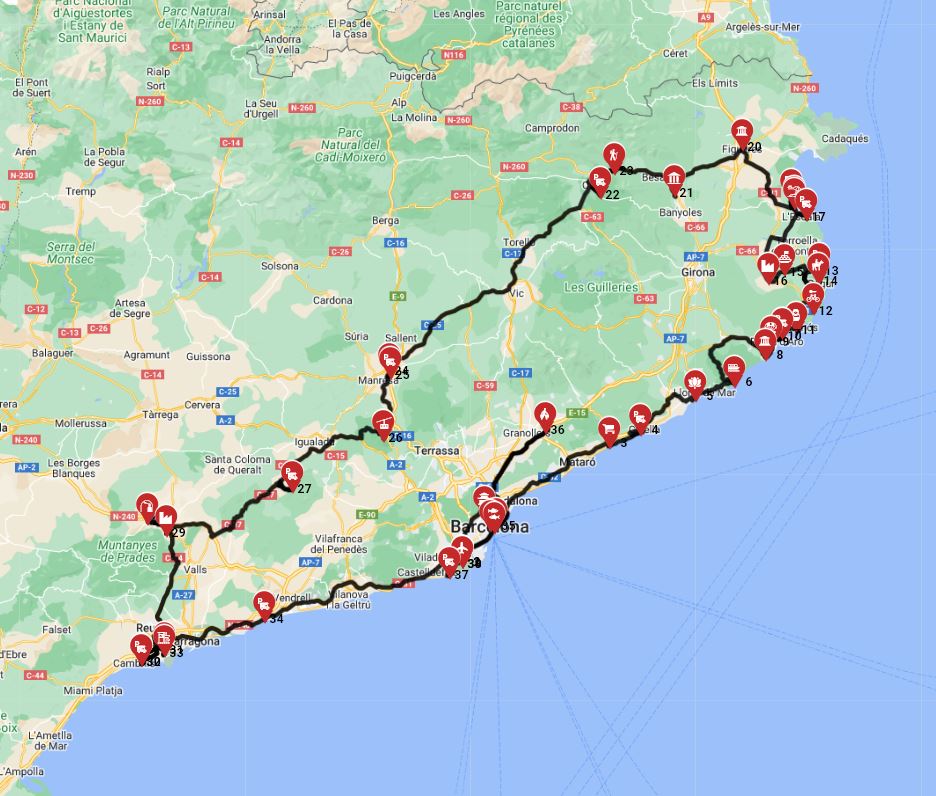
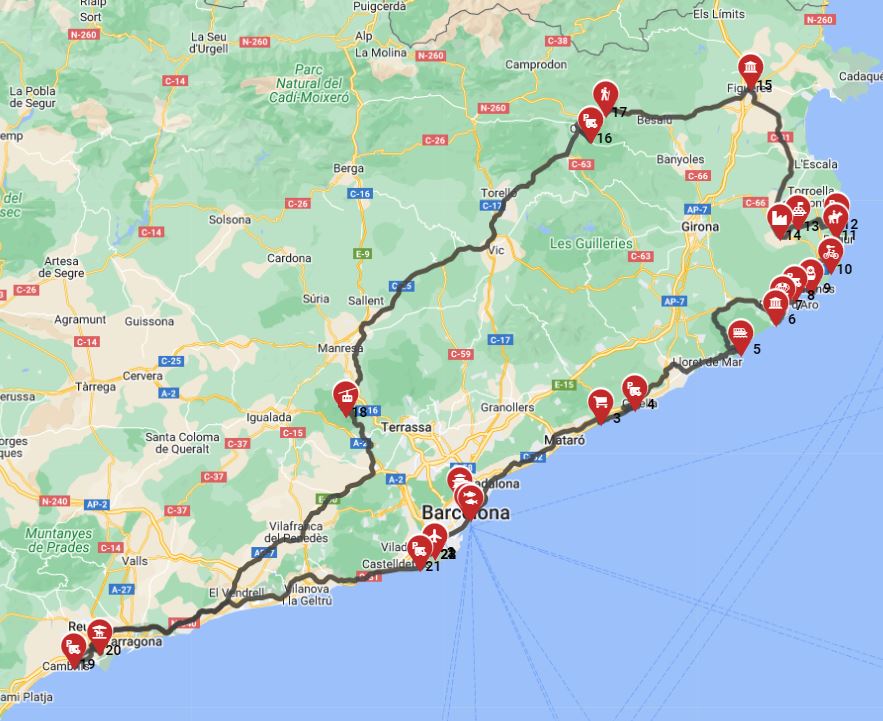
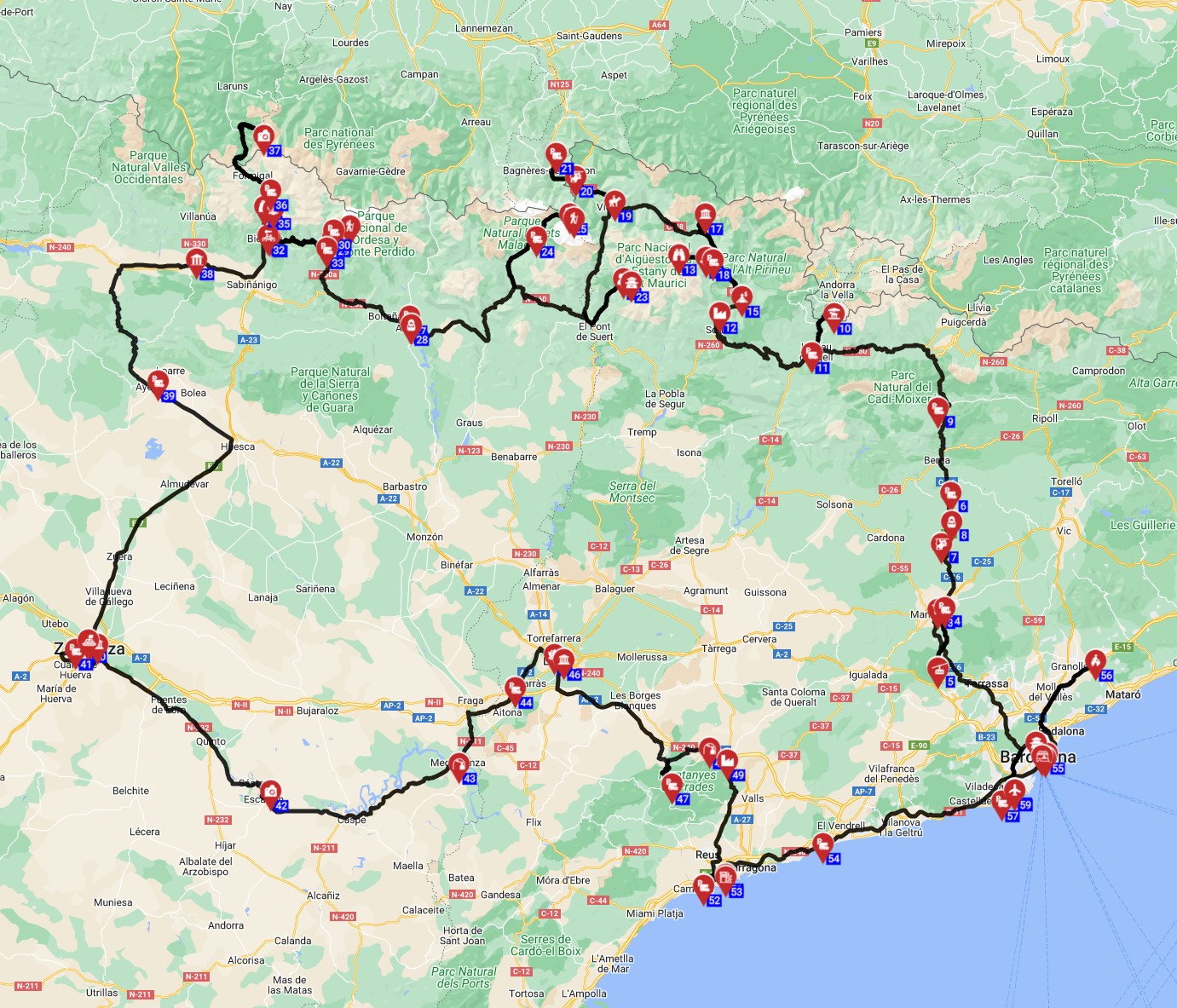
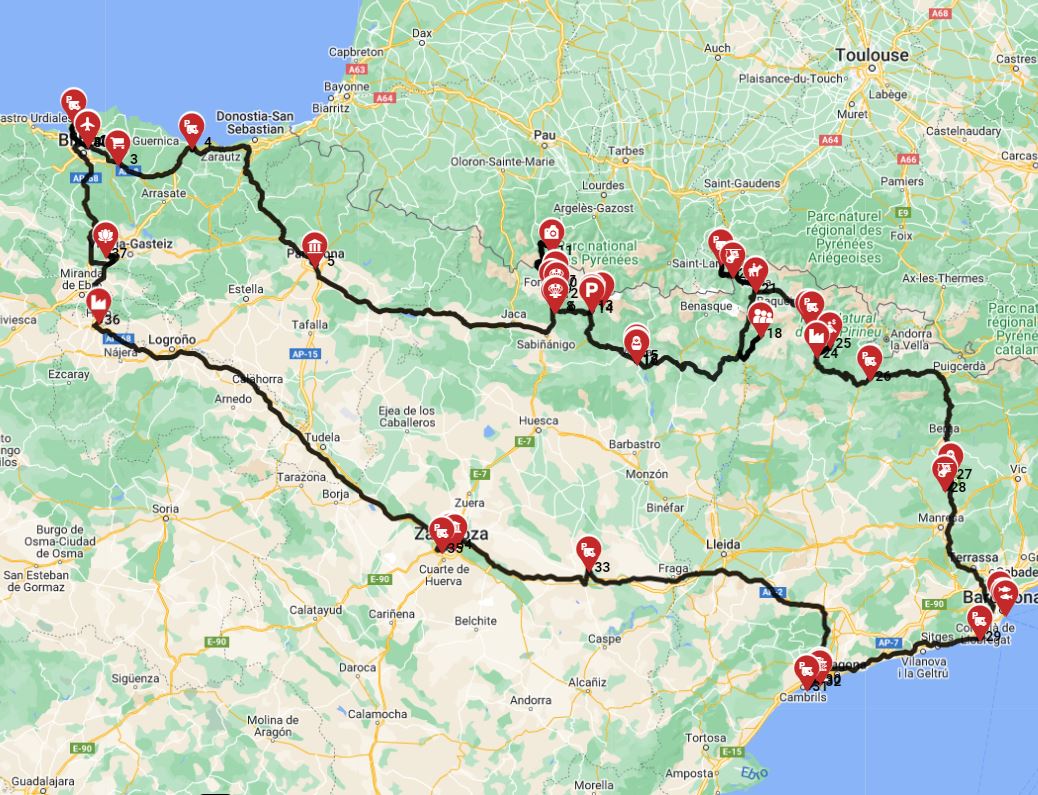
Avoiding common pitfalls can make your one-way RV rental in Spain a more enjoyable and stress-free experience. Instead of underestimating one-way fees, always get a clear, itemized breakdown of all charges including drop-off fees before booking to prevent hidden costs and budget surprises. Rather than relying solely on mobile data for navigation, download offline maps or invest in a dedicated GPS with European maps to ensure continuous guidance in areas with poor reception. Instead of overlooking local driving laws, research specific regulations for RVs, such as speed limits, parking restrictions, and mandatory safety equipment (like reflective vests and warning triangles), to avoid fines. Rather than assuming all campsites accept large RVs, verify vehicle size restrictions when booking, especially in popular or older campgrounds, to avoid disappointment upon arrival. Instead of ignoring waste disposal guidelines, always use designated service points to responsibly empty tanks and preserve the environment; improper disposal can lead to heavy fines and environmental damage. Instead of neglecting language barriers, learn a few basic Spanish phrases or use a reliable translation app to facilitate interactions with locals and in emergencies, enhancing your cultural immersion. For tips tailored to your specific trip, talk to rent-motorhome. On the routes offered through RV PLANET routes, you can itemize and track every expense along the way for easy budgeting.
What are specific safety and security precautions for RVing in Spain
Specific safety precautions for RVing in Spain involve securing your vehicle, being aware of surroundings, and understanding local emergency procedures to ensure a safe journey. Always lock all RV doors and windows, especially when leaving the vehicle unattended or overnight; consider additional aftermarket locks for enhanced security. Utilize campsite security features when available, such as gated entrances or surveillance, and consider personal alarms or anti-theft devices for added peace of mind in less secure areas. Be cautious when parking in isolated areas; well-lit, populated spots or official campsites are generally safer options for overnight stays and can deter opportunistic theft. Familiarize yourself with local emergency numbers: 112 for general emergencies (police, fire, ambulance) which usually has English-speaking operators, 091 for National Police, and 062 for Guardia Civil (rural police). Keep valuables out of sight and secure documents in a safe place, not left openly in the RV, and avoid displaying signs of wealth.
How much does one way RV rental in Spain cost - Budget breakdown
The cost of a one-way RV rental in Spain varies significantly based on RV class, rental duration, season, specific pick-up/drop-off locations, and the one-way fee. Budget-conscious travelers might expect daily rental rates from €70-€120 in off-peak seasons for smaller models, while mid-range RVs could be €120-€200, and luxury models €200+ per day; these figures typically exclude the one-way fee. One-way fees generally range from €200-€700, depending on the distance between locations and the rental company's policy, sometimes more for very long distances or specific routes. Additional costs include fuel (diesel averages around €1.50-€1.80 per liter as of 2026), campsite fees (€15-€45 per night), potential tolls on motorways, and groceries for self-catering, which can significantly impact your total budget. Seasonal variations play a crucial role, with rentals being significantly cheaper in winter (November-March) and most expensive in summer (June-August) due to high demand and limited availability.
What is the RVing culture like in Spain
RVing culture in Spain is vibrant and growing, characterized by a love for outdoor living, strong community ties, and an appreciation for local cuisine, festivals, and the country's diverse landscapes. Spaniards often enjoy RV travel with family and friends, frequently stopping at coastal areas, national parks, and historic towns, embracing a leisurely pace of discovery. Many local RVers utilize dedicated 'áreas de autocaravanas' (motorhome service areas), which are specifically designed parking spots with basic services (water, waste disposal), often free or low cost, fostering a sense of community. There's a sense of camaraderie and helpfulness among RVers, often sharing tips and experiences at campsites or service points, especially with fellow travelers from other regions. Integrating with the local culture often means partaking in afternoon siestas, enjoying late dinners (especially in the south), and participating in local markets or fiestas that are common throughout the year, enhancing the travel experience.
Is wild camping legal in Spain with an RV
Wild camping with an RV in Spain is generally prohibited by national laws, but specific regional and municipal regulations can vary significantly, leading to a nuanced interpretation of legality. While 'wild camping' (setting up camp with chairs, awnings, or creating a 'camp' outside the vehicle) is largely illegal, 'parking' your RV for an overnight stay is often permitted where no specific local prohibition exists, provided you do not exhibit camping behavior and your vehicle fits within a regular parking space. Always look for signs indicating prohibitions (e.g., 'Prohibido Acampar', 'Prohibido Pernoctar') and respect private property; using apps like Park4night can help identify legal overnight spots and user-reported regulations. Designated 'áreas de autocaravanas' or official campsites are the safest, most legal, and most recommended options for overnight stays, offering necessary services and security. Ethical practices include leaving no trace, respecting the environment, being discreet if parking outside official areas, and moving on after a single night to avoid drawing attention.
What are the challenges for larger RVs in Spain
Larger RVs in Spain face specific challenges primarily related to navigating narrow village roads, finding suitable parking, and accessing certain urban areas with restrictions. Historic centers and many smaller Spanish villages feature very narrow, winding streets, often with height or weight restrictions, that can be difficult or impossible for oversized vehicles; planning routes to bypass these is essential. Parking for larger RVs can be scarce, especially in popular tourist destinations; look for dedicated motorhome parking zones or out-of-town park-and-ride options, using apps to scout locations in advance. Some cities have Low Emission Zones (ZBE) that restrict access for older or larger vehicles; check regulations for your specific route and RV's emission class before entering urban centers to avoid fines. Planning routes on main roads and utilizing satellite navigation with RV-specific dimensions input (height, length, weight) can help avoid problematic areas and ensure a smoother journey. Consider the maneuverability of your RV on steep, winding mountain roads, especially in regions like the Picos de Europa or Sierra Nevada.
What emergency support is available for RV travelers in Spain
Emergency support for RV travelers in Spain includes national emergency services, comprehensive roadside assistance, and readily available multi-lingual medical facilities. Dial 112 for all emergencies (police, fire, ambulance), which is a free service available nationwide and usually has English-speaking operators, making it the primary contact point. Most RV rental companies provide 24/7 roadside assistance, so keep their emergency contact information readily accessible, often found in your rental agreement or on the vehicle's key ring. Travel insurance can cover medical emergencies, and major hospitals (hospitales) in larger cities are well-equipped, with many staff having some English proficiency; pharmacies (farmacias) are also widely available. For language support in non-emergency situations, consider carrying a phrasebook, using translation apps, or seeking assistance from local tourist information offices, which often have English-speaking staff. Ensure your personal medical information is easily accessible in case of an emergency, especially if you have pre-existing conditions.
How do seasonal changes affect RV travel in Spain
Seasonal changes significantly impact the RV travel experience in Spain, affecting weather, crowd levels, available activities, regional closures, and overall pricing. Spring (April-May) and Autumn (September-October) offer ideal conditions with mild weather, fewer crowds, vibrant local festivals, and pleasant temperatures for outdoor activities like hiking and cycling. Summer (June-August) is peak season, characterized by high temperatures (especially inland), crowded coastal areas, increased prices for rentals and campsites, and popular national holidays that can lead to closures and traffic. Winter (November-March) provides cooler temperatures, lower rental costs, and a quieter experience, particularly in southern Spain or for ski trips in the north; some northern campsites or attractions may have reduced hours or be closed. Specific festivals like Semana Santa (Easter) or La Tomatina can lead to road closures and fully booked campsites, requiring advance planning and reservation during these periods to avoid disruption. Managing heat in summer requires careful planning of shaded parking, using air conditioning where available, and seeking out coastal or higher altitude areas.
Where can I find RV service points and waste disposal in Spain
RV service points and waste disposal facilities in Spain are predominantly found at designated 'áreas de autocaravanas' and private campsites, but other options exist. Áreas de autocaravanas, often located near towns or attractions, provide essential facilities for fresh water replenishment, grey water disposal, and black water emptying, sometimes for a small fee or for free. Many gas stations on major routes, particularly those catering to trucks, also offer water and waste disposal services for a small fee, which can be convenient when not staying at a campsite. Apps like Campercontact, Park4night, or Promobil are excellent resources for locating both free and paid service points, often with user reviews and real-time availability updates. Always ensure you use dedicated facilities for waste disposal to maintain hygiene and comply with environmental regulations; improper disposal can damage the environment and lead to fines. Some municipal parking areas might offer basic services, but always verify before relying on them, as facilities can vary widely.
What You Shouldn't Miss
- Drive the scenic coastal roads of the Costa Brava, stopping in charming seaside villages.
- Explore the ancient Roman aqueduct and Alcázar of Segovia, accessible with most motorhomes.
- Visit the Alhambra in Granada (book tickets well in advance!) and consider parking slightly out of the city center for easier RV access.
- Experience the vibrant energy of Seville, perhaps parking at a designated motorhome aire on the outskirts and using public transport.
- Discover the Picos de Europa National Park, offering breathtaking mountain scenery and challenging, rewarding drives for experienced RVers.
- Enjoy the Mediterranean lifestyle along the Costa del Sol, finding numerous well-equipped campsites.
Final Thoughts
Embarking on a one-way RV adventure in Spain offers unparalleled freedom to explore its rich tapestry of cultures, landscapes, and history at your own pace. From the sun-drenched beaches of the Mediterranean to the historic grandeur of its cities and the rugged beauty of its national parks, a rented RV is your perfect mobile basecamp. Remember to plan ahead, pack smart, and embrace the leisurely pace of RV travel to truly connect with the Spanish way of life.
We’re here to support you every step of the way, from initial comparison to booking your dream RV. Let Bandana Caravan help you craft an unforgettable Spanish road trip. Discover top destinations, planning tips, and everything you need to know for your journey – all in one place!
Get inspired for your next adventure and start planning your Spain RV escape today!
For ideas you can prep on the road, watch our RV-friendly recipes playlist on YouTube.